Greyhounds have a reputation for speed, and that part is absolutely true. What surprises most families is what comes after the sprint: many Greyhounds are calm, polite, and wonderfully low-drama housemates. As a veterinary assistant, I love helping adopters set realistic expectations, because the happiest placements happen when you understand what a Greyhound is built to do and what they need to feel safe and settled.
Greyhound temperament: gentle, sensitive, and quietly funny
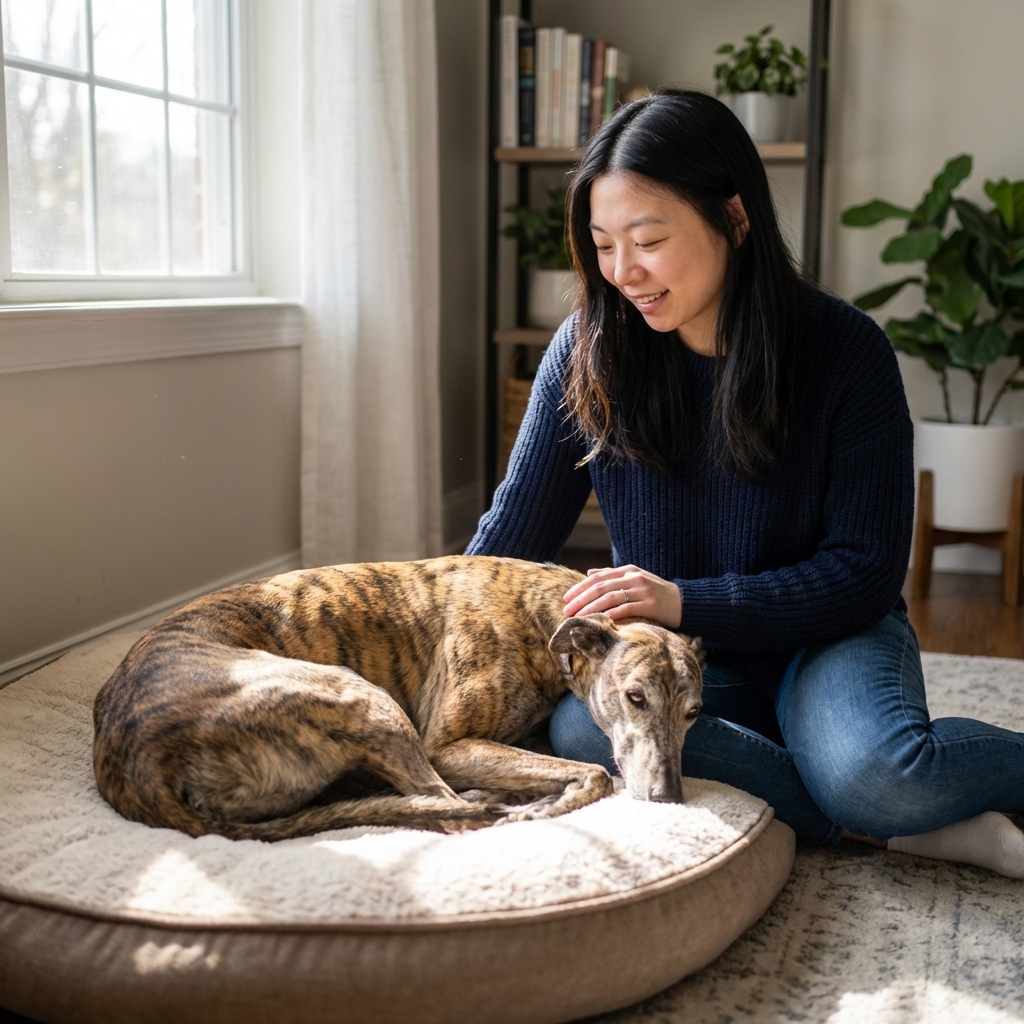
Most Greyhounds are affectionate without being demanding. They often bond strongly with their people, and many prefer calm companionship over constant activity. Think of them as polite roommates who enjoy a good nap and a short adventure.
- Typically calm indoors: Many Greyhounds are famously fast “couch potatoes” who can hit up to around 45 mph in a sprint. They can be playful, but they are not usually busy, bouncing all day.
- Often sensitive: They tend to respond best to gentle handling, predictable routines, and reward-based training.
- Usually not big barkers: Some will alert bark, but many are relatively quiet compared with other breeds.
- Family-friendly potential: Many do well with respectful kids who understand not to climb on dogs, grab collars, or interrupt rest.
One important note: Greyhounds can startle easily, especially early on after adoption. Give them time, keep things calm, and let trust build at their pace.
Startle and sleep startle: stay safe and build trust
Some Greyhounds, especially retired racers, can experience sleep startle. That means they may react defensively if suddenly touched or startled while asleep. It is not “mean,” it is a reflex.
- Wake gently: Use your voice first, then light movement nearby, and let them fully orient before you touch.
- Give them a no-bother zone: A bed in a low-traffic area helps, and teach kids that a resting dog is off-limits.
- Watch the signs: Stiffening, lip licking, whale eye, or a quick head whip are cues to give space.
Exercise needs: short bursts plus daily enrichment
Greyhounds are sprinters, not endurance runners. They do need daily movement, but that “movement” is usually more manageable than people expect.
A realistic daily plan
- Leashed walks: Usually 20 to 40 minutes total per day, split into two or more walks, works well for many adults. Some individuals need more or less depending on age, health, and personality.
- Optional safe sprint time: If you have a fully fenced, secure area, some Greyhounds enjoy a few quick zooms. Many are done in minutes.
- Mental enrichment: Food puzzles, sniff walks, and short training sessions can tire them out in a healthy way.
Greyhounds have thin skin, so rough play can lead to nicks and scrapes. Slippery floors are a separate issue and can cause slips and sore muscles. Traction matters. Area rugs and runners can help them feel confident and move safely.
Prey drive: what it is and how to manage it
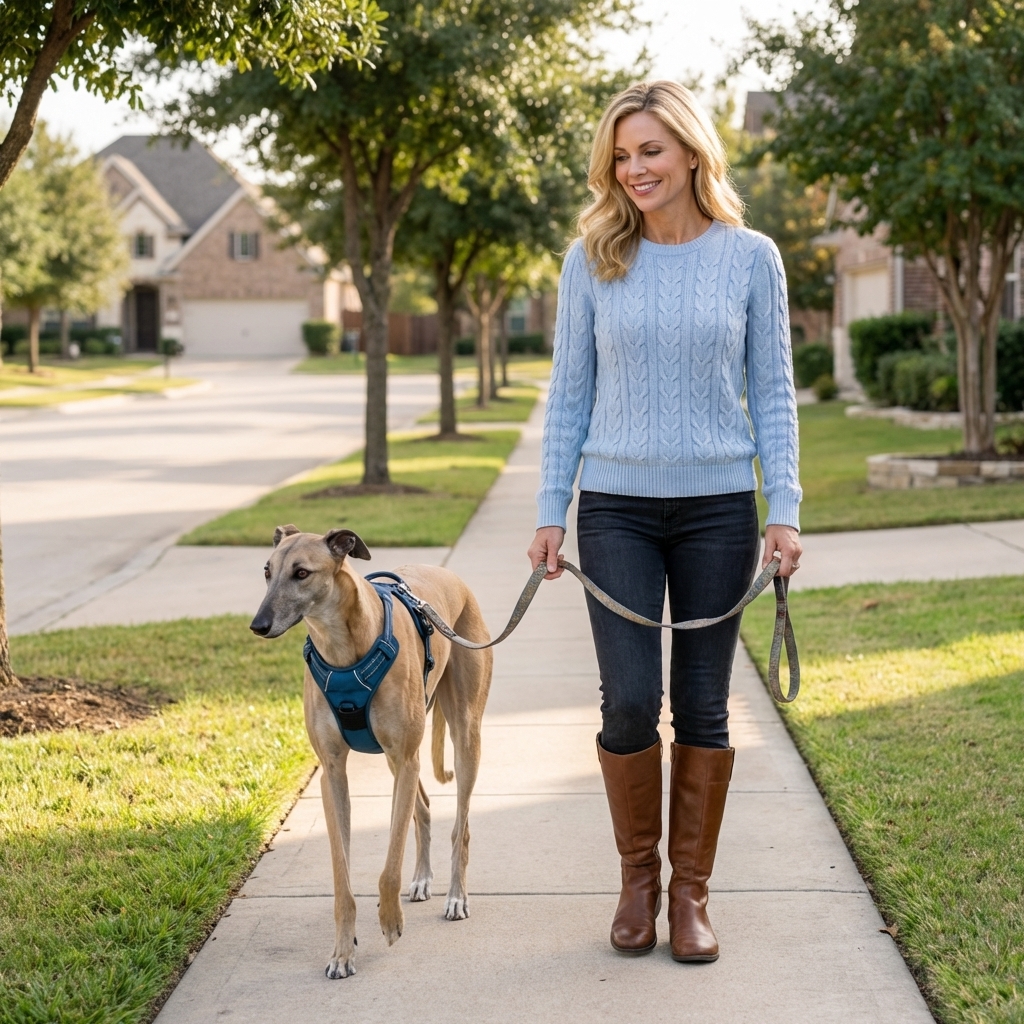
Greyhounds are sighthounds. They are designed to notice motion and chase. That does not mean every Greyhound is unsafe around small animals, but it does mean you should take prey drive seriously and manage it thoughtfully.
Common triggers
- Squirrels, rabbits, cats, and small dogs running
- Sudden movement, especially at dusk or dawn
- Fast, darting motion and sometimes high-pitched sounds
Safety rules that protect everyone
- Use a secure setup: A martingale collar is commonly recommended for Greyhounds because their heads are narrower than their necks. Many adopters also use a well-fitted harness as a backup.
- Leash in unfenced areas: Even a well-trained Greyhound can ignore cues when chase mode kicks in.
- Introduce cats slowly: If your home has a cat, work with an adoption group that cat-tests, and still plan for a careful, supervised introduction period.
- Skip dog parks at first: The speed difference can lead to accidental collisions. Some Greyhounds do fine later in the right setting, but it is not a default “yes.”
If you are adopting, ask the group what they observed: cat tolerance, small-dog tolerance, and how the dog behaves around wildlife. Those notes are truly valuable.
Fencing and off-leash safety
A Greyhound who spots something to chase can cover ground quickly. For most Greyhounds, safe off-leash time means a fully enclosed, physically secure fence, not an open field and not a promise that “they will come back.”
- Choose a solid barrier: Many Greyhound groups recommend a secure fence around 5 to 6 feet, with attention to gaps and gate latches.
- Skip invisible fences: They do not stop a dog in full chase mode, and they do not protect your dog from what is outside the yard.
- Do a perimeter check: Walk the fence line regularly for loose boards, digging spots, or gates that do not latch cleanly.
Muzzle myths: why you might see one and what it really means
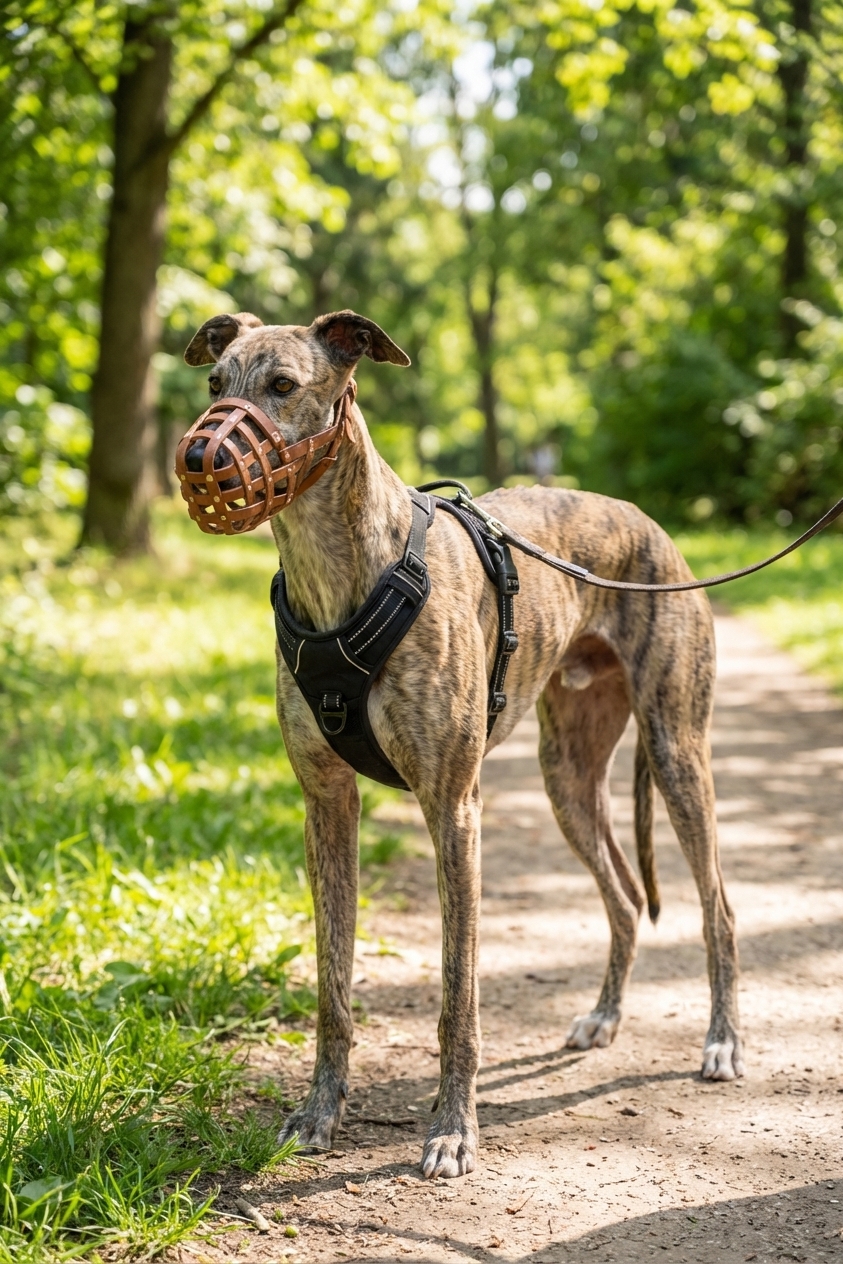
Many people see a Greyhound in a muzzle and assume the dog is aggressive. In the Greyhound world, a muzzle is often simply a safety tool.
- Racing and group turnout: Greyhounds may be muzzled during group play to prevent nicks, scuffles, or accidental injuries when excitement is high.
- Prey drive management: Some newly adopted Greyhounds wear a muzzle temporarily outdoors, especially in areas with small animals, while the adopter learns the dog’s patterns.
- Not a “bad dog” label: A well-fitted basket muzzle allows panting, drinking, and taking treats. It can reduce risk while training and routines are being established.
If your Greyhound comes home with a muzzle recommendation, treat it like a seatbelt. It is about prevention and peace of mind.
Retired racing vs show lines: what adopters should expect
Not all Greyhounds come from the same background. Understanding the difference can help you plan training, socialization, and expectations in the first few months.
Retired racing Greyhounds
- Often very used to kennels and routines: They may transition nicely to predictable schedules.
- Household skills vary: Some are not fully house-trained, have never seen stairs, or are unfamiliar with glass doors and sliding doors.
- May be less “toy motivated” at first: Many learn to play once they relax and feel safe.
- Leash skills can be decent: But distractions like squirrels can still be intense.
Show or pet-bred Greyhounds
- Often raised in homes: They may have early exposure to stairs, vacuums, and typical household sounds.
- Energy levels vary: Some pet-bred dogs can be more active than retired racers.
- Socialization matters: A well-socialized puppy or young adult can be wonderful, but the quality of early experiences makes a huge difference.
Bottom line: both can be fantastic companions. What matters most is matching an individual dog’s needs to your lifestyle and your willingness to train gently and consistently.
Indoor lifestyle fit: they can thrive in apartments
Greyhounds are often excellent indoor dogs, even in smaller spaces, as long as their daily needs are met. They are usually happy with a comfortable bed, a few short walks, and a calm household rhythm.
What helps them succeed indoors
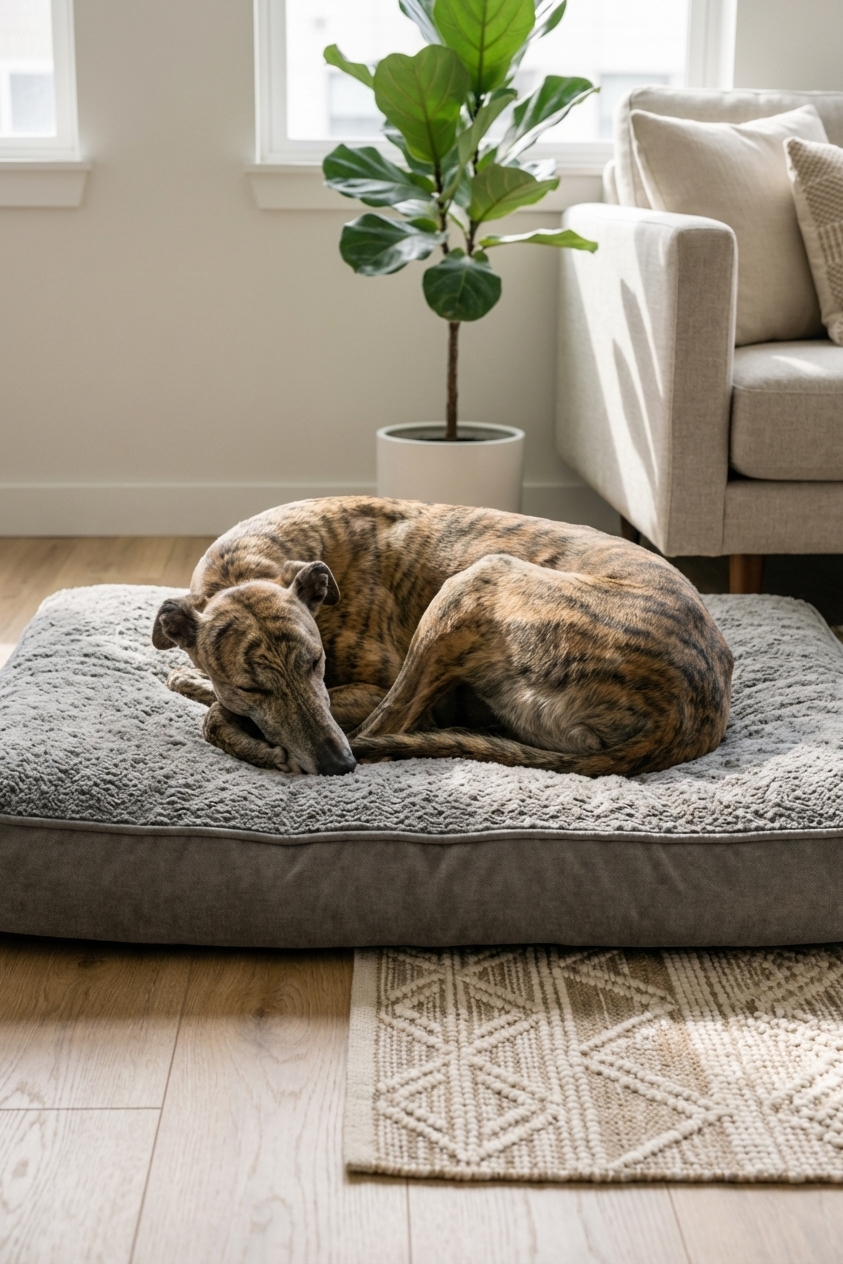
- Soft bedding: Greyhounds have little body fat and prominent bony points, so a supportive bed helps prevent pressure sores.
- Stable footing: Slick floors can be scary. Use rugs in hallways and near doors.
- Keep nails and feet in good shape: Long nails reduce traction and can make walking on smooth floors uncomfortable. Regular nail trims and basic paw checks help a lot.
- Quiet decompression time: Many newly adopted Greyhounds do best with a low-visitor period at first.
- Alone-time training: Some Greyhounds can develop separation stress. Short, gradual practice sessions help build confidence.
Cold sensitivity: sweaters are not just cute
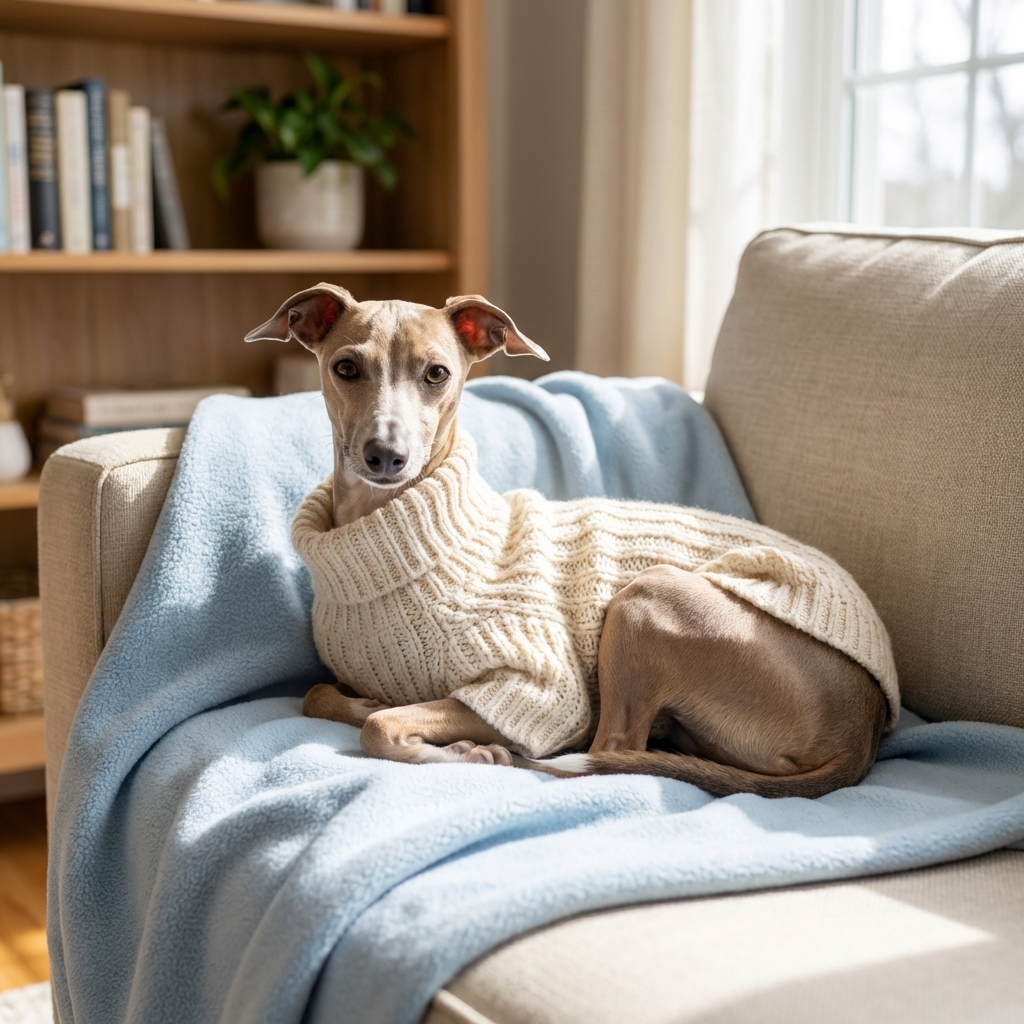
Because Greyhounds have a thin coat and low body fat, many get chilled easily. During freezing temperatures and even cool mornings, you may notice shivering, reluctance to go outside, or a tense posture.
- Use a coat in cool weather: Especially for walks or windy conditions.
- Keep potty breaks short in cold rain: They can get cold quickly when wet.
- Provide warm sleeping spots: Beds away from drafts make a big difference.
Heat matters too. Greyhounds can overheat in high temperatures, particularly during exercise. Prioritize early morning and evening walks in hot months and always bring water.
Basic health watchouts: what to monitor and discuss with your vet
Greyhounds are generally healthy, but they do have a few common concerns and “breed quirks” worth knowing. This section is not a diagnosis guide, but it will help you ask smart questions.
Common Greyhound considerations
- Dental disease: Greyhounds are known for tartar buildup and gum issues. Daily or near-daily tooth brushing and regular dental checkups are a big quality-of-life win.
- Thin skin and easy injuries: Small scrapes can look dramatic. Keep a simple first-aid kit and watch for swelling or continued bleeding.
- Corns on paw pads: Some Greyhounds develop painful corns that can cause limping. Your vet can confirm and discuss treatment options.
- Bloat risk: Like other deep-chested breeds, Greyhounds can be at risk for gastric dilatation-volvulus. It is not something to panic about, but it is worth knowing the warning signs that require emergency care. Talk with your veterinarian about prevention strategies.
- Anesthesia considerations: Many Greyhounds do very well with modern anesthesia, but sighthounds can have different medication and temperature-management considerations due to their physiology. Choose a veterinary team familiar with sighthounds or willing to follow sighthound-safe guidelines and monitoring.
- Unique lab values: Greyhounds can have normal bloodwork ranges that differ from other breeds, such as packed cell volume. Make sure your veterinarian interprets results in a breed-appropriate context.
If you are adopting a retired racer, ask for medical records and any track-related history. A baseline exam soon after adoption is a great idea, even if the dog seems perfectly fine.
Nutrition and healthy weight: “thin” is not always too thin
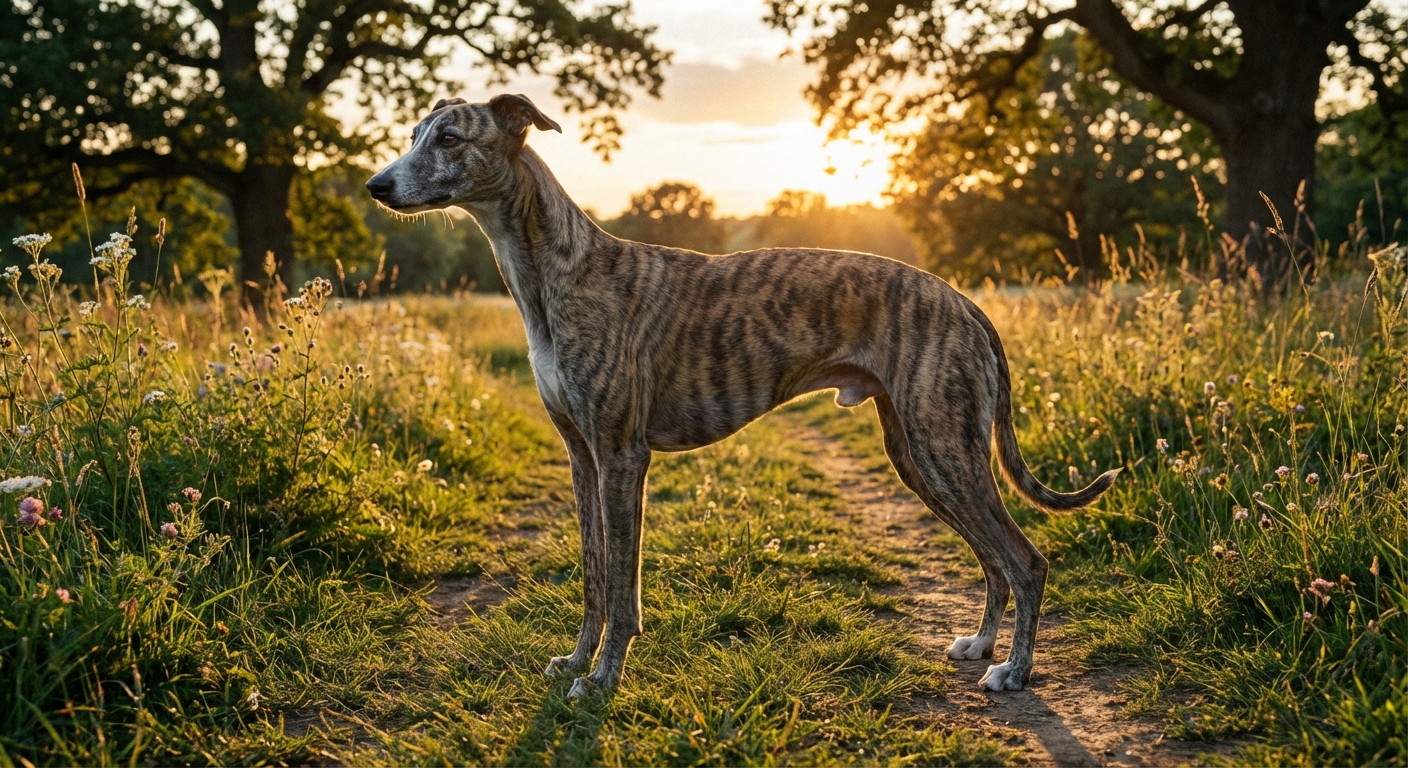
Many first-time Greyhound families worry their dog looks underweight. Greyhounds are naturally lean, and it is common to see a tucked waist and a defined silhouette. You should not see sharp hip bones protruding, but a Greyhound also should not be padded like a stockier breed.
- Use body condition, not comparisons: Ask your veterinarian to score your dog’s body condition and set a realistic target weight.
- Make changes slowly: If weight gain is needed, increase calories gradually and recheck progress.
Adoption tips that make the transition smoother
The first few weeks with a Greyhound are about decompression, confidence-building, and gentle routine. Here is what I suggest to many new adopters.
Your first-week checklist
- Create a calm home base: Pick a quiet spot for a bed and water. Let your Greyhound retreat there without being followed or crowded.
- Keep the schedule predictable: Regular meal times and potty trips reduce stress and accidents.
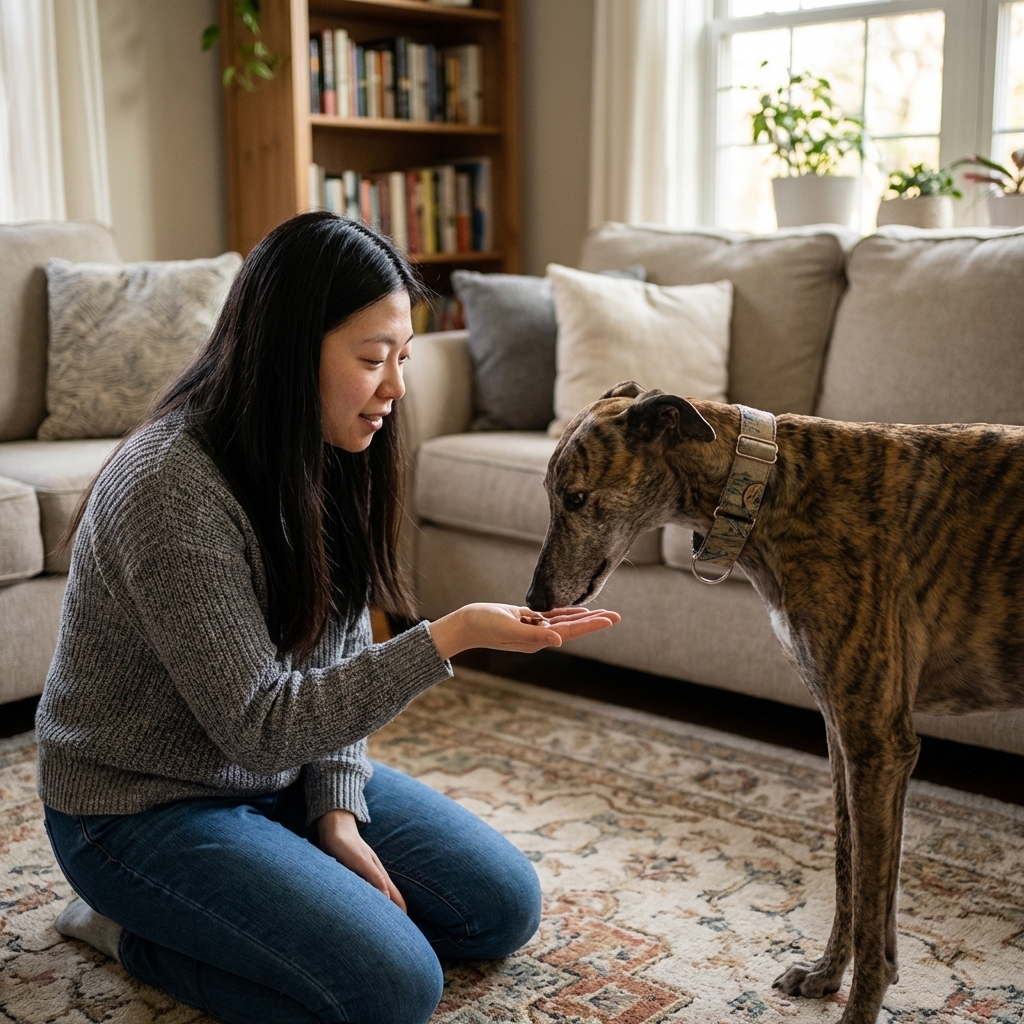
- Use positive reinforcement: Treats, praise, and consistency work far better than corrections for sensitive dogs.
- Plan for stairs: Some Greyhounds need slow, careful coaching to learn stairs safely.
- Secure your home and yard: Check fence gaps and gate latches. Indoors, use baby gates if needed for management.
- Build leash skills gradually: Start in low-distraction areas, then level up as your dog’s focus improves.
Adoption success with Greyhounds is less about doing everything perfectly and more about doing the basics consistently: safety, routine, and kindness.
If you are choosing between two dogs, ask the adoption group which one is most likely to match your household energy, your pet situation, and your comfort level with training. Greyhound groups are usually excellent at matchmaking because they truly want the placement to last.
Is a Greyhound right for you?
A Greyhound may be an excellent fit if you want a calm indoor companion, you enjoy daily walks, and you can manage prey drive safely. They may be a tougher fit if you need an off-leash dog in unfenced areas, want a rugged outdoor adventurer in extreme weather, or have very small pets without the ability to separate and train carefully.
If you decide to adopt, you are not just getting a fast dog. You are getting a gentle athlete with a huge heart who often thrives in a home that offers soft bedding, consistent routines, and a little patience while they learn what “family life” means.