Chicken and rice can soothe mild stomach upset and help dogs transition back to normal food. Learn safe recipes, portions, how long to feed it, and when to c...
Article
•
Designer Mixes
Great Pyrenees Temperament, Training & Grooming

Shari Shidate
Designer Mixes contributor
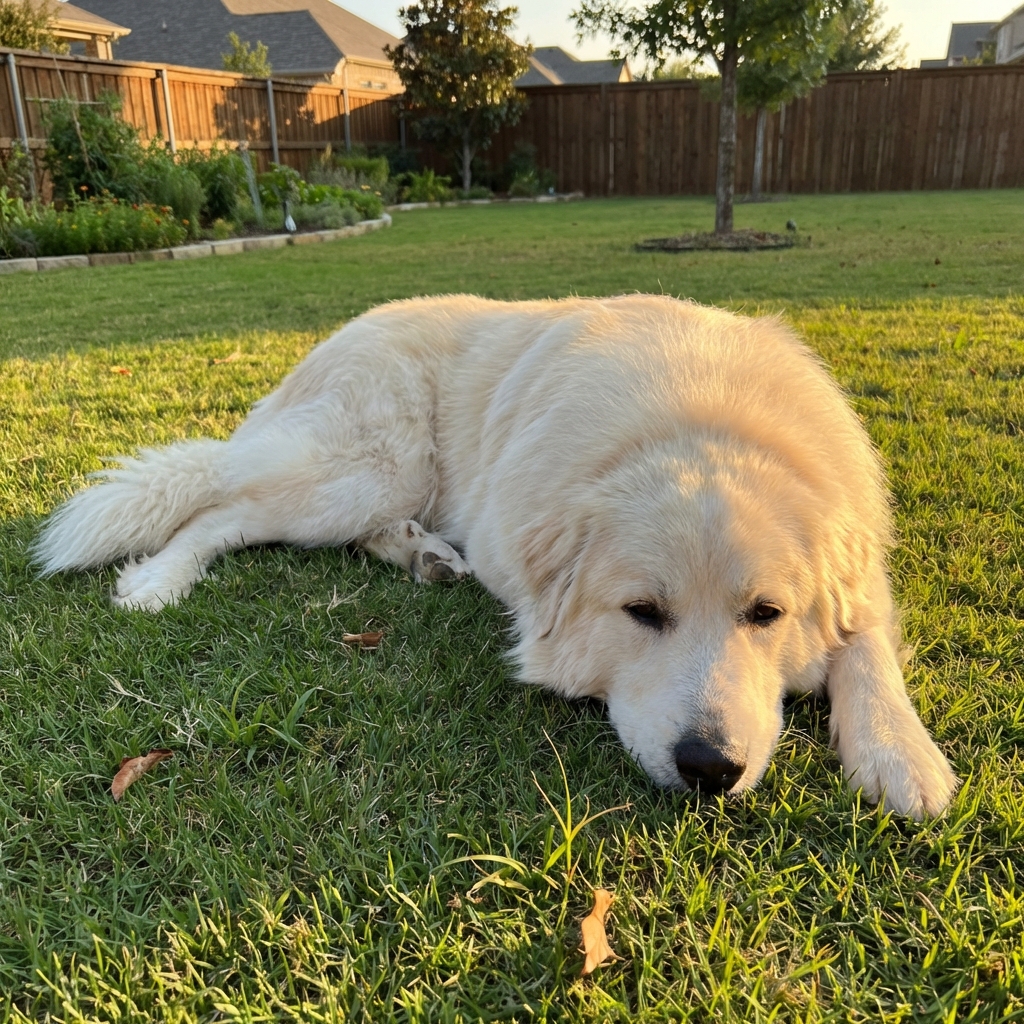
The Great Pyrenees is one of those breeds that feels like a gentle old soul in a giant, fluffy body. They are famously calm with their people, deeply loyal, and built to make decisions on their own. That combination is wonderful in the right home, but it also means they can be stubborn, vocal, and surprisingly strong-minded if training is unclear or inconsistent.
In this guide, I will walk you through what Great Pyrenees temperament is really like day-to-day, how to train them in a way that matches how they think, and how to keep that gorgeous coat healthy without turning grooming into a weekly battle.
Temperament
Gentle, steady, and protective
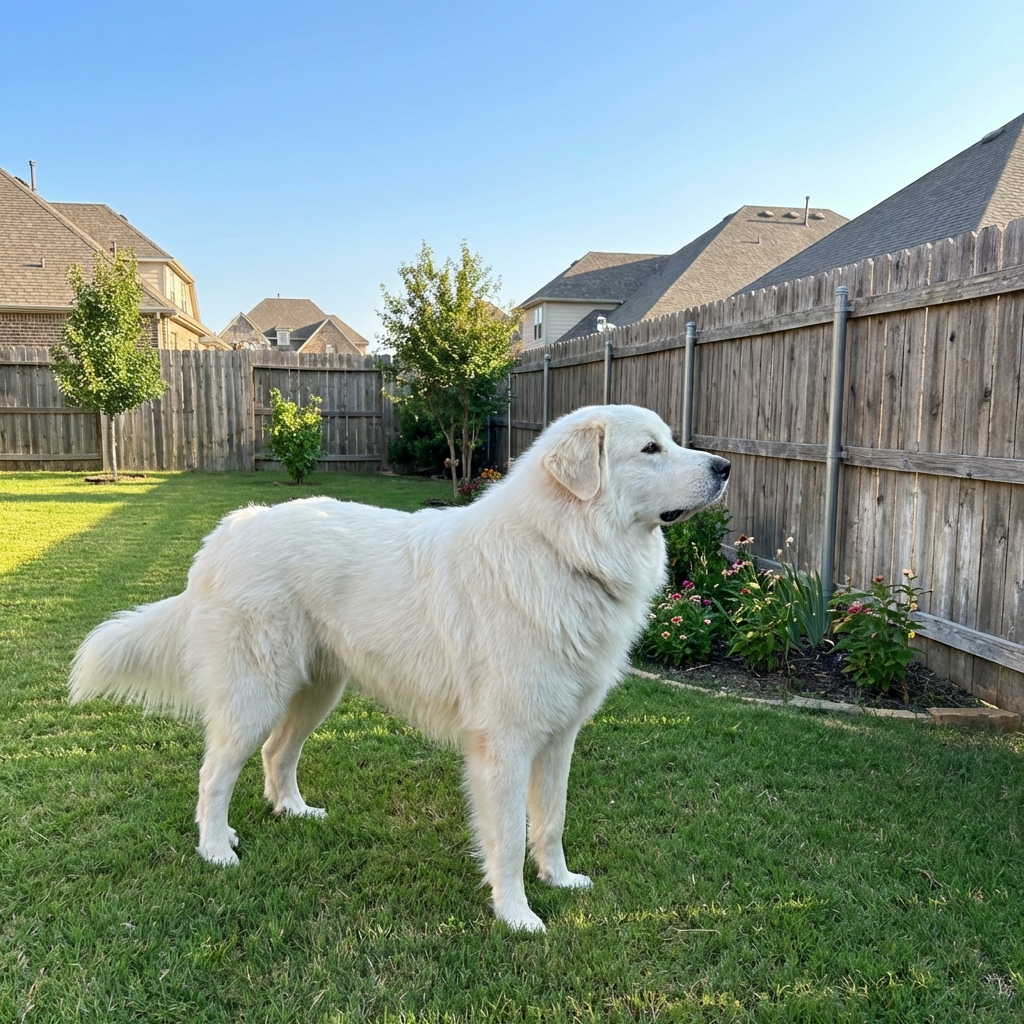
Most well-bred, well-socialized Great Pyrenees are affectionate and patient with their family. They tend to be emotionally steady and tolerant, which is one reason many people describe them as “gentle giants.” At the same time, this is a true guardian breed. They were developed to live with livestock and make independent choices to protect their flock and home range.
That protective instinct can show up as:
- Watchfulness: They notice everything and often position themselves where they can monitor the home.
- Territorial behavior: They may be suspicious of unfamiliar people or dogs near the property line.
- Barking: Many Great Pyrenees bark to announce new sounds, new sights, or perceived threats, especially at night.
Independent thinkers, not people pleasers
If you are used to breeds that live for constant approval, a Great Pyrenees can feel like they are ignoring you. Often they are not ignoring you, they are evaluating. A typical Pyr asks, “Is this necessary?” before they comply. This is not disobedience so much as breed style.
What helps most is building trust, keeping requests simple, and using rewards your dog truly cares about.
Family friendly, but supervision matters
Many Great Pyrenees are wonderful with respectful children because they are calm and nurturing. Still, any large breed can accidentally knock over a toddler, and any dog can become stressed by rough handling. Teach kids how to interact safely, and supervise play, especially with younger children.
How they do with other pets
Many Pyrs live peacefully with other dogs and cats, particularly when raised with them. Their guardian nature can occasionally lead to “policing” behavior, like stepping between pets or trying to control movement. Early socialization and clear household routines help prevent tension.
Adolescence and maturity
Expect a shift during adolescence. For many Pyrs, barking, boundary testing, and protective behavior ramp up between roughly 8 months and 2 years. They often settle with maturity, but it is normal for this breed to stay mentally “young” longer than people expect. Consistency during this phase matters more than intensity.
Training
Start with the right mindset
The most effective training for a Great Pyrenees is calm, consistent, and reward-based. Harsh corrections often backfire, creating avoidance, shutdown, or defensive behavior. Positive reinforcement works because it gives your Pyr a reason to engage with you, while still respecting their independent temperament.
From a veterinary perspective, it is also worth saying plainly: if a previously cooperative Pyr suddenly becomes “stubborn,” check for pain first. Ear infections, arthritis, paw injuries, and dental discomfort can all change behavior.
What to teach first
- Name recognition and recall foundations: Start indoors, then a fenced yard, then controlled outdoor settings. Use high-value treats and keep sessions short.
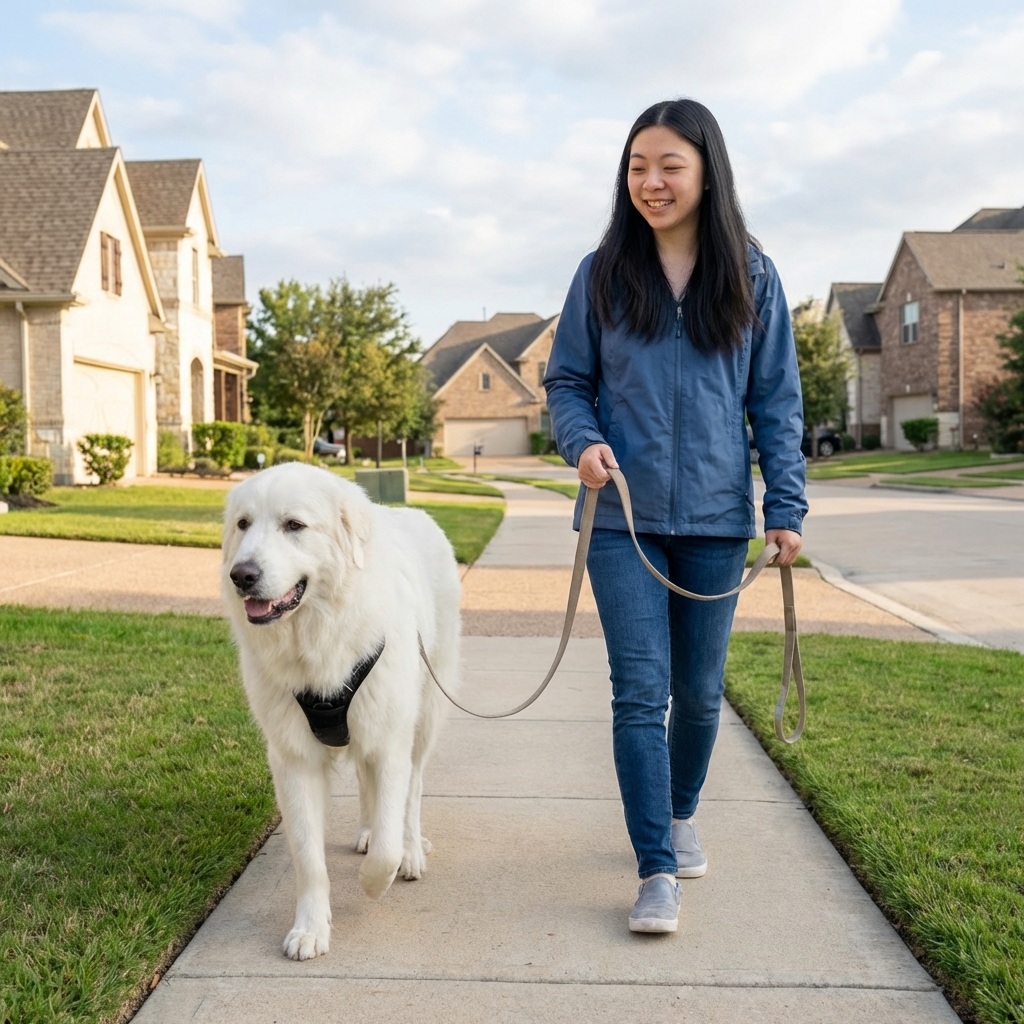
- Leash skills: A full-grown Pyr is powerful. Teach loose-leash walking early with treats and frequent direction changes.
- Place or mat training: This helps with door greetings, guests, and settling during meals.
- Handling cues: “Paws,” “chin,” and calm acceptance of brushing make grooming and vet visits easier.
Recall and off-leash expectations
Even with solid training, many Great Pyrenees are not reliably off-leash outside of a securely fenced area. That is not a failure, it is genetics plus a guardian brain that prioritizes scanning and decision-making.
Use management tools that set you both up for success:
- Long line practice: A 15 to 30 foot long line lets you build recall safely.
- Reward heavily: Pay well for check-ins and coming when called, especially around distractions.
- Do not chase: Chasing turns it into a game. Move away, get interesting, and reward when they choose you.
Barking: manage it realistically
You can reduce nuisance barking, but it is rarely realistic to expect a Great Pyrenees to be silent. They were bred to sound an alarm. Focus on:
- Meeting needs first: Under-exercised or bored dogs bark more.
- Reducing triggers: Block constant window access if they patrol and bark all day.
- Teaching “quiet”: Wait for a pause, mark it, reward it, and build duration. Do not yell, because many dogs interpret yelling as joining in.
- Night setup: Many Pyrs are more alert at night. A predictable bedtime routine, white noise, and bringing them indoors can help.
Socialization
For guardian breeds, socialization is less about forcing friendliness and more about teaching calm neutrality. Aim for gentle exposure to:
- People of different ages and appearances
- Delivery trucks, bicycles, and strollers
- Vet clinic visits that include treats and calm handling
- Other stable dogs, especially during adolescence
If your Pyr is already reactive or highly anxious, work with a qualified trainer who uses reward-based methods. Early professional help can prevent a lifelong struggle.
Fencing and roaming
Great Pyrenees are known to roam if given the opportunity. They may not view a neighborhood as “off limits” the way some breeds do. For safety, prioritize:
- Secure fencing: Many homes do best with 5 to 6 foot fencing (or higher if your dog is an athlete). Solid fencing can reduce visual triggers.
- Dig-proofing: Some Pyrs dig. Consider reinforcing the bottom with buried wire, landscape blocks, or a dig guard.
- Supervised outdoor time: Even with fencing, supervision prevents escapes and conflict.
- ID and microchip: Essential for a breed with roaming tendencies.
Grooming
Understanding the coat
The Pyr has a thick double coat designed for harsh weather. That means two key things for grooming:
- They shed year-round, with heavier seasonal “blowouts.”
- The undercoat can mat if it is not brushed out routinely, especially behind the ears, under the collar, in the “pants,” and around the tail.
Brushing routine
For most homes, a realistic schedule looks like this:
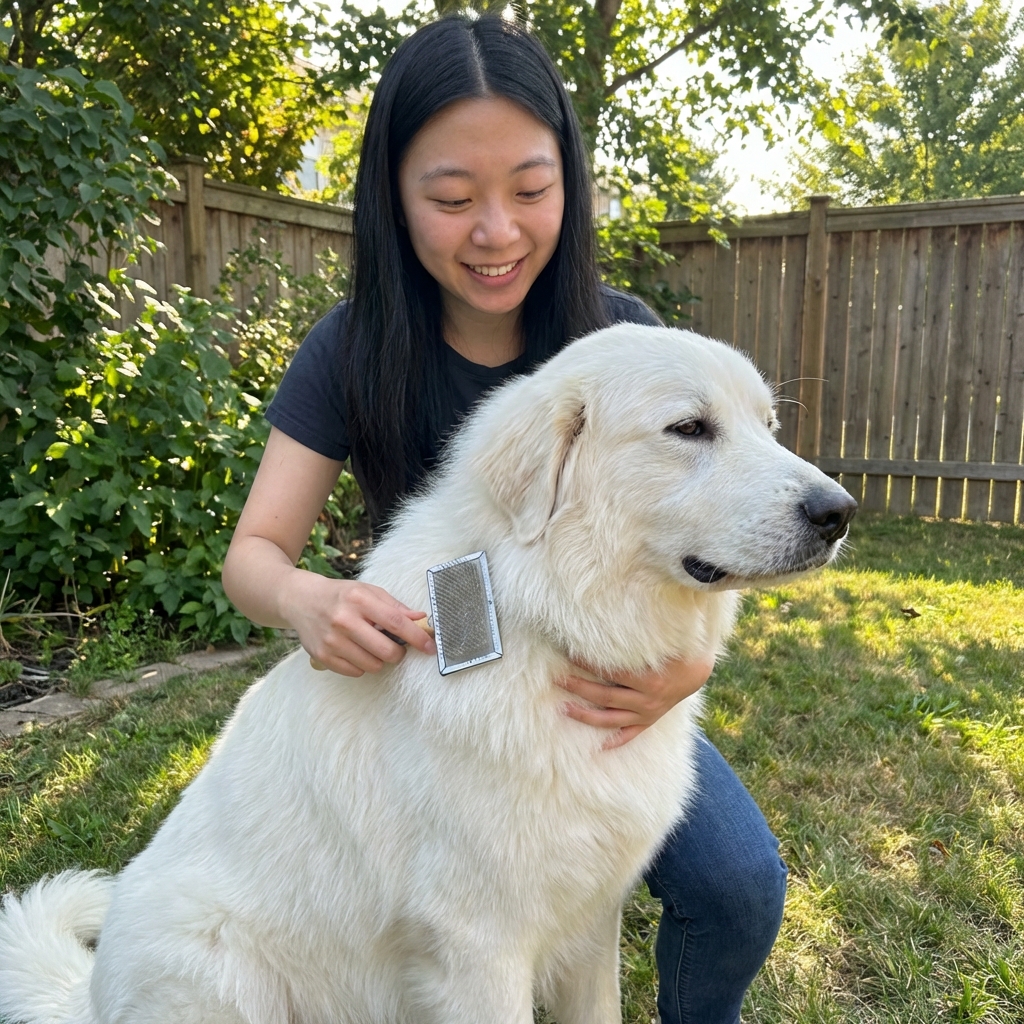
- 2 to 3 times per week: Line brush or section brush to reach the undercoat.
- Daily during heavy shedding: Short sessions, even 10 minutes, make a big difference.
Helpful tools:
- Slicker brush: Great for surface tangles and fluffing.
- Undercoat rake: Helps remove loose undercoat during shedding.
- Metal comb: Your “truth teller” for finding hidden mats, especially behind ears and in feathering.
Tip: If you can run a comb through without snagging, you are doing enough. If the comb catches, slow down and work that area gently.
If you have access to a high-velocity dryer (at home or at a self-wash), it can be a game changer during shedding season. Use it on a clean, fully dried dog, and keep the nozzle moving to avoid irritating the skin.
A note on de-shedding blades: Furminator-style tools can be overused and may damage the coat if you go too hard or too often. If you use one, use a light touch and keep sessions short.
Bathing
Great Pyrenees often do well with baths every 6 to 10 weeks, or simply as needed for mud, odor, or allergies. Some do better with less frequent bathing. Too much bathing can dry out the skin, so watch for dandruff, itching, or a dull coat and adjust.
Always dry thoroughly, especially in dense areas, because trapped moisture can contribute to hot spots and skin irritation.
If your dog has itchy skin, frequent ear infections, or chronic paw licking, talk with your veterinarian. Sometimes what looks like a grooming issue is actually allergies or infection that needs medical care.
Nails, ears, teeth
- Nails: Trim every 2 to 4 weeks. Large breed nails can crack or split if left too long, and long nails can change gait and stress joints.
- Ears: Check weekly. Clean only if debris is present and your vet has shown you how.
- Teeth: Brush several times per week if possible. Dental disease is common and can affect the whole body.
Do not shave
Unless your veterinarian recommends it for a medical reason, avoid shaving a double coat. The coat insulates from both heat and cold, and shaving does not reliably “cool” a dog. It can also increase sunburn risk and may change coat texture during regrowth (some dogs grow back unevenly, some do not).
Just as important: a Great Pyrenees can still overheat in high heat or humidity, coat or not. Provide shade, water, indoor cooling, and avoid heavy exercise during the hottest part of the day.
Daily life
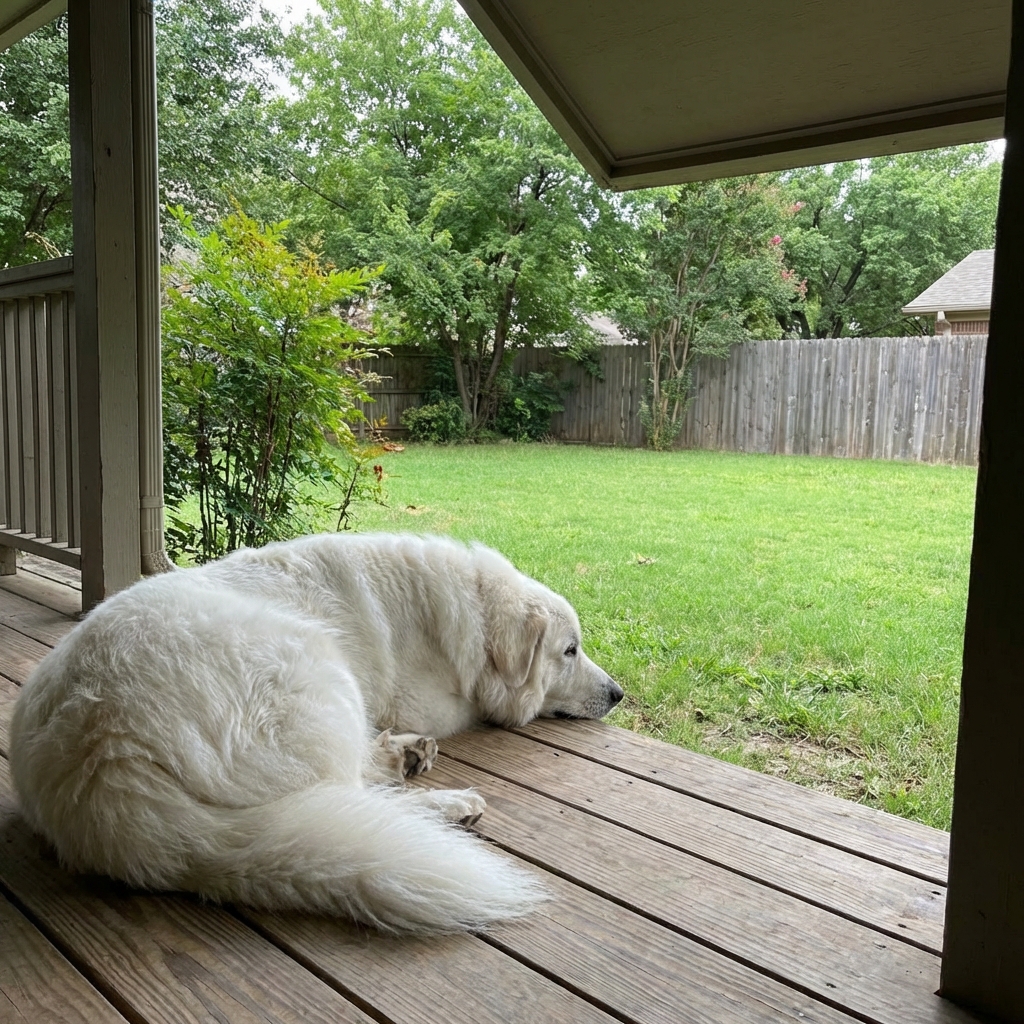
Great Pyrenees thrive when they have a clear job, consistent structure, and a calm home base. That “job” might be watching the yard, accompanying you on slow walks, or learning a reliable settle while the family relaxes.
- Exercise: Moderate, steady activity. Many Pyrs prefer purposeful walks over intense fetch sessions.
- Mental enrichment: Food puzzles, sniff walks, and simple training games reduce boredom barking.
- Routine: Predictability lowers stress and improves cooperation.
Is this breed right for you
A Great Pyrenees can be an incredible match, but they are easiest to live with when you truly want what they are.
- You can live with barking: Especially nighttime alert barking.
- You can manage roaming: Secure fencing and supervision are non-negotiable.
- You have time for coat care: Brushing is part of the lifestyle.
- You like an independent dog: They are loyal, but not endlessly eager to obey.
- You can prioritize heat safety: Giant dogs need smart warm-weather management.
Health notes
This is not a complete medical guide, but it is helpful to know what to watch for in a giant breed. Talk with your veterinarian about risk, prevention, and screening for:
- Hip and elbow dysplasia and arthritis
- Bloat (GDV): an emergency in deep-chested dogs. Ask your vet about risk reduction and whether a preventive gastropexy makes sense.
- Eye issues such as entropion (inward-rolling eyelids) in some lines
- Allergies and recurrent ear or skin issues
When to get help
Please reach out to a veterinarian or qualified trainer if you notice:
- Sudden aggression or fear that is new
- Resource guarding that escalates
- Chronic itching, ear odor, hair loss, or recurring hot spots
- Limping, stiffness, or reluctance to stand up or jump
Great Pyrenees are stoic, and subtle signs can still mean discomfort. Getting ahead of pain or anxiety can completely change the training and grooming experience.
A Great Pyrenees does best with calm guidance, clear boundaries, and gentle consistency. When you meet them there, you get a loyal companion who feels like a steady presence in your home.