
Great Pyrenees Lifespan

Great Pyrenees are gentle giants with big hearts and an impressively calm presence. If you share your life with one, you have probably wondered how long Great Pyrenees live and what you can do to help your dog stay healthy for as many years as possible.
On average, the Great Pyrenees lifespan is about 10 to 12 years, though it can vary by bloodline, body size, and overall health. Some Pyrs live longer with excellent genetics, thoughtful nutrition, and proactive veterinary care. Others may have their time shortened by preventable risks like excess weight, poor conditioning, or life-threatening emergencies such as bloat.
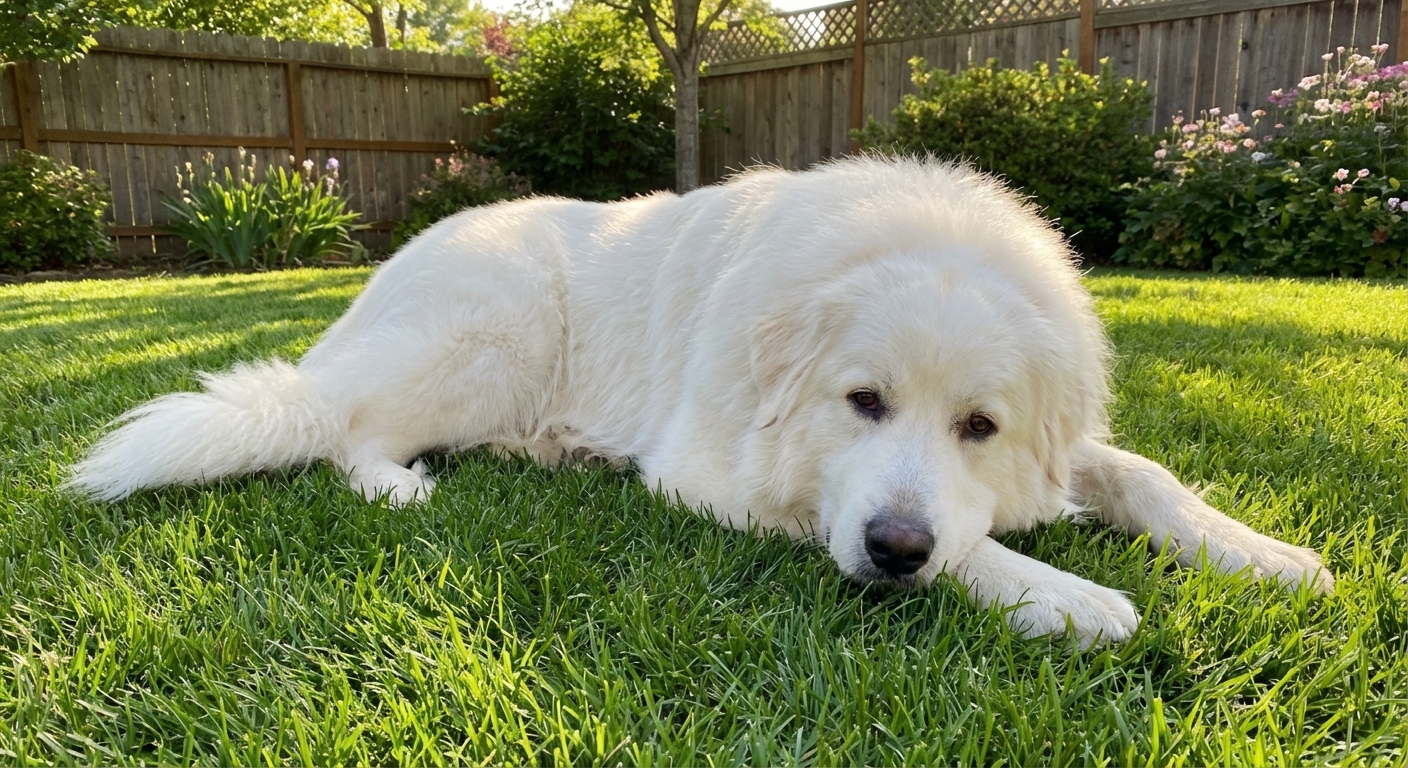
Average Great Pyrenees lifespan
Most Great Pyrenees fall into the 10 to 12 year range, which is common for very large breeds. In general, larger dogs tend to have shorter lifespans than smaller dogs. Researchers believe this is related to differences in growth rate and aging biology, including higher risk of certain cancers in big dogs.
That said, lifespan is not just a number. Many Great Pyrenees stay emotionally “young” well into their senior years, and with a good plan, you can often maintain comfort, mobility, and quality of life even as they slow down.
What affects how long Great Pyrenees live?
Longevity is influenced by a mix of genetics and day-to-day choices. Here are the biggest factors that tend to shorten or extend how long a Great Pyrenees lives.
1) Size and healthy body weight
Extra weight is one of the most common, most fixable lifespan reducers. Carrying even a few extra pounds increases stress on hips, elbows, and the spine, and it can worsen inflammation throughout the body.
- Aim for a lean, sturdy physique: you should be able to feel ribs under a light layer of tissue, and your dog should have a visible waist from above.
- Weigh-ins matter: monthly weight checks at home or at the vet help you catch slow gain early.
2) Genetics and responsible breeding
Genetics play a big role in orthopedic health, cancer risk, and overall resilience. If you are purchasing a puppy, ask the breeder about health testing and family history. If you adopted, you can still benefit from understanding what the breed is predisposed to so you can screen early and intervene sooner.
- Ask about hip and elbow evaluations, and any history of bloat, cancer, or severe orthopedic disease.
- Consider pet insurance early, especially for giant breeds where orthopedic care can be expensive.
3) Diet quality and feeding strategy
Food is not just calories. It helps shape body condition, muscle maintenance, gut health, and inflammation. Great Pyrenees tend to do well on a diet that supports lean muscle and joint health without excess fat.
- Choose complete and balanced nutrition (commercial diets that meet AAFCO standards, or a veterinarian-formulated homemade diet).
- Prioritize protein and nutrient density over empty calories.
- Measure meals: many Pyrs do better with planned portions rather than free-feeding.
4) Exercise and conditioning
Great Pyrenees are not typically high-octane athletes, but they do need consistent movement to maintain healthy joints and muscle. Strong muscles support aging hips, knees, and backs.
- Focus on daily low-impact activity: calm walks, sniffing time, and gentle hills.
- Avoid repetitive high-impact exercise for young dogs whose growth plates are still developing.
- For seniors, aim for shorter, more frequent walks to reduce stiffness.
5) Preventive veterinary care
Many lifespan-shortening issues become more manageable when caught early. Twice-yearly wellness exams for adult and senior Great Pyrenees can help your veterinarian detect subtle changes in weight, mobility, heart and lung sounds, and abdominal comfort.
- Keep vaccines and parasite prevention appropriate for your region and lifestyle.
- Ask about routine bloodwork for adults and seniors to monitor organ function.
- Discuss joint support, dental health, and any new lumps promptly.
6) Spay and neuter timing
For giant breeds, spay and neuter timing can be a little more nuanced than it is for smaller dogs. There can be tradeoffs related to growth, orthopedic development, and some disease risks. The best choice depends on your dog’s age, body condition, and lifestyle, so it is worth discussing timing with your veterinarian.
7) Heat safety
Pyrs have heavy coats and can struggle in hot or humid weather. Heat stress can become serious quickly in large dogs.
- Prioritize shade, cool indoor time, and fresh water.
- Walk early or late in the day during warm months.
- Know the signs of heat illness: heavy panting, weakness, vomiting, bright red or pale gums, or collapse.

Health issues that impact lifespan
Great Pyrenees are generally hardy, but like all breeds, they have patterns of risk. These conditions can affect longevity directly or indirectly by reducing mobility, raising chronic inflammation, or creating emergency situations.
Hip dysplasia and joint disease
Hip dysplasia is a developmental condition where the hip joint does not fit together correctly. Over time, it can lead to arthritis and chronic pain. While it is not usually immediately life-threatening, it can contribute to a shorter, less comfortable life if pain limits movement and leads to deconditioning or weight gain.
Helpful steps include maintaining a lean body condition, using vet-recommended joint supplements when appropriate, and considering physical therapy or medications for arthritis when needed.
Bloat (GDV) risk
Bloat, medically called gastric dilatation-volvulus (GDV), is one of the most serious emergencies for deep-chested breeds like the Great Pyrenees. The stomach fills with gas and can twist, cutting off blood supply. Without immediate treatment, GDV can be fatal.
Signs can include a distended abdomen, repeated retching without producing vomit, drooling, restlessness, and collapse. If you suspect bloat, go to an emergency veterinary hospital immediately.
Cancer, including osteosarcoma
Cancer is a leading cause of death in many large and giant breeds, and Great Pyrenees are not exempt. Osteosarcoma (bone cancer) is one of the more concerning cancers seen in large dogs and may show up as persistent lameness, swelling near a limb, or pain that seems out of proportion to an injury.
Early detection improves options. Regularly check for new lumps, changes in appetite, unexplained weight loss, limping, or sudden fatigue, and have concerning changes evaluated promptly.
Osteochondritis dissecans (OCD) and growth-related issues
Fast-growing large-breed puppies can develop orthopedic problems that affect them for life. Feeding an appropriate large-breed puppy diet and avoiding forced exercise can help reduce risk.
Heart and endocrine issues
While not as iconic as hip dysplasia or bloat, heart disease and endocrine disorders can occur and may affect lifespan if not identified early. Regular exams and periodic lab work are especially valuable for seniors.
Skin, ears, and coat health
Coat and skin problems usually do not shorten lifespan, but they can seriously affect comfort. Matting can pull the skin, trap moisture, and contribute to hot spots.
- Brush regularly, especially behind ears and around the hindquarters.
- Check ears for odor or redness and address infections early.
- Keep the coat dry after swimming or heavy rain when possible.
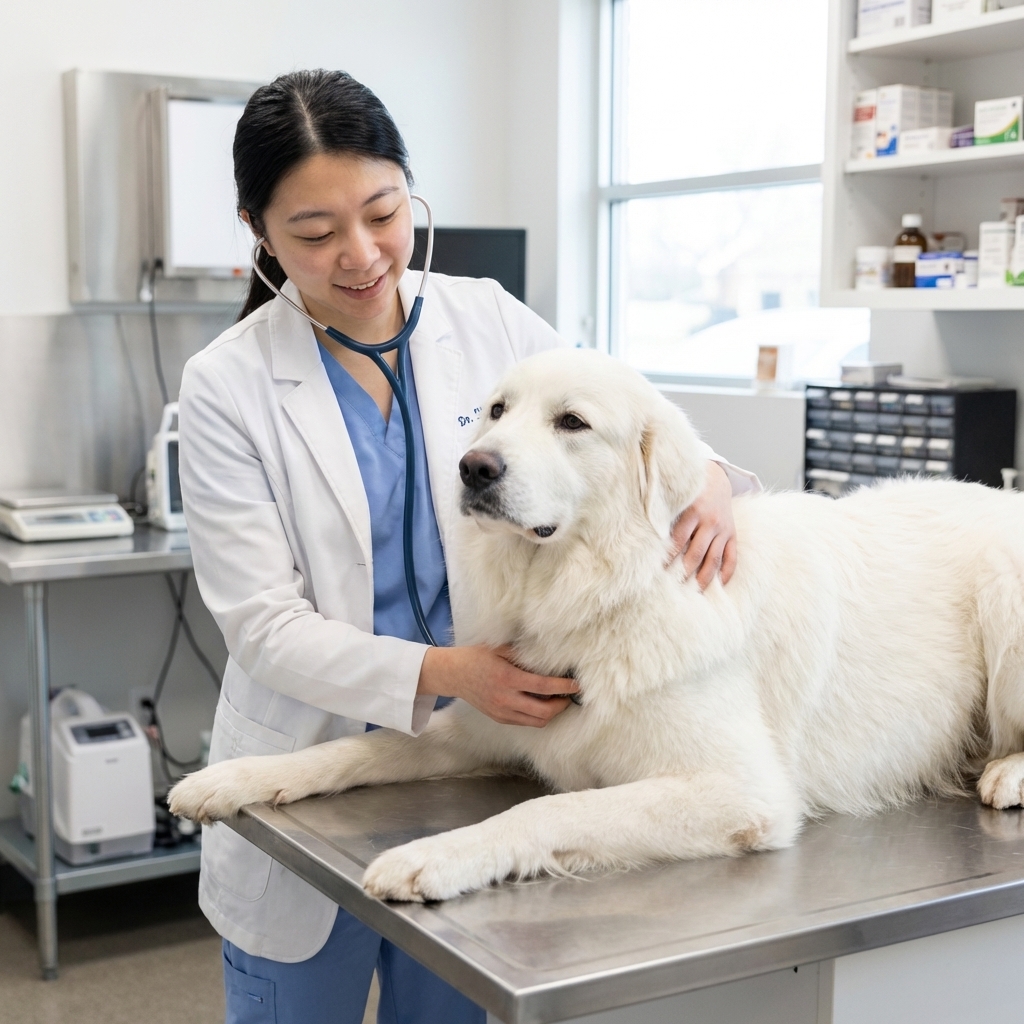
Common causes of death
Every dog is an individual, but these are among the more common contributors to death in Great Pyrenees and other large-breed dogs:
- Cancer (including bone cancers like osteosarcoma)
- Gastric dilatation-volvulus (bloat)
- Severe arthritis and mobility decline that affects overall health and quality of life
- Age-related organ disease such as kidney or heart disease
The goal is not to live in fear. The goal is to understand the risks so you can stack the odds in your dog’s favor.
How to help your Great Pyrenees live longer
Longevity is built from small, consistent habits. Here are practical steps many veterinarians recommend for Great Pyrenees families.
Keep your Pyr lean
- Measure meals and limit high-calorie treats.
- Use lower-calorie rewards like a few pieces of kibble from their daily ration, or dog-safe fruits and veggies in moderation.
- If weight is creeping up, ask your veterinarian about a calorie target and a realistic weekly weight-loss goal.
Feed smart for giant-breed health
- Choose a diet that is complete and balanced for your dog’s life stage.
- For puppies, use a large-breed puppy formula to support controlled growth.
- Ask your vet before adding supplements, especially calcium, which can be harmful in excess for growing large-breed puppies.
Lower bloat risk
- Feed two to three smaller meals rather than one large meal when possible.
- Discourage gulping. If your dog eats too fast, ask your vet about slow-feeding strategies.
- Avoid intense exercise right before and after meals.
- Talk with your veterinarian about preventive gastropexy (a surgical procedure that can prevent twisting) if your dog is at higher risk.
These steps are widely suggested and may help, but they cannot eliminate GDV risk. Knowing the warning signs and acting fast still matters most.
Protect joints from day one
- Use rugs or runners on slick floors to prevent slips.
- Keep nails trimmed to improve traction and posture.
- Support mobility with appropriate exercise and, when needed, vet-guided pain management.
Prioritize dental care
Dental disease is more than “bad breath.” Chronic gum inflammation is associated with systemic inflammation and can affect overall health. Brush if your dog allows it, use VOHC-accepted dental products when appropriate, and schedule professional cleanings when your veterinarian recommends them.
Do a simple weekly at-home health check
This takes about two minutes and can help you catch problems early:
- Feel for new lumps or swelling.
- Check ears for odor and redness.
- Look at gums for healthy pink color.
- Notice changes in thirst, appetite, energy, or breathing.
- Watch how your dog rises, walks, and sits for signs of discomfort.
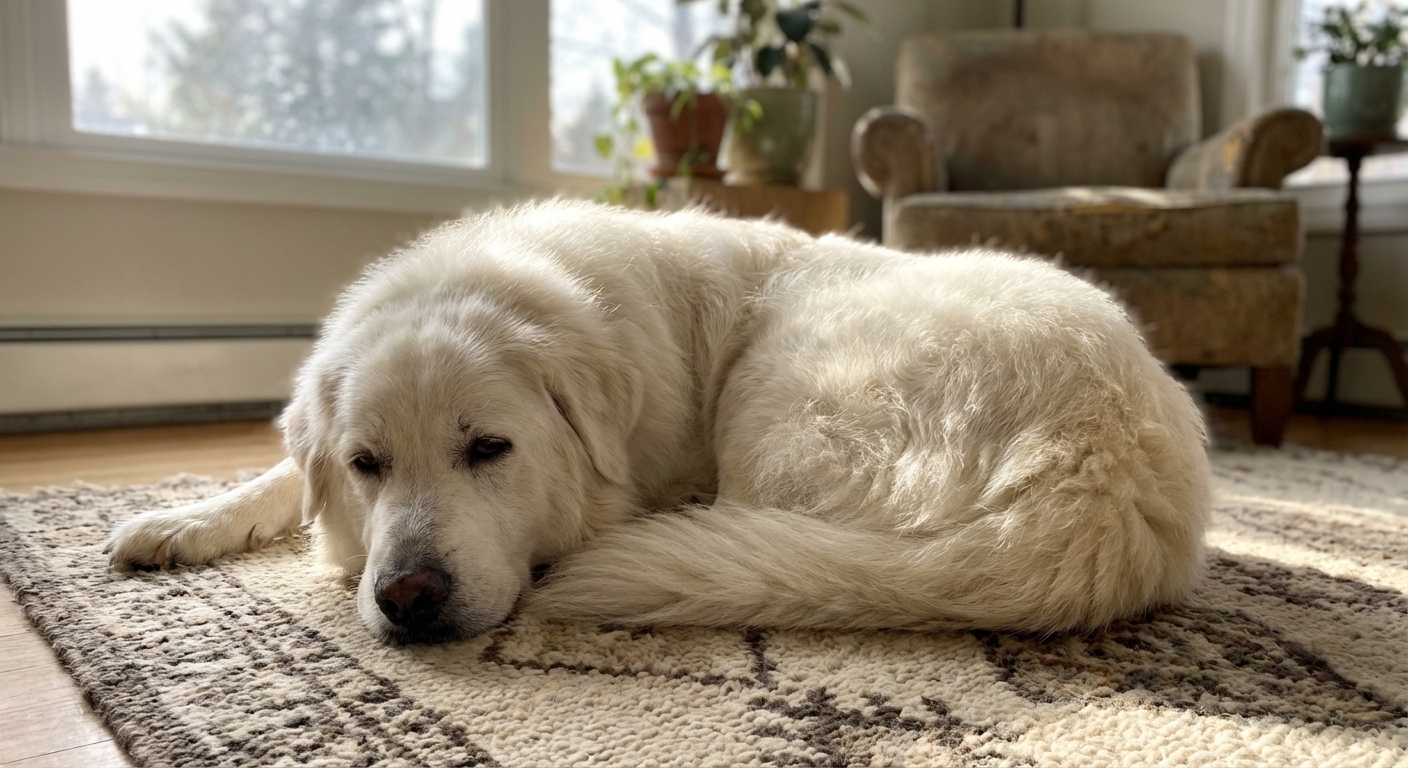
When is a Great Pyrenees a senior?
Many Great Pyrenees begin showing “senior” changes around 7 to 8 years old, though some slow down earlier and others later. You might notice more stiffness in the morning, longer naps, or a lower tolerance for heat.
At this stage, twice-yearly veterinary visits and proactive joint support can make a meaningful difference. Small adjustments can keep a senior Pyr comfortable and happy for years.
Quick lifespan FAQ
Can a Great Pyrenees live past 12 years?
Yes. While about 10 to 12 years is typical, some Great Pyrenees reach 13 or more, especially when they stay lean and receive early treatment for age-related conditions.
Do male or female Great Pyrenees live longer?
There is no guaranteed rule for individuals. In many breeds, females may live slightly longer on average, but factors like genetics, body weight, and preventive care tend to matter more than sex alone.
What is the biggest preventable threat?
Excess body weight is one of the most preventable factors that can shorten lifespan. Bloat is one of the most urgent threats, because it can become fatal quickly without emergency care.
The bottom line
The average Great Pyrenees lifespan is about 10 to 12 years, and your daily choices truly matter. Keeping your Pyr lean, supporting joint health, feeding balanced nutrition, and understanding urgent risks like bloat are some of the most loving, practical ways to add healthy time to your life together.
If you want a personalized plan, use the tips above as a checklist and review it with your veterinarian at your next wellness visit. A few targeted changes now can pay off for years.