Understand canine osteosarcoma (bone cancer): common early limp and swelling signs, who’s at risk, how vets diagnose and stage it, treatment choices, pain ...
Article
•
Designer Mixes
Great Pyrenees Health Problems

Shari Shidate
Designer Mixes contributor
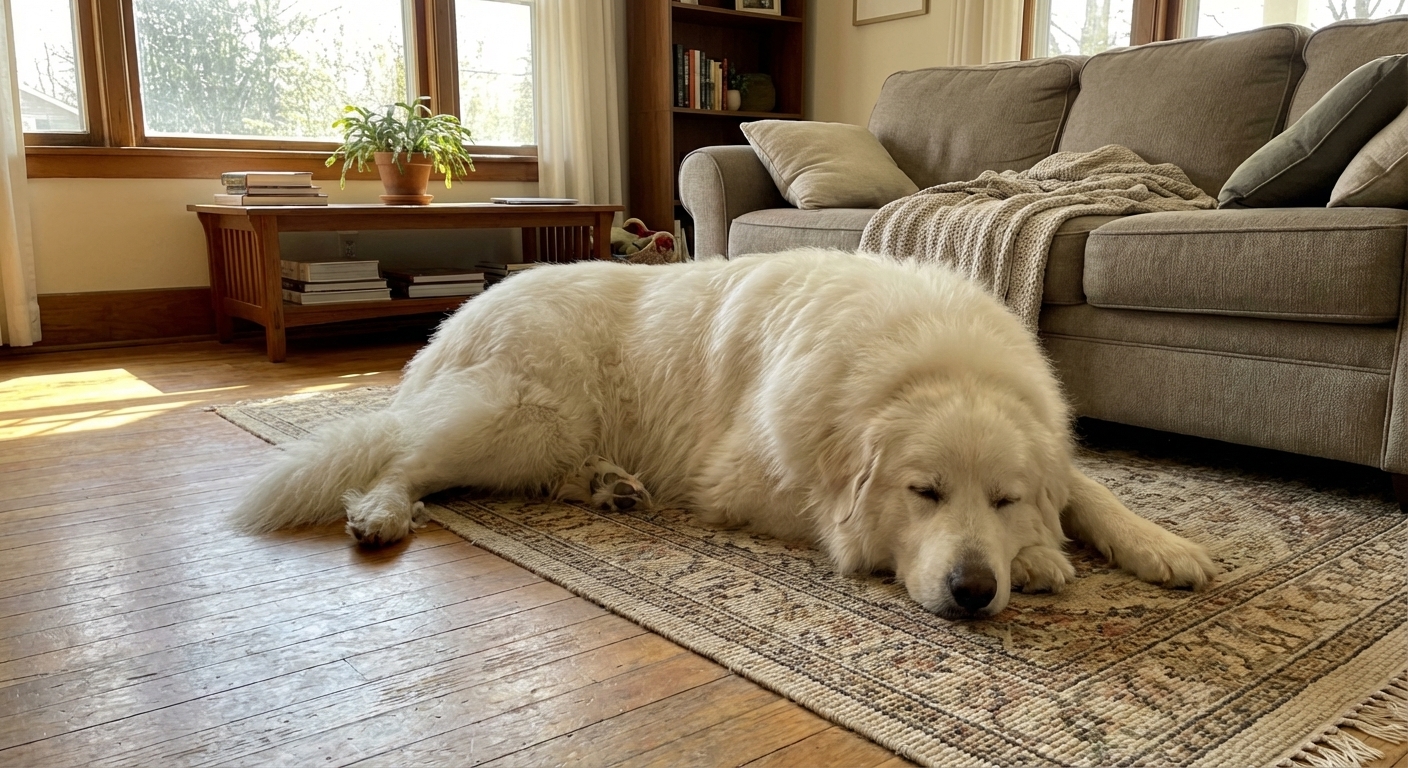
The Great Pyrenees is a gentle, majestic guardian, and a true giant-breed dog. That matters because giant breeds tend to age faster and carry higher risk for orthopedic issues, bloat (GDV), and certain cancers. The good news is that many of the biggest problems have early warning signs you can learn, plus practical prevention steps that stack the odds in your dog’s favor.
In this guide, I will walk you through the most common Great Pyrenees health problems, when they typically show up, what symptoms look like at home, and exactly when it is time to call your veterinarian.
Great Pyrenees lifespan and big-breed risk factors
Most Great Pyrenees live around 10 to 12 years, with genetics, weight, mobility, and cancer risk playing big roles. A few breed traits shape their health picture:
- Fast growth as a puppy can stress developing joints.
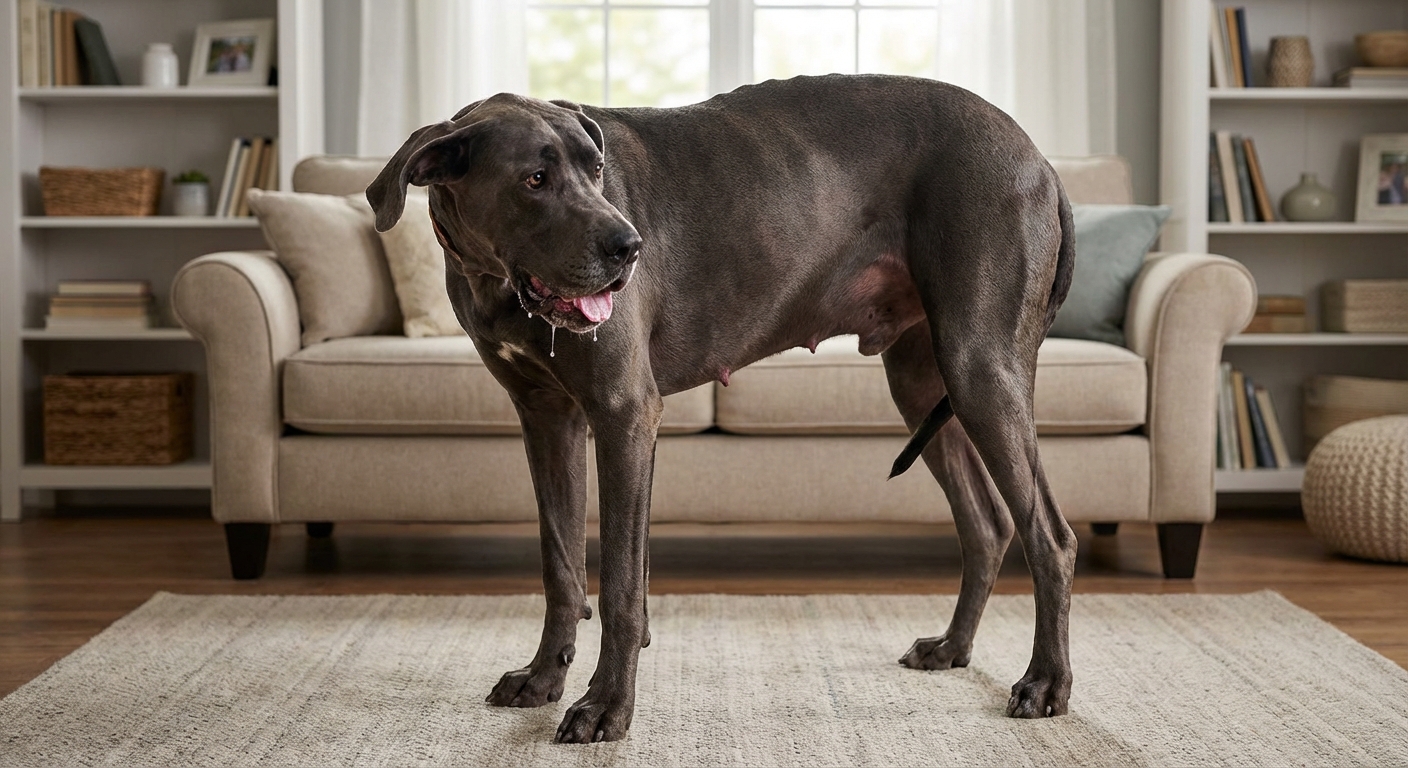
- Deep chest increases risk of bloat and gastric dilatation-volvulus (GDV).
- Large bone size is associated with higher osteosarcoma (bone cancer) risk in giant breeds.
- Stoic personality means some Pyr dogs hide pain. Subtle changes in movement or appetite matter.
One quick note on terminology: many owners use “Pyr” as shorthand for Great Pyrenees. I will use Pyr occasionally in this guide.
If you take away one theme, let it be this: for Great Pyrenees, slow growth, lean body condition, and early detection are powerful tools.
Hip dysplasia (and elbow dysplasia)
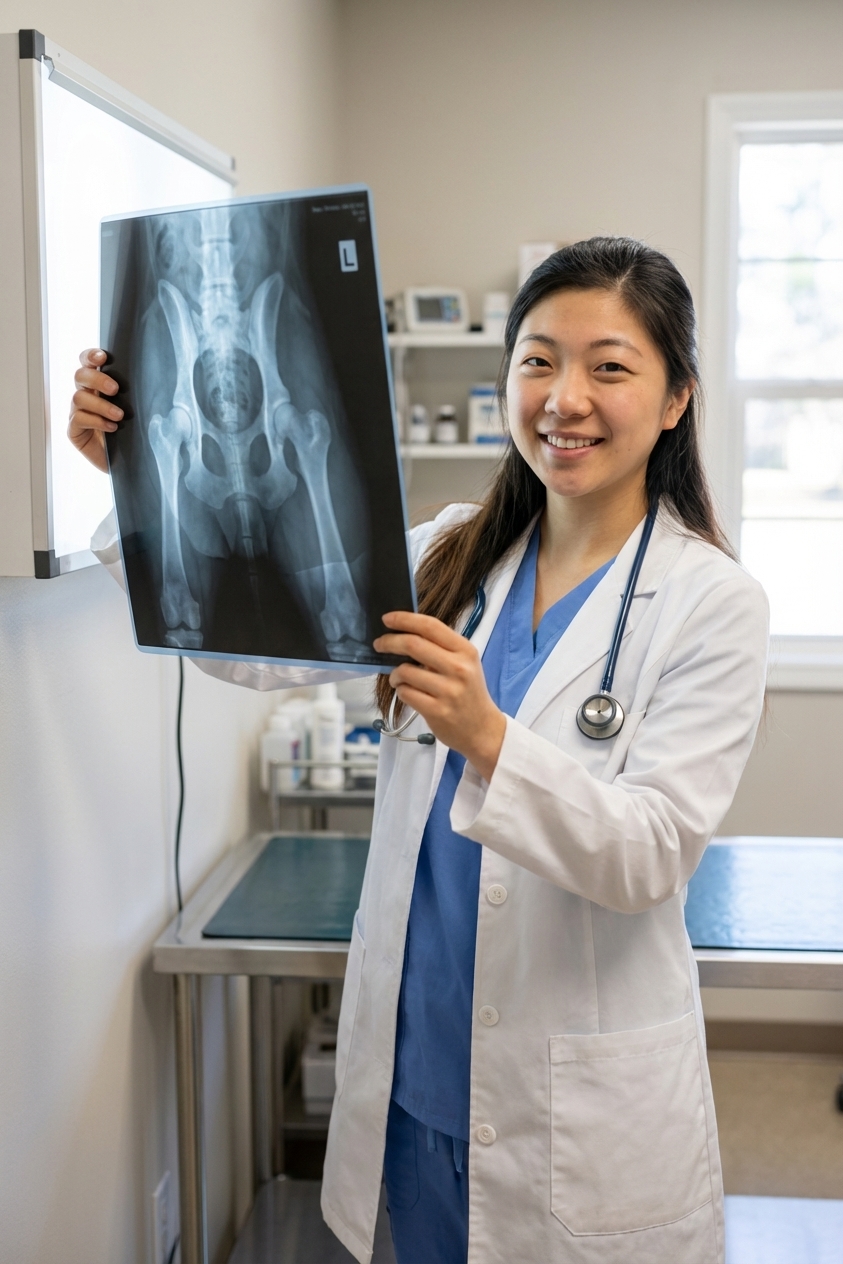
Hip dysplasia is one of the most talked-about Great Pyrenees health problems, and for good reason. It happens when the hip joint does not fit together as smoothly as it should. Over time, that looseness can lead to pain, inflammation, and arthritis. Elbow dysplasia is a similar concept in the front limb and can be just as limiting.
When symptoms tend to show up
- Puppy to young adult (5 months to 2 years): limping after play, bunny-hopping run, reluctance to jump into the car, awkward sit, stiffness after rest.
- Adult to senior (3 years and up): gradual decline in stamina, difficulty rising, muscle loss in hindquarters, arthritis flares in cold weather.
Some Pyrs look “fine” until arthritis builds. Others show signs early, especially after vigorous exercise.
Signs you can spot at home
- “Bunny hopping” with both back legs together when running
- Stiffness when getting up from lying down
- Reluctance to climb stairs or jump
- Widened stance in the back end
- Limping that comes and goes
- Decreased interest in long walks or play
If your Pyr is suddenly not using a leg, that is urgent. Big dogs can injure themselves quickly, and pain needs prompt care.
Prevention and risk reduction
- Keep your Pyr lean: extra weight is extra joint load. You should be able to feel ribs with light pressure and see a visible waist from above.
- Manage growth in puppies: avoid overfeeding and discuss a large-breed puppy diet with your veterinarian. Rapid growth is not the goal for giant breeds.
- Smart exercise: steady walks and controlled play beat repetitive high-impact activities. Limit long stair sessions and high jumps, especially for puppies.
- Flooring help: slick floors cause slips and micro-injuries. Add runners or non-slip mats where your dog launches up.
- Ask about joint support: many vets recommend omega-3 fatty acids (EPA/DHA) and joint supplements for at-risk breeds, but dosing and product quality matter.
When to see the vet
Book an appointment if limping lasts more than 24 to 48 hours, if stiffness is becoming routine, or if your dog avoids normal activities. Go sooner if your Pyr is non-weight-bearing, crying, has obvious swelling, or seems in severe pain.
Your vet may recommend an orthopedic exam, X-rays, and a tailored plan that can include physical therapy, pain control, weight management, or in some cases surgery.
Bloat and GDV (a true emergency)
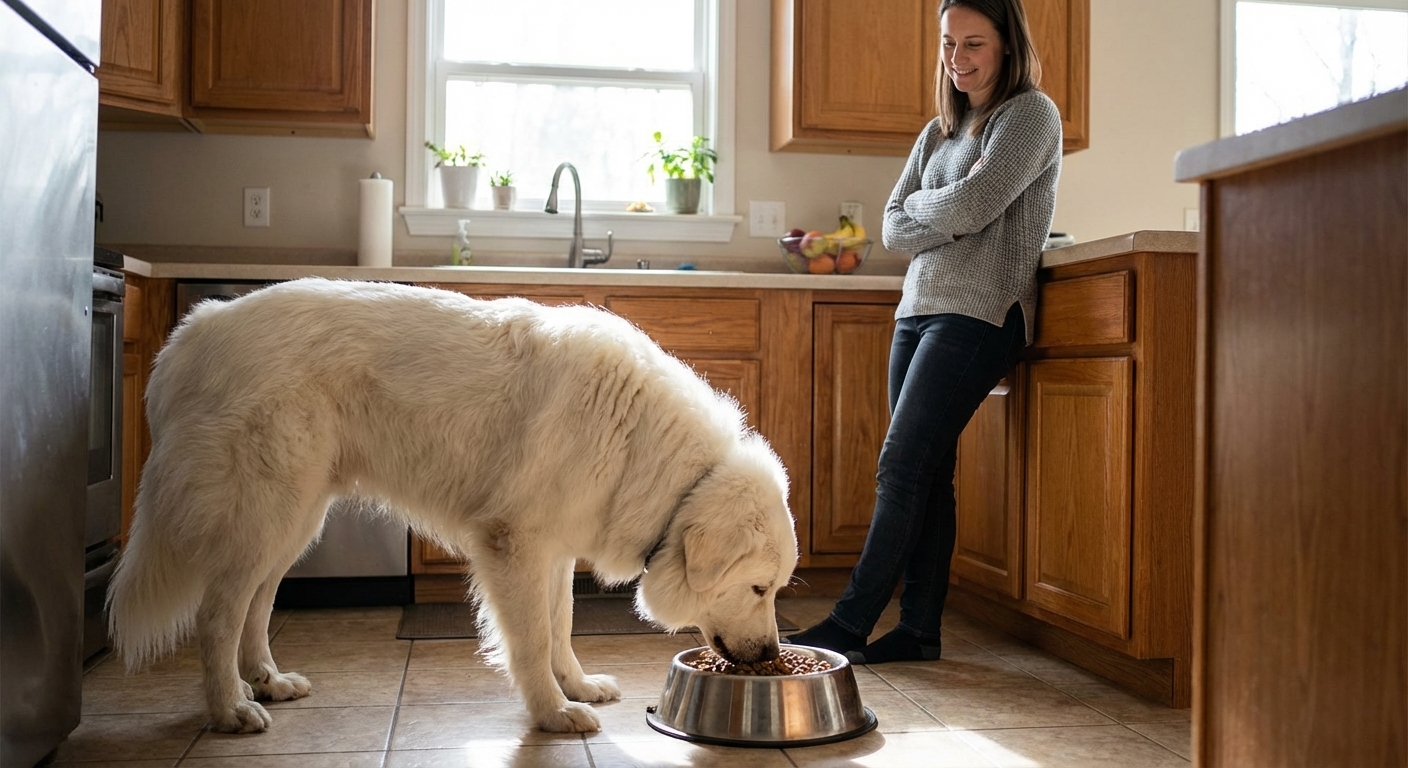
Great Pyrenees are a deep-chested giant breed, which places them at higher risk for bloat and the most dangerous form, gastric dilatation-volvulus (GDV). GDV is when the stomach fills with gas and then twists, cutting off blood flow. Without fast treatment, it can become fatal in hours.
Typical timeline and triggers
GDV often occurs in adult and senior dogs, but it can happen at almost any age. Risk may increase with:
- Large meals (especially one big meal per day)
- Fast eating
- Heavy exercise right before or right after meals
- High stress or anxious temperament
- History of bloat in close relatives (genetic component)
Early symptoms that require immediate action
If you suspect bloat or GDV, do not wait. Go to an emergency vet.
- Retching or trying to vomit with little or nothing coming up
- Swollen or tight abdomen
- Restlessness, pacing, cannot get comfortable
- Drooling, lip licking
- Rapid breathing, weakness, collapse
- Pale gums
If your Great Pyrenees is retching and cannot vomit, treat it like an emergency every single time.
Prevention strategies that actually help
- Feed smaller meals: two to three meals per day is often recommended for bloat-prone breeds.
- Slow down eating: consider a slow feeder bowl if your Pyr inhales food.
- Calm meal routine: reduce excitement around feeding, and avoid intense play for at least 1 to 2 hours after eating.
- Discuss gastropexy: prophylactic gastropexy is a surgery that tacks the stomach to reduce twisting risk. It does not prevent gas buildup, but it can prevent the deadly twist. Many owners consider it during spay or neuter.
- Know your nearest ER: have the route and phone number saved before an emergency happens.
Osteosarcoma (bone cancer)
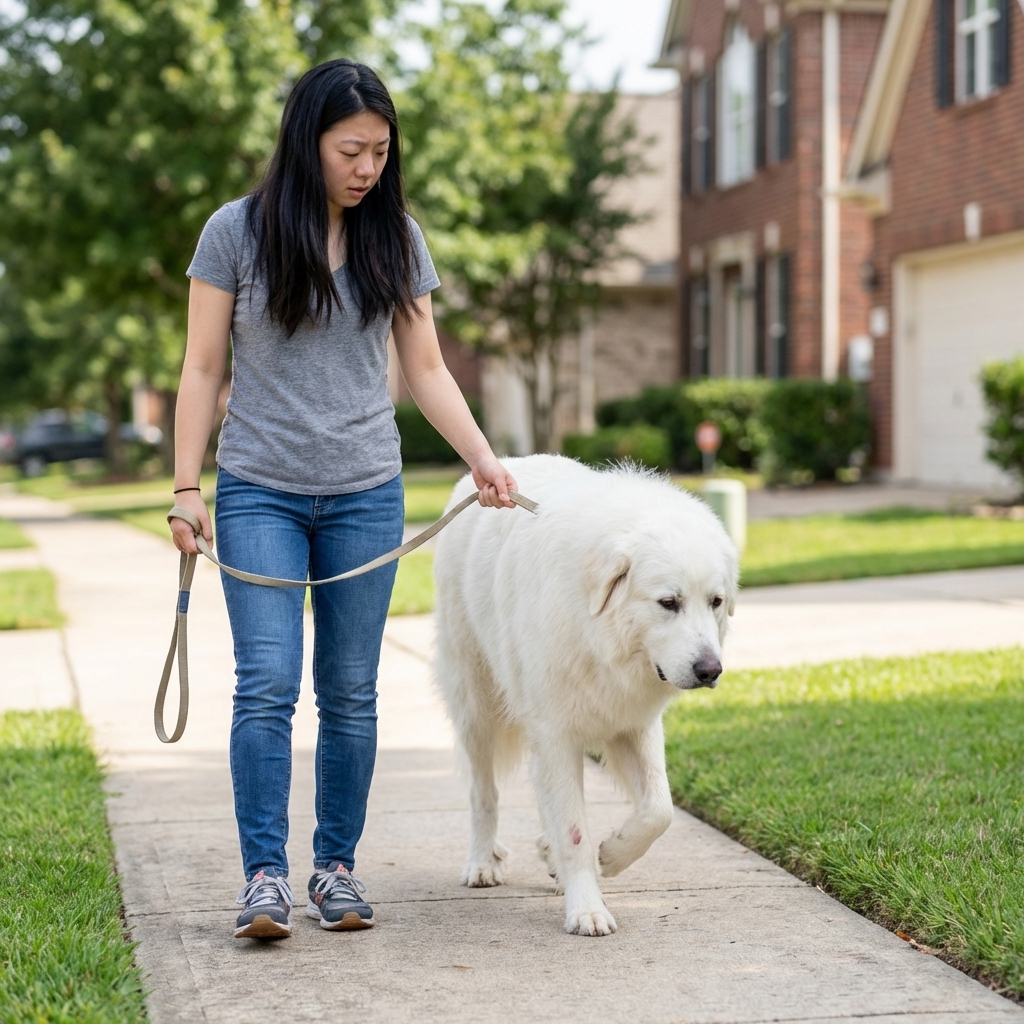
Osteosarcoma is an aggressive bone cancer seen more often in large and giant breeds. In Great Pyrenees, it is a health topic worth knowing about because early recognition can improve comfort and widen treatment options.
When it tends to appear
Osteosarcoma is most common in middle-aged to older dogs, often around 6 to 9 years, though it can occur earlier. It frequently affects long bones of the legs.
Symptoms owners often miss at first
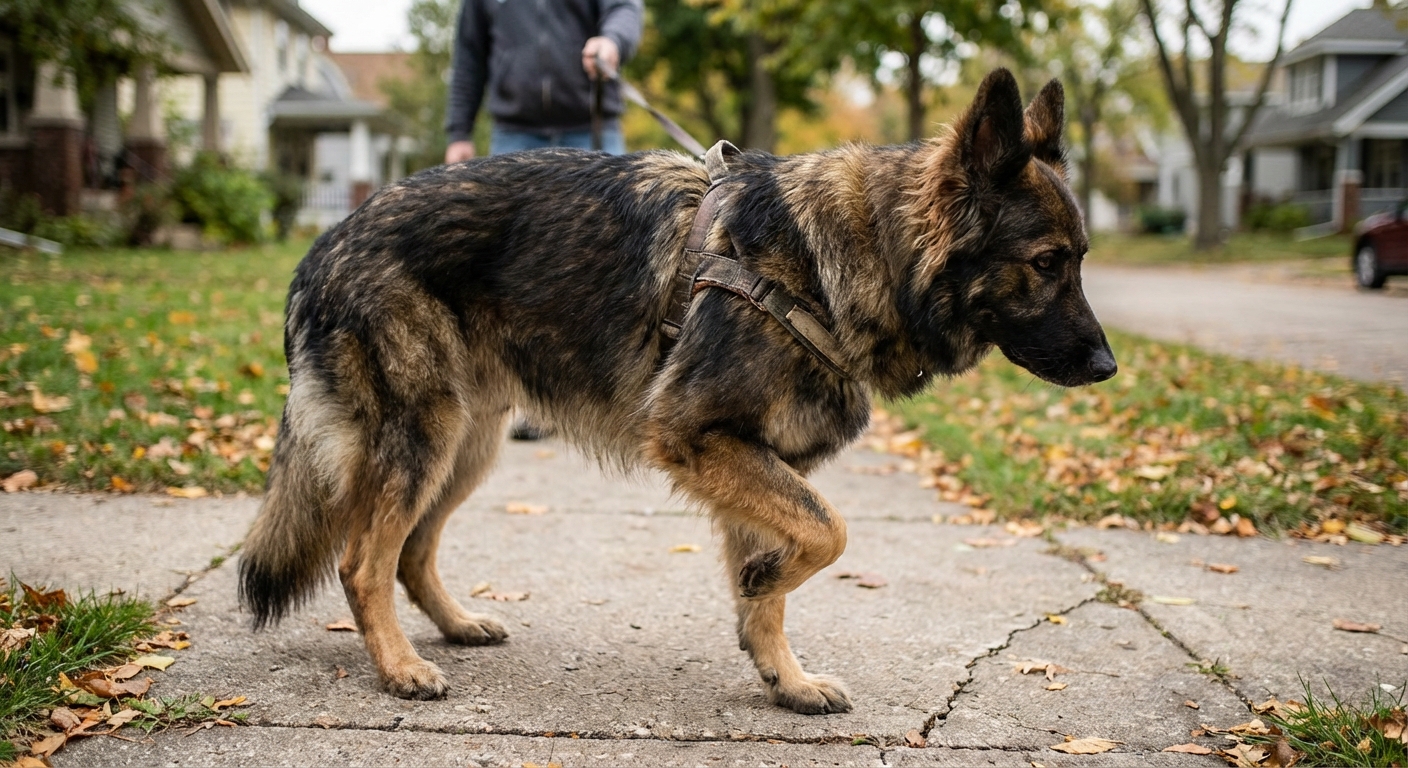
- Limping that worsens over days to weeks
- Swelling over a bone (not just a joint)
- Pain when touched in one specific spot
- Reluctance to bear weight
- Sudden lameness after minor activity
A classic pattern is a limp that seems like a sprain, improves a little, then comes back stronger.
What to do if you suspect it
Do not try to “wait it out” if your Pyr has persistent lameness or bone swelling. Your vet will likely recommend X-rays and may discuss additional imaging or referral to oncology or surgery. Treatment varies and may include surgery, chemotherapy, radiation, and palliative pain care. The right plan depends on your dog’s overall health and your goals for quality of life.
Patellar luxation
Patellar luxation means the kneecap slips out of place. It is more common in small dogs, but it can still show up in Great Pyrenees, especially alongside other orthopedic issues.
Signs you might notice
- Skipping or hopping on a back leg for a few steps
- Intermittent lameness that resolves suddenly
- Knee stiffness after activity
Because Pyrs are heavy, knee problems can become painful quickly. Early evaluation helps, even if the limp is occasional.
Cruciate ligament tears (CCL)
Cruciate ligament injury (often called an ACL tear in people) is another common cause of sudden hind-leg lameness in large dogs. It can happen during a quick turn, a slip on flooring, or what looks like normal play.
Common signs at home
- Sudden rear-leg lameness or toe-touching
- Difficulty rising, especially after rest
- Swelling around the knee
- Sitting with one leg kicked out to the side
If your Pyr cannot bear weight, or the knee looks swollen and painful, schedule same-day care. Early pain control matters, and quick evaluation helps protect the other knee from overload.
Heart conditions
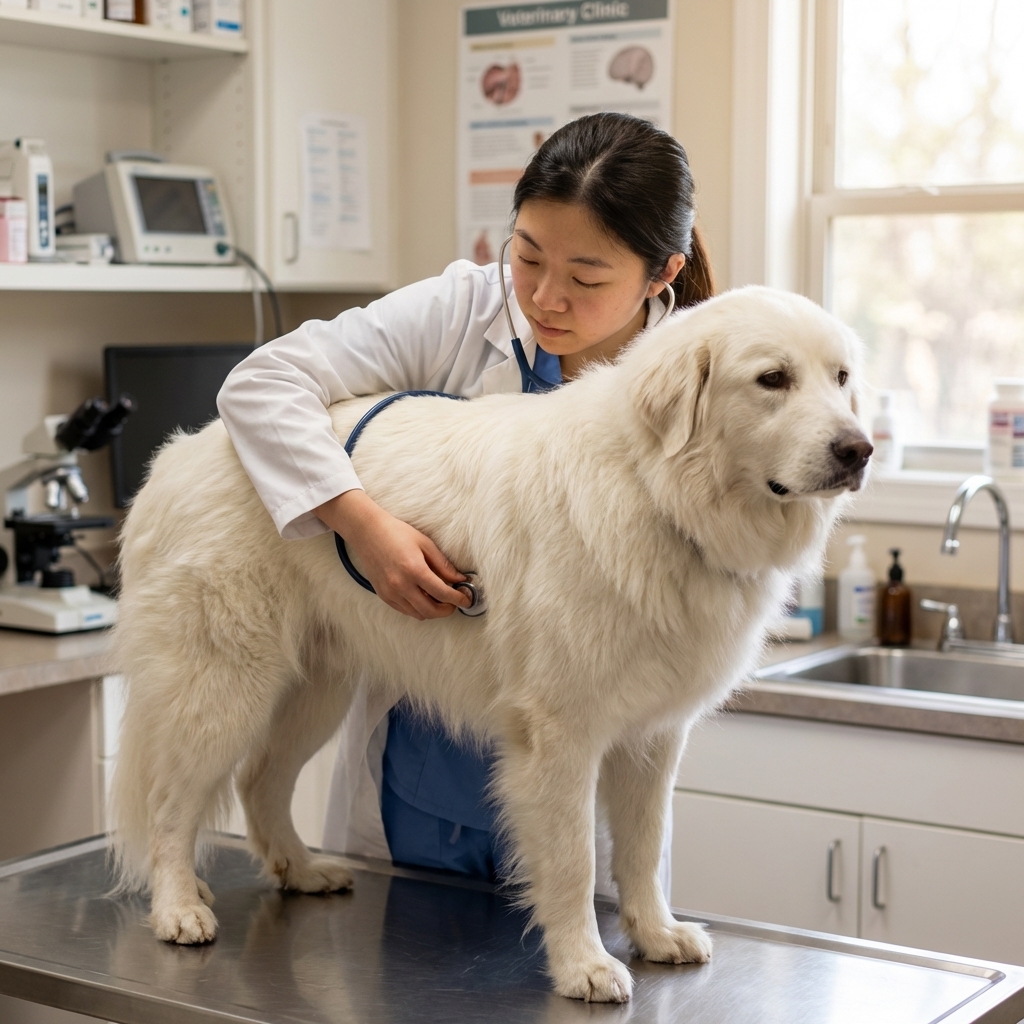
Great Pyrenees can develop heart disease like any breed, and some lines may have higher risk for certain conditions. Unless your veterinarian has diagnosed a specific heart problem, the safest approach is to focus on early warning signs and routine screening.
Symptoms to watch for
- Coughing, especially at night or after activity
- Reduced stamina or slowing down on walks
- Fast breathing at rest
- Fainting or collapse
- Swollen belly (fluid buildup)
If you notice fainting, collapse, or labored breathing, that is urgent. If you notice gradual exercise intolerance or a new cough, schedule a vet visit soon. Your veterinarian may recommend chest X-rays, an ECG, bloodwork, or an echocardiogram depending on findings.
Skin, ears, and allergies
With their thick coat and outdoor-loving nature, Great Pyrenees can be prone to skin irritation, hot spots, and ear issues. These are not always emergencies, but they can become miserable fast and sometimes signal underlying allergies.
What to watch for
- Frequent scratching, licking, or chewing at paws
- Red, moist patches (hot spots), especially under the coat
- Ear odor, head shaking, ear redness
- Recurrent skin infections or “yeasty” smell
If you see oozing skin, significant ear pain, or symptoms that keep returning, get a vet exam. Early treatment reduces chronic inflammation and secondary infections.
Hypothyroidism
Hypothyroidism is common across many medium to large breeds, and it can show up in Great Pyrenees as they reach adulthood. It is treatable, but it is easy to miss because the changes can be gradual.
Possible signs
- Weight gain with no increase in food
- Low energy or “slowing down” that seems out of proportion
- Dry coat, thinning hair, recurrent skin or ear infections
- Heat-seeking behavior, seeming more sensitive to cold
If these signs fit your dog, ask your veterinarian whether thyroid testing makes sense based on exam findings and history.
Breed-specific symptom timeline
- 6 to 18 months: early orthopedic signs may appear as the dog grows rapidly. Watch for limping, awkward gait, or stiffness after play.
- 2 to 5 years: hip or elbow dysplasia may become more noticeable, especially if weight creeps up or activity changes.
- 5 to 9 years: higher likelihood of arthritis progression; bloat risk remains; some heart issues may begin to show subtle signs.
- 7 years and up: osteosarcoma risk becomes more relevant; any persistent limp deserves a serious workup.
Routine screening to discuss with your vet
Prevention is not only about supplements or exercise plans. It is also about catching problems early, before your Pyr is suffering.
- Annual exams: a hands-on baseline for weight, joints, heart, and skin.
- Senior checkups: many vets recommend twice-yearly visits as dogs age, often with routine bloodwork and urine testing.
- Mobility check-ins: if your Pyr is slowing down, ask about a pain trial, physical therapy, or an arthritis plan instead of assuming it is “just age.”
- Breeding screening: if you are working with a breeder, ask what orthopedic and cardiac screening they do and what they see in their lines.
Prevention checklist
If you want a simple, actionable plan, here is what I recommend discussing with your vet and building into your routine.
- Keep your Pyr lean with measured meals and regular weigh-ins.
- Use joint-friendly exercise like steady walks, swimming, and controlled play.
- Protect joints at home with non-slip mats and ramps for vehicles if needed.
- Split meals and avoid intense activity after eating to reduce bloat risk.
- Consider gastropexy if your dog is at high risk or you want extra peace of mind.
- Schedule regular veterinary exams and do not ignore subtle mobility changes.
- Know what is normal for breathing at rest, and call your vet if it changes.
When to see the vet right away
For Great Pyrenees, these symptoms are not “wait and see” issues:
- Retching without producing vomit, swollen abdomen, sudden restlessness (possible GDV)
- Collapse, pale gums, severe weakness
- Labored breathing or blue-tinged gums
- Sudden inability to use a leg, or severe pain
- Limping plus swelling over a bone that persists or worsens
Your Pyr’s size can make emergencies escalate quickly. If you are unsure, call your veterinarian or an ER clinic and describe what you are seeing.
A warm final note
I know it can feel heavy reading about hip dysplasia, bloat, and bone cancer in a breed you love. But knowledge is power here. When you keep your Great Pyrenees lean, grow puppies slowly, build safe movement habits, and act quickly on red-flag symptoms, you are doing the most important work: protecting comfort, mobility, and quality of life.