Bloat can be deadly when it’s GDV. Learn the key symptoms (unproductive retching, distended belly, drooling, weakness), what ER treatment involves, and pre...
Article
•
Designer Mixes
Great Dane Lifespan and Common Health Problems

Shari Shidate
Designer Mixes contributor
Great Danes have a way of filling up a room and your heart. They are gentle, goofy, and unforgettable. As a veterinary assistant here in Frisco, Texas, I also see the other side of loving a giant breed: their health needs can be complex, too. The good news is that when you understand what Great Danes are prone to, you can make everyday choices that truly protect their quality of life.
This article covers Great Dane lifespan, the most common health problems, and practical prevention steps you can start today.
Great Dane lifespan
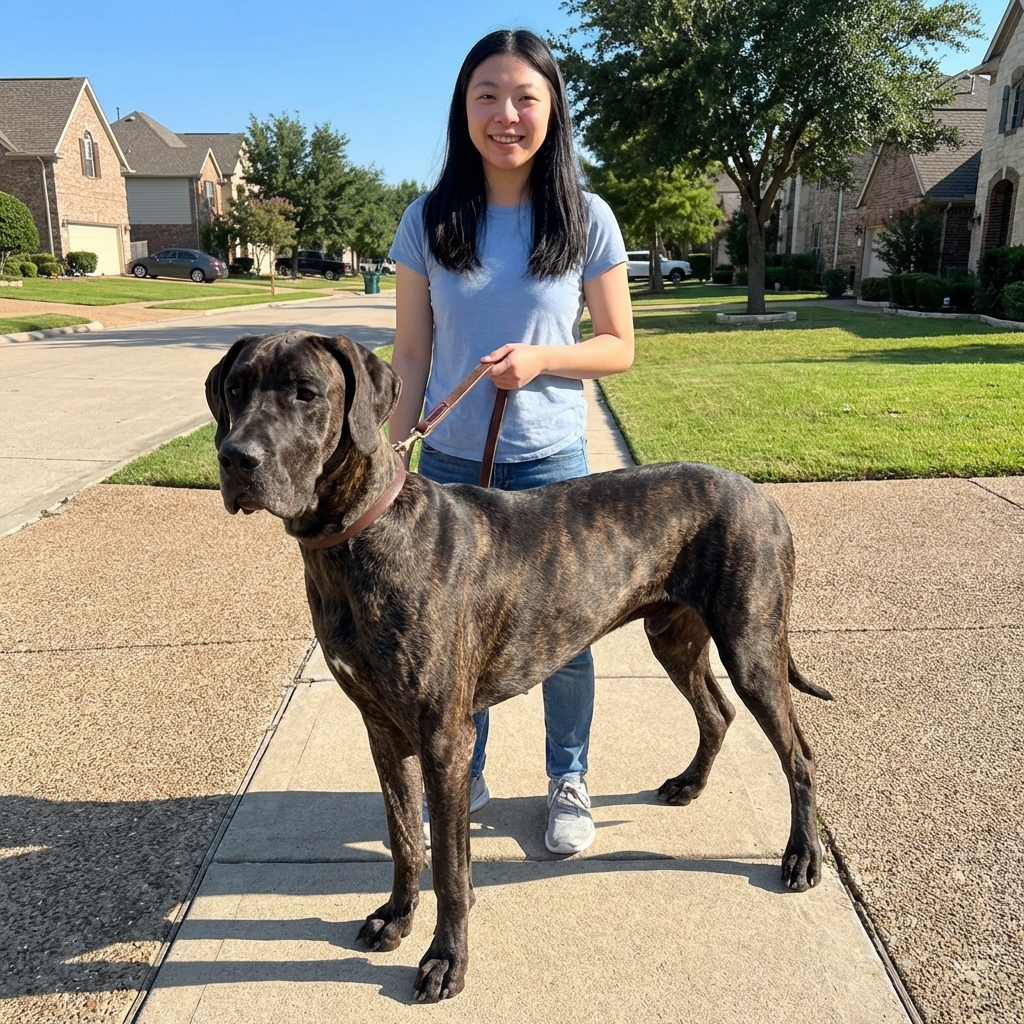
Most Great Danes live about 6 to 10 years, with many landing closer to the middle of that range. Some do live longer with excellent genetics, careful preventive care, and a lifestyle that supports joint, heart, and digestive health.
Why is the lifespan shorter than smaller breeds? In general, giant breeds tend to age faster and face higher risk for certain conditions, especially orthopedic disease, heart disease, and gastric dilatation-volvulus (GDV), also called bloat.
What can influence lifespan
- Genetics and responsible breeding (health testing and thoughtful pairing)
- Lean body condition (excess weight stresses joints and the heart)
- Early detection (routine exams and screening tests matter)
- Nutrition and feeding routine (especially around bloat risk)
- Safe exercise (strong muscles support joints, but overdoing it can backfire)
Common Great Dane health problems
Not every Great Dane will develop these issues, but these are the conditions that come up most often in veterinary practice and breed research. If you know the signs early, you can get help fast and often improve outcomes.
1) Bloat (GDV)
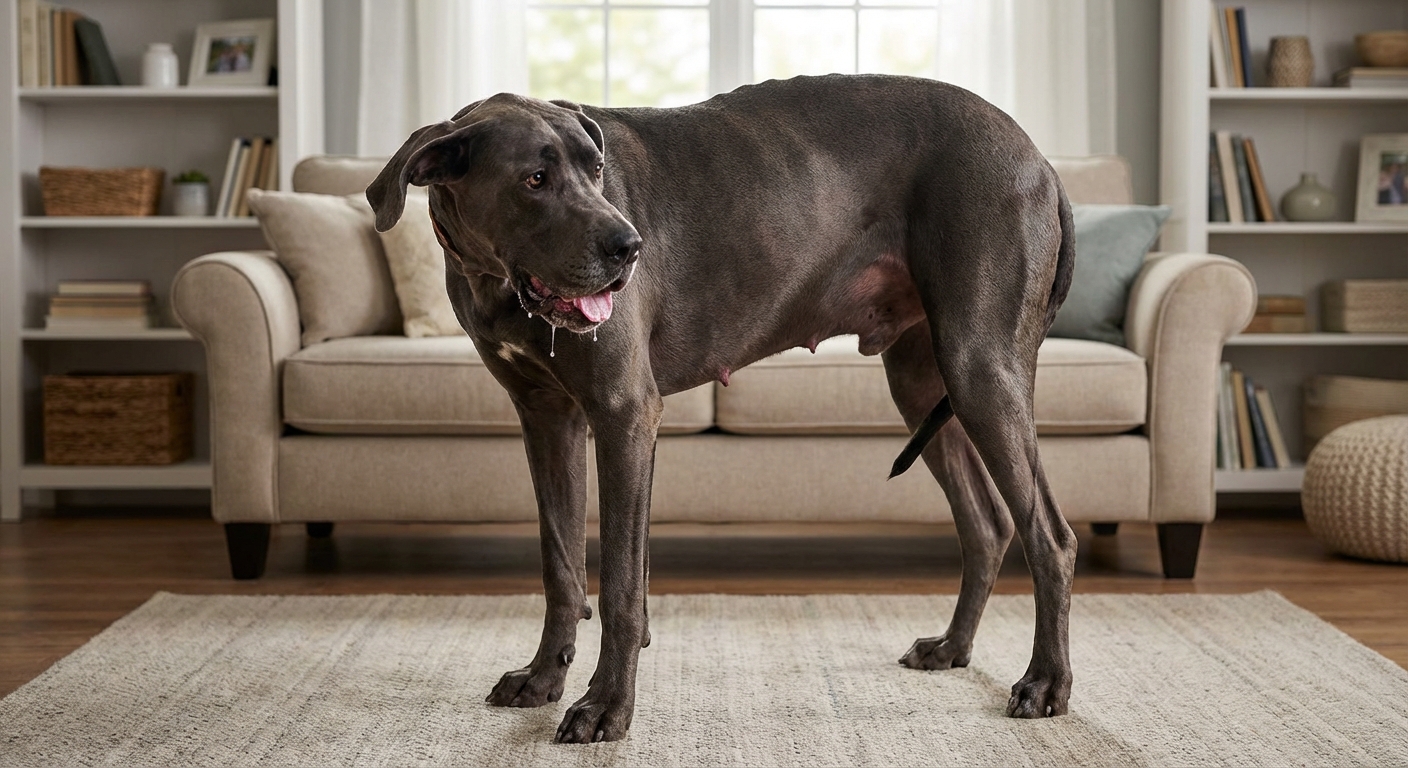
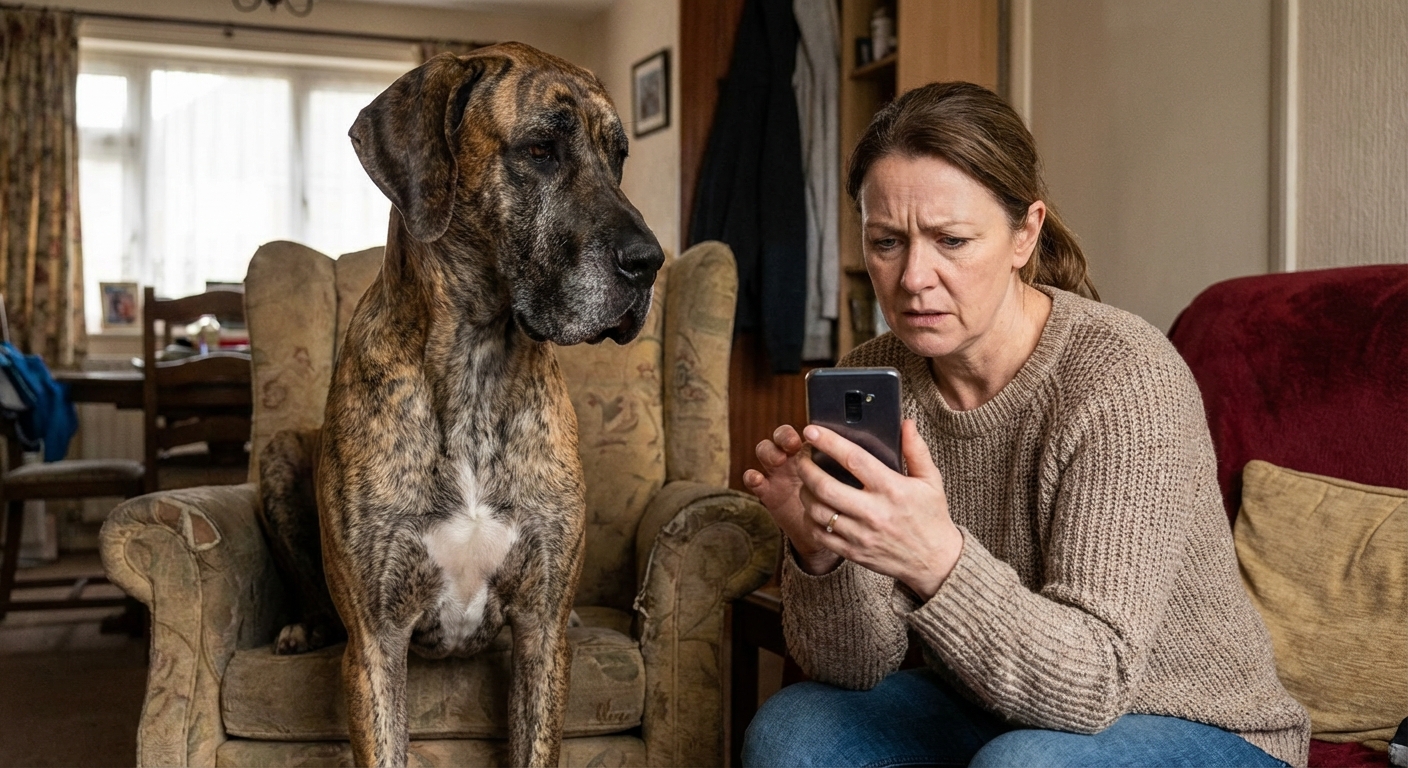
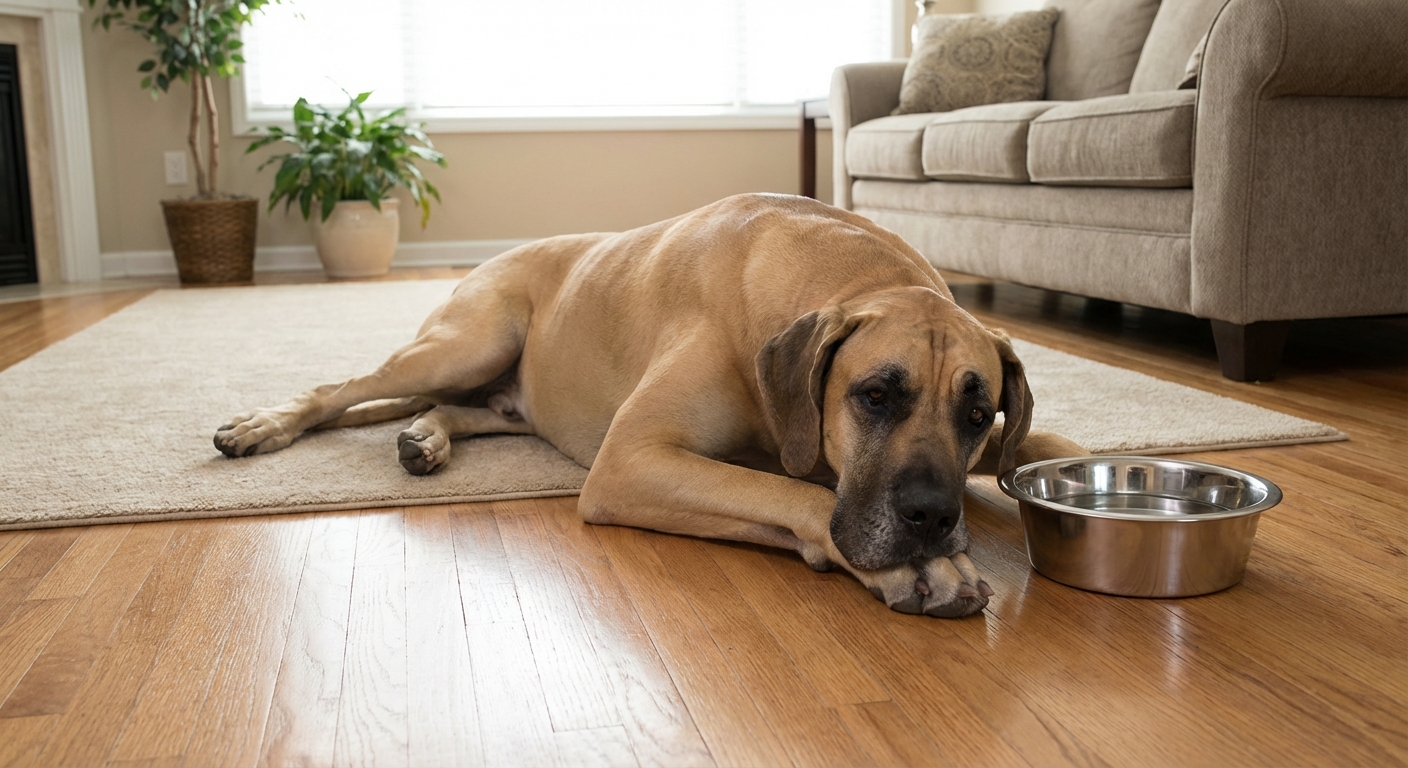
GDV is the most urgent health risk in Great Danes. The stomach fills with gas and can twist, cutting off blood flow. This is a true emergency.
Watch for signs like:
- Retching or trying to vomit with nothing coming up
- Swollen or tight abdomen
- Pacing, restlessness, drooling
- Weakness, collapse, pale gums
What may help reduce risk:
- Feed two to three smaller meals instead of one large meal
- Keep things calm around meals and avoid intense running or rough play right before and after meals (commonly recommended, even though no single habit prevents GDV)
- Discuss a preventive gastropexy with your veterinarian (often done at spay or neuter)
- Know your nearest 24-hour emergency clinic and the fastest route
If you only take one thing from this section, let it be this: when GDV is suspected, time matters. Do not wait to see if it passes.
2) Dilated cardiomyopathy (DCM) and other heart disease
Great Danes are one of the breeds at higher risk for dilated cardiomyopathy, where the heart muscle becomes weaker and the chambers enlarge. Some dogs can look normal for a long time before symptoms appear.
Possible symptoms include:
- Reduced stamina, tiring on walks
- Coughing or increased breathing effort, especially at rest or at night
- Fast or labored breathing
- Fainting episodes
- Distended belly from fluid (in advanced cases)
Helpful prevention and monitoring:
- Ask your vet about routine screening (listening for murmurs, ECG if indicated, and echocardiogram through a cardiologist when appropriate)
- Keep your Dane lean and fit
- Discuss diet with your vet. The possible link between some diets and heart changes is still being studied, but reports have raised concern about certain boutique, exotic-protein, or legume-rich formulations (sometimes grain-free, but not only grain-free).
3) Joint and orthopedic problems
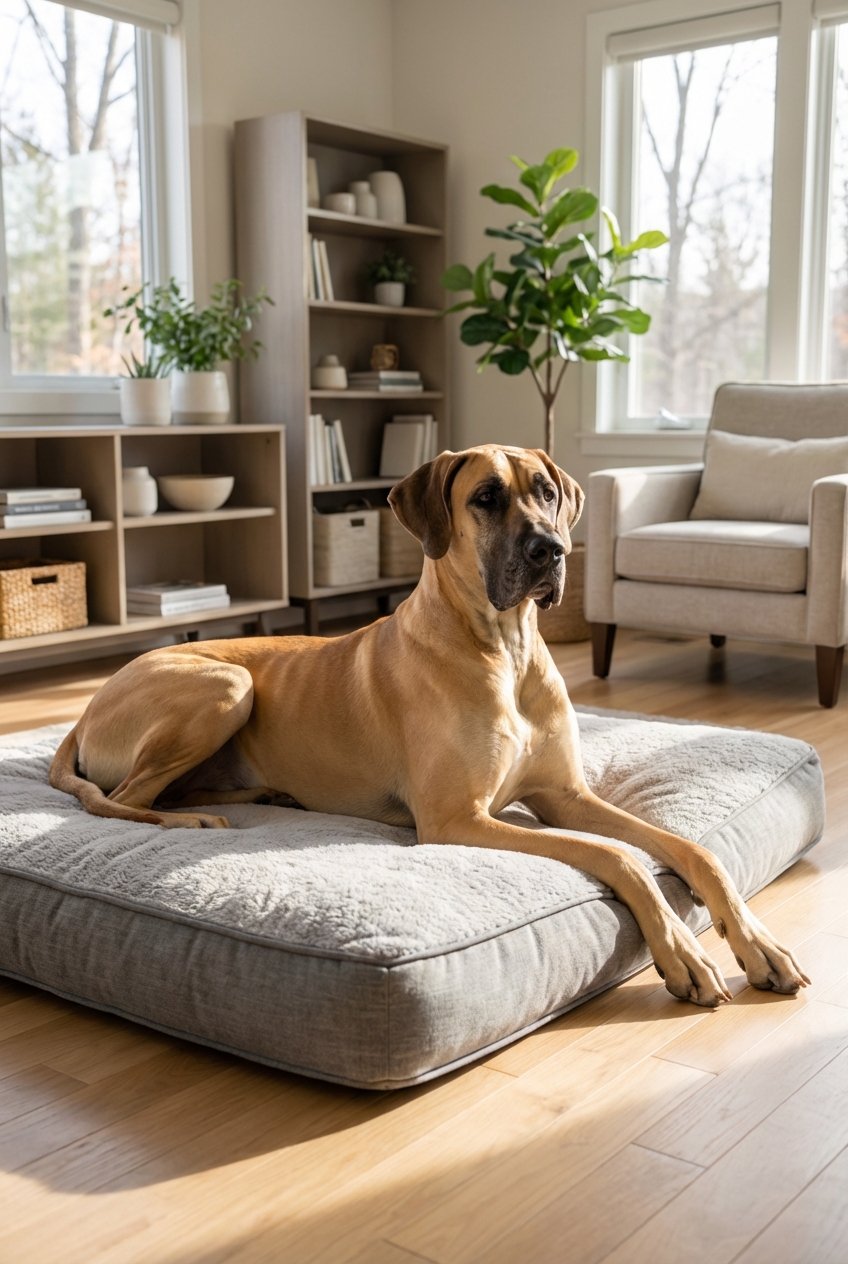
Great Danes are heavy, fast-growing dogs. That combination can stress developing joints and contribute to dysplasia and arthritis later.
Common signs:
- Stiffness after rest
- Difficulty rising or climbing stairs
- “Bunny hopping” gait
- Reluctance to jump into the car
Support strategies:
- Maintain a healthy weight (this is one of the biggest arthritis protectors)
- Choose low-impact exercise (steady walks, swimming, controlled play)
- Use non-slip rugs on slick floors
- Ask your vet about joint support (often omega-3s, and sometimes other supplements or medications tailored to your dog)
- For puppies: feed an appropriate large or giant breed growth diet, avoid excess calories, and do not add calcium supplements unless your veterinarian specifically recommends it
For growing Danes, the goal is steady, controlled growth, not rapid growth. That is why puppy nutrition matters so much in this breed.
4) Bone cancer (osteosarcoma)
Giant breeds, including Great Danes, have increased risk of osteosarcoma. Early detection can matter.
Red flags to take seriously:
- Limping that does not improve
- Swelling around a limb
- Pain when touched
- Sudden reluctance to bear weight
If you notice these, schedule an exam promptly. Your veterinarian may recommend X-rays and additional testing.
5) Wobbler syndrome
Wobbler syndrome affects the neck vertebrae and spinal cord, leading to an unsteady gait. It is seen more often in large and giant breeds.
Possible signs include:
- Wobbly, uncoordinated walking (especially the back end)
- Weakness or stumbling
- Neck pain or reluctance to move the head
Management varies from medication and physical therapy to surgery in select cases. Early evaluation is important.
6) Preventive gastropexy
This deserves its own short mention because it can be life-saving for Danes. A gastropexy is a procedure that tacks the stomach to the body wall so it is far less likely to twist.
- It helps prevent the twist (volvulus) that makes GDV so dangerous.
- It does not stop gas buildup, so symptoms still need urgent attention.
- It is often done when a dog is already under anesthesia for a spay or neuter, but timing should be individualized with your veterinarian.
If your clinic is not set up for giant breeds, it is okay to ask about referral options. With Danes, anesthesia and recovery take thoughtful planning, appropriate equipment, and an experienced team.
7) Other conditions to know
These are generally less common than GDV, heart disease, and orthopedic issues, but they still come up.
Hypothyroidism: Can show up as weight gain, low energy, skin and coat changes, and recurring ear or skin infections. The good news is that it is usually manageable with medication and monitoring.
- Unexplained weight gain
- Dry coat or hair thinning
- Lethargy
- Cold intolerance
Eye issues: Some Great Danes develop eyelid conformation problems (including entropion) that can irritate the eye. If you notice squinting, tearing, redness, or discharge, an exam is worth it. Chronic irritation can damage the cornea.
Daily habits that protect health
You do not have to do everything perfectly. Small, consistent choices add up. Here are the habits I most often see making a real difference for giant breed dogs.
Feeding and digestion
- Feed measured meals and keep your Dane lean
- Split food into 2 to 3 meals per day
- Keep a calm routine around meals and avoid strenuous activity right after eating
- Ask your vet whether your Dane is a good candidate for preventive gastropexy
Movement and joint care
- Choose controlled, low-impact exercise most days
- Limit repetitive high-impact activities, especially in puppies
- Use ramps when needed for cars or tall beds
- Schedule veterinary check-ins if you notice stiffness, limping, or slowing down
Preventive veterinary care
- Annual exams at minimum, and often twice yearly for seniors
- Discuss heart screening based on family history and exam findings
- Keep up with dental care, parasite prevention, and vaccines as recommended
One quick note on dental health: periodontal disease is common in dogs of all sizes, and chronic oral inflammation can affect comfort, appetite, and overall wellness. A little prevention at home can save a lot of trouble later.
When to call the vet now
Great Danes are tough, but when they crash, they can crash fast. Please seek urgent veterinary care if you see:
- Repeated retching with no vomit, bloated abdomen, or sudden restlessness (possible GDV)
- Collapse, fainting, or severe weakness
- Labored breathing, blue or pale gums
- Sudden severe lameness or a painful swollen limb
- Unsteady walking that appears suddenly
If you are unsure, it is always okay to call your vet or an emergency clinic and describe what you are seeing.
Bottom line
Great Danes may have a shorter lifespan than many breeds, but they can still live richly, comfortably, and joyfully when their biggest risks are managed early. Keep your Dane lean, protect the joints, take bloat seriously, and do not skip routine checkups. Those simple steps are a powerful form of love.
If you are bringing home a Great Dane puppy or adopting an adult, ask your veterinarian for a personalized prevention plan. One good plan today can mean more healthy years together.