Wondering if a Labradoodle is right for your family? Get practical guidance on temperament, size and shedding, exercise, training, grooming routines, health ...
Article
•
Designer Mixes
Goldendoodle

Shari Shidate
Designer Mixes contributor

Meet the Goldendoodle
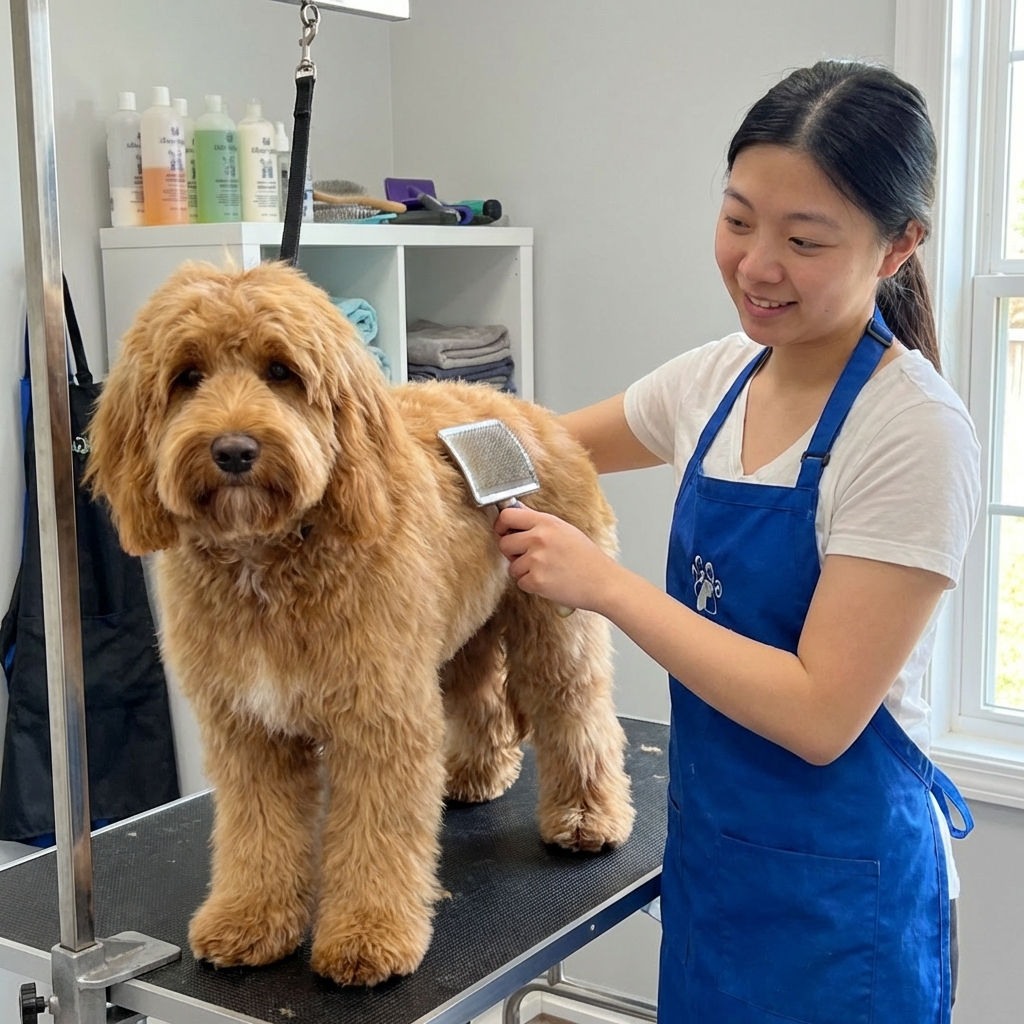
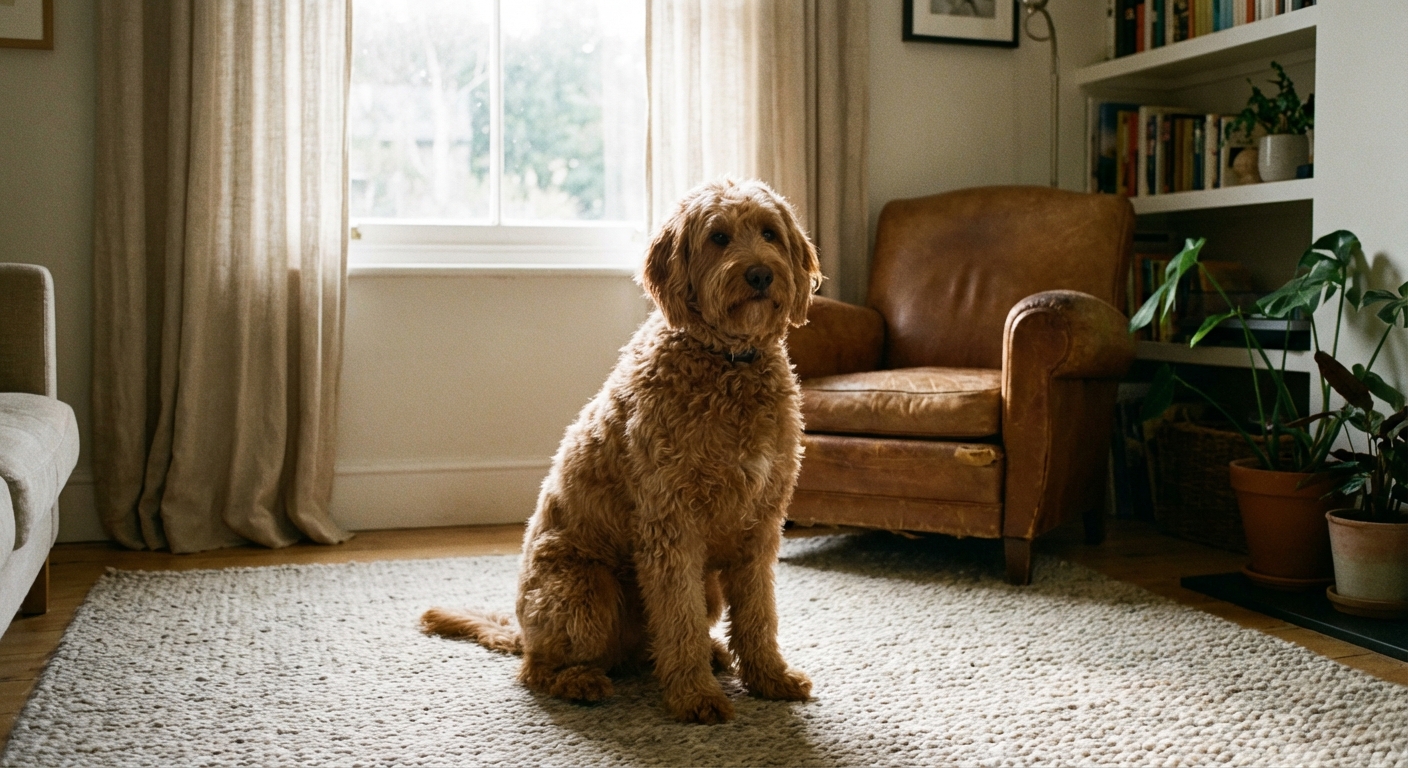
Goldendoodles are a popular “designer mix” created by crossing a Golden Retriever with a Poodle. Many families love them for their friendly nature, trainability, and the potential for a lower-shedding coat. That said, no mixed breed comes with guarantees. Coat type, energy level, and size can vary depending on genetics, early socialization, and the specific Poodle size used in the mix.
From a wellness perspective, I like to remind families that the best dog for you is the one whose needs match your lifestyle. A Goldendoodle can be an incredible companion, but they tend to thrive when their physical, mental, and grooming needs are met consistently.
Temperament and Personality
Most Goldendoodles are affectionate, people-oriented, and eager to please. They often do well with children and can be sociable with other pets when properly introduced. Because they are so tuned in to their humans, they generally dislike being left alone for long hours every day.
Common traits many owners report
- Friendly and social: Often enjoys meeting new people, sometimes to the point of being overly enthusiastic.
- Smart and trainable: Can pick up cues quickly, especially with positive reinforcement training.
- Playful and energetic: Usually needs daily activity to stay calm and well-behaved indoors.
- Sensitive: May respond poorly to harsh training methods or chaotic environments.
If you are looking for a dog who feels like a true family member and wants to be involved in daily life, a Goldendoodle may be a strong fit.
Size, Coat Types, and What “Hypoallergenic” Really Means
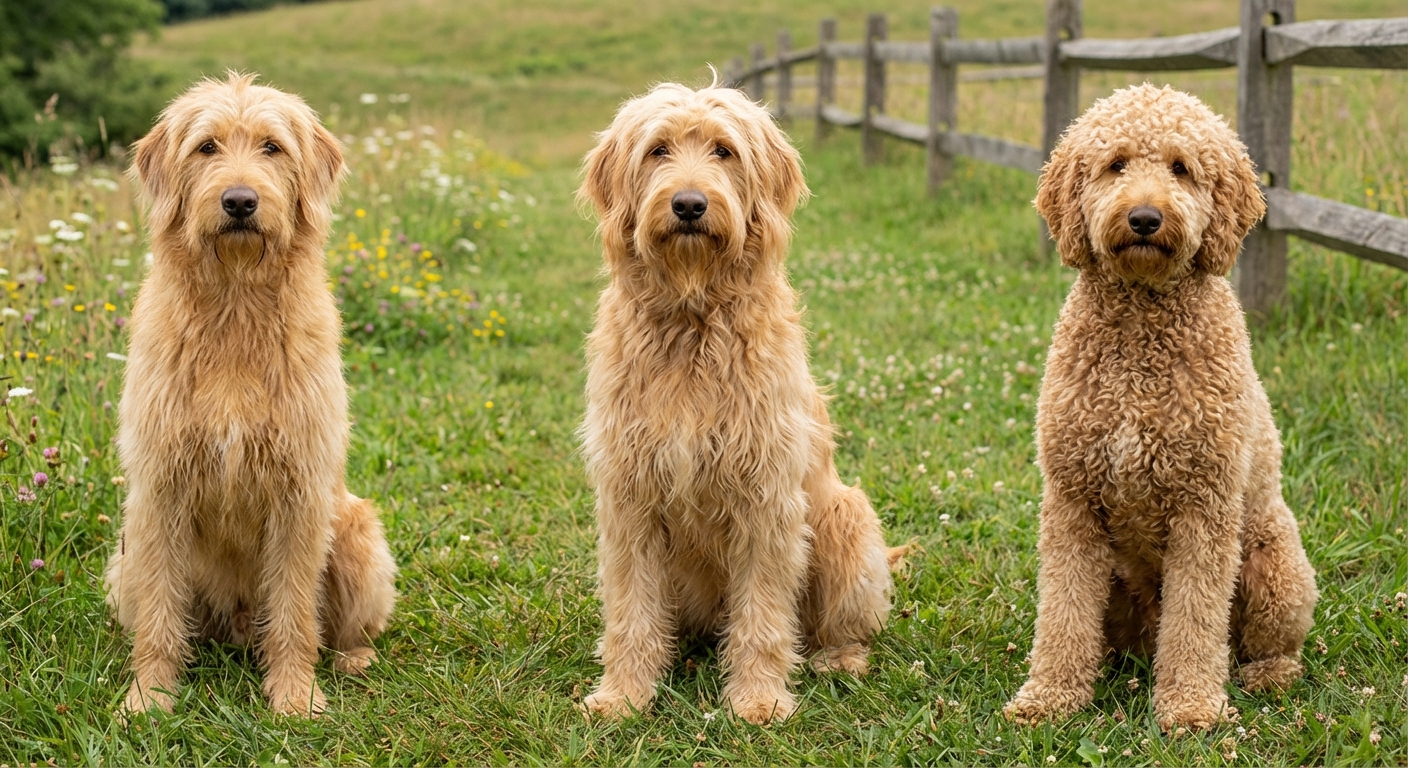
Goldendoodles can range from small to quite large depending on whether a toy, miniature, or standard Poodle is in the family tree. The coat can be wavy, curly, or straighter, and shedding varies widely.
Another layer of variability is generational. You may hear terms like F1 (Golden Retriever x Poodle), F1B (Goldendoodle x Poodle), or multigenerational mixes. In general, some lines are bred for more coat consistency, but there is still no promise of a specific coat type, shedding level, or allergy-friendliness in any individual dog.
Coat and shedding
Many people seek Goldendoodles because they hope for less shedding. While Poodles are known for low shedding, Goldendoodles can inherit coat traits from either parent. Some shed minimally, some shed moderately, and a few shed more than expected. It is also important to know that “hypoallergenic” is not a medical guarantee. Allergies are typically triggered by proteins in dander, saliva, and urine, not just fur. Hair and fur can still carry those allergens, which is one reason grooming and home cleaning can help some allergy-sensitive households.
Practical tip: If allergies are a concern, spend time around the specific puppy or adult dog you are considering and talk with your allergist. Consistent grooming, vacuuming, and washing dog bedding can also make a meaningful difference.
Exercise and Mental Enrichment
Goldendoodles are often at their best when they have a predictable routine that includes movement, training, and play. Think of exercise as preventive care. It supports healthy weight, joint function, heart health, digestion, and behavior.
As a general ballpark, many healthy adult Goldendoodles do well with about 45 to 90 minutes of daily activity, split into multiple sessions. Age, size, personality, and health conditions matter, so use your dog’s behavior and your veterinarian’s guidance as the final word.
Daily activity ideas
- Brisk walks: Aim for one longer walk plus one or two shorter outings, adjusting for age and health.
- Fetch and tug: Great for bonding and burning energy in a short time.
- Scent games: Hide treats or use a snuffle mat to engage the brain.
- Training sessions: Short, upbeat practice sessions can be more tiring than a long walk.
- Swimming: Some Goldendoodles enjoy water, and for the right dog it can be a joint-friendly option.
Puppies need exercise too, but it should be structured and age-appropriate to protect developing joints. Your veterinarian can help you tailor the right plan.
Nutrition and Healthy Weight: Your Biggest Long-Term Advantage
Small, consistent habits compound into remarkable results over time, and that is especially true with nutrition. Like many family dogs, Goldendoodles can gain weight if treats and portions creep up, particularly after spaying or neutering or when activity levels change.
Evidence-based feeding habits that help
- Measure meals: Use a measuring cup or kitchen scale instead of guessing.
- Prioritize protein and quality: Choose a complete and balanced food appropriate for life stage (puppy, adult, senior).
- Use treats strategically: Keep treats to a small portion of daily calories. Use tiny pieces and count them.
- Watch the “extras”: Table scraps, chew calories, and high-calorie peanut butter can add up fast.
- Track body condition: You should be able to feel ribs under a light layer of tissue and see a waist from above.
If your Goldendoodle is itchy, has recurrent ear infections, or has chronic loose stool, ask your veterinarian about food sensitivities, environmental allergies, or other causes before switching foods repeatedly.
Grooming: Coat Care, Ear Health, and Skin Comfort
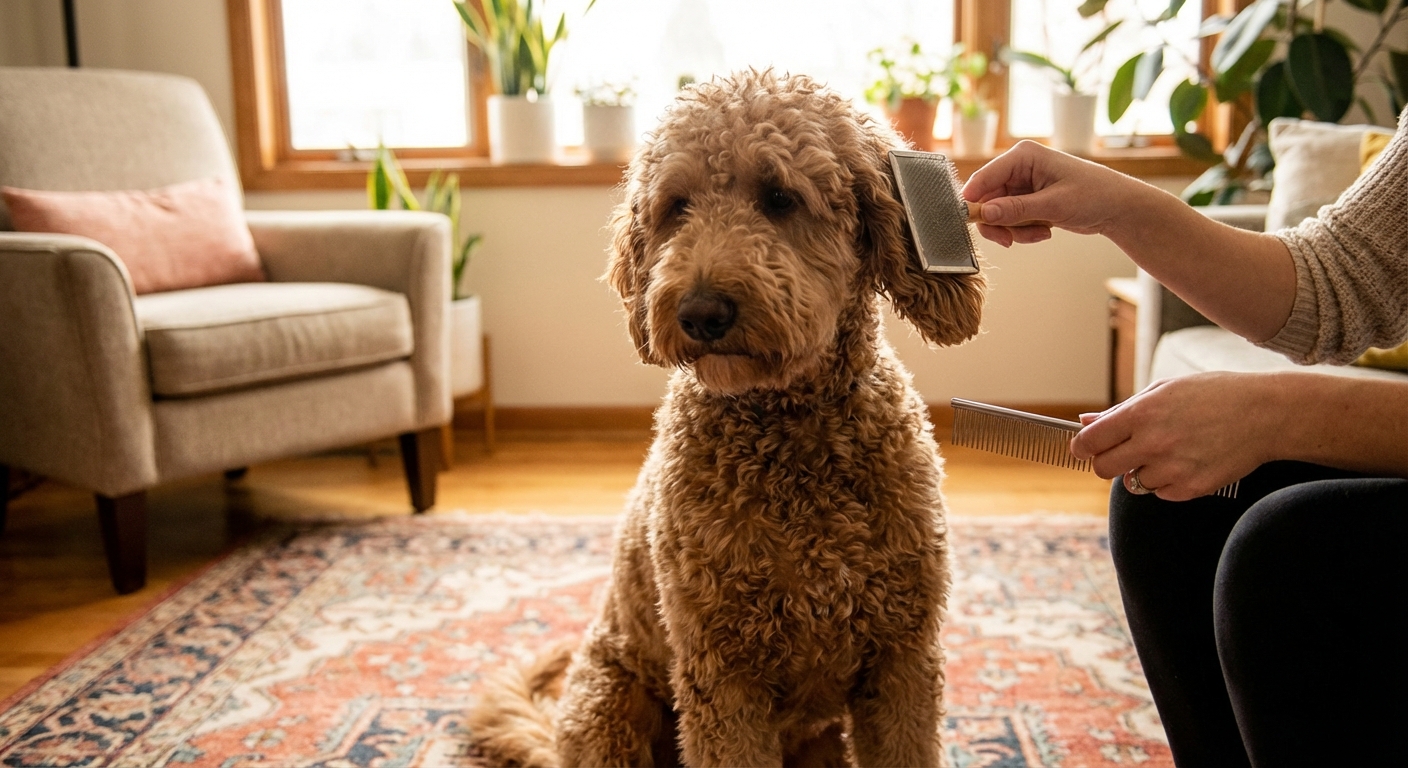
Coat type and coat care go hand in hand. Even “low shedding” coats can mat easily, so grooming is not just cosmetic for Goldendoodles. It is a key part of skin health, comfort, and even mobility, since matting can pull on the skin and restrict movement.
What consistent grooming typically includes
- Brushing: Many Goldendoodles need brushing several times per week, sometimes daily, depending on coat type.
- Professional grooming: Often every 6 to 8 weeks to prevent matting and keep the coat manageable.
- Ear checks: Floppy ears can trap moisture. Watch for redness, odor, head shaking, or scratching.
- Bathing: As needed, using dog-specific products to protect the skin barrier.
- Nail care: Regular trims help support posture and joint comfort.
- Dental care: Daily or near-daily brushing, plus professional cleanings as recommended, supports whole-body health.
Wellness note: Chronic itching, frequent ear infections, or “hot spots” can be signs of allergies or skin conditions. Early evaluation can prevent a cycle of inflammation and discomfort.
Training and Socialization
Because Goldendoodles are often bright and people-focused, they tend to respond beautifully to positive reinforcement training. Early socialization is especially important to prevent fearfulness, jumping, or overexcitement around visitors.
Helpful focus areas
- Polite greetings: Teach “sit” for attention to reduce jumping.
- Leash skills: Practice loose-leash walking early, before adult strength kicks in.
- Alone-time training: Build comfort with short separations to reduce anxiety.
- Handling exercises: Gentle practice with paws, ears, brushing, and teeth checks helps with grooming and vet visits.
Puppy classes can be a fantastic investment, not only for obedience basics but also for confidence-building in a safe setting.
Common Health Considerations
Mixed breeds can inherit health risks from either parent line. Responsible breeders screen breeding dogs, and that screening matters. While individual outcomes vary, it is wise to be aware of concerns seen in Golden Retrievers and Poodles, then plan your preventive care accordingly.
Conditions to discuss with your veterinarian or breeder
- Hip and elbow dysplasia: Joint issues that can affect mobility and comfort.
- Allergies: Environmental and food-related allergies can show up as itchy skin or ear issues.
- Ear infections: Often related to ear anatomy, moisture, and underlying allergies.
- Eye conditions: Inherited problems can occur in both parent breeds, including progressive retinal atrophy (PRA) and cataracts in some lines.
- Endocrine disease: Addison’s disease is seen in Poodles and can occur in mixes.
- Cancer risk in some lines: Golden Retrievers, in particular, are known for higher cancer rates, which is one reason family history and responsible breeding matter.
- Age-related concerns: Including arthritis and cognitive changes as dogs get older.
What “responsible breeder screening” can look like
Testing varies by line, but common examples include OFA or PennHIP evaluations for hips (and often elbows), an eye exam through a board-certified veterinary ophthalmologist (often listed as CAER), and relevant DNA testing based on the parents’ backgrounds. Ask to see documentation, not just verbal assurances.
Preventive care tip: Keep up with routine exams, dental care, parasite prevention, and vaccinations based on your veterinarian’s recommendations. Preventive care is typically less stressful and more affordable than treating advanced disease.
Cost and Commitment: The Part People Underestimate
Goldendoodles are often wonderful family dogs, but they are rarely “low maintenance.” Budget and time matter, especially for professional grooming, training support, quality nutrition, and preventive veterinary care. If your household schedule is packed, plan ahead for dog walkers, enrichment toys, and a grooming routine you can realistically keep.
Choosing a Goldendoodle Ethically
If you are searching for a Goldendoodle, look for sources that prioritize health, temperament, and humane care. That can mean a responsible breeder with transparent testing and excellent early socialization, or it can mean adoption through a rescue where you can learn about an adult dog’s settled personality.
Helpful questions to ask
- What health testing was done on the parents, and can I see the results?
- How are puppies socialized in the first 8 weeks (handling, surfaces, sounds, crate exposure)?
- What does the breeder do if a family cannot keep the dog?
- For adult dogs, what is known about grooming tolerance, alone-time comfort, and energy level?
Is a Goldendoodle Right for Your Home?
A Goldendoodle can be a wonderful match if you want a social, trainable dog and you are ready for regular grooming and daily enrichment. They often flourish in homes where someone is around much of the day or where alone-time has been thoughtfully trained.
Before you commit, ask yourself
- Do I have time for daily exercise and training?
- Am I prepared for routine grooming costs and coat maintenance at home?
- Can I provide companionship and structure, not just affection?
- Am I willing to adapt as my dog’s needs change with age?
When those basics are in place, Goldendoodles often repay you with years of joyful companionship, steady affection, and the kind of everyday routine that supports wellness for the whole family.