Golden Retrievers have a reputation for being friendly, gentle, and family-oriented, and in my experience as a veterinary assistant, that reputation is usually well earned. But they are not “easy” in the sense of low-energy or low-maintenance. Goldens are smart, social, athletic dogs who thrive when they have daily structure, training, and a job to do, even if that “job” is carrying a toy on walks or learning new cues in the living room.
If you are a first-time owner, a busy family, or an active household trying to choose the right breed, this guide covers general Golden Retriever essentials so you can plan for real life: temperament, exercise, grooming, training, and the health themes owners should know before bringing one home.
Quick Golden Retriever snapshot
- Best known for: people-friendly temperament, biddable training style, love of retrieving and water
- Energy level: medium-high, especially as a puppy and young adult
- Daily exercise: often 60 to 120 minutes, but needs vary by age, health, and temperament (some need more, some do well with less)
- Typical size: medium-large; many adults are roughly 55 to 75 pounds, depending on sex and build
- Typical lifespan: often around 10 to 12 years
- Coat: dense double coat that is water-repellent, with seasonal shedding
- Common challenges: mouthiness as youngsters, jumping when excited, shedding, boredom behaviors if under-exercised
- Common health themes: joint issues, allergies and ear infections, certain cancers, heart and eye disease risk in some lines
Temperament: what Goldens are really like
Most Golden Retrievers are affectionate, social, and eager to be included. They tend to assume strangers are future friends. This is wonderful for family life, but it also means many Goldens are not natural guard dogs. You may get an alert bark, but most Goldens will not be protective in the way some guardian breeds are.
With kids
Well-socialized Goldens are often excellent with children because they are typically tolerant and people-focused. The biggest risk is not aggression. It is enthusiasm. Young Goldens can knock over toddlers, grab sleeves, and steal snacks with impressive speed.
- Match supervision to age: always supervise kids and dogs together, especially with babies and toddlers
- Teach “four paws on the floor”: reward calm greetings so excitement does not become jumping
- Build kid-friendly rules: no hugging around the neck, no grabbing ears, no bothering a resting dog
With other dogs and pets
Golden Retrievers are generally dog-friendly. Many also do well with cats when introduced thoughtfully. They are retrievers, though, so movement can trigger chase. Early training and slow introductions matter.
- For cats: use baby gates and leashes at first, reward calm behavior, and provide cat-only escape routes
- For small pets: never assume safety with rabbits, birds, or rodents without strict management
Separation and “Velcro dog” tendencies
Goldens often prefer being near their people. That can be sweet and also challenging if a dog is left alone for long stretches. Without training, some develop separation-related behaviors like pacing, barking, or destructive chewing.
If your schedule requires long workdays away from home, plan ahead for dog walkers, daycare, or a structured enrichment routine.
Exercise: daily needs and what counts
Golden Retrievers were developed to work in the field, retrieving birds over land and water. Translation: they are built for activity, and most feel best with a mix of cardio, strength, and brain work.
It helps to think in two categories: structured exercise (walks, training walks, swims, hikes) and free play (yard time, gentle fetch, play with a compatible dog). Mental work like training and scent games can take the edge off on busy days, but most Goldens still need regular physical outlets.
Typical daily exercise ranges
- Puppies (under 12 months): several short play and training sessions daily, with controlled walks; avoid repetitive high-impact exercise
- Young adults (1 to 5 years): many need about 60 to 120 minutes total activity per day, adjusted to the individual
- Adults and seniors: many still want daily walks and play, but intensity may need to be adjusted for joints and stamina
Great activities for Goldens
- Brisk walks with sniff breaks
- Retrieving games on grass, sand, or gentle terrain
- Swimming with safety measures and clean, dry ears afterward
- Hiking once fully grown and conditioned
- Nose work like treat hunts and scent games
- Obedience and trick training to tire the brain
Protect growing joints
Because Goldens can be prone to hip and elbow issues, it is wise to be conservative with repetitive jumping, long runs on hard surfaces, and intense fetch sessions during growth. As a simple rule of thumb, keep puppy exercise frequent but short, and choose low-impact movement over forced mileage. For sustained jogging or long-distance running, many veterinarians recommend waiting until growth plates are closed, which is often closer to 12 to 18 months in large breeds. If you are unsure what is appropriate for your pup, ask your veterinarian about safe activity levels and ideal body condition.
A tired Golden is usually a good Golden, but an overstimulated Golden can be a mouthy, jumpy Golden. Balance exercise with calm training and real rest.
Grooming and shedding: what to expect
Golden Retrievers have a double coat that is designed to help protect them from weather and water. It is beautiful, functional, and it sheds. If someone in the home is sensitive to pet hair, it is best to know upfront that Golden hair will show up on clothes, couches, and car seats.
Shedding patterns
Most Goldens shed year-round with heavier “blowouts” seasonally, often in spring and fall. Indoor heating and air conditioning can make shedding feel constant.
Basic grooming routine
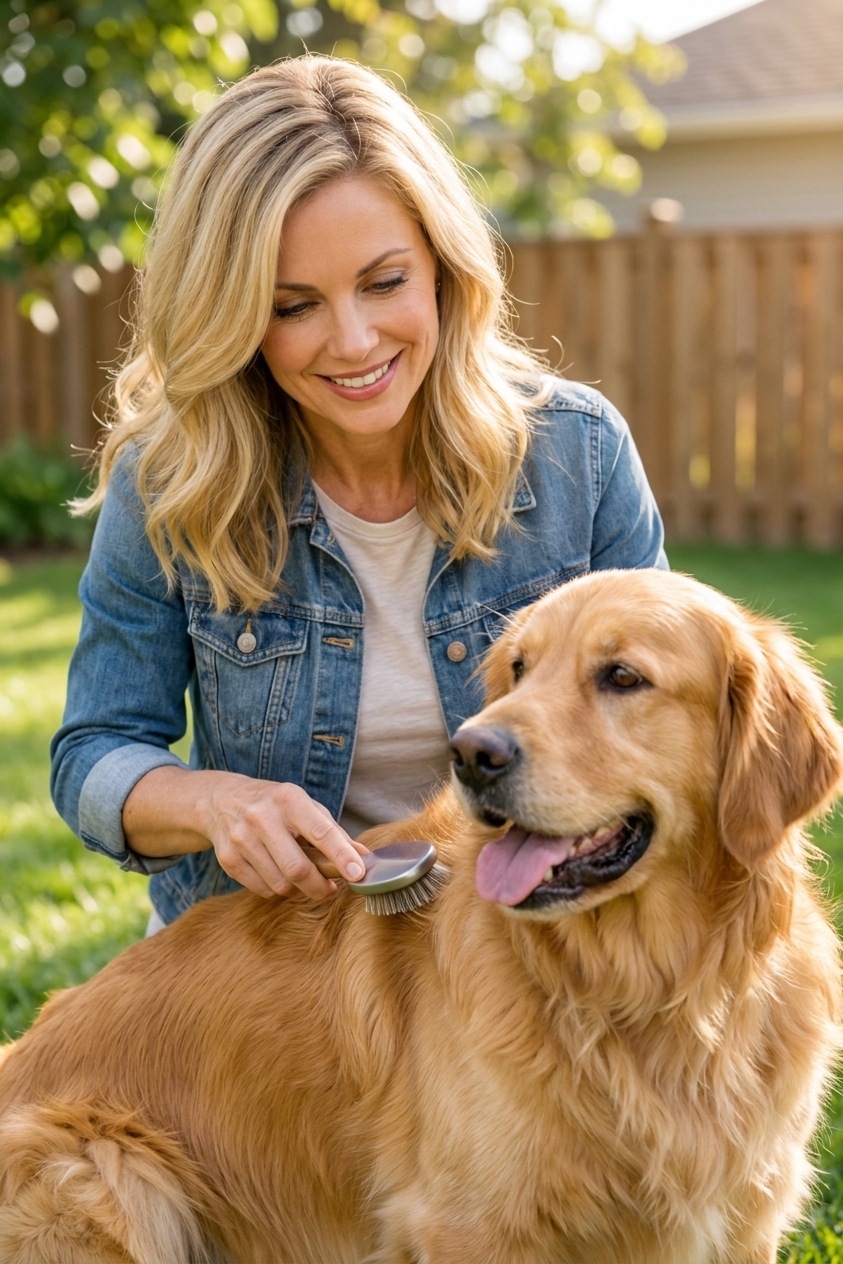
- Brushing: 3 to 5 times per week for many households, daily during heavy shedding
- Tools that help: a slicker brush and undercoat rake (used gently) can make a big difference during seasonal shedding
- Bathing: about every 4 to 8 weeks, or as needed; use a dog-specific shampoo
- Feathering care: keep ear fringes, belly, and tail feathering detangled to prevent mats
- Nails: typically every 2 to 4 weeks
- Teeth: daily brushing is ideal, plus veterinary dental cleanings as recommended
Do not shave the coat
One common mistake is shaving a Golden’s double coat to “keep them cool.” Shaving can interfere with how the coat insulates and protects the skin, and it may regrow unevenly. If you need a comfort-focused trim, ask a groomer for a tidy, sanitary trim rather than a shave.
Ears: a common trouble spot
Those floppy ears can trap moisture, especially in swimmers and in dogs with allergies. Goldens can be prone to ear infections. If you notice odor, redness, head shaking, or frequent scratching, check in with your veterinarian. Preventive ear drying after swimming and regular ear checks can make a big difference.
Training: strengths and common challenges
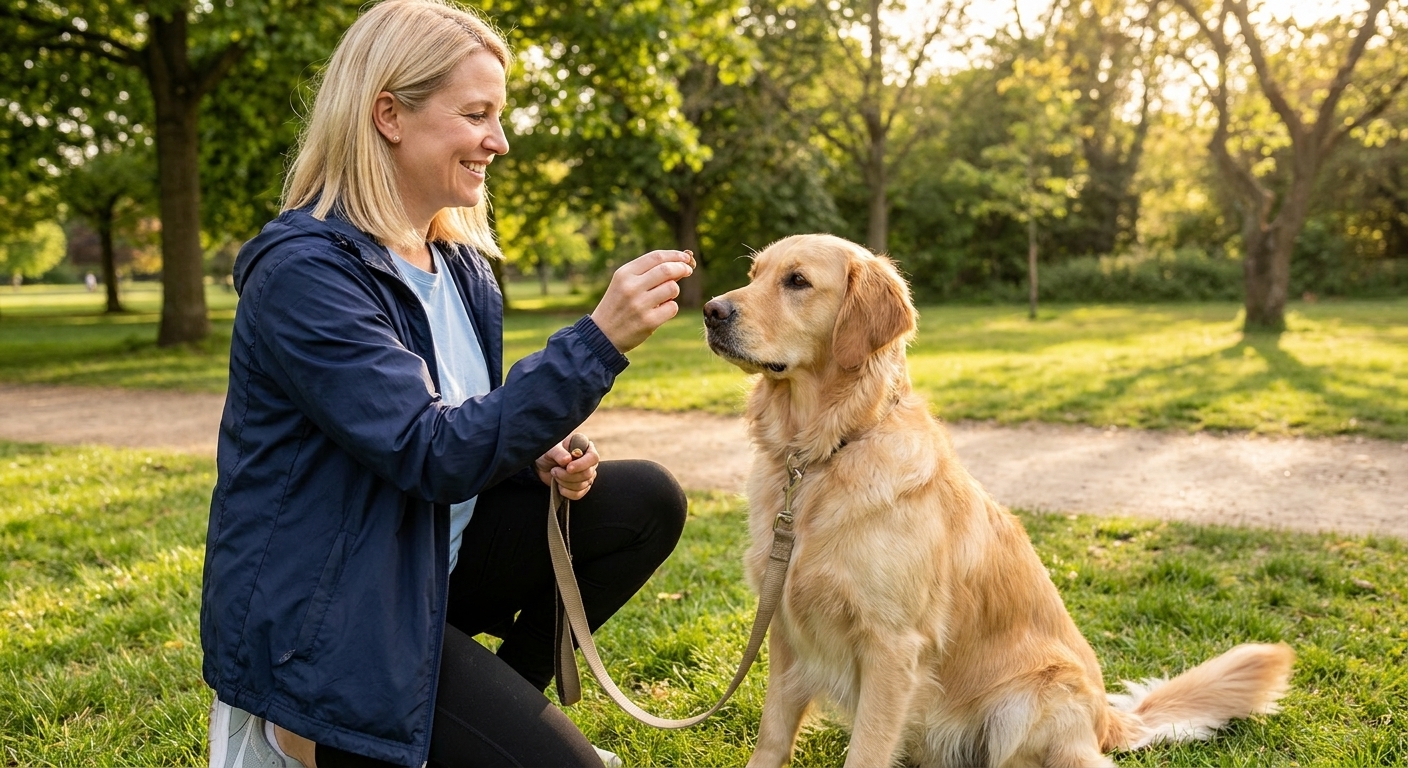
Golden Retrievers are typically intelligent and eager to please. They often shine with reward-based training that uses treats, toys, and praise. In many dogs, harsh corrections can backfire and create stress or avoidance. For most families, positive reinforcement and clear consistency are the most effective, humane starting point.
Training strengths
- Biddable: many enjoy learning cues and routines
- Food motivated: helpful for training, but watch weight
- Social: often do well in group classes with proper management
Common Golden challenges
- Mouthiness: retrievers explore with their mouths; teach “drop it” and provide legal chew options
- Jumping: excitement around people is common; reward calm greetings
- Pulling on leash: train loose-leash walking early, before they reach full size
- Adolescent testing: many Goldens go through a teenage phase; stay consistent
Extra help for mouthy, wiggly teens
If your young Golden gets grabby when excited, add impulse-control games and calm skills to your routine. “Place” or mat training, short settle sessions after play, and trading toys for treats can reduce the land-shark moments without turning training into a battle.
A simple daily training routine
If you want a doable plan, aim for two or three mini sessions a day. Each one can be 3 to 5 minutes.
- Practice sit, down, and stay with small rewards
- Add one “life skill” like leave it or drop it
- Finish with calm handling: touch paws, look in ears, lift lips gently, then reward
Feeding and weight: protecting joints and longevity
Goldens love food, and extra weight puts stress on hips, elbows, and the heart. Keeping your Golden lean is one of the most practical, evidence-based ways to support long-term health.
Helpful guidelines
- Choose a complete and balanced diet appropriate for life stage, including large-breed puppy formulas when applicable
- Measure meals and adjust based on body condition, not just the bag label
- Use treats strategically: count treats as calories; reserve higher-value treats for training
- Ask about joint support: some dogs benefit from veterinarian-approved omega-3s or joint supplements, especially if there are early signs of stiffness
If you want to add fresh foods, do it gradually and keep the foundation of the diet nutritionally complete. Your veterinarian can help you decide what is safe and appropriate for your individual dog.
Common health themes in Golden Retrievers
No breed is “guaranteed healthy,” and Goldens have a few well-known risks. The good news is that smart breeding, preventive care, and early attention to symptoms can improve outcomes.
Orthopedic issues
- Hip dysplasia and elbow dysplasia are concerns in the breed
- Cranial cruciate ligament (CCL/ACL) injury can occur, especially in active or overweight dogs
Skin and allergies
Goldens can be prone to environmental allergies and skin irritation. Signs include licking paws, recurrent ear infections, hotspots, and itchy skin. Allergy management often involves a combination of diet review, parasite prevention, bathing routines, and veterinarian-directed medications when needed.
Heart and eyes
Some lines are predisposed to heart disease and eye conditions. Responsible breeders screen breeding dogs, and routine veterinary exams can catch early changes.
Cancer risk
Golden Retrievers are widely reported to have a higher risk of certain cancers compared to many breeds. This is not meant to scare you away, but it is a reason to prioritize regular wellness care and to take changes seriously. Examples veterinarians commonly see in the breed include lymphoma, hemangiosarcoma, and mast cell tumors.
- regular wellness visits
- keeping weight in a healthy range
- prompt evaluation of new lumps, unexplained weight loss, or persistent lethargy
- talking with your breeder or rescue, and your veterinarian, about family history when available
Bloat (GDV) awareness
Like many larger, deep-chested dogs, some Goldens can be at risk for bloat, also called gastric dilatation-volvulus (GDV). It is a true emergency. Seek care immediately if your dog has a suddenly swollen abdomen, repeated unproductive retching, drooling, restlessness, or signs of severe pain.
Preventive care checklist
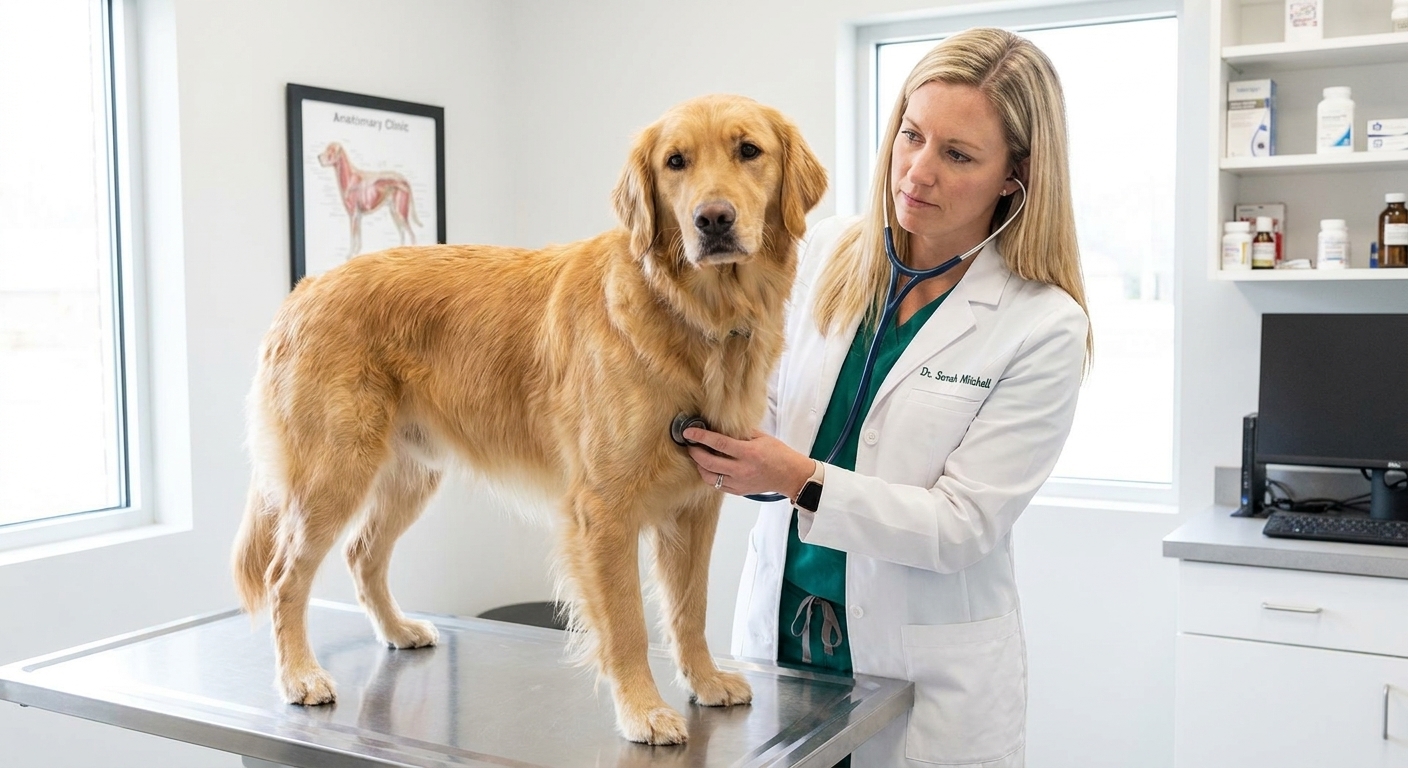
- Annual or semiannual vet exams depending on age and health status
- Dental care plan
- Year-round parasite prevention appropriate for your region
- Vaccines tailored to lifestyle
- Baseline bloodwork as recommended, especially for adults and seniors
Breeder health testing basics
If you are buying a puppy, ask what health screenings were done on the parents. Common, high-value tests in Goldens include hips and elbows, an eye exam by a veterinary ophthalmologist, and appropriate heart screening.
Is a Golden Retriever a good fit for your family?
Golden Retrievers are often a wonderful choice for families who want a social, trainable dog and who can meet daily exercise and grooming needs.
A Golden may be a great match if you want
- a friendly dog who enjoys people
- a companion for walks, hikes, and outdoor life
- a dog who usually trains well with positive reinforcement
- a family dog that typically does well with kids when supervised and trained
Think twice if
- you want minimal shedding or minimal grooming
- your household is gone most of the day without support
- you prefer a low-energy dog
- you are not comfortable managing a large, enthusiastic adolescent dog
Before you bring one home
- Choose your source carefully: look for health testing and a breeder who prioritizes temperament, or consider breed-specific rescues
- Plan for training early: enroll in puppy classes and practice at home daily
- Set up your environment: baby gates, chew items, and a safe rest area prevent bad habits
If you are looking for a dog who wants to be part of your everyday life, and you can give them the time and structure they need, a Golden Retriever can be one of the most rewarding companions you will ever meet.
Frequently asked questions
Are Golden Retrievers good first dogs?
They can be, especially for people who are willing to invest in training and daily exercise. The biggest surprise for first-time owners is how energetic and mouthy young Goldens can be.
Do Golden Retrievers bark a lot?
Many are moderate barkers. They may bark when excited, bored, or when someone approaches the home. Regular exercise, enrichment, and training usually reduce nuisance barking.
How much do Golden Retrievers shed?
Most shed year-round and more heavily seasonally. Routine brushing, plus the right tools during coat blowouts, makes a noticeable difference.
Do Golden Retrievers do well in apartments?
It depends on the individual dog and the owner’s routine. Many Goldens can live in an apartment if they get adequate outdoor exercise and enrichment every day, and if barking is managed.