Worried about subtle changes in your dog? Learn the most common cancer warning signs, what to track at home, when to call your vet, and what tests may be rec...
Article
•
Designer Mixes
Golden Retriever Cancer Risks

Shari Shidate
Designer Mixes contributor
Golden Retrievers are famous for their gentle temperament, family-friendly nature, and that classic, sunny smile. As a veterinary assistant here in Frisco, Texas, I also know something else about Goldens: in everyday practice and in breed health discussions, they are often mentioned as a breed with a higher-than-average cancer burden.
The good news is that early detection and smart, consistent health habits can make a real difference in how quickly problems are found and how many options you have. This article will help you understand the most common cancer risks in Golden Retrievers, the warning signs to watch for, and what you can do right now to support your dog’s health.
Are Golden Retrievers prone to cancer?
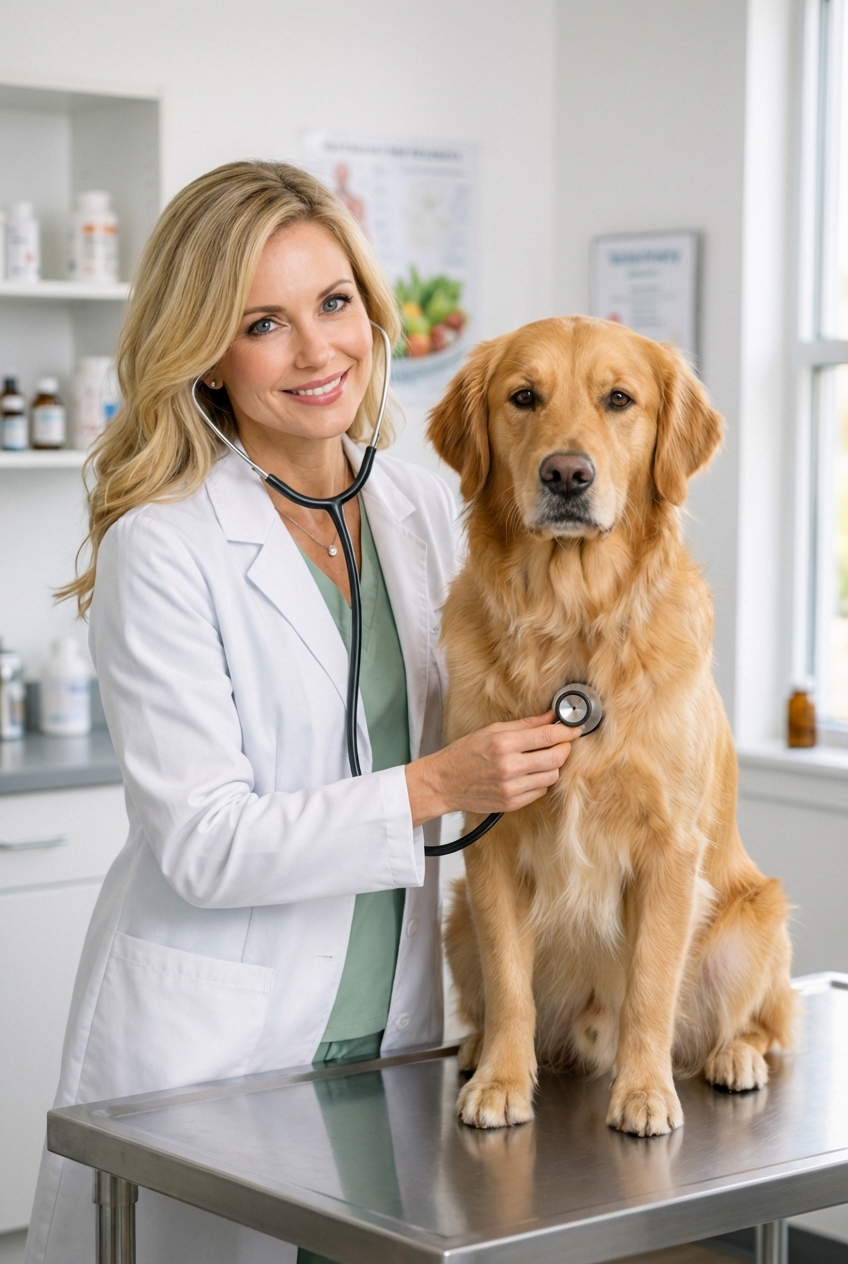
Yes, compared to many other breeds, Golden Retrievers are widely recognized as having an increased risk for several cancers. That does not mean every Golden will develop cancer, but it is common enough that routine monitoring should be part of normal Golden care, especially as they reach middle age and senior years.
Cancer risk is influenced by a mix of factors including genetics, age, environmental exposures, body weight, and overall health, including immune function and chronic inflammation. You cannot control everything, but you can control some big “levers,” like keeping your dog lean, prioritizing preventive veterinary care, and reacting quickly when something seems off.
Common cancers in Golden Retrievers
Here are cancers commonly discussed in Golden Retrievers. If you have heard other Golden owners talk about cancer, these are often the ones they mean.
Lymphoma
Lymphoma is a cancer of the lymphatic system. It can progress quickly, but it is also one of the cancers where treatment may provide meaningful quality time for some dogs.
- Common early clue: enlarged lymph nodes (often felt as firm lumps under the jaw, in front of the shoulders, or behind the knees)
- Other possible signs: tiredness, reduced appetite, weight loss
Hemangiosarcoma
Hemangiosarcoma is an aggressive cancer of blood vessel cells. It often affects the spleen, liver, or heart and can be devastating because it may not show obvious symptoms until a sudden bleed occurs.
- Possible warning signs: episodes of weakness, pale gums , a distended belly, sudden collapse
- Important note: any collapse or pale gums is an emergency, regardless of the cause
Mast cell tumors
Mast cell tumors are a common skin cancer in dogs. They can look like many harmless skin bumps, which is why any new lump deserves attention.
- What owners notice: a bump that changes size, looks irritated, or seems itchy
- Key takeaway: do not wait to “see if it goes away”
Osteosarcoma
Osteosarcoma is more common in large and giant breed dogs. It often causes significant pain.
- Common signs: limping that does not improve, swelling on a limb, pain when touched
- Often mistaken for: a sprain or arthritis at first
Oral tumors
Not all oral growths are cancerous, but some oral tumors in dogs can be serious. Goldens also commonly develop dental disease, so oral issues can hide in plain sight.
- Signs: bad breath that suddenly worsens, bleeding gums, drooling, trouble chewing, a growth in the mouth

Warning signs to watch for
Knowing the “usual suspects” is helpful, but day to day, what matters most is noticing change. Many cancers start quietly, so I encourage owners to think in terms of patterns: something new, something persistent, or something that keeps getting worse.
- New lumps or bumps , especially if growing or changing
- Swollen lymph nodes (firm lumps under jaw or near shoulders)
- Unexplained weight loss or muscle loss
- Reduced appetite or new picky eating that lasts more than 24 to 48 hours, or sooner if paired with vomiting, diarrhea, or lethargy
- Low energy or a change in normal personality
- Lameness , stiffness, or pain that persists
- Vomiting or diarrhea that keeps recurring
- Abdominal swelling or a “suddenly bloated” look
- Pale gums , weakness, or collapse (urgent)
- Non-healing sores or wounds that keep reopening
- Persistent coughing or trouble breathing
If you notice any of these, make a vet appointment. If your dog collapses, has pale gums, or is struggling to breathe, treat it as an emergency.
Monthly home check
One of the kindest habits you can build is a quick monthly health check at home. It takes 5 minutes, and it helps you notice changes early.
Your 5-minute checklist
- Feel for lumps: run your hands along the neck, chest, belly, legs, and tail base
- Check lymph node areas: under the jaw and in front of the shoulders
- Look at gums: healthy gums are usually pink and moist
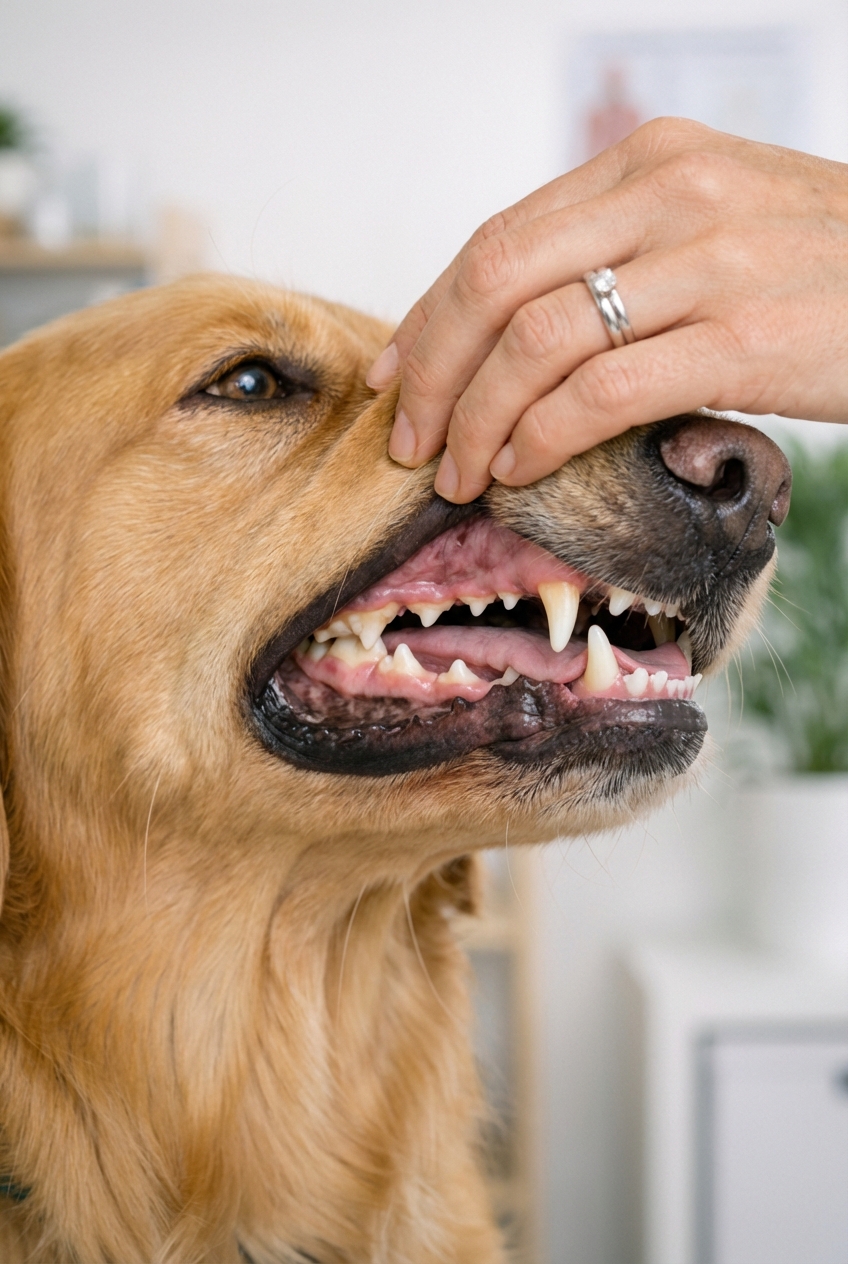
- Peek in the mouth: look for growths, bleeding, or strong odor
- Watch movement: does your dog rise, walk, and jump normally?
Tip: take a quick photo of any lump with an object for scale (like a coin) and write down the date. This can help your vet track changes accurately. Still, do not rely on photos alone. If a lump appears suddenly, grows quickly, or looks angry, schedule a visit right away.

What the vet may do for a new lump
A lot of owners worry that bringing in a “tiny bump” will turn into a big scary process. Often, the first steps are quick and straightforward.
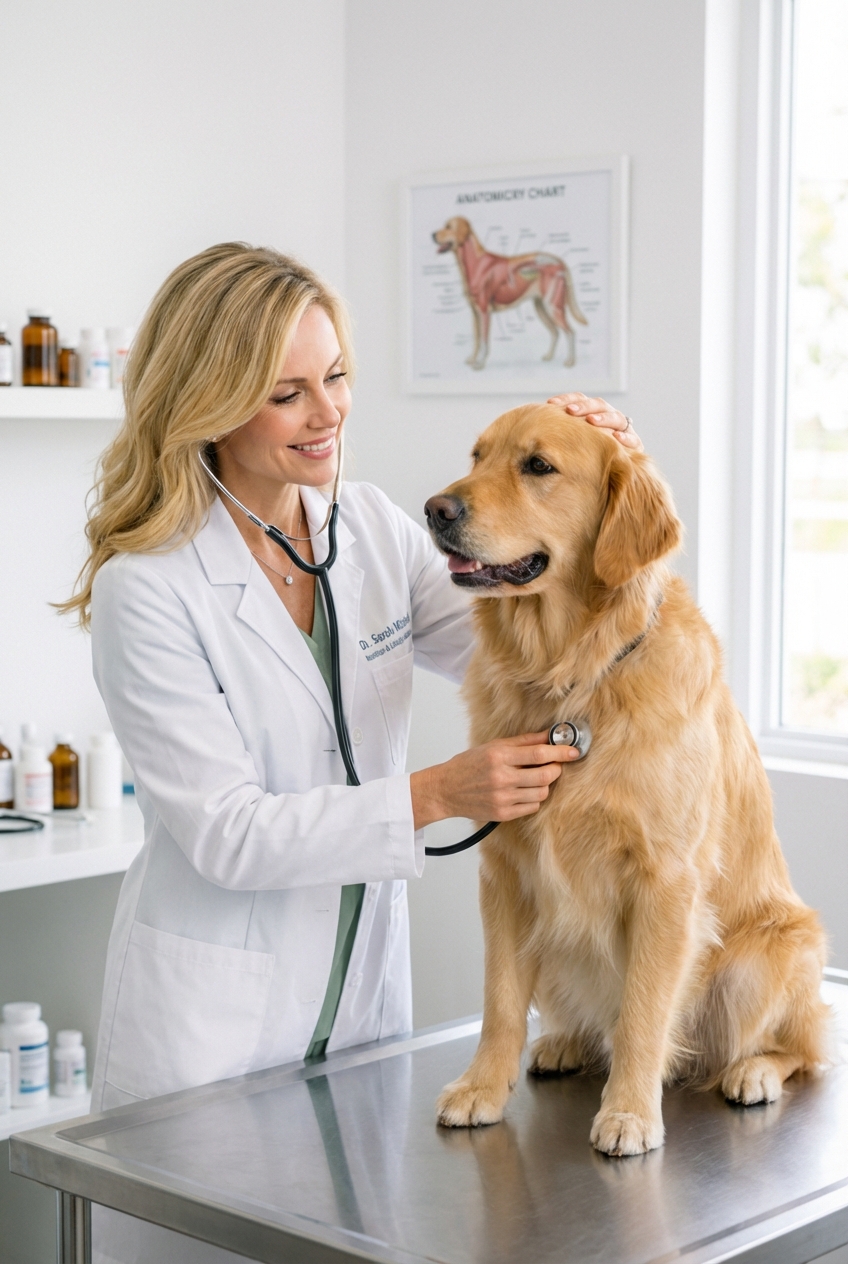
- Exam and measurements: your vet checks the lump’s size, location, and feel, and notes it in the record
- FNA (fine needle aspirate): a small needle collects cells for cytology. Many lumps can be screened this way
- Biopsy if needed: if the FNA is unclear, or if the mass has concerning features, your vet may recommend a biopsy for a firm diagnosis
- Imaging or bloodwork: recommended based on what your vet finds and what symptoms your dog has
If you are ever told “let’s watch it,” ask what changes should trigger a recheck and what time frame is appropriate. Watching can be a reasonable plan, but it should be specific and intentional.
Health habits that matter
There is no guaranteed way to prevent cancer. But there are practical, vet-supported steps that may help lower risk for some diseases and cancers, and they definitely support overall health and resilience.
Keep your Golden lean
Excess body fat is linked with chronic inflammation, and chronic inflammation is not your dog’s friend. While weight control is not a promise against cancer, it supports healthier aging and is one of the most actionable things owners can do. Ask your vet about your Golden’s ideal body condition score. In general, you want to be able to feel ribs with light pressure, and your dog should have a visible waist from above.
Prioritize balanced nutrition
Feeding a complete and balanced diet that supports a healthy weight and good digestion is a practical foundation. Whether you feed commercial food, fresh food, or a mix, focus on consistent quality and avoid frequent “junk” extras.
If you are interested in fresh or homemade options, talk with your veterinarian or a board-certified veterinary nutritionist so your dog’s diet stays complete and balanced. Nutrition should support health, not create deficiencies.
Minimize avoidable exposures
You will see a lot of strong opinions online about toxins and cancer. The research is not always clear-cut, but it is still reasonable to minimize unnecessary exposure to irritants and chemicals when you can.
- Avoid secondhand smoke exposure in the home and car
- Use pesticides and lawn chemicals cautiously to reduce potential exposure, and follow label directions exactly
- Store household chemicals securely and prevent garage or yard access without supervision
Stay on top of dental care
Oral tumors and severe dental disease can look similar at first glance. Regular dental exams, daily brushing when possible, and professional cleanings when needed do not prevent tumors outright, but they can reduce infection and inflammation and help you notice mouth changes early.
Vet screening
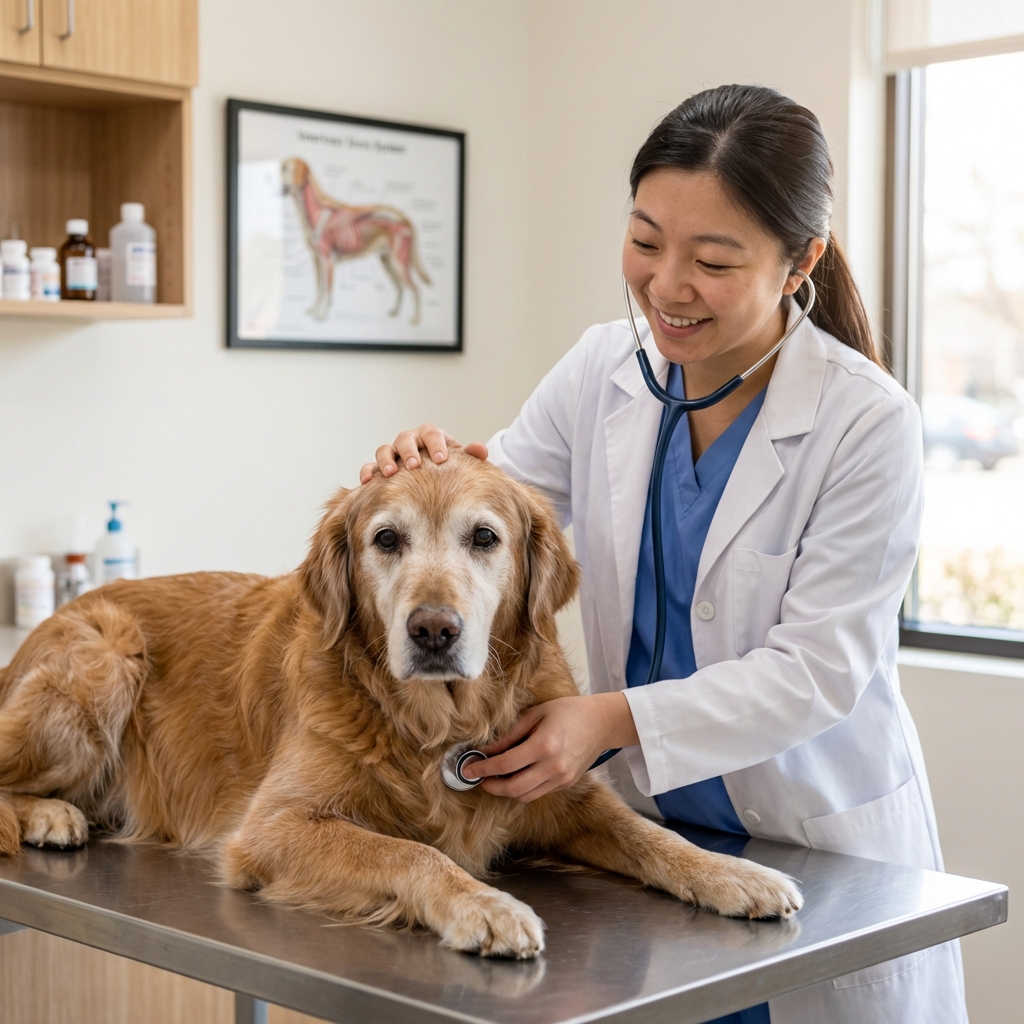
For Golden Retrievers, especially as they enter middle age and senior years, it is reasonable to discuss a proactive screening plan with your veterinarian. Younger dogs can still be affected, so do not ignore concerning signs at any age.
- Wellness exams: at least yearly for adults, often every 6 months for seniors
- Baseline bloodwork and urinalysis: can help detect systemic changes early
- FNA for lumps: a quick, minimally invasive way to evaluate many skin masses
- Imaging when indicated: X-rays or ultrasound based on symptoms, age, and exam findings
When to get a second opinion
You are not being difficult if you ask more questions. You are being your dog’s advocate.
Consider a second opinion or referral to a veterinary oncologist if:
- A lump is growing quickly or keeps returning
- Your dog has persistent unexplained symptoms despite treatment
- A biopsy indicates cancer and you want to understand all options
- You want help balancing quality of life with treatment choices
Before you bring one home
If you are still in the planning stage, breeding choices matter. Look for reputable breeders who do recommended health testing and participate in transparent health registries when possible. No breeder can guarantee a cancer-free dog, but good screening and honest records can stack the odds in your favor.
A hopeful note
Golden Retrievers give us so much love, and it is hard to even think about cancer. But knowledge is power here. If you build simple monitoring habits, keep up with wellness care, and act quickly when something changes, you are giving your Golden the best possible chance at early detection and good outcomes.
Trust your gut. If your Golden “just isn’t acting like themselves,” it is always worth a call to your veterinarian.