Make your dog’s meals more nourishing with 18 homemade recipes for full meals and treats, plus clear safety rules, storage tips, and guidance to keep diets...
Article
•
Designer Mixes
Goldador: Temperament, Training, and Health

Shari Shidate
Designer Mixes contributor
If you love the easygoing sweetness of a Golden Retriever and the bright, eager-to-work vibe of a Labrador, the Goldador (Golden Retriever Lab mix) can feel like the best of both worlds. Mixes are also wonderfully unpredictable. A Goldador may lean more Golden in softness and steadiness, or more Lab in drive and appetite. What stays consistent is this: most Goldadors are social, people-focused dogs that do best with daily exercise, thoughtful training, and a family that truly enjoys including a dog in everyday life.
Size and appearance
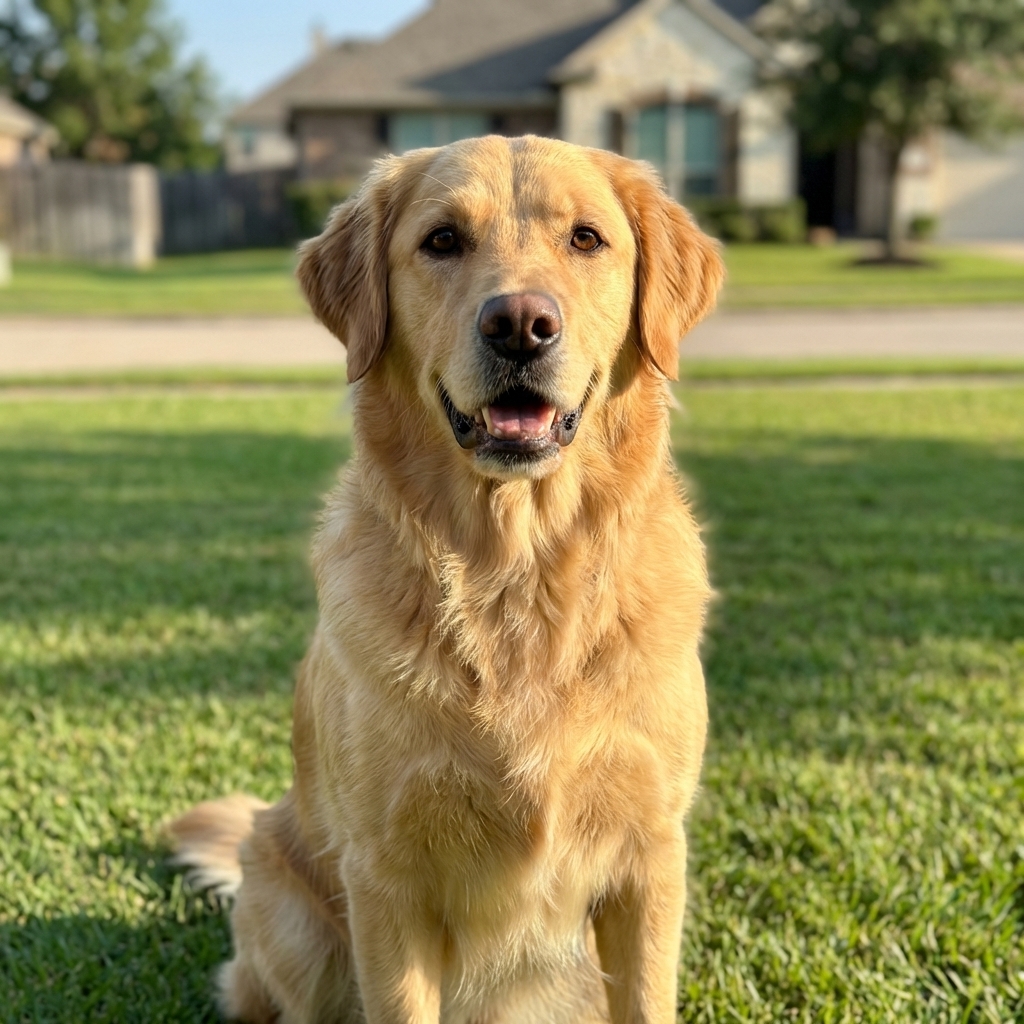
One of the most common questions is, “How big do they get?” Most Goldadors are medium to large dogs, but there is real variation based on genetics and which parent they take after.
- Typical size: Often around 55 to 80 pounds, sometimes smaller or larger.
- Typical height: Commonly 21 to 24 inches at the shoulder.
- Build: Some are stockier and more Lab-like, others are a bit longer-coated and more Golden-like.
- Coat and color: Usually yellow, gold, cream, or black. You can see short Lab coats or medium coats with feathering like a Golden.
If you are meeting a puppy, look at the parents when possible. It is one of the best clues for adult size, coat type, and overall vibe.
Goldador temperament
Goldadors are typically known for a friendly, optimistic temperament. Both parent breeds were developed to work closely with people, so a well-socialized Goldador often wants to be near you, participate in your routine, and greet the world with a wag.
What most families love
- People-friendly: Many Goldadors adore visitors, neighbors, and kids, especially when raised with gentle boundaries.
- Affectionate: Expect a dog that likes to be in the same room with you and may follow you from place to place.
- Playful and upbeat: Fetch, tug, and water games are common favorites.
Common challenges to plan for
- Mouthiness as a youngster: Retrievers retrieve. Many Goldador puppies explore with their mouths and need consistent redirection to chew toys.
- Jumping and enthusiastic greetings: Friendly dogs often greet with their whole body. Training a polite sit for attention is a must.
- Separation stress: Because they are so people-oriented, some Goldadors struggle if left alone for long hours without enrichment.
Temperament is shaped by genetics, early socialization, and the home environment. Meeting the parents when possible, and choosing a breeder or rescue that prioritizes stable, people-friendly dogs, goes a long way.
Training and intelligence
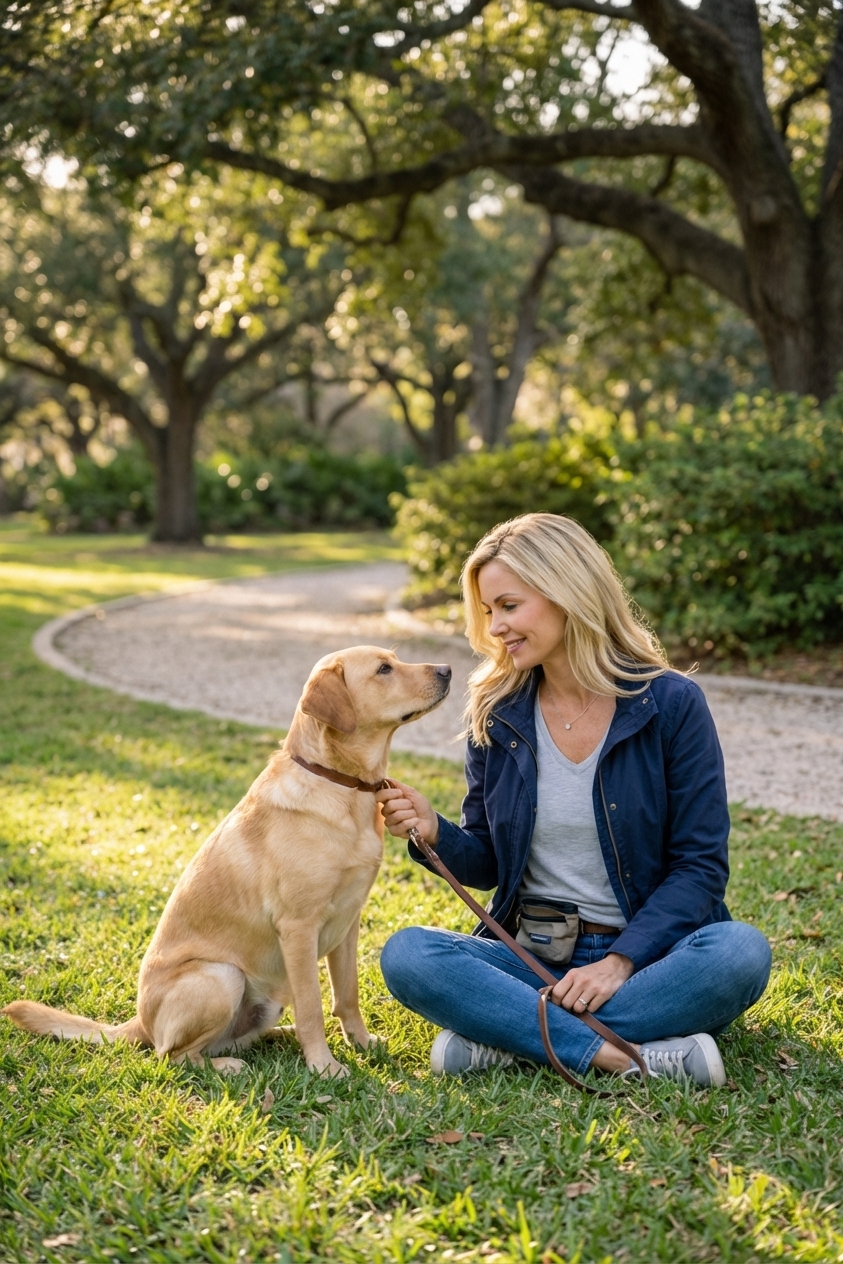
As a veterinary assistant, retriever mixes are often the dogs we recommend for first-time owners who truly want to train. Goldadors tend to be highly food-motivated, quick learners, and very responsive to positive reinforcement.
What training usually looks like
Most Goldadors thrive with short, consistent sessions and clear household rules. They are sensitive enough that harsh corrections can backfire, but sturdy enough to handle real-life family noise and activity.
- Start early: Puppy kindergarten and basic manners classes build confidence and focus.
- Reward what you want: Treats, toys, praise, and access to fun (like a ball throw) can all be rewards.
- Practice calm: Teach “place,” “settle,” and polite leash walking so the dog is not on high alert all day.
Skills worth prioritizing
- Recall (come when called): Many retrievers love to follow interesting smells, people, and yes, the occasional irresistible pond.
- Loose leash walking: A full-grown Goldador can be strong, so leash skills protect shoulders, backs, and knees for both of you.
- Drop it and leave it: Labs especially can be vacuum cleaners, and mixes can inherit that trait.
Exercise and enrichment
Goldadors are usually medium-high energy dogs. They can absolutely be wonderful family companions, but they are rarely couch potatoes, especially during adolescence and young adulthood.
A realistic daily plan
- Physical exercise: Many healthy young adult Goldadors do well with about 60 to 90 minutes total activity per day, split into two or more sessions. Some will need less, and some will happily do more.
- Brain work: Add at least 10 minutes of training, scent work, puzzle feeding, or a “find it” game.
- Adjust for age and health: Puppies need exercise, but not repetitive high-impact workouts. Seniors and dogs with orthopedic issues may need shorter, gentler sessions with more sniffing and enrichment.
Great activities for Goldadors
- Fetch and retrieving games
- Swimming (many love water, but introduce safely and gradually)
- Hiking on moderate terrain
- Dock diving, agility foundations, or rally obedience
- Therapy dog work for the right temperament
A tired Goldador is often a well-behaved Goldador. A bored Goldador may become a creative interior designer with your pillows, shoes, and trash can.
Shedding and coat care
Let’s be honest about the “designer mix” myth: Goldadors typically shed. A lot. Both Golden Retrievers and Labrador Retrievers are known shedders, and many Goldadors inherit a dense double coat that drops hair year-round with heavier seasonal sheds.
Coat types you might see
- Shorter Lab-like coat: Usually easier to brush, still sheds heavily.
- Medium Golden-like coat: Often has feathering on legs, tail, and chest, and can mat if not brushed.
Simple grooming routine
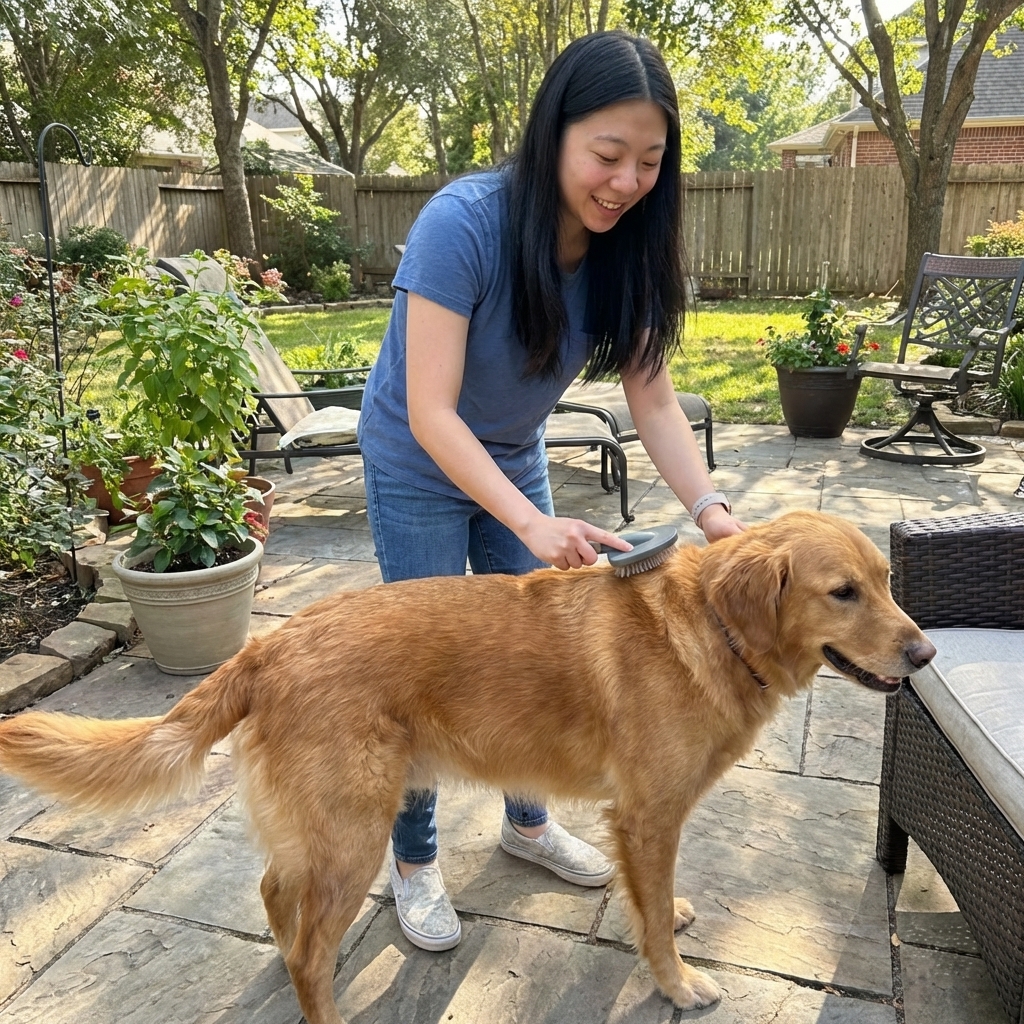
- Brush 2 to 4 times a week (daily during seasonal sheds) using an undercoat rake or deshedding brush suited to coat type.
- Bathe every 4 to 8 weeks or as needed, using a gentle dog shampoo.
- Check ears weekly and keep them dry, especially if your Goldador swims.
- Brush teeth several times a week (daily is best) and ask your vet what dental chews are actually worth using.
- Nails every 3 to 4 weeks for comfort and joint support.
Feeding and weight
Many Goldadors have hearty appetites and very convincing faces. Extra weight increases strain on hips, elbows, and knees, and can shorten healthy years, so this is one area where a little structure pays off.
- Measure meals: Use a measuring cup or, even better, a kitchen scale.
- Budget treats: Use part of the daily food as training rewards, especially during puppyhood.
- Slow the “vacuum cleaner” dog: Slow feeders, snuffle mats, and puzzle toys can reduce scarf-and-barf and add enrichment.
- Check body condition: You should be able to feel ribs easily with a light fat covering, and see a waist from above.
From a preventive care standpoint, one of the healthiest things many families can do for a Goldador is keep them lean.
Common health issues
Goldadors can be robust dogs, but they can also inherit health risks from both Golden Retriever and Labrador lines. The best approach is proactive: choose ethical breeding when possible, keep your dog lean, build strong muscles with appropriate exercise, and stay consistent with preventive veterinary care.
Hip and elbow dysplasia
Both Goldens and Labs have higher rates of hip dysplasia, and some lines also struggle with elbow dysplasia. These are developmental joint conditions that can lead to pain and arthritis.
- Watch for: Bunny hopping, stiffness after rest, reluctance to jump, limping, or a “wobbly” back end.
- Prevention help: Keep your Goldador at a healthy body condition, avoid overfeeding, and limit repetitive high-impact exercise during growth.
- Ask about: Orthopedic screening of parent dogs (such as OFA or PennHIP evaluations).
Cancer risks
Golden Retrievers, as a breed, have a well-known increased risk of certain cancers. A mix does not automatically inherit the same risk, and risk reduction is not guaranteed either. It depends heavily on the genetics behind the individual dog and the health history of the lines involved.
- Watch for: New lumps, unexplained weight loss, appetite changes, lethargy, persistent cough, or swollen lymph nodes.
- What helps: Regular vet exams, prompt evaluation of lumps, and keeping notes if you notice changes.
Cruciate tears and arthritis
Knee injuries (like ACL or CCL tears) and general wear-and-tear arthritis are common in many medium to large, active dogs, including Labs and Goldens. Keeping weight down and muscles strong can make a real difference over time.
- Watch for: Sudden hind-leg limping, toe-touching, trouble getting up, or a dog that no longer wants to sit squarely.
Eye conditions
Goldadors may be prone to inherited eye diseases from either side, including cataracts, progressive retinal atrophy (PRA), and other retinal conditions.
- Watch for: Cloudiness, bumping into objects in dim light, redness, squinting, or discharge.
- Ask about: Eye testing in breeding dogs and routine eye checks during wellness visits.
Ear infections
Floppy ears, swimming, and allergies can create the perfect warm, moist environment for yeast and bacteria.
- Watch for: Head shaking, ear scratching, odor, redness, or dark debris.
- Prevention help: Dry ears after water play and ask your vet about a safe ear cleanser if infections are recurring.
Allergies and skin issues
Labs and Goldens can both struggle with environmental allergies and sometimes food sensitivities, showing up as itchy skin, paw licking, recurrent ear infections, or hot spots.
- Helpful steps: Vet-guided allergy management, parasite control, and consistent skin and coat care.
Bloat (GDV)
Bloat, also called gastric dilatation-volvulus (GDV), is a serious emergency that can affect larger, deeper-chested dogs. Goldadors are not the highest-risk type, but it is still worth knowing the signs.
- Urgent signs: A distended belly, repeated unproductive retching, drooling, restlessness, and sudden weakness. If you see these, go to an emergency vet immediately.
Lifespan
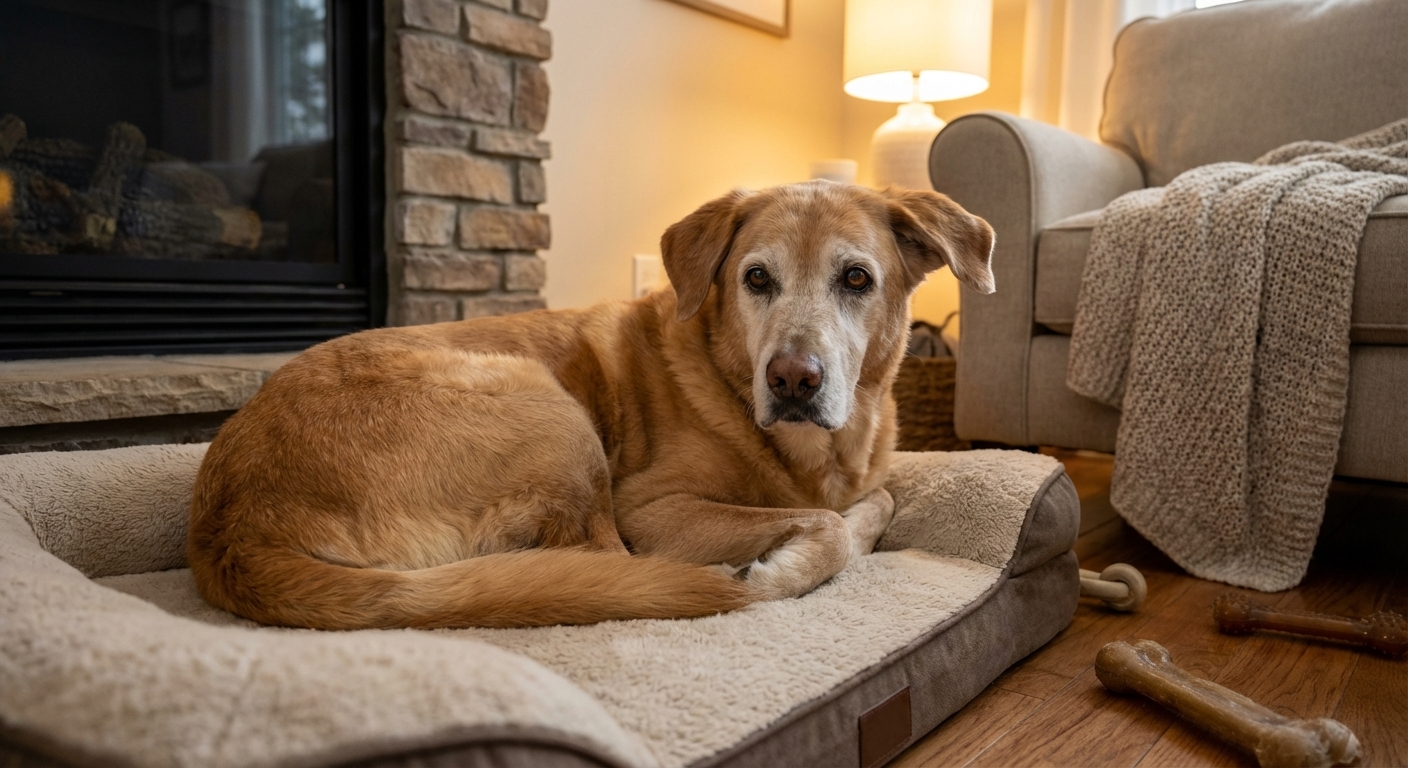
Many Goldadors live around 10 to 13 years, with variation based on genetics, size, overall health, and lifestyle. Chronic joint disease, obesity, and cancer can affect longevity.
How to support a longer, healthier life
- Annual and then twice-yearly veterinary exams as your dog becomes a senior
- Dental care including at-home brushing and professional cleanings as recommended
- Joint-support habits like maintaining muscle, keeping nails trimmed, and using ramps if needed later
- Early problem detection including lump checks at home and routine bloodwork in adulthood and senior years
Good family dogs?
For many households, yes. Goldadors are often gentle, social, and sturdy enough for family life. They usually do best in homes where they are included as a true companion, not a backyard dog.
Great match for
- Active families who enjoy walking, playing, and training
- Homes with a yard or regular access to outdoor exercise
- People who want a friendly dog for social outings, sports, or therapy work
Think twice if
- You need a very low-shedding dog
- Your schedule keeps you away most of the day with little time for exercise and interaction
- You want a naturally protective guard dog (many Goldadors are friendly with strangers)
Kids and other pets
Most Goldadors do well with children when supervised and taught good manners on both sides. Because they can be exuberant, teach kids not to encourage jumping, and use gates or a “place” cue during high-energy moments. With other pets, early introductions and consistent training usually lead to success, although some individuals may chase small animals due to play and prey instincts.
Choosing a Goldador
It helps to know that “Goldador” is a popular mix name, not a breed with a formal standard. That does not make them any less wonderful, but it does mean you should be extra picky about sourcing. Avoid inflated “designer” pricing and marketing promises (especially around coat and shedding).
If you are looking for a puppy, prioritize health testing, transparency, and stable temperament. If you are adopting, ask about observed behavior in foster care and request medical records when available. Goldadors also show up in rescues and shelters, so it is absolutely worth checking adoption options.
What to ask breeders
- Orthopedic testing (hips and elbows) on both parents
- Eye evaluations and any relevant genetic testing
- Temperament details of both parents and past puppies
- A plan for early socialization and exposure
If you are adopting through rescue, you can still request a veterinary checkup soon after bringing your new Goldador home. It is one of the kindest ways to start your life together.
Quick facts
- Temperament: Friendly, social, affectionate, playful
- Trainability: High, especially with positive reinforcement
- Exercise: Often about 60 to 90 minutes daily for healthy young adults, plus mental enrichment (adjust for age and health)
- Shedding: Common and often heavy
- Common health concerns: Hip and elbow dysplasia, cruciate tears and arthritis, cancer risk depending on lineage, eye conditions, ear infections, allergies, weight gain, bloat risk
- Lifespan: Often around 10 to 13 years
If you want a devoted companion who will gladly join you for walks, games, family time, and training, the Goldador is a mix worth a very serious look. Plan for shedding, commit to daily activity, and stay proactive about joint care and preventive medicine, and you will be giving this big-hearted dog a wonderful life.