
A vet assistant explains how omega-3s (EPA and DHA) support dogs’ skin, coat, joints, and some heart conditions—plus how to dose by weight, read labels, ...
Article
•
Designer Mixes
Glucosamine for Dogs: Dosage, Types, When to Start

Shari Shidate
Designer Mixes contributor
As a veterinary assistant here in Frisco, Texas, I hear the same worry all the time: “My dog is slowing down. Is it arthritis, and should I start glucosamine?” The good news is that glucosamine is generally well-tolerated and can be a helpful joint supplement for many dogs, especially when it is used early and paired with smart lifestyle steps like weight management and regular, low-impact exercise. The reality check is that the research is mixed, so I like to frame it as a supportive tool, not a guaranteed fix.
In this guide, we will walk through glucosamine types (HCl vs sulfate), how to dose by weight, when to start, how long it takes to work, potential side effects, and how it compares with veterinary options like Adequan.

What glucosamine does for dog joints
Glucosamine is a building block the body uses to help maintain cartilage and joint structures. In osteoarthritis, cartilage gradually breaks down and the joint becomes inflamed and painful. Glucosamine is not a pain medication. Instead, it is typically used as a nutraceutical that may support cartilage metabolism and help some dogs feel more comfortable over time.
Most joint supplements for dogs combine glucosamine with other ingredients such as:
- Chondroitin sulfate (often paired with glucosamine)
- MSM (methylsulfonylmethane, a sulfur donor sometimes used for joint comfort)
- Omega-3 fatty acids (EPA and DHA from fish oil, helpful for inflammation)
- Green-lipped mussel (a natural source of omega-3s and other compounds)
Reality check, in a kind way: studies in dogs show mixed results for glucosamine and chondroitin. Some dogs respond nicely, others do not. I still see it used often because it is generally well-tolerated, easy to try, and may help reduce reliance on stronger medications in mild cases when combined with weight control and a mobility plan from your veterinarian.
Glucosamine HCl vs glucosamine sulfate
You will usually see glucosamine in one of two forms on dog supplement labels.
Glucosamine hydrochloride (HCl)
- Pros: Often less expensive, stable, common in soft chews
- Cons: Veterinary data is variable, and comparative evidence between forms is not definitive
Glucosamine sulfate
- Pros: Frequently used in research; the sulfate component is theoretically relevant to cartilage matrix chemistry
- Cons: Can be bulkier and sometimes pricier; product quality varies by brand
Which is better? For most families, the best choice is the product your dog will take consistently from a reputable manufacturer. If you have a choice between comparable quality products, many veterinarians lean toward glucosamine sulfate because it has been more widely studied, but either type can be reasonable to try.
Tip: Look for a label that clearly lists the amount of glucosamine per chew or per scoop. Avoid “proprietary blends” that do not tell you the milligram dose.

Dosage by dog weight
Most veterinary joint supplement dosing is based on the dog’s body weight. In day-to-day practice, you will commonly see a two-step approach:
- Loading phase: about 25 to 30 mg per pound per day for 4 to 6 weeks
- Maintenance phase: about 15 to 20 mg per pound per day long-term
Not every brand uses a loading phase, and some labels use mg per kg instead of mg per pound. That is normal. The most important thing is to follow the product label and your veterinarian’s guidance.
Glucosamine dosage chart (daily total)
Typical daily dosing used below:
- Loading dose: 30 mg per lb per day (about 4 to 6 weeks)
- Maintenance dose: 15 mg per lb per day (ongoing)
These are general guidelines for otherwise healthy dogs. Always follow your veterinarian’s advice and the product label, especially if your dog has diabetes, liver disease, kidney disease, or is on multiple medications.
| Dog weight | Loading dose (30 mg/lb/day) | Maintenance dose (15 mg/lb/day) |
|---|---|---|
| 10 lb (4.5 kg) | 300 mg/day | 150 mg/day |
| 20 lb (9 kg) | 600 mg/day | 300 mg/day |
| 30 lb (13.6 kg) | 900 mg/day | 450 mg/day |
| 40 lb (18 kg) | 1,200 mg/day | 600 mg/day |
| 50 lb (22.7 kg) | 1,500 mg/day | 750 mg/day |
| 60 lb (27.2 kg) | 1,800 mg/day | 900 mg/day |
| 70 lb (31.8 kg) | 2,100 mg/day | 1,050 mg/day |
| 80 lb (36.3 kg) | 2,400 mg/day | 1,200 mg/day |
| 90 lb (40.8 kg) | 2,700 mg/day | 1,350 mg/day |
| 100 lb (45.4 kg) | 3,000 mg/day | 1,500 mg/day |
How to translate mg into chews
This is where pet parents get stuck, because the number of chews is brand-specific. The only number that matters is the mg of glucosamine per chew (or per scoop).
Example: Your dog weighs 50 lb. The loading dose in the chart is 1,500 mg/day. If your product contains 500 mg of glucosamine per chew, that equals 3 chews per day during loading. If the same product is used for maintenance at 750 mg/day, that equals 1.5 chews per day, which usually means your vet or the label will have you round to a practical schedule (for example, 1 chew one day and 2 chews the next, or switching to a product with an easier mg-per-chew).
One more practical note: Many joint products combine glucosamine with chondroitin and MSM. The amounts of each ingredient vary widely, so do not assume two “joint chews” are interchangeable.
How to split doses
If your dog’s stomach seems sensitive, you can split the daily total into two doses (morning and evening) with meals. This can also help with consistency in larger dogs taking higher amounts.
When to start glucosamine
The best time to start depends on your dog’s age, breed risk, body condition, and lifestyle. I like to think in terms of prevention versus treatment support.
Start early for high-risk dogs
Consider starting a quality joint supplement earlier if your dog is in a higher-risk group, especially if you want a preventive routine.
- Large and giant breeds: Lab, Golden Retriever, German Shepherd, Rottweiler, Great Dane, Mastiff types
- Breeds prone to hip or elbow dysplasia: including many retrievers and shepherds
- Very active dogs: agility, dock diving, hiking, working dogs
- Overweight dogs: extra pounds significantly increase joint stress
- Dogs with previous orthopedic injury or surgery: CCL tears, luxating patella history, fractures
Common starting ages:
- Large breed prevention: around 1 to 3 years, especially if there is family history of joint disease
- Most dogs: around 5 to 7 years if you notice stiffness beginning
- Senior dogs: anytime signs show up, but do not wait if pain is obvious
Start now if you see early signs
Talk with your veterinarian if you notice:
- Stiffness after rest, especially in the morning
- Slower to rise, reluctant to jump into the car
- Less interest in walks or play
- Limping that comes and goes
- Nail scuffing, slipping on floors
- Behavior changes like irritability when touched
Important: These signs can also come from ligament injuries, spinal pain, or neurologic issues. Supplements are supportive, but they should not replace a proper exam if your dog is hurting.

When not to self-treat
I am all for supportive home care, but some situations need an exam sooner rather than later. Please call your veterinarian promptly if your dog has:
- A sudden limp or an injury you saw happen
- Not bearing weight on a leg
- Severe pain, yelping, or a tight, tucked abdomen
- Sudden weakness, wobbliness, or trouble using the back legs
- Loss of bladder or bowel control
- Lethargy, fever, or not eating along with mobility changes
In these cases, glucosamine is not the priority. Finding the cause is.
How long it takes to work
Glucosamine is not fast like a pain reliever. Most dogs need 4 to 6 weeks before pet parents notice meaningful changes, and some take up to 8 weeks.
If you do not see any improvement after 8 weeks at an appropriate dose, that does not mean you failed. It may mean your dog needs a different plan such as weight loss support, physical therapy, omega-3s, prescription pain control (including NSAIDs if appropriate), or injectable joint therapy.
How to tell if it is helping
Pick two or three simple “mobility markers” and track them weekly:
- How long your dog can walk comfortably
- Ease of standing up from lying down
- Willingness to climb stairs
- Jumping into the car or onto the couch
Short videos on your phone can be surprisingly helpful for your veterinarian, especially when limping is intermittent.
Side effects and safety
Glucosamine is usually well-tolerated. When side effects happen, they are typically mild and related to the gastrointestinal tract.
Possible side effects
- Soft stool or diarrhea
- Gas
- Vomiting
- Decreased appetite
If your dog has stomach upset, try giving it with food, splitting the dose, or switching brands. Stop the supplement and call your veterinarian if vomiting or diarrhea is persistent, or if your dog seems painful or lethargic.
Special cautions
- Shellfish allergy: many glucosamine products are derived from shellfish. Ask your vet for a non-shellfish source if your dog has reacted before.
- Diabetes: there is a theoretical concern that glucosamine could affect glucose control in some individuals. Many diabetic dogs still use it, but it is smart to monitor blood sugar when starting or adjusting any supplement.
- Surgery or blood thinners: evidence in dogs is limited, but it is still wise to discuss all supplements with your veterinarian before anesthesia or if your dog takes anticoagulant medications.
- Ingredient overlap: multi-ingredient joint products can duplicate what you already give (especially fish oil or MSM). More is not always better, and doubling up can add calories and increase stomach upset.
- Quality control: choose brands with good manufacturing standards and clear dosing.
Glucosamine vs Adequan
Pet parents often ask whether an over-the-counter supplement is “enough,” or if they should consider a veterinary prescription option. Here is a practical comparison.
Glucosamine supplements
- How it is given: oral chew, tablet, powder
- Goal: long-term joint support and comfort
- Onset: slow, usually 4 to 8 weeks
- Best for: mild stiffness, early arthritis, prevention in high-risk dogs
- Limitations: variable response, variable product quality
Adequan Canine (polysulfated glycosaminoglycan)
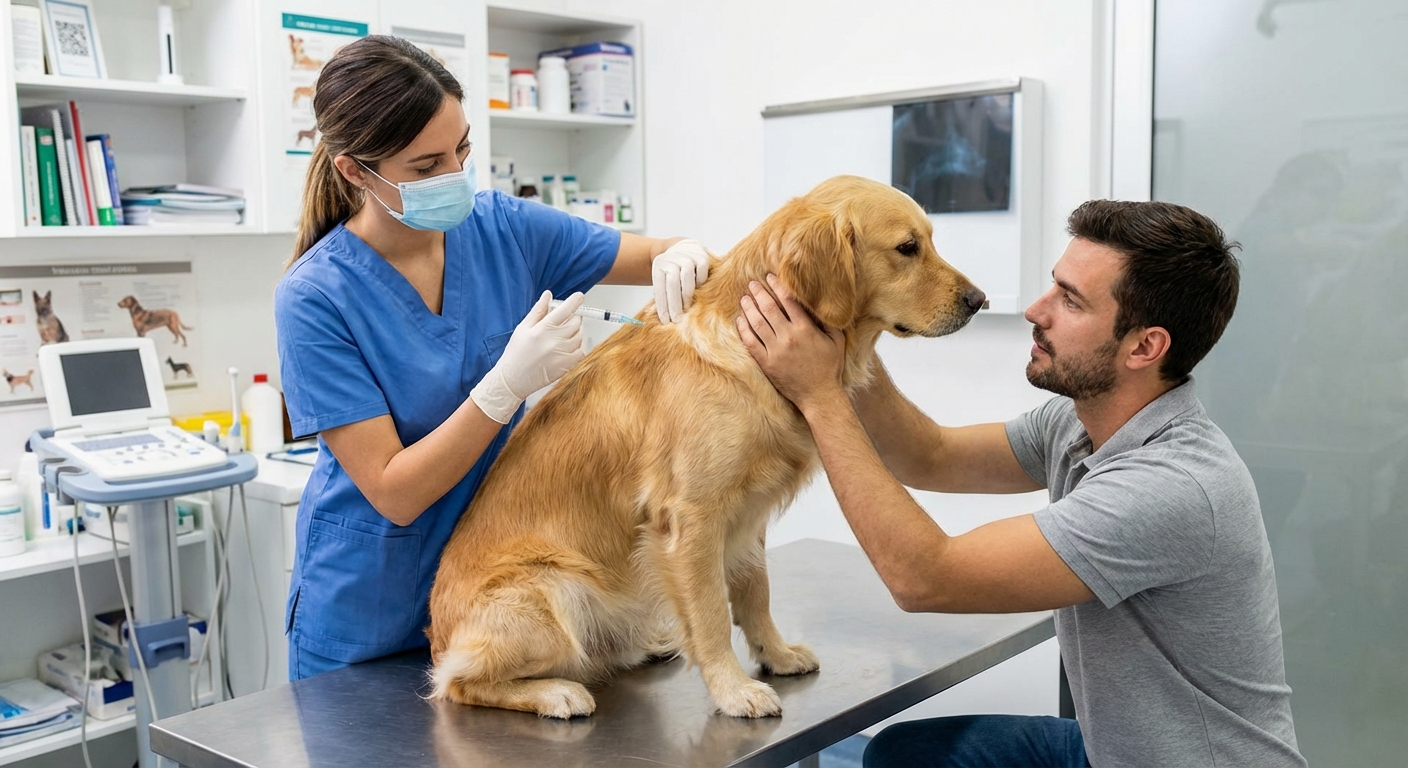
- How it is given: veterinary-prescribed injection. It is labeled for IM (intramuscular) use, and many veterinarians also prescribe it subcutaneously (under the skin) for easier at-home administration.
- Goal: may help protect cartilage and reduce joint inflammation in osteoarthritis
- Onset: often faster than oral supplements for some dogs, but response varies
- Best for: dogs with clear arthritis pain, moderate disease, or those not responding to oral supplements alone
- Limitations: requires a prescription and injection schedule, higher cost; still not a cure
Can they be used together? Often, yes. Many veterinarians use a layered approach: healthy weight and exercise plan, omega-3s, glucosamine and chondroitin, plus Adequan and/or pain medications as needed.
My gentle reminder: If your dog is limping, struggling to get up, or avoiding normal activities, that is pain. Supplements can be part of the plan, but your dog deserves real pain control and a full workup if needed.
Choosing a product
Because supplements are not regulated the same way as prescription medications, brand quality matters. Here is what I recommend looking for:
- Clear dosing in milligrams per chew or scoop
- Expiration date and lot number
- Reputable manufacturer with good quality control
- NASC Quality Seal (National Animal Supplement Council), which is one of the most trusted quality markers in the pet supplement space
- Palatability your dog will actually accept daily
- Added ingredients that make sense for your dog’s needs, rather than long lists of trendy extras
If your dog is picky, powders mixed into wet food can work well. If your dog loves treats, soft chews can make daily dosing easy. Consistency is the real secret.
Simple joint support plan
Glucosamine is only one piece of joint care. In my clinic experience, these steps often make the biggest difference for comfort and long-term mobility:
- Keep your dog lean: even a small amount of weight loss can reduce joint stress
- Do low-impact movement daily: consistent walks beat weekend warrior exercise
- Add traction at home: runners or yoga mats help prevent slips
- Talk to your vet about omega-3s: EPA and DHA can be powerful for inflammation
- Ask about evidence-based pain control: for many dogs with arthritis, prescription NSAIDs and a weight-loss plan have the strongest track record for improving comfort
- Schedule a pain assessment: your dog should not have to “tough it out”
If you are unsure where to start, start with two things: keep the dose appropriate for your dog’s weight, and give it enough time to work. Then reassess honestly with your veterinarian.
Quick FAQ
Can puppies take glucosamine?
Sometimes, especially in orthopedic conditions or high-risk situations, but it should be guided by your veterinarian. For many healthy puppies, the best joint “supplement” is proper growth nutrition and staying lean.
Is glucosamine safe long-term?
For many dogs, yes. It is commonly used for months to years. Recheck with your veterinarian if your dog has other health issues or if you are combining multiple supplements.
What if my dog is already on an arthritis medication?
Glucosamine is often compatible with NSAIDs or other pain control plans, but always confirm with your prescribing veterinarian because each dog’s medical picture is different.