
Glucosamine for Cats

As a veterinary assistant, I can tell you one thing with confidence: cats are masters at hiding pain. By the time many pet parents notice stiffness, jump hesitation, or a grumpy “do not touch me” attitude, joint changes may already be well underway.
Glucosamine is one of the most common joint supplements for cats, especially for osteoarthritis and age-related joint stiffness. It is not a miracle cure, but in the right cat, at the right dose, it can be a genuinely helpful part of a comfort plan that also includes weight management, smart exercise, and veterinary guidance.
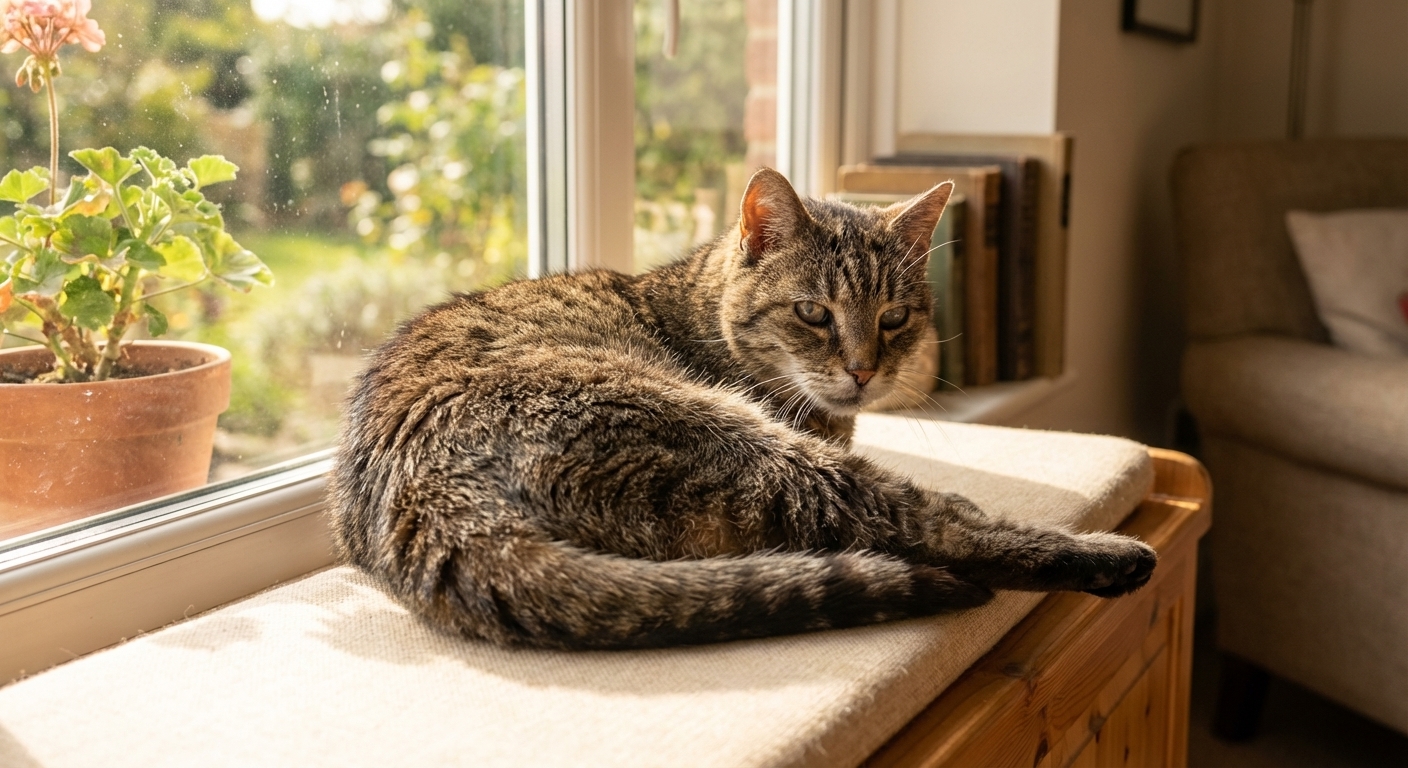
Does glucosamine help cats with arthritis?
Glucosamine is used by the body as a precursor for glycosaminoglycans, which are components found in cartilage and joint fluid. The goal of supplementing is to support the joint environment over time. In cats with osteoarthritis, many veterinarians use glucosamine as a low-risk option that may improve comfort and mobility for some individuals.
What the evidence really says
Research in cats is more limited than in dogs and humans, and high-quality feline osteoarthritis supplement trials are still relatively scarce. The studies we do have suggest that some cats show improvement in mobility and pain scores with glucosamine and chondroitin, but results can be mixed and response is very individual. That is normal for supplements because:
- Osteoarthritis severity varies widely
- Product quality and absorption differ by brand and form
- Cats metabolize and respond differently than dogs
In practice, many cats do best when glucosamine is part of a bigger plan, not the only tool.
How long until you see results?
If it is going to help, most cats need consistent use for 4 to 8 weeks. Some improve sooner, others need a full two months. If there is no change after 8 weeks at an appropriate dose, it is reasonable to reassess with your veterinarian.
Signs your cat may have joint pain
Cat arthritis often looks like “behavior,” not limping. Watch for:
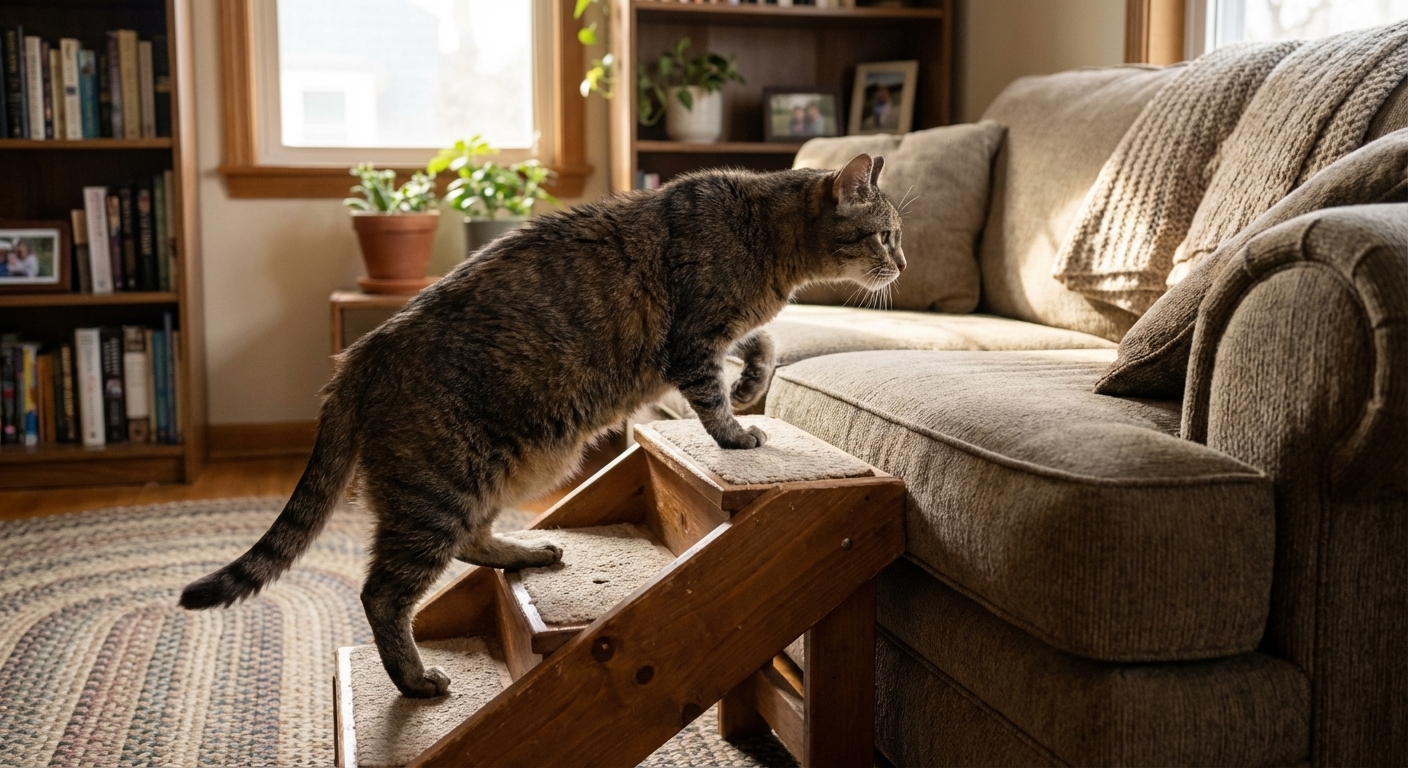
- Jumping less or taking shorter jumps, especially onto beds and counters
- Hesitating at stairs or moving more slowly
- Less grooming or a greasy coat along the back
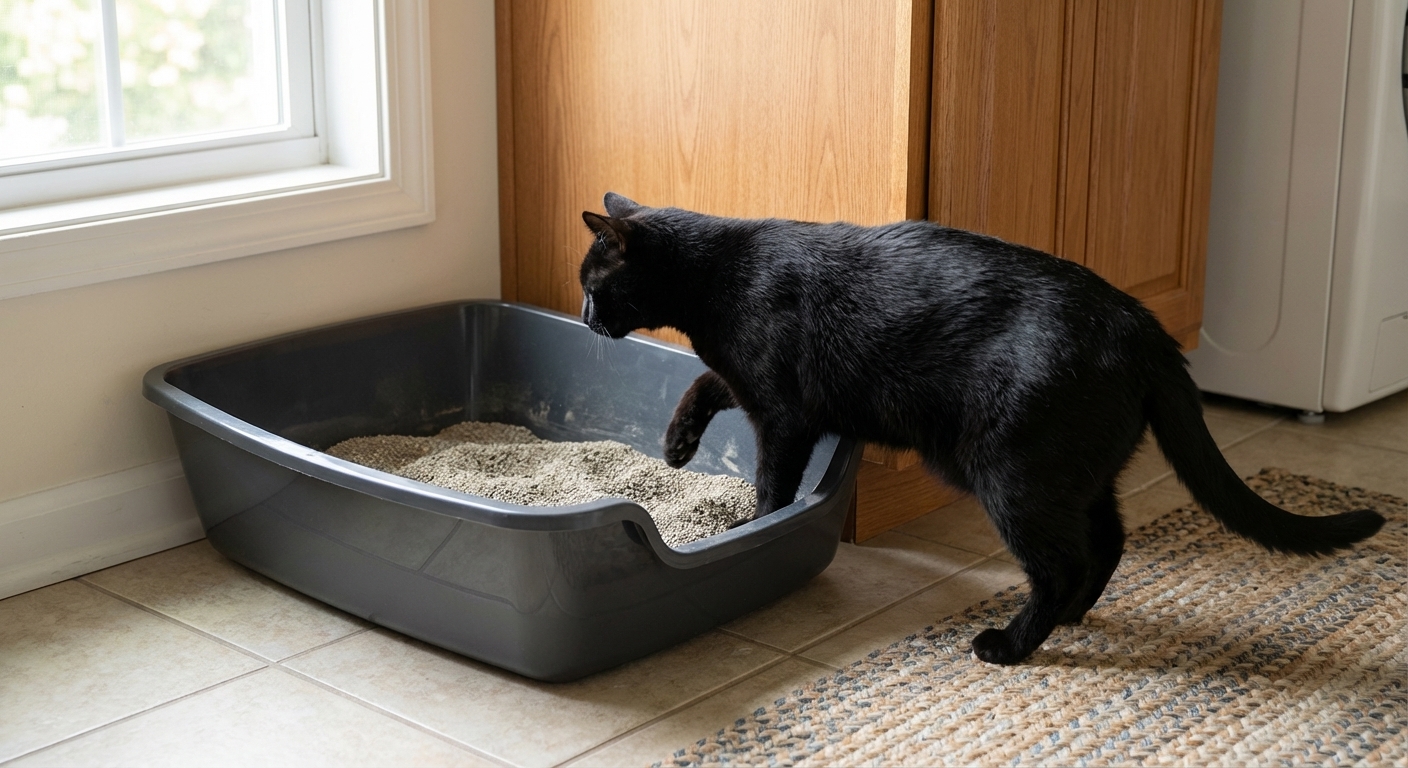
- Litter box issues, especially avoiding high-sided boxes
- Stiffness after naps
- More hiding, irritability, or sensitivity when picked up
Glucosamine dosage for cats by weight
Always check with your veterinarian before starting supplements, especially if your cat has kidney disease, diabetes, is on other medications, or is pregnant or nursing.
Also, check the label for the specific form used. You will commonly see glucosamine HCl or glucosamine sulfate, and products may list different amounts per serving. Because of that, dosing guidance can vary by formulation and brand.
That said, many veterinary joint supplements for cats land in a similar daily range. A common label-based approach is:
- Most adult cats (8 to 12 lb): about 125 to 250 mg glucosamine per day
- Small cats (under 8 lb): about 125 mg per day
- Large cats (over 12 lb): about 250 mg per day
Important note: These are typical ranges seen on feline product labels, not a universal veterinary standard for every cat. Your vet can help you match the mg amount to your cat’s weight, health history, and the exact product you are using.
Loading dose vs maintenance dose
Some products recommend a loading phase for 2 to 4 weeks, then a lower maintenance dose. This can make sense because joint supplements often work gradually. Typical patterns you may see on labels:
- Loading: full dose daily (sometimes split twice daily for sensitive stomachs)
- Maintenance: half dose daily once the cat is stable
When in doubt, follow the specific product label and ask your vet to confirm it fits your cat’s weight and medical history.
Can you give too much?
Glucosamine is generally well tolerated, but more is not always better. Higher amounts can cause digestive upset such as soft stool or vomiting. If that happens, stop the supplement and call your veterinarian.
Liquid vs capsule vs chew
The “best” form is the one your cat will actually take consistently. Here is how I suggest choosing.
Liquids
- Pros: Easy to mix into wet food, simple to adjust dose
- Cons: Some cats hate the taste, dosing needs accuracy
Capsules or tablets
- Pros: Often stable and precisely dosed, easier to store
- Cons: Pilling a cat can be stressful, some capsules can be opened but flavor may be noticeable
Soft chews or treats
- Pros: High acceptance for some cats, simple routine
- Cons: Some cats will not chew them, extra calories matter for overweight cats
Tip from the clinic: Many cats accept glucosamine best in a high-moisture wet food base. If your cat is suspicious, start with a tiny amount mixed into a favorite food, then gradually work up to the full dose.
Quick safety note: If you have multiple pets or kids in the home, store supplements securely. Avoid products with unnecessary sweeteners or flavorings, and never use anything containing xylitol.

Best sources of glucosamine for cats
When people say “best source,” they usually mean two different things: the ingredient source and the product quality.
Ingredient sources
Glucosamine is commonly derived from:
- Shellfish exoskeletons such as shrimp or crab
- Fermentation or synthetic production in some products
If your cat has a suspected food sensitivity or allergy, choose a product that clearly states a non-shellfish source and ask your veterinarian for guidance.
Quality matters more than “natural” marketing
Because supplements are not regulated like prescription medications, choose products that:
- Are made by reputable veterinary brands
- Provide clear mg amounts of active ingredients per dose
- Offer third-party quality testing when possible
If your vet has a preferred brand list, that is a great place to start.
Food sources
Glucosamine occurs naturally in cartilage and connective tissues. In theory, foods like bone broth, cartilage-rich meats, and certain shellfish contain compounds related to joint support.
In real life, it is hard to achieve a consistent, therapeutic glucosamine amount from food alone, especially for cats that need precise nutrition. Also, some “bone broth” style foods can be high in sodium, and bones can be dangerous if not prepared safely.
My evidence-based take: Whole foods can support overall health, but if your goal is joint support at a reliable dose, a veterinary-formulated supplement is usually the most consistent option.
Glucosamine vs glucosamine with chondroitin
You will often see glucosamine paired with chondroitin. They are commonly used together for joint support:
- Glucosamine: supports the building blocks used in cartilage and joint fluid
- Chondroitin: may help support cartilage hydration and the cartilage matrix
Is the combo better?
For many cats, a combo product is a reasonable choice, especially for diagnosed osteoarthritis. That said, not every cat needs chondroitin, and combination products can be more expensive.
Other ingredients you may see
- MSM (methylsulfonylmethane): sometimes included for additional joint support
- Omega-3 fatty acids (EPA and DHA): strong evidence for helping inflammation and joint comfort, often a powerful add-on
- Green-lipped mussel: a natural source of joint-supportive compounds, but quality varies
If your cat is already on an omega-3, tell your vet so you do not accidentally double up.
When to start in senior cats
I love this question because prevention is easier than catch-up care.
Good times to consider starting
- At the first subtle signs of stiffness, reduced jumping, or grooming changes
- After a veterinary diagnosis of osteoarthritis or hip dysplasia
- In “at risk” cats such as overweight seniors or cats with past orthopedic injuries
What age counts as “senior”?
Many cats begin showing age-related changes around 10 to 12 years. Some develop arthritis earlier. If your cat is 8+ and slowing down, it is worth bringing up a joint health conversation at the next wellness visit.
If your cat is older and suddenly stops jumping, assume pain until proven otherwise. Cats rarely “get lazy” overnight.
Safety and side effects
Glucosamine is considered very safe for most cats, but you still want to watch closely.
Possible side effects
- Soft stool or diarrhea
- Vomiting
- Decreased appetite
Use extra caution if your cat has
- Diabetes: discuss with your veterinarian. Glucosamine is not known to cause major issues in most cats, but it is smart to monitor and tailor the plan.
- Food sensitivity or allergy: avoid shellfish-derived products if your cat reacts to them
- Chronic kidney disease: your vet can help you choose a product that fits the whole plan
Call your veterinarian if your cat is vomiting repeatedly, becomes lethargic, refuses food for more than 24 hours, or seems more painful despite supplementation.
When glucosamine is not enough
Glucosamine is typically an adjunct, not a replacement for diagnosis and pain control. Osteoarthritis in cats is common and often underdiagnosed, and many cats need more than a supplement to feel like themselves again.
If your cat is still struggling after a consistent trial (usually 4 to 8 weeks), ask your veterinarian about a broader plan. Depending on your cat, that may include prescription pain relief, injectable therapies, therapeutic diets, physical rehabilitation, or home-environment changes.
Simple cat-friendly joint support
Supplements help most when the basics are solid. These are the comfort boosters I see make a real difference:
- Keep your cat lean: extra weight increases joint load and inflammation
- Use pet steps or ramps: especially for beds and couches
- Choose a low-entry litter box: easier on sore hips and knees
- Warm, soft bedding: supports stiff joints
- Ask about pain control: prescription options can be life-changing, and human pain meds are not safe for cats
Quick checklist before you buy
- Confirm the mg of glucosamine per dose and match it to your cat’s weight
- Check the form (HCl vs sulfate) and follow the product label
- Decide on a form your cat will take daily, usually liquid mixed into wet food is easiest
- Pick a reputable brand with clear labeling and third-party testing when available
- Commit to a 4 to 8 week trial and track changes in jumping, grooming, and mood
- Schedule a vet check if signs are significant, persistent, or worsening
If you want, keep a simple weekly note on your phone: “jumped onto bed,” “used stairs,” “groomed normally,” and “playing.” You can also take a quick video of your cat jumping once a week. Tiny wins add up, and clear notes help your vet adjust the plan faster.