A practical 24–72 hour diet and hydration plan for mild dog diarrhea, with bland food options, safe add-ons like probiotics, foods to avoid, and clear red ...
Article
•
Designer Mixes
Giardia in Dogs Symptoms

Shari Shidate
Designer Mixes contributor
Giardia is one of those sneaky parasites that can look like a simple stomach bug at first, then keep coming back again and again. As a veterinary assistant here in Frisco, Texas, I have seen it affect puppies, adult dogs, and seniors, and it often spreads fast in homes, daycares, boarding facilities, and anywhere dogs share water bowls or sniff the same “potty spots.”
This guide will help you spot symptoms of Giardia in dogs by age, know when to call your vet, and understand what testing and treatment usually look like. I will keep it practical and evidence-based, because quick action can make a big difference for your dog and your household.
What Giardia Is
Giardia is a microscopic protozoal parasite that lives in the intestines. Dogs get infected by swallowing Giardia cysts, usually from:
- Contaminated water (puddles, creeks, shared bowls)
- Contaminated poop or soil (fecal-oral spread)
- Grooming paws or fur after stepping in contaminated areas
- Close-contact environments (shelters, daycares, parks)
Not every infected dog looks sick. Some dogs carry Giardia and shed cysts without obvious symptoms, which is why it can spread “quietly” in multi-dog homes.
Classic Symptoms
Giardia primarily affects the gastrointestinal tract, and symptoms can be mild, moderate, or on-and-off. Common signs include:
- Diarrhea that may be watery, soft, or greasy
- Mucus in the stool
- Foul-smelling stool that seems worse than “normal diarrhea”
- Gas and tummy gurgling
- Nausea or occasional vomiting
- Decreased appetite or being picky suddenly
- Weight loss or difficulty maintaining weight
- Dehydration (especially if diarrhea is frequent)
One of the most common patterns I see is: your dog seems better for a day or two, then the loose stool returns. That waxing and waning pattern is a big clue to discuss Giardia testing with your veterinarian.
Also keep in mind that Giardia is not the only cause of recurring diarrhea. Intestinal worms, diet changes, stress colitis, food intolerance, and other GI conditions can look very similar, so testing matters.
Symptoms by Age
Puppies
Puppies are more likely to show stronger symptoms because their immune systems are still developing and dehydration hits them faster.
- Frequent loose stool, sometimes with mucus
- Failure to gain weight or looking “thin” despite eating
- Low energy, less playful than usual
- Pot-bellied look can happen, but it is not specific to Giardia
Call your vet promptly if a puppy has diarrhea for more than a day, seems weak, or will not drink.
Adult Dogs
Healthy adults might have milder signs or intermittent digestive upset. Some keep a good appetite but have persistent soft stool.
- Recurring diarrhea after stress (boarding, travel) or after dog-park visits
- Greasy or pale stool
- Gas, bloating, or urgency to go outside
Seniors
Senior dogs may have other conditions that make diarrhea riskier, such as kidney disease, endocrine disorders, or sensitive digestion.
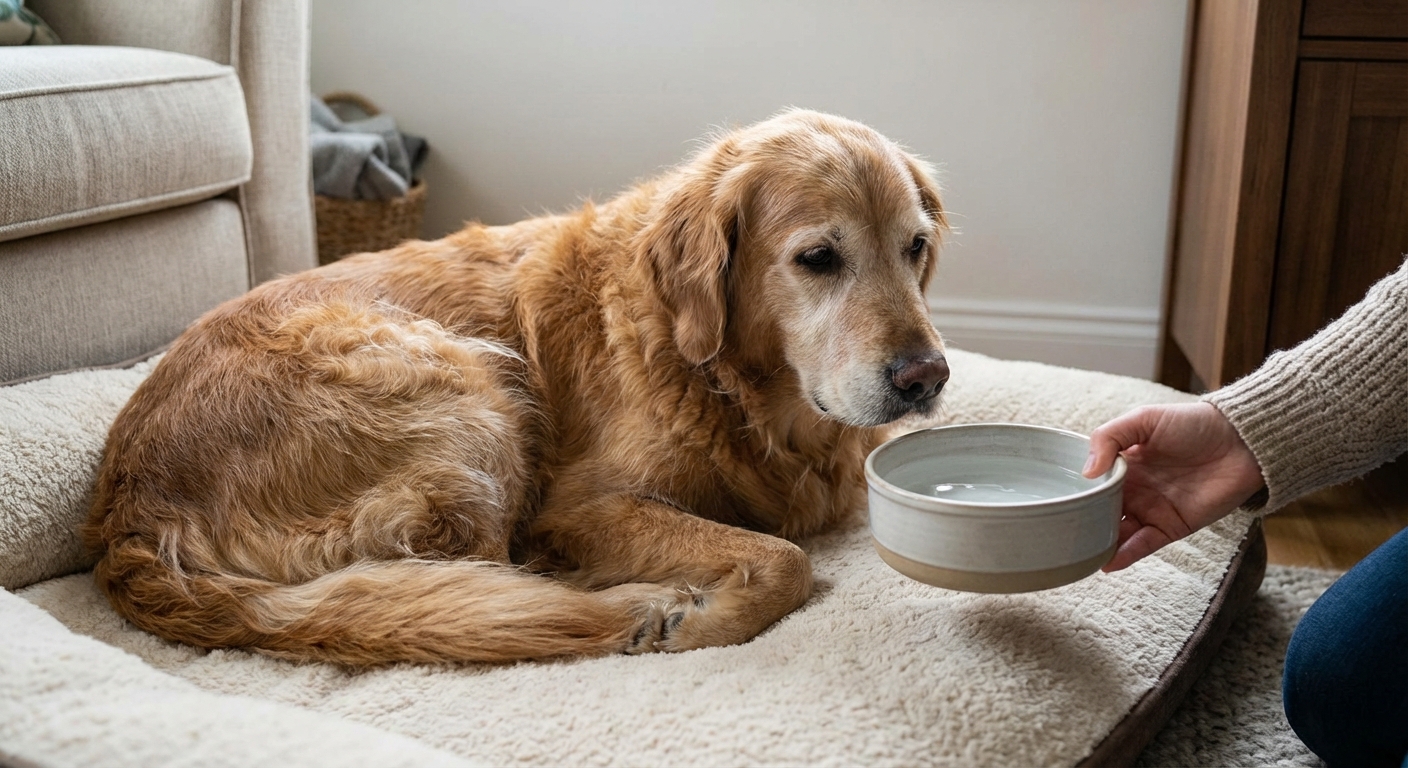
- More noticeable dehydration (dry gums, tacky saliva)
- Loss of appetite and weight loss
- Worsening of existing GI issues
If your senior has diarrhea plus lethargy, weakness, or decreased drinking, that is a same-day call in my book.
What the Poop Can Look Like
Owners often ask me, “What does Giardia poop look like?” There is no single look that confirms it, but these descriptions are common:
- Soft, unformed stool that does not fully puddle
- Watery diarrhea with urgency
- Shiny or greasy appearance
- Strong odor
- Mucus strands or coating
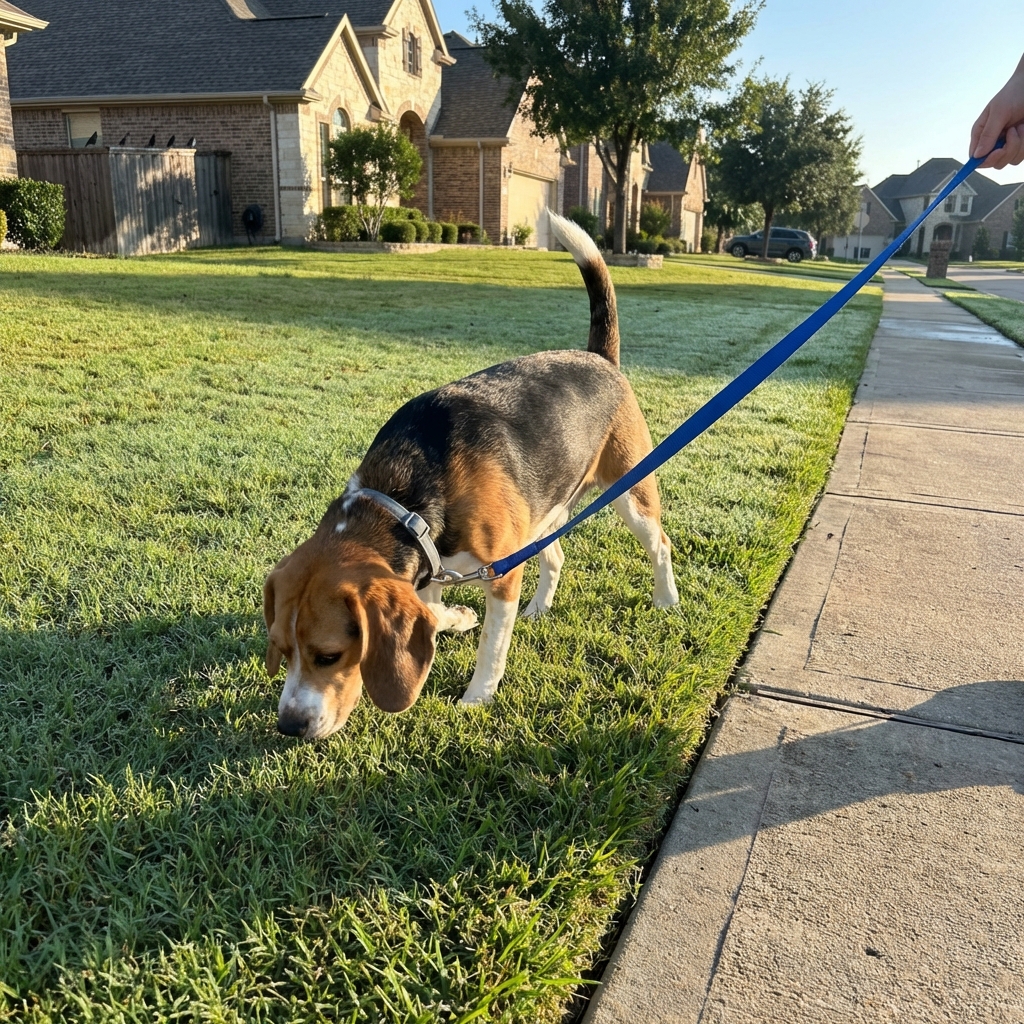
Important note: blood in stool is not the hallmark sign of Giardia. If you see significant blood, or your dog is straining and uncomfortable, your vet should evaluate right away to rule out other causes.
Why It Is Easy to Miss
Giardia is frustrating because it can be inconsistent. Here are the top reasons it gets missed:
- Intermittent shedding: your dog may not shed cysts in every sample, so one negative test does not always rule it out.
- Symptoms come and go: stool can look normal for a day or two, then flare up again.
- It mimics food sensitivity: many dogs with Giardia look like they just have a “sensitive stomach.”
- Relapse or reinfection: some dogs improve on medication and then flare again due to incomplete clearance, or they pick it back up from the environment if cleaning is not tight.
When to Call the Vet
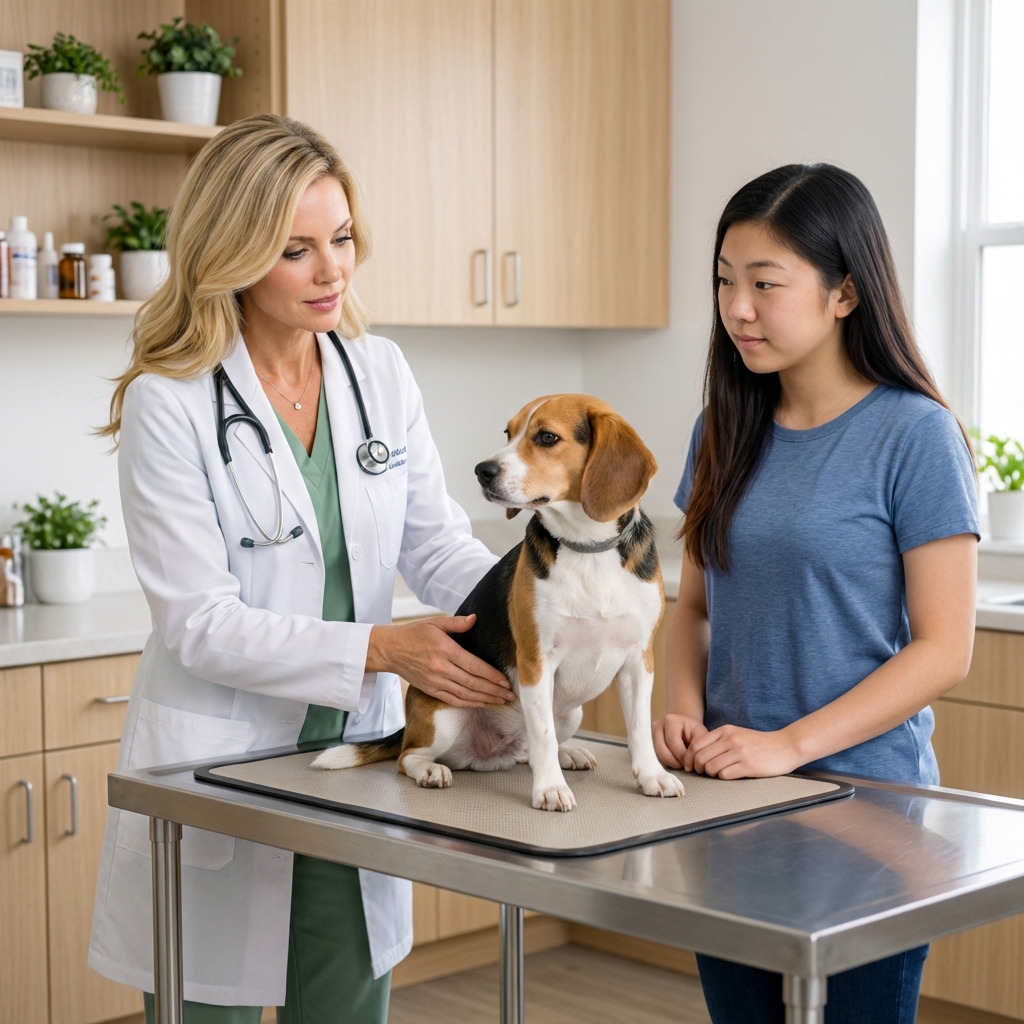
Schedule a veterinary visit for suspected Giardia if your dog has diarrhea that lasts longer than 24 to 48 hours, or if it keeps returning.
Seek urgent care (same day) if you notice:
- Repeated vomiting
- Signs of dehydration (dry or tacky gums, weakness, sunken eyes)
- Black or tarry stool or large amounts of bright red blood
- A puppy or toy breed with diarrhea and low energy
- Any dog that seems painful, disoriented, or unable to keep water down
How Vets Test
Your veterinarian may use one test or a combination, depending on symptoms and how long they have been going on:
- Fecal antigen (ELISA) test to detect Giardia proteins
- Fecal flotation with centrifugation to look for cysts under the microscope
- Direct smear (less sensitive, but sometimes helpful)
- PCR testing in some cases to detect Giardia DNA
Practical tip: bring a fresh stool sample if you can, and if your clinic recommends it, bring samples from more than one day. Giardia can be a moving target.
One nuance with PCR: it is very sensitive and can pick up low levels. Depending on the lab and the case, results may need to be interpreted alongside your dog’s symptoms, since detection does not always equal the cause of today’s diarrhea.
Treatment
Giardia treatment varies by veterinarian and by your dog’s health history, but commonly includes prescription medication such as fenbendazole and/or metronidazole. Some veterinarians prefer fenbendazole as a first-line option and add or switch medications based on response, test results, and your dog’s overall health.
Supportive care matters too, and your vet may recommend:
- Hydration support (sometimes subcutaneous fluids if needed)
- Highly digestible diet for a short period
- Probiotics if appropriate for your dog
Many dogs feel better before the infection is fully cleared. Finish medications exactly as directed, even if stool looks normal on day two.
Timeline note: some dogs improve within a few days of starting treatment, but your veterinarian may recommend follow-up testing in certain cases, especially if symptoms return or there are multiple pets in the home.
Preventing Reinfection at Home
This is the part that makes or breaks success. Giardia cysts can survive in damp environments, especially in cool, moist conditions. They tend to be less persistent in hot, dry conditions, but do not count on that alone if your dog is actively infected.
Home Hygiene Checklist
- Pick up stool immediately in the yard, every time.
- Wash bedding in hot water during treatment and again at the end.
- Clean bowls and toys daily with hot soapy water.
- Bathe your dog near the end of treatment to remove cysts from the coat, especially around the rear and paws.
- Wipe paws and rear after potty breaks if your vet advises it, especially in multi-dog homes.
- Avoid shared water sources like dog-park bowls and standing water outdoors.
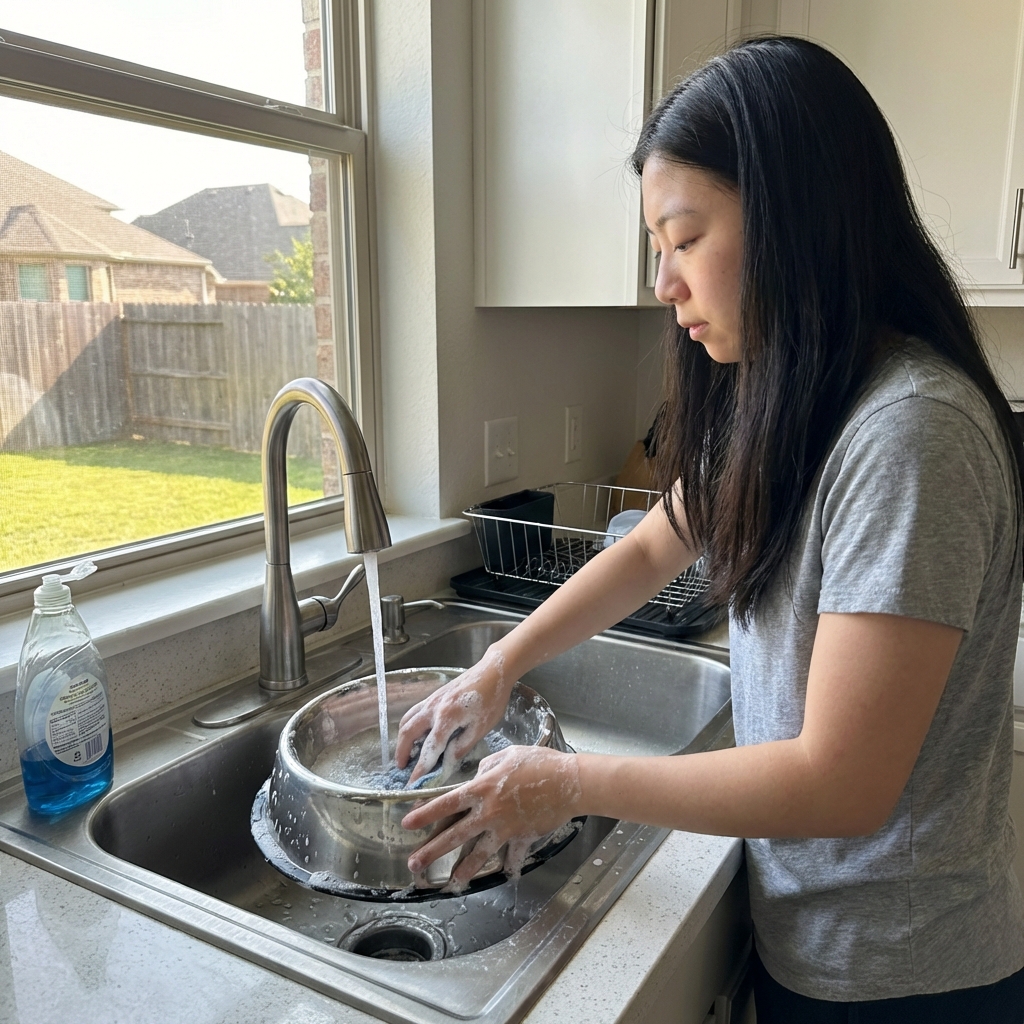
If you have multiple pets, ask your veterinarian whether they should be tested or treated as well. Sometimes the “healthy” dog is the silent carrier. During a household outbreak, it can also help to keep potty areas as clean and separated as possible and pick up immediately so no one steps in it and tracks it back inside.
Cleaning tip: not all disinfectants reliably inactivate Giardia. Ask your veterinary team what they recommend for your specific situation, and focus on thorough cleaning plus drying, since moisture helps cysts persist.
Can People Catch It?
Giardia can infect people, and good hygiene is always smart. Many Giardia types are often species-adapted (meaning dog strains more commonly cycle among dogs and human strains among humans), so dog-to-human transmission is considered uncommon, but it is still possible.
Use extra caution if anyone in the household is very young, elderly, pregnant, or immunocompromised:
- Wash hands after picking up stool or cleaning accidents
- Do not let kids handle poop bags or dirty bedding
- Clean and disinfect soiled surfaces promptly
If anyone in the household develops prolonged diarrhea, contact a human healthcare provider and mention the dog’s Giardia diagnosis.
Feeding Notes
Food does not “cure” Giardia, but the right nutrition can support a healing gut. Ask your vet what they prefer, but commonly recommended options include a veterinary gastrointestinal diet or a simple, digestible short-term plan.
My best advice is to keep changes gentle and consistent while you treat the parasite. Once stool is stable, you can slowly transition back to your normal routine.
Action step: If your dog is having diarrhea, skip rich treats, table scraps, and sudden diet changes. Simple and steady gives the gut a chance to recover.
Quick Summary
- Most common: foul-smelling, soft or watery diarrhea, often with mucus
- Often overlooked: intermittent symptoms and gas
- Higher risk: puppies, seniors, and dogs in group settings
- Best next step: veterinary fecal testing plus solid home hygiene to prevent relapse and reinfection
Veterinary Disclaimer
This article is educational and not a substitute for veterinary diagnosis or treatment. If your dog has diarrhea, vomiting, lethargy, or signs of dehydration, contact your veterinarian for guidance.