A practical, vet-informed guide to Giardia in dogs: signs, best fecal tests, common medications, and step-by-step home, yard, and hygiene cleaning to stop re...
Article
•
Designer Mixes
Giardia in Dogs: Contagious Risk and Cleanup

Shari Shidate
Designer Mixes contributor
Giardia is one of those frustrating parasites that can turn a normal week into a messy one fast. As a veterinary assistant, I have seen it show up in very loved, well-cared-for dogs, including dogs who only go on “normal” neighborhood walks.
The good news is this: Giardia is treatable, and you can dramatically lower the chance of reinfection with the right cleanup steps. The key is understanding how it spreads and being consistent for a short period of time.
What Giardia is (and why it spreads easily)
Giardia is a microscopic intestinal parasite (a protozoan). Dogs get infected when they swallow Giardia cysts, which are the hardy, “survival mode” form shed in poop. These cysts can stick around in damp environments and spread through everyday dog life.
Common ways dogs pick it up
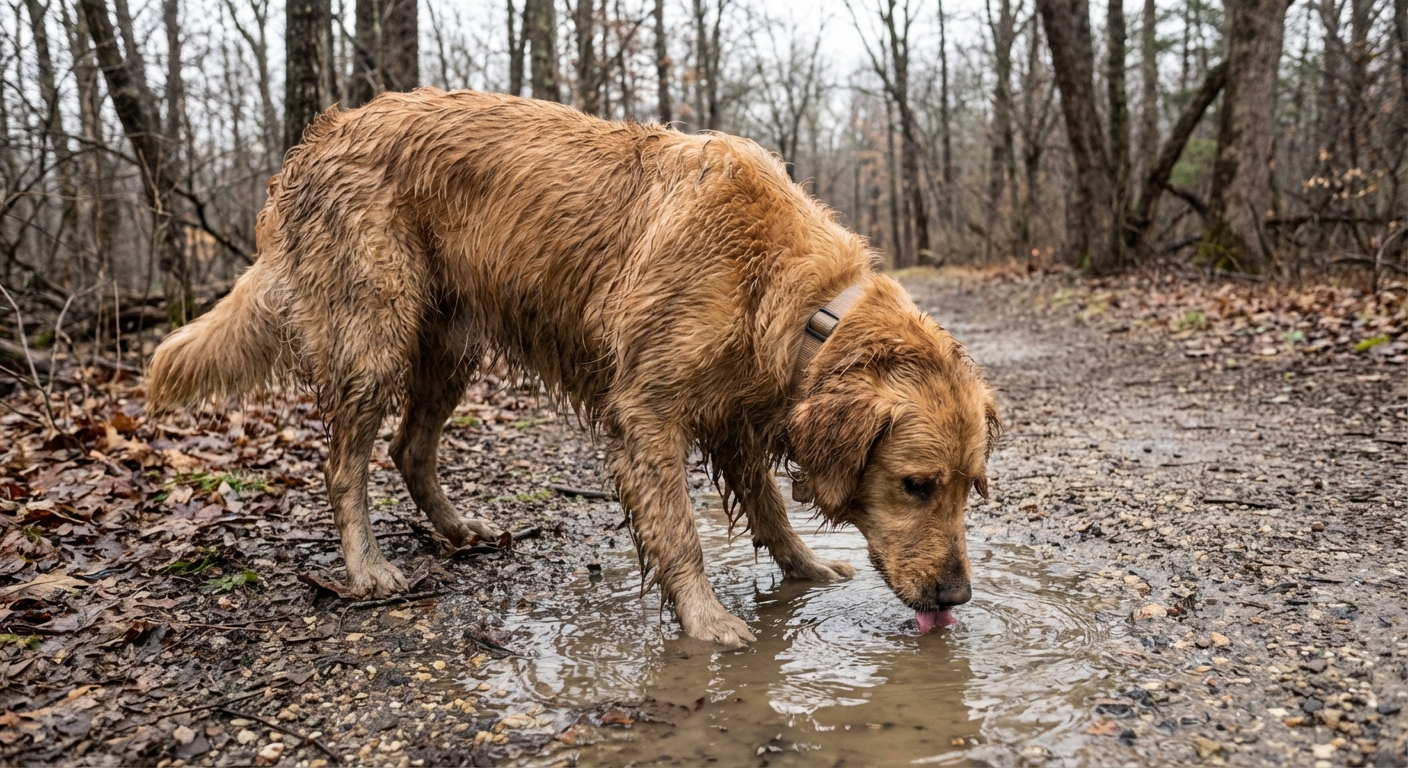
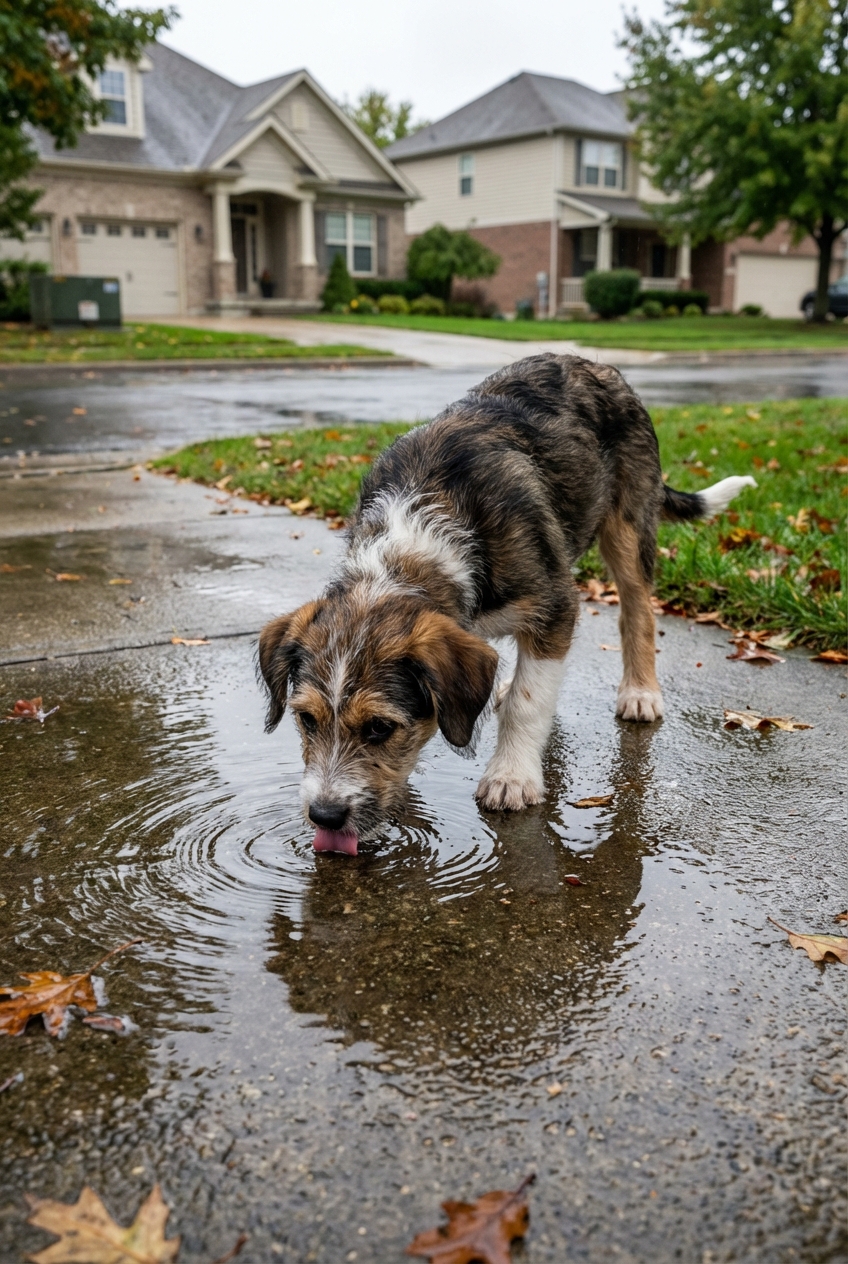
- Drinking from puddles, creeks, ponds, or other standing water (including shared outdoor water bowls)
- Licking paws after walking through contaminated areas
- Sniffing or licking poop, or grass where infected poop was present
- Close contact in group settings like dog parks, daycares, shelters, grooming, and boarding
Not every infected dog looks sick. Some dogs carry Giardia with mild symptoms or none at all, which is part of why it can quietly circulate between pets.
Is Giardia contagious to other dogs?
Yes. Giardia is contagious between dogs through the fecal-oral route. That sounds clinical, but it simply means: infected poop sheds cysts, and another dog ingests those cysts from the environment.
In multi-dog households, the biggest risks are shared yards, shared potty areas, and dogs grooming each other or licking the same surfaces.
How long is a dog contagious?
Dogs can shed cysts during illness and sometimes intermittently. Many veterinarians assume a dog is potentially contagious until:
- Treatment is completed and
- Stool has firmed up and
- Your veterinarian confirms whether a recheck fecal test is needed
Because reinfection is so common, cleanup and bathing are often just as important as medication.
Can people catch Giardia from dogs?
Sometimes, but most household risk is still low with good hygiene. Giardia has different strains (called assemblages). Dogs most often carry dog-adapted assemblages (commonly C and D). Humans most commonly catch human-adapted assemblages (A and B). That said, cross-species infection is possible, and some dogs can carry zoonotic assemblages, especially in higher-exposure environments (like shelters or dense multi-dog settings).
Simple household precautions
- Wash hands after picking up poop, cleaning accidents, or handling dirty bedding
- Do not let dogs lick faces while you are dealing with active diarrhea
- Keep dog poop bags and cleaning supplies away from kitchens and food-prep areas
Signs of Giardia in dogs
Some dogs have classic symptoms, and others barely show anything. Contact your vet if you notice:
- Soft stool or watery diarrhea, often recurring
- Mucus in stool
- Foul-smelling stool or gas
- Occasional vomiting
- Weight loss or poor weight gain (especially in puppies)
- Lethargy or decreased appetite
Because many GI issues look alike, a fecal test helps confirm what you are treating.
Diagnosis and treatment
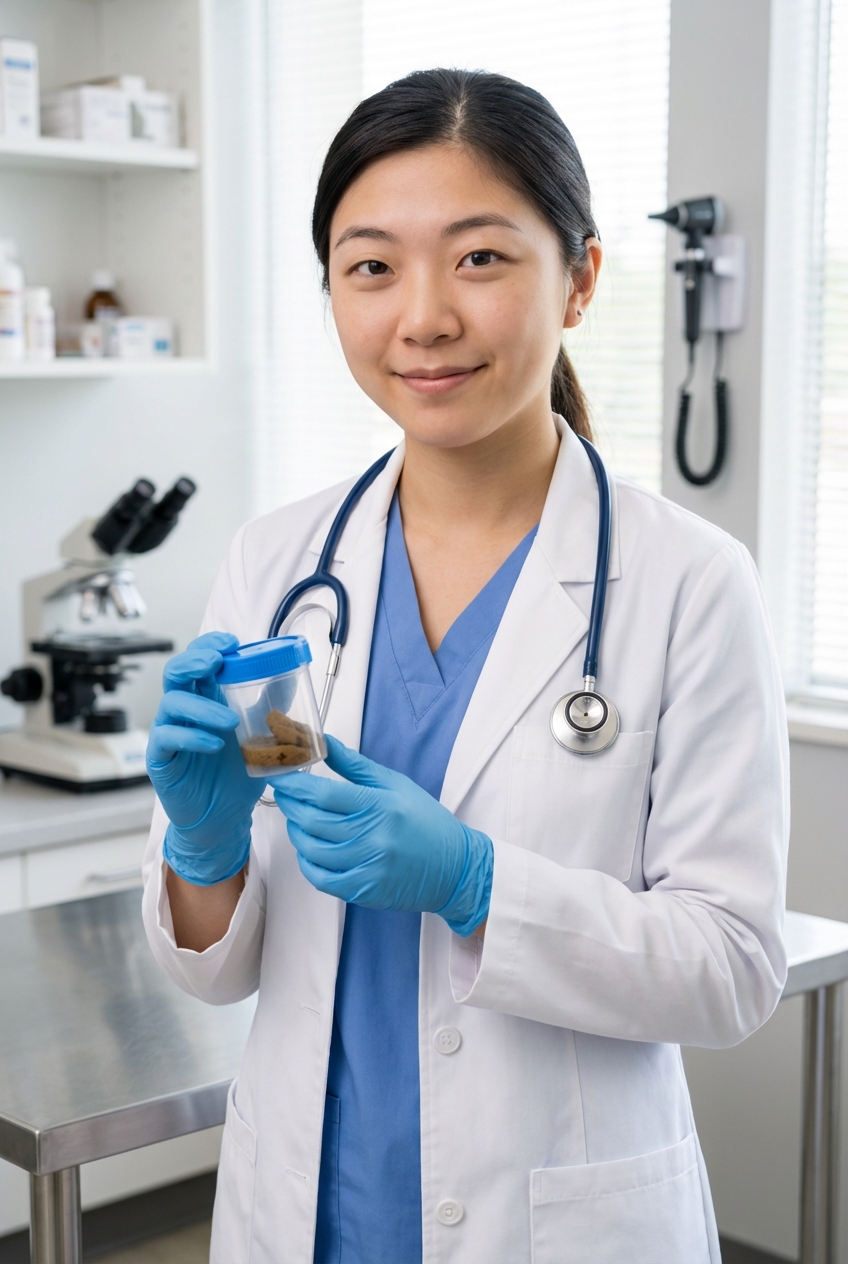
Most clinics diagnose Giardia using a fecal test. Giardia can be tricky because shedding may be intermittent, so your veterinarian may recommend repeat testing or a combination of tests.
Common tests your vet may use
- Fecal antigen test (often a “snap” style test)
- Fecal flotation (looks for cysts, but can miss them if shedding is low that day)
- PCR testing (more sensitive in some cases, often used for complicated or recurring diarrhea)
False negatives can happen, especially if a dog is shedding cysts off and on, the sample is old, or the infection level is low. This is why your vet may ask for a fresh sample or a recheck.
Common treatment approaches
- Prescription medication (commonly fenbendazole and/or metronidazole, depending on the case and your veterinarian’s plan)
- Supportive care for dehydration or gut upset when needed
- Bathing to remove cysts from the coat, especially around the rear end and paws
Please do not self-medicate with leftover antibiotics or “dewormers.” Giardia is not a worm, and the wrong product can delay proper treatment.
Why reinfection happens
Here is the pattern I see over and over: the dog improves on medication, then diarrhea returns a week or two later. Often, it is not “treatment failure.” It is reinfection from the yard, the paws, the bedding, or a shared potty area.
Giardia cysts tend to survive longer in cool, damp conditions. Drying and sunlight help reduce survival, which is why shaded, wet potty spots can be a repeat trouble area.
Your goal is to break the cycle by reducing cysts in the environment during treatment and right after.
Cleanup checklist (home and yard)
Plan on being extra strict during treatment and for several days after the last dose, or longer if your vet recommends it (especially in multi-dog homes).
1) Poop pickup
- Pick up poop immediately. Cysts spread when stool breaks down.
- Use gloves or a bag barrier and tie off waste securely.
- Limit access to the potty area if possible, especially for other pets.
2) Bath during treatment
Giardia cysts can cling to fur. A bath helps prevent your dog from re-infecting themselves while grooming.
- Bathe at the start of treatment and again near the end (or as your vet directs).
- Focus on paws, legs, and the rear end.
- Use a pet-safe shampoo and rinse well.
3) Clean and disinfect indoors
Any surface that could have contacted diarrhea, dirty paws, or a contaminated rear end should be cleaned.
- Hard floors: clean with soap and water first, then disinfect.
- Crates and kennel trays: wash, then disinfect, then rinse and dry.
- Food and water bowls: wash daily with hot, soapy water. Dishwashers can help if items are dishwasher-safe.
Important: Disinfectants work best on clean surfaces. Remove visible dirt first.
Also important: Not all disinfectants reliably kill Giardia cysts. Many common products (including some quaternary ammonium cleaners) may not be effective. For non-porous surfaces, veterinarians often recommend options like appropriately diluted bleach or accelerated hydrogen peroxide products, with the right contact time. Because concentrations and safety vary, ask your vet which product to use in your home and follow the label exactly. Keep pets away until the surface is fully dry, and rinse surfaces your dog will mouth.
4) Bedding, blankets, toys
- Wash bedding and blankets on the hottest safe setting and dry thoroughly.
- Soft toys: wash if possible, or set aside until the infection is resolved.
- Hard toys: wash, then disinfect (and rinse well).
5) Yard and outdoor areas
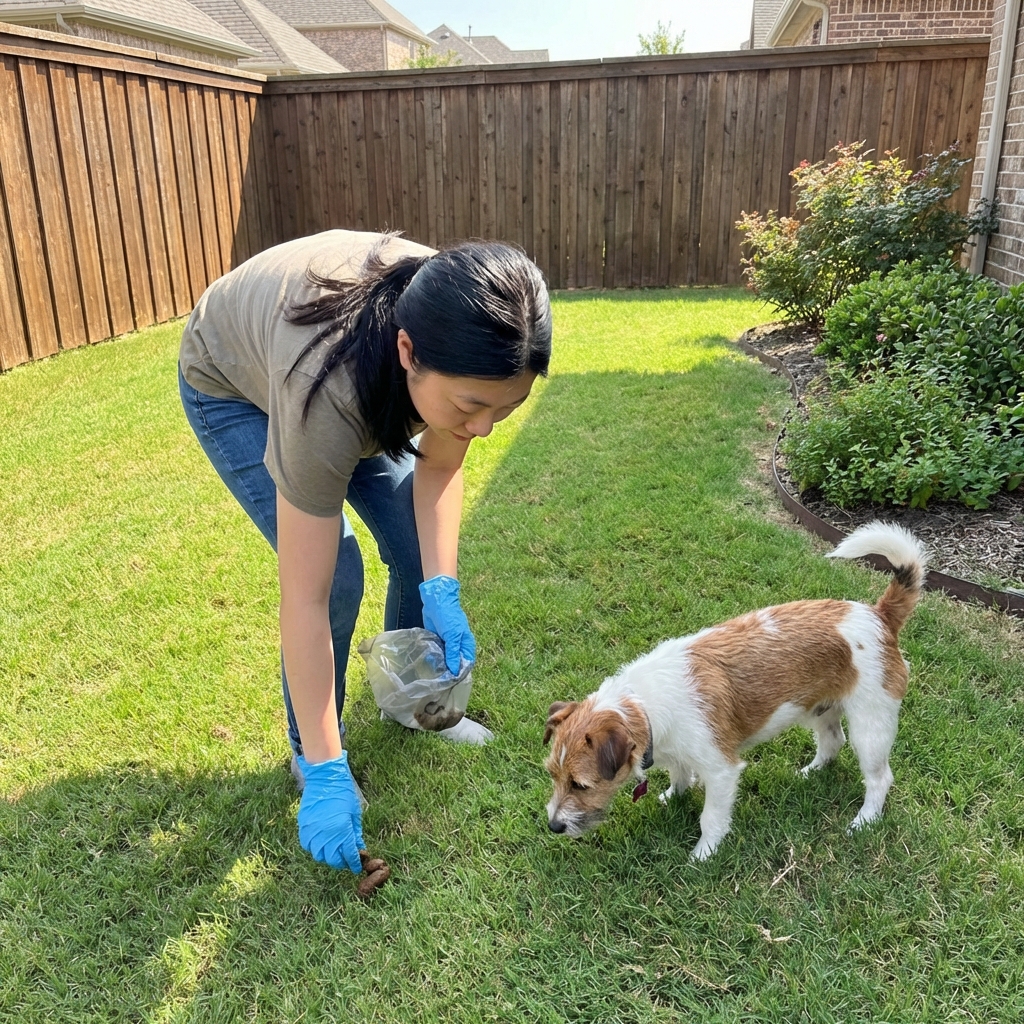
Outdoor cleanup is tough because you cannot fully disinfect grass and soil. You can still reduce exposure:
- Pick up stool immediately and dispose of it properly.
- If possible, designate a single potty spot for now.
- Rinse patios, decks, and concrete runs. If your vet recommends disinfecting a non-porous outdoor surface, make sure you confirm the product and contact time, then rinse well and let it dry.
- Avoid letting your dog drink from puddles or standing water.
6) Wipe paws and rear end
This is a simple, high-impact habit during treatment.
- Use pet-safe wipes or a warm, damp cloth on paws and the rear end.
- Wash your hands after.
Multi-dog homes
If you have more than one dog, reinfection can ping-pong between them. In many cases, your vet may recommend testing, treating, or at least monitoring the other dogs even if they seem fine.
- Pick up and dispose of all stools promptly (not just the sick dog’s).
- Avoid shared water bowls during treatment, and wash bowls daily.
- Ask your vet whether it is a good idea to bathe the other dogs too, especially if they share bedding or lick each other.
When to isolate your dog
You do not need to treat your dog like they are “toxic,” but you do want to reduce exposure opportunities.
- Skip dog parks, daycare, and boarding until your veterinarian says your dog is clear.
- Keep infected dogs separated from puppies, seniors, and immunocompromised pets when possible.
- In multi-dog homes, ask your vet whether to test or treat other dogs, even if they look fine.
When to call the vet
Giardia-related diarrhea can become more serious quickly in puppies and small dogs. For adult dogs, urgency depends on hydration, frequency, and how your dog is acting.
- Signs of dehydration (dry gums, lethargy, sunken eyes)
- Repeated vomiting
- Blood in stool
- A puppy who is not eating or is losing weight
- Diarrhea that is severe, very frequent, worsening, or not improving within 24 to 48 hours, especially if your dog seems weak
Prevention
- Bring fresh water on walks and discourage drinking from puddles and creeks.
- Pick up poop promptly in your yard.
- Keep your dog’s grooming clean, especially around the rear end.
- Ask your vet about fecal testing frequency, especially if your dog visits daycare or parks.
If you take one thing from this article, let it be this: treating Giardia is a two-part plan. Medication helps your dog, and cleanup protects them from getting it right back.
Quick reminder
This article is for general education and does not replace veterinary care. If you suspect Giardia, your veterinarian can confirm it with testing and recommend the best treatment plan for your dog’s age, health, and lifestyle.