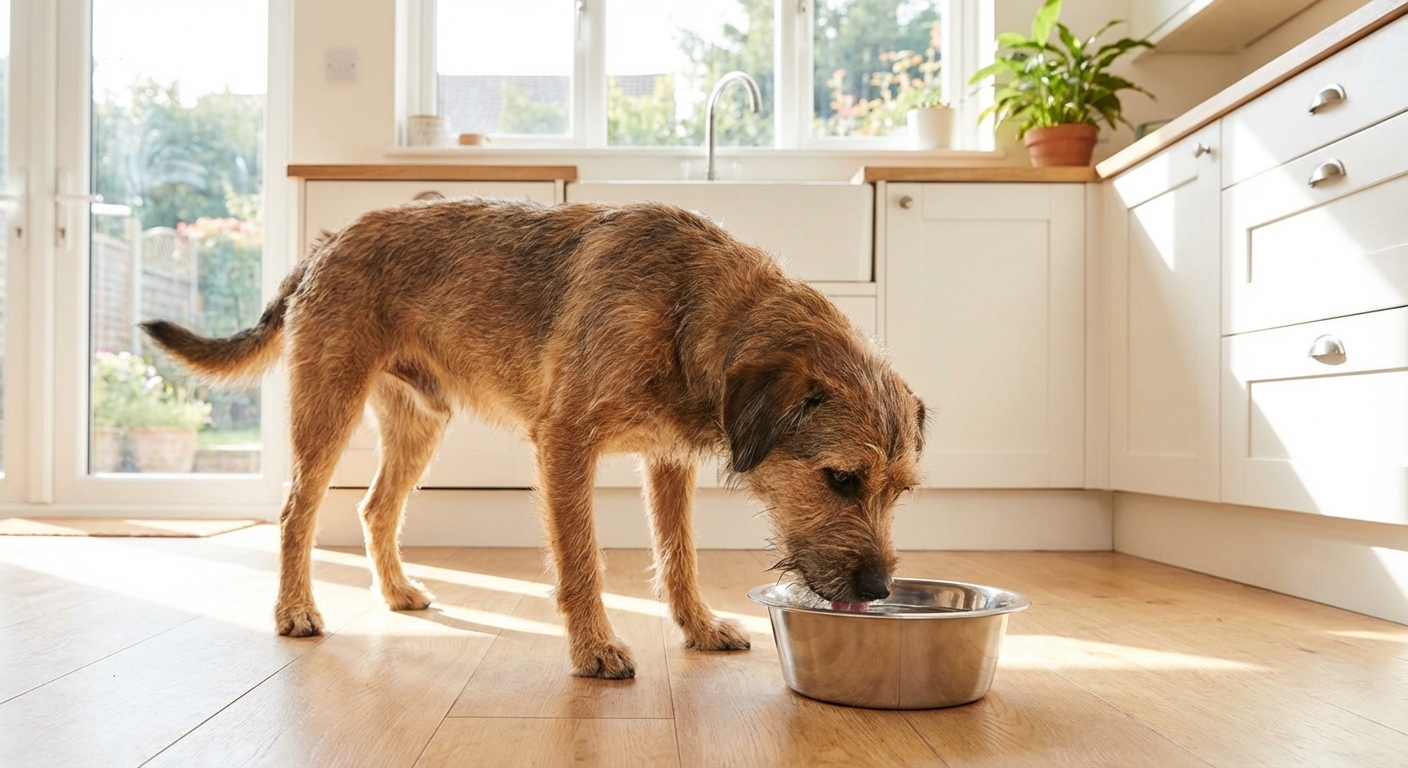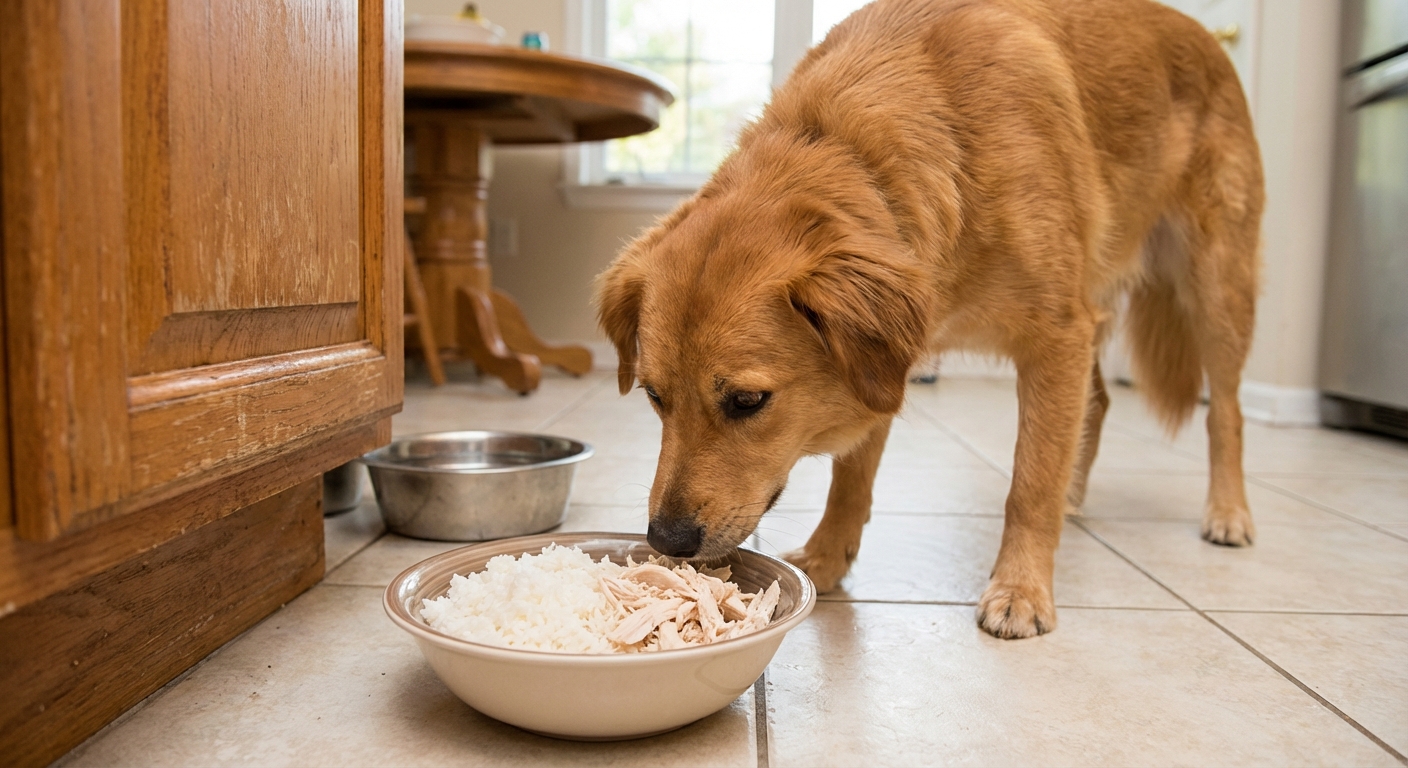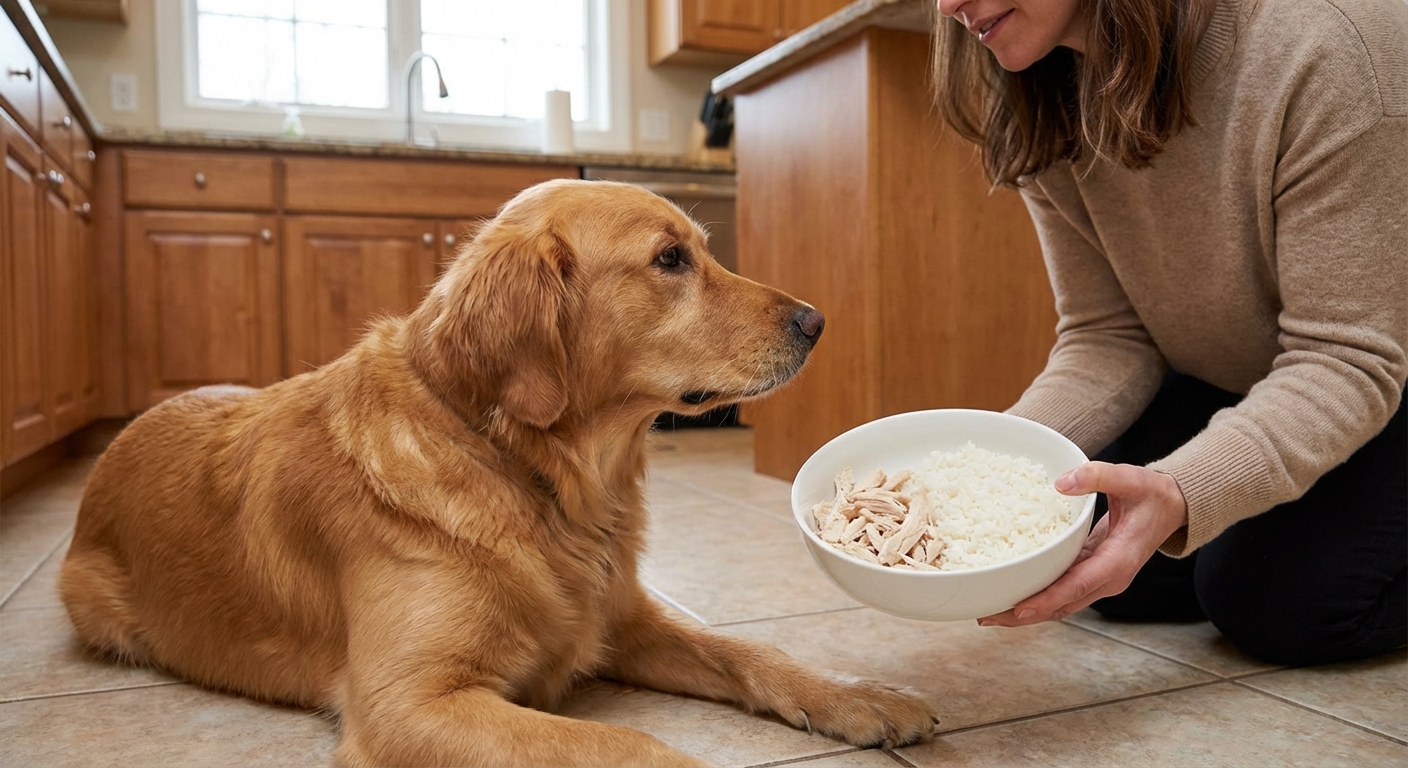
Vet-assistant guide to supportive “caring food” for dog diarrhea: bland chicken and rice, pumpkin for fiber, probiotics, hydration, safe portions, and re...
Article
•
Designer Mixes
Giardia in Dogs: Care Tips for Pet Lovers

Shari Shidate
Designer Mixes contributor
If your dog has ever had sudden diarrhea that seems to come out of nowhere, you have probably worried about giardia. I see this concern a lot, and for good reason. Giardia is common, it spreads easily, and it can make dogs (and sometimes people) pretty miserable. The good news is that with quick veterinary care and solid home hygiene, most dogs recover well and you can reduce the chance of repeat infections.
What giardia is and why it matters
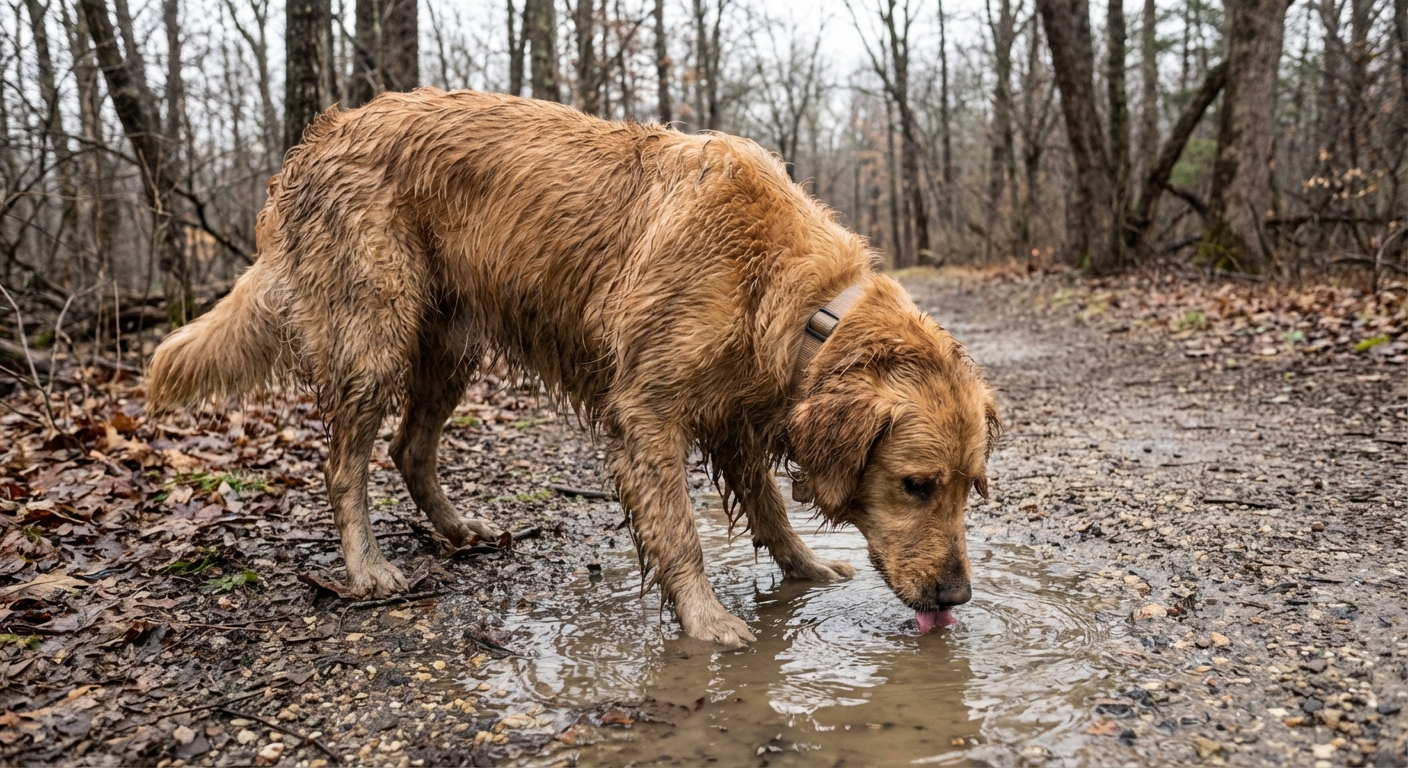
Giardia is a microscopic parasite that lives in the intestines. Dogs get infected when they swallow giardia cysts from contaminated water, soil, or poop. Those cysts are tough, and in the right conditions they can persist in the environment for weeks (and sometimes longer), especially in cool, damp areas.
Giardia matters because it can:
- Cause diarrhea and dehydration.
- Lead to weight loss or poor growth in puppies.
- Keep cycling in a household, especially in multi-dog homes, daycare dogs, boarding dogs, and dog-park regulars.
Common signs of giardia in dogs
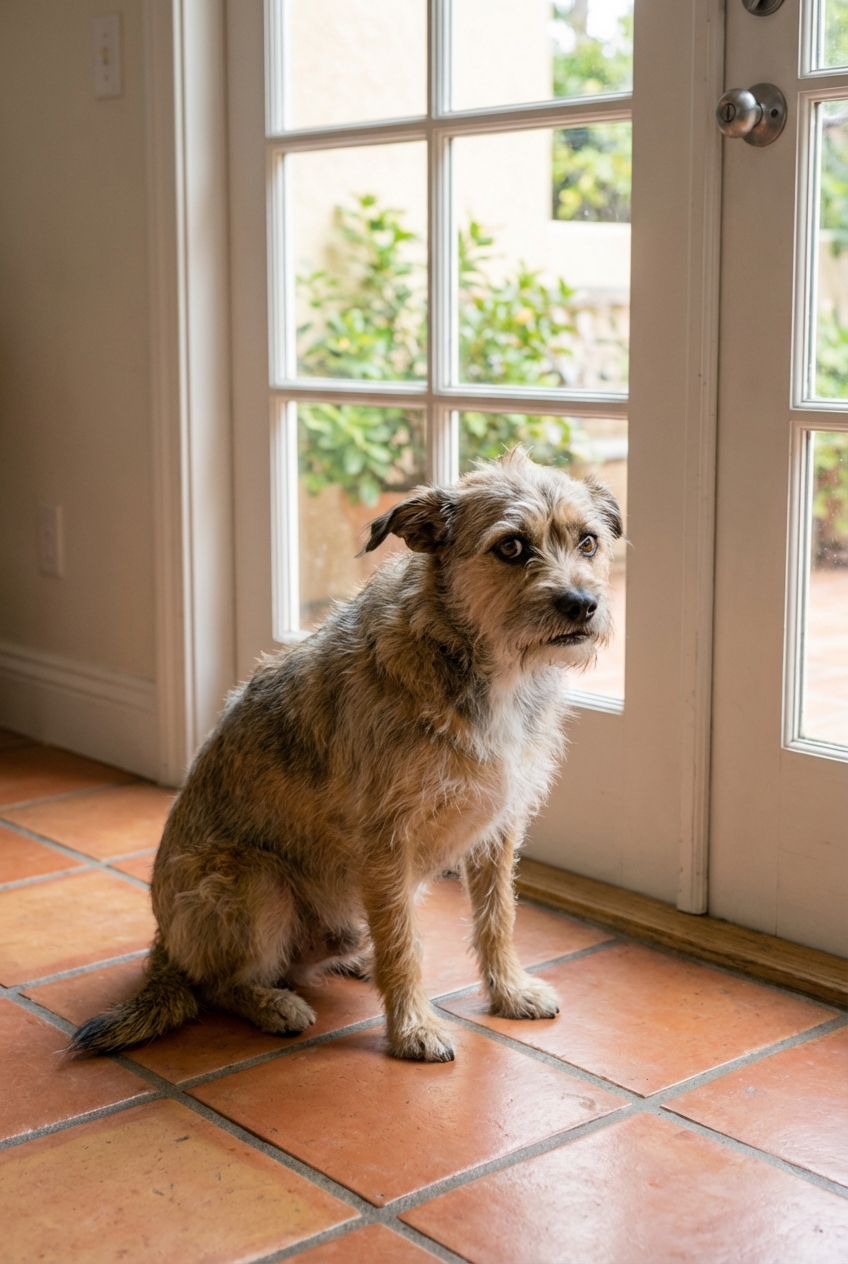
Some dogs carry giardia with no obvious symptoms. Others get sick, especially puppies and dogs with sensitive stomachs. Symptoms can also come and go, which can make it feel like the problem is “never fully gone.” Watch for:
- Diarrhea that may be soft, watery, or greasy.
- Mucus in the stool, sometimes with a strong odor.
- Gas, stomach gurgling, and urgency to go.
- Reduced appetite or weight loss over time.
- Lethargy if dehydration or intestinal upset is significant.
If you see blood, your dog is vomiting repeatedly, seems painful, is very young, or is not drinking, treat that as urgent and call your veterinarian.
How dogs catch giardia
Giardia spreads through the fecal-oral route. That sounds clinical, but in dog life it looks like:
- Drinking from puddles, ponds, creeks, or shared water bowls outdoors.
- Sniffing or licking contaminated grass or soil.
- Grooming dirty paws or fur after walking in an area with infected stool.
- Sharing spaces with infected dogs at daycare, boarding, grooming, shelters, or dog parks.
Puppies, recently adopted dogs, and dogs who spend time in higher-density environments (daycare, boarding, shelters) are often at higher risk simply because exposure opportunities are higher.
One of the sneakiest parts is reinfection. A dog can start feeling better, then pick up cysts from their own coat, their bedding, the yard, or shared surfaces.
Diagnosis: why a vet test matters
Diarrhea has a long list of causes, including dietary indiscretion, stress, worms, viruses, pancreatitis, and food intolerance. Giardia treatment is specific, so testing helps you avoid guessing.
Your veterinarian may use:
- Fecal antigen testing (often very helpful for giardia).
- Microscopy (looking for cysts or trophozoites, but they can be hard to catch because shedding can be intermittent).
- PCR fecal tests in some cases, especially if symptoms persist.
Because shedding can be on and off, your vet may recommend repeat testing, multiple stool samples, or a combined approach (for example, antigen testing plus fecal flotation) to improve the chance of catching it.
Tip from the clinic world: bring a fresh stool sample (ideally within a few hours) and follow your clinic instructions for storage and transport.
Treatment basics (and why follow-through is everything)
Veterinarians commonly treat giardia with prescription medications such as fenbendazole and/or metronidazole, depending on your dog’s needs, other health factors, and local protocols. Some dogs do well with fenbendazole alone, while others may need combination therapy or a repeat course if signs persist or reinfection is likely.
It is also worth knowing that some dogs can test positive but have minimal or no symptoms. In those cases, your veterinarian will decide whether treatment is necessary based on clinical signs, household risk, and reinfection concerns.
Supportive care often includes:
- Hydration support (encouraging fluids, or subcutaneous fluids in-clinic if needed).
- Diet adjustment to a bland, vet-recommended plan during recovery.
- Probiotics in some cases, because gut balance can take time to normalize.
Safety note: Do not give over-the-counter anti-diarrheals or human medications unless your veterinarian tells you to. Some can be unsafe for dogs or can mask symptoms that need urgent care.
Even if stools look better quickly, finish the full medication course and follow your veterinarian’s recheck plan. Giardia can improve, then flare again if a small number of parasites remain or your dog gets reinfected.
If your dog is on medication for giardia, the “hidden” part of treatment is environmental cleanup. Medication helps the dog, but cleaning helps the household.
Home care: the practical steps that help most
1) Pick up poop right away
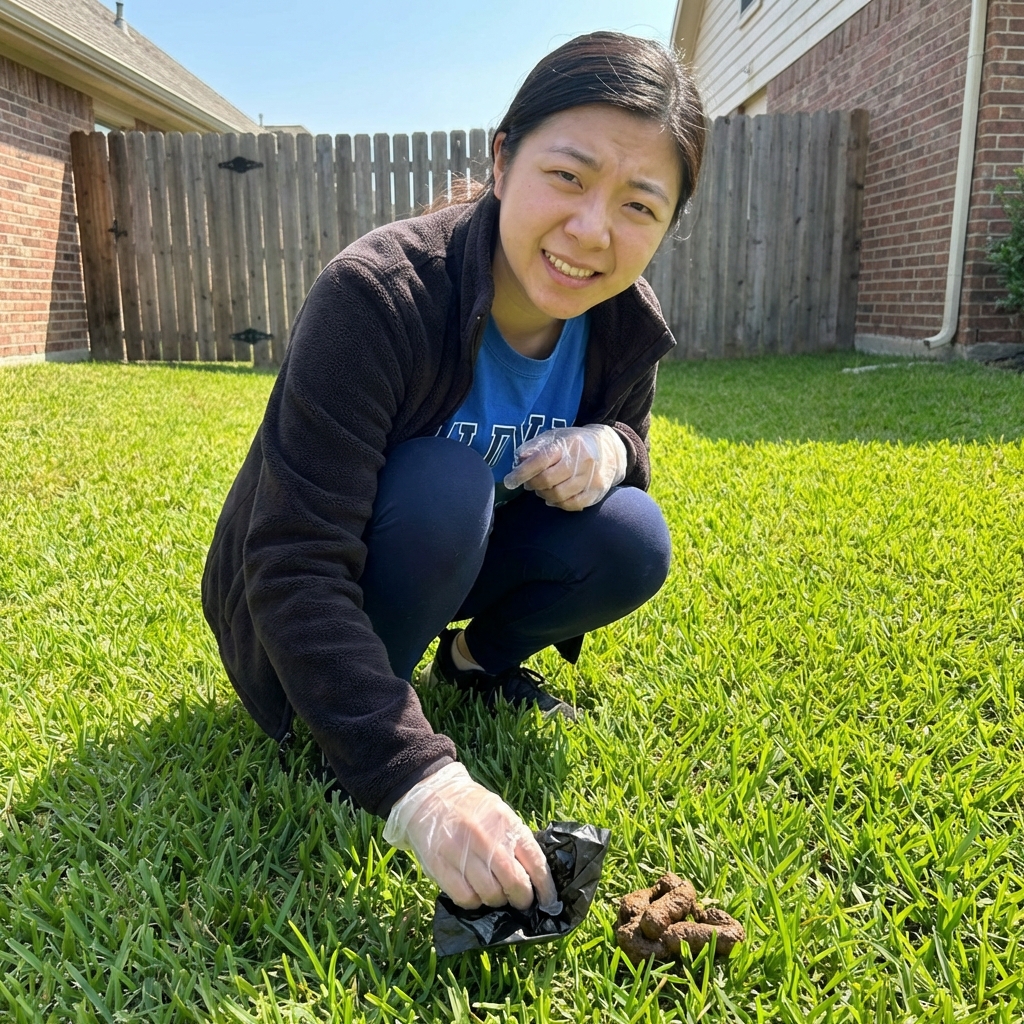
Fast poop pickup is one of the most powerful tools you have. Bag it immediately and dispose of it properly. Do not leave stools in the yard “until later.” Later is how cysts spread.
2) Bathe your dog at the right time
Giardia cysts can cling to fur around the rear end, feet, and tail. Many veterinarians recommend bathing near the end of treatment (and sometimes again at completion) to reduce reinfection. Ask your clinic for timing and shampoo guidance.
3) Wash bedding, toys, and bowls
- Bedding: wash hot, dry on high heat if fabric allows.
- Hard toys and bowls: wash with hot soapy water. Running items through a dishwasher on a hot cycle can help if the item is dishwasher-safe.
- Soft toys: launder like bedding, or temporarily remove during treatment.
4) Clean floors and high-traffic areas
Focus on where your dog rests and where accidents might happen. A key point that surprises many people is that giardia cysts can be relatively resistant to some routine disinfectants, so mechanical cleaning (removing visible debris) plus thorough drying matters a lot.
Use a cleaning routine your veterinarian approves. If your vet says it is appropriate for your surfaces, a diluted bleach solution with the correct contact time is sometimes recommended in veterinary settings, but bleach is not safe for every surface and it must be used carefully around pets. When in doubt, ask your clinic what is appropriate for your home.
5) Yard and outdoor management
Outdoor environments are hard to truly disinfect. What helps most:
- Immediate feces removal.
- Keeping your dog away from muddy, damp areas during treatment.
- Reducing access to standing water.
- Leash walks in cleaner areas until stools are consistently normal.
Feeding during recovery: gentle, simple, and consistent
When the gut is irritated, simpler is usually better. Your vet may recommend a GI-support diet or a temporary bland plan. Either way, avoid sudden diet changes, rich treats, and table scraps while stools are unstable.
Helpful habits:
- Feed smaller meals for a few days if your vet agrees.
- Measure portions so you can notice appetite changes early.
- Keep fresh water available and consider adding a second water station.
If you love adding whole foods, go slow. A little plain cooked chicken and a vet-approved diet can be a nice bridge, but long-term homemade feeding should be properly balanced for nutrients. If you are interested in homemade meals, ask your veterinarian about a veterinary nutritionist or a balanced recipe plan.
Preventing reinfection (especially in multi-dog homes)
Reinfection is one of the biggest frustrations with giardia. Here are the prevention steps that matter most:
- Test and treat housemates if your veterinarian recommends it, even if they seem fine.
- Separate water bowls and wash them daily during an outbreak.
- Supervise potty breaks so you can clean up immediately.
- Limit high-risk exposure temporarily: dog parks, daycare, shared outdoor bowls, and puddle drinking.
- Practice paw hygiene: wipe feet after walks, especially in damp or high-traffic dog areas.
Can people catch giardia from dogs?
Zoonotic (animal-to-human) transmission from dogs is generally considered uncommon, but it is possible. Some giardia types are more adapted to dogs, while others are more commonly associated with humans. In everyday households, the bigger risk is often exposure to contaminated water or environments rather than direct dog-to-person spread, but good hygiene is still the smart move.
Protect your household by:
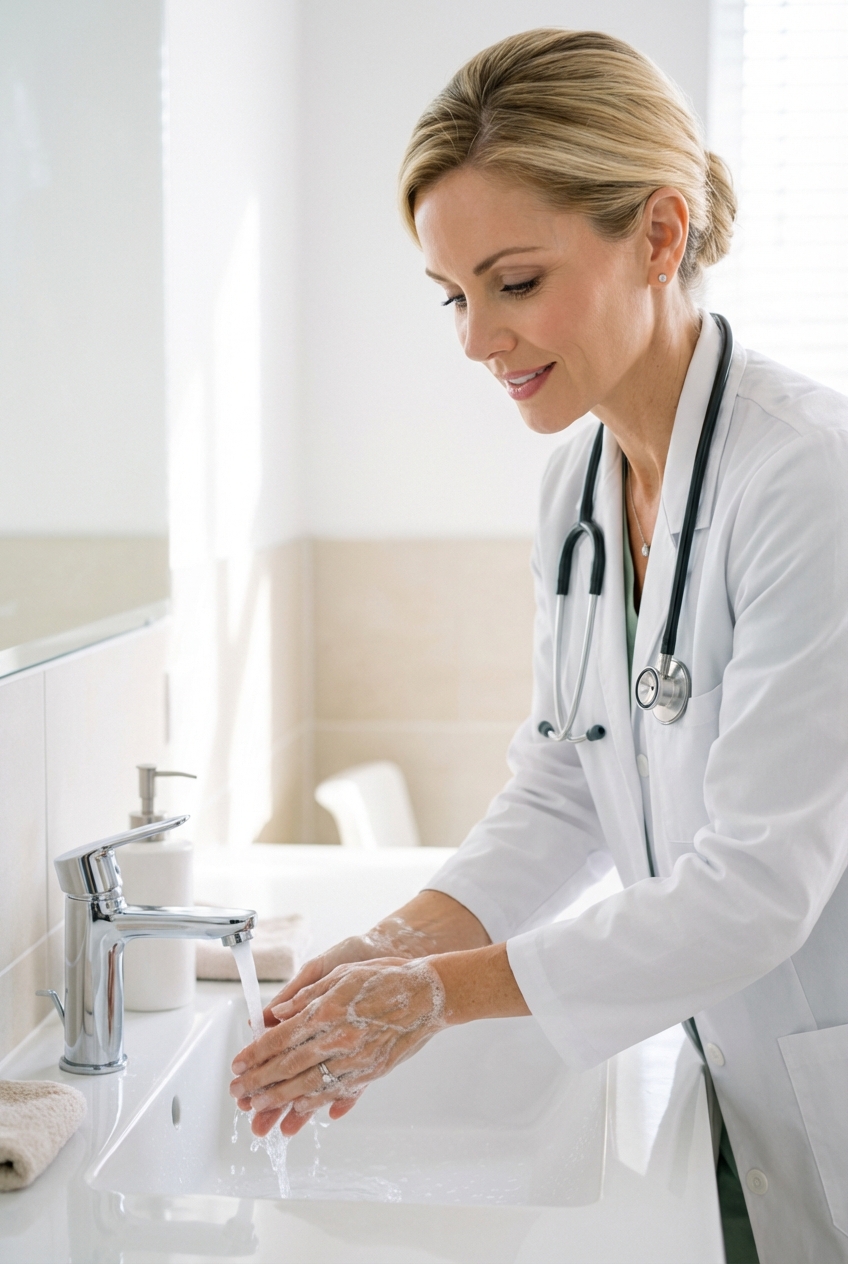
- Washing hands after picking up stool, cleaning accidents, or bathing your dog.
- Keeping dogs away from children’s play areas if there is active diarrhea in the yard.
- Not letting dogs lick faces during an active outbreak.
If someone in the home is immunocompromised, pregnant, very young, or otherwise medically high-risk, consider being extra cautious and check in with a healthcare provider if you have concerns. If a person in the home develops persistent diarrhea, contact a healthcare provider.
When to call the vet again
Follow up if:
- Diarrhea lasts more than a few days after treatment starts.
- Symptoms return within weeks (this can be relapse or reinfection).
- Your dog becomes dehydrated, weak, or refuses food.
- You have a puppy, senior dog, or an immunocompromised pet.
Sometimes ongoing diarrhea means there is more going on than giardia alone, such as another parasite, dietary intolerance, inflammatory bowel disease, or bacterial imbalance. A recheck helps you get the right plan.
Bottom line
Giardia is common, frustrating, and very manageable with the right combo of vet-guided treatment and consistent cleanup. If you take two things from this article, let them be these: test instead of guessing, and treat the environment as seriously as you treat the dog. Your future self, and your dog’s stomach, will thank you.