A practical 24–72 hour diet and hydration plan for mild dog diarrhea, with bland food options, safe add-ons like probiotics, foods to avoid, and clear red ...
Article
•
Designer Mixes
Giardia in Dogs

Shari Shidate
Designer Mixes contributor
Giardia is one of the more commonly diagnosed causes of protozoal diarrhea I see pet parents worry about, and for good reason. It can cause messy diarrhea, spread quickly in shared spaces, and keep coming back if you do not tackle both treatment and the environment. The good news is that with the right testing, medications, and cleanup plan, most dogs recover well.
What is Giardia?
Giardia is a microscopic parasite (a protozoan) that lives in the intestines. Dogs become infected when they swallow Giardia cysts, which are a protected life stage that survives in the environment, especially in moist, cool conditions. They are sometimes described as “eggshell-like,” but they are not literal eggs.
Once swallowed, cysts release active organisms in the gut. These organisms can interfere with digestion and absorption, leading to diarrhea and weight loss in some dogs. Not every dog shows symptoms, but even symptom-free dogs can shed cysts and infect others.
One more important note: diarrhea has many causes. Giardia is common, but it is not the only culprit. Your vet may also check for worms, parvovirus (in puppies), diet-related upset, stress colitis, and other infections.
How dogs get Giardia
Giardia spreads through the fecal-oral route. That means microscopic stool contamination makes its way into a dog’s mouth.
Common sources
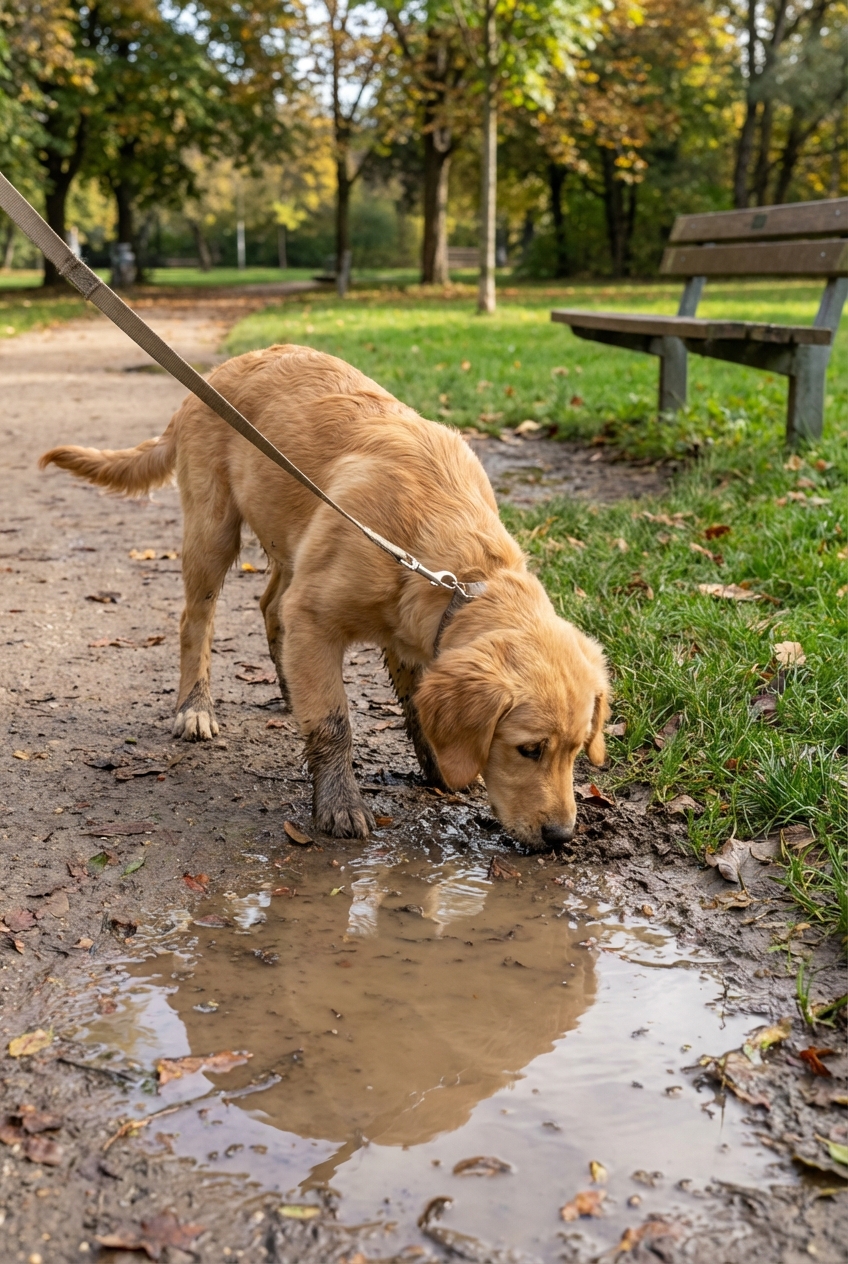
- Drinking from puddles, creeks, lakes, or shared water bowls
- Licking paws after walking through contaminated areas
- Sniffing or eating feces (yes, it happens)
- Dog parks, boarding facilities, grooming salons, shelters, and daycare settings
- Contaminated surfaces like kennel floors, toys, or grass where infected stool has been
Signs and symptoms
Symptoms can range from mild to frustratingly persistent. Some dogs have no symptoms at all.
Common signs
- Soft stool or watery diarrhea that may come and go
- Mucus in the stool
- Foul-smelling gas
- Occasional vomiting
- Decreased appetite
- Weight loss or poor weight gain (more common in puppies)
- Lethargy (sometimes)
Puppies, seniors, and immunocompromised dogs are more likely to have more severe symptoms.
Is Giardia contagious?
To other dogs: Yes, Giardia is very contagious between dogs, especially in group environments.
To people: Giardia can infect people, but spread from dogs is considered uncommon. Many dog infections are dog-adapted types (often called Assemblages C and D), while humans are more commonly infected by Assemblages A and B. Zoonotic transmission is still possible, so good hygiene is worth it.
Simple safety steps
- Wash hands after picking up stool and after handling your dog’s rear end
- Keep kids from playing in areas with dog feces
- Do not let dogs lick faces during active diarrhea
- Clean and disinfect contaminated surfaces promptly
How Giardia is diagnosed
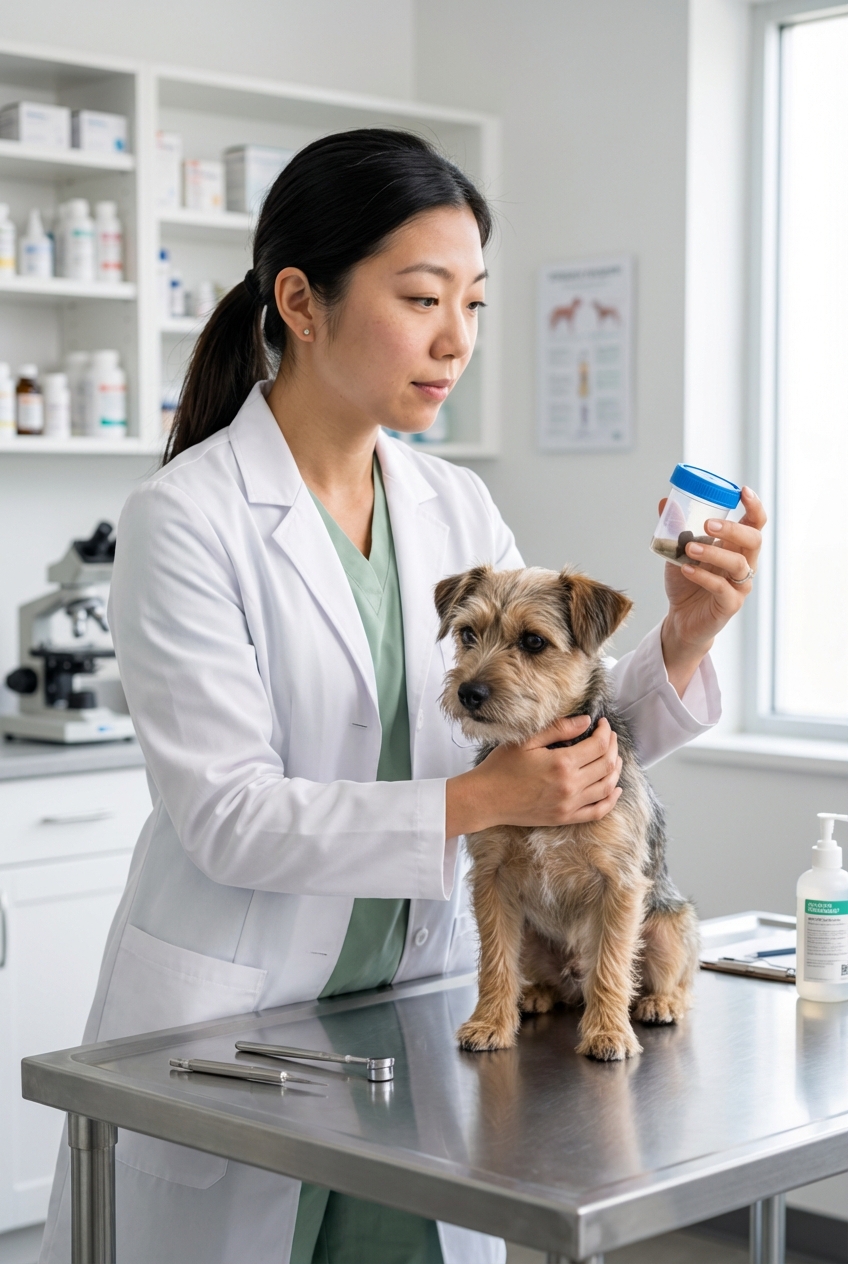
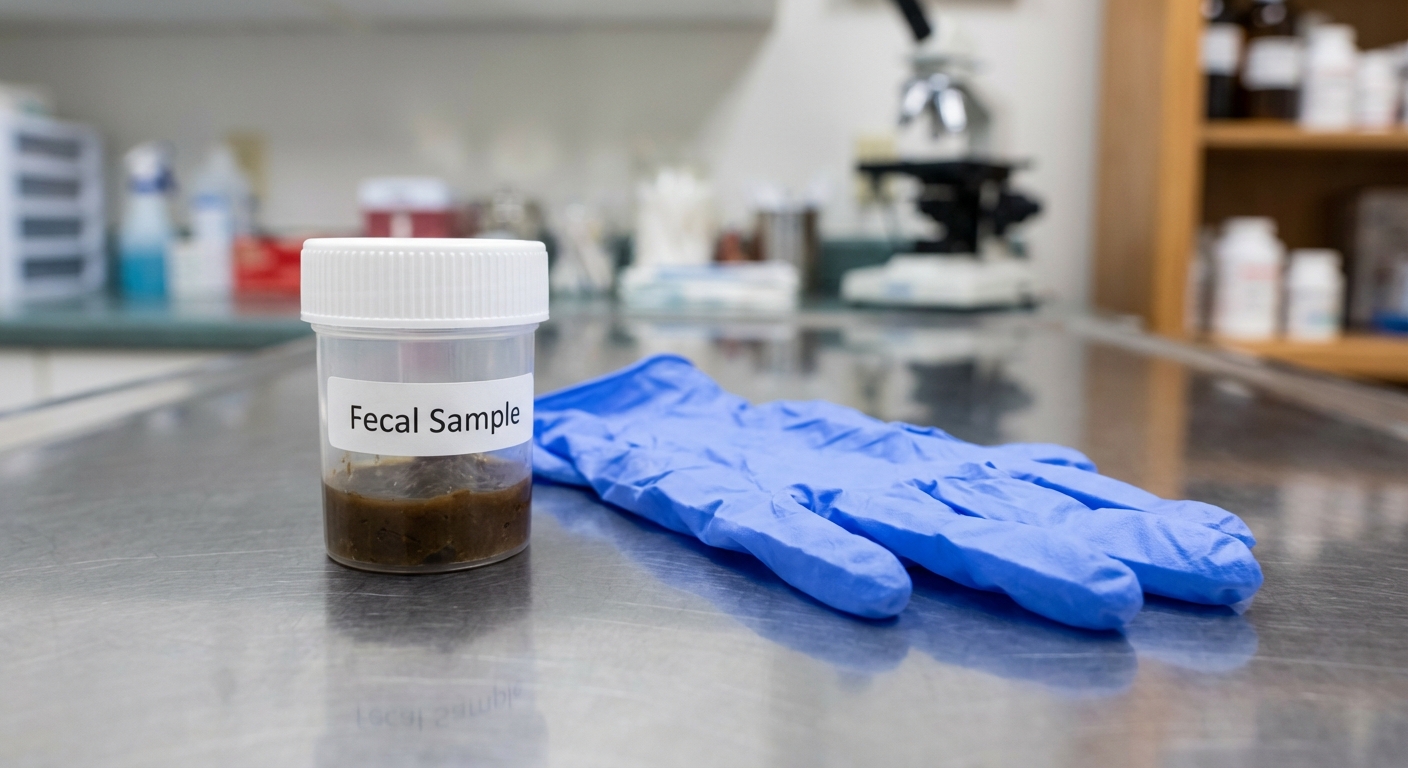
Giardia can be tricky because dogs do not shed cysts consistently every day. A single negative test does not always rule it out.
Common veterinary tests
- Giardia antigen test (ELISA or similar): detects Giardia proteins in the stool and is often more reliable
- Fecal flotation with centrifugation: can detect cysts but may miss intermittent shedding. Some labs use zinc sulfate flotation, which is commonly preferred for Giardia compared with some other flotation solutions
- Direct smear: may see active organisms (trophozoites) mainly in very fresh, watery samples, but it has low sensitivity
- PCR stool tests: may be used in some clinics to detect parasite DNA
Tip from the clinic: If your dog has ongoing diarrhea, ask your vet whether a combo approach (antigen test plus flotation, and or repeat testing over multiple days) makes sense.
Treatment
Giardia is treatable, but reinfection is common if you do not pair medication with environmental control. Some dogs also need a repeat course or a combination approach, especially if symptoms return.
Common medications veterinarians prescribe
- Fenbendazole: commonly used, often given for several days
- Metronidazole: sometimes used alone or combined depending on the case. Veterinarians choose it carefully because side effects can happen, including rare neurologic effects
- Other protocols: your veterinarian may tailor treatment based on severity, age, and household risk factors
Always follow your veterinarian’s dosing instructions and finish the full course, even if stool looks normal after a couple of days.
Supportive care at home
- Offer plenty of fresh water to prevent dehydration
- Feed a vet-recommended bland or highly digestible diet temporarily if advised
- A probiotic may help some dogs recover stool quality faster, but it should not replace medication
Important: Do not self-medicate with leftover antibiotics. Wrong dosing or the wrong drug can prolong illness and cause side effects.
Reinfection cleanup plan
If there is one “how-to” piece I want every dog parent to remember, it is this: Giardia treatment is not just about the dog. It is also about the environment.
Step 1: Pick up stool fast
- Pick up feces immediately in the yard or on walks
- Bag and dispose of it properly
- Do not hose stool into grass or soil
Step 2: Bathe your dog
- Give a bath near the end of the medication course (or as your vet recommends)
- Pay extra attention to the rear end, tail, and paws
- This reduces cysts stuck in fur that can be licked and swallowed
Step 3: Wash soft items
- Wash bedding, blankets, and soft toys
- Use hot water and dry on high heat when possible
- Wash frequently during active diarrhea and again at the end of treatment
Step 4: Disinfect hard surfaces
Giardia cysts are tough, and not all household disinfectants reliably kill them. Contact time matters, and you need to clean first.
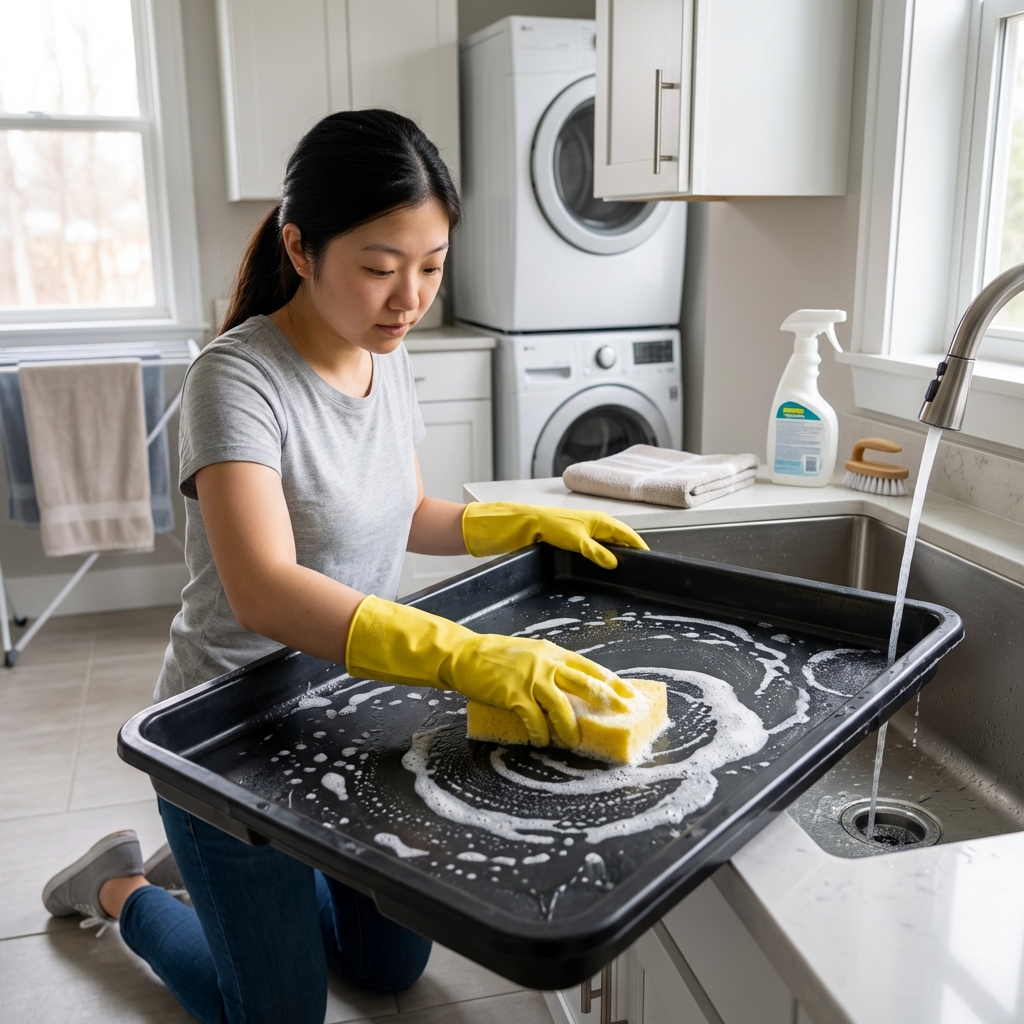
- Clean first to remove organic debris
- Then disinfect kennels, crates, floors, and bowls
- Ask your vet which products and dilution ratios they recommend for your setting. Many clinics use a bleach solution on hard, nonporous surfaces when appropriate and safe for the area, and some recommend heat (steam, boiling water) as an added tool
- Let surfaces dry fully when you can, since drying and sunlight help reduce survival
Step 5: Water and bowl hygiene
- Provide clean water at all times
- Wash bowls daily with hot, soapy water
- Avoid shared bowls with other dogs until cleared
Step 6: Limit high-risk exposure
- Avoid dog parks, daycare, boarding, and communal play until treatment is complete and your vet says it is safe
- Do not allow drinking from puddles or standing water
Yard cleanup reality check
You cannot truly disinfect soil and grass the way you can a kennel floor. Focus on rapid stool pickup, keeping your dog away from any soiled areas, and blocking access to puddles or wet spots where cysts may linger.
How long does Giardia last?
Many dogs start to look better within a few days of starting medication, but that does not always mean the parasite is gone. Without proper treatment and cleanup, Giardia can persist and cycle through reinfection for weeks.
Recheck timing varies by clinic and by household risk. Some veterinarians recheck based on symptoms only, while others recommend routine retesting in higher-risk situations.
Your veterinarian may recommend a recheck stool test about 1 to 2 weeks after finishing treatment, especially if:
- Symptoms persist or return
- You have a puppy or multiple dogs
- Someone in the household is immunocompromised
- Your dog is in a high-risk setting like daycare or boarding
Diet tips during recovery
When the gut is irritated, simple and consistent usually wins. Talk with your veterinarian about the best approach for your dog, but these evidence-based strategies often help support recovery.
- Keep treats minimal while stools are loose
- Choose highly digestible foods if your vet recommends a temporary diet change
- Add fiber only if advised, since too much too soon can worsen gas or urgency
- Transition slowly back to your normal diet after stools normalize
If you feed homemade meals, this is not the time to improvise new ingredients. Keep it steady, avoid rich fats, and work with your vet so your dog stays nutritionally balanced.
When to call your vet
Most Giardia cases are uncomfortable but manageable. However, call your veterinarian promptly if you notice:
- Blood in the stool
- Repeated vomiting
- Signs of dehydration (dry gums, weakness, sunken eyes)
- Puppy diarrhea that lasts more than a day
- Severe lethargy or refusal to eat
- Diarrhea that does not improve with treatment
Prevention
Once you have dealt with Giardia once, you will want to avoid a repeat. Prevention is not perfect, but it is powerful.
- Pick up stool immediately, every time
- Keep fresh water available and avoid shared community bowls
- Discourage drinking from puddles and streams
- Maintain routine fecal testing, especially for puppies and social dogs
- Groom and bathe regularly, especially if your dog has long fur
- Talk with your vet about parasite control plans that fit your dog’s lifestyle
My biggest takeaway as a veterinary assistant: treating Giardia is a two-part plan. Medication treats the parasite in your dog, and cleaning breaks the cycle in your home and yard.
Quick FAQs
Can my dog have Giardia with normal poop?
Yes. Some dogs carry Giardia without obvious symptoms and can still spread it.
Do I need to treat all dogs in the house?
Sometimes. In multi-dog homes, vets may recommend testing or treating housemates depending on symptoms, reinfection risk, and household health factors.
Should an asymptomatic positive be treated?
It depends. Some veterinarians treat to reduce shedding and protect other pets, while others may monitor if your dog is healthy and the household risk is low. This is a great “talk it through” decision with your clinic.
Will Giardia go away on its own?
It can, but it often lingers and spreads. Treatment plus cleanup is usually the fastest, kindest route for your dog and your household.