A practical, vet-informed guide to Giardia in dogs: signs, best fecal tests, common medications, and step-by-step home, yard, and hygiene cleaning to stop re...
Article
•
Designer Mixes
Giardia in Dogs

Shari Shidate
Designer Mixes contributor
As a veterinary assistant here in Frisco, Texas, I can tell you Giardia is one of those “common but miserable” problems. It is very treatable, but it can spread quickly, especially in homes with multiple pets, dog parks, boarding facilities, and puppy environments.
This article is general educational info and is not a substitute for veterinary care. If your dog is very sick or you are worried, call your veterinarian.
Giardia is a microscopic, single-celled parasite that lives in the intestines. Some dogs get very sick, while others look totally fine but still shed the organism and infect other pets. That is why understanding symptoms, transmission, and treatment matters so much.
What Giardia is
Giardia is a protozoan (single-celled) parasite, most often Giardia duodenalis (also called G. intestinalis). It forms hardy cysts that pass in stool and can survive in the environment, especially in cool, damp areas.
Infection happens when a dog swallows these cysts. Once inside the gut, Giardia can interfere with normal digestion and nutrient absorption, which is why diarrhea is so common.
Many dogs show signs within about 1 to 2 weeks after exposure, but timing varies. Some dogs clear it, some become carriers, and some relapse because of reinfection or ongoing exposure in the environment.
Symptoms in dogs
Some dogs have no symptoms at all. Others have digestive upset that can range from mild to intense.
Common signs
- Diarrhea that may be soft, watery, or intermittent
- Mucus in the stool, and sometimes a greasy or shiny look
- Foul-smelling stool (often stronger than typical)
- Gas and tummy gurgling (abdominal sounds)
- Nausea or occasional vomiting
- Decreased appetite
- Weight loss or trouble gaining weight (especially in puppies)
Who tends to get hit harder
- Puppies and young dogs
- Dogs in shelters, daycare, boarding, grooming, or dog parks
- Dogs with weaker immune systems or other intestinal disease
If your dog is lethargic, won’t keep water down, has blood in the stool, or seems dehydrated, contact your veterinarian right away. Diarrhea can become a bigger problem quickly, especially for small dogs and puppies.
How it spreads
Giardia spreads through the fecal-oral route. That means a dog ingests Giardia cysts that came from stool.
Typical ways dogs get infected
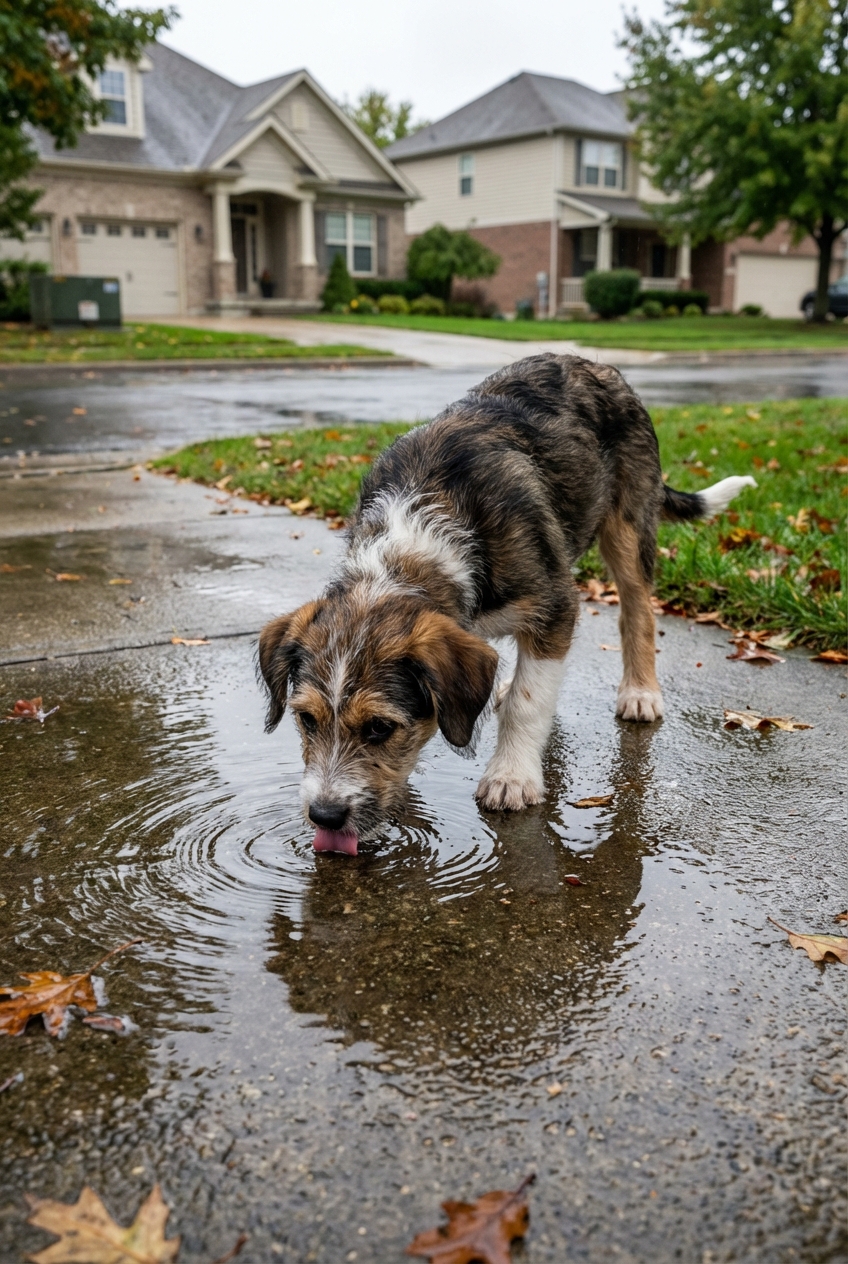
- Drinking contaminated water from puddles, creeks, lakes, or shared water bowls
- Sniffing or licking contaminated ground (yards, kennel runs, dog parks)
- Grooming after cysts get on the fur around the rear end or paws
- Contact with an infected dog or shared environments where infected stool was present
A tricky detail is that Giardia shedding can be intermittent. A dog may test negative on one sample and still have Giardia, which is why vets sometimes recommend repeat testing or a specific type of test.
Can people catch it from dogs?
Giardia can infect humans, but zoonotic transmission from dogs is considered uncommon. Most dogs carry strains (often called assemblages C and D) that prefer dogs, while people more commonly get assemblages A and B. Still, it is possible, especially with poor hygiene or in households with immunocompromised people.
Good hygiene is non-negotiable. Wash hands after picking up stool, cleaning accidents, or bathing a dog with diarrhea. If anyone in the home has a weakened immune system, talk with your veterinarian and your physician about extra precautions.

Diagnosis
Because diarrhea has many causes, testing matters. Your veterinarian may recommend one or more of the following:
- Fecal antigen testing (often an in-clinic snap test that looks for Giardia proteins)
- Fecal flotation with centrifugation (looks for cysts under the microscope)
- Direct smear (may detect active trophozoites, but sensitivity is lower)
- PCR fecal testing (a send-out test that detects Giardia DNA and can be very sensitive)
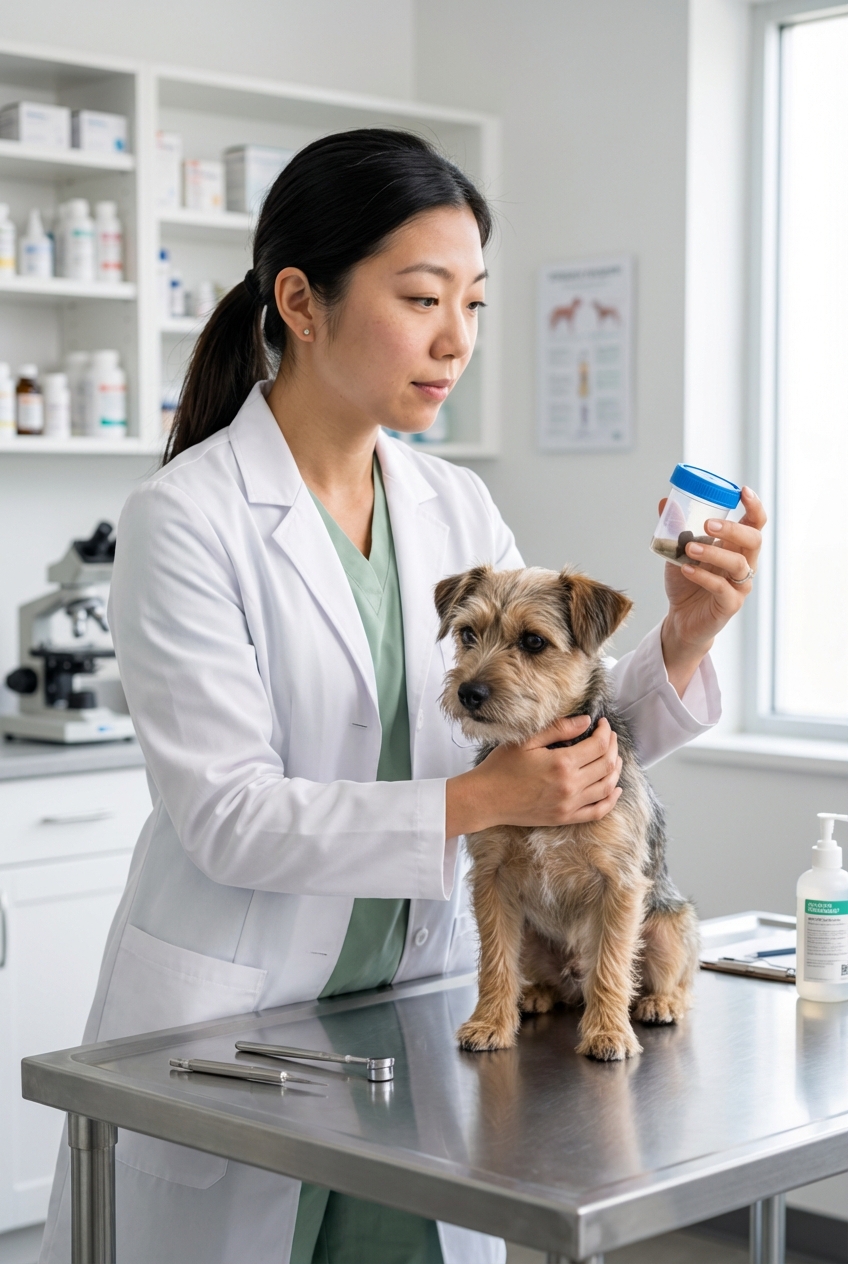
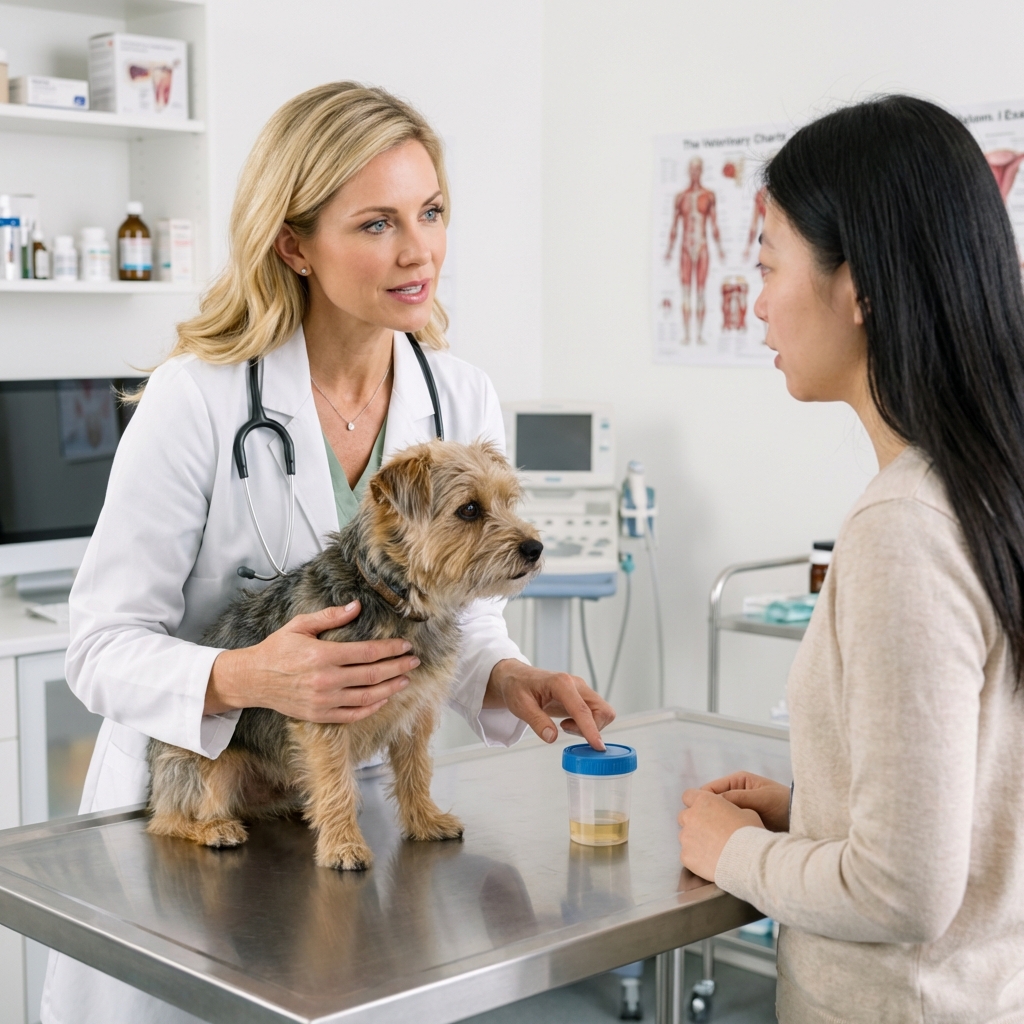
Pro tip from the clinic: bring a fresh stool sample if you can, and follow your vet’s instructions on sample storage and timing. If the first test is negative but Giardia is still strongly suspected, your vet may suggest re-testing over multiple days.
One more nuance that surprises people: some dogs can test positive for Giardia but have diarrhea from another cause. Your vet will interpret results alongside symptoms, exposure history, and other test findings.
Treatment
Giardia is treatable, but reinfection is the big reason some dogs seem to “not get better.” Treatment usually involves medication plus environmental cleanup.
Medications
Your veterinarian will choose the right medication plan for your dog’s age, health, and severity of symptoms. Common options include:
- Fenbendazole (commonly used and often a first-line choice)
- Metronidazole (may be used in some cases, sometimes alongside fenbendazole)
Do not use leftover meds or treat without guidance. Dosing and duration matter. Also, metronidazole can cause side effects in some dogs, including neurologic signs, so your vet will weigh risks and benefits and tell you what to watch for.
Supportive care
- Hydration support if diarrhea is significant
- Highly digestible diet for a short period (your vet can recommend one)
- Probiotics may be suggested to help the gut recover
When dogs improve
Many dogs start improving within a few days of starting the correct therapy, but it varies. If diarrhea continues, your vet may look at a few possibilities, including reinfection from the environment, ongoing exposure (daycare, dog park, shared yards), or another intestinal issue happening at the same time.
Your vet may recommend a recheck stool test after treatment, especially if symptoms persist or your dog is in a higher-risk setting (daycare, boarding, multi-dog home).
Home cleanup
If there is one thing to remember, it is this: meds treat the dog, but cleaning treats the environment. Giardia cysts can linger and cause a frustrating cycle.
Simple steps
- Pick up stool immediately (in your yard and on walks)
- Bathe your dog at the start or end of treatment (ask your vet which is best) to remove cysts from the coat, especially around the rear end
- Wash bedding, blankets, and soft toys in hot water and dry thoroughly
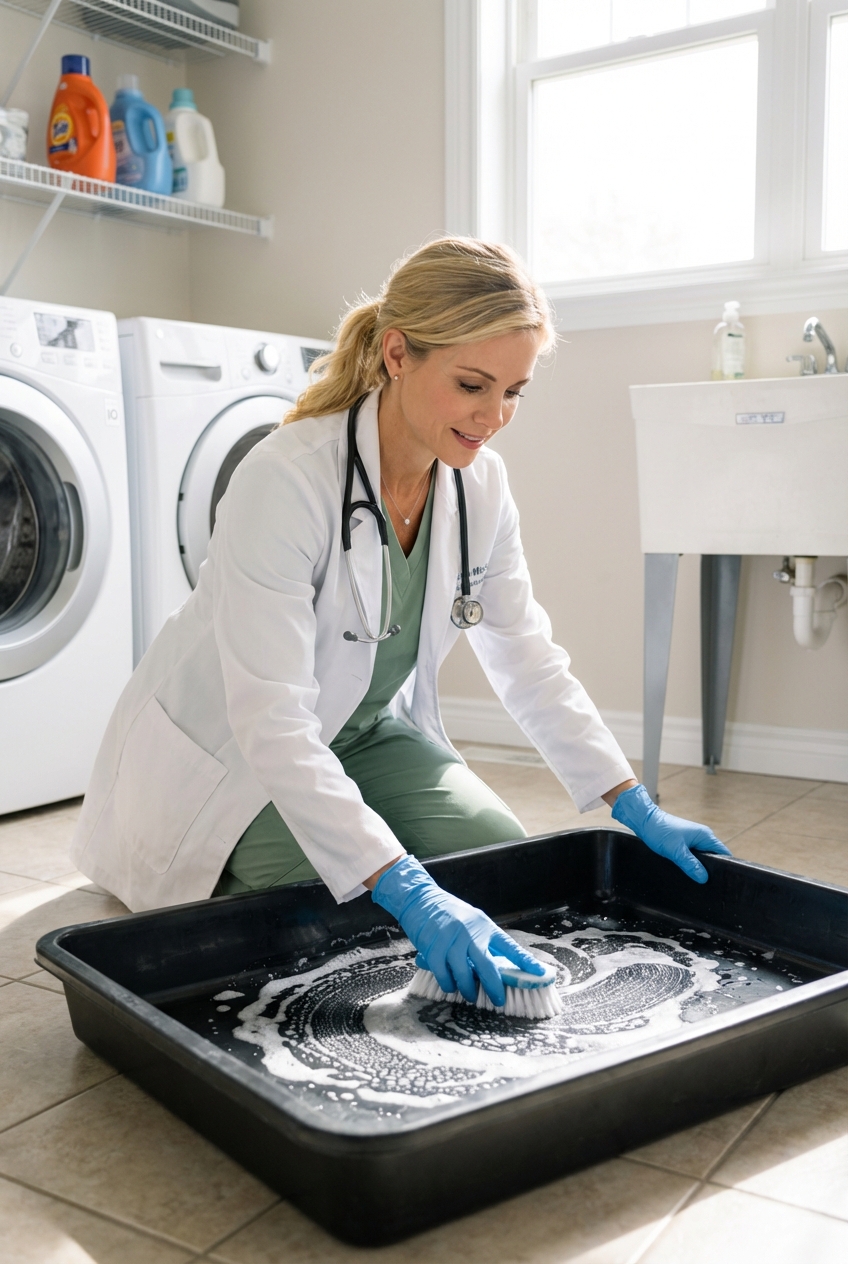
- Clean hard surfaces your dog contacts (crate bottoms, floors) with an appropriate disinfectant
- Wash bowls daily and avoid shared community water bowls during outbreaks
- Keep your dog from drinking outdoor water like puddles, ponds, or creek water
Disinfectants
Not all cleaners kill Giardia cysts. Pre-cleaning (removing visible dirt and stool) plus the right contact time matters. Many clinics use disinfectants labeled for kennel sanitation, and some may recommend diluted bleach for certain hard surfaces when used safely and correctly. Ask your veterinarian which product, dilution, and contact time is appropriate for your home, and always follow label instructions and ventilation guidance.
Puppies and multi-dog homes
Puppies can dehydrate more quickly, and households with multiple dogs can see repeated exposure.
- Ask if all pets should be tested or treated. In some homes, veterinarians recommend treating in-contact dogs, especially if they share potty areas.
- Separate potty areas if possible while treatment is happening.
- Limit dog park and daycare visits until your veterinarian confirms it is safe to return.
What not to do
- Do not send a dog with diarrhea to daycare, boarding, grooming, or dog parks. It spreads illness and increases reinfection risk.
- Do not use OTC anti-diarrheal meds unless your veterinarian tells you to. Some are unsafe for certain dogs or can mask a more serious problem.
- Do not assume one negative test rules it out. Intermittent shedding is real, and your vet may recommend repeat testing.
When to call your vet
Contact your veterinarian if:
- Diarrhea lasts more than 24 to 48 hours
- Your dog is a puppy, senior, toy breed, or has other health problems (earlier is better)
- You see blood in the stool, repeated vomiting, weakness, or signs of dehydration (dry gums, sunken eyes)
- Symptoms return soon after finishing treatment
- There are multiple pets in the home and more than one has symptoms
Most of the time, Giardia is very manageable with the right plan. The key is pairing treatment with cleanup and a little extra vigilance on walks.
Helpful mindset: treat, clean, and prevent reinfection. That three-part approach is what gets most dogs fully back to normal.