A practical, vet-informed guide to Giardia in dogs: signs, best fecal tests, common medications, and step-by-step home, yard, and hygiene cleaning to stop re...
Article
•
Designer Mixes
Giardia Cleanup for Multi Dog Homes

Shari Shidate
Designer Mixes contributor
When one dog in a multi-dog home gets Giardia, it can feel like you are chasing your tail. Giardia cysts can survive in the environment and spread through shared yards, shared floors, shared bowls, and those quick “sniff and lick” moments. The good news is that with a smart cleanup plan and a few temporary routines, most homes can break the cycle.
This guide focuses on practical, evidence-based steps you can do at home alongside your veterinarian’s treatment plan.
What Giardia is and why it spreads
Giardia is an intestinal parasite. Infected dogs shed microscopic cysts in their stool. Those cysts can contaminate paws, fur, floors, bedding, toys, soil, and water bowls. Dogs get infected when they ingest cysts, often by licking contaminated surfaces or grooming themselves.
One helpful reality check: cysts tend to last longer in cool, damp conditions and do not do as well with drying and direct sunlight. That is why moisture control and fast poop pickup matter so much.
Why multi-dog homes are higher risk
- More shared surfaces: crates, pens, couches, rugs, dog doors, patios.
- More shared mouth contact: group water bowls, toy swapping, mutual grooming.
- More poop opportunities: even one missed stool pickup can seed the yard.
Important: Giardia can affect people too. Dog-to-human transmission is considered possible but less common than human-to-human spread or exposure from contaminated water. Still, good hygiene is essential, especially for kids, seniors, and anyone immunocompromised. If anyone in the home has ongoing stomach or diarrhea symptoms, call your doctor.
Your two-part strategy
To truly get ahead of Giardia in a multi-dog home, you need both parts working together:
- Medical treatment: follow your veterinarian’s directions exactly, and ask whether all dogs should be treated at the same time (even if some have no symptoms).
- Environmental cleanup: remove stool fast, disinfect correctly, and prevent reinfection during treatment.
Think of cleanup as “closing the loop.” Treatment lowers shedding, and cleaning lowers exposure so your dogs do not keep re-infecting themselves.
Supplies that help
You do not need fancy products, but you do need consistency.
- Disposable gloves
- Paper towels and regular laundry detergent
- A bleach product (plain, unscented is easiest to dilute) or a vet-recommended disinfectant labeled effective for Giardia
- Spray bottle for diluted disinfectant
- Trash bags that seal
- Enzyme cleaner (helpful for odor and general sanitation, but do not rely on it alone for Giardia)
- Steam cleaner (optional, more for risk reduction than reliable disinfection)
What to look for on labels: use products intended for veterinary or kennel disinfection and follow label directions for “protozoa,” “cysts,” or Giardia specifically when listed. If the label does not mention protozoa or cysts, ask your vet what they prefer for home use.
Safety note: Never mix bleach with ammonia, vinegar, or other cleaners. Use good ventilation and keep pets away until surfaces are dry.
Cleanup timeline
Veterinary Giardia protocols vary. Many courses are 5 to 7 days, sometimes longer, and some dogs need a repeat. The highest-value cleanup happens throughout treatment and for about a week after, especially near the end of meds when you want to prevent immediate reinfection.
Daily priorities
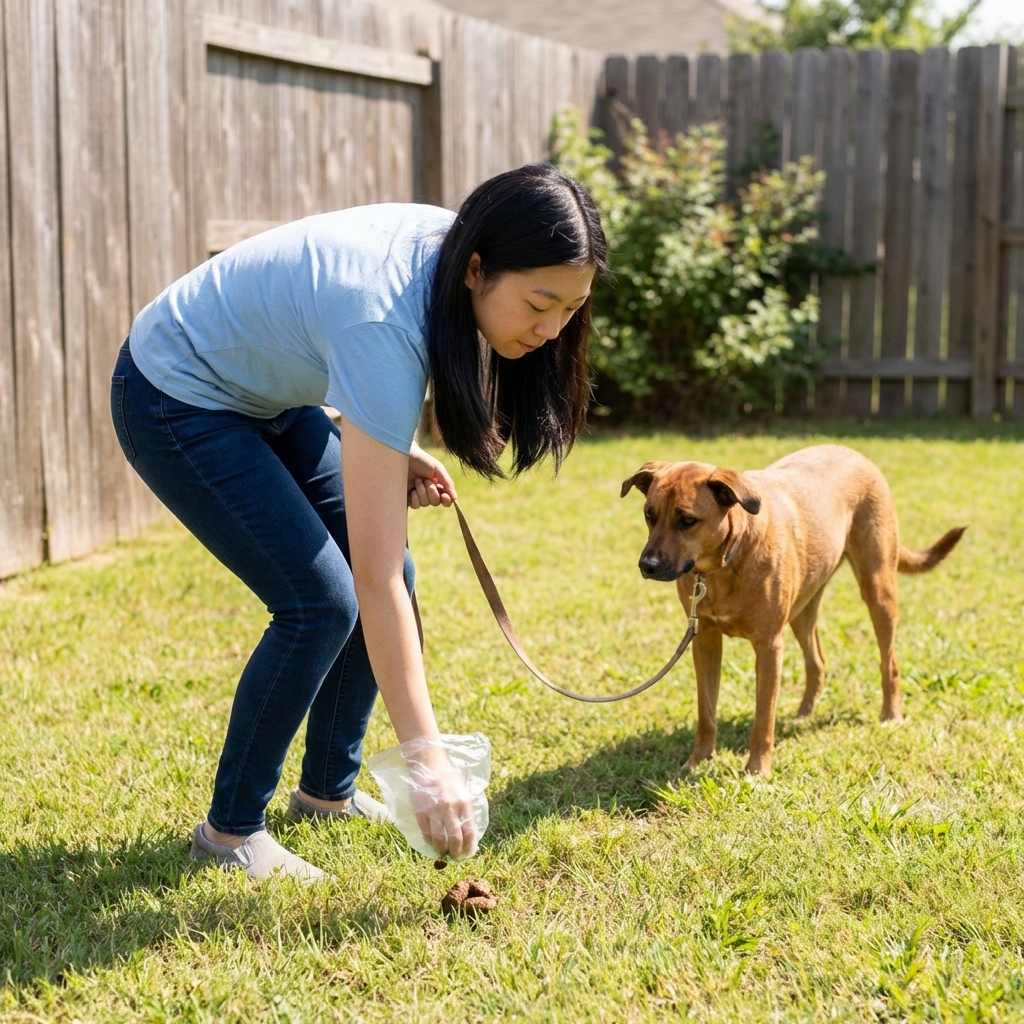
- Pick up stool immediately in the yard. Bag it and place it in an outdoor trash bin.
- Leash-walk potty breaks if possible, using one designated potty area to limit contamination.
- Wash food and water bowls with hot, soapy water daily. If bowls are dishwasher safe, use the dishwasher on a hot cycle.
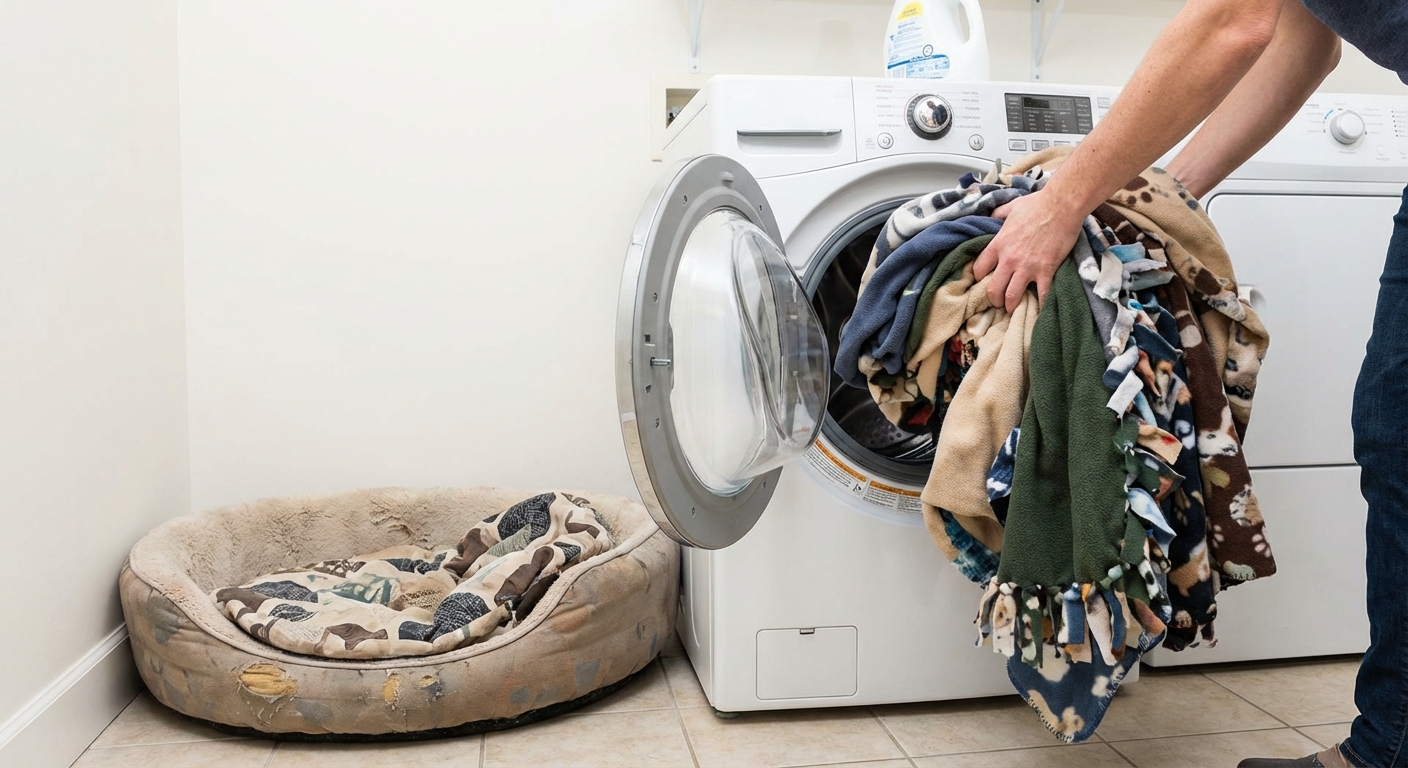
- Wash bedding at least every other day in hot water, then dry on high heat if the fabric allows.
- Wipe paws and rear ends after potty breaks, especially for long-haired dogs. Unscented baby wipes or a damp paper towel works well.
- Toys: wash hard toys daily (hot soapy water or dishwasher if safe). Put away or discard plush and porous toys that cannot be thoroughly washed.
Every 2 to 3 days
- Mop hard floors with a disinfectant effective against Giardia. Pay attention to mudroom areas, around crates, and near doors.
- Wash throw blankets that dogs lay on.
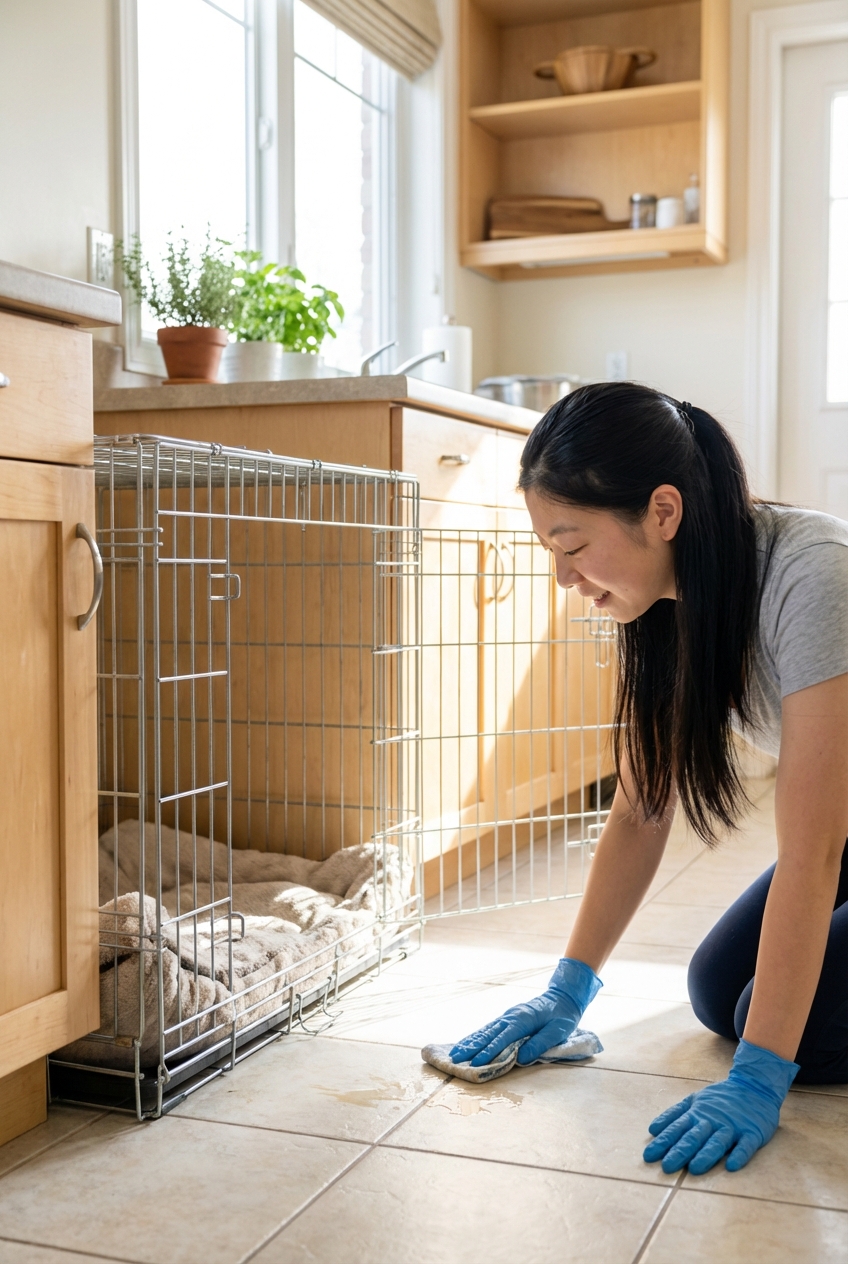
- Clean crates and pens (remove bedding, wash surfaces, disinfect, allow to fully dry).
End-of-treatment deep clean
On the final day of meds or the day after, do a deeper reset so the home environment is as low-risk as possible:
- Wash all bedding, crate pads, and soft items you can launder.
- Disinfect floors and high-touch areas: doorknobs, crate latches, baby gates, dog door flap.
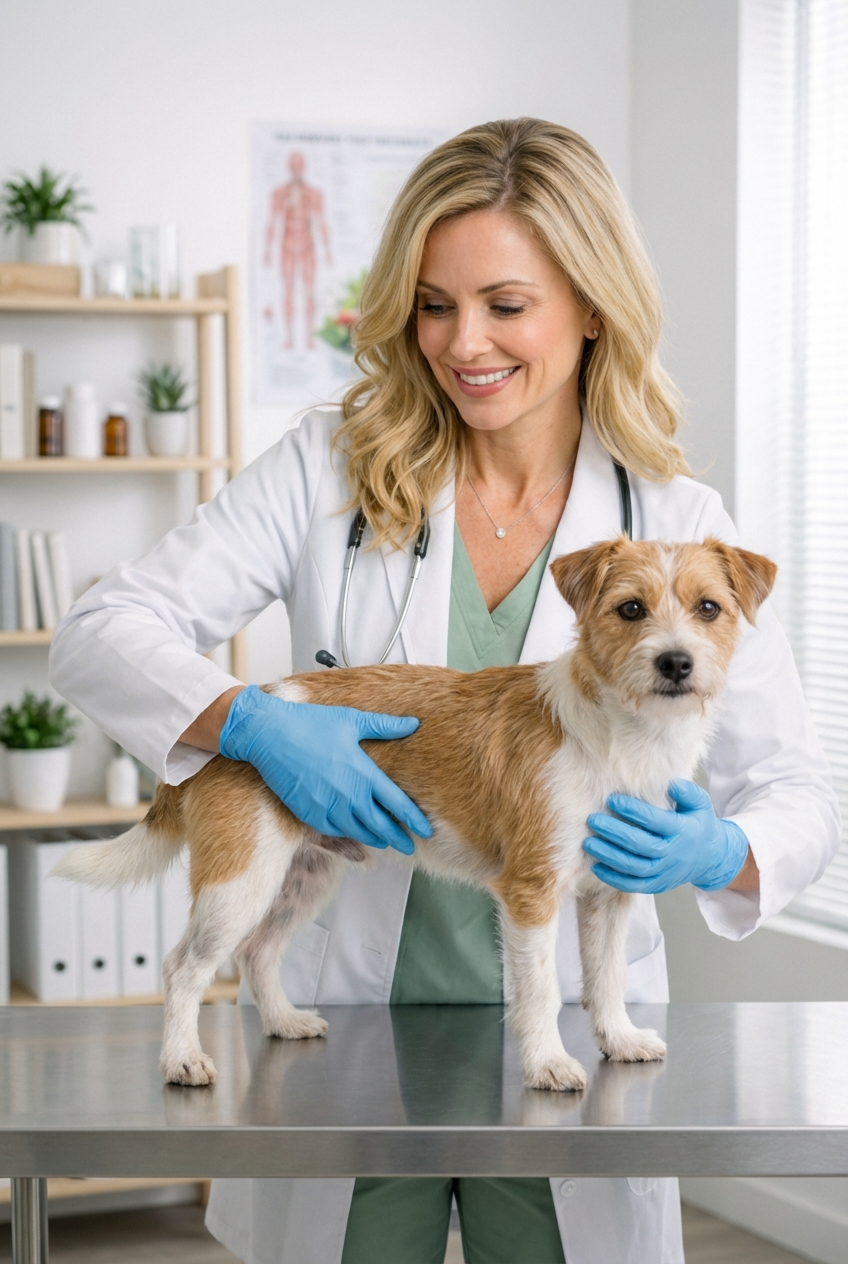
- Bathe dogs or at least wash the rear and paws (ask your vet if they recommend a full bath). This helps remove cysts from fur so dogs do not ingest them while grooming.
Disinfecting basics
Giardia cysts are hardy, and not every cleaner kills them. Bleach is commonly recommended for non-porous surfaces when used correctly, but you must follow safe dilution and contact time.
Bleach on hard surfaces
Use a diluted bleach solution for non-porous surfaces like tile, sealed floors, and some plastics. Always check the product label first, since concentrations vary by brand and country.
- Typical home dilution: Many veterinary and shelter guides cite about 1:32 bleach to water (about 1/2 cup bleach per 1 gallon of water) for routine disinfection of hard, non-porous surfaces. Some situations call for different dilutions. Follow your vet or the label.
- Typical contact time: Often 1 to 5 minutes of keeping the surface visibly wet, but this varies by product. Follow the label.
- Step 1: Clean visible dirt first. Disinfectants work poorly on grime.
- Step 2: Apply disinfectant thoroughly so the surface stays wet.
- Step 3: Let it sit for the contact time on the label.
- Step 4: Rinse surfaces pets will lick, then dry.
Tip: Mix fresh solution daily (or as directed) and store it safely out of reach. If you are not comfortable using bleach, ask your veterinarian which ready-to-use disinfectant they prefer for Giardia in homes and kennels.
Carpet and upholstery
Carpet is tougher because it is porous. Focus on reducing contamination:
- Pick up accidents immediately and clean thoroughly.
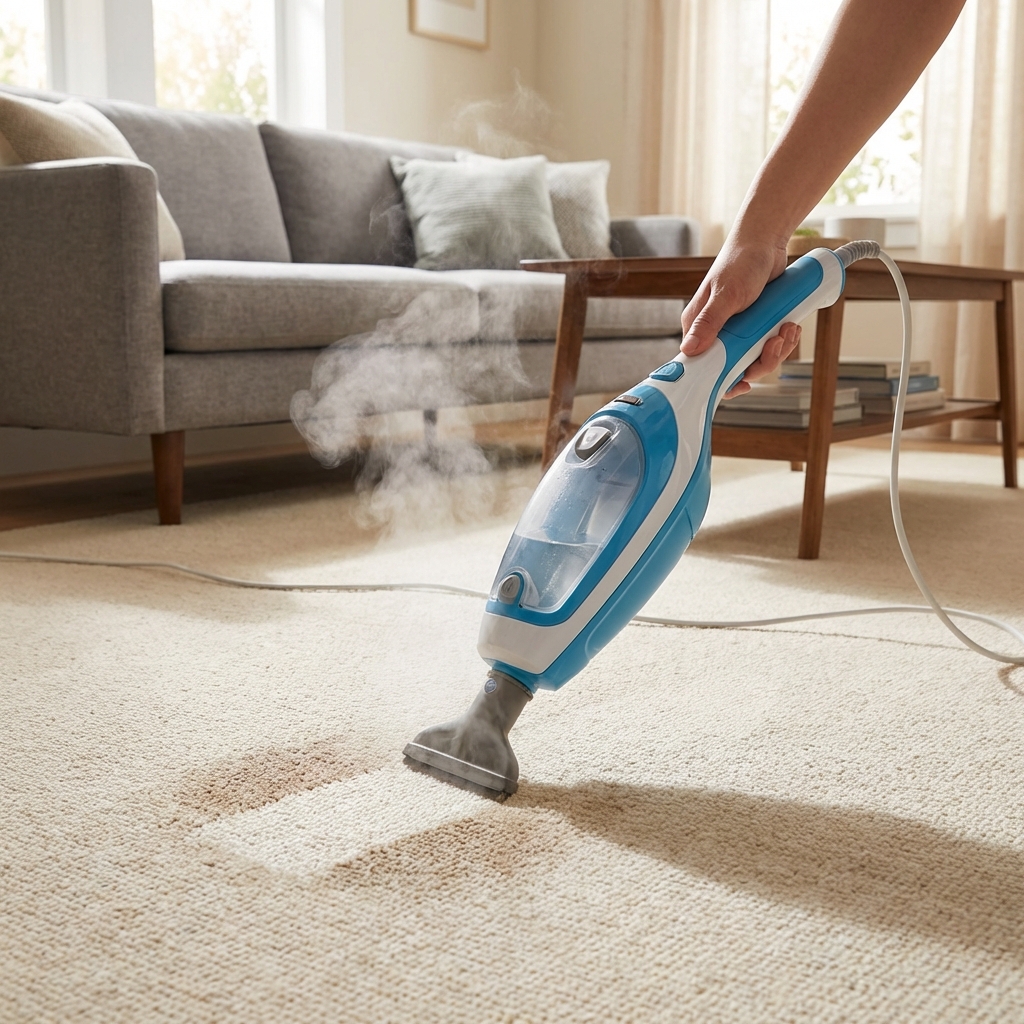
- Steam cleaning can help with overall sanitation and may reduce risk, but many home steamers may not reliably reach or maintain effective temperatures through the full depth of carpet and padding. Do not treat it as guaranteed cyst-killing.
- If a dog has active diarrhea, block off carpeted rooms temporarily if you can.
Yard cleanup
Many recurring cases are yard-related. You cannot realistically sterilize a whole lawn, but you can make the yard much safer.
Do this now
- Scoop poop immediately and every time.
- Keep grass short so stool is easier to spot and remove.
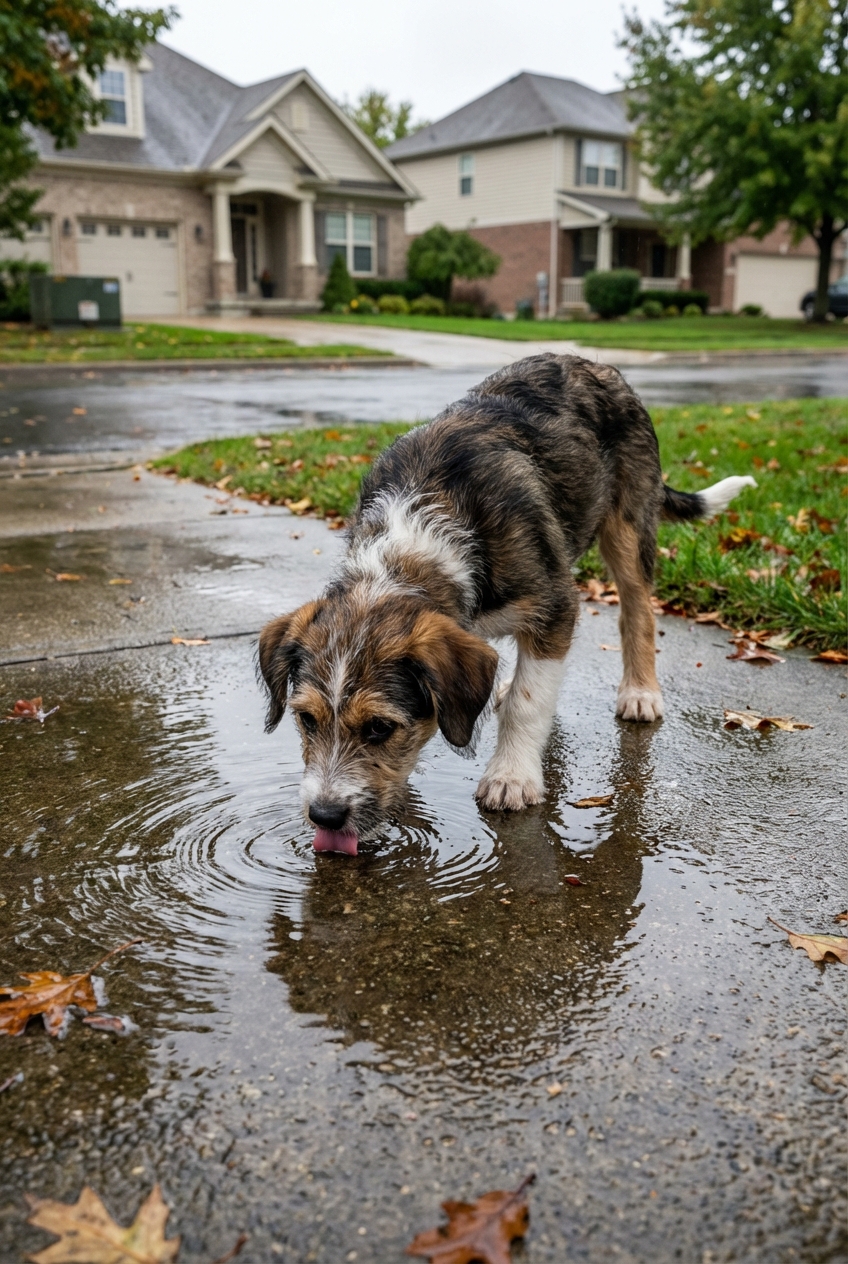
- Prevent puddles and standing water. Giardia thrives with moisture.
- Use a designated potty zone during treatment.
- Limit “dirty drinking”: block access to puddles, drainage areas, and kiddie pools that are shared or hard to sanitize.
About spraying disinfectant outside
Outdoor disinfection is challenging. Many products are not practical for lawns and can be unsafe for plants and pets. Your best tools are stool removal, drying, sun exposure, and limiting access to contaminated areas.
Multiple dogs during treatment
Do you need to separate dogs?
If you can, separation helps reduce exposure, especially if one dog has diarrhea. But in real homes, complete separation can be stressful and unrealistic. A middle-ground approach often works well:
- Give each dog their own water bowl and wash daily.
- Limit toy sharing. Use washable toys only for now.
- Feed separately if dogs tend to swap bowls or lick each other’s faces.
- Supervise outdoor time so you can pick up stool right away.
Bathing and grooming
- Trim long hair around the rear if your groomer or vet can help. Less mess means less risk.
- Clean paws and rear end after potty breaks.
- Consider a full bath near the end of treatment, especially for fluffy coats.
High risk situations
Giardia is especially good at spreading when dogs share spaces and water sources. Be extra careful during and shortly after treatment if your dog is:
- A puppy, senior, or immunocompromised
- Going to daycare, boarding, grooming, training classes, or dog parks
- Drinking from streams, ponds, puddles, or shared outdoor bowls
If possible, skip communal dog activities until your vet clears your dog.
Human hygiene
This is not about fear. It is about breaking the cycle.
- Wash hands after picking up stool, cleaning surfaces, or handling soiled laundry.
- Do not let dogs lick faces during treatment and cleanup week.
- Keep toddlers away from dog potty areas.
- Clean and disinfect the bathroom if you bathe dogs there.
Re-testing and vet follow-up
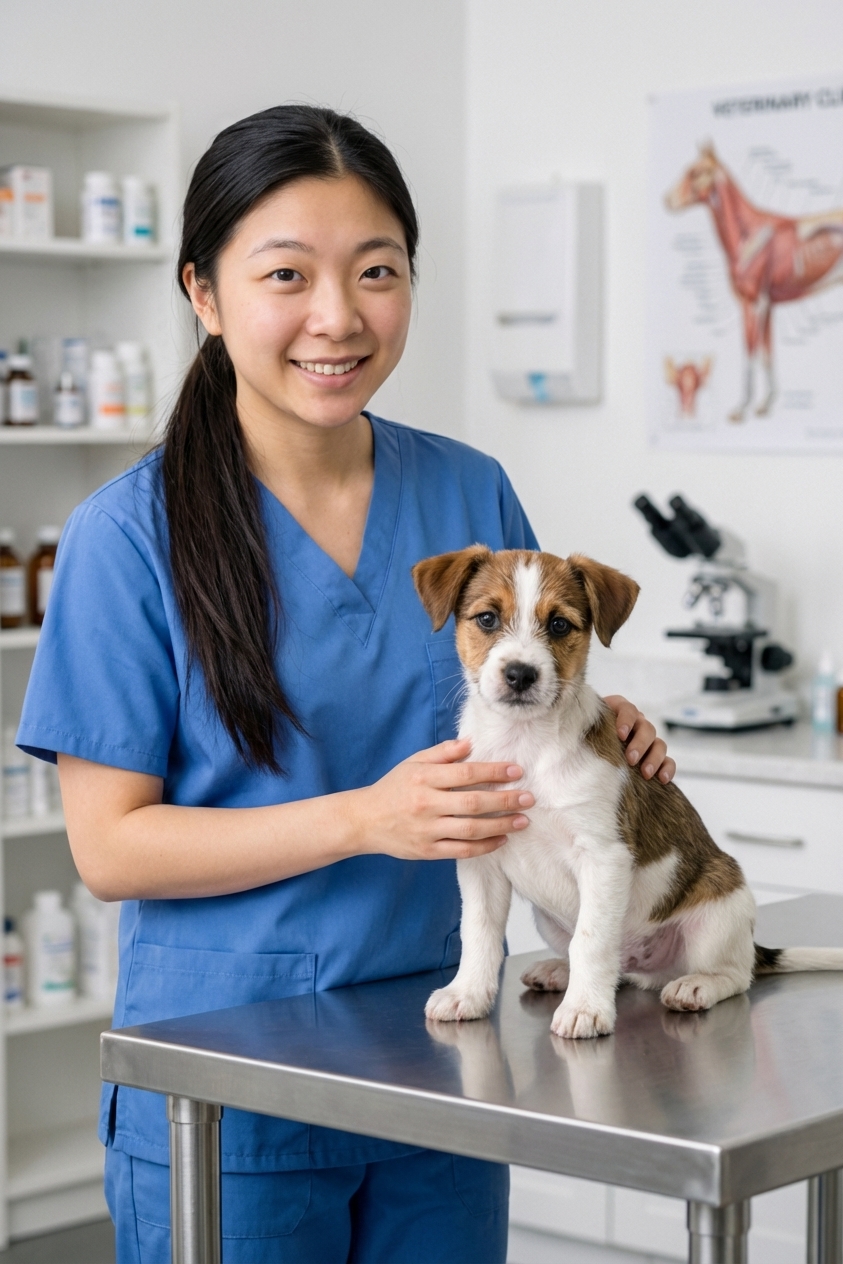
Ask your veterinarian whether they want a recheck fecal test, and when. Timing and test type matter. Some dogs can have lingering positive results depending on the test used and how recently treatment ended, even as stools improve. In multi-dog homes, re-testing can be very helpful when infections keep recurring.
Call your vet if you see
- Persistent diarrhea beyond the expected treatment window
- Blood in stool, vomiting, lethargy, dehydration, or weight loss
- Puppies or seniors getting worse quickly
- Repeated positives despite careful cleanup
Printable checklist
If you only do a few things, do these:
- Pick up poop immediately, every time.
- Wash bedding frequently on hot cycles and dry thoroughly.
- Wash bowls daily and give each dog their own water bowl.
- Wipe paws and rear ends after potty.
- Deep clean and bathe dogs at the end of treatment.
You are not failing if this takes a couple of rounds to fully resolve. Giardia is common, stubborn, and very beatable with consistency.