Make your puppy’s first night home smoother with a calm bedtime routine, crate setup tips, realistic potty-break timing, feeding guidance, and puppy-proofi...
Article
•
Designer Mixes
Getting a Puppy Care Guide

Shari Shidate
Designer Mixes contributor
Bringing home a puppy is equal parts joy and responsibility. As a veterinary assistant in Frisco, Texas, I have seen how a few smart choices early on can prevent many of the common “new puppy” problems later: tummy trouble, chewing disasters, fearfulness, and preventable illnesses. This guide walks you through the essentials in a calm, doable way so you can enjoy your puppy while building healthy habits from day one.
Before you bring your puppy home
Puppy-proof your space
Puppies explore with their mouths. Do a quick “baby crawl” at puppy height and remove hazards, especially anything on low shelves or dangling within reach.
- Pick up cords, socks, hair ties, kids’ toys, and anything swallowable.
- Secure trash cans and laundry hampers.
- Block off stairs and unsafe rooms with baby gates.
- Put household cleaners and medications behind closed doors.
- Check for common toxins and move them out of reach: xylitol (gum), chocolate, grapes and raisins, alcohol, nicotine, and toxic plants (like sago palm and lilies).
Set up a comfort zone
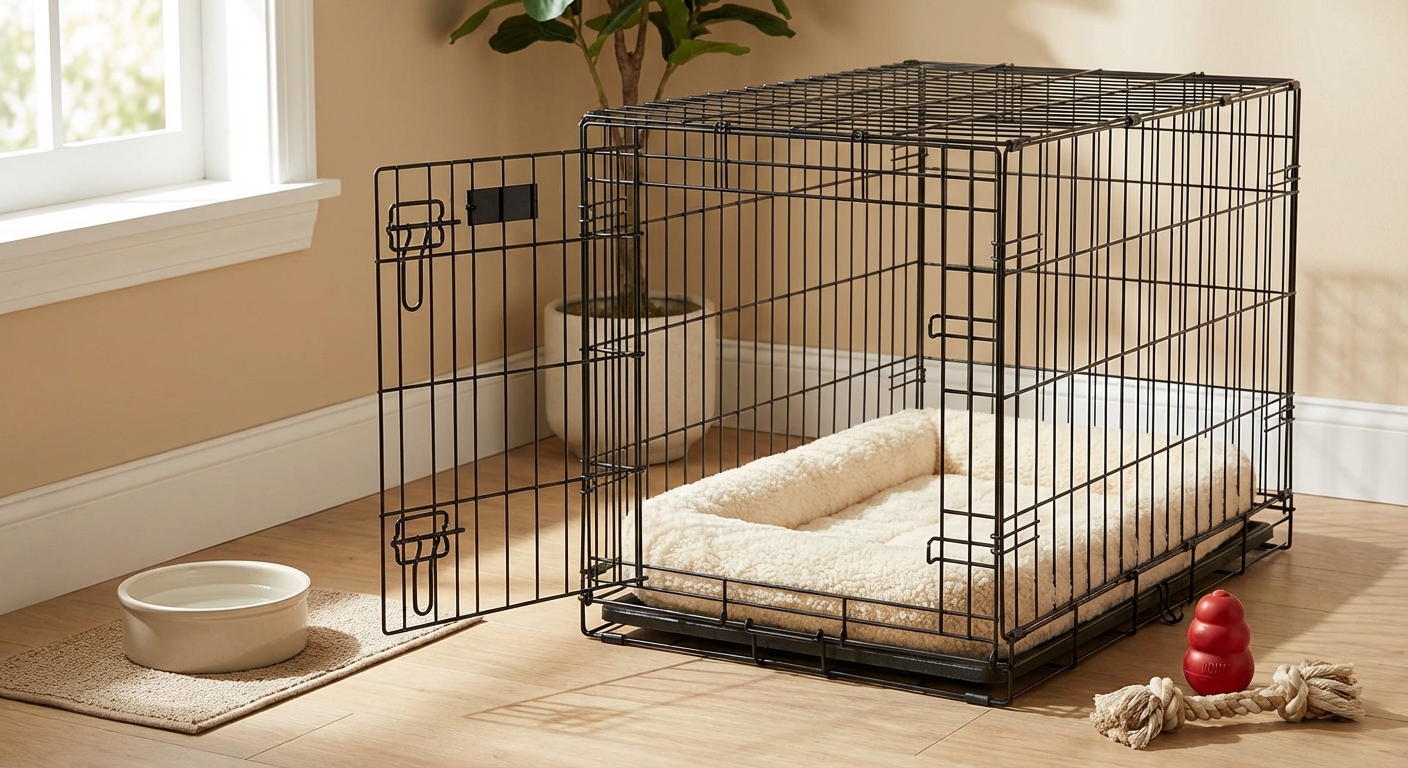
Create one quiet area that stays consistent. This helps your puppy settle and makes housetraining easier.
- Crate sized so they can stand, turn, and lie down comfortably.
- Washable bedding and a light blanket (skip anything they can easily shred).
- Water bowl that is sturdy and tip-resistant.
- Chew toys (a mix of soft and durable).
Your first 72 hours at home
Keep it simple
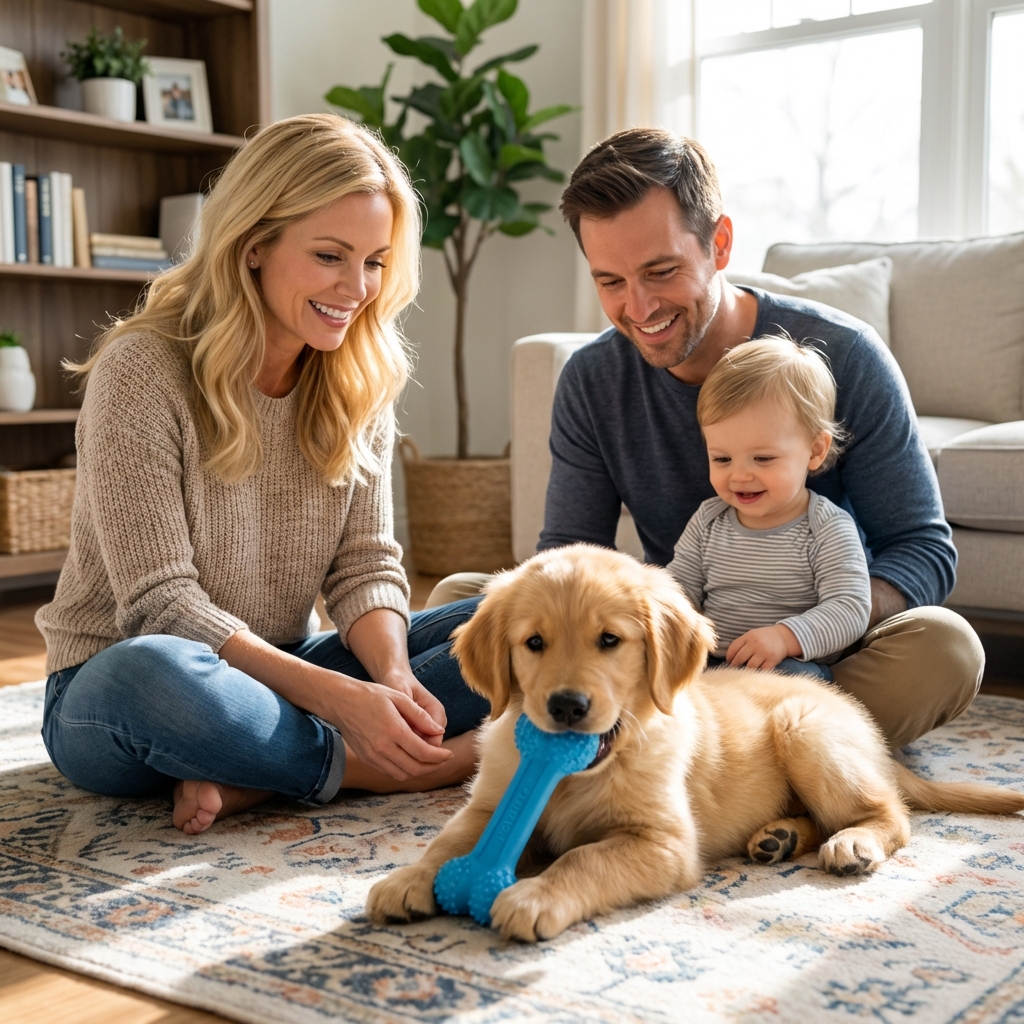
Your puppy just experienced a major change. For the first few days, focus on three things: safety, routine, and calm bonding.
- Limit visitors and exciting outings at first.
- Start a predictable schedule for meals, potty breaks, naps, and play.
- Use a cheerful voice and reward the behaviors you want to see again.
Start a potty routine right away
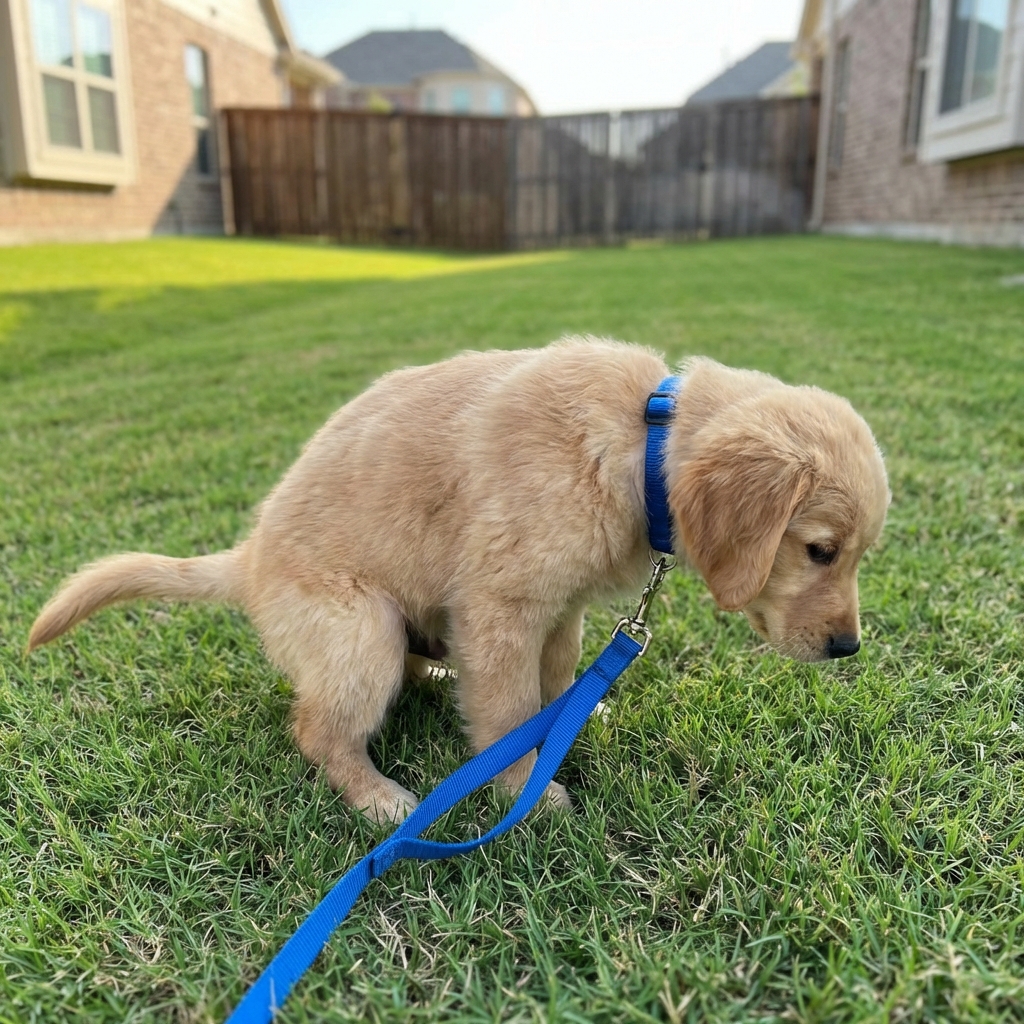
Most accidents happen because humans waited too long. Take your puppy out:
- First thing in the morning
- After every meal
- After naps
- After play sessions
- Right before bed
- Any time they sniff, circle, or suddenly wander away
When they potty outside, praise immediately and offer a small treat within 1 to 2 seconds. If they have an accident inside, clean with an enzymatic cleaner and move on. Harsh punishment can teach fear and can slow housetraining.
Vet care
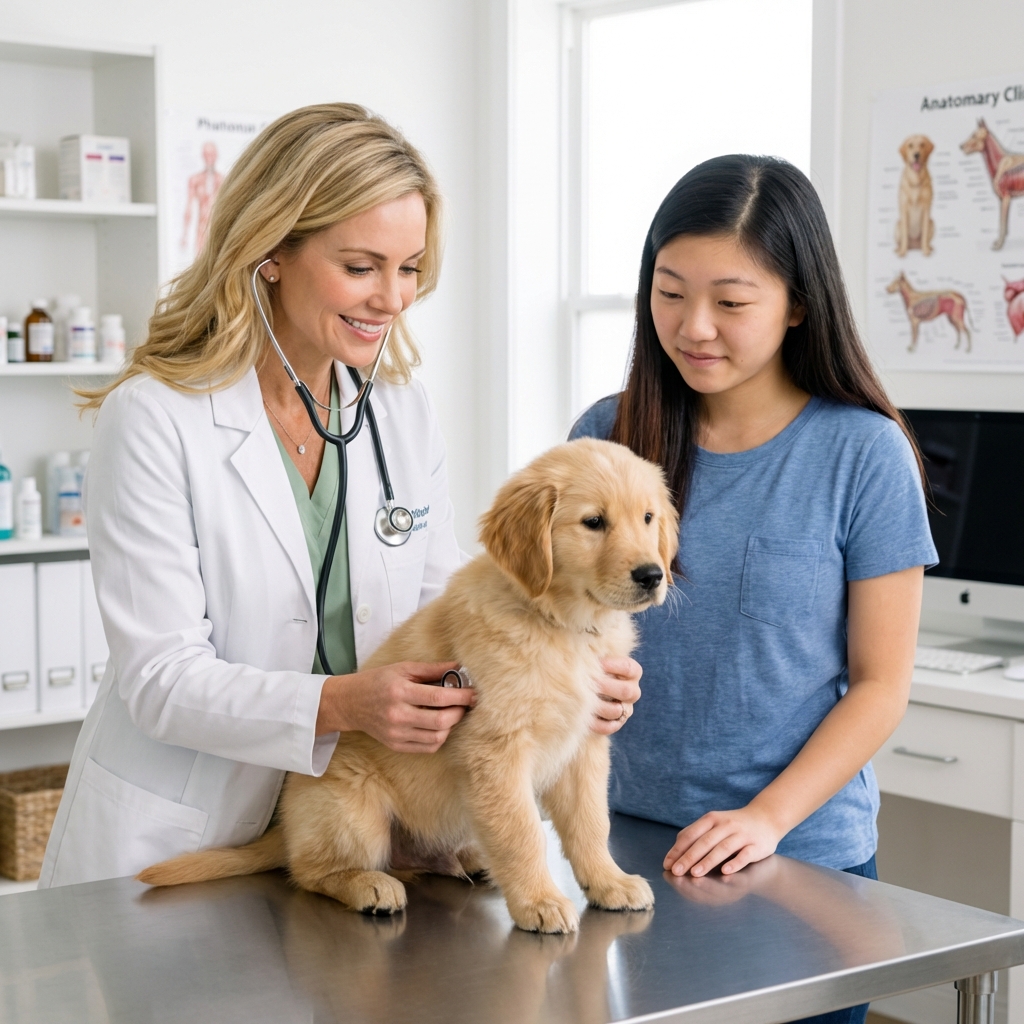
Plan a veterinary visit within the first week, even if the breeder or rescue already saw a vet. This appointment is your baseline wellness check and a chance to customize your puppy’s prevention plan.
Vaccines
Core puppy vaccines generally include distemper, parvovirus, and adenovirus, often in a combination like DHPP or DAPP (many combos also include parainfluenza). Rabies is required by law in most U.S. jurisdictions, but requirements vary by location and age, so check your local rules and your veterinarian’s schedule. Until your veterinarian says your puppy’s parvo protection is complete (often after the final booster), avoid high-traffic dog areas like dog parks and shared apartment potty spots where risk can be higher.
Parasite prevention
- Fleas and ticks: Ask what is best for your area and your puppy’s age and weight.
- Heartworm: In Texas, year-round prevention is strongly recommended. Mosquitoes do not take seasons off the way we wish they would.
- Intestinal parasites: Puppies commonly have roundworms, hookworms, or giardia. Bring a fresh stool sample to the first visit if you can.
Microchip and ID
If your puppy is not already microchipped, ask about it at your first appointment. A microchip is not a GPS, but it is one of the best ways to get a lost pet home. Make sure your contact info stays updated, and use an ID tag on the collar or harness.
Spay or neuter planning
This is not one-size-fits-all. Breed, size, and health history matter. Your veterinarian can guide you on timing that supports long-term joint and behavioral health.
Nutrition and feeding basics
Choose a puppy diet
Puppies need calorie-dense food with the right balance of protein, fat, vitamins, and minerals for growth. Use a food labeled for growth or all life stages, and look for an AAFCO statement indicating it is complete and balanced for growth. Large-breed puppies often benefit from large-breed puppy formulas that help manage growth rate and support developing joints. If you are considering grain-free, talk with your veterinarian first unless there is a clear medical reason.
Transition food slowly
Sudden food changes are a top cause of diarrhea in new puppies. If you are switching foods, take 7 to 10 days:
- Days 1 to 3: 25% new, 75% old
- Days 4 to 6: 50% new, 50% old
- Days 7 to 9: 75% new, 25% old
- Day 10+: 100% new
How often to feed
- 8 to 12 weeks: usually 3 to 4 meals per day
- 3 to 6 months: usually 3 meals per day
- 6+ months: many pups do well on 2 meals per day
Your veterinarian can adjust based on your puppy’s body condition and breed. Treats are fine, but keep them to about 10% of daily calories so your puppy’s main diet stays balanced.
Water and safe chews
Fresh water should always be available. For chews, choose puppy-safe options and supervise. Avoid items that splinter easily or are hard enough to crack teeth.
Sleep and crate training
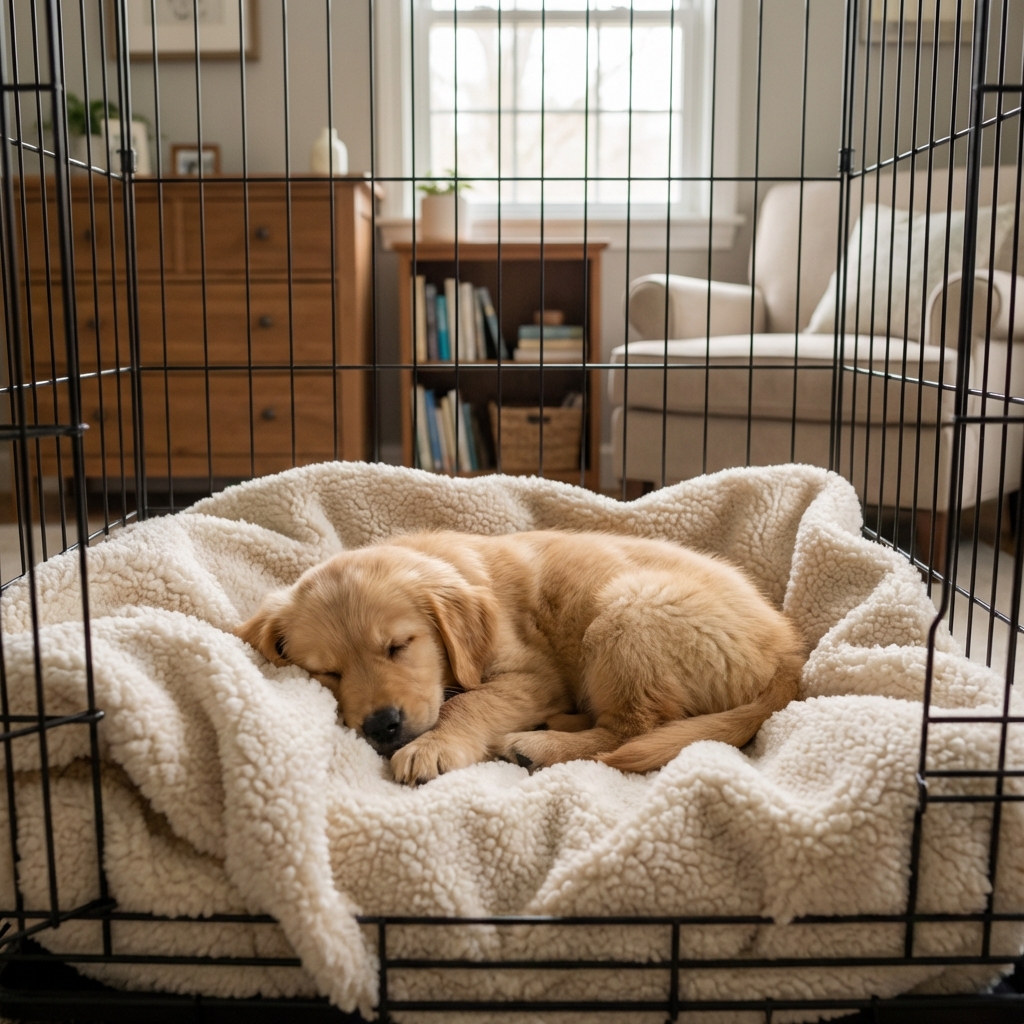
Puppies need a lot of sleep, often 18 to 20 hours per day depending on age and personality. A tired puppy can look like a “wild” puppy, so naps are part of training.
Crate training
- Feed meals near or in the crate to build positive associations.
- Give a special chew that only happens in the crate.
- Start with short periods and gradually increase.
- Take puppies out to potty right after crate time.
The goal is for the crate to feel like a safe bedroom, not a punishment.
Training for real life
Start with a few skills
You do not need to teach everything at once. Start with these foundation behaviors:
- Name response: say their name, reward eye contact.
- Sit: useful for greetings and impulse control.
- Come: practice indoors with happy rewards.
- Leave it: helps prevent swallowing dangerous items.
- Handling: gentle practice touching paws, ears, and mouth with treats.
Chewing and management
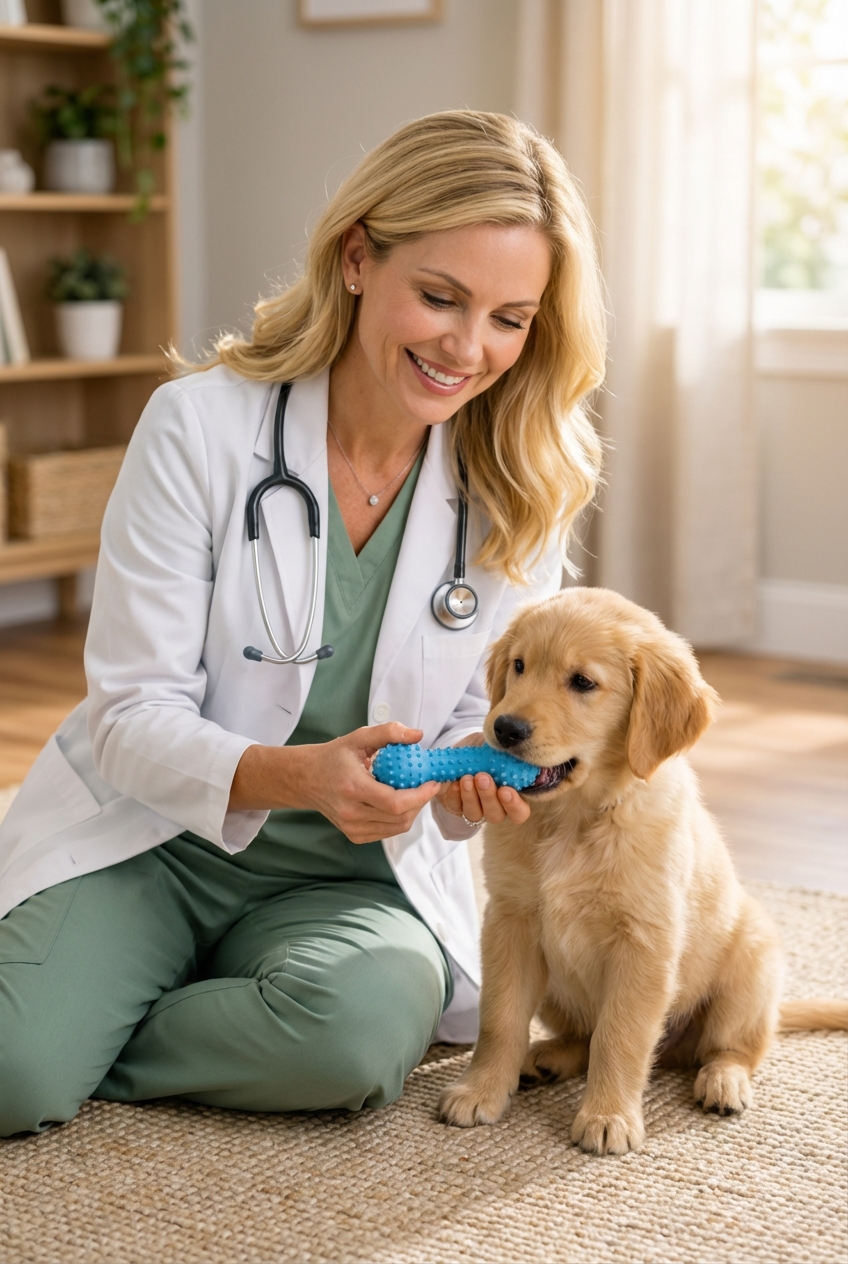
Puppies are going to chew. The fastest way to reduce damage is to prevent rehearsal. If you cannot supervise, use the crate, a pen, or a gated puppy-safe area, and keep legal chew options within reach.
What to do about biting
Puppy mouthing is normal, especially during teething. You can guide it without scolding:
- Redirect to a chew toy.
- If teeth touch skin, calmly end play for a few seconds, then resume.
- Offer more nap breaks. Overtired puppies bite more.
Classes and tools
A well-run, reward-based puppy class can make your life easier and help your puppy build confidence. For young puppies, avoid aversive tools and techniques that rely on pain, fear, or intimidation. They can create bigger behavior problems later.
Socialization
Socialization is not just meeting dogs. It is helping your puppy feel safe around new people, places, sounds, surfaces, and handling. The key is positive, controlled exposure, not overwhelm.
- Pair new experiences with treats and praise.
- Keep sessions short and end on a good note.
- Avoid forcing your puppy to be held by strangers or rushed by unfamiliar dogs.
- Socialization does not have to mean dog-dog play. Watching the world from a safe distance still counts.
- Until your vet gives the go-ahead for higher-risk areas, use safer options like a clean puppy class, a friend’s vaccinated dog in a private yard, or carrying your puppy in public places.
A confident puppy grows into a calmer adult dog. This is one of the best long-term gifts you can give.
Grooming and home care
Brush and handle early
Even short-coated pups benefit from gentle brushing and body handling practice. Make it a treat-filled, 2-minute routine a few times a week.
Nails, ears, and teeth
- Nails: trim tiny amounts often rather than big trims rarely.
- Ears: only clean if your vet recommends it, and use a pet-safe ear cleaner.
- Teeth: start with finger brushing and puppy-safe toothpaste. Dental disease starts early, and prevention is easier than treatment.
One Texas note
In warm months, watch out for hot pavement (if you cannot hold your hand on it comfortably for several seconds, it is too hot). After walks, do a quick paw and coat check for stickers, burrs, and ticks.
When to call the vet
Puppies can go downhill faster than adult dogs, especially with vomiting or diarrhea. Trust your instincts. Call your veterinarian if you notice:
- Repeated vomiting, diarrhea, or blood in stool
- Refusing food for more than a meal or acting unusually tired
- Coughing, labored breathing, or severe nasal discharge
- Swollen belly, repeated gagging, or suspected foreign body ingestion
- Itching with hair loss, scabs, or ear odor and head shaking
When to go to urgent care
Seek same-day urgent or emergency care if your puppy has trouble breathing, collapses, has pale gums, cannot keep water down, may have eaten a toxin (like xylitol, medication, or certain plants), or shows possible bloat signs (a suddenly swollen belly with repeated unproductive retching). If your puppy is very young, very small, or not fully vaccinated, it is usually better to call sooner rather than later.
Your puppy supply checklist
- Crate and baby gates
- Food and water bowls
- Puppy food and training treats
- Collar or harness, ID tag, leash
- Microchip (or a plan to microchip) and updated contact info
- Enzymatic cleaner for accidents
- Chew toys and puzzle toys
- Brush and nail trimmers (or grinder)
- Poop bags
- Approved flea, tick, and heartworm prevention from your veterinarian
A steady start helps
You do not need to be perfect to raise a healthy, happy dog. Start with routine, gentle training, good veterinary prevention, and a diet that supports growth. Take a breath, take lots of photos, and remember that most puppy phases pass quickly when you stay consistent.
When in doubt, go slower, keep it positive, and ask your veterinarian. Small steps done consistently add up to a confident adult dog.