Cat urine odor lingers because of uric acid residue. Learn vet-approved enzymatic cleaning steps for carpet, floors, wood, and fabrics—plus how to stop rep...
Article
•
Designer Mixes
Get Rid of Cat Pee Smell

Shari Shidate
Designer Mixes contributor
Cat urine odor can feel impossible to eliminate, especially once it soaks into carpet pad, wood subfloor, or upholstery. The good news is there is a reliable method that is widely recommended by veterinarians and pet behavior pros to remove both the smell and the scent cue that tells your cat, “This is the bathroom.” This guide walks you through what to do today, how to clean correctly (without making it worse), and how to stop repeat accidents by addressing behavior and health.
Why cat pee smell is so persistent
Cat urine is concentrated. As it dries, it leaves behind uric acid crystals and other compounds that can re-activate with humidity or heat. That is why a room can smell fine for weeks, then suddenly stink again on a rainy day.
To truly remove the odor, you have to remove what is left behind, not just cover it with fragrance.
- Fresh urine is mostly water and urea.
- As it dries, bacteria can break urea down into ammonia-like odor.
- Uric acid crystals can cling to fibers and porous surfaces until chemically broken down.
First things first: find every spot
If you only treat the one spot you can smell, you might miss older accidents that keep calling your cat back.
How to detect hidden urine
- Use your nose strategically: close windows, turn off fans, and sniff at floor level.
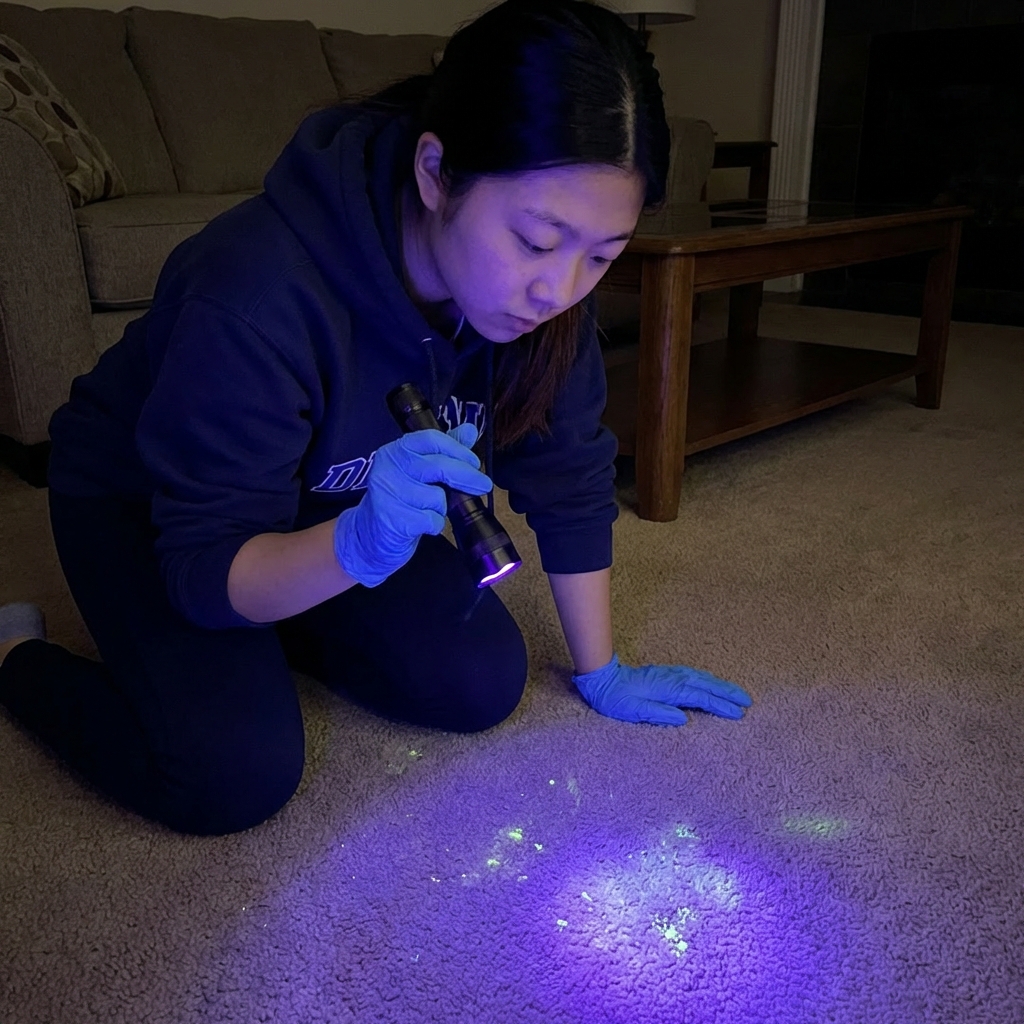
- Use a blacklight: check at night or in a darkened room. Look along baseboards, doorways, laundry piles, rugs, and cat beds.
- Watch for false positives: detergent residue, some fabrics, and other stains can also fluoresce. Confirm with location patterns and a careful sniff test once the room is aired out.
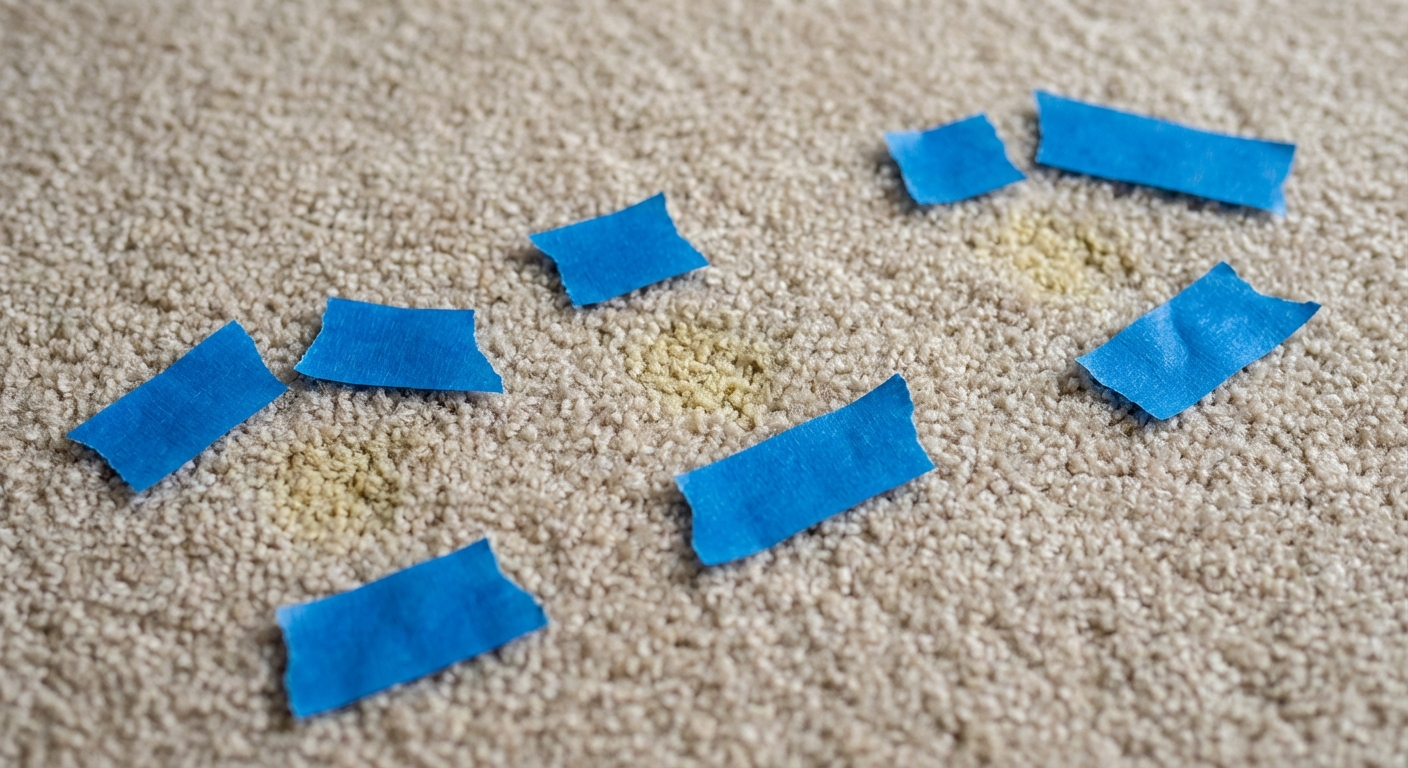
- Mark spots: painter’s tape or sticky notes help you treat everything in one cleaning session.
What not to do
- Do not use ammonia-based cleaners. Ammonia can smell urine-like to cats and can increase interest in re-marking.
- Avoid steam cleaners on urine. Heat and moisture can drive urine compounds deeper and make lingering odor harder to remove.
- Do not rely on vinegar alone. Vinegar can reduce odor short-term, but it often does not break down uric acid crystals fully.
- Skip heavy fragrance sprays. They mask smell to humans while your cat may still detect the urine cue.
Best way to remove cat urine smell
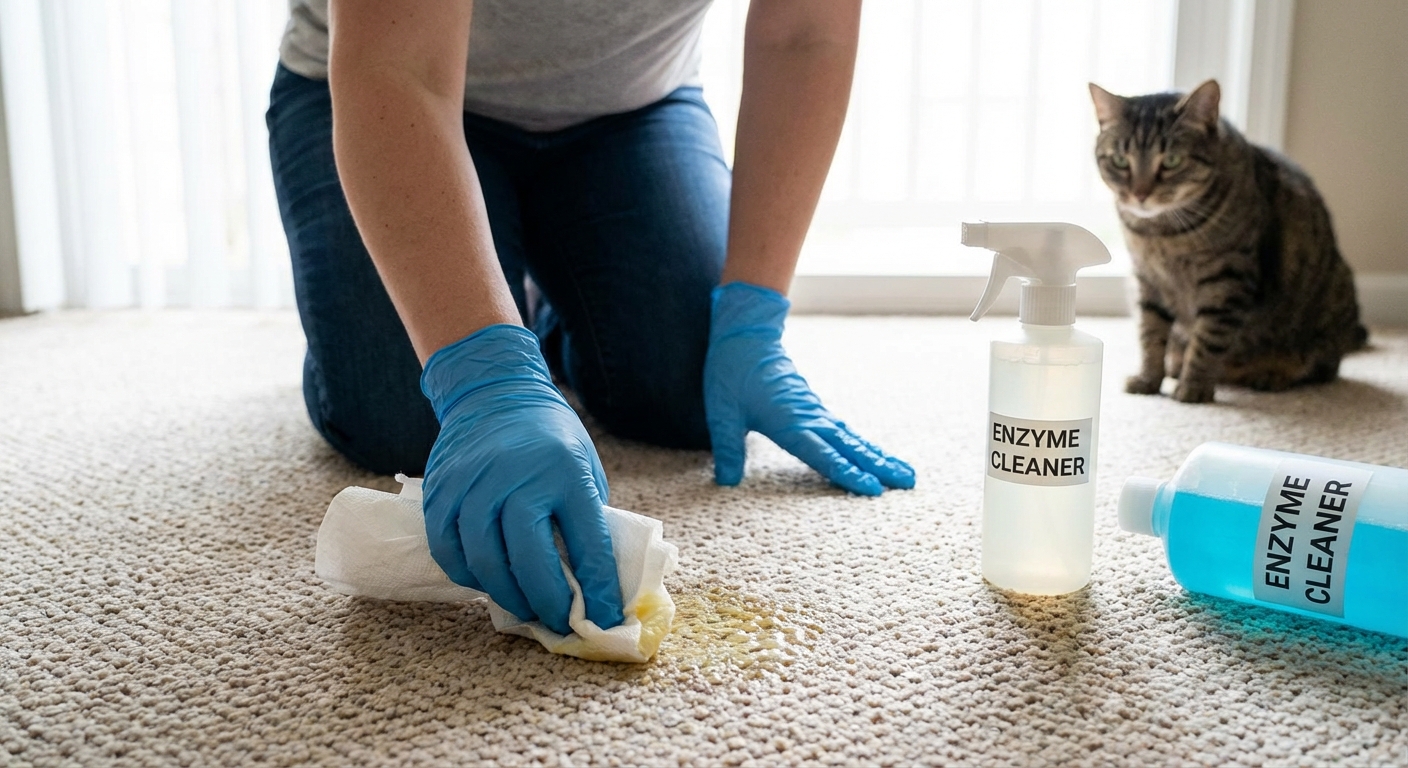
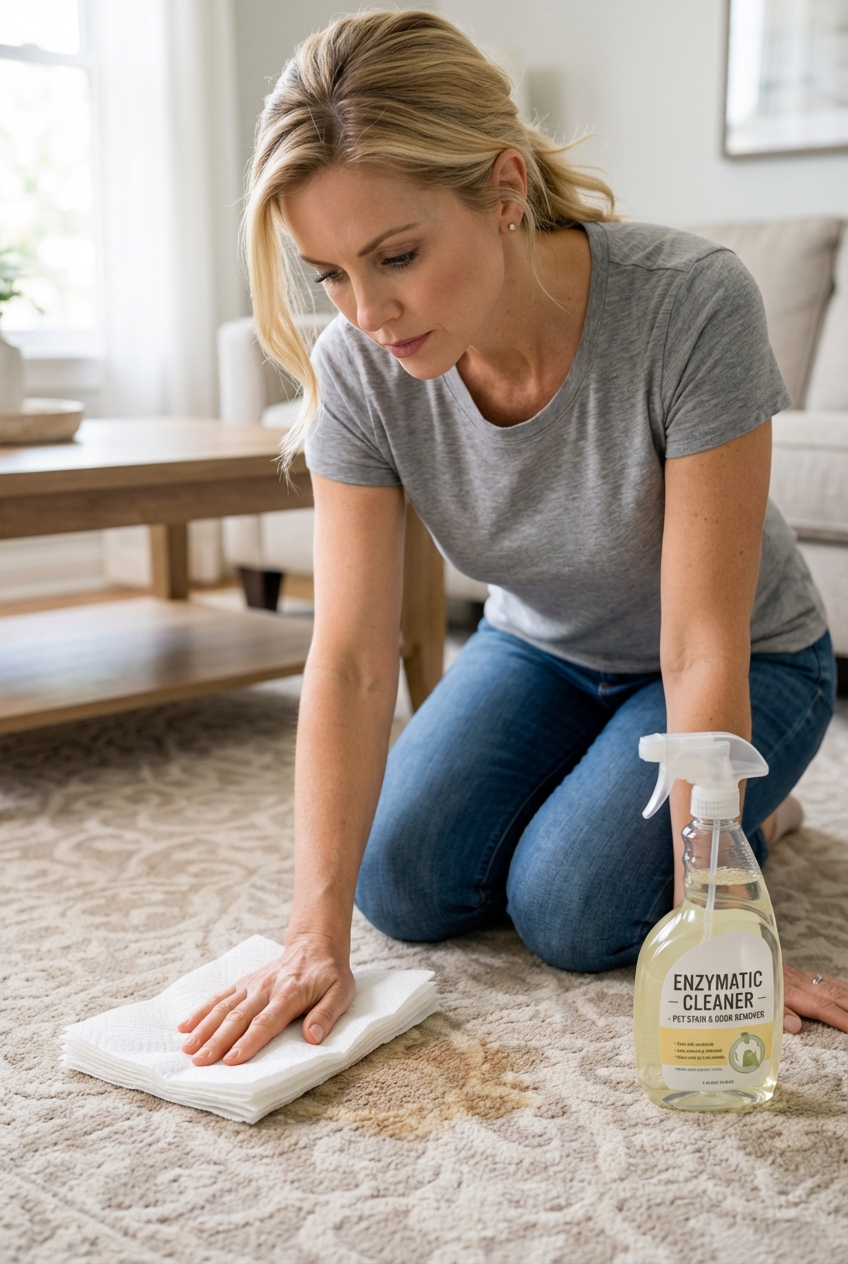
For most surfaces, an enzymatic cleaner made for cat urine is the go-to because it digests the organic compounds that cause the odor. Look for labels mentioning enzymes that target urine, uric acid, or odor-causing bacteria.
Quick safety notes: test any product on an inconspicuous area first, keep kids and pets off wet treated zones, and ventilate the area while it dries.
Step 1: Blot, do not scrub
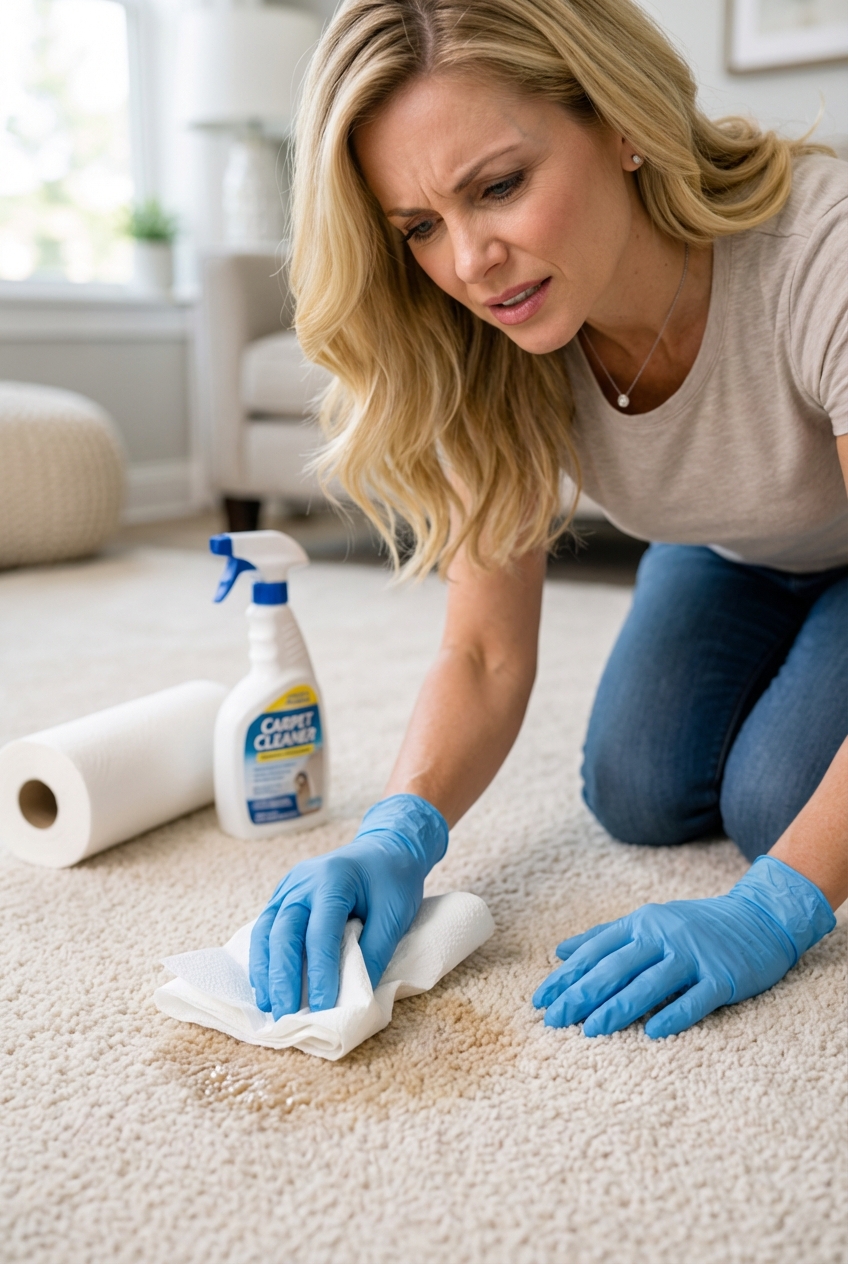
- Use paper towels or clean white cloths.
- Press firmly to pull liquid up. Stand on it if needed.
- Do not scrub. Scrubbing pushes urine deeper.
Step 2: Saturate to the full depth
This is the step people skip. If urine reached the carpet pad, the enzymatic cleaner must reach the pad too.
- Apply enough enzyme cleaner to reach the same depth the urine reached, not just the surface.
- Cover the spot with plastic wrap or a trash bag to keep it wet longer (enzymes work best with contact time).
- Let sit based on label directions, often 10 to 30 minutes, and sometimes several hours for old stains.
Step 3: Blot again and air-dry completely
- Blot excess moisture.
- Allow to dry fully. Fans help, but avoid heat.
- Do not use other cleaners until it is dry and you can reassess the odor, especially vinegar, peroxide, disinfectants, or carpet shampoos that can interfere with enzymes.
Step 4: Re-check and repeat if needed
Old urine may take multiple treatments, especially on thick carpet, upholstery, or wood.
Surface-by-surface instructions
Carpet and rugs
- If it soaked through, consider lifting the carpet edge to check pad. You may need to treat both sides.
- For severe repeat areas, replacing the pad (and sometimes a section of subfloor) may be the only permanent fix.
- After enzyme treatment dries, you can apply a pet-safe odor neutralizer if needed, but enzymes come first.
Hardwood, laminate, and vinyl
- Wipe immediately, then use an enzyme cleaner safe for sealed wood.
- If urine seeped between boards or into unsealed wood, odor can persist. Sometimes you need sanding and resealing, or replacement of affected boards.
- Avoid soaking wood. Use enough cleaner to treat, but do not flood.
Mattresses and upholstery
- Blot thoroughly.
- Saturate with enzyme cleaner, then cover with plastic wrap for contact time.
- Dry completely with airflow. Plan on a full day of drying.
- If you can remove cushion covers, wash per label and treat foam insert separately.
Concrete, grout, and porous surfaces
- These surfaces can hold odor deep inside.
- Use enzyme cleaner and allow extended contact time.
- Sealing may be necessary after cleaning to prevent future absorption.
Quick emergency option
This is not the gold standard, but it can help until you can do a full enzyme treatment.
- Blot up urine as much as possible.
- Rinse with cool water and blot again.
- Apply a small amount of mild dish soap in water (a few drops per cup), dab, then blot dry.
Then, as soon as you can, follow up with a true enzymatic urine cleaner to break down what remains.
Stop repeat accidents
In veterinary and shelter settings, this is best handled like a two-part problem: remove the smell, and remove the reason. If you only clean, you might still get repeat peeing.
1) Rule out medical causes first
Many cats that suddenly start urinating outside the box are not being “spiteful.” They may be uncomfortable.
- FLUTD (feline lower urinary tract disease), including sterile cystitis or bladder inflammation. True bacterial UTIs are possible, but less common in many younger adult cats.
- Urinary blockage in male cats is an emergency (can be fatal). If your cat is straining with little or no urine, go to an ER vet.
- Arthritis can make climbing into a high-sided box painful.
- Kidney disease, diabetes, hyperthyroidism can increase urine volume and urgency.
If there is any change in urination habits, especially sudden or frequent accidents, schedule a vet visit. Treating pain or disease is often the fastest “odor control” you will ever do.
2) Litter box setup
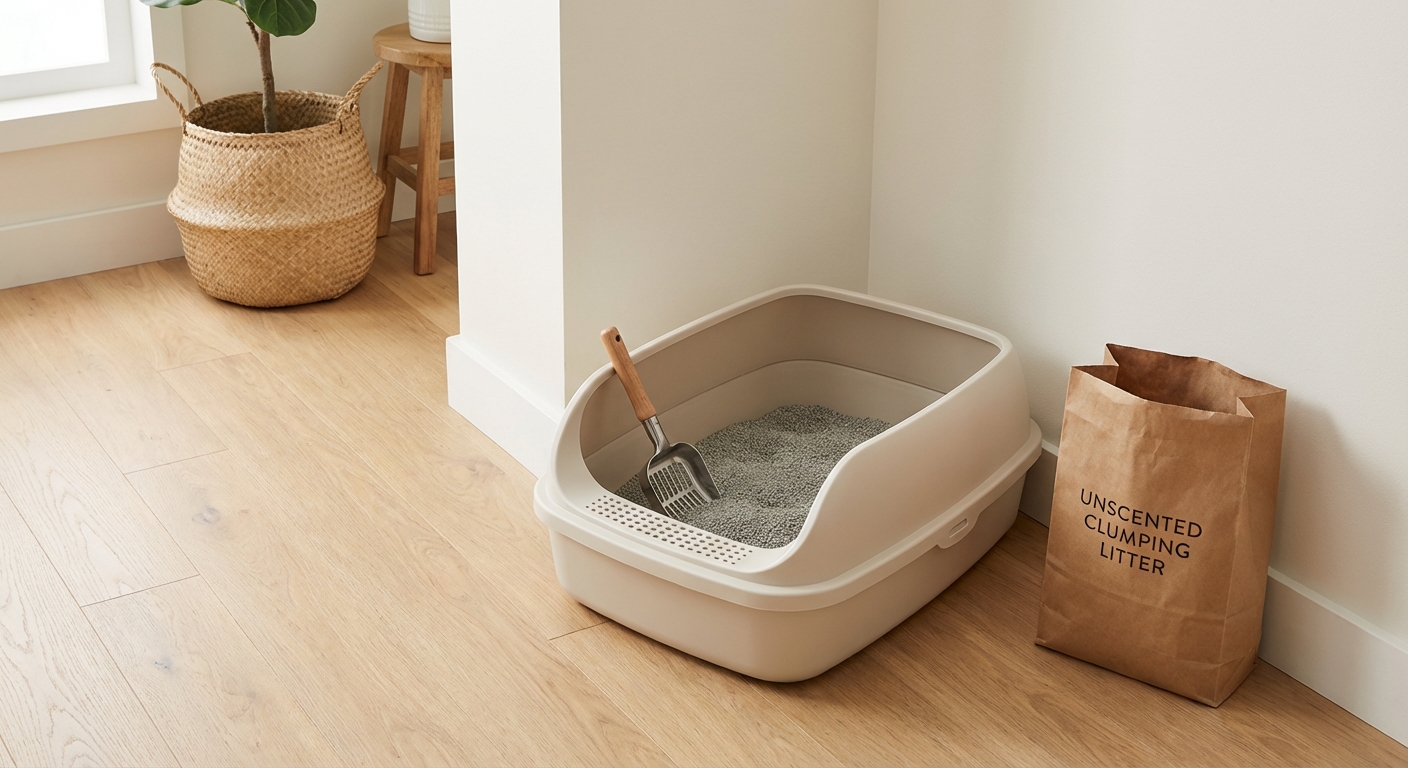
- Number of boxes: aim for one per cat, plus one extra.
- Placement: quiet, accessible, and on each level of the home if you have stairs.
- Size: bigger is better. A common rule of thumb is about 1.5 times your cat’s body length.
- Type: many cats prefer uncovered boxes. Covered boxes can trap odor and feel unsafe.
- Litter: unscented clumping litter is often best tolerated.
- Cleanliness: scoop daily, wash boxes regularly with mild soap and water.
3) Stress and territory
In multi-cat homes, after moves, new pets, visitors, or construction noise, urination outside the box may be a stress response or territorial behavior. Cats also revisit spots because the residual odor acts like a familiar cue, even when humans think it is gone.
- Vertical space: cat trees and shelves reduce conflict.
- Resources spread out: separate food, water, and litter stations so one cat cannot “guard” them.
- Predictable routine: consistent feeding and playtimes help.
- Enrichment: daily interactive play, puzzle feeders, window perches.
4) Marking vs. avoidance
This matters because the fix can differ.
- Marking is often small amounts on vertical surfaces (walls, furniture legs), sometimes spraying.
- Avoidance is larger puddles on horizontal surfaces (carpet, bedding), often near the box or in soft areas.
Both benefit from cleaning plus vet evaluation, but marking may need extra focus on stress reduction, environmental setup, and sometimes behavior medication guided by your veterinarian.
5) Retraining after an accident
- Block access temporarily to favorite pee spots (close doors, use baby gates, cover with a plastic runner nubs-up, or place food bowls there if appropriate).
- Add a litter box close to the accident area, then slowly move it an inch or two per day to the preferred location.
- Reward box use with calm praise and a small treat if your cat likes treats.
- Never punish. Punishment increases stress and often makes the problem worse.
When the smell will not go away
If you have cleaned correctly and still smell urine, something porous is holding it.
Signs you may need repair
- Odor returns during humidity even after multiple enzyme treatments.
- Accidents happened repeatedly in the same spot over months.
- Urine reached carpet pad or subfloor (very common).
- Cat urine on unfinished wood, particle board, or drywall.
In those cases, replacing pad, sealing subfloor, or patching drywall can be the most humane solution for you and your cat. Chronic odor can keep triggering repeat marking.
Pet-safe prevention habits
- Keep enzyme cleaner on hand. Fast response makes a huge difference.
- Laundry tip: do not machine-dry urine-soiled items on heat until the odor is fully gone. Air-dry first and re-check, since heat can “bake in” lingering smell.
- Wash washable items quickly with an enzyme laundry additive if needed.
- Use waterproof covers on beds and cushions in high-risk periods.
- Monitor litter box use so you catch changes early.
Frequently asked questions
Does baking soda remove cat pee smell?
Baking soda can help absorb odors after cleaning, but it typically does not break down uric acid on its own. It is best used as a helper step after enzyme treatment has dried.
Will vinegar neutralize cat urine?
Vinegar may reduce some odor temporarily, but it often does not fully remove the compounds that cause cat urine to re-activate. For lasting results, enzymatic cleaners are usually more effective.
How long does enzymatic cleaner take to work?
Many work within hours, but older stains may require multiple treatments and full drying between rounds. Always follow the product label for contact time.
Why does my cat keep peeing on the same spot?
Usually it is a combination of leftover scent cues, stress, litter box dissatisfaction, or a medical issue. Address all four areas and you will see the best results.
A gentle closing note
If you are dealing with cat pee smell, you are not failing as a pet parent. This problem is common, emotional, and fixable. Start with thorough enzyme cleaning, then set your cat up for success with the right litter box setup and a vet check if anything seems off. A fresh-smelling home and a confident, comfortable cat can absolutely be your normal again.