Calm canine acid reflux with simple homemade meals: smaller, frequent portions, low-fat proteins, gentle carbs, trigger avoidance, and 3 easy recipes plus a ...
Article
•
Designer Mixes
GERD Symptoms in Dogs

Shari Shidate
Designer Mixes contributor
If your dog keeps lip-smacking, gulping, regurgitating, or acting uncomfortable after meals, it might be more than a “sensitive tummy.” One possible culprit is GERD, which stands for gastroesophageal reflux disease. As a veterinary assistant (Frisco, Texas), I have seen how frustrating reflux-like symptoms can be for both pets and their people, especially when it shows up at night or starts affecting appetite.
The good news is that many dogs improve a lot with the right plan: smart feeding changes, addressing underlying causes, and knowing when it is time for a vet visit.

What GERD is (and why it happens)
GERD happens when stomach contents, including acid and partially digested food, flow backward into the esophagus. The esophagus is not built to handle acid, so reflux can cause irritation and pain.
Reflux can happen occasionally in healthy dogs. GERD usually means it is happening often enough to cause ongoing symptoms or inflammation (like esophagitis), or it keeps coming back.
Common reasons reflux shows up
- Lower esophageal sphincter weakness: the “valve” between the esophagus and stomach does not close tightly.
- Hiatal hernia: part of the stomach slips up through the diaphragm, which can promote reflux.
- Delayed stomach emptying: food sits longer, increasing pressure and reflux risk.
- Obesity: extra abdominal pressure can worsen reflux.
- Diet factors: very fatty meals, large meals, rich treats, and individual food triggers can contribute.
- Anesthesia or recent procedures: reflux can occur during anesthesia and irritate the esophagus afterward. If symptoms begin after a dental or surgery, tell your vet.
GERD symptoms in dogs
Dogs cannot tell us “I have heartburn,” so we have to read the clues. Symptoms can be subtle at first and may look like nausea, picky eating, or even respiratory issues.
Common symptoms
- Regurgitation (effortless return of food or fluid), especially soon after eating
- Repeated swallowing, gulping, or hard swallowing
- Lip smacking and frequent licking
- Excess drooling
- Decreased appetite or walking away from food after a few bites
- Restlessness after meals, pacing, or trouble settling at night
- Signs of nausea like eating grass or lip-smacking first thing in the morning
- Occasional belching or “gurgly” stomach sounds (less specific, but can show up with nausea and reflux)
Less obvious symptoms (but important)
- Coughing or gagging, especially at night or after eating
- Hoarse bark or throat clearing
- Bad breath that persists even with dental care
- Weight loss if eating becomes uncomfortable
GERD vs vomiting: Vomiting usually involves abdominal heaving and nausea beforehand. Regurgitation is often quiet and sudden, with undigested food. If you are not sure which is happening, take a quick video for your vet. It helps more than you might think.
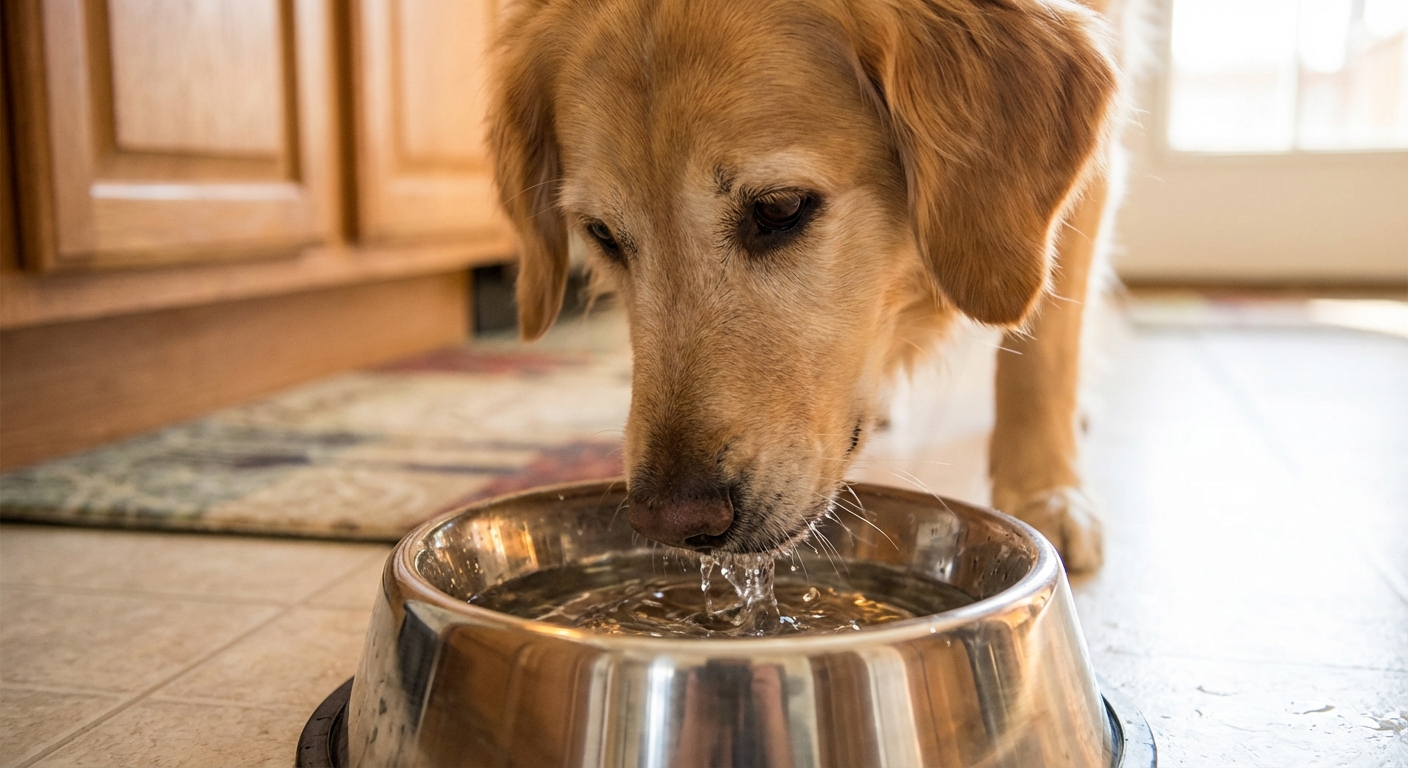
Step-by-step: what to do
If your dog is stable and acting mostly normal, you can start with a calm, structured approach. Your goal is to reduce triggers and collect good information for your veterinarian.
Step 1: Note patterns for 3 to 7 days
- Time symptoms happen (after meals, overnight, early morning)
- Foods and treats eaten
- Meal size and how fast your dog eats
- Any coughing, gagging, or regurgitation episodes
- Stool quality and frequency
Step 2: Feed smaller, more frequent meals
Large meals stretch the stomach and can increase reflux. For many dogs, feeding 3 to 4 smaller meals works better than one or two big meals.
Step 3: Adjust last meal timing
If symptoms happen overnight or early morning, try a small, bland evening meal earlier in the evening. Ask your vet whether a small bedtime snack is appropriate for your dog. Some dogs reflux on an empty stomach, while others reflux when too full, so this is individual.
Step 4: Keep meals lower fat and easy to digest
Fat can slow stomach emptying and worsen reflux in some dogs. Your veterinarian may recommend a gastrointestinal diet or a carefully balanced homemade plan.
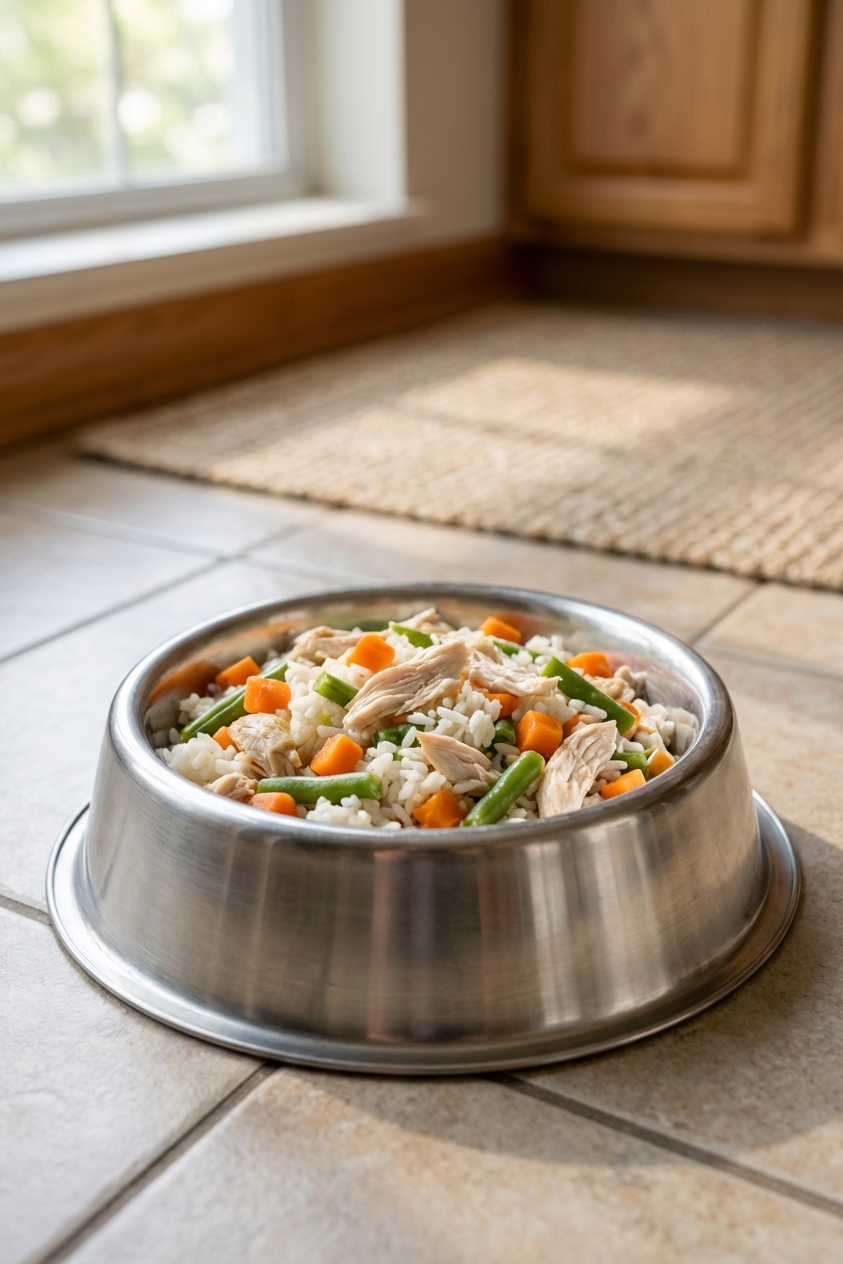
If you are feeding homemade while you are figuring things out, keep it simple and gentle short-term: a lean protein, a digestible carbohydrate, and a small amount of cooked vegetables can be easier on irritated tissue. Avoid spicy, greasy, or heavily seasoned foods. Important: short-term bland diets are not nutritionally complete long-term unless formulated.
If your dog has a history of pancreatitis, IBD, food allergies, or other chronic conditions, do not make big diet changes without veterinary guidance.
Step 5: Slow down fast eaters
- Use a slow feeder bowl
- Try a snuffle mat or scatter feeding
- Offer measured portions instead of free-feeding
Step 6: Limit high-risk treats
Common reflux triggers include fatty chews, table scraps, rich training treats, and dairy for sensitive dogs. Stick to simple, low-fat options until symptoms settle, then reintroduce changes slowly (if your vet agrees).
Step 7: Add calm digestion time
Right after meals, aim for a calm window so the stomach can do its job. Some dogs do better if you keep them quiet and upright for a short period after eating, but recommendations vary, so check with your vet for what fits your dog.
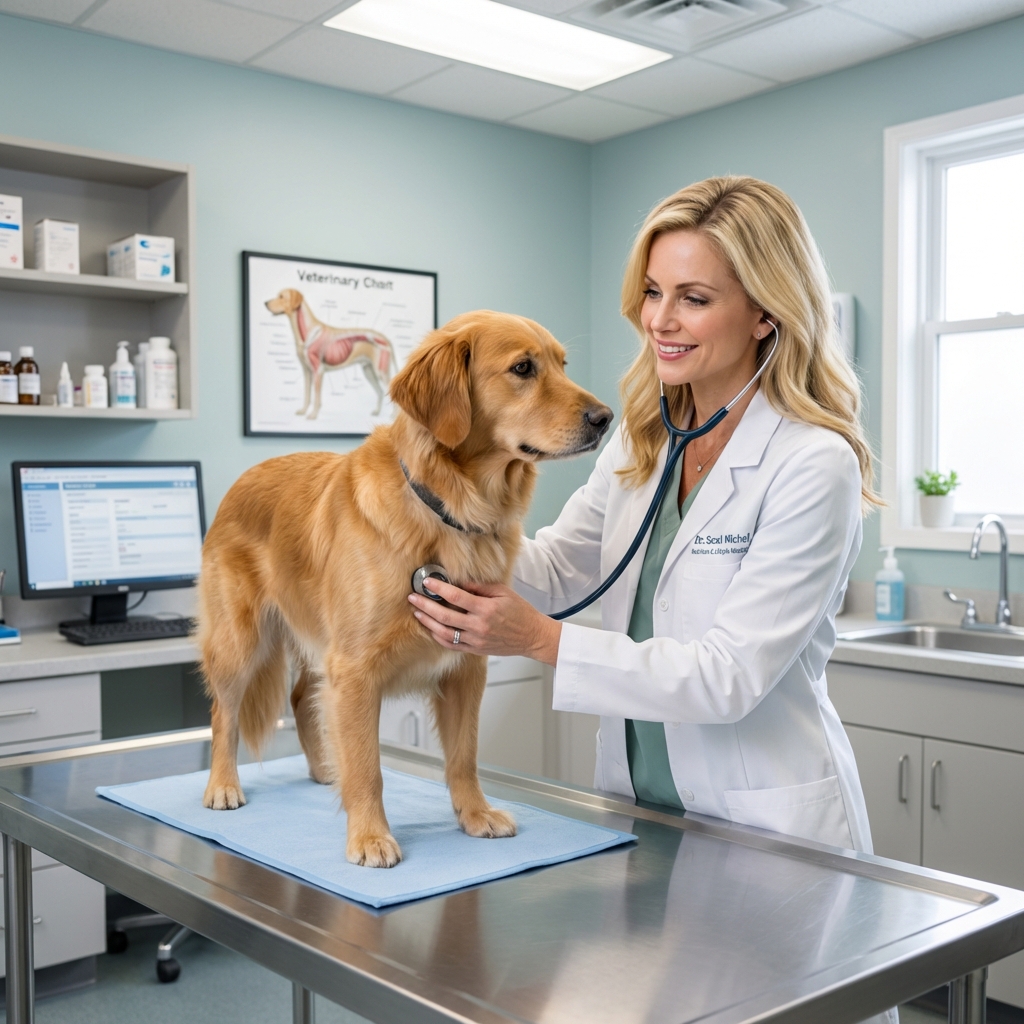
Step 8: Call your vet to discuss next steps
Persistent reflux or regurgitation can lead to esophagitis (inflammation of the esophagus), discomfort, and increased aspiration risk. Your veterinarian may recommend diagnostics or medications to reduce acid and protect the esophagus.
When this is an emergency
Please do not wait it out if you notice any of these:
- Repeated vomiting or inability to keep water down
- Blood in vomit or regurgitated material
- Severe lethargy, weakness, collapse, or pale gums
- Bloated abdomen with unproductive retching
- Breathing trouble, persistent coughing, or suspected aspiration (inhaling reflux)
- Painful swallowing, crying when eating, or refusing all food
- Coughing plus fever, fast breathing, or sudden fatigue (possible aspiration pneumonia)
Chronic regurgitation increases the risk of aspiration pneumonia if stomach contents are inhaled. That requires fast treatment.
Other problems that can look like GERD
Reflux is not the only reason a dog might regurgitate, gag, or act nauseous. If symptoms keep happening, your vet may want to rule out look-alikes such as:
- Pancreatitis
- Dietary indiscretion (getting into trash or rich food)
- Foreign body or partial obstruction
- GI parasites (especially in puppies)
- Addison’s disease (can cause vague, recurring GI signs)
- Megaesophagus or esophageal motility disorders
- Esophageal stricture (scarring/narrowing, sometimes after severe esophagitis)
This is a big reason I encourage early evaluation when regurgitation is frequent, worsening, or paired with weight loss, coughing, or low energy.
How vets diagnose GERD
Diagnosis depends on symptoms, history, and response to treatment. Your vet may also look for underlying problems that cause reflux.
- Physical exam and history, including diet and timing of symptoms
- Treatment trial (diet changes and medications) to see if symptoms improve
- X-rays to evaluate chest and abdomen and check for complications
- Endoscopy to view the esophagus and stomach lining and assess inflammation
- Bloodwork to rule out systemic illness and assess overall health
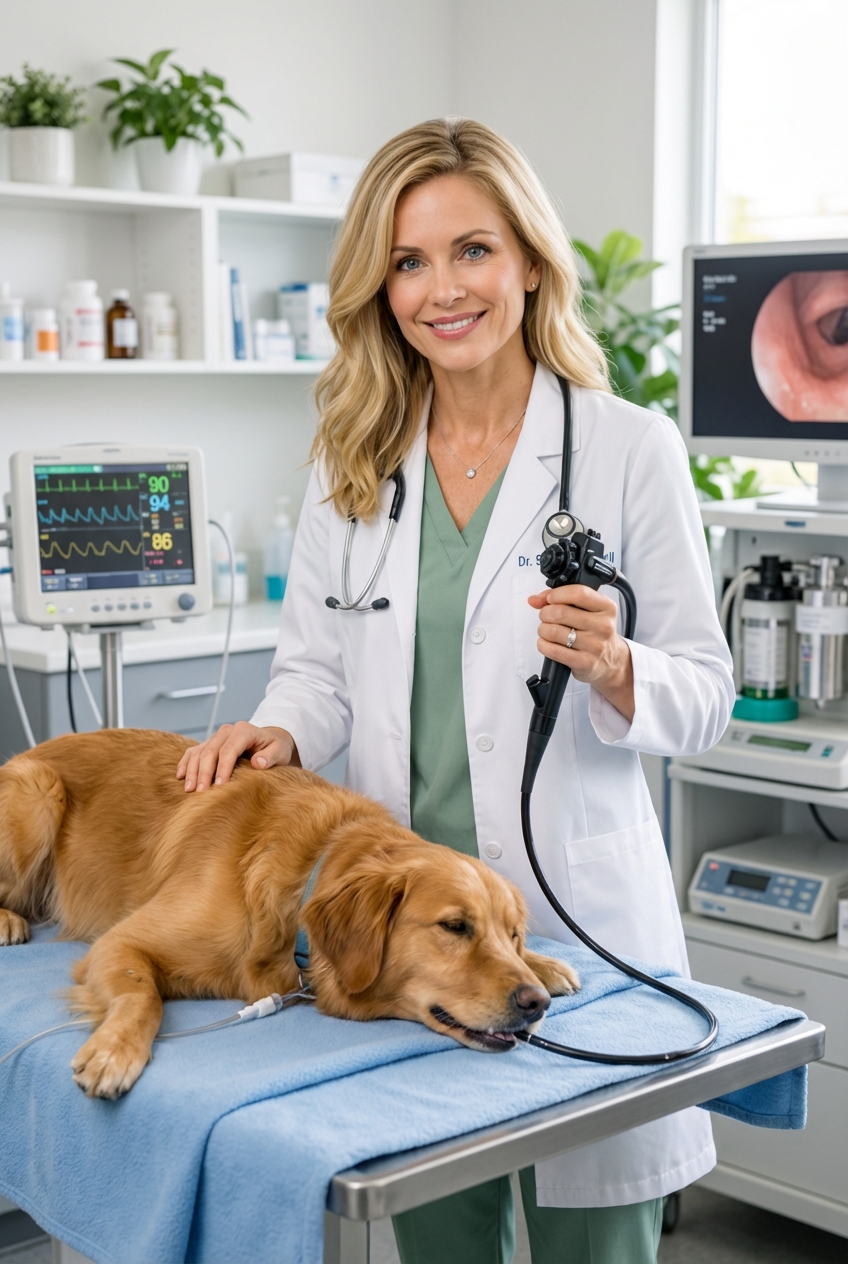
Treatment options you may hear about
Your veterinarian will tailor treatment to your dog’s symptoms and risk factors. Common components include:
- Diet changes: smaller meals, reduced fat, GI diets
- Acid-reducing medications: used to reduce irritation while tissue heals
- Protectants: medications that coat and protect inflamed esophageal tissue
- Pro-motility support: in some cases, meds that help the stomach empty more effectively
- Addressing root causes: weight management, hiatal hernia support, or other underlying conditions
Important: do not start human antacids or acid reducers without your veterinarian’s guidance. Dogs vary widely in safe dosing, drug interactions, and what is appropriate for their specific condition.
Food and lifestyle tips
Many reflux cases improve with consistent daily habits. These simple changes are often more powerful than people expect.
Practical tips
- Keep a consistent feeding routine and avoid sudden food changes.
- Measure meals to prevent accidental overfeeding.
- Maintain a healthy weight with your vet’s help.
- Choose lean proteins and avoid greasy extras.
- Use a slow feeder if your dog inhales meals.
- Avoid intense exercise right after meals and allow calm digestion time.
If you are trying homemade food
Homemade can be a wonderful tool, but reflux dogs do best when meals are consistent, balanced, and not overly rich. If you want to go the homemade route long-term, ask your veterinarian about working with a board-certified veterinary nutritionist so your dog gets the right calcium, vitamins, and minerals while also keeping reflux under control.
Puppies, seniors, and flat-faced breeds
Puppies
Puppies can regurgitate from overeating, parasites, or congenital issues like hiatal hernia. Frequent regurgitation in a puppy deserves a prompt vet check.
Seniors
In older dogs, reflux-like symptoms may overlap with dental disease, kidney disease, pancreatitis, medication side effects, or other chronic issues. A basic exam and labs can be very helpful.
Flat-faced breeds
Bulldogs, Pugs, Boston Terriers, and other brachycephalic breeds can have increased reflux risk due to airway and pressure dynamics. If your dog snores heavily, gags, or struggles with heat and exercise, mention this to your vet because airway health and reflux can be connected.

Frequently asked questions
Can GERD go away in dogs?
Yes, many dogs improve significantly once triggers are reduced and the esophagus has time to heal. Some dogs have recurring reflux and need long-term management.
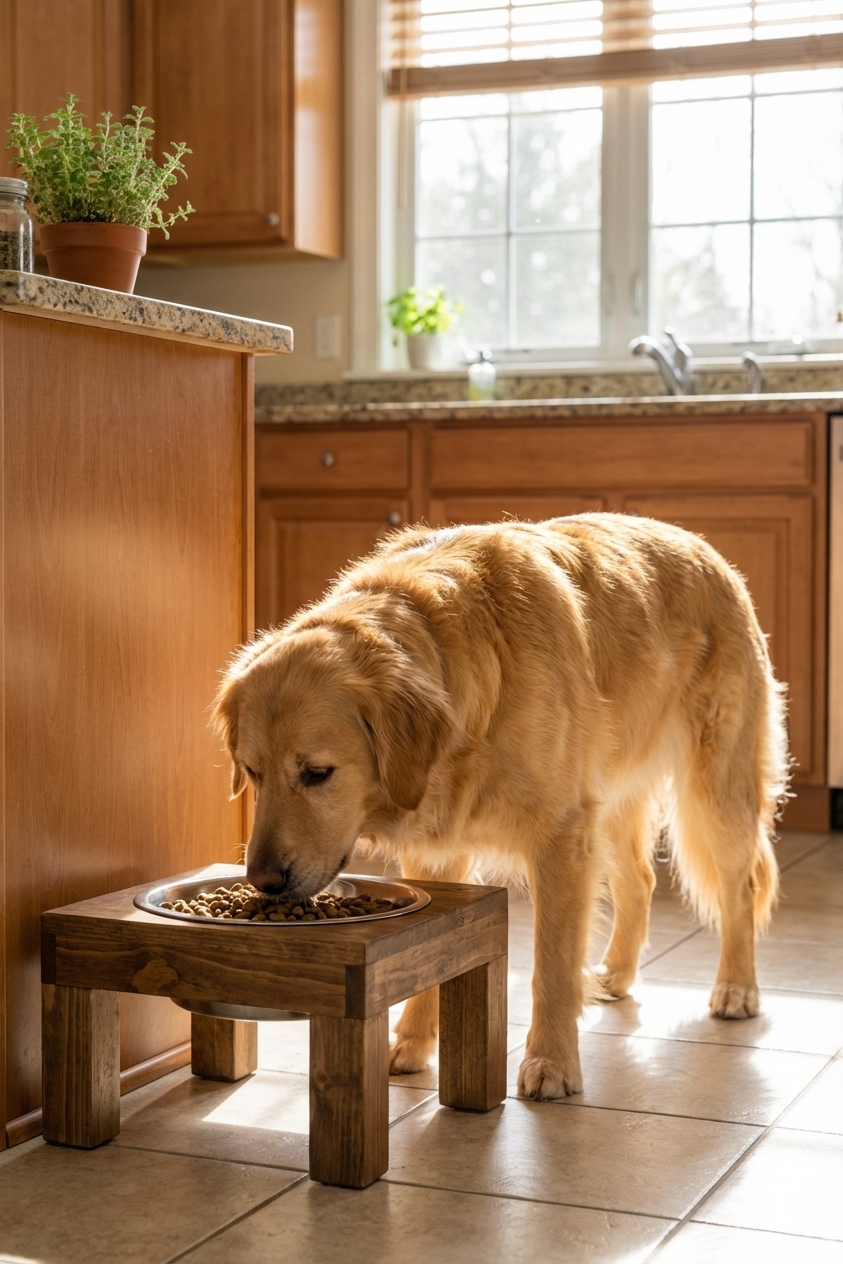
Does elevated feeding help?
It depends. Elevated bowls can help some dogs with certain swallowing disorders, but they do not help every dog with reflux. Bowl height can also affect other risks in certain dogs, so it is best to ask your veterinarian before making changes.
Is regurgitation always GERD?
No. Regurgitation can also be caused by esophageal motility disorders, megaesophagus, obstruction, or severe nausea. That is why ongoing regurgitation should be evaluated.
The bottom line
Reflux-like symptoms in dogs are not uncommon, and many cases are treatable and very manageable once you know what to look for. Pay attention to the small signs like lip-smacking, gulping, and restlessness after meals. Start with smaller meals, simpler foods, and a steady routine. And if symptoms persist or escalate, partner with your veterinarian early so your dog can heal comfortably and safely.
If you are unsure whether your dog is vomiting or regurgitating, take a quick phone video. It is one of the most helpful tools you can bring to your vet visit.