Vet-informed pet rat care guide covering choosing pairs, cage size and bedding for healthy lungs, enrichment, balanced feeding, cleaning routines, bonding ti...
Article
•
Designer Mixes
Gerbil Care Guide

Shari Shidate
Designer Mixes contributor
Gerbils are curious, social little desert rodents with big personalities. When they have the right habitat, a balanced diet, and gentle handling, they can be wonderful starter pets for kids and adults alike. As a veterinary assistant, I love gerbils because their care is straightforward once you understand a few key principles: give them safe space to dig, something appropriate to chew, a predictable routine, and a compatible companion.
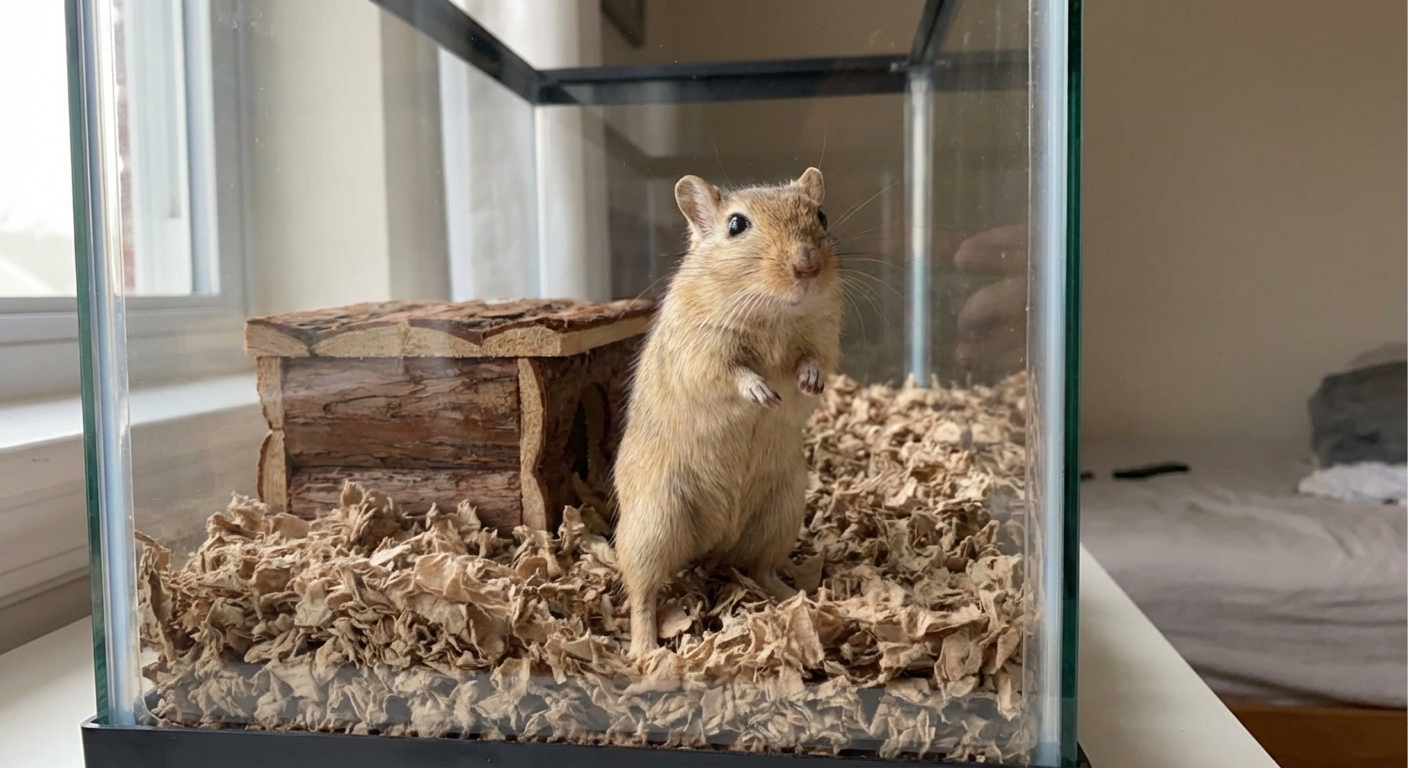
This guide walks you through tank versus cage setups, bedding choices, daily feeding, pair bonding, common health concerns like seizures and respiratory problems, and how to tame a gerbil without stressing them out.
Habitat basics
Tank vs cage
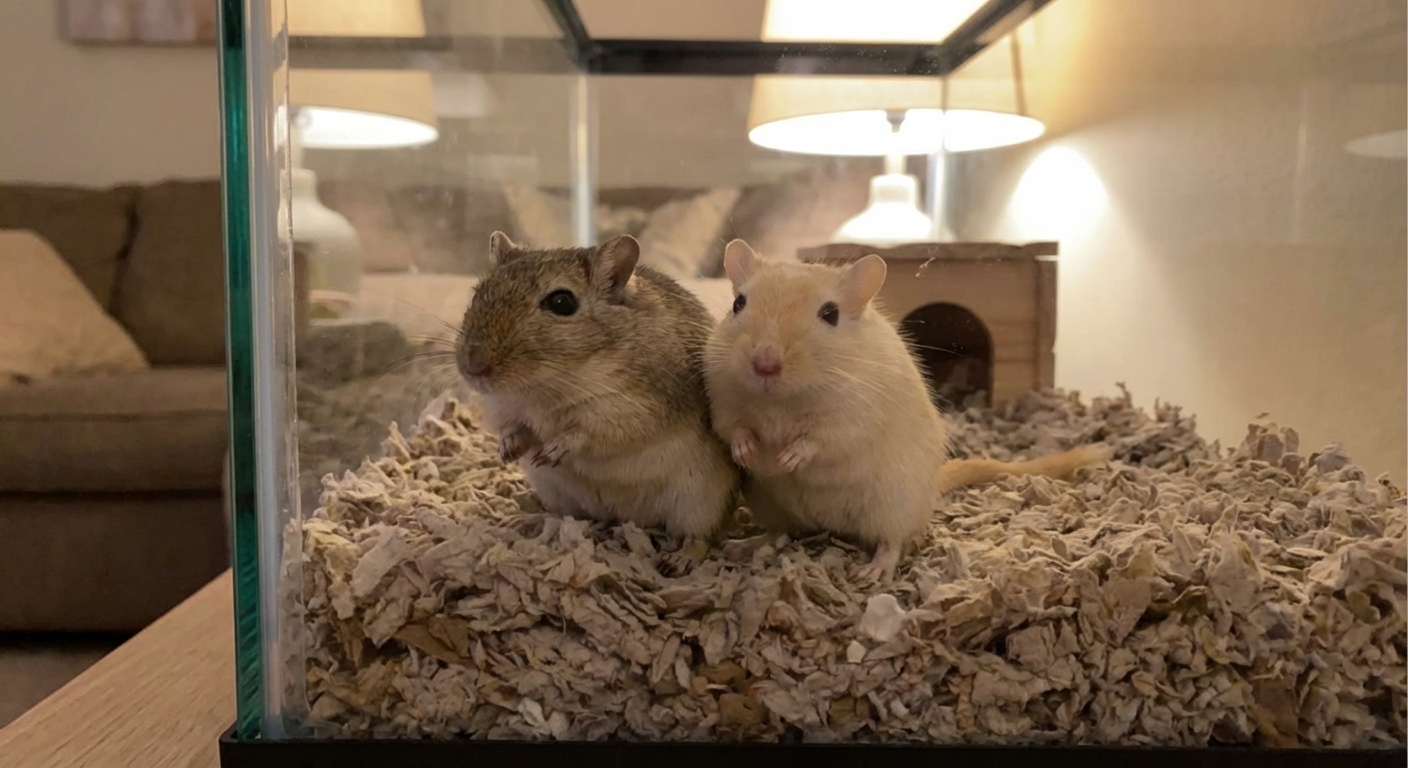
For gerbils, a solid-sided enclosure is usually the safest and most practical choice because it holds deep bedding for digging and reduces bedding scatter and exposure to drafts. The key is ventilation. A tank should never be mostly sealed, and it must have a secure, well-ventilated mesh lid.
- Glass tank (recommended for most homes): Great for deep bedding and keeps most bedding inside. Use a sturdy mesh lid and keep air flowing (no solid covers).
- Wire cage: Works only if it has a deep base to hold bedding and bar spacing small enough to prevent escapes. Many standard “hamster cages” have shallow pans and encourage climbing and falling.
- Avoid plastic modular habitats: Gerbils chew plastic relentlessly, which can lead to escapes and potential intestinal blockage if pieces are swallowed.
Space guide: A 20 gallon long is a minimum commonly recommended for a bonded pair. If you can, go larger (30 to 40+ gallons) for better digging depth, a larger wheel, and more stable social dynamics.
Setup essentials
Think “dig, chew, hide, run.” A good setup meets all four needs.
- Bedding depth: 8 to 12 inches is a solid goal for tunneling. More is even better if your enclosure allows it.
- Hideouts: At least one hide per gerbil, plus extra options. Cork tunnels, wooden houses, and ceramic hides work well.
- Wheel: A solid surface wheel helps prevent foot injuries. Choose a size that lets your gerbil run with a straight back. Many adults need 10 to 12 inches, although smaller gerbils may do fine with 8 to 10.
- Chews: Untreated wood chews and plain cardboard help keep teeth worn down. Use safe woods and avoid anything treated, painted, or fragranced.
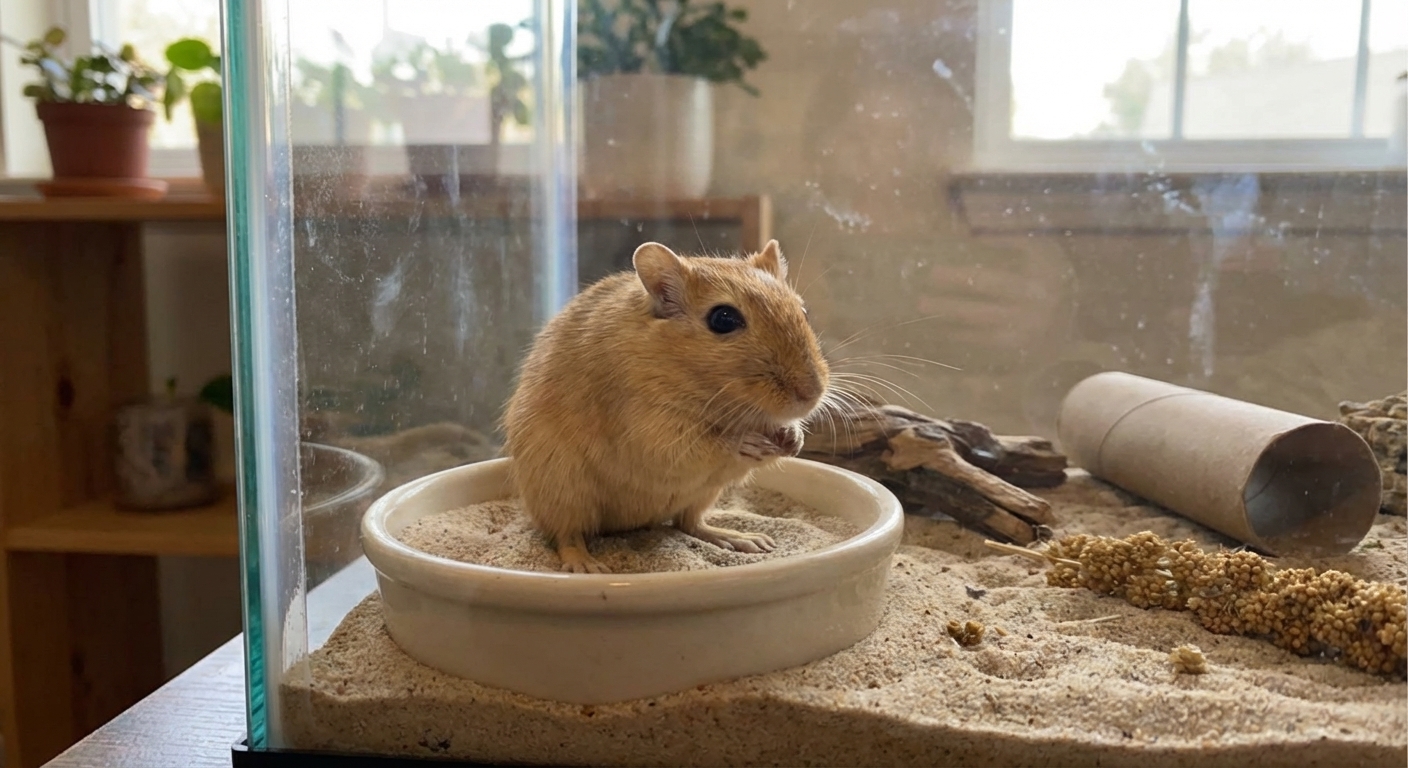
- Sand bath: Offer a sand bath a few times per week, or daily if your gerbil loves it. Use chinchilla sand (not dust) or baked, sifted play sand. Avoid powdered “dust,” and avoid calcium or vitamin-added reptile sands which can irritate the airways and cause problems if swallowed.
Bedding options
Gerbils have sensitive respiratory systems, so bedding choice matters.
- Good options: Paper-based bedding (soft, low dust) and aspen shavings (if low dust). Many owners use a mix for better tunnel structure.
- Use caution: Some wood products are dusty and can trigger sneezing or respiratory irritation. If you see persistent sneezing, re-evaluate bedding and ventilation.
- Avoid: Cedar and aromatic or non kiln-dried pine, scented beddings, and fluffy nesting fibers that can tangle around limbs.
Cleaning and scent
Gerbils rely on scent to feel secure and to recognize their cage mate. Over-cleaning can stress them and sometimes contributes to fighting.
- Spot clean: Daily or every few days, remove wet areas and soiled nesting material.
- Partial bedding changes: Every 2 to 4 weeks, depending on enclosure size and odor.
- Keep familiar scent: Always save a portion of the old, clean bedding and mix it back in after cleaning.
Temperature and placement
- Keep cool and steady: Gerbils do best at typical comfortable room temperatures (often around 65 to 75 F). Avoid heat spikes.
- Avoid direct sun: Tanks can overheat quickly near windows.
- Skip strong odors: Keep the enclosure away from smoke, scented sprays, and heavy cleaning fumes.
Diet and treats
Daily diet
A quality gerbil or small rodent pellet plus a seed mix can work well, but pellets help prevent picky eating. Look for a gerbil-specific diet with reasonable protein and fat levels (many owners aim for roughly 12 to 16 percent protein and 4 to 7 percent fat, depending on life stage). Many seed mixes are too fatty to be the full diet, so use them as a small add-on for enrichment.
- Staple: Gerbil-specific pellet or lab block as the foundation.
- Optional mix: A small amount of seed mix for enrichment, not the whole diet.
- Fresh water: Clean, changed daily. A bottle often stays cleaner than a bowl, but check that it is working every day.
Portion guide: Start around 1 to 2 teaspoons per gerbil per day, then adjust based on body condition, activity, and the specific food’s density. Gerbils often stash food, so don’t assume an “empty bowl” is the only sign they ate.
Safe treats
Treats are a great way to build trust, but keep them small and occasional to prevent weight gain and digestive upset.
- Good choices: Small bits of carrot, broccoli, cucumber, bell pepper, or leafy greens. Tiny pieces of apple or blueberry are fine as an occasional treat.
- Protein extras: A small piece of cooked egg or a dried mealworm now and then can be helpful, especially for growing youngsters.
- Chew treats: Plain cardboard, hay cubes, or untreated wooden chews satisfy the need to gnaw without adding sugar.
Limit sweet fruit and fatty seeds. Think of treats as training tools, not a second diet.
Foods to avoid
Some foods are risky for gerbils due to toxicity, choking hazards, or digestive upset.
- Avoid: Chocolate, caffeine, alcohol, onion, garlic, leeks, and anything heavily salted or seasoned.
- Avoid sticky foods: Peanut butter can be a choking hazard.
- Avoid sugary foods: Candy, sweet cereals, and most processed snacks.
- Be cautious with: Watery foods in large amounts, which can cause diarrhea.
Do gerbils need hay?
Hay is not required the way it is for rabbits, but it can be a wonderful enrichment item. Many gerbils enjoy shredding it for nests, and it can support natural foraging behavior. Timothy hay is a common, safe choice.
Social needs
Alone or paired?
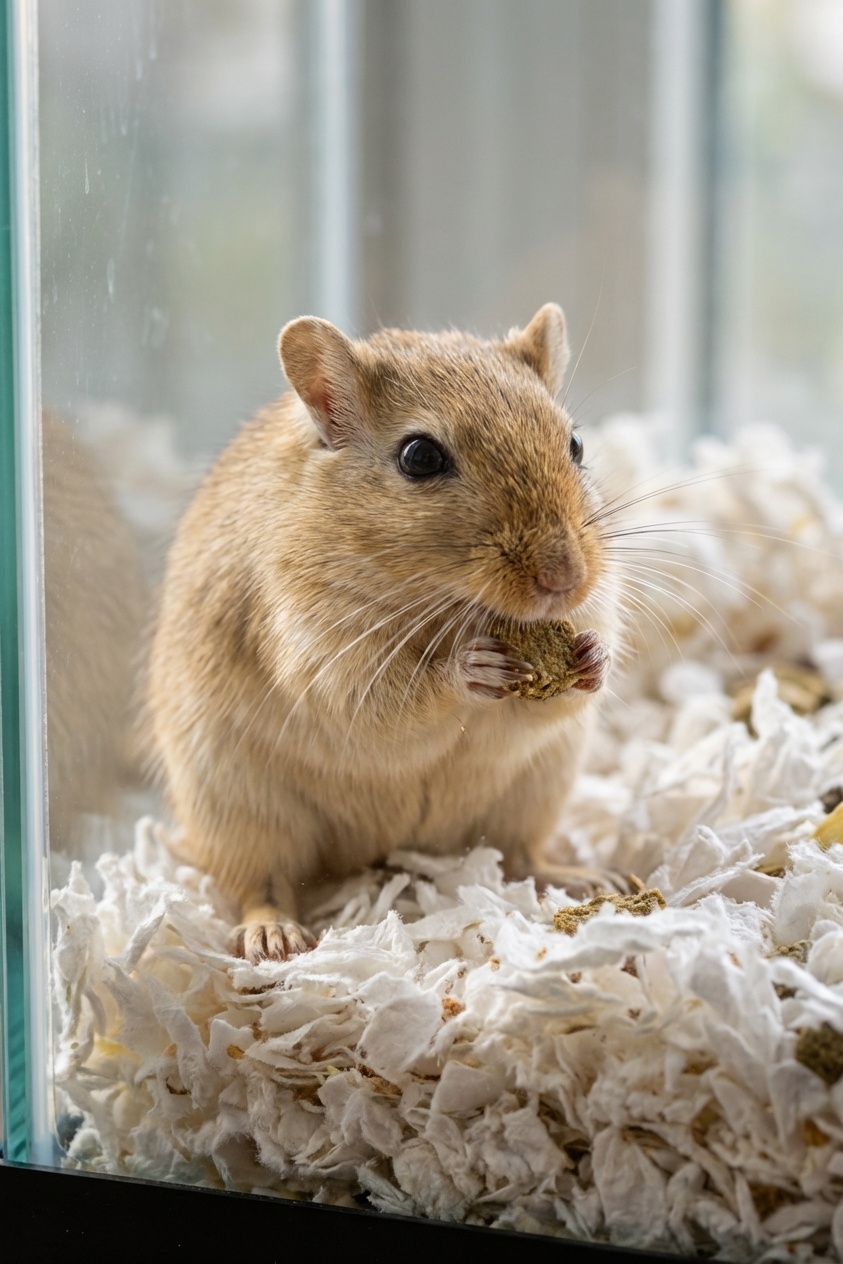
Most gerbils do best in same-sex pairs or small groups, ideally littermates raised together. They are social animals and often become stressed when housed alone. That said, some gerbils cannot safely live with others, especially after serious fighting, and a solo setup can be kinder than repeated injuries.
Bonding and introductions
Never just place two unfamiliar gerbils together and hope for the best. Introductions should be planned.
- Best case: Adopt an already bonded pair from a rescue or reputable breeder.
- If introducing: Use a split tank method with a secure divider, swapping sides daily so they get used to each other’s scent before meeting.
- Quarantine first: If you are bringing home a new gerbil, ask your veterinarian about a short quarantine period to reduce the risk of contagious illness.
- Watch closely: A calm, curious response is good. Persistent aggression is a red flag.
Declanning signs
Even long-term pairs can sometimes fall out, especially after deep cleaning, habitat changes, or stress.
- Warning signs: Chasing, boxing, puffed fur, squealing, bite marks, or one gerbil being blocked from food and water.
- What to do: Separate immediately if there is blood or ongoing aggression and contact an exotics veterinarian for guidance. Injuries can worsen quickly.
Accidental litters
Same-sex housing matters. Male and female pairs can produce surprise babies quickly, and pregnancy and nursing are hard on small bodies. If you are unsure of sex, have a knowledgeable rescue, breeder, or exotics clinic confirm it.
Handling and taming
Build trust
Gerbils are prey animals, so hands from above can feel scary at first. Go slowly and let curiosity do the work.
- Start with your voice: Talk softly near the enclosure at the same time each day.
- Offer treats: Place a treat on your open palm and let your gerbil approach.
- Scoop, do not grab: When ready, gently scoop from the side with both hands like a little “cup.”
- Short sessions: 2 to 5 minutes at first, then build up.
Safe pickup
Support the whole body with two hands. You can also let them walk into a small cup or tube and transfer them calmly.
- Never pick up by the tail. Gerbils can suffer tail slip injuries where skin and tissue are damaged.
- Keep low over a soft surface: They can jump, and falls can cause injuries.

Enrichment
A bored gerbil is often a busy chewer. Enrichment helps keep teeth, body, and brain in a healthier place.
- Foraging: Scatter-feed part of the daily diet into bedding so they can dig and search.
- Tunnels and textures: Add cork, cardboard tubes, and packed hay pockets to encourage natural building.
- Dig boxes: A dish or corner filled with safe sand or soil-free dig substrate can add variety.
- Supervised time out: A secure playpen session can be great enrichment, but keep it escape-proof and always supervised.
Common health issues
Gerbils are generally hardy, but because they are small, they can decline quickly. If something feels “off,” trust your instincts and call an exotics veterinarian. Early care often makes treatment simpler and more affordable.
Seizures
Some gerbils experience seizures, often triggered by stress, sudden noises, rough handling, or new environments. Seizures can look like stiffening, paddling movements, or temporary unresponsiveness. If seizures recur, it is worth a veterinary workup to help rule out other causes and to talk through safety at home.
- What you can do: Keep the environment quiet, dim the lights, and avoid touching until the episode passes.
- Afterward: Offer a calm, warm space and monitor closely.
- Call a vet: If seizures are frequent, prolonged, or your gerbil seems injured or not fully recovering.
Respiratory problems
Sneezing once in a while can happen, but repeated sneezing, clicking sounds, wheezing, nasal discharge, or open-mouth breathing are not normal.
- Common contributors: Dusty bedding, poor ventilation, strong scents in the home, and stress.
- Act fast: Small mammals can worsen quickly with respiratory infections. A vet may prescribe antibiotics and supportive care.
Diarrhea
Loose stool can be caused by too many fresh treats, stress, or illness. Because dehydration is dangerous in small pets, take diarrhea seriously.
- First steps: Remove fresh foods and treats, keep water available, and ensure the enclosure is warm and quiet.
- Vet check: If diarrhea lasts more than 24 hours, your gerbil is lethargic, or you see weight loss.
Dental issues
Gerbil teeth grow continuously. Without chewing, teeth can overgrow and lead to drooling, trouble eating, and weight loss.
- Prevention: Provide untreated wooden chews and cardboard.
- Red flags: Wet chin, dropping food, or a sudden preference for soft foods.
Nails
Most gerbils wear nails down naturally with digging and textured surfaces. If nails become overgrown or start catching on fabric, ask an exotics clinic to show you safe trimming, or have them do it. Tiny toes are easy to injure.
Lumps and scent gland tumors
Gerbils have a scent gland on their belly. Sometimes it can develop irritation or tumors, especially in older males.
- Check weekly: Look for scabs, swelling, discharge, or bleeding on the belly.
- Do not wait: Any lump that grows, bleeds, or seems painful needs veterinary attention.
When to see a vet now
- Open-mouth breathing, severe wheezing, or blue or gray gums
- Not eating or drinking, or extreme lethargy
- Active bleeding, deep bite wounds, or rapidly spreading swelling
- Severe diarrhea, dehydration, or a cold body temperature
- A seizure that lasts more than a few minutes or repeated seizures in a day
Lifespan
Most pet gerbils live around 2 to 4 years, with some living longer with excellent care and a bit of luck. A healthy gerbil is bright-eyed, curious, eating well, and maintaining a steady weight.
- Weekly routine: Quick body check, weigh if possible, and look for changes in breathing, appetite, activity, and fur condition.
- Plan ahead: Identify an exotics veterinarian before you have an emergency. Not every clinic sees small mammals.
Quick checklist
- House in a secure tank or deep base cage with a mesh lid and good airflow.
- Provide 8 to 12 inches of low-dust bedding for digging.
- Offer a solid wheel sized for a straight back, chew items, hides, and a safe sand bath.
- Feed a balanced gerbil pellet or block daily, with treats kept small and occasional.
- Keep gerbils in compatible same-sex pairs when possible, and introduce carefully.
- Handle with two hands, never by the tail, and tame slowly with treats.
- Watch for seizures, respiratory signs, diarrhea, wounds, and dental issues, and call an exotics vet early.
- Keep the habitat out of direct sun and away from strong household scents.
Gentle routine is your secret weapon. When gerbils feel safe and predictable, they eat better, play more, and are much easier to handle.