A practical pancreatitis diet guide for dogs: vet-first warning signs, low-fat foods that are easier to digest, treats that fit the plan, and common triggers...
Article
•
Designer Mixes
Gallbladder Problems in Dogs: Symptoms, Causes, and Treatment

Shari Shidate
Designer Mixes contributor
When a dog is vomiting, seems painful, or suddenly turns yellow, most pet parents think about stomach bugs or liver disease. But the gallbladder can be the hidden troublemaker. In my work as a veterinary assistant, I have seen gallbladder problems show up fast and become serious quickly, especially when they overlap with pancreatitis or slow down normal bile drainage.
This guide will walk you through the most common gallbladder conditions in dogs, what warning signs look like at home, how veterinarians diagnose them, and what treatment and diet changes can truly help.
Quick note: Jaundice (yellowing) has multiple causes, including blood-related (prehepatic), liver-related (hepatic), and bile duct or gallbladder-related (posthepatic) disease. Gallbladder problems are an important possibility, but not the only one. This article is educational and not a substitute for a veterinary exam.
What the gallbladder does
The gallbladder is a small sac tucked near the liver. Its job is to store bile, a digestive fluid made by the liver. Bile helps break down fats and carries waste products out of the body through the bile ducts into the small intestine.
If bile cannot drain normally or becomes thick and sludgy, pressure can build and inflammation can follow. That is where gallstones, gallbladder inflammation, or gallbladder mucocele can become dangerous.
Common gallbladder problems
Gallbladder mucocele (GBM)
A gallbladder mucocele happens when bile turns thick and gelatin-like and fills the gallbladder with mucus. Over time, the gallbladder can become distended and may rupture. This is one of the most urgent gallbladder diseases we see because rupture can cause life-threatening infection and inflammation in the abdomen.
Typical profile: GBM is reported more often in middle-aged to older dogs, and it is seen more commonly in certain breeds (including Shetland Sheepdogs and Cocker Spaniels), though it can occur in any dog.
Some dogs have mild signs at first, then suddenly crash when the condition worsens.
Gallstones (cholelithiasis)
Gallstones are mineralized stones that can form in the gallbladder or bile ducts. Some dogs have gallstones found incidentally, while others develop painful inflammation or obstruction.
Gallstones matter most when they block bile drainage or irritate the gallbladder wall.
Cholecystitis (gallbladder inflammation)
Cholecystitis means inflammation of the gallbladder. It may involve bacterial infection, but it can also be sterile (non-infectious) inflammation related to sludge, gallstones, or obstruction. A bile culture is typically needed to confirm infection.
Dogs may feel very painful and sick, and they often need prompt veterinary care.
Bile duct obstruction
Bile duct obstruction means bile cannot drain properly from the liver and gallbladder into the intestine. Obstruction can occur from:
- Gallbladder mucocele
- Gallstones lodged in a duct
- Inflammation and swelling
- Pancreatitis swelling the tissue around the bile duct
- Tumors or masses (less common, but possible)
Symptoms to watch for
Gallbladder disease can look like many other GI and liver issues. The key is the pattern and severity, and how quickly things change.
Common symptoms
- Vomiting (sometimes repeated or persistent)
- Loss of appetite or refusing treats
- Lethargy and weakness
- Abdominal pain (tense belly, whining, prayer position, guarding when picked up)
- Diarrhea (not always present)
- Fever (more likely when infection is involved)
- Dehydration
Red flags
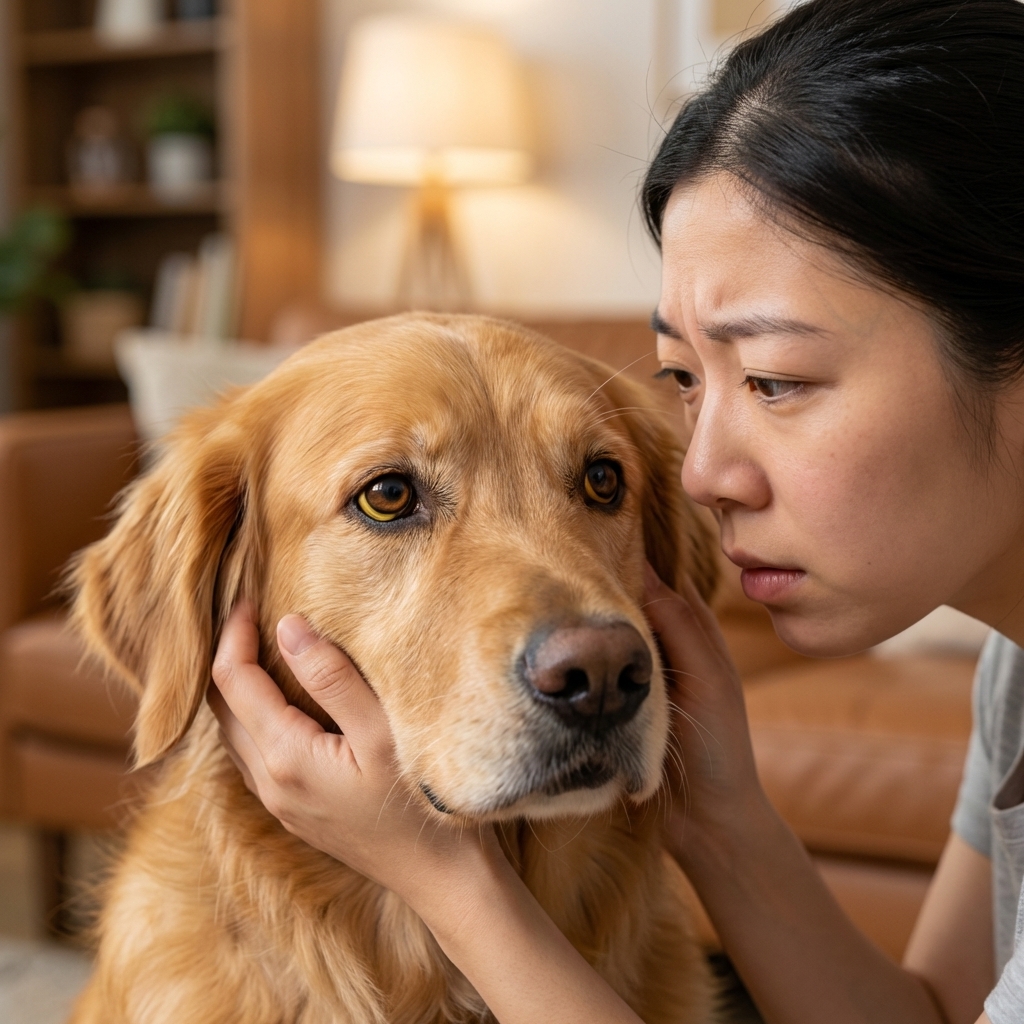
- Jaundice (yellow gums, yellow whites of the eyes, yellow skin)
- Light or gray-tan stools (bile may not be reaching the intestines, and the change can be subtle)
- Sudden collapse, weakness, or a distended painful abdomen
- Uncontrolled vomiting or inability to keep water down
If you see jaundice or strong belly pain, treat it as urgent. Gallbladder rupture or bile duct obstruction can become an emergency.
Why it happens
Sometimes we never find one single cause. But veterinarians commonly look at these contributors:
- Thick bile and poor gallbladder emptying leading to sludge and mucoceles
- Underlying endocrine disease such as Cushing’s disease or hypothyroidism, which are associated with gallbladder mucocele risk in dogs
- High blood lipids (hyperlipidemia and hypertriglyceridemia), seen in some dogs and breeds
- Gallstones and chronic inflammation
- Bacterial infection that may ascend from the GI tract (confirmed with culture)
- Pancreatitis causing swelling near the bile duct and disrupting bile drainage
Because endocrine disease and high lipids can raise risk, screening for those issues is often part of the workup, especially in dogs with suspected mucocele.
Gallbladder and pancreatitis
This is a big one. The gallbladder, bile ducts, liver, and pancreas are close neighbors. In many dogs, the bile duct and pancreatic duct meet before they empty into the small intestine.
That means problems in one area can affect the other:
- Bile duct obstruction can be associated with pancreatitis, and in some cases can contribute to it due to inflammation and pressure changes near the duct opening.
- Pancreatitis can mimic gallbladder disease with vomiting, abdominal pain, and poor appetite.
- Pancreatitis can contribute to obstruction because a swollen pancreas can compress nearby ducts.
If your dog has a history of pancreatitis and suddenly becomes jaundiced, the gallbladder and bile ducts deserve a very close look.
How vets diagnose it
Because symptoms overlap with pancreatitis, liver disease, and GI disorders, diagnosis usually involves a combination of tests.
Exam and history
Your veterinarian will ask about vomiting frequency, appetite, stool color changes, recent fatty meals, medication history, and whether your dog seems painful when moving or being picked up.
Bloodwork
- Liver enzymes (ALT, ALP, GGT) may be elevated
- Bilirubin may be elevated with jaundice or obstruction
- Cholesterol can be high in some cases
- Inflammation markers and white blood cells may increase, especially when infection is involved
- Pancreatitis testing (such as canine pancreatic lipase testing) may be recommended because of the strong overlap
- Endocrine and lipid screening may be recommended in dogs with suspected mucocele or recurrent sludge
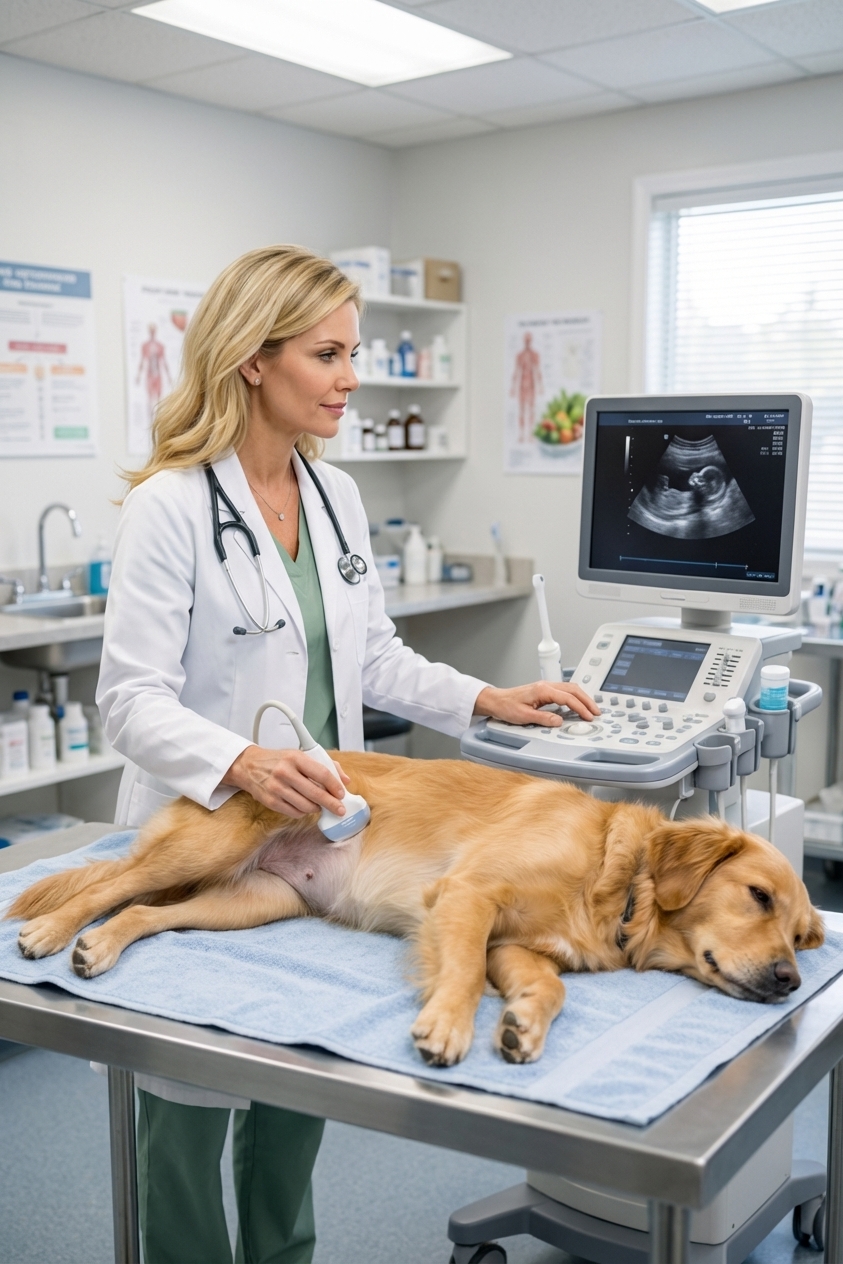
Abdominal ultrasound
Ultrasound is often the most useful imaging tool for gallbladder disease. It can identify:
- Gallbladder sludge
- Gallstones
- Gallbladder wall thickening
- Mucocele patterns
- Duct dilation and suspected obstruction
- Signs of pancreatitis
What the vet may do next
Depending on what ultrasound and labs show, your veterinarian may recommend:
- Repeat bloodwork to track trends (bilirubin and liver enzymes)
- Coagulation testing (clotting tests) before surgery, since liver and biliary disease can affect clotting
- Hospitalization for IV fluids, pain control, and monitoring if your dog is jaundiced, painful, dehydrated, or cannot keep food and water down
- Bile sampling and culture in selected cases to confirm infection and guide antibiotic choice
- Referral to an internal medicine specialist or surgeon for complicated cases
Treatment options
Treatment depends on the exact diagnosis, your dog’s stability, and whether there is obstruction or a risk of rupture.
Supportive care
Many dogs need some combination of:
- IV fluids for dehydration and shock prevention
- Anti-nausea medications
- Pain control (abdominal pain is common)
- Antibiotics if infection is suspected, and adjusted if culture confirms it
- Hospital monitoring, especially if jaundiced or very painful
Medical management
For some stable dogs with sludge, mild cholecystitis, or certain non-obstructive cases, your veterinarian may use medications to support bile flow and reduce inflammation. These decisions are case-specific and should be guided by ultrasound findings and bloodwork trends.
Examples you might hear your vet discuss include ursodeoxycholic acid (ursodiol) for certain non-obstructive cholestasis or sludge cases, and sometimes liver support like SAMe or silybin. These are not do-it-yourself meds and are not appropriate in some situations, especially if obstruction is suspected.
Important note: do not give human gallbladder supplements or “liver flush” products without veterinary guidance. Some ingredients can worsen vomiting, interact with medications, or be risky in obstructive disease.
When surgery is needed
Surgery becomes more likely when there is:
- Gallbladder mucocele with a high rupture risk
- Confirmed bile duct obstruction or worsening jaundice
- Gallbladder rupture
- Severe cholecystitis not responding to medical management
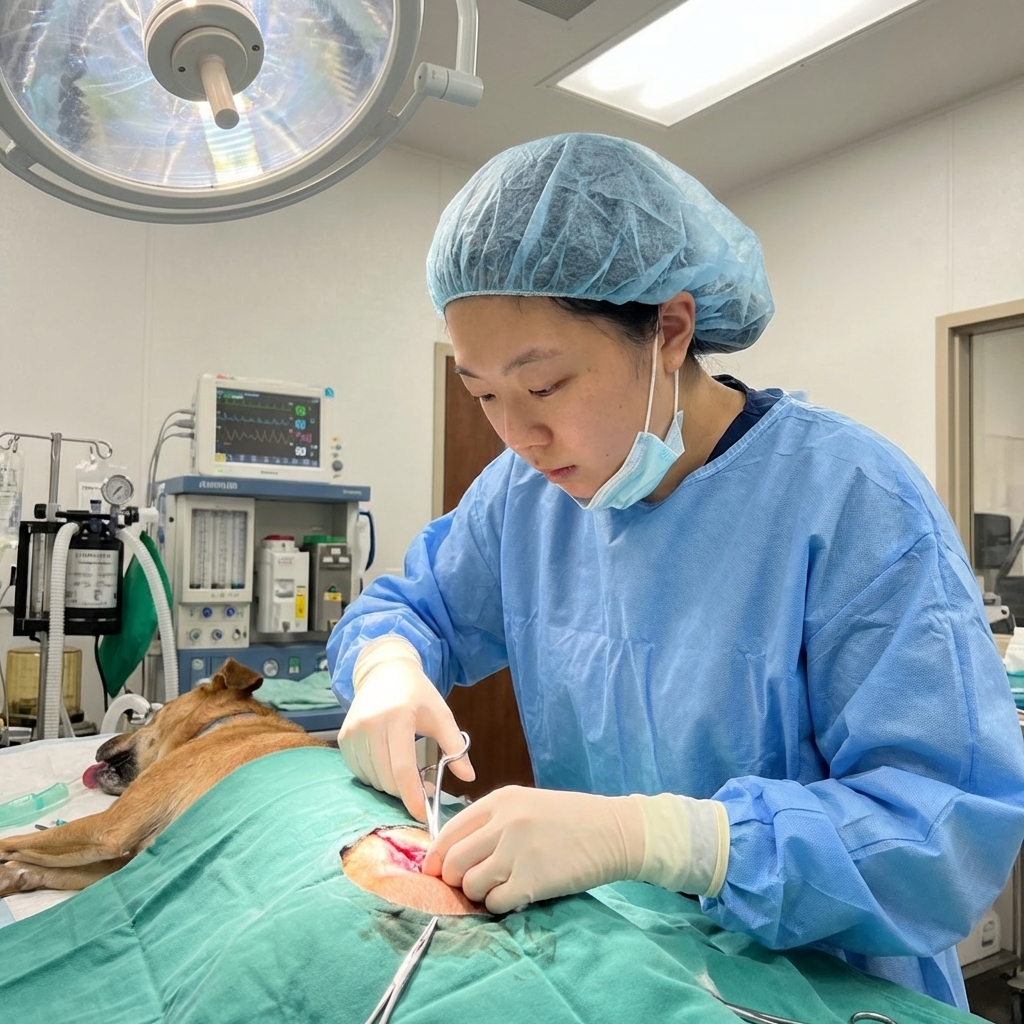
The most common surgery is cholecystectomy, which is removal of the gallbladder. Dogs can live without a gallbladder. After recovery, many dogs return to a normal balanced diet, while some dogs (especially those with pancreatitis risk or high blood fats) may do better long-term with a vet-guided lower-fat plan.
Diet and home care
Diet does not replace veterinary care for gallbladder disease, but it can be a powerful part of prevention and long-term management, especially when gallbladder issues overlap with pancreatitis or high blood fats.
Nutrition goals
- Lower fat meals if your veterinarian recommends it, particularly for dogs with pancreatitis risk or hyperlipidemia
- Highly digestible foods during recovery
- Steady meal schedule (smaller, more frequent meals can be easier on the GI tract for some dogs)
- Weight management if your dog is overweight, since excess body fat can worsen metabolic risk factors
Prescription and homemade diets
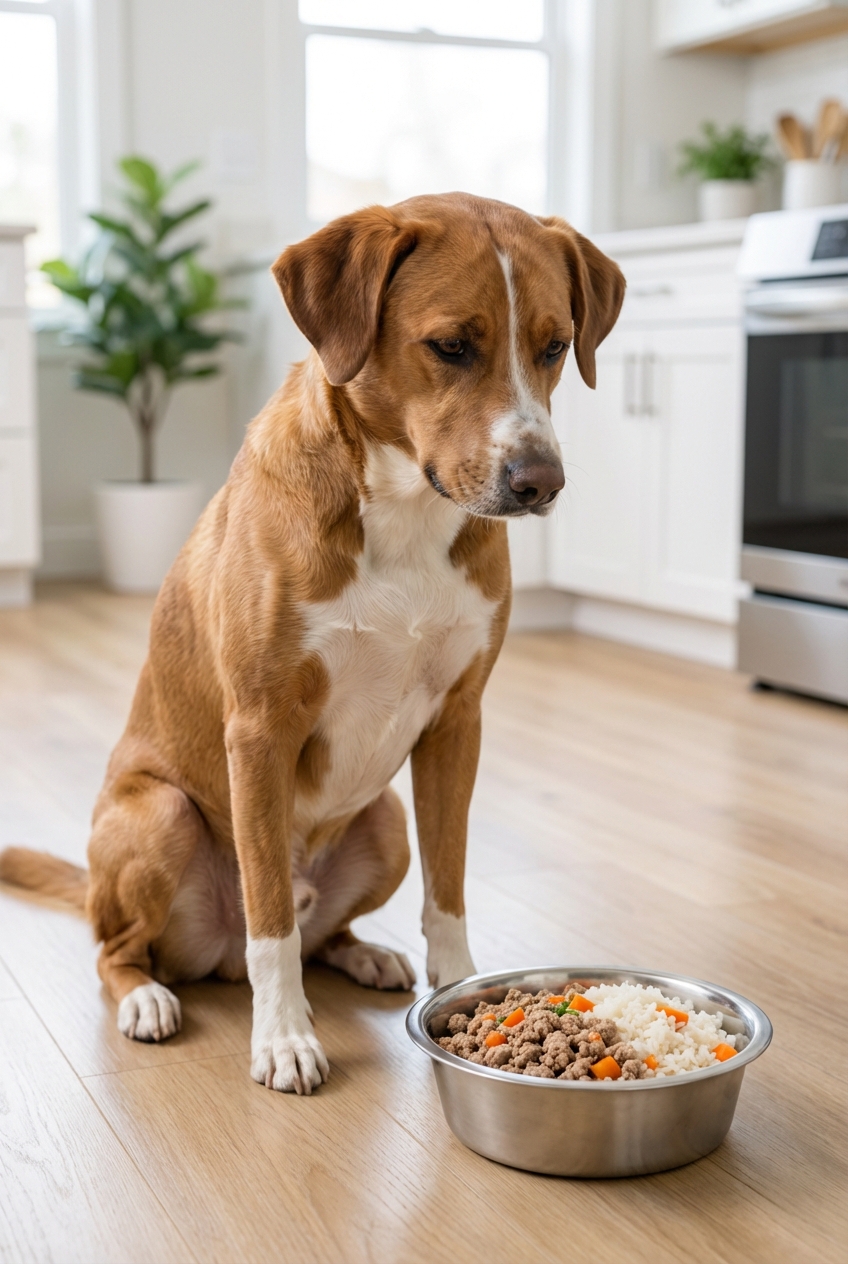
Some dogs do best on a veterinary therapeutic diet formulated for low fat GI support. If you prefer homemade, please do it with your veterinarian or a board-certified veterinary nutritionist so your dog does not end up deficient in essential nutrients.
As a safe starting point to discuss with your vet, many gallbladder and pancreatitis-prone dogs do better when meals focus on:
- Lean protein (for example, skinless chicken or turkey, or other vet-approved lean options)
- Gentle carbs (for example, cooked white rice or sweet potato if tolerated)
- Cooked vegetables in modest amounts for fiber and micronutrients
Do not make sudden diet changes when your dog is actively vomiting or painful. That is the time for medical care first, then a carefully planned transition once stable.
What to avoid (unless your vet says otherwise)
- Fatty meals and rich treats (bacon, greasy table scraps, high-fat chews)
- Rapid diet switches
- Overfeeding and frequent high-calorie snacks
When to go in urgently
Please call an emergency veterinarian right away if your dog has any of the following:
- Yellow gums or yellow eyes
- Repeated vomiting or vomiting with weakness
- Severe abdominal pain or a rigid, swollen belly
- Collapse, extreme lethargy, or signs of shock (pale gums, rapid breathing)
- Black tarry stool or vomiting blood
Gallbladder disease can move from “concerning” to “critical” quickly, especially with mucoceles, obstruction, or concurrent pancreatitis.
Recovery and outlook
The prognosis depends on the problem and how early it is caught. Many dogs do very well with timely surgery for gallbladder mucocele, and many stable cases of sludge or mild inflammation can be managed with careful medical support and nutrition.
After surgery
Recovery and follow-up vary by patient, but it commonly includes:
- Hospital monitoring right after surgery for pain control, nausea, and lab trends
- Recheck exams and repeat labs to ensure bilirubin and liver enzymes are improving
- Diet plan that is gradually advanced as your dog tolerates food
- Watching at home for poor appetite, vomiting, belly pain, fever, or yellowing, and reporting changes quickly
Prevention
Prevention is not always possible, but you can stack the odds in your dog’s favor by:
- Keeping regular wellness visits and lab checks, especially for seniors
- Managing endocrine disease (like Cushing’s or hypothyroidism) if present
- Maintaining a healthy weight
- Feeding an appropriate fat level for your dog’s history and lab results
- Taking vomiting, abdominal pain, and jaundice seriously, and seeking care early
If your dog has had pancreatitis before, ask your veterinarian whether the gallbladder and bile ducts should be rechecked, especially if appetite or stool color changes.