Chicken and rice can soothe mild stomach upset and help dogs transition back to normal food. Learn safe recipes, portions, how long to feed it, and when to c...
Article
•
Designer Mixes
Gabapentin for Dogs: Dosage, Uses, and Side Effects

Shari Shidate
Designer Mixes contributor
Gabapentin is a commonly prescribed medication in veterinary medicine, and in my work as a veterinary assistant, I have seen how helpful it can be for many dogs when it is used correctly. It is not a cure-all, but it can be a big comfort tool for pain control and anxiety relief , especially when your dog is hurting, recovering from surgery, or feeling stressed at vet visits.
Important: Only give gabapentin if it was prescribed for your dog, at your dog’s dose. Human medications and shared prescriptions can be dangerous for pets.
What it is and what it does
Gabapentin was originally developed for people, but it is widely used “off-label” in dogs, meaning veterinarians commonly prescribe it based on clinical evidence and experience even though the FDA label is not specifically for canine use.
In dogs, gabapentin is most often used to:
- Reduce certain types of pain, especially nerve-related pain (neuropathic pain)
- Support arthritis and chronic pain plans as an add-on medication
- Decrease situational anxiety, like fear during car rides, grooming, fireworks, or veterinary visits
- Occasionally support seizure control in select cases, usually as an add-on rather than the only medication
In plain English, gabapentin helps “turn down” overactive nerve signaling. More specifically (but still owner-friendly), it affects calcium channels in the nervous system (the α2δ subunit), which can reduce the release of excitatory neurotransmitters. The goal is fewer pain signals and less nervous system overactivation that can contribute to anxiety.
Common uses
Pain relief
Gabapentin is a favorite “team player” medication. It often pairs well with other pain relievers because it targets a different pain pathway. Your veterinarian might use it for:
- Back and neck pain (including suspected disc issues)
- Post-surgical discomfort
- Chronic arthritis pain, particularly when stiffness and sensitivity are noticeable
- Nerve pain from injuries
Anxiety and fear
Many dogs benefit from gabapentin before stressful events. In clinics, it is frequently part of a “chill protocol” (also called pre-visit pharmaceuticals) to help dogs stay calm and safe during handling.
What you may notice at home is a dog who is less reactive, less worried, and sometimes a bit drowsy.
Because every dog responds differently, it can take a little trial and adjustment to find a dose and timing that helps without making your dog too sleepy.
Seizures
Gabapentin is not usually the first medication chosen for seizure disorders in dogs, and its role is more limited than it is for pain. It may be used as an add-on in some cases, especially if a dog needs additional support or has pain and seizures happening together.
Dosage guidelines
Gabapentin dosing depends on your dog’s weight, age, kidney function , the condition being treated, and whether it’s used alone or with other medications.
Veterinarians commonly dose gabapentin based on body weight in mg per kg. In general clinical use (protocols vary, and your veterinarian may dose outside these ranges depending on the goal and your dog’s response):
- Pain: often around 10 to 20 mg/kg by mouth every 8 to 12 hours
- Anxiety (situational): often around 10 to 30 mg/kg by mouth, typically given 1 to 3 hours before the stressful event
Those are broad ranges, not a substitute for veterinary instructions. Some dogs need less, some need more, and frequency matters just as much as the dose.
Why dosing varies
- Kidney disease: gabapentin is eliminated mainly through the kidneys, so doses may need to be reduced or spaced out
- Senior dogs: may be more sensitive to sedation and wobbliness
- Combination therapy: if your dog is also taking other calming or pain medications, your vet may adjust doses to avoid excessive sedation
Forms you may see
- Capsules or tablets (common for medium and large dogs)
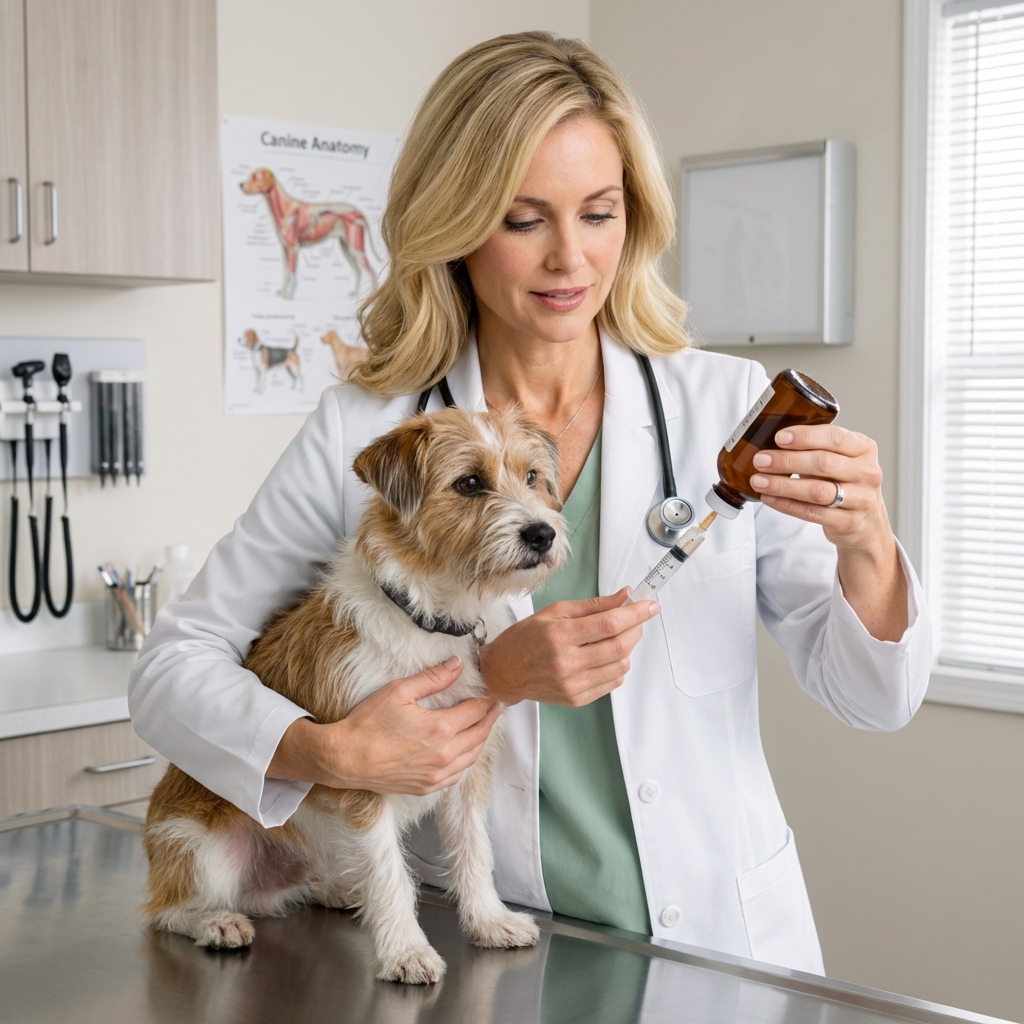
- Compounded liquids (helpful for small dogs or precise dosing)
Quick caution on liquid gabapentin: Some human liquid formulations contain xylitol, which is toxic to dogs. Avoid using “gabapentin oral solution” made for humans unless your veterinarian and pharmacist confirm it is xylitol-free. Also note that compounded medications can include sweeteners or flavorings, so it is smart to double-check the ingredients.
How to give it
- Follow the exact label directions for dose and timing.
- Plan ahead for anxiety dosing. Timing can make or break how well it works. Many dogs do best when it is given 1 to 3 hours before the event, but your vet may tailor this.
- Give with a small meal or treat if your dog’s stomach seems sensitive.
- Ask before opening capsules. Some dogs do fine when a capsule is opened and mixed into food, but some formulations taste bitter and can cause food refusal. Your veterinary team can suggest the easiest option.
- Store medications securely. Many dogs will eat a whole bottle if given the chance.
How long it lasts: For many dogs, the noticeable effects of a dose last roughly 6 to 12 hours, although this varies with the dog, the dose, and the reason it is being used.
Side effects
Most dogs tolerate gabapentin well, but side effects can happen, particularly when first starting it or after a dose increase.
Common side effects
- Sleepiness or acting “extra mellow”
- Wobbliness (ataxia), unsteady walking, or slower movements
- Weakness or reduced coordination
- Mild stomach upset (less common), including vomiting or diarrhea
Less common but urgent signs
- Severe lethargy or difficulty waking up
- Extreme stumbling, collapse, or inability to stand
- Trouble breathing (especially if combined with other sedating meds)
- Facial swelling, hives, or sudden itching (possible allergic reaction)
If you notice the urgent signs, call your veterinarian or an emergency clinic right away.
Monitoring tip: Mild sleepiness and wobbliness often improve as dogs adjust, but if sedation or ataxia is not improving after 1 to 2 days, or if it shows up strongly after a dose change, call your clinic. A small adjustment can make a big difference.
Interactions and cautions
Gabapentin can interact with other medications, especially those that also cause sedation. Always tell your veterinarian about everything your dog takes, including supplements.
Use extra caution with
- Other sedatives or calming meds (for example trazodone, clonidine, acepromazine, benzodiazepines, or some antihistamines)
- Opioid pain medications, which can increase drowsiness
- Other CNS depressants (some combinations are intentional and helpful, but should be supervised by your veterinarian)
- Antacids, which may reduce absorption if given too close to gabapentin. A common guideline is to separate them by at least 2 hours.
- Kidney disease, where dosing changes are often needed
If your dog is pregnant, nursing, very young, or has complex medical conditions, your vet may choose a different plan or monitor more closely.
Missed dose
If you miss a dose, follow your veterinarian’s instructions. In many cases:
- If you remember fairly soon, you may give the missed dose.
- If it is close to the next scheduled dose, you may be told to skip the missed dose and return to the normal schedule.
- Do not double up unless your veterinarian specifically tells you to.
For dogs using gabapentin as part of seizure management, missed doses can matter more. Call your clinic for guidance.
Stopping and tapering
Do not stop suddenly if your dog has been taking gabapentin regularly, especially if it is part of a seizure plan. Abrupt discontinuation can increase the risk of rebound seizures and may also cause a noticeable return of anxiety or pain. Your veterinarian may recommend a taper.
Overdose
Gabapentin overdoses often cause significant sedation and wobbliness, but severe cases can be dangerous.
Signs that should prompt an urgent call include:
- Marked sleepiness or unresponsiveness
- Severe incoordination
- Vomiting that will not stop
- Slow or labored breathing
Call your veterinarian, an emergency clinic, or pet poison support right away. If you are in the U.S., you can contact:
- ASPCA Animal Poison Control Center: aspca.org/pet-care/animal-poison-control
- Pet Poison Helpline: petpoisonhelpline.com
FAQs
How long does it take to work?
For anxiety or sedation, many dogs show effects within about 1 to 3 hours. For chronic pain, it may take a few days of consistent dosing to see the full benefit.
Will it make my dog sleepy?
It can, especially at first. Many dogs adjust over time. If your dog seems overly sedated or too wobbly to safely move around, call your veterinarian. A dose adjustment or different schedule can often help.
Can my dog take it long-term?
Some dogs do take it long-term for chronic pain. Your veterinarian may recommend periodic check-ins, especially for senior dogs or dogs with kidney concerns.
Is it a painkiller like an NSAID?
Not exactly. NSAIDs (like carprofen or meloxicam) target inflammation. Gabapentin targets nerve-related pain signaling. They are sometimes used together as part of a multi-modal pain plan.
When to call your vet
Reach out if you notice:
- Side effects that interfere with normal walking, eating, or bathroom habits
- Sedation or wobbliness that does not improve after 1 to 2 days
- No improvement after your veterinarian’s suggested trial period
- New medications added by another clinic
- Any sign of allergic reaction or breathing trouble
My goal for you is simple: comfort plus safety. Gabapentin can be a wonderful medication, but the “right” dose is the one your veterinarian chooses for your dog’s body and situation.