
Gabapentin for Cats: Uses, Dosage, and Side Effects

Gabapentin is one of the most common medications I see veterinarians reach for in cats, especially when we need help with pain, anxiety, or safe, low-stress handling for vet visits. If your cat has ever turned into a tiny panther at the carrier or the clinic, you are not alone.
Below, I will walk you through why gabapentin is prescribed, typical dosing ranges, expected side effects, and what to watch for. I will also share practical tips for giving the liquid form to resistant cats and a very common trick for capsules.
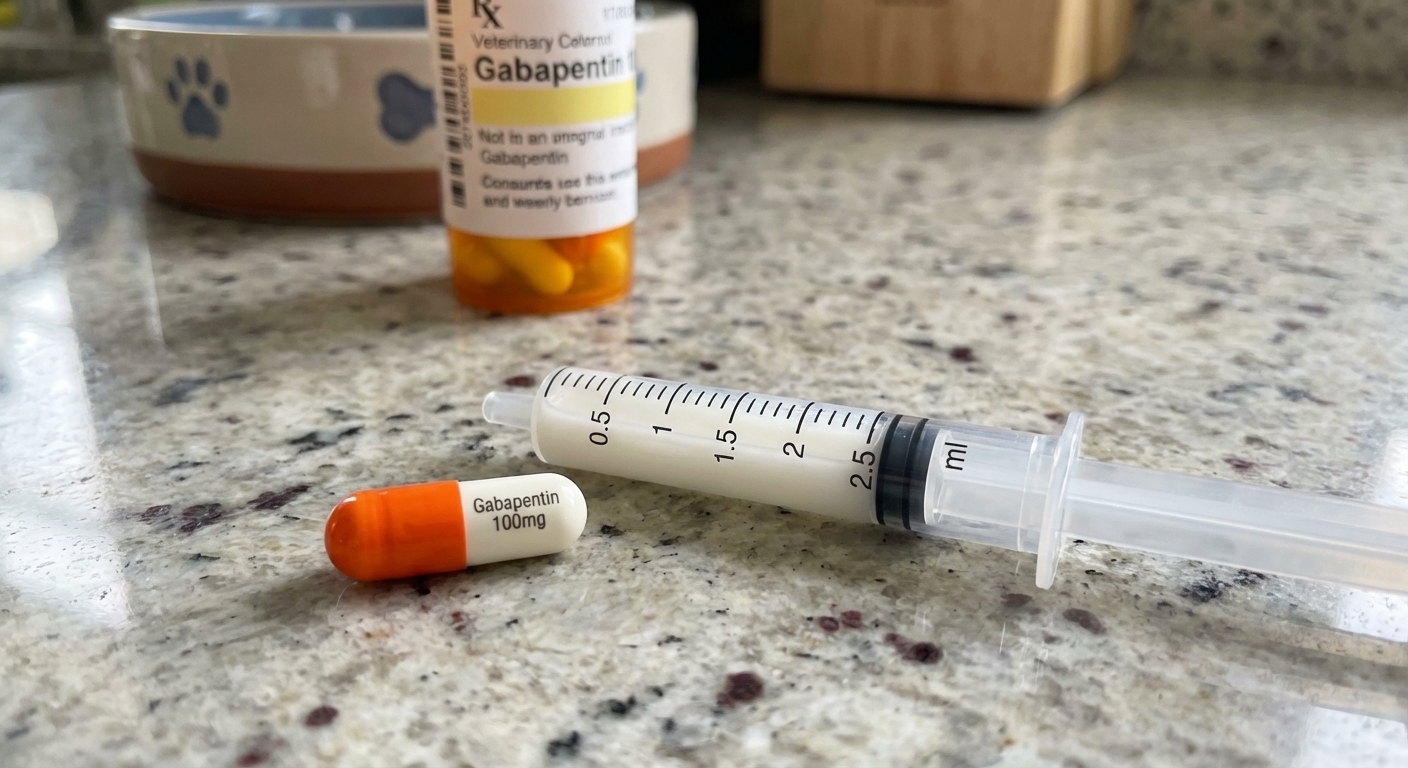
What gabapentin is and how it works
Gabapentin is a medication that changes how certain nerves send signals. For readers who like the “why,” it binds to the alpha-2-delta subunit of voltage-gated calcium channels, which can reduce abnormal nerve firing. Despite the name, it does not work by binding GABA receptors.
In cats, it is commonly used for nerve-related pain and as a mild sedative and anti-anxiety medication. It does not work like a classic anti-inflammatory drug, and it is not an antibiotic.
Gabapentin has been used for years in human and veterinary medicine. In cats, it is especially helpful because it can make stressful events more manageable while also providing pain relief in the right situations.
Why vets prescribe gabapentin for cats
Pain control
Gabapentin is often prescribed for pain that has a neuropathic component, meaning pain coming from irritated or damaged nerves. It may also be used as part of a multi-medication pain plan.
- Arthritis and chronic pain: Some cats with osteoarthritis benefit when gabapentin is added to their plan, especially if they have signs of nerve sensitivity or if other meds are limited.
- Post-operative pain support: It can be used alongside other pain medications after surgery, depending on your veterinarian’s protocol.
- Intervertebral disc disease or nerve pain conditions: Less common in cats than dogs, but still a reason it is used.
Anxiety and fear with handling
Gabapentin is widely used for situational anxiety. This is the classic scenario where a cat is sweet at home but terrified at the clinic.
- Car rides and the carrier
- Veterinary exams and nail trims
- Grooming appointments
- Visitors or stressful household changes in some cats
Pre-visit calming
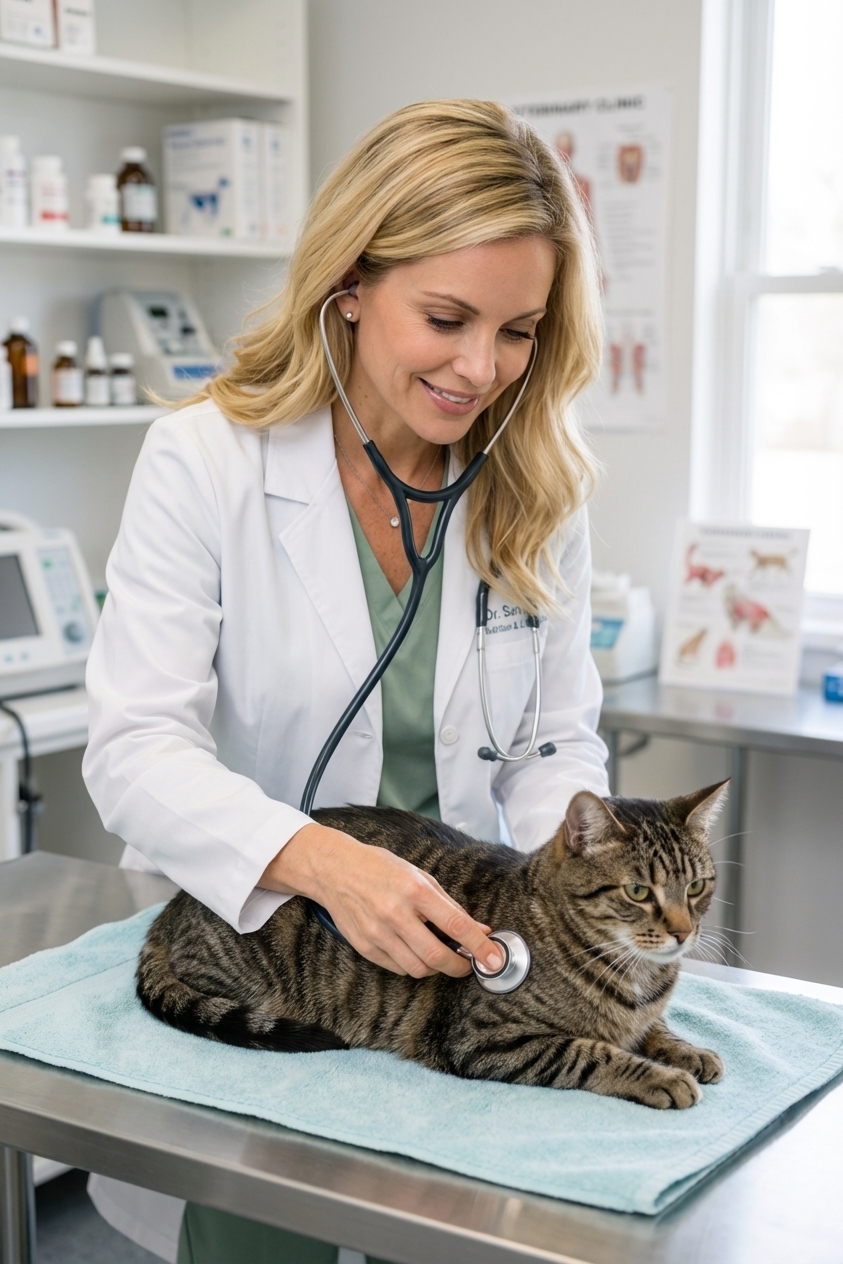
Many veterinarians prescribe gabapentin before appointments to help cats stay calmer, which can make examinations and procedures safer for everyone. Studies and clinical experience support that pre-visit gabapentin can reduce stress and make cats easier to handle.
As a veterinary assistant, I love this approach because lower stress can mean a better quality exam and a less stressful overall experience for your cat.
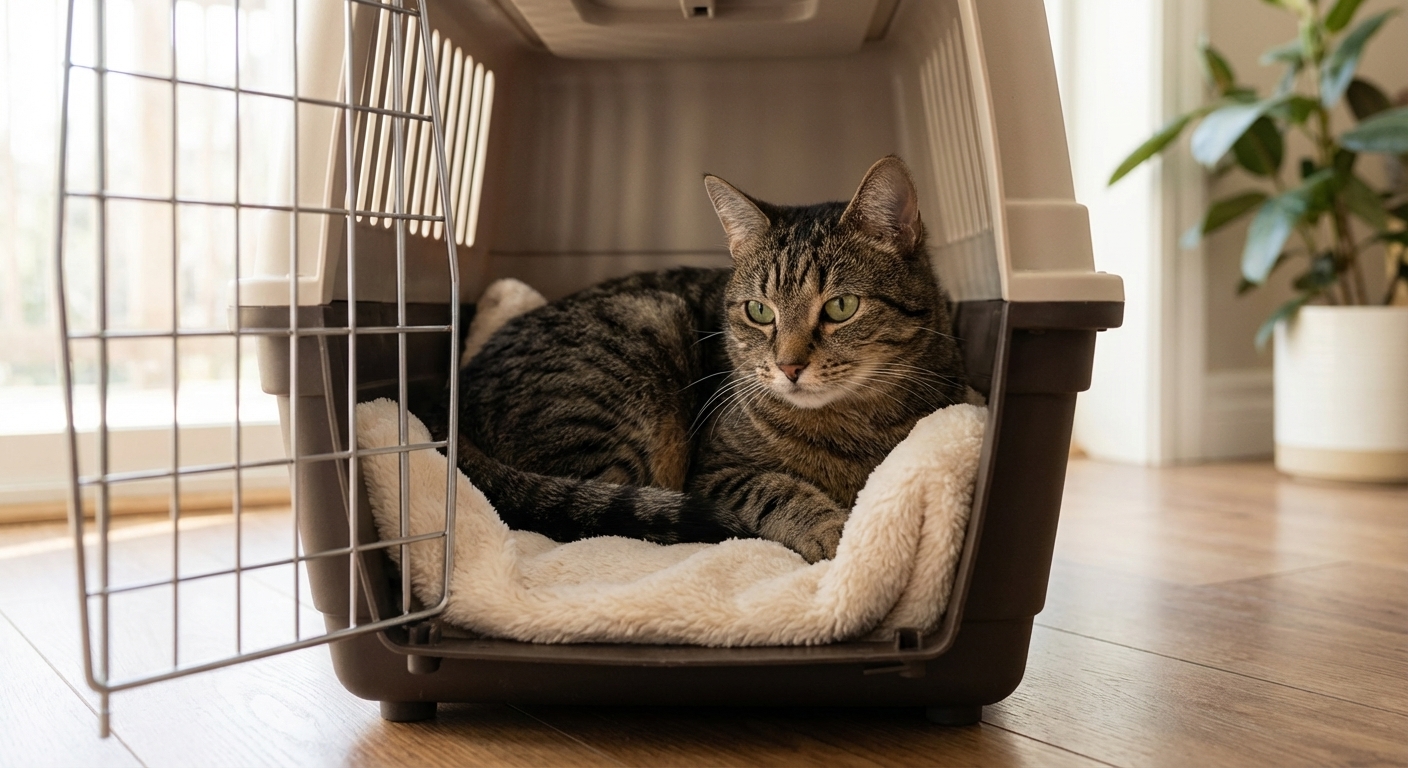
Gabapentin dosage for cats (general ranges)
Important: Only your veterinarian can prescribe the correct dose for your cat. Doses vary based on your cat’s weight, age, kidney function, the goal of treatment, and how sensitive your cat is to sedation.
Common ranges
- For anxiety or pre-visit calming: Many veterinarians start around 50 to 100 mg per cat given about 1.5 to 3 hours before travel or the appointment. Some clinics use higher single doses in larger or more fearful cats, and some protocols use split dosing (for example, a dose the night before and another dose the day of). Your vet will tailor this to your cat.
- For pain management: Dosing is often based on body weight and may be given every 8 to 12 hours. A commonly used starting range is roughly 5 to 10 mg/kg per dose, and many references and clinicians may go higher (often up to about 10 to 20 mg/kg) depending on the type of pain, kidney function, and how well the cat tolerates it.
Special considerations
- Kidney disease: Gabapentin is cleared through the kidneys, so cats with chronic kidney disease often need lower doses or longer intervals.
- Seniors: Older cats may be more sensitive to sedation and wobbliness.
- Other sedating medications: Combining gabapentin with other CNS depressants (for example opioids, trazodone, benzodiazepines, and some antihistamines) can increase sleepiness and coordination issues. Your vet should know everything your cat takes, including supplements.
If your cat seems overly sedated on the prescribed plan, call your veterinary clinic. Often the solution is as simple as lowering the dose or adjusting timing.
How long does gabapentin take to work?
For pre-visit calming, many cats show an effect within about 1 to 3 hours. For pain control, the timing depends on the type of pain and the dosing schedule your veterinarian sets. Some cats show improvement quickly, while others need a few days of consistent dosing to see steady benefits.
How long it lasts varies by cat and dose. For pre-visit use, many owners notice sleepiness and “slower” behavior for 6 to 12 hours (sometimes longer in seniors or cats with kidney disease).
Ask your vet when to give it before an appointment. Timing can make the difference between “it did nothing” and “that was the calmest visit we have ever had.”
One tip I see clinics recommend often is a test dose on a quiet day at home before the real appointment. That way you can see how your cat responds and your veterinarian can adjust the plan if needed.
Common side effects
Most cats tolerate gabapentin well. Side effects are usually related to its calming and sedating properties.
Most common
- Sedation or sleepiness: Your cat may nap more or seem less interested in normal activities for several hours.
- Wobbliness or unsteady walking (ataxia): This can look like a “drunk” walk, trouble jumping, or misjudging distance.
- Mild weakness or slower reactions: Especially noticeable in older cats.
Less common
- Drooling or foaming: Often due to the taste of liquid medication, not true toxicity.
- Vomiting or diarrhea: Not common, but possible.
- Increased appetite: Some cats seem hungrier.
If side effects are mild and your cat is still responsive, it may be an expected effect. If you are worried, trust that instinct and call your vet.
When to call the vet
Contact your veterinarian promptly if you notice any of the following:
- Extreme sedation: Hard to wake, not responding normally, or unable to stand.
- Very slow breathing or obvious breathing difficulty. This is more concerning with high doses, medication combinations, or underlying illness.
- Repeated vomiting, especially if your cat cannot keep water down.
- Signs of an allergic reaction: facial swelling, hives, sudden intense itchiness, or trouble breathing.
- Accidental overdose: for example, double-dosing or a pet getting into the bottle.
If it is after hours, call an emergency clinic or pet poison hotline based on your vet’s guidance. It is always better to ask early.
Safety tips at home
Prevent falls
If your cat is sleepy or unsteady, keep them in a safe, quiet area for a few hours.
- Block access to high cat trees or shelves
- Use a room with carpet or rugs for traction
- Make food, water, and the litter box easy to reach
Do not stop suddenly
If your cat takes gabapentin regularly, do not discontinue it abruptly unless your veterinarian tells you to. Your vet may recommend tapering, depending on how long your cat has been on it and why it was prescribed.
Use the right formulation
Many cats receive gabapentin as capsules, tablets, or a compounded liquid. Only use a product made and dosed as your veterinarian directed. Do not share prescriptions between pets.
- Do not use human liquid gabapentin unless your vet specifically approves it. Some human liquids may contain ingredients that are not ideal for pets.
- Do not use extended-release formulations unless specifically prescribed for your cat.
How to give gabapentin to resistant cats
Some cats take gabapentin like a champ. Others act like you are offering them poison. Here are a few options that can make a real difference.
Option 1: Capsules mixed in food
This is one of the most common low-stress methods, and it works well for many cats.
- Ask your vet if your cat’s gabapentin capsule can be opened. Many can, but you should confirm first (especially if the product is a special formulation).
- Open the capsule and mix the powder into a small amount of something very palatable, like a spoonful of wet food or a lickable treat.
- Offer that small “med snack” first, then give the rest of the meal after you are sure they ate the dose.
Tip from the clinic: if you mix it into a full bowl of food and they do not finish, you have no idea how much medication they actually got.
Option 2: Liquid gabapentin tips
Liquid gabapentin can be a lifesaver for accurate dosing, but some cats hate the taste.
1) Ask about flavoring and concentration
Compounding pharmacies can often add flavors like chicken or fish. Also ask your vet about the concentration so the dose volume is smaller. A tiny volume is easier than a big syringe-full.
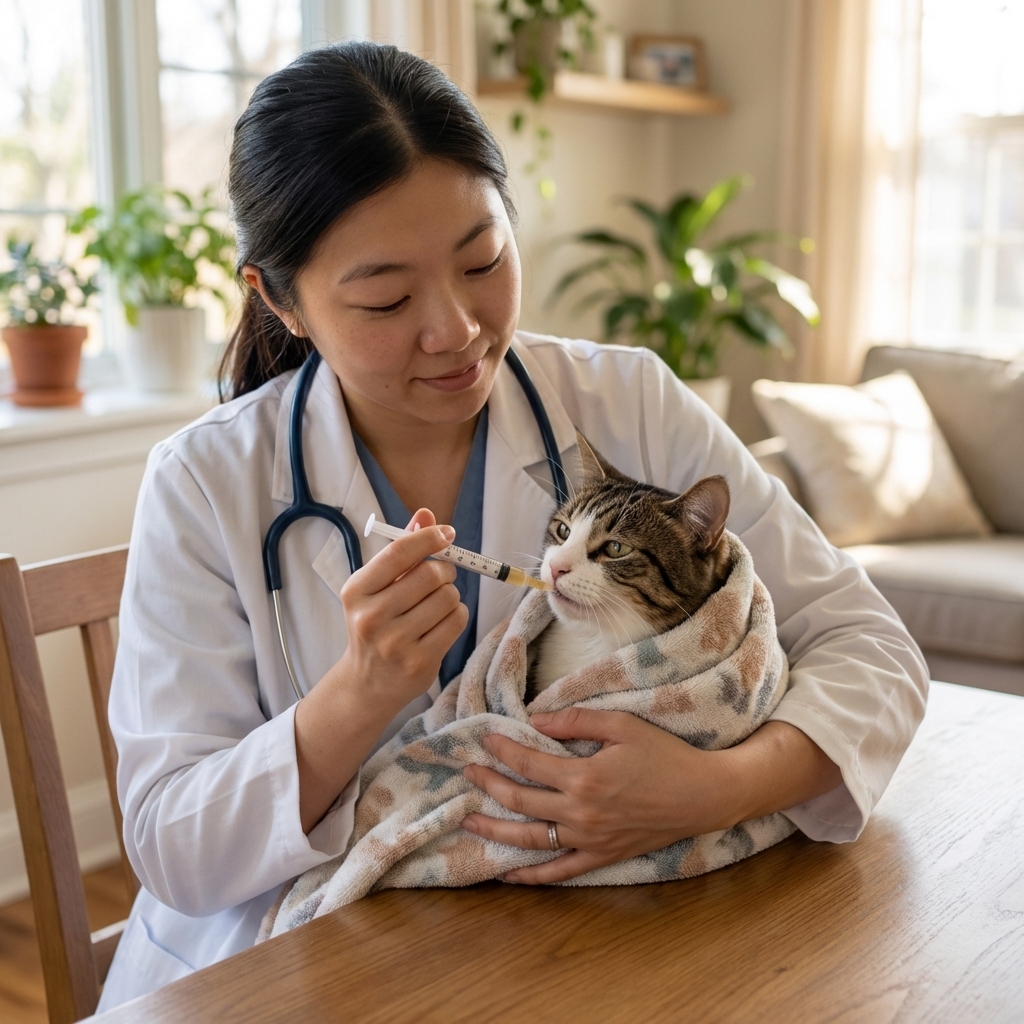
2) Use the “cheek pouch” technique
- Wrap your cat in a towel if needed, leaving the head out.
- Insert the syringe from the side of the mouth, aiming for the space between the cheek and teeth.
- Give slowly, in small squirts, allowing time to swallow.
Avoid shooting liquid straight to the back of the throat. That increases the risk of coughing or aspiration.
3) Follow with a chaser
If your vet says it is okay, offer a small treat right after. This can help clear the taste and build a better association.
- A teaspoon of a favorite wet food
- A lickable cat treat
- A small bite of something vet-approved for your cat’s diet
4) Make it a calm routine
Pick a quiet room, turn off loud TV, and move slowly. Cats are incredibly sensitive to our energy. If you feel rushed, they feel it too.
5) If drooling happens, do not panic
Foaming at the mouth is commonly a taste reaction. Keep your cat calm, wipe the mouth gently if needed, and check in with your vet if it is severe or your cat seems distressed.
Frequently asked questions
Will gabapentin make my cat sleepy?
It often does, especially at doses used for pre-visit calming. Sleepiness and wobbliness are among the most common effects and are not automatically a sign of danger. Your vet can adjust the dose if it is too much.
Can gabapentin be used with other medications?
Often yes, but it depends on what your cat is taking. Because gabapentin can add sedation, your vet will want to know about any other sedatives, pain medications, or supplements.
How many hours before the vet should I give it?
Many protocols recommend giving gabapentin 1.5 to 3 hours before travel or the appointment, but some cats do better with a plan that starts the night before. Follow your vet’s exact instructions since timing can vary by dose and by the individual cat.
The bottom line
Gabapentin can be a gentle, effective tool for cats who need support with pain or anxiety, and it can make veterinary care safer and less stressful. The key is using the right dose for your cat, watching for expected side effects like sleepiness and wobbliness, and calling your vet if anything seems off.
If you are struggling to medicate your cat, tell your clinic. In my experience, most teams are happy to help you troubleshoot technique, timing, flavoring, and alternatives so your cat gets the benefits without the battle.