Stop cat fleas fast with safe, age-appropriate options. Learn vet-backed treatments, daily combing, home cleaning, what to avoid, and a 14-day plan to break ...
Article
•
Designer Mixes
Fun Treat Fleas on Cats: Practical Help

Shari Shidate
Designer Mixes contributor
If you found “fun treat fleas on cats” while searching, you are probably looking for two things at once: how to make your cat feel better right now, and how to stop fleas for good. As a veterinary assistant in Frisco, Texas, I can tell you this with a warm but very honest heart: fleas are not just a “gross” problem. They can cause anemia in kittens, trigger painful skin infections, and even transmit tapeworms.
The good news is that you can absolutely make flea control simpler, safer, and more effective when you combine the right veterinary products with smart home habits. And yes, you can add a few “fun” comfort treats and enrichment ideas that help your cat cope while you get rid of the infestation.
Quick boundary note: This article is general education and not a substitute for veterinary advice. If your cat is very young, unwell, or reacting to a product, call your vet.
Quick answers
Is it fleas or something else?
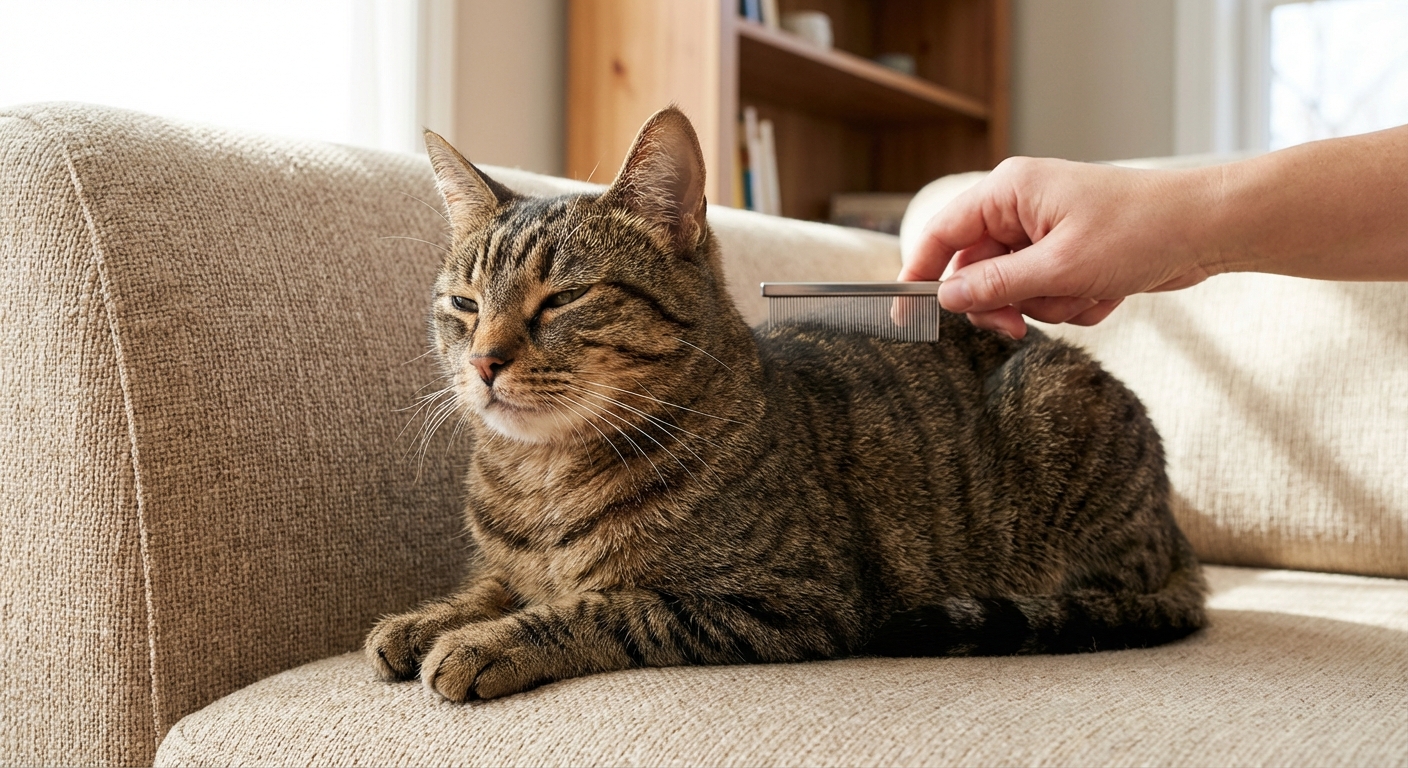
Common flea signs include intense itching (especially near the tail base), tiny black specks in the coat (flea dirt), scabs, and hair loss. A fast check:
- Flea comb test: Comb over a white paper towel.
- Wet paper towel test: If the black specks turn reddish-brown when wet, that can be digested blood from flea dirt.
Other issues like allergies, mites, and ringworm can look similar, so if your cat has bald patches, open sores, or persistent itch, a vet visit is worth it.
Can I treat only my cat?
Not usually. Fleas live in a cycle. While adult fleas are on your cat, many more life stages (eggs, larvae, and pupae) are often in your home environment, like carpet, bedding, and cracks. This is why you can treat once and still see fleas for a while if the environment is not addressed.
Are fleas dangerous?
- Kittens: Fleas can cause anemia surprisingly fast.
- All cats: Flea allergy dermatitis can cause severe itching and secondary skin infections.
- Tapeworms: Cats can get tapeworms by ingesting an infected flea while grooming.
Fun treats: safe and not safe
Let’s talk about “treats” in two ways: edible rewards and soothing, fun activities that reduce stress. A calm cat grooms less frantically, scratches less, and tolerates combing and medication better.
Safe treat ideas
- Single-ingredient treats: Freeze-dried chicken, salmon, or turkey can be gentle on the stomach.
- Hydration treats: A small serving of lickable cat treats or broth can support fluid intake, especially if your cat is stressed. Choose broth that is low-sodium and free of onion and garlic (those ingredients are not cat-safe).
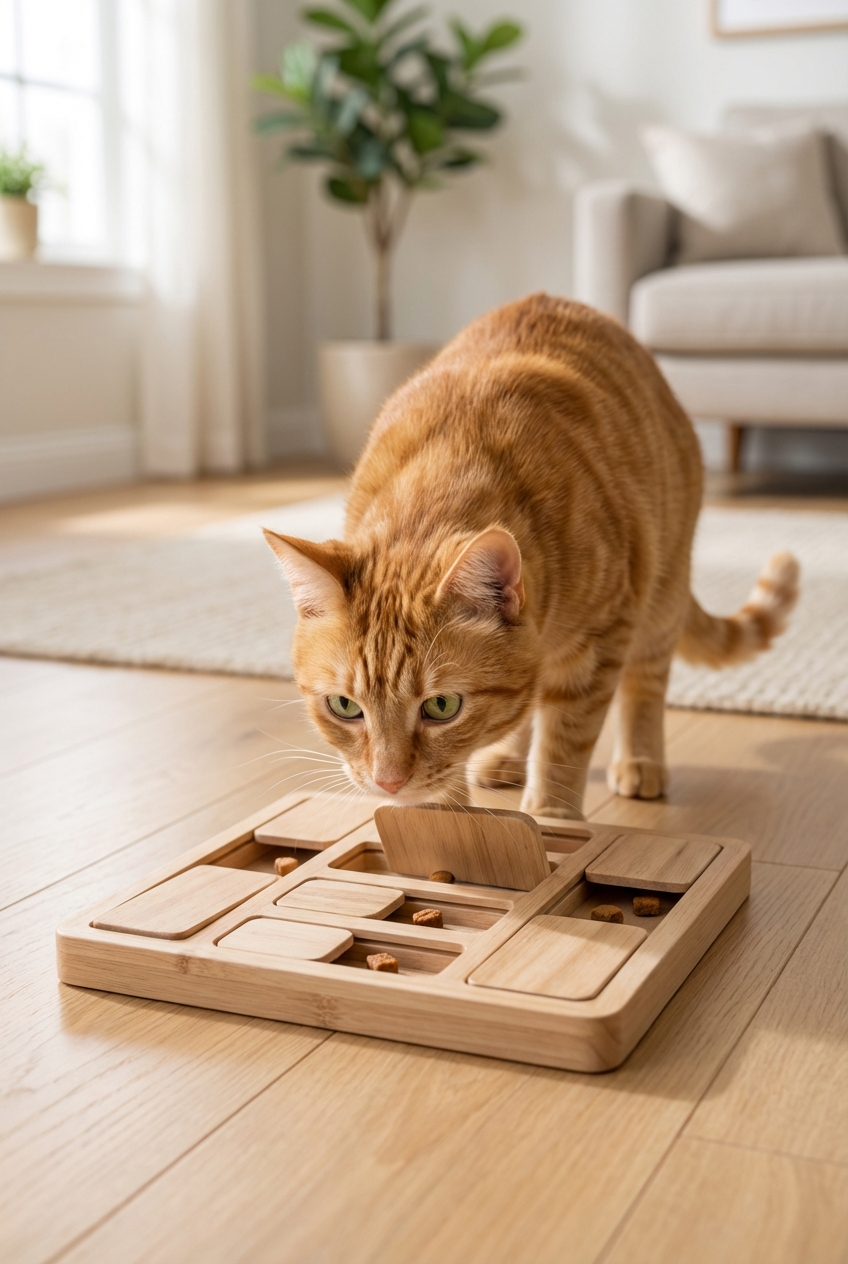
- Food puzzle “treat hunt”: Hide a few treats in a puzzle toy to keep your cat mentally busy while you do laundry and vacuum.
What does not kill fleas
You will see lots of internet tips claiming certain foods “repel” fleas. In real-world veterinary care, there is no reliable evidence that feeding garlic, apple cider vinegar, or random supplements will eliminate fleas on cats. Some of these can be harmful.
Avoid these
- Garlic and onions: Can damage red blood cells in cats.
- Essential oils: Many are toxic to cats, including tea tree oil. Diffusers can also be risky in small spaces. Be cautious with “natural” flea products, especially spot-ons, since many rely on essential oils.
- Dog flea products: Never use dog-only flea meds on cats. Some contain permethrin, which can be life-threatening to cats. Also do not split or “dose down” dog products for cats.
Best flea treatment options
When people ask me for the “best” flea plan, I think in three layers: treat the cat, treat all pets, and clean the environment. The right product depends on your cat’s age, weight, health history, and whether you have other pets.
1) Vet-recommended preventives
Modern prescription flea preventives are highly effective because they target fleas quickly and help break the life cycle. Depending on your cat, your veterinarian may suggest a monthly topical, an oral medication, or a product that also includes an insect growth regulator (IGR) to reduce egg and larval development. Use only cat-labeled products and follow your vet’s dosing instructions.
2) Treat every pet
If you have multiple pets, coordinate a plan with your vet so every animal is protected, including dogs. Otherwise fleas just bounce between hosts. If you have species with special medication needs (for example, ferrets), ask your veterinarian what is safe and effective for them.
3) Flea combing helps
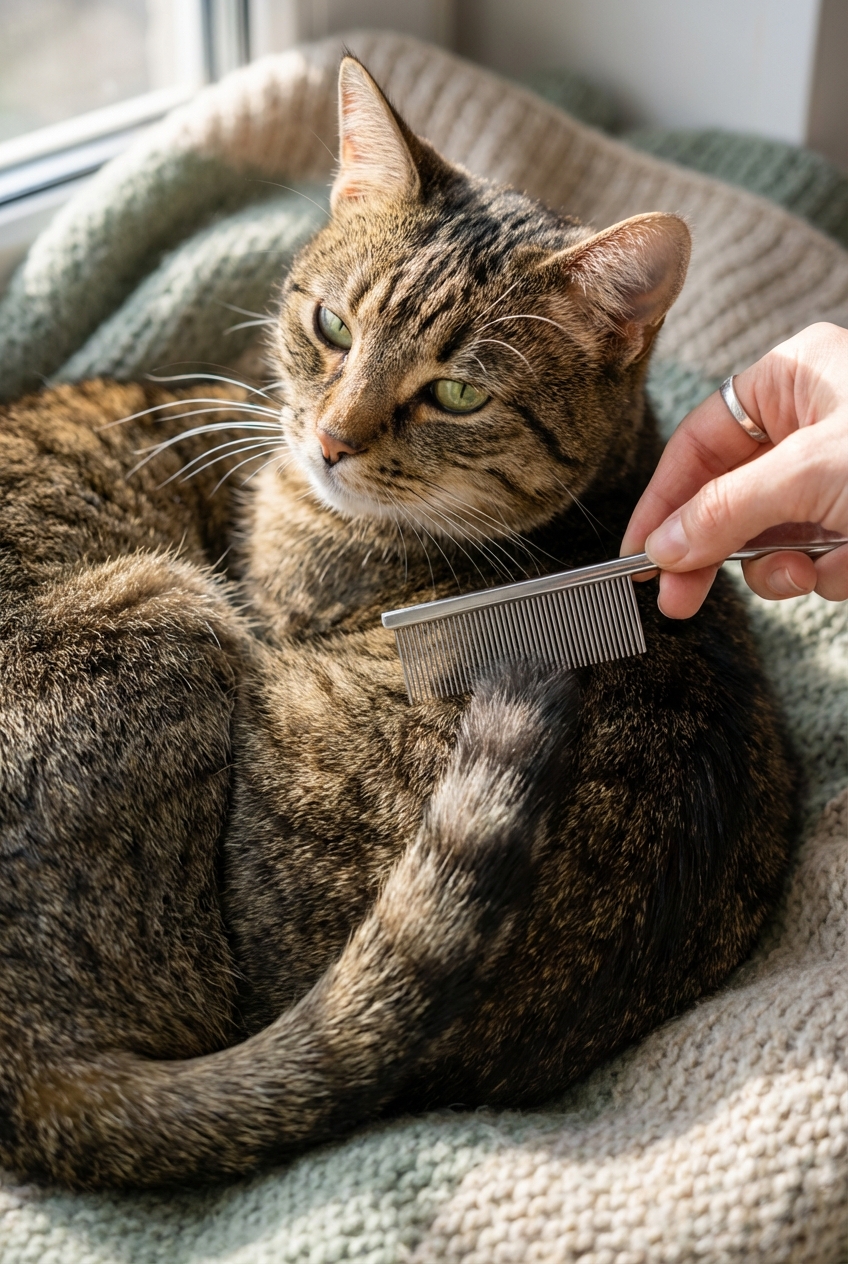
A flea comb will not solve an infestation on its own, but it is wonderful support. Aim for 5 to 10 minutes daily during the first week of treatment. Follow with a reward treat so your cat sees the routine as positive.
4) Baths: sometimes helpful
Most cats do not need flea baths if they are on an effective flea medication. Baths can be stressful for many cats and may lead to more frantic grooming and scratching afterward. If your cat is covered in fleas and your vet approves, use a cat-specific flea shampoo and keep the process calm and quick.
5) Home sprays and foggers
Some environmental products help, but always read labels for cat safety, remove pets from the treated area, and ventilate well. In many homes, consistent vacuuming and laundering plus a good pet preventive works without heavy chemicals.
Home cleanup that works
Here is the practical routine I recommend most often, because it is simple and it works.
First 7 to 14 days
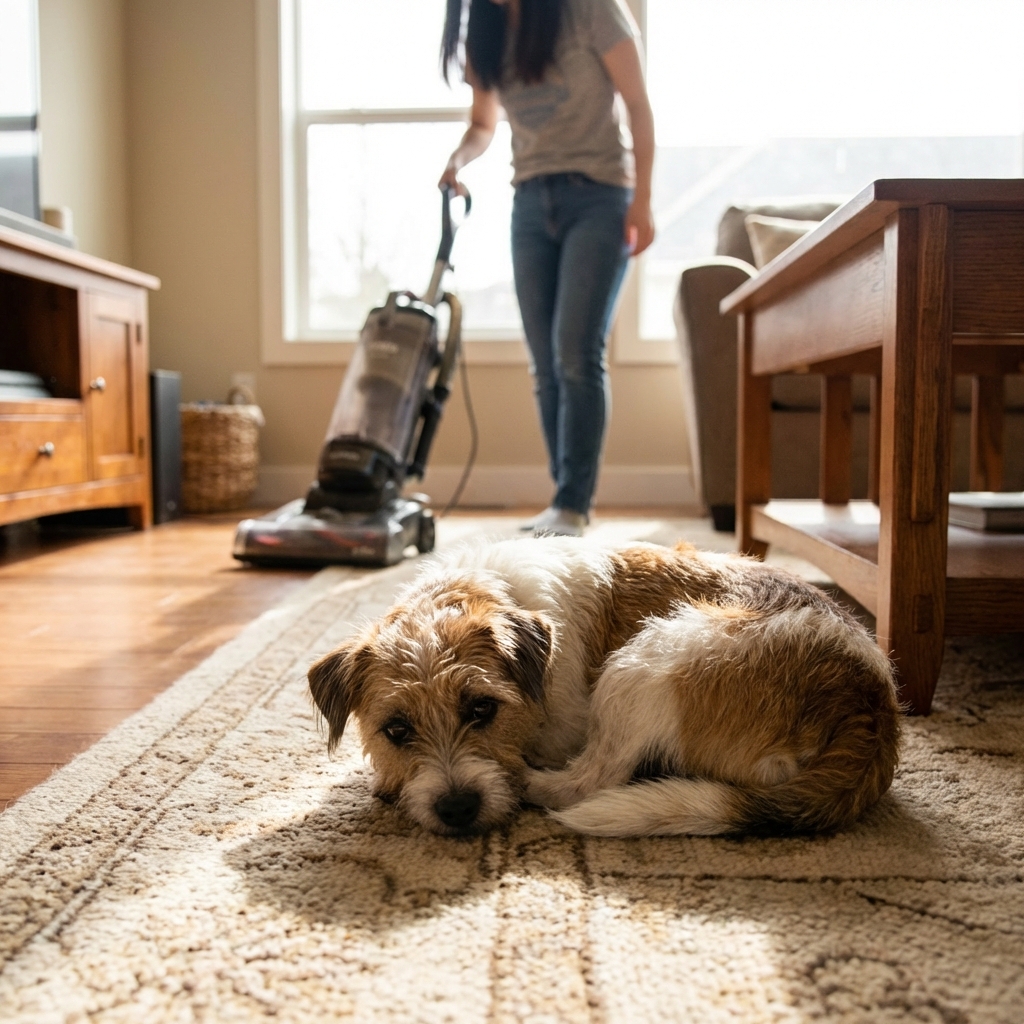
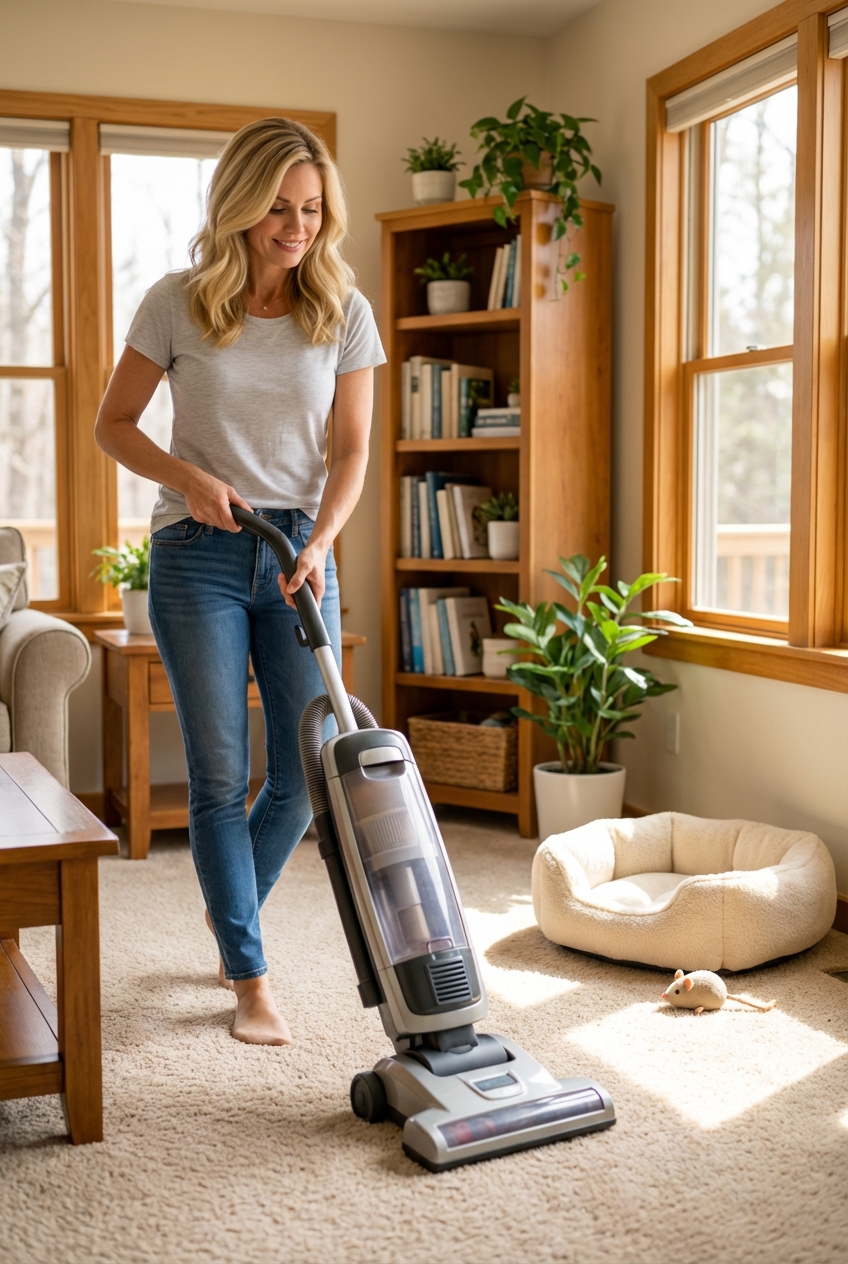
- Vacuum daily (carpets, rugs, couch cushions, baseboards). Immediately empty the vacuum canister outdoors or seal the bag in a trash bag.
- Wash bedding (your cat’s bedding and your bedding) in hot water, then dry on high heat.
- Limit flea zones by keeping your cat’s favorite blankets easy to wash and rotating them.
Next month
- Vacuum 2 to 3 times per week and keep washing bedding weekly.
- Continue monthly prevention on all pets in the home, even if you stop seeing fleas.
Prevent reinfestation
- Stay on year-round prevention if your vet recommends it, especially in warmer regions.
- Reduce hitchhikers by checking dogs regularly and being mindful of wildlife or stray cats near entryways and patios.
- Keep a light maintenance routine (weekly bedding wash, regular vacuuming) once the problem is resolved.
FAQ
Why do I still see fleas after treatment?
It is common to see fleas after the first dose because new fleas can keep emerging from pupae in the environment (a built-in “waiting” stage). With an effective product and steady cleaning, many homes see strong improvement within 1 to 2 weeks. Full resolution can take 4 to 12 weeks depending on infestation level, product choice, and how consistently the environment is cleaned.
Do indoor cats get fleas?
Yes. Fleas can hitchhike in on people, dogs, or even wildlife near entryways.
What if my cat is a kitten?
Kittens need age and weight-appropriate products, and many flea medications have minimum age or weight cutoffs. This is one situation where you should not guess. Call your veterinarian, especially if your kitten seems tired, pale, or weak.
Should I treat my house and my yard?
Start with your pets and indoor environment. Yard treatment may help if your pets spend time outdoors or you have heavy wildlife traffic, but it is not always necessary.
When to call the vet
- Your cat is a kitten, underweight, or seems lethargic
- Pale gums, weakness, or rapid breathing (possible anemia)
- Open sores, swelling, or significant hair loss
- Signs of medication sensitivity like drooling, tremors, vomiting, or wobbly walking
You do not have to figure this out alone. A quick vet check can save you weeks of frustration and protect your cat’s comfort.
Bottom line: the “fun” part is using gentle routines, tasty rewards, and enrichment to keep your cat calm. The “answers that work” are consistent flea prevention, treating every pet in the home, and steady cleanup so the flea life cycle finally breaks.