Make meals more tempting and nutritious with simple dog food toppers: bone broth, cooked eggs, sardines, pumpkin, and steamed veggies—plus portions, storag...
Article
•
Designer Mixes
Fun Tips When Your Dog Won’t Eat

Shari Shidate
Designer Mixes contributor
If your dog is turning up their nose at dinner, you are not alone. As a veterinary assistant here in Frisco, Texas, I see picky phases all the time, and many of them start when dogs learn what gets a reaction from us.
The good news is that most appetite changes are fixable with a calm plan, a little creativity, and some basic safety checks. Let’s keep this fun, low-stress, and evidence-based so your pup can get back to feeling good.
First: quick safety check
Before we talk toppers and games, it helps to rule out a “not hungry” situation that is actually a “not feeling well” situation.
Call your veterinarian promptly if you notice:
- Vomiting, diarrhea, or repeated gagging
- Drooling, pawing at the mouth, bad breath, or trouble chewing (dental pain is a big one)
- Refusing food for more than 24 hours (or more than 12 hours for puppies and toy breeds). Seniors and dogs with medical conditions should also be checked sooner.
- Swollen belly, unproductive retching, or restlessness after eating (urgent and could be bloat or GDV)
- Lethargy, fever, coughing, or sudden behavior change
- Possible toxin exposure (human meds, xylitol, grapes or raisins, chocolate, rodent bait)
- Noticeable weight loss, or your dog is drinking but not eating for more than 48 hours
If your dog is otherwise bright, drinking water, and acting normal, try the playful strategies below for 24 to 48 hours while you monitor closely.
Why dogs stop eating
Some dogs skip meals for reasons that are surprisingly simple.
- Too many treats or chews: Training bites and dental chews can quietly replace dinner. As a helpful rule of thumb, keep treats at 10% or less of daily calories.
- Schedule drift: Free-feeding all day can reduce appetite at mealtime.
- Stress or change: Visitors, travel, storms, new pets, construction noise, or a new routine.
- Food boredom: Some dogs get stuck in a pattern of holding out for something better.
- Food is stale or off: Kibble can lose aroma, especially if stored open or near heat. Check the expiration date, store it sealed (ideally in the original bag inside an airtight container), and keep it in a cool, dry place. If anything smells rancid, do not feed it.
- Recent vaccines, illness, or meds: Some dogs eat less for a day after a vaccine, a stressful event, or after starting certain medications. If it persists, call your vet.
- Medical discomfort: Nausea, dental pain, arthritis pain when bending to eat, parasites, or food intolerance.
Make eating a game
The goal is to increase interest and confidence around food, while still keeping healthy boundaries. Fun and structure can absolutely coexist.
1) The 10-minute picnic rule
Offer a measured meal, set a timer for 10 to 15 minutes, then pick it up. No begging, no bargaining. Try again at the next scheduled meal.
This gentle routine helps many dogs reset their appetite fast, and it reduces the habit of grazing.
2) Puzzle feeding and sniff games
For dogs who would rather work than eat, make the meal an activity.
- Scatter kibble in the grass for a sniffari meal.
- Use a snuffle mat or treat ball.
- Hide small portions around one room and let your dog hunt.
Sniffing can help many dogs relax, and it can make picky dogs more willing to eat.
3) Warm it up for more smell
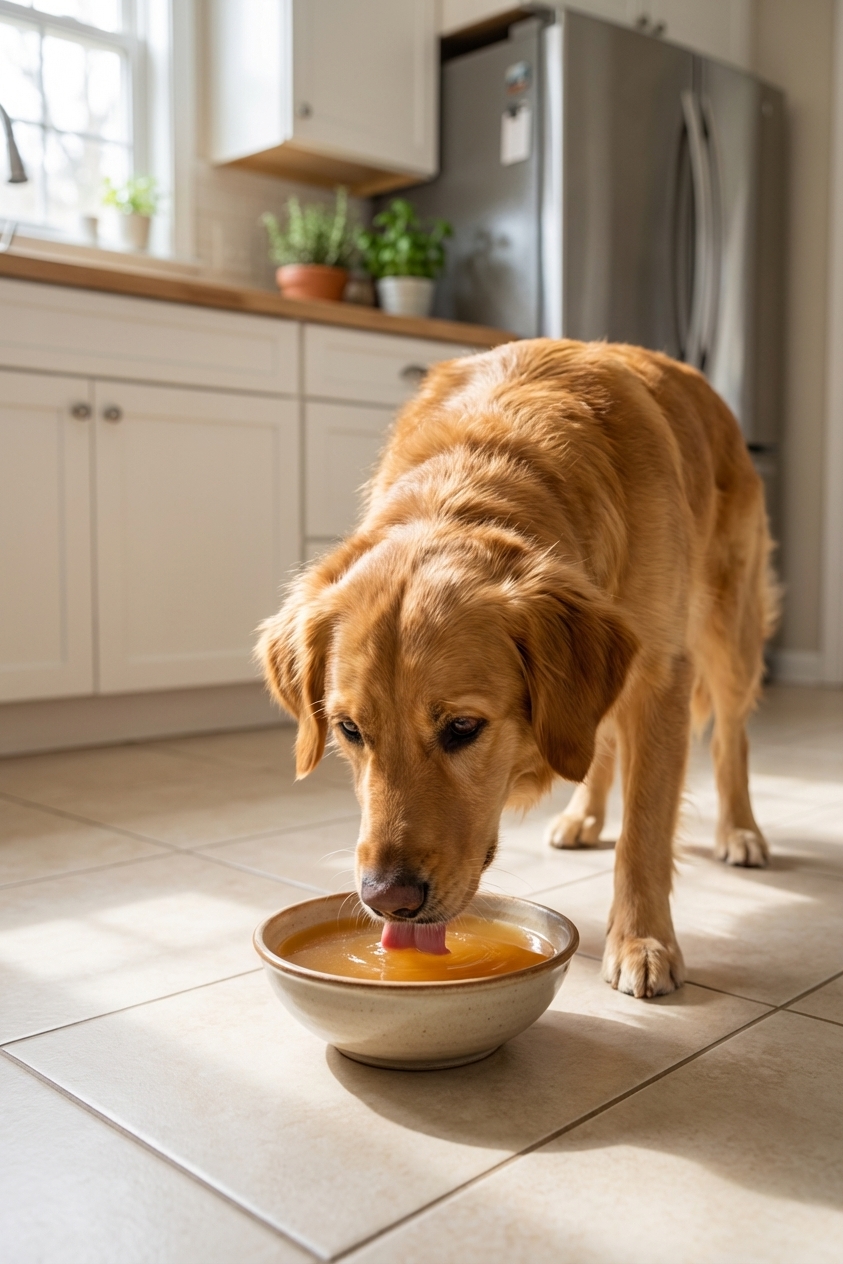
Dogs make food decisions with their noses. If you feed kibble or refrigerated food, try warming it slightly. Add a tablespoon or two of warm water or low-sodium broth, then stir.
Safety note: Avoid onion and excessive salt in broths. Skip garlic. Garlic is in the Allium family (like onions) and can be harmful to dogs.
4) Change the bowl, not the food
Some dogs dislike metal bowls (noise, reflections), deep bowls, or bowls that slide. Try:
- A ceramic or glass bowl
- A shallow plate for short-nosed dogs
- A non-slip mat
- An elevated feeder for seniors or tall dogs
5) If you have multiple dogs
Feed separately, at least while you troubleshoot. Competition and distraction can make a sensitive dog skip meals. A quiet room and a closed door can work wonders.
Healthy boosters that help
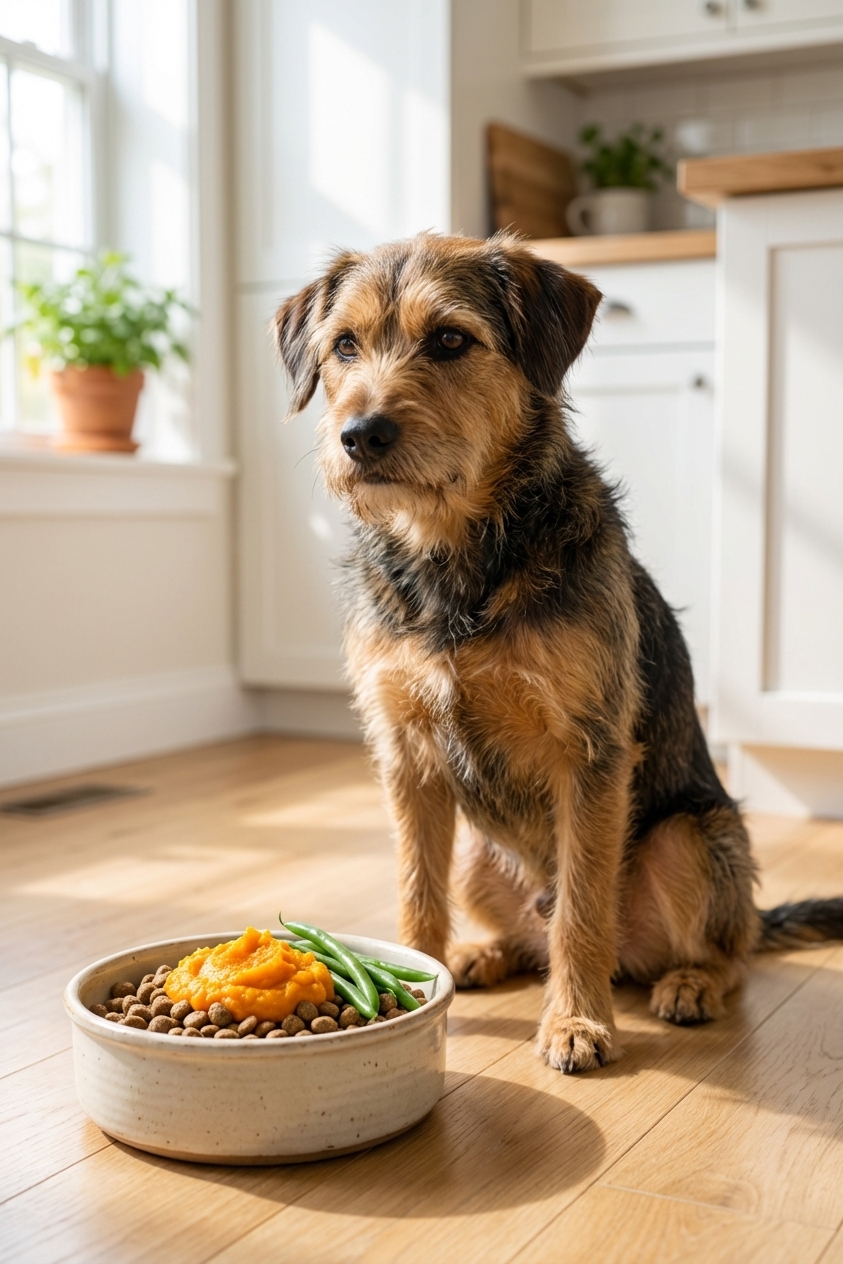
Toppers can be helpful, but use them like seasoning, not a whole new meal. I typically suggest starting with 5 to 10% of the meal and keeping it consistent for a week before changing again.
Simple topper ideas
- Warm water: The simplest and often the most effective.
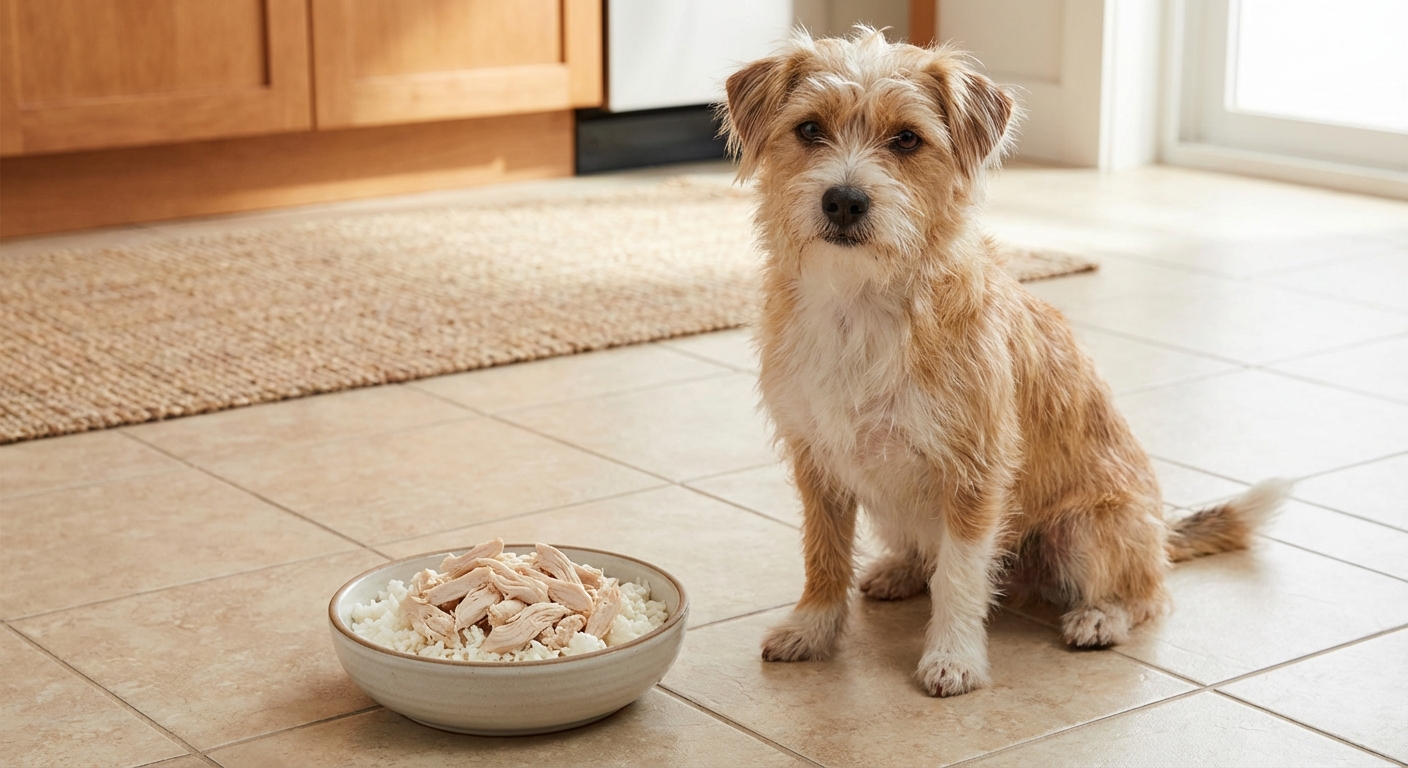
- Plain cooked chicken or turkey: Small amounts, shredded.
- Egg: Lightly scrambled or hard-boiled, in moderation.
- Plain canned pumpkin: Not pumpkin pie filling. Start with a small spoonful (especially for small dogs). It can help some dogs with mild constipation or loose stool, but call your vet if GI signs persist.
- Sardines in water: A tiny amount for aroma and omega-3s.
- Plain yogurt or kefir: May help some dogs if they tolerate dairy. Choose unsweetened, and check labels carefully to avoid xylitol or other sweeteners.
What to avoid
- Fatty meats, bacon grease, or rich table scraps (pancreatitis risk)
- Cooked bones (splinter risk)
- Foods toxic to dogs: onions, garlic, grapes or raisins, chocolate, xylitol, macadamia nuts
- Too many toppers that teach “I can hold out for better”
If you use toppers, pick one simple option and stick with it for several meals. Constantly changing flavors often creates a dog who waits you out.
When picky is nausea
Some dogs refuse food because their stomach feels unsettled. They may walk up, sniff, and walk away. They might lick lips, eat grass, or swallow repeatedly.
For mild cases (and only if your dog is otherwise acting normal), consider a short reset:
- Offer smaller meals more often for one day
- Keep treats minimal
- Ask your veterinarian if a bland diet is appropriate for your dog
If nausea seems recurrent, it is worth a vet visit. Dental pain, GI issues, parasites, food intolerance, and even anxiety can look like picky eating.
A simple 3-day plan
Day 1: Reset and observe
- Measure meals and remove free-feeding
- Use the 10 to 15 minute mealtime window
- Reduce treats to tiny training rewards only
Day 2: Add a game
- Serve half the meal in a puzzle toy
- Scatter-feed the other half
Day 3: Add one gentle booster
- Warm water or a spoon of plain cooked chicken
- Keep it the same for the rest of the week
Throughout: track water intake, energy level, and stool. Those three clues tell you a lot.
If you change foods
If you decide to switch diets, transition slowly to avoid stomach upset. A common plan is 7 to 10 days, gradually increasing the new food and decreasing the old. Also take a quick moment to check for brand recalls and confirm your bag or cans are within the best-by date.
Actionable takeaway
If your dog won’t eat, you do not need to panic or start offering a buffet. Start with routine, make it playful, and keep toppers simple. If you see any red flags or your gut tells you something is off, trust that instinct and call your veterinarian.
Your dog deserves meals that support energy, digestion, and long-term health. And you deserve a plan that feels calm and doable.