Make meals more tempting and nutritious with simple dog food toppers: bone broth, cooked eggs, sardines, pumpkin, and steamed veggies—plus portions, storag...
Article
•
Designer Mixes
Fun Spices That Are Good for Dogs

Shari Shidate
Designer Mixes contributor
Spices can be a simple, fun way to add flavor to your dog’s meals, support digestion, and even freshen breath. The key is using the right spices, in tiny amounts, and only as a complement to a balanced diet. As a veterinary assistant here in Frisco, Texas, I always tell pet parents the same thing: when it comes to spices, a little truly goes a long way.
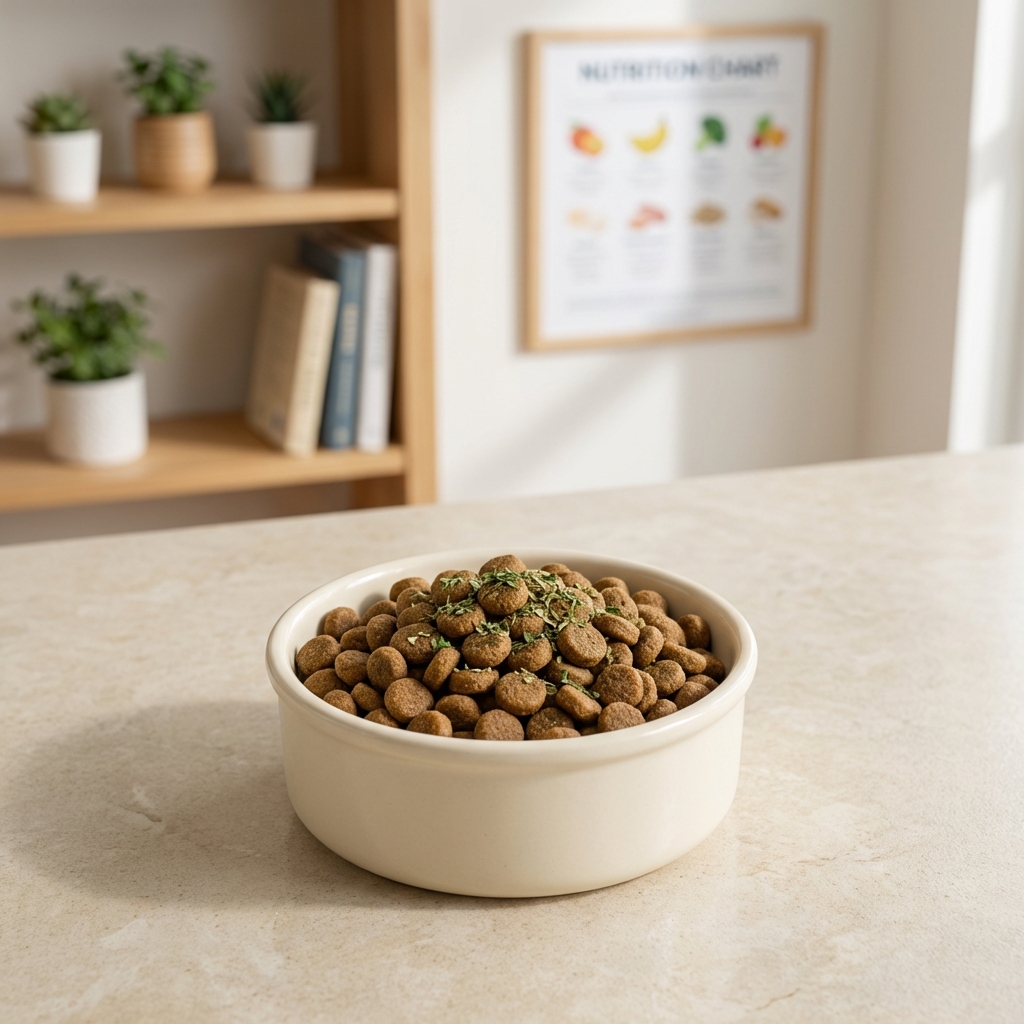
Below are commonly used, dog-friendly spices to consider, how to use them, and what to avoid. Research in dogs is still emerging, so think of these as gentle add-ins, not treatments.
Quick note: This article is educational and not a substitute for veterinary advice for your individual dog.
Quick safety rules before you sprinkle
- Start low and go slow: Introduce only one new spice at a time.
- Use tiny amounts: Think “pinch,” not “pour.” Most dogs do best with 1/8 teaspoon or less mixed into food.
- Avoid blends: Seasoning mixes often contain onion, garlic powder, excess salt, or sweeteners like xylitol.
- Avoid concentrates: Skip essential oils and extracts (like oregano oil, garlic oil, or “herbal drops”). They are far more concentrated than kitchen spices and can be unsafe.
- Skip spicy heat: Dogs do not benefit from hot peppers, chili powders, or heavy pepper.
- Extra caution groups: Puppies, pregnant or nursing dogs, and dogs with liver, kidney, or chronic GI issues can be more sensitive. Ask your vet before adding anything new.
- Talk to your vet first if your dog is on medication, has a bleeding disorder, kidney disease, pancreatitis, or chronic GI issues.
Dog-friendly spices (and how they may help)
Turmeric
Turmeric contains curcumin, a compound with anti-inflammatory and antioxidant activity in general research. In dogs, it is commonly used to support comfort and mobility, but results and dosing can vary.
- Best for: General inflammatory support, senior dogs, active dogs
- How to use: A small pinch in food. Curcumin is fat-soluble, so it is often mixed with a little fat (like a bit of salmon, egg, or plain yogurt).
- Good to know: Do not add black pepper or piperine unless your veterinarian specifically recommends it. It can change absorption and may not be appropriate for every dog.
- Use caution: Dogs with gallbladder disease, bleeding concerns, or on blood thinners should be cleared by a veterinarian first. Too much can cause GI upset.
Ginger
Ginger is a classic add-in for occasional mild nausea and stomach upset. Many pet parents find it helpful for car rides, especially when paired with calm breaks and fresh air.
- Best for: Occasional mild nausea, occasional gas
- How to use: A tiny amount of freshly grated ginger or a pinch of dried ginger mixed into food.
- Use caution: Avoid in dogs with bleeding disorders unless your vet approves.
Cinnamon (Ceylon preferred)
Cinnamon has antioxidant properties and can be a fun flavor for dog-safe treats. Use Ceylon cinnamon when possible, since cassia cinnamon is higher in coumarin, which can be harder on the liver in large amounts.
- Best for: Flavor boost in homemade treats
- How to use: A tiny pinch in oatmeal, pumpkin, or plain yogurt treats.
- Use caution: Too much can irritate the mouth or stomach. Never let dogs inhale cinnamon powder.
Parsley (culinary varieties)
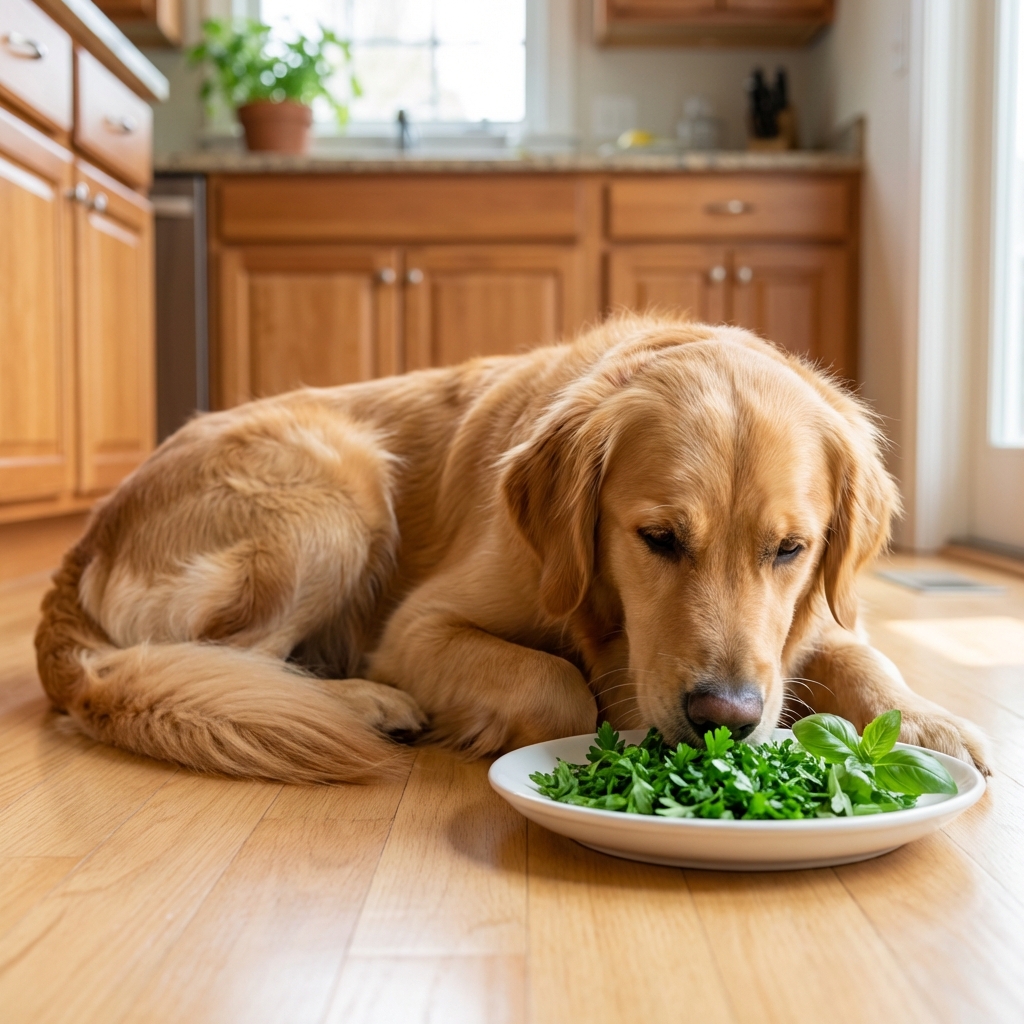
Parsley is often used to support fresher breath and add variety. Stick to culinary parsley (curly or flat-leaf/Italian) and use small amounts. Avoid large quantities, and do not use unknown backyard “lookalike” plants since some can be toxic.
- Best for: Breath support, picky eaters
- How to use: Finely chopped fresh parsley sprinkled over food.
- Use caution: Ask your vet before using regularly if your dog is pregnant, has kidney concerns, or you are unsure of the plant source.
Oregano
Oregano contains plant compounds with antimicrobial and antioxidant activity. For dogs, it is best used as a gentle flavoring, not as a “medicine.”
- Best for: Flavor, occasional rotation for variety
- How to use: A pinch of dried oregano mixed into a meal.
- Use caution: Skip oregano essential oil and concentrated products.
Rosemary
Rosemary is commonly used in pet foods as a natural preservative, and many dogs enjoy the taste in small amounts.
- Best for: Flavor, meal enrichment
- How to use: A pinch of dried rosemary or a small amount of fresh, finely chopped rosemary.
- Use caution: If your dog has a seizure disorder, ask your vet before using rosemary regularly. Some veterinarians recommend extra caution even though sensitivity varies.
Basil
Basil is gentle, aromatic, and often well tolerated. It is a nice starter herb if your dog is new to add-ins.
- Best for: Mild flavor boost
- How to use: Fresh chopped basil mixed into food or stirred into plain yogurt.
Spices and seasonings to avoid
Some seasonings are risky for dogs even when they smell amazing to us. Here are common ones to keep off your dog’s plate:
- Onion and onion powder: Can damage red blood cells and cause anemia.
- Garlic and garlic powder: Many veterinary sources recommend avoiding it due to similar red blood cell risks, especially in concentrated powdered forms. Do not use without veterinary guidance.
- Nutmeg: Can cause serious neurological and GI signs.
- Chili powder, cayenne, hot paprika: Can irritate the GI tract and cause pain.
- Salt-heavy seasonings: Can contribute to sodium overload, excessive thirst, and GI upset. In extreme cases it can cause sodium toxicity. This is especially risky for dogs with heart or kidney disease.
- Xylitol-sweetened products: Extremely dangerous, even in small amounts.
How to use spices safely
1) Make a single-spice topper
Pick one dog-friendly herb like basil or parsley and sprinkle a pinch over your dog’s usual food. This keeps the diet stable while adding interest.
2) Freeze simple lick-mat cubes
Mix plain yogurt or pumpkin with a pinch of cinnamon or turmeric, spread into a lick mat or ice cube tray, and freeze. Great for enrichment on warm Texas afternoons.
3) Keep it occasional
For most healthy dogs, an herb “pinch” a few times a week is plenty. You do not need spices daily to get the fun, flavor, and variety.
4) Do not use spices to cover appetite problems
If your dog suddenly refuses meals, do not try to “season your way through it.” A quick call to your vet is smarter than masking a sign of nausea, dental pain, or illness.

Simple starting amounts
Every dog is different, so consider these conservative starting points and adjust only if your dog does well.
- Small dogs (under 20 lb): Start with a tiny pinch mixed into food.
- Medium dogs (20 to 50 lb): Start with a pinch to 1/16 teaspoon.
- Large dogs (over 50 lb): Start with 1/16 teaspoon and rarely more than 1/8 teaspoon.
If you notice vomiting, diarrhea, itchiness, face rubbing, or sudden refusal to eat, stop the spice and return to your dog’s normal diet. If symptoms persist, call your vet.
When to call your veterinarian
Reach out for guidance if your dog:
- Has ongoing vomiting or diarrhea
- Has a history of pancreatitis or is on a low-fat diet
- Takes medications that affect blood clotting
- Has a seizure disorder
- May have eaten a harmful seasoning (especially onion, garlic powder, nutmeg, or xylitol)
Emergency signs
Seek urgent care now if you see trouble breathing, collapse, severe weakness, repeated vomiting, pale gums, or signs of significant abdominal pain.
Spices should be a small bonus, not a treatment plan. Your vet can help you choose safer options for your dog’s specific health needs.
My favorite approach is simple: keep meals balanced, add a pinch of a safe herb for variety, and watch your dog’s stool, skin, and energy. The body gives feedback fast.