Turn chicken and rice into a more balanced homemade dog meal with veggies, calcium carbonate, and omega-3s. Includes gram weights, portion guidance, swaps, a...
Article
•
Designer Mixes
Fun Home Remedies for Dog Diarrhea

Shari Shidate
Designer Mixes contributor
Diarrhea can go from “no big deal” to “oh no” pretty quickly when you live with a dog. As a veterinary assistant, I see this all the time: a dog gets into something new, stress hits, a treat doesn’t agree, and suddenly you are up at 2 a.m. asking, “What can I do right now?”
The good news is that many mild cases improve with simple, safe home care. The even better news is you can make the process a little more pleasant for both of you with gentle, dog-friendly supports that feel like comfort care, not punishment.
Important: Home care is for mild diarrhea in an otherwise bright, hydrated dog. If you are unsure, call your veterinarian or an emergency clinic for guidance.
When diarrhea is an emergency
Please do not wait it out at home if you notice any of these red flags. Diarrhea can cause dehydration fast, especially in small dogs and puppies.
- Very young puppy (especially under 3 to 4 months), very small dog, senior, or a dog with chronic disease. Call the same day if diarrhea starts
- Blood in the stool (bright red streaks or black, tarry stool)
- Repeated vomiting, retching, or inability to keep water down
- Lethargy, weakness, shaking, collapse, painful belly, or obvious discomfort
- Profuse watery diarrhea or frequent large-volume diarrhea, especially if it keeps happening over and over
- Signs of dehydration: tacky or dry gums, sunken eyes, marked weakness, reduced urination. Skin “tenting” can help, but it is less reliable in seniors and overweight dogs
- Suspected toxin exposure (xylitol, grapes or raisins, chocolate, rodent poison, meds, mushrooms, compost)
- Foreign body risk (toy pieces, socks, bones, corn cobs)
- Unvaccinated puppy or known exposure to parvo
- Diarrhea lasting more than 24 to 48 hours, even if your dog seems okay
If you see these signs, it is absolutely worth the phone call. Getting help early is often simpler and less expensive than waiting.
Quick at-home check
Before you try any remedy, do a 60-second wellness check.
- Energy: Are they alert and interested in you?
- Water: Are they drinking? Can they keep water down?
- Gums: Should be moist and pink, not sticky, dry, or pale.
- Urination: Are they peeing a normal amount?
- Potty frequency: A few loose stools is different than nonstop urgency.
- Appetite: Mild diarrhea with normal appetite is common. Appetite loss can signal more going on.
If your dog seems stable, let’s talk about gentle, practical home supports.
Comforting home supports
“Comforting” here means simple, soothing, and easy for your dog to accept. These are not gimmicks. They are supportive care tools that many vets use as first steps for mild diarrhea.
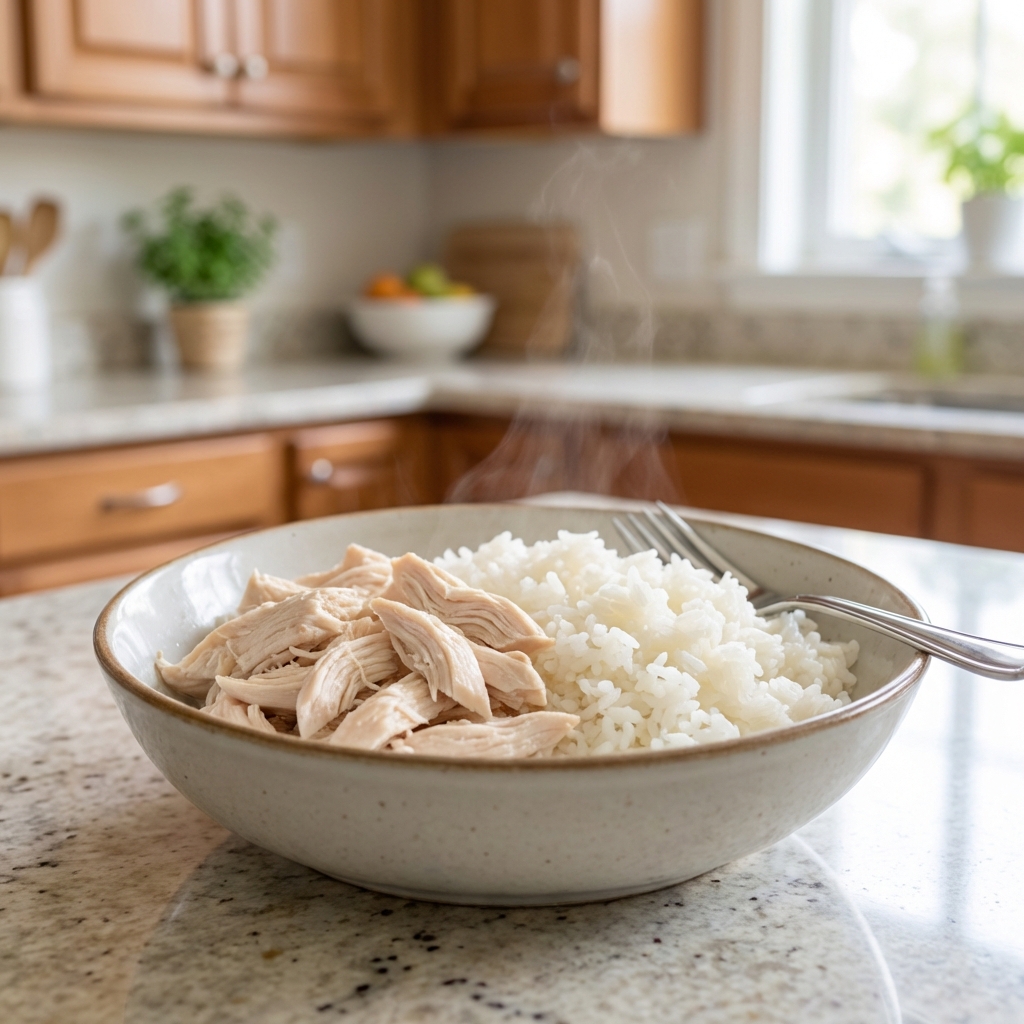
1) Bland-food reset
A bland diet gives the gut a break while still providing calories. Good options include:
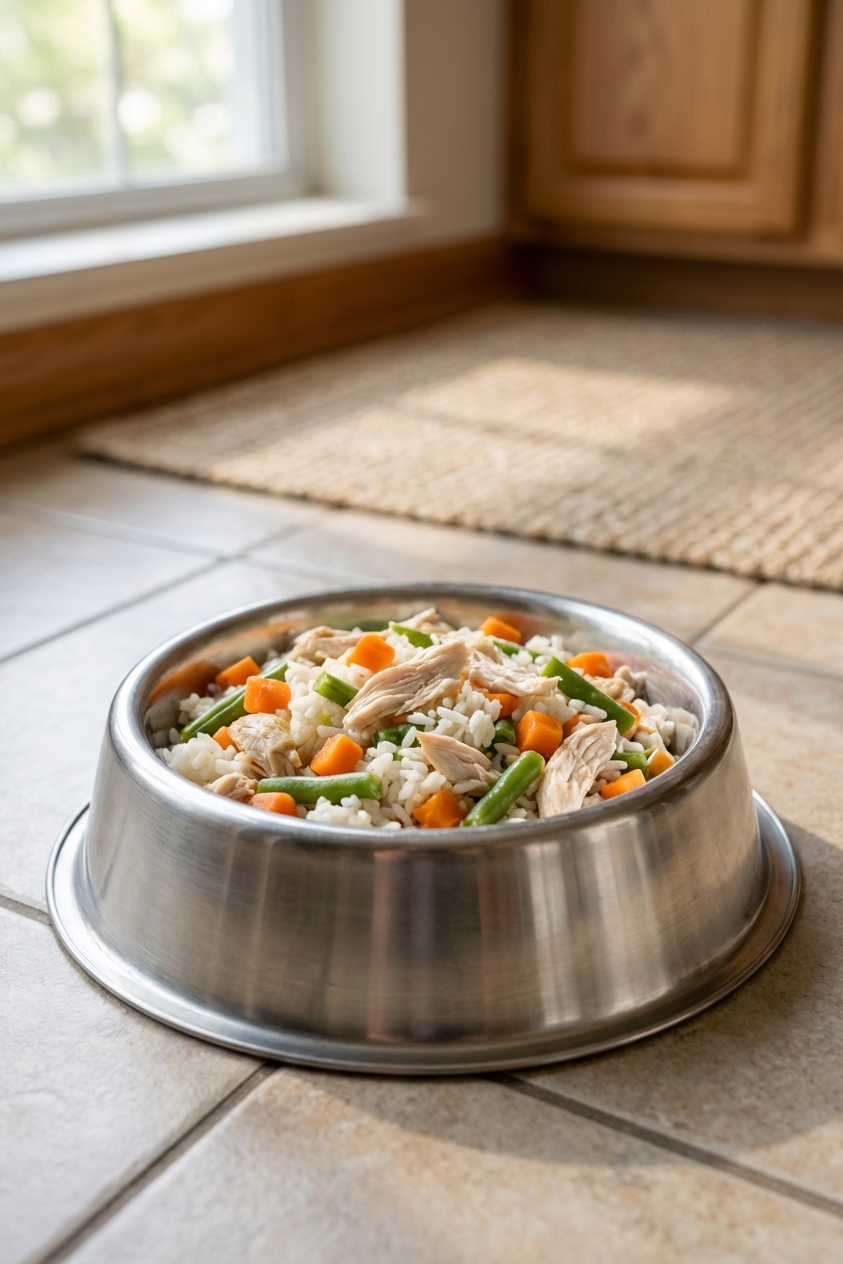
- Boiled chicken breast (no skin, no seasoning) plus white rice
- Lean ground turkey (well cooked, drained) plus white rice
- Scrambled egg (plain) plus a small amount of rice for some dogs
How to use it: Feed smaller-than-normal meals more frequently for 24 to 48 hours. Many dogs do well with small meals every 6 to 8 hours. Portion depends on size and medical history, so if you are unsure, ask your vet. When stools improve, gradually transition back to the regular diet over 3 to 5 days.
Skip: butter, oil, spicy seasonings, rich meats, bacon, dairy, and high-fat treats while the gut is irritated.
2) Pumpkin cups
Plain canned pumpkin can help normalize stool for some dogs because it adds gentle soluble fiber.
- Use 100% pure pumpkin, not pumpkin pie filling.
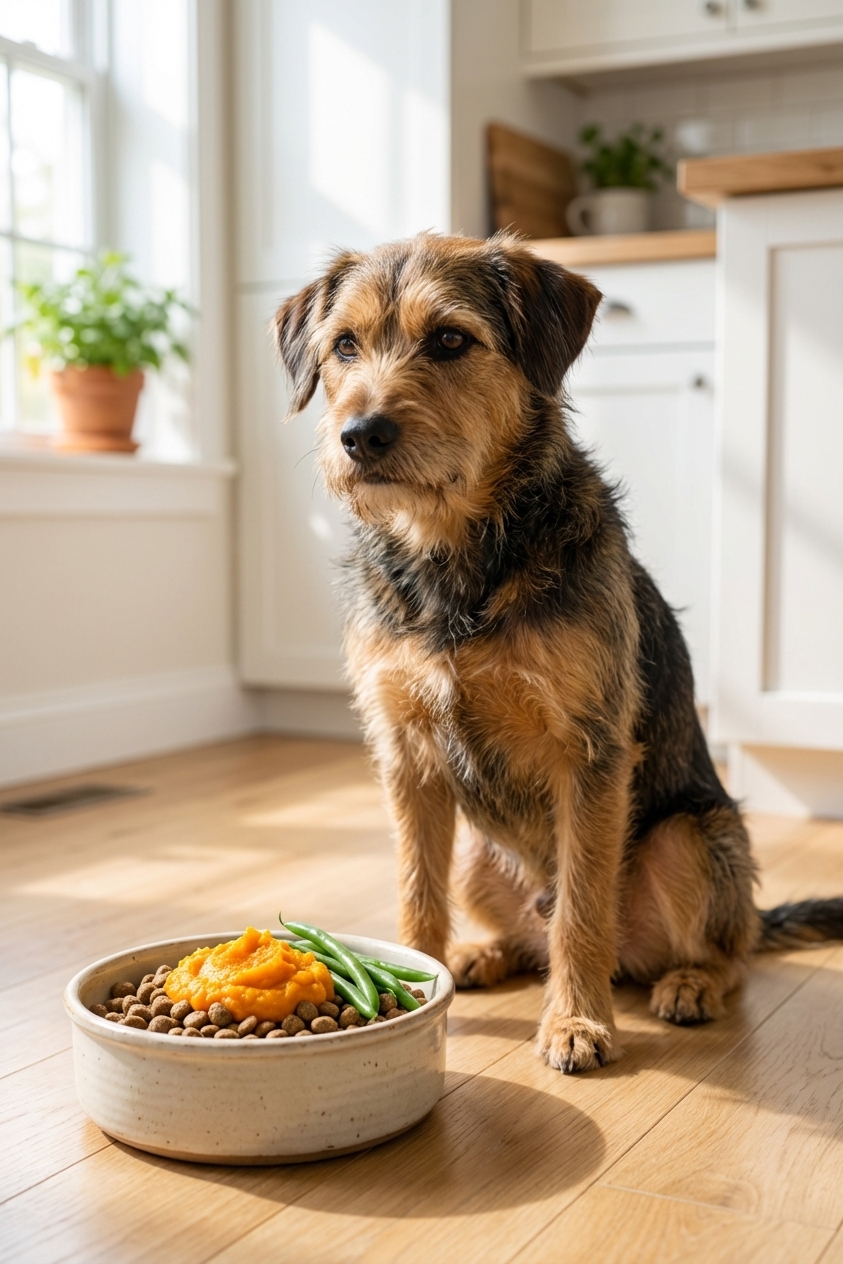
- Mix a small spoonful into bland food, or serve as a “pudding” lick from a bowl.
Simple portion guide: Start low. Roughly 1 teaspoon for small dogs, 1 to 2 tablespoons for medium to large dogs.
Important: Too much fiber can worsen gas and diarrhea. Pumpkin is not a fit for every dog or every cause of diarrhea. If your dog seems worse after pumpkin, stop and switch back to plain bland food and call your vet if needed.
Tip: Freeze pumpkin in a silicone mold for a soothing lick treat if your dog is not vomiting.
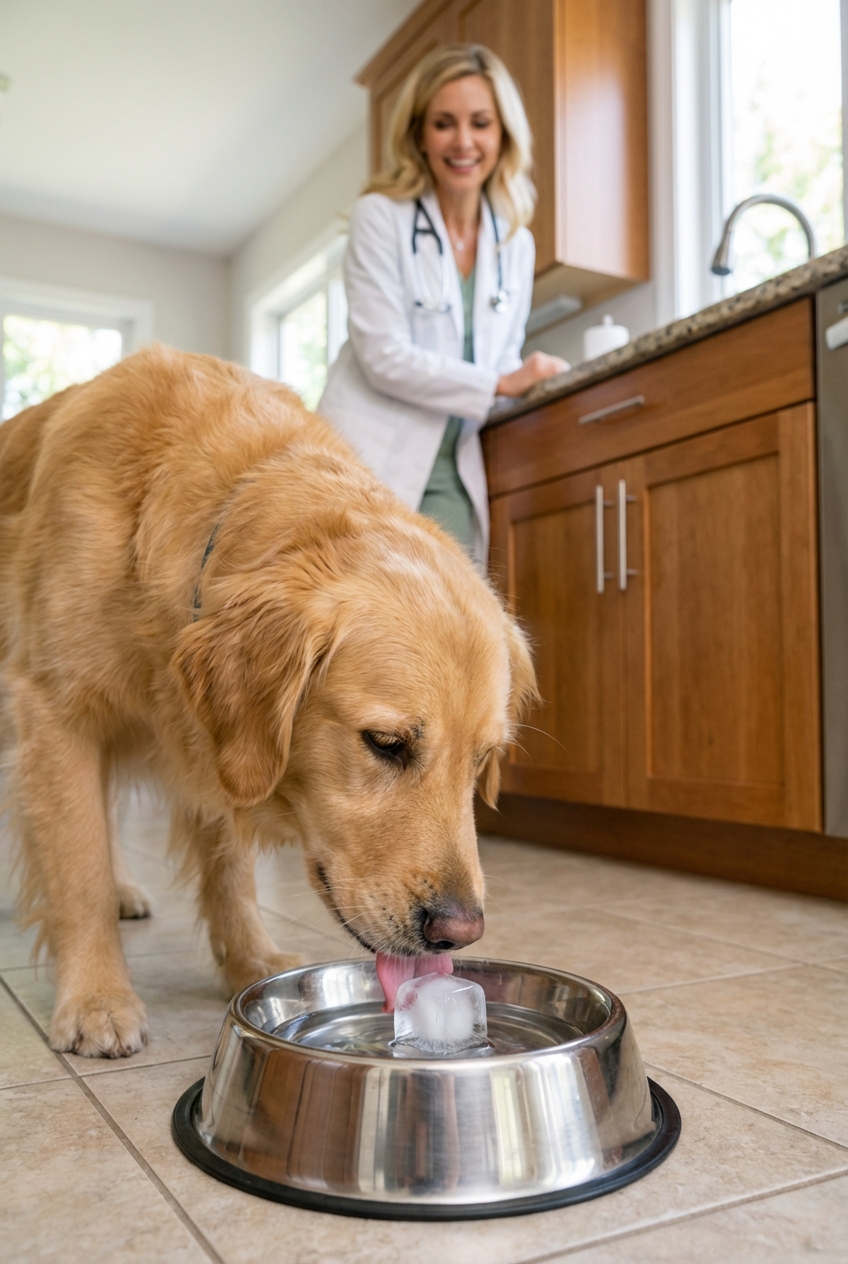
3) Hydration ice cubes
Dehydration is a bigger risk than most people realize. If your dog is not vomiting and is willing to drink, you can make hydration easier:
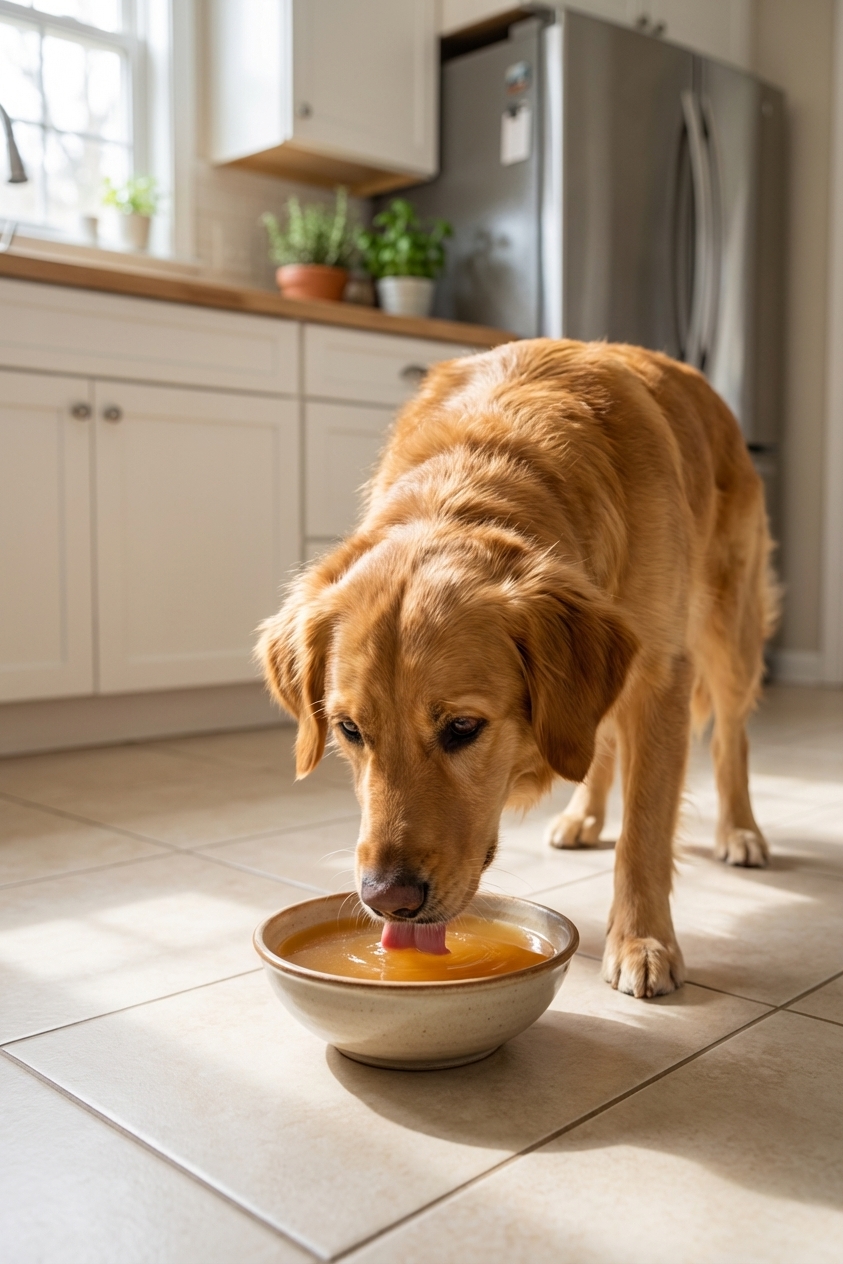
- Freeze low-sodium chicken broth (onion and garlic-free) into ice cubes.
- Offer one cube in a bowl, or let your dog lick it while you supervise.
Why it helps: Licking ice is slower than gulping water, and some dogs will hydrate better when it tastes good.
Note: Broth cubes encourage fluids, but they are not a true electrolyte replacement. If your dog needs an oral rehydration solution, ask your vet what to use. Be cautious with human products since some contain xylitol.
Safety note: Avoid broths with onion, onion powder, garlic, or “natural flavors” you cannot confirm. When in doubt, make a simple broth at home from plain meat and water.
4) Rice water
Rice water is the starchy liquid left after boiling white rice. Evidence is limited, but it is generally safe and may be soothing for the stomach. It also encourages some dogs to drink.
- Boil white rice in extra water.
- Strain and cool the cloudy liquid.
- Offer a small bowl alongside fresh water.
This is not a miracle cure, but it can be a helpful bridge on a rough tummy day.
5) Probiotic sprinkles
Some studies suggest certain canine probiotics can shorten the duration of acute diarrhea in dogs. Look for a product made for dogs with clear labeling and quality control. One well-studied option in veterinary medicine uses Enterococcus faecium SF68.
- Use as directed on the label.
- Mix into bland food to improve compliance.
Quick note: Avoid random human probiotics unless your veterinarian approves. Strains and dosing matter.
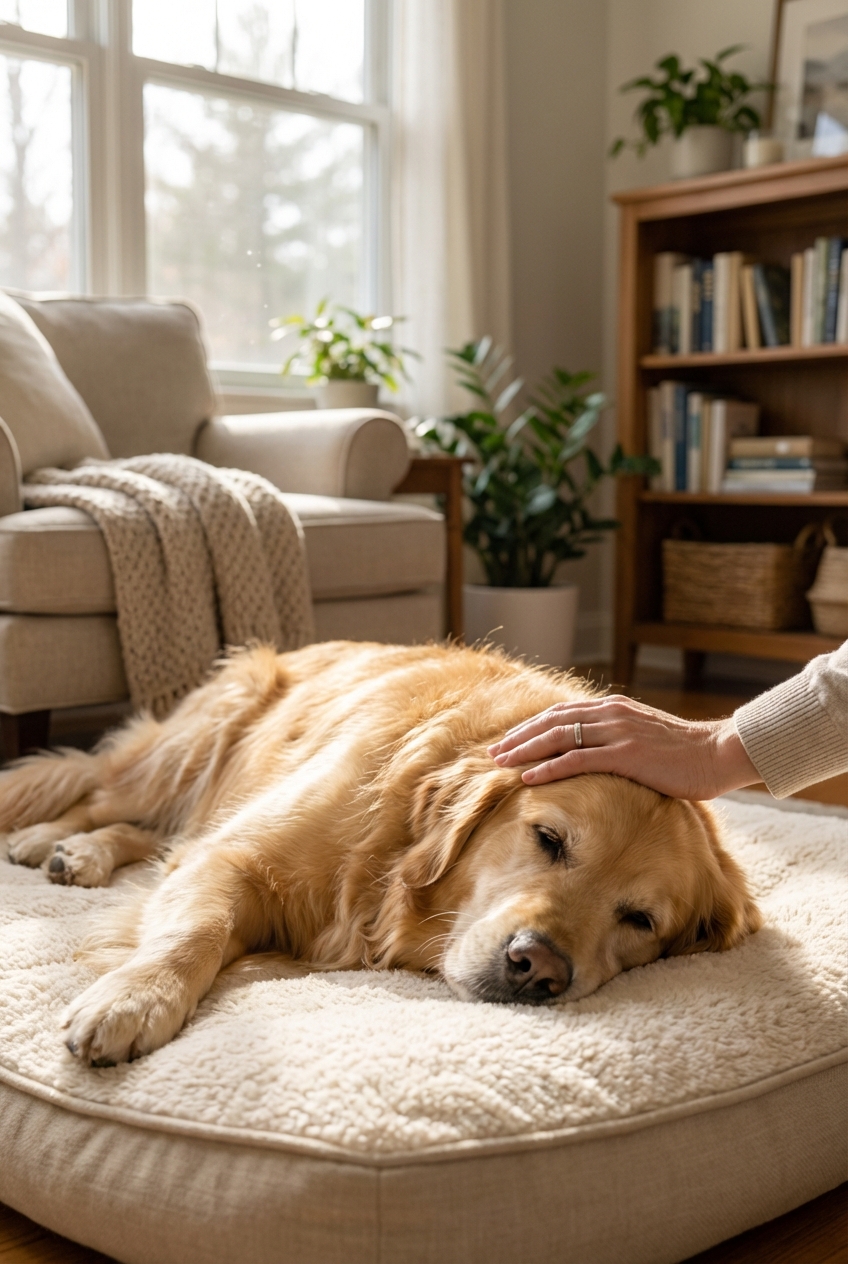
6) Calm routine
Boarding, thunderstorms, new pets, travel, schedule changes, and even exciting visitors can trigger diarrhea. If your dog seems anxious, pair food support with nervous system support:
- Keep potty breaks frequent and low-pressure.
- Offer a quiet room, dim light, and familiar bedding.
- Use a leash walk instead of intense play for a day.
- Try a long-lasting lick treat like a small smear of pumpkin on a lick mat.
Stress management will not fix every case, but it can make a real difference when the gut-brain connection is involved.
What to avoid
- Human anti-diarrhea medications without veterinary guidance. Some can be dangerous if there is infection, toxins, or a foreign body
- Common examples: loperamide can be risky in certain dogs (including some herding breeds with MDR1 sensitivity). Bismuth subsalicylate products can cause complications in some situations. When in doubt, call first
- Fasting too long without asking your vet, especially for puppies and small dogs
- Switching foods repeatedly in a panic. Too many changes can prolong the problem
- Fatty “comfort foods” like hamburger grease, cheese, or rich treats
- Raw diets during diarrhea. When the gut is inflamed, food safety becomes even more important
Simple 48-hour plan
Step 1: Hydration first
Offer fresh water and consider broth ice cubes or rice water. Watch for vomiting. If vomiting starts, call your vet.
Step 2: Bland meals
Feed smaller portions than normal and split them into multiple meals. Add a little pumpkin only if your dog tolerates it.
Step 3: Add a canine probiotic
Use a dog-specific product as directed. This can help stool firm up faster in many mild cases.
Step 4: Transition back slowly
When stools improve, transition gradually: 75% bland and 25% regular food, then 50/50, then 25/75, then back to normal over several days.
Step 5: If it is not improving
If diarrhea is not clearly improving within 24 to 48 hours, or if it worsens at any time, schedule a vet visit. Bring a fresh stool sample if you can.
Cleanup and comfort
- Protect the skin: Frequent wiping can irritate. Use a fragrance-free pet wipe or warm washcloth, then pat dry.
- Prevent accidents: More frequent potty breaks for a day or two makes everyone happier.
- Track it: Note stool frequency, color, and any vomiting or appetite change. This is gold for your veterinarian.
Stool sample note
If diarrhea keeps coming back, parasites and other gut infections move higher on the list, even in well-cared-for dogs. A stool test is often the quickest way to rule in or rule out common culprits. If your vet asks for a sample, bring one that is as fresh as possible.
FAQ
Can I give my dog pumpkin every day?
For most healthy dogs, small amounts of plain pumpkin are fine occasionally. If your dog has chronic GI issues, pancreatitis history, diabetes, or is on a prescription diet, check with your vet before making it routine. And if pumpkin consistently makes stools looser, it is not the right tool for your dog.
What if my dog has diarrhea but acts normal?
That is often a mild GI upset and can respond well to bland diet plus hydration support. Still, if it lasts more than a day or two, happens repeatedly, or you have any red-flag concerns, your vet should rule out parasites, food intolerance, infection, or other causes.
Should I switch foods right away?
Not usually. If your dog is on a food that is otherwise working for them, focus first on calming the gut. If diarrhea keeps recurring, then a planned food trial with your veterinarian is a smarter next step.
When can we go back to treats and normal play?
Once stools are back to normal for at least a day, you can slowly return to your usual routine. Keep treats minimal at first, and avoid rich or new snacks for several days.
The bottom line
Most mild diarrhea cases can be supported at home with a bland diet, hydration encouragement, a quality canine probiotic, and a calm routine. Start small, go gently, and watch your dog closely. And if you see red flags or the diarrhea lingers, trust your instincts and call your veterinary team. You are not overreacting. You are being a good advocate for your best friend.