Stop the scratching with an evidence-based, vet-assistant guide: rule out fleas, calm the skin barrier, spot yeast or bacterial infection, manage allergies, ...
Article
•
Designer Mixes
Fun Dog Scratching With No Fleas: Need-to-Know Tips

Shari Shidate
Designer Mixes contributor
Watching your dog scratch can be confusing. Sometimes it really is fleas. Other times it is dry skin, allergies, stress, or even a new shampoo. The good news is that you can take a few simple steps at home to narrow it down, bring relief, and know when it is time to call your vet.
First: Make sure it is truly “no fleas”
Many pet parents tell me, “I checked, there are no fleas,” and they absolutely did check. The tricky part is that fleas can be hard to spot, especially on fluffy coats, dark coats, and dogs who groom or scratch them off.
A quick flea check at home
- Look in common flea zones: base of tail, groin, belly, armpits, and around the neck.
- Use a flea comb: comb a small section over a white paper towel.
- Check for “flea dirt”: tiny black specks that look like pepper. Put the specks on a damp paper towel. They often smear reddish-brown if they are digested blood, which strongly suggests fleas, but it is not a perfect test.
If you find suspected flea dirt, treat the situation as fleas even if you never see an actual flea. Dogs can react to just a few bites, and some dogs have a big allergic response called flea allergy dermatitis. If you are not sure, your vet can help confirm and guide treatment. In many regions, vets also recommend consistent flea prevention even when you do not see fleas, because prevention is easier than chasing an outbreak.
Common reasons dogs scratch when fleas are not the issue
When fleas are unlikely, I think about itch triggers in a few big buckets. Here are the most common ones vets see, plus what tends to make each one stand out.
1) Dry skin and low humidity
Dry air, indoor heating, and frequent bathing can strip oils from the skin. You might notice flaky skin, a dull coat, or itchiness that seems worse in winter.
2) Environmental allergies (atopy)
Pollen, grasses, weeds, and dust mites can trigger itching. Many dogs lick paws, rub their face, or get recurrent ear issues. Seasonal flare-ups are common, but indoor allergies can be year-round.
3) Food sensitivity
Food-related itch can look like constant scratching, recurrent ear infections, or licking and chewing paws. It is not always accompanied by stomach upset. The most reliable way to diagnose is a vet-guided elimination diet with a strict trial period, often 8 to 12 weeks. (Quick at-home “food allergy tests” that use saliva, hair, or blood are widely marketed but are not considered reliable for diagnosing true food allergies.)
4) Skin infection (bacterial or yeast)
Infections can cause intense itching and odor. Watch for greasy skin, red hot spots, pimples, scabs, or a musty, sweet, or “corn chip” odor that can be associated with yeast and should be checked.
5) Parasites other than fleas
Mites (like sarcoptic mange) can cause major itch, sometimes with crusting on elbows, ear margins, belly, or chest. Some mites are contagious. Diagnosis can be tricky, and vets will sometimes treat based on symptoms and risk even if tests are not crystal clear.
6) Irritant contact reactions
New shampoo, scented sprays, laundry detergent on bedding, yard chemicals, or even some dog wipes can irritate sensitive skin. These often show up quickly after a change.
7) Stress or boredom scratching
Some dogs scratch more when they are under-stimulated or anxious. If the scratching happens mainly in specific situations (when guests arrive, when you leave, during evening “witching hour”), it is worth considering behavior and routine.
8) Anal gland or tail-base discomfort
Not all “itchy” behavior is skin-deep. Dogs with anal gland discomfort may scoot, lick under the tail, or act bothered around the rear end. It can look like itching, especially near the tail base.
9) Chronic medical issues (less common, but important)
If itch and skin infections keep coming back, your vet may also consider underlying medical contributors like hypothyroidism or Cushing’s disease, depending on your dog’s age, coat changes, thirst, weight shifts, and overall pattern.
Comforting touch: how to scratch safely
Not all scratching is bad. Many dogs enjoy a good scratch the way we enjoy a back rub. The key is to keep it gentle and make sure you are not accidentally worsening irritated skin.
Scratch spots most dogs love
- Chest and shoulders
- Base of the neck (avoid pulling hair)
- Behind the ears (gently, and stop if the skin looks irritated)
- Along the back, using flat fingers
Tips to keep it comfortable
- Use flat fingers, not nails. Nails can create micro-scratches that invite infection.
- Stop if you notice new redness, warmth, swelling, or your dog flinches. (Some dogs naturally have pink skin, especially where fur is thin.)
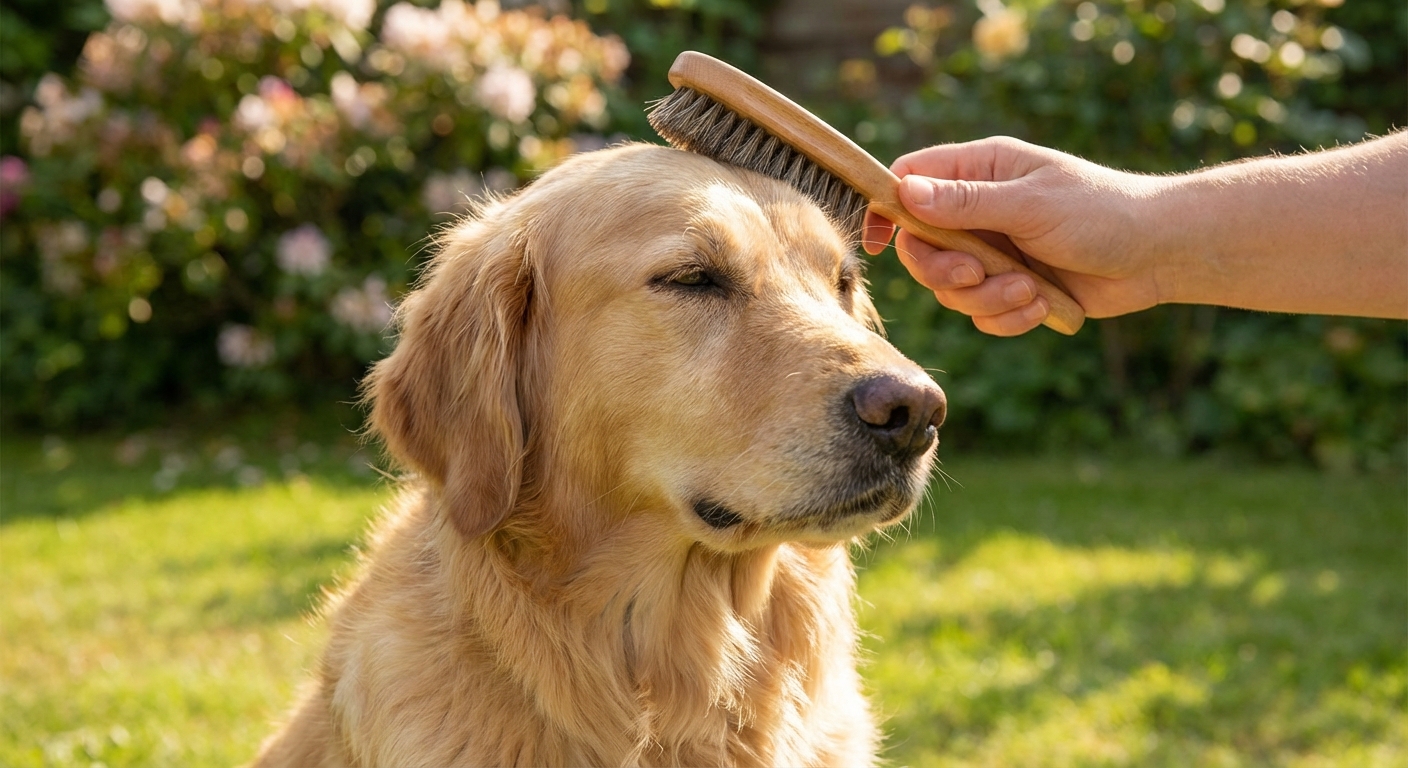
- Pair it with brushing. A soft brush can reduce loose fur and distribute natural oils.
- Make it a calm ritual. Two minutes after a walk or before bedtime can be very soothing.
At-home itch relief that is evidence-based and safe
If your dog is scratching but you do not see fleas, these are gentle first steps that help many dogs. They are not a replacement for veterinary care when symptoms are moderate to severe, but they can buy comfort and reduce skin damage.
1) Rinse the coat after outdoor time
During allergy seasons, a quick rinse with lukewarm water can remove pollen from the coat. For dogs who hate baths, wiping paws and belly with an unscented, pet-safe wipe can still help.
2) Bathe strategically, not frequently
- Choose a mild, fragrance-free dog shampoo. Strong scents can irritate skin.
- Consider an oatmeal-based shampoo for mild itch.
- Ask your vet about chlorhexidine or antifungal shampoos if you suspect infection. These are more medical and timing matters.
3) Support the skin barrier with nutrition
Skin is an organ, and it needs the right building blocks. Many dogs with itchy skin benefit from a diet that is balanced and rich in quality protein and essential fatty acids.
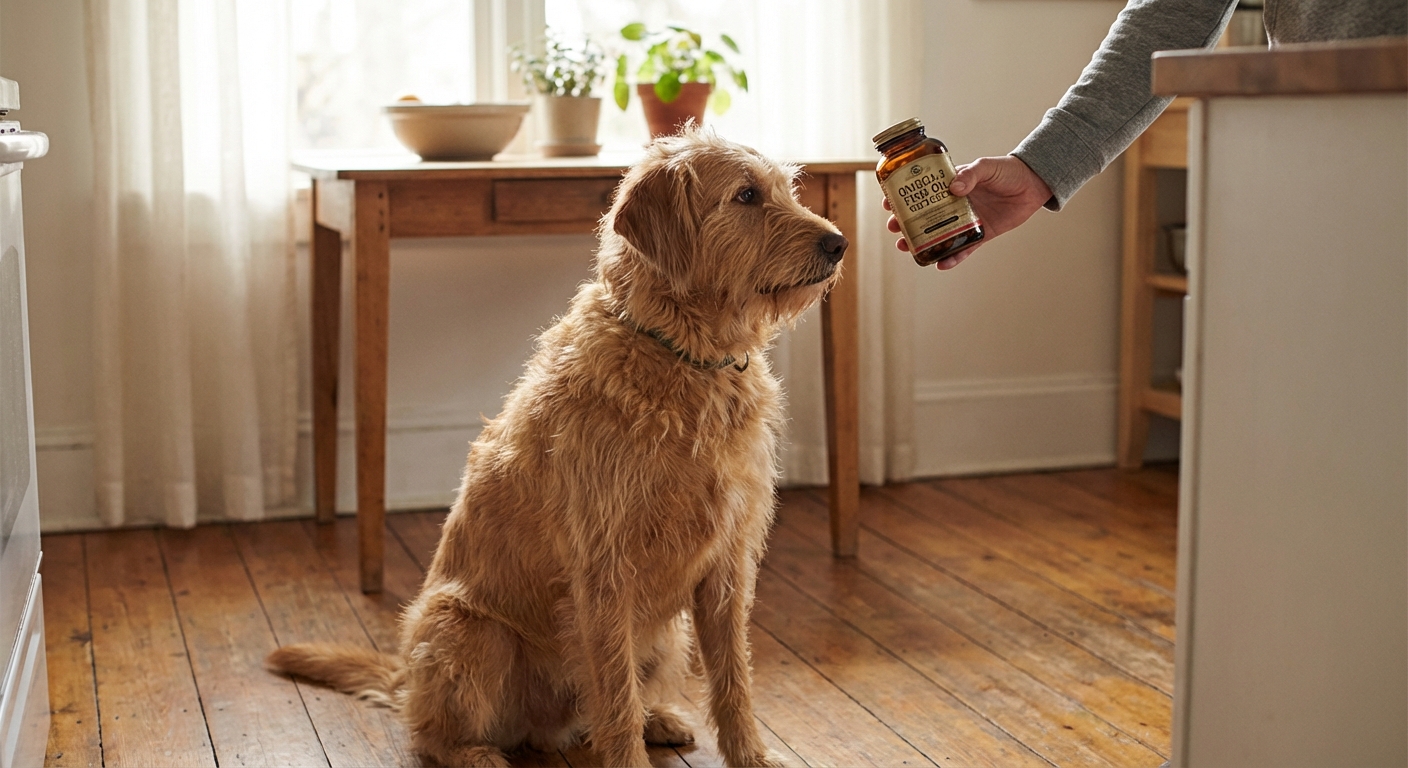
- Omega-3 fatty acids (like EPA and DHA from fish oil) have evidence for helping inflammatory skin conditions in many dogs. They are usually an add-on, not a stand-alone fix. Ask your vet for dosing guidance based on your dog’s weight and health history, and choose a quality product. (Some dogs can get diarrhea, and high-fat supplements are not right for every dog, especially those with a history of pancreatitis.)
- Hydration matters. Adding moisture-rich foods, broth, or wet food can support overall skin health.
4) Check your environment
- Wash bedding weekly in fragrance-free detergent.
- Vacuum frequently, especially along baseboards and under furniture.
- Keep grass cut and avoid letting dogs roll in freshly treated lawns.
- Use a humidifier if your home air is very dry.
5) Prevent the itch-scratch cycle
If your dog is already irritated, scratching creates more inflammation, and that leads to more itching. Short-term tools can help:
- E-collar or soft cone to protect hot spots.
- Dog pajamas or a recovery suit to cover itchy areas.
- Keep nails trimmed to reduce damage if they do scratch.
6) Skip human meds unless your vet says yes
It is very tempting to reach for a human antihistamine, pain reliever, or a topical cream. Please do not give human medications (including ibuprofen, naproxen, acetaminophen, or steroid creams) unless your veterinarian explicitly tells you what to use and how to dose it. Some common human products are dangerous to dogs, and others can make diagnosis harder.
When “no fleas” still needs a vet visit
Please do not wait too long if your dog is uncomfortable. Itchy skin can turn into infection surprisingly fast, especially when dogs chew or rub the same spot all day.
Make an appointment soon if you notice
- Persistent scratching for more than a few days
- Red, moist, or oozing skin
- Hair loss, scabs, or thickened skin
- Frequent head shaking or ear odor
- A strong musty or yeasty smell
- New lumps, bumps, or widespread rash
- Scooting or constant licking under the tail
Urgent signs
- Swollen face, hives, or sudden intense itching
- Difficulty breathing
- Rapidly spreading redness
- Extreme lethargy or not eating
Your veterinarian may recommend skin cytology (a quick microscope check), ear swabs, a parasite evaluation, or a structured allergy plan. Getting the right diagnosis saves time, money, and a lot of discomfort.
A simple itch diary that really helps
One of the most helpful things you can do at home is track patterns. Bring this to your appointment, or use it to spot a trigger on your own.
- When did it start? Sudden versus gradual matters.
- Where is your dog itchy? Paws, belly, ears, base of tail, or all over.
- Any changes? Food, treats, shampoo, detergent, new bedding, new dog park.
- Season and weather: windy days, high pollen, dry indoor air.
- What helps? Rinsing, bathing, limiting grass, cone, vet meds.
Warm reminder: your dog is not being “dramatic.” Itching can be miserable. Quick, gentle steps now can prevent a bigger skin problem later.