A practical guide to helping a constipated cat at home: hydration tips, plain pumpkin, vet-guided Miralax (PEG 3350), fiber, hairball support, red flags, and...
Article
•
Designer Mixes
Fun Cure Cat Constipation: Understanding & Solutions

Shari Shidate
Designer Mixes contributor
If your cat is visiting the litter box a little too often, producing tiny hard stools, or crying out while trying to go, constipation can feel scary and frustrating. The good news is that many cases respond well to simple, evidence-based changes at home. I am Shari Shidate, a veterinary assistant in Frisco, Texas, and in this guide I will walk you through what constipation looks like, why it happens, what you can safely do today, and when it is time to call your veterinarian. This guide does not replace an exam, so when something feels “off,” trust your instincts and reach out.
What constipation means
Constipation is when stool moves too slowly through the colon and becomes dry and difficult to pass. Some cats still pass a little stool, but it can be small, hard, and painful. Others may not pass stool for a couple of days at all.
Common signs include:
- Straining in the litter box or repeated trips with little output
- Small, dry, pebble-like stools
- Stool outside the box (some cats associate the box with discomfort)
- Decreased appetite, hiding, or irritability
- Vomiting or abdominal discomfort in more advanced cases
Important note: Straining can also happen with urinary blockage, especially in male cats, and that is an emergency. If your cat is straining with little to no urine, crying, or licking the genital area, seek urgent veterinary care.
Why cats get constipated
Most constipation comes down to a few themes: not enough water, not enough (or the wrong type of) fiber, pain that makes squatting hard, stress, or an underlying medical issue that slows the gut.
Common causes
- Dehydration: Cats evolved as desert-adapted hunters and many have a low thirst drive, especially on kibble-only diets.
- Low activity: Less movement can mean slower intestinal motility.
- Hair ingestion: Heavy grooming, seasonal shedding, or long coats can contribute to stool problems.
- Obesity: Extra weight can reduce activity and make posture in the litter box harder.
- Pain: Arthritis, back pain, or anal gland discomfort can make defecation unpleasant.
- Stress and litter box issues: A dirty box, a new pet, or a change in routine can lead to stool holding.
- Medical conditions: Kidney disease, hyperthyroidism, diabetes, electrolyte imbalances (like low potassium), intestinal narrowing, tumors, or neurologic issues.
- Megacolon: A chronic condition where the colon becomes enlarged and weak, making constipation recurrent and more difficult to manage.
Quick check at home
Before you try home care, do a simple observation check. Straining can look similar for pee versus poop, so it helps to confirm what is (and is not) showing up in the box.
- Look at the litter: Are you seeing hard stools, tiny stools, or no stool at all?
- Check urine clumps: Are normal-sized urine clumps present each day? Tiny clumps or no clumps, especially with repeated trips and crying, can indicate a blockage and needs urgent care.
- Watch behavior: Is your cat bright and eating, or lethargic, vomiting, and not interested in food?
Call your vet promptly if constipation lasts longer than 48 hours, or sooner if your cat seems painful, stops eating, vomits, becomes lethargic, has blood in stool, has a swollen, painful belly, or there is any concern for urinary blockage. The timeline is a helpful guideline, but how your cat feels matters even more.
At-home help
For a bright, otherwise stable cat with mild constipation, these steps are often helpful. You do not have to do everything at once. Start small and build. When I say “fun cure” in this article, I mean a gentle, first-line plan that supports hydration, comfort, and routine.
1) Hydration
Think of hydration as the foundation. Softer stool starts with more water in the gut.
- Switch to wet food fully or partially. Even adding one wet meal a day can help.
- Add water or broth to canned food to make a stew-like texture. Use only onion and garlic-free, pet-safe broth. Many human broths (even low-sodium) contain onion or garlic powder, which is toxic to cats.
- Use a cat water fountain if your cat prefers moving water.
- Place multiple water bowls in quiet areas, away from the litter box.
2) Fiber
Some cats do well with a bit more fiber, while others need less. The best fiber plan depends on the cat, so go gently and monitor stools.
- Plain canned pumpkin (not pie filling): for an average adult cat, start tiny (about 1/4 teaspoon) mixed into food once daily. If tolerated and your veterinarian agrees it fits your cat, you can slowly work up (often to about 1/2 teaspoon).
- Psyllium husk can be effective for some cats, but ask your veterinarian about whether it fits your cat’s history. It should be given with added water so it does not worsen constipation.
If your cat becomes more bloated or uncomfortable after adding fiber, stop and call your vet. Fiber is not one-size-fits-all.
3) Movement
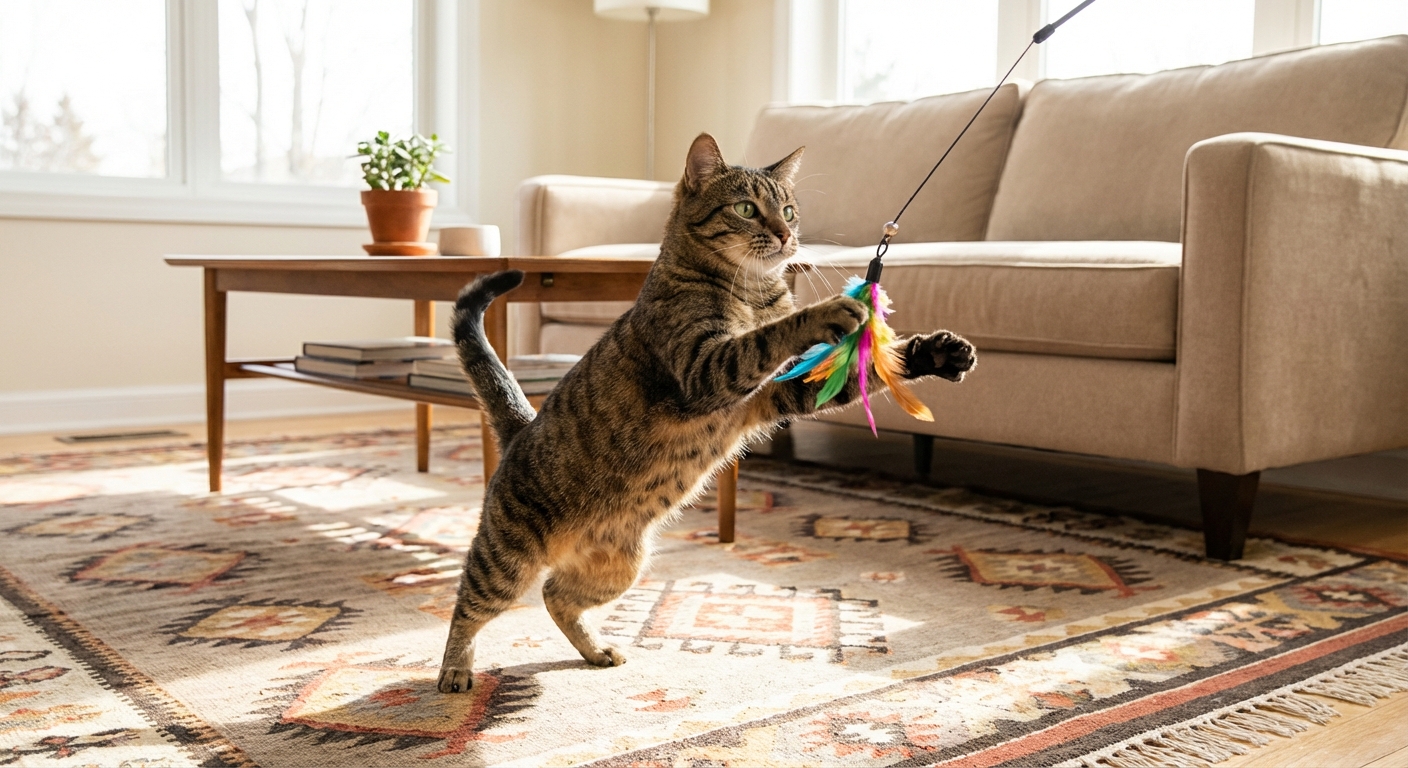
- Two to three short play sessions daily with a wand toy or laser (end with a real toy “catch”)
- Food puzzles or treat balls to encourage walking and hunting behaviors
4) Litter box comfort
- Scoop daily and fully refresh litter regularly
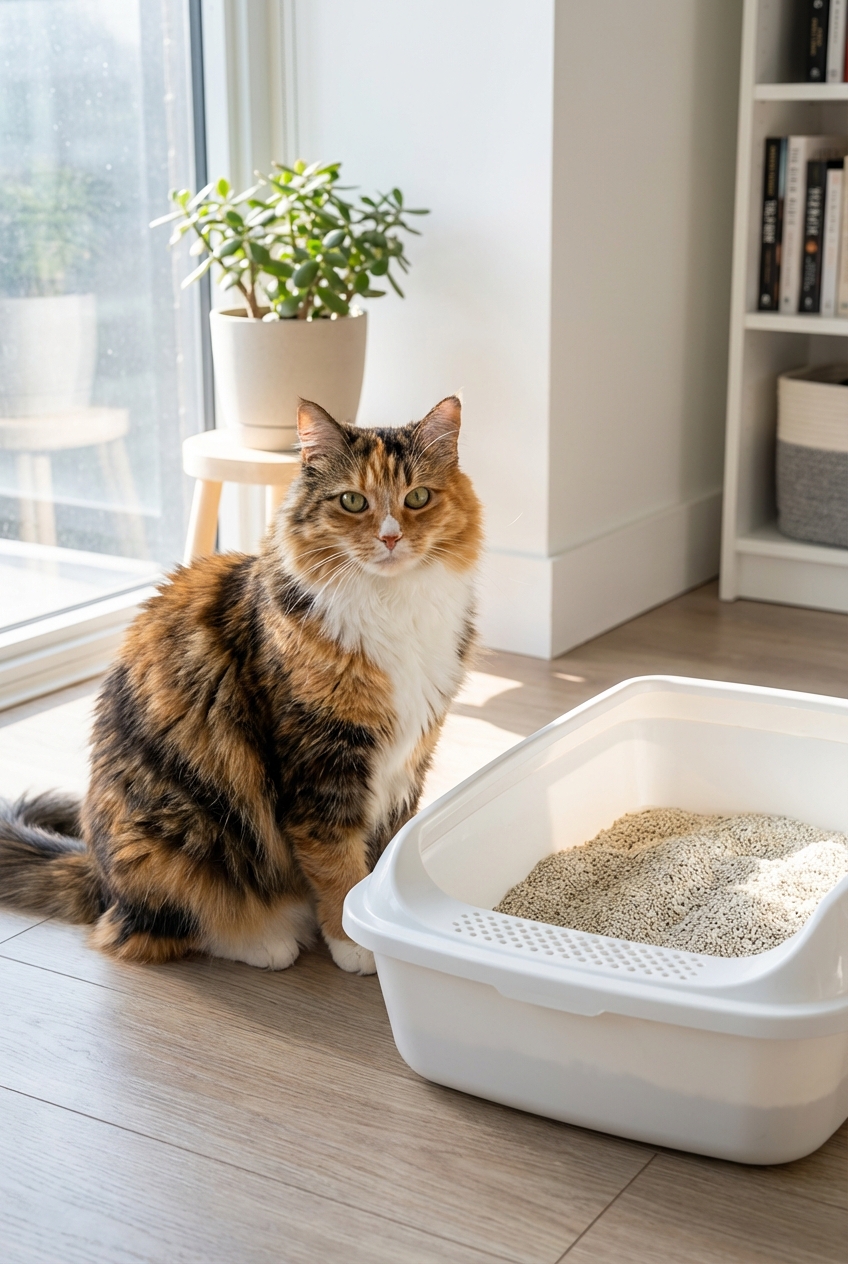
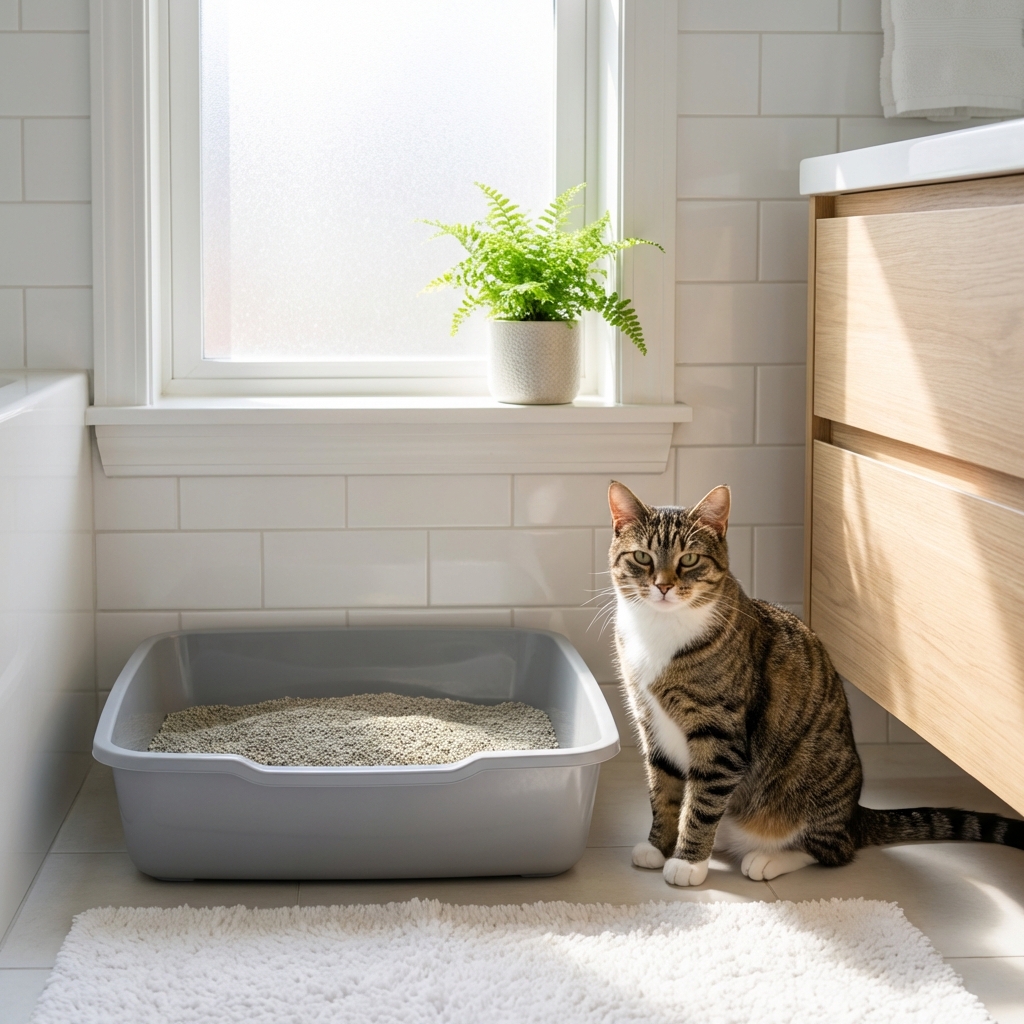
- Consider a larger box with low sides for senior cats
- Use unscented litter if your cat is sensitive
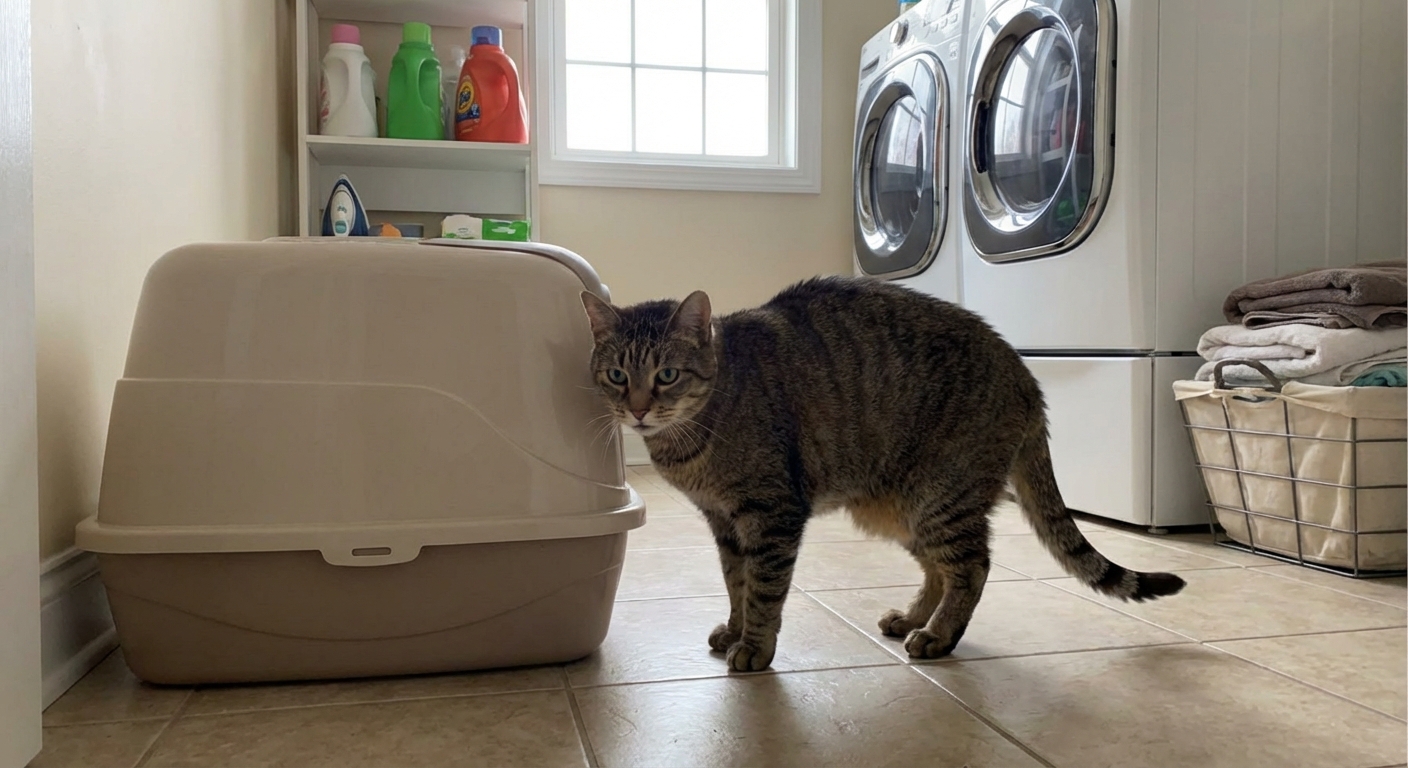
- Follow the general rule: one box per cat, plus one extra
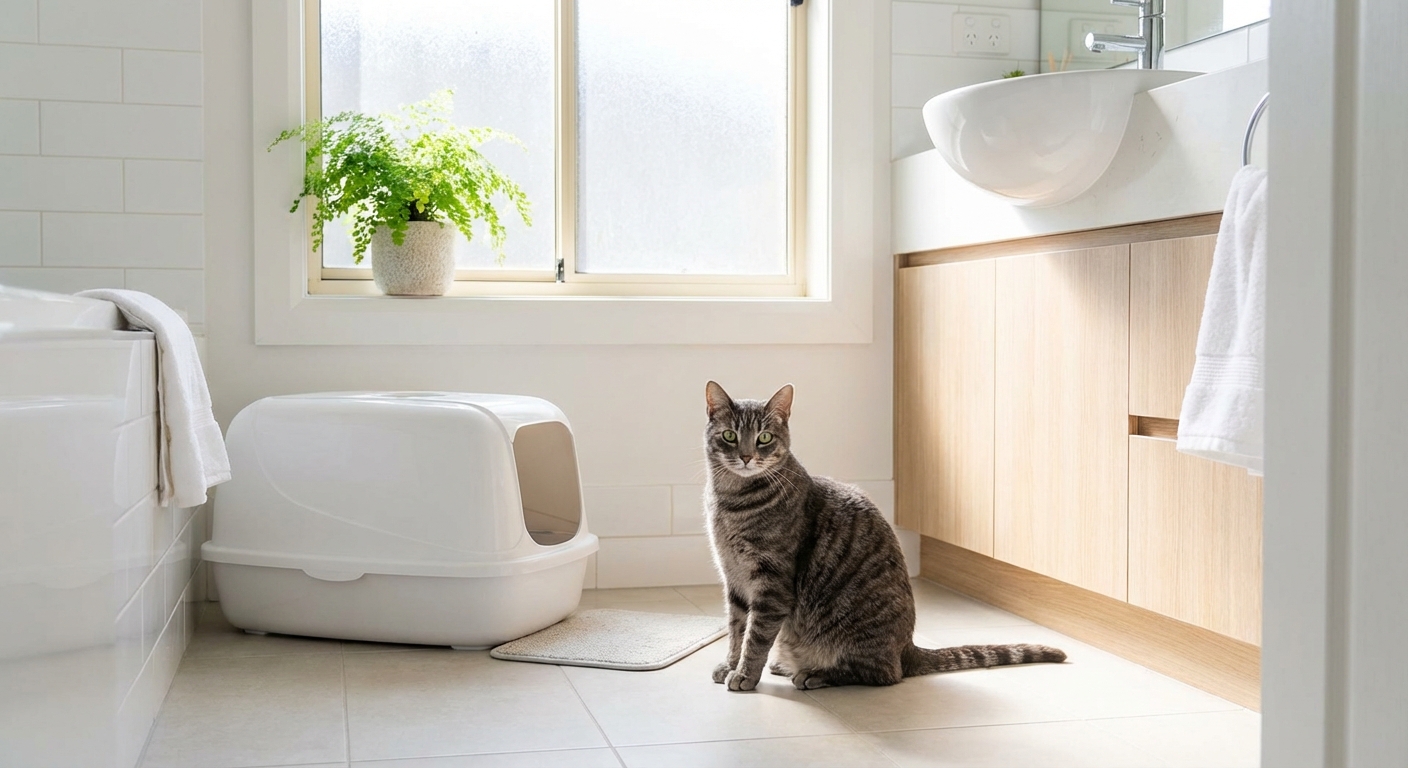
- Keep boxes in calm, easy-to-reach locations (especially for timid or arthritic cats)
5) Grooming support
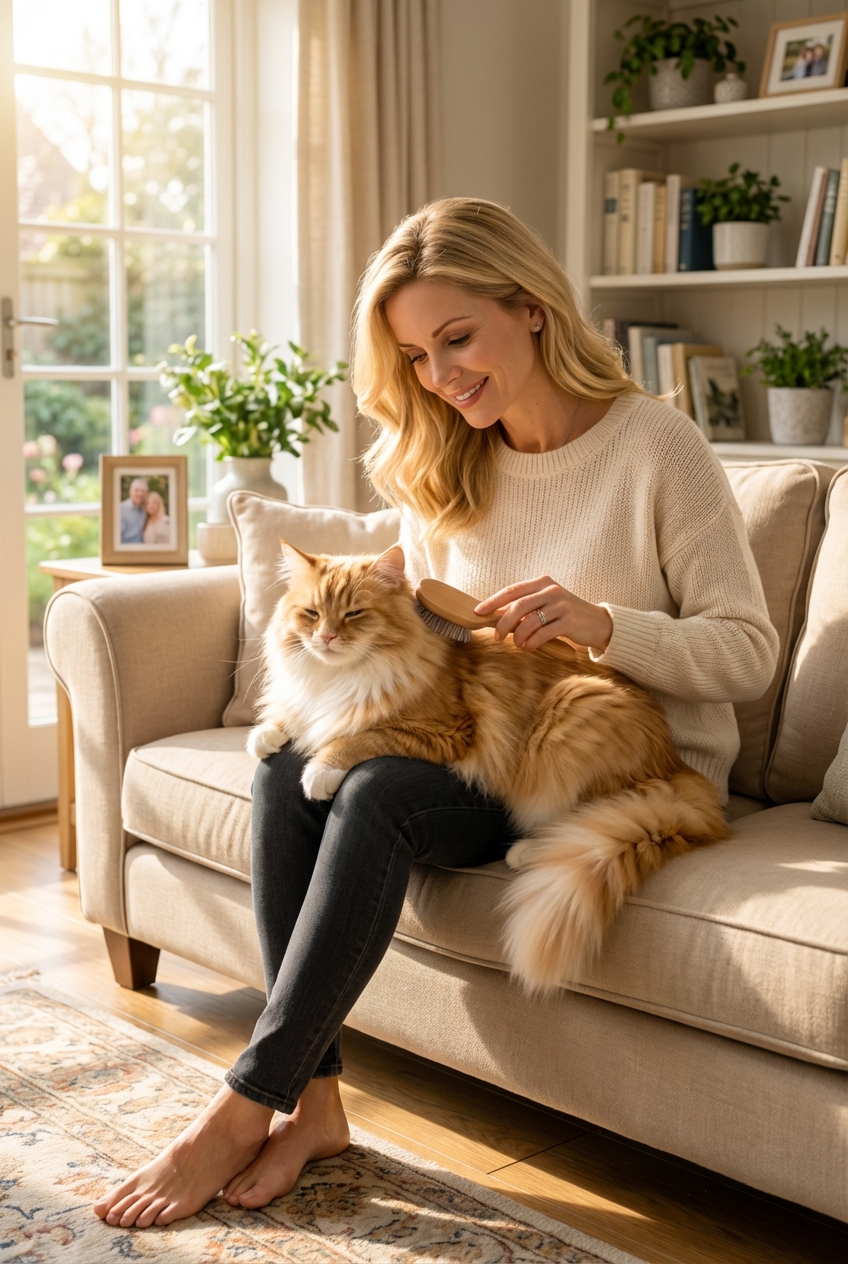
If hair is part of the picture, brushing more frequently can reduce what gets swallowed.
- Brush daily during heavy shedding seasons
- Ask your vet about hairball-focused diets or gels if hairballs are frequent
What not to do
Some human constipation treatments and internet DIY tips can be harmful for cats. When in doubt, call your veterinarian first.
- Do not give human enemas or use products containing sodium phosphate. These can be dangerous for cats.
- Do not give laxatives meant for people unless your veterinarian specifically instructs you. This includes common OTC options like polyethylene glycol 3350 (often sold as Miralax), which can be helpful in the right patient but should be vet-directed for dosing and safety.
- Do not give oils (mineral oil, olive oil) by mouth unless your veterinarian tells you to. They can be aspirated into the lungs and cause serious complications.
- Do not use thermometers, suppositories, or at-home enemas unless directed by your vet. Rectal injury is easy to cause and hard to fix.
- Do not ignore repeated constipation. Chronic constipation can progress and become harder to treat.
When to see the vet
If home steps are not working quickly, your veterinarian can provide safe relief and look for root causes. This is especially important for older cats and cats with other health conditions.
Common vet treatments
- Fluids: Subcutaneous or IV fluids to correct dehydration
- Prescription stool softeners or laxatives: Often used short-term, sometimes long-term for recurrent cases
- Enemas performed safely: Done in-clinic with cat-appropriate products
- Deobstipation: Manual removal of impacted stool, sometimes requiring sedation
- Diagnostics: X-rays, bloodwork, thyroid testing, or abdominal ultrasound if needed
If megacolon is suspected, your vet may discuss long-term management, diet changes, and in advanced cases, surgery. Many cats do well with early, consistent management, and repeated episodes are a good reason to investigate deeper.
3-day gentle plan
If your cat is stable, eating at least some, and still passing a little stool, this can be a helpful starting point.
Day 1
- Offer one wet meal (or add warm water to their usual food)
- Fresh water in two locations
- Two 5-minute play sessions
Day 2
- Two wet meals or wetter meals
- Add a small amount of plain canned pumpkin if your vet has okayed it for your cat
- Brush for 3 to 5 minutes
Day 3
- Keep wet food consistent
- Evaluate the litter box output and comfort level
- If there is no improvement, or if your cat seems painful or unwell, call your veterinarian
My favorite thing about this plan is that it is gentle. You are not shocking your cat’s system. You are building hydration, comfort, and routine, which is often exactly what a constipated cat needs.
FAQ
How long can a cat go without pooping?
Many cats poop about once a day, but some vary. If your cat has not produced stool for 48 hours, it is time to call the vet. Also call sooner if your cat is straining, painful, not eating, vomiting, or acting “off.”
Is pumpkin always the answer?
No. Pumpkin can help some cats, but others need different fiber, more moisture, pain control, or medication. If constipation is frequent, treat it like a medical clue and get guidance.
Can dry food cause constipation?
Dry food does not automatically cause constipation, but it contains much less moisture than canned food. For cats that do not drink enough water, shifting toward wet food can be a game changer.
Bottom line
Constipation is common, but it is not something you have to just accept as “normal cat stuff.” Hydration, wet food, movement, grooming, and a comfortable litter box setup solve many mild cases. And when those steps are not enough, your veterinary team has safe, effective tools to help your cat feel better fast.
If you are ever unsure, especially if your cat is straining with little to no urine, not eating, vomiting, or seems painful, please call a veterinarian right away. Your cat deserves relief, and you deserve peace of mind.