Not sure if your cat has a UTI, cystitis, crystals, or a blockage? Learn key symptoms, emergency red flags, what the vet may do, and gentle home care plus li...
Article
•
Designer Mixes
Fun Cats and UTI Quick Guide

Shari Shidate
Designer Mixes contributor
Cats are talented at one thing that drives veterinary teams a little nuts: hiding pain. Your cat can look perfectly fine, still play, still demand dinner, and still be dealing with a urinary tract problem that needs help fast. This quick guide will help you spot the signs, know what to do today, and keep life fun and comfortable for your cat.
UTI or something else?
People say “UTI” a lot, but in cats, urinary symptoms are often caused by more than a simple bacterial infection. The umbrella term you may hear is FLUTD (feline lower urinary tract disease). Under that umbrella are several common causes, including:
- Feline idiopathic cystitis (FIC): inflammation of the bladder with no single clear cause; stress is a big trigger
- Urinary crystals or stones: mineral buildup that irritates the bladder or blocks urine flow
- Bacterial UTI: more common in senior cats and cats with certain medical conditions
- Urethral plugs: debris and inflammation that can lead to blockage, especially in male cats
Why does the distinction matter? Because the right treatment depends on the cause. Antibiotics help a bacterial infection, but they will not fix stress cystitis or dissolve certain stones.
Signs your cat may have a urinary problem
Call your veterinarian if you notice any of the following, even if your cat is still acting “normal” in other ways:
- Frequent trips to the litter box with little urine produced
- Straining or crying out while urinating
- Blood-tinged urine or pink litter
- Urinating outside the litter box
- Excessive licking of the genital area
- Noticeably different urine smell or a sudden change in urine volume
- Hiding, irritability, decreased appetite, or restlessness
Quick note: urinary straining can look a lot like constipation. If you are not sure which one you are seeing, treat it as urgent and call your vet.
Emergency red flags
A urinary blockage is a true emergency. It can become life-threatening within 24 to 48 hours, and in some cases even sooner. Male cats are at higher risk, but any cat can have serious urinary issues.
Go to an emergency vet now if your cat:
- Is straining and cannot pass urine, or only produces a few drops
- Has a hard, painful belly or is yowling in pain
- Is vomiting, extremely lethargic, or collapsing
If your cat is trying to pee and nothing is coming out, treat it like an emergency every time.
What your vet may do
At the clinic, your vet team will focus on two things: relief and the underlying cause.
Common diagnostics
- Urinalysis: checks for blood, inflammation, crystals, urine concentration, and signs of infection
- Urine culture: confirms whether bacteria are present and which antibiotic works best
- X-rays or ultrasound: looks for stones, thickened bladder wall, or other concerns
- Bloodwork: especially important if your vet suspects blockage, dehydration, kidney stress, or chronic disease
Common treatments
- Pain control and supportive medications: bladder inflammation hurts, and comfort helps healing (your vet will choose options that are safe for your cat’s situation)
- Fluids: supports hydration and helps flush the urinary tract
- Diet changes: prescription urinary diets can reduce recurrence for some cats and help manage crystals or stones
- Antibiotics: only when infection is confirmed or strongly suspected
- Catheterization and hospitalization: if there is a blockage
One evidence-based note worth repeating: many cats with urinary signs do not have a bacterial infection. That is why testing before antibiotics is so valuable when your cat is stable enough for it.
At-home support
If your cat is still passing urine and is stable, these steps can help until you get veterinary care. They are not a substitute for an exam.
Boost hydration
- Offer more wet food meals (even adding a spoonful of warm water can help)
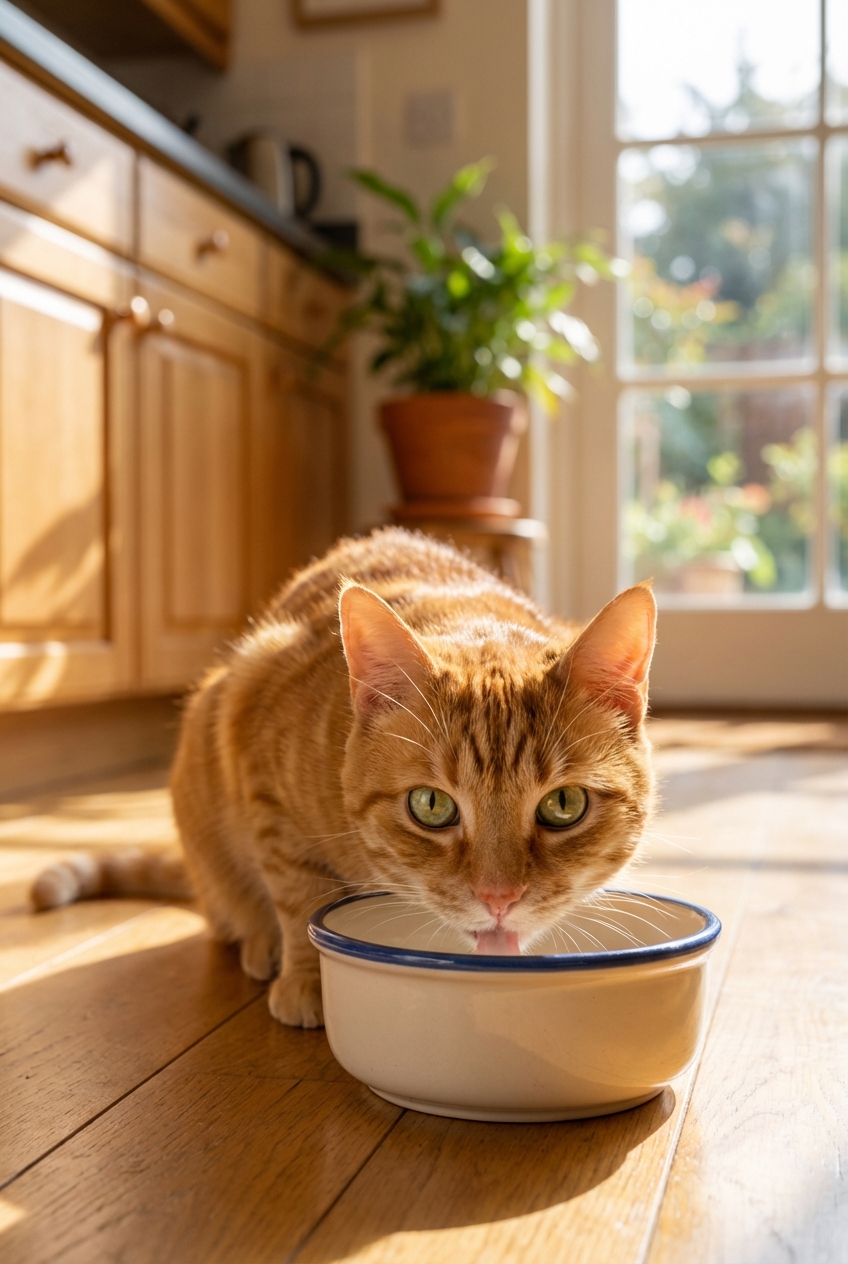
- Set out multiple water bowls in quiet spots
- Try a pet water fountain if your cat enjoys running water
- Flavor water lightly with a small splash of low-sodium tuna water (no onions or garlic)
Reduce stress triggers
- Keep routines consistent: meals, playtime, quiet rest
- Provide hiding spaces and elevated perches
- Consider feline pheromone diffusers in high-traffic rooms
- Separate resources in multi-cat homes: food, water, litter boxes
Track the details
- Take a quick video of litter box straining if you can do so calmly
- Note frequency of attempts, urine amount, and any blood seen
- If possible, bring a fresh urine sample your clinic approves (ask first). Many clinics prefer a sterile sample, since free-catch samples can be contaminated.
What not to do
- Do not give human medications unless your veterinarian specifically instructs you to. Many are toxic to cats.
- Do not restrict water to “reduce accidents.” More hydration is usually part of the solution.
- Do not wait it out if a male cat is straining, even if he seems otherwise okay.
- Do not assume it is constipation if your cat is repeatedly squatting and straining. When in doubt, call.
Preventing flare-ups
Once the urgent moment is handled, prevention is about creating a cat-friendly setup that supports bladder health. Many cats do best with a long-term plan, especially if signs recur.
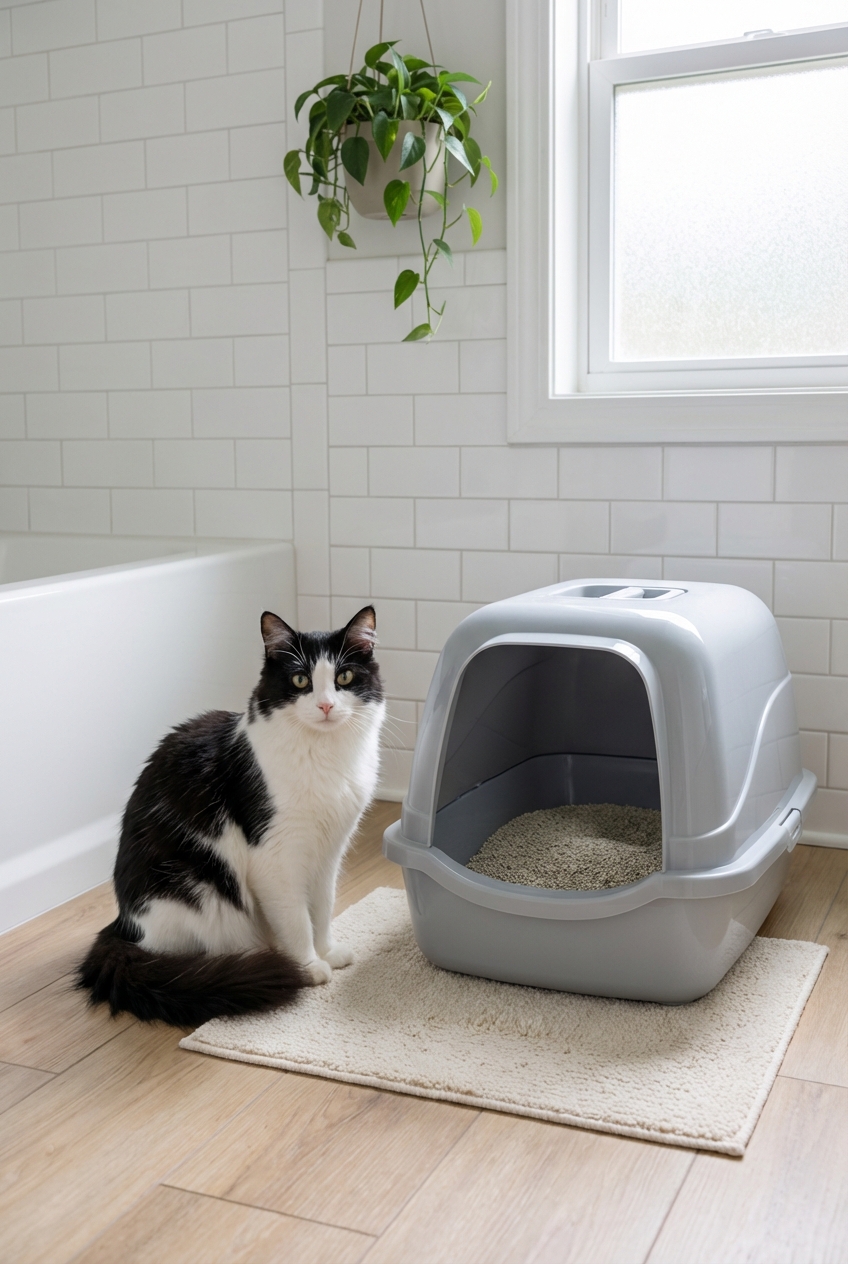
Litter box basics
- Use the “one per cat plus one” rule when possible
- Scoop daily and wash boxes regularly with mild soap
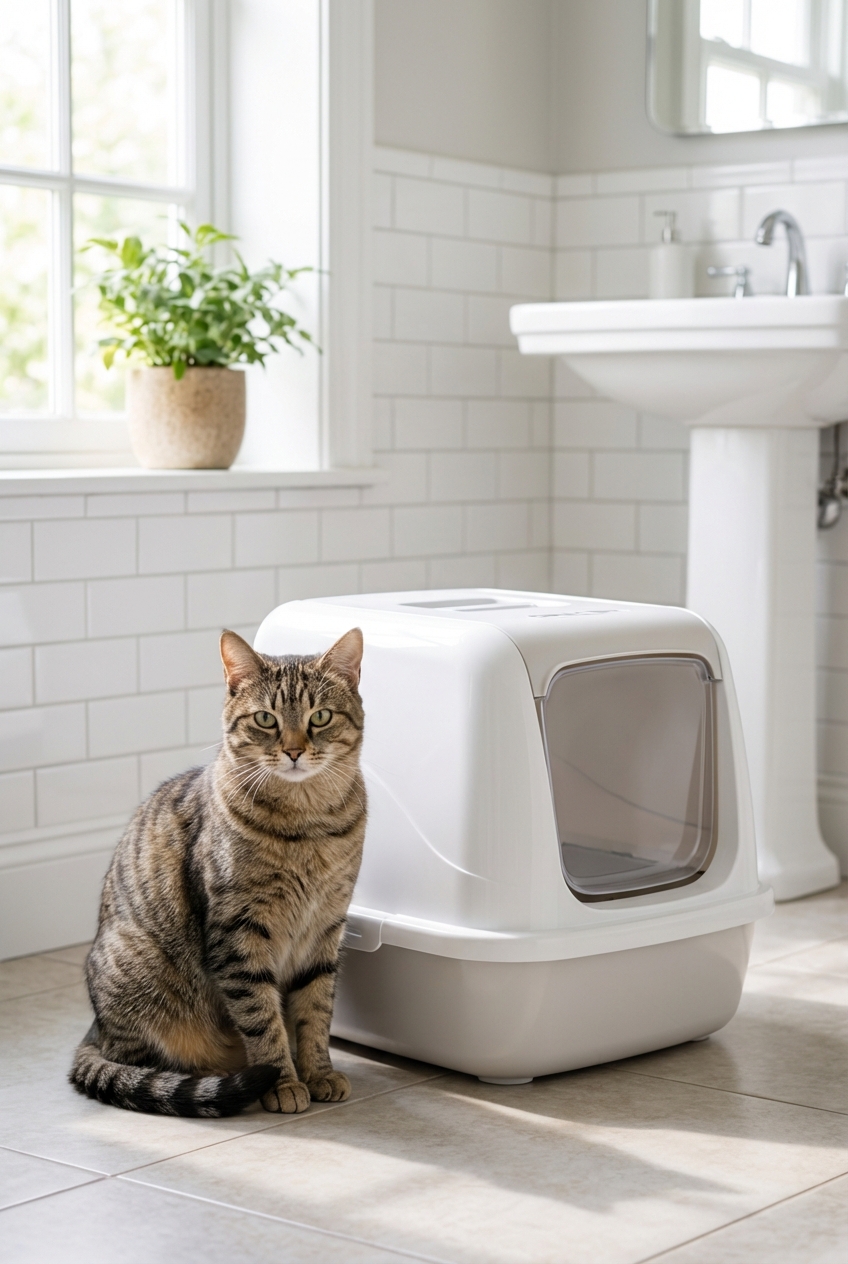
- Offer a large, open box for cats who dislike covered boxes
- Try unscented litter if your cat is sensitive
Play and enrichment
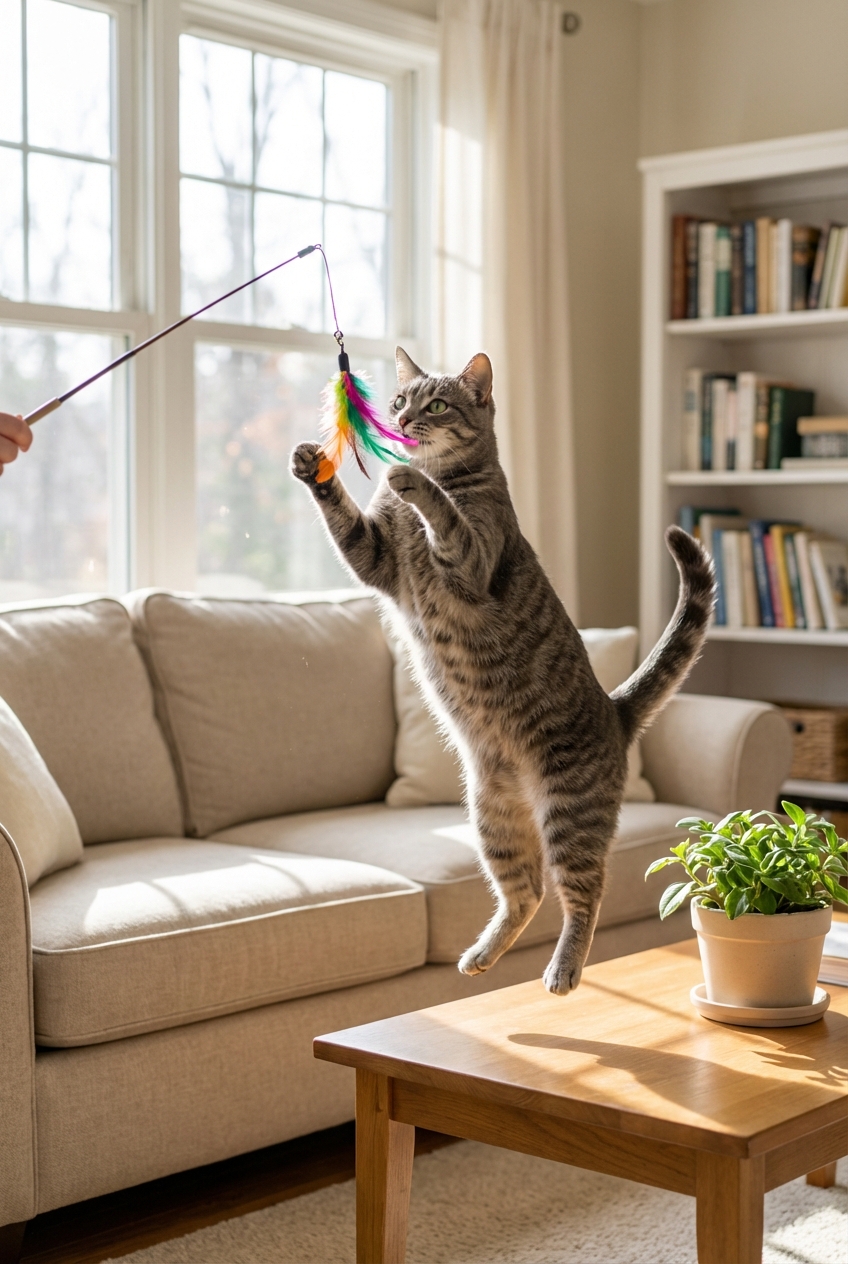
For cats prone to FIC, stress management is part of treatment. Short, predictable play sessions can help.
- Two to three 5 to 10 minute wand-toy sessions daily
- Food puzzles or “hunt the kibble” games using measured portions
- Window perches and safe bird-watching time
Food and supplements
Nutrition can be a game changer for recurring urinary issues, but it should match your cat’s diagnosis.
- Wet food: often helpful because it increases water intake
- Prescription urinary diets: may help reduce crystal formation and support urine pH targets
- Weight management: obesity is linked with lower activity and can worsen overall health
- Supplements: some cats benefit from options like glycosaminoglycans or calming support, but ask your vet before starting anything
If your cat has a history of stones, do not switch diets casually. Certain stones require specific nutritional strategies.
If signs keep coming back, schedule a recheck. Some cats need ongoing management that combines environmental changes, hydration strategies, and the right diet.
Quick checklist
- Urinary signs are common, but the cause varies: infection, inflammation, crystals, stones, or blockage
- Straining with little to no urine is an emergency
- Straining can look like constipation, so treat it as urgent if you are unsure
- Testing helps avoid unnecessary antibiotics and targets the real problem
- Hydration, stress reduction, and a cat-friendly environment can reduce flare-ups
If you are unsure whether it is urgent, call your veterinarian or an emergency clinic and describe exactly what you are seeing in the litter box. You are not overreacting. With urinary issues, acting early can prevent a crisis.