Follow a practical, vet-informed bearded dragon feeding schedule for babies, juveniles, and adults. Learn best feeding times, portions, safe foods, supplemen...
Article
•
Designer Mixes
Fun Bearded Dragon Food Handbook

Shari Shidate
Designer Mixes contributor
Feeding a bearded dragon can be one of the most fun parts of sharing your life with these curious little reptiles. The trick is keeping it safe, balanced, and age-appropriate, then adding variety so your dragon stays interested and nourished.
As a veterinary assistant, I always come back to the same foundation: correct temperatures, correct UVB lighting, and a well-planned diet. Food is only as “healthy” as your dragon can digest and metabolize it. Let’s make feeding time both joyful and evidence-based.
Quick basics
Bearded dragons are omnivores, but their needs change as they grow. A simple way to think about it is under about 12 months versus fully grown adults, then adjust based on body condition and activity level.
- Babies and juveniles (roughly under 12 months): more insects for growth, plus daily greens to build good habits.
- Adults: daily salad (leafy greens and vegetables), with insects offered less often.
A common, practical starting point many keepers use is:
- Juveniles: daily salad plus 1 to 2 insect feedings per day (portion-controlled and adjusted to growth and body condition).
- Adults: daily salad, insects 2 to 4 times per week (portion-controlled).
Important: Portion needs depend on species, age, body condition, enclosure temps, and health history. If your dragon is losing weight, not growing, or seems sluggish, it is time to check husbandry and talk with an experienced exotics veterinarian.
Temps, UVB, and hydration
I mention this a lot because it matters: if temperatures and UVB are off, appetite and digestion often follow. These are general targets many exotics vets and experienced keepers use, but always verify with reliable care guidance for your specific setup.
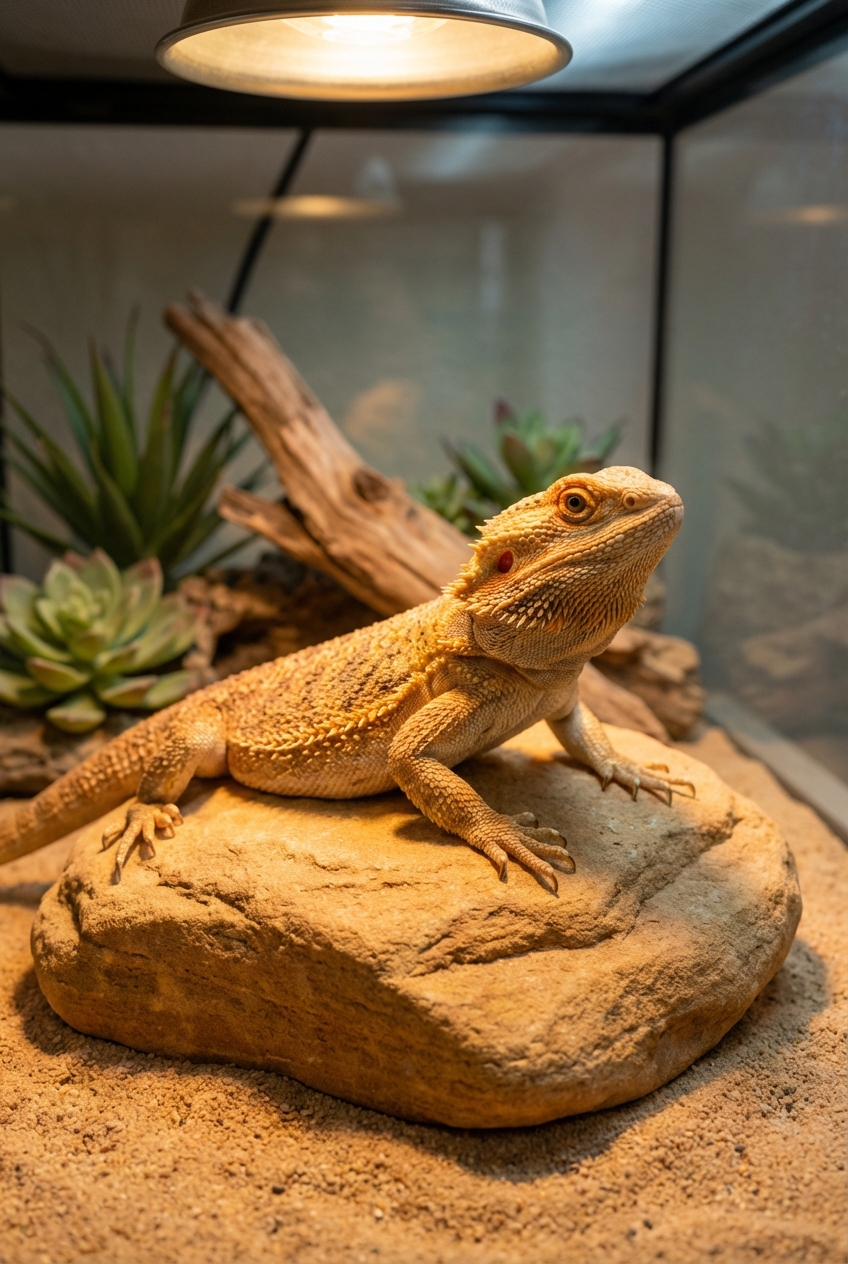
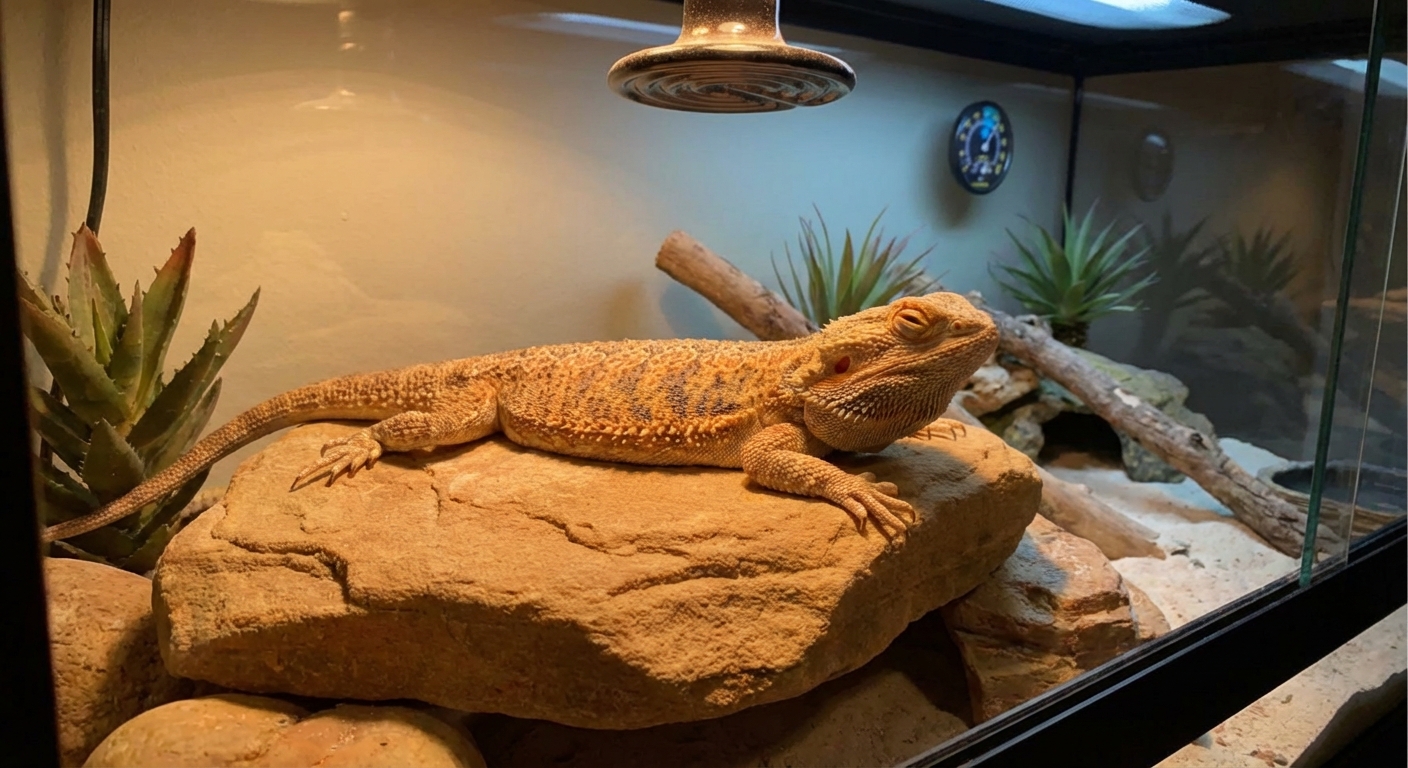
- Basking surface: about 100 to 110°F for many dragons (juveniles often prefer the warmer end). Measure the surface with an infrared temp gun.
- Cool side: about 75 to 85°F so your dragon can self-regulate.
- UVB: use a quality linear UVB (not a small coil bulb), placed at an appropriate distance per the manufacturer’s chart. Replace on schedule, even if it still lights up.
Hydration: Many dragons get a lot of moisture from greens and veggies, but I still recommend providing clean drinking water. Some dragons drink from a bowl, some prefer occasional gentle misting of greens, and some respond to dripping. If you use soaks, keep them brief, warm, and supervised.
Safe “fun food” mindset
Fun foods are great when they are used like enrichment, not like a replacement for nutrition. Think of them as:
- Rotation: change greens and veggies to cover more vitamins and minerals.
- Color and texture: crunchy, soft, shredded, chopped, or lightly steamed options.
- Hunting and foraging: supervised insect chasing and scattered “salad confetti.”
The goal is a dragon that eats reliably, maintains a healthy body condition, and gets steady calcium support.
Everyday greens
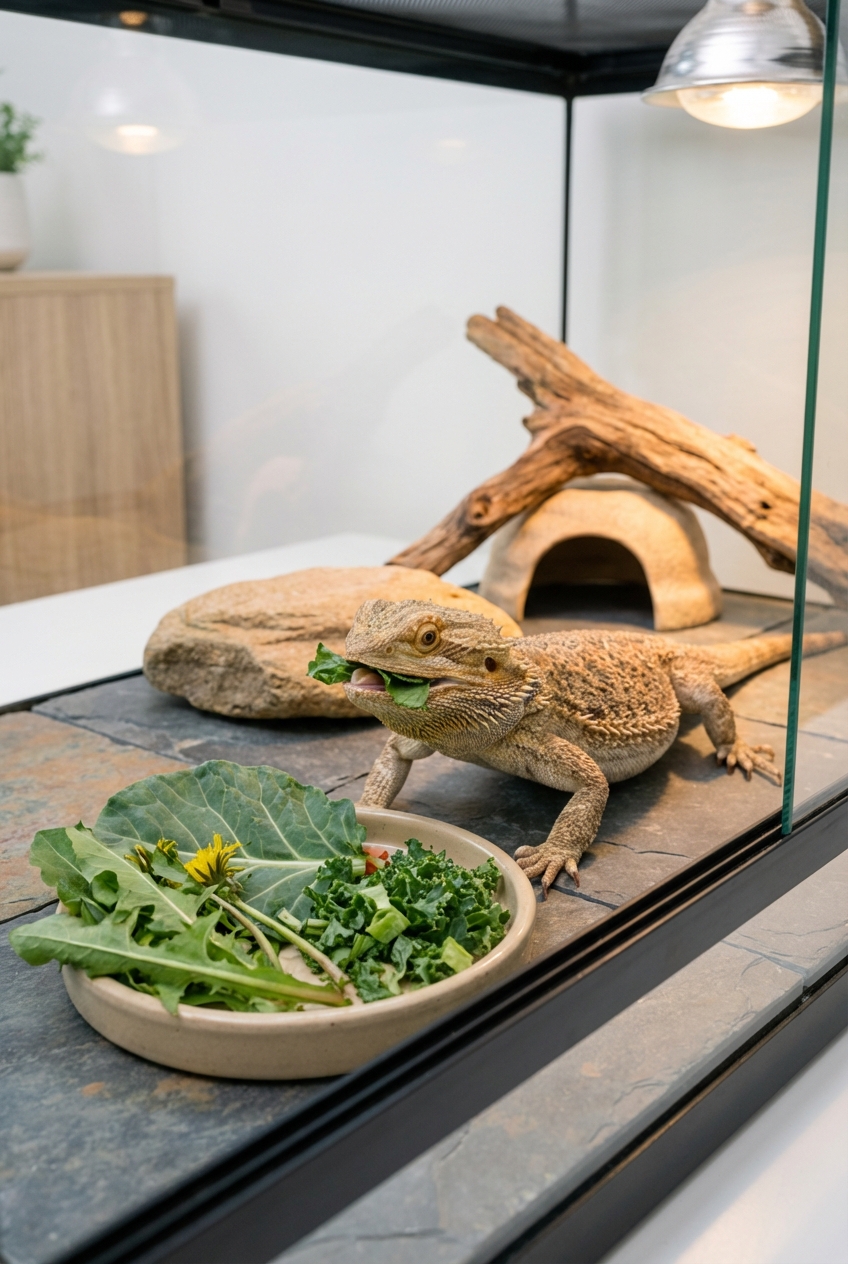
If you want one simple habit that pays off long-term, it is this: offer a fresh salad daily, even if your young dragon still prefers bugs.
Staple greens
- Collard greens
- Mustard greens
- Turnip greens
- Dandelion greens (from safe, pesticide-free sources)
- Escarole and endive
Rotate greens
- Arugula
- Spring mix (check ingredients and remove spinach-heavy blends)
- Kale (fine in rotation for many dragons, not the only green)
- Herbs like cilantro or parsley (small amounts, pesticide-free)

Tip: Chop greens into bite-sized pieces and mix in brighter veggies to make the salad more exciting.
Veggies for variety
Vegetables add color, hydration, and variety. Many dragons love crunchy textures.
Top choices
- Butternut squash
- Acorn squash
- Yellow squash
- Zucchini
- Bell pepper (small amounts)
- Green beans
- Okra
- Parsnip (small amounts)
Prep ideas
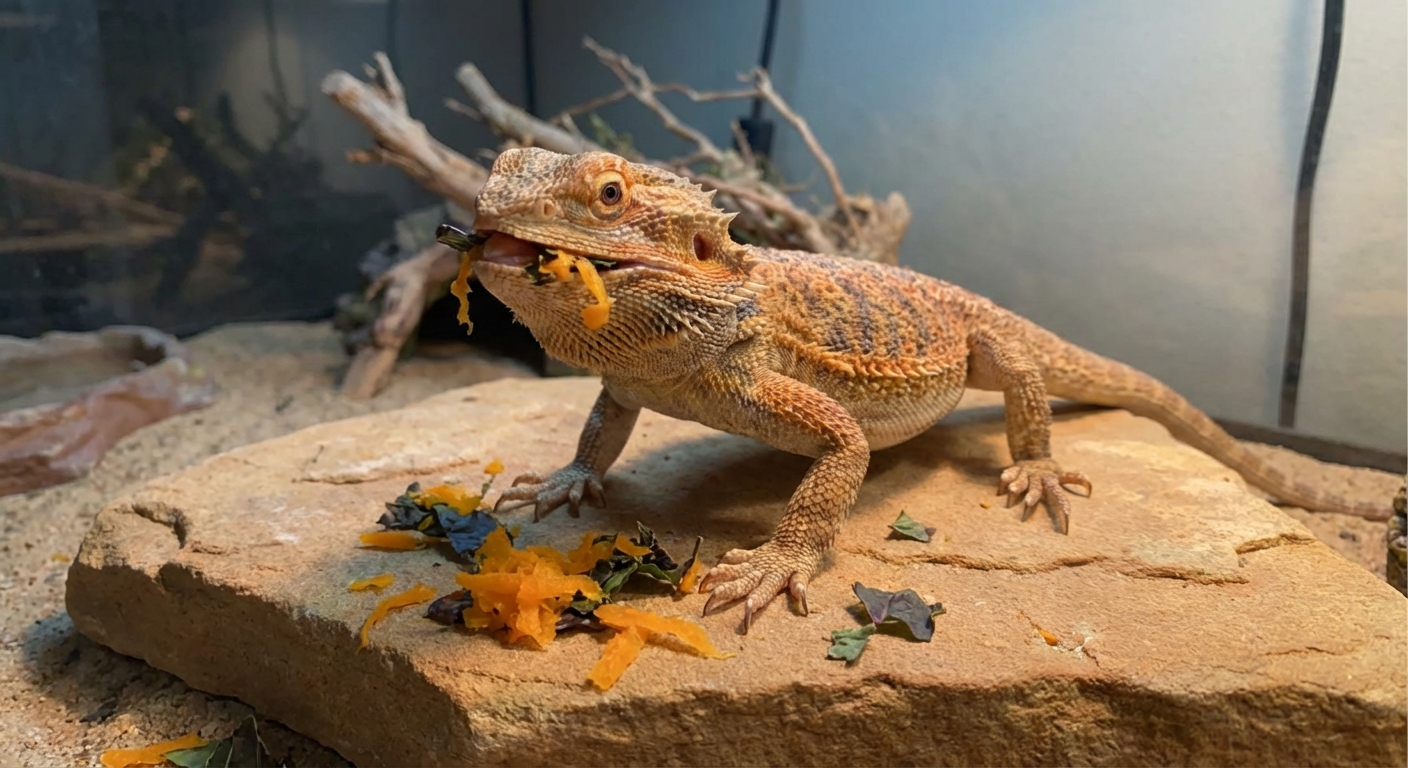
- Shred squash into thin strands and toss through greens.
- Ribbon zucchini with a vegetable peeler for wiggly textures.
- Dice bell pepper into tiny, colorful cubes.
- Lightly steam tougher veggies if your dragon ignores raw pieces, then cool fully before serving. Avoid hot food and avoid cooking it into mush.
Insects
Insects are often the most exciting part for beardies, and they can be excellent nutrition when chosen and gut-loaded correctly.
Common feeders
- Dubia roaches (a favorite staple for many keepers)
- Crickets (widely available, gut-load well)
- Black soldier fly larvae (often naturally calcium-rich)
- Silkworms (soft-bodied option many dragons enjoy)
Treat-style feeders
- Waxworms
- Superworms (better for larger dragons, not as a staple)
- Mealworms (generally not ideal as a main feeder, especially for young dragons)
- Hornworms (great for hydration, but use as an occasional treat)
Sizing safety: A common rule of thumb is no longer than the space between the dragon’s eyes, but size is more than length. Width and hardness matter too, especially with bigger, tougher-bodied insects. Oversized feeders raise the risk of choking or gut impaction.
Note on “big” proteins: Pinky mice are generally not recommended for routine feeding. They are easy to overdo and can contribute to obesity and digestive upset in many pet dragons.
Gut-load and dusting
Two dragons can eat “the same” insects and still get very different nutrition depending on gut-loading and supplements.
Gut-load feeders
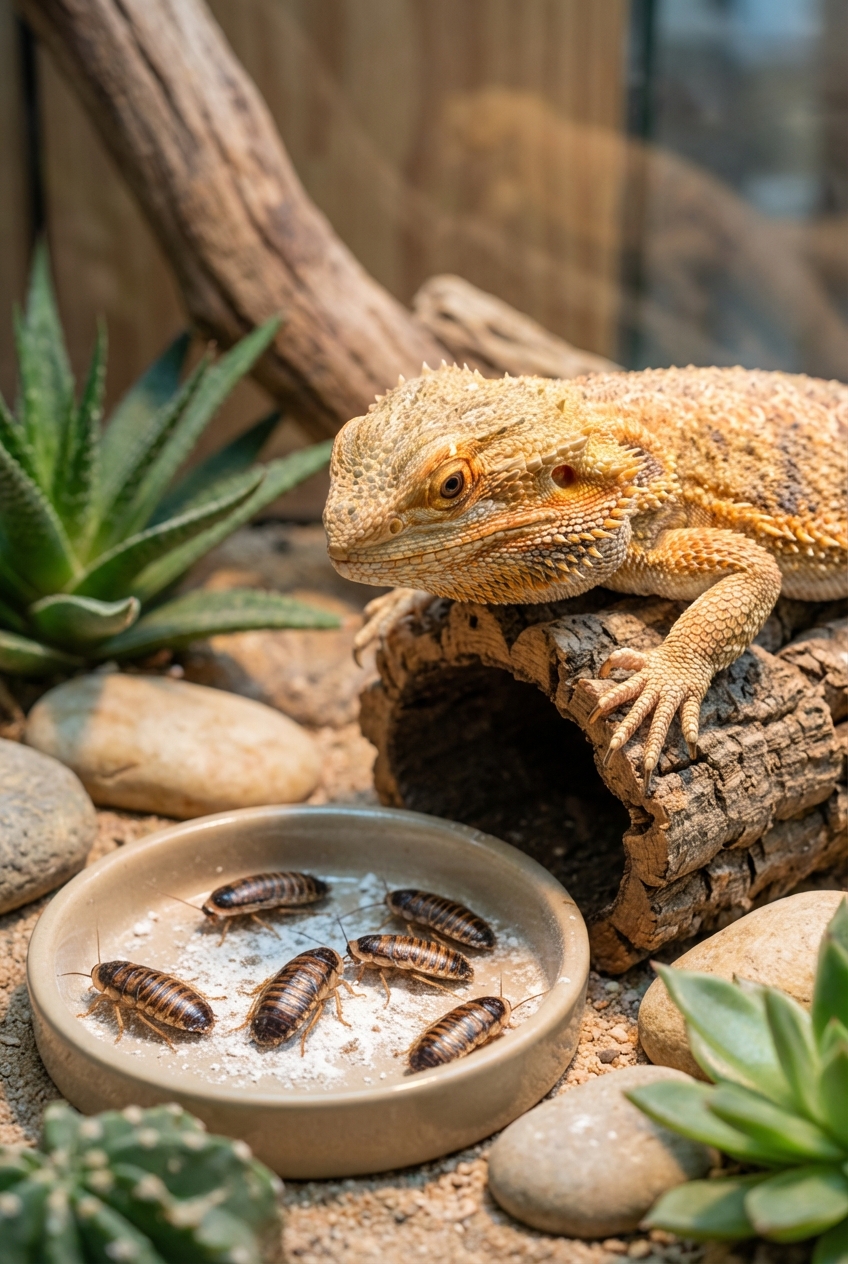
Feed insects nutritious foods 24 to 48 hours before offering them. Think dark leafy greens, squash, carrots, and a quality commercial gut-load. Avoid giving insects junk food and then expecting them to become a multivitamin.
Dusting basics
- Calcium: commonly used several times per week, especially for growing dragons and egg-laying females.
- Multivitamin: commonly used 1 to 2 times per week.
D3 note: Whether you use calcium with or without D3 depends on UVB strength, placement, and your dragon’s overall plan. Over-supplementation is possible, so if you are unsure, an exotics vet can help you tailor a schedule and prevent metabolic bone disease.
Fruit
Fruit can be fun, but it should be a small part of the diet due to sugar content. Offer as an occasional treat, not a daily staple.
Better options
- Blueberries
- Strawberries
- Raspberries
- Apple (no seeds)
- Pear (no seeds)
Tip: Use tiny fruit pieces as “training treats” to encourage shy dragons to approach the salad bowl.
Foods to avoid or limit
This is where a lot of well-meaning owners accidentally run into trouble.
Avoid
- Fireflies (toxic)
- Wild-caught insects (pesticides and parasites are a real risk)
- Avocado
- Rhubarb
- Onion and garlic
Limit or rotate
- Iceberg lettuce: mostly water, very low nutrition, so it is best to limit and not rely on it.
- Spinach: not “poison,” but frequent use can interfere with calcium balance and displace better greens. Use occasionally, not as a staple.
- High-fat worms: waxworms especially, best as occasional treats.
7 healthy fun ideas
- Rainbow salad night: collards + shredded squash + tiny bell pepper cubes.
- Salad confetti: finely chop greens and mix with a few larvae so each bite is a surprise.
- Foraging scatter: spread chopped greens across a clean slate tile so your dragon “hunts” bites.
- Worm topper: use one or two silkworms on top of salad to spark interest.
- Crunch day: add chopped green beans or okra for a satisfying texture.
- Hydration boost: mix in small amounts of grated cucumber or zucchini (not as the main veggie).
- Flower sprinkle: add pesticide-free edible flowers like hibiscus or nasturtium for enrichment.
Sample weekly menu
This is a general example for a healthy adult. Adjust for your dragon’s body condition and your veterinarian’s guidance.
- Daily: salad base (collards, mustard greens, or turnip greens) + rotating veggie
- 2 to 4 days per week: feeder insects (dubia, crickets, BSFL, or silkworms), offered in a portion-controlled meal rather than “unlimited” feeding
- 1 day per week: a small treat insect or tiny fruit portion (optional)
Pro tip: Track what you feed in a notes app. Patterns show up fast, like which greens cause watery stool or which feeders cause picky behavior.
Common feeding issues
My dragon will not eat greens
- Try finely chopped greens mixed with bright shredded squash.
- Offer salad first, then insects later.
- Make sure basking temps and UVB are correct. Poor husbandry often equals poor appetite.
Loose stool
- Check for too much watery produce or fruit.
- Review parasite risk and consider a vet fecal exam if it persists.
Constipation or possible impaction
- Recheck enclosure temps and hydration options.
- Avoid oversized feeders and hard-to-digest insects.
- Call an exotics veterinarian promptly if there is straining, lethargy, or no stool for an unusual length of time.
When appetite changes suddenly, I always recommend checking temperatures and UVB first, then looping in an exotics vet. Food plans work best when the basics are dialed in.
Simple shopping list
- Collard greens or mustard greens
- Butternut squash or zucchini
- Bell pepper (one for the week)
- Dubia roaches or crickets (from a reputable supplier)
- Black soldier fly larvae (optional)
- Calcium supplement and reptile multivitamin (ask your vet about type and frequency)
Start with these, then expand variety slowly. Consistency plus rotation beats random “surprise meals” every time.
When to call a vet
Reach out to an exotics veterinarian if you notice:
- Weight loss, weakness, tremors, or soft jaw
- Persistent diarrhea or constipation
- Refusal to eat paired with lethargy
- Swelling, injuries, or abnormal stools
Bearded dragons are hardy in many ways, but they hide illness well. Early support can make a huge difference.