Vet-guided list of dog-safe fruits like apples, blueberries, and watermelon, plus easy serving tips, portion sizes by weight, and fruits to avoid like grapes...
Article
•
Designer Mixes
Fruits Dogs Can Eat

Shari Shidate
Designer Mixes contributor
As a veterinary assistant here in Frisco, Texas, I get asked this a lot: “What fruit is good for dogs?” The sweet answer is that many fruits can be a healthy, whole-food add-on for most dogs when served the right way and in the right amount.
Fruit is not a requirement for a balanced canine diet, but it can be a helpful way to add hydration and fiber, plus a little variety and joy to your dog’s routine. Think of fruit like a healthy treat or topper, not a meal replacement.
Quick rule of thumb: Aim for all treats combined (including fruit) to stay at or under about 10% of daily calories. If your dog has diabetes, pancreatitis, chronic GI issues, kidney disease, or is overweight, ask your vet before adding fruit.
One more practical tip: Introduce any new fruit when your dog is otherwise feeling well. If you try something new during a tummy flare, it can be hard to tell what caused the upset.
How to safely feed fruit to dogs
Start small and go slow
Even “safe” fruit can cause gas or loose stool if your dog is not used to it. Start with one bite-sized piece and watch stool, itchiness, and energy over the next 24 hours.
Always prep fruit the dog-safe way
- Wash thoroughly to reduce pesticides and residue.
- Remove pits, seeds, and cores when applicable. Several are choking hazards, and some contain toxins.
- Cut into bite-sized pieces to prevent choking, especially for small dogs and seniors.
- Serve plain. No sugar, xylitol, syrups, whipped cream, or “fruit cups.”
- Frozen is fine for many fruits, but offer small pieces and supervise.
Fruit portions that work for most dogs
Every dog is different, but these are reasonable starting points:
- Tiny dogs (under 10 lb): 1 to 2 small bites
- Small to medium (10 to 35 lb): 2 to 4 bites
- Large (35 to 80 lb): a small handful
- Giant breeds (80+ lb): a handful, then adjust based on stool and weight
If your dog gets soft stool, cut the portion in half or offer fruit less often.
Best fruits for dogs
Below are fruits commonly considered safe for dogs when prepared properly. I will share why each can be helpful and exactly how to serve it.
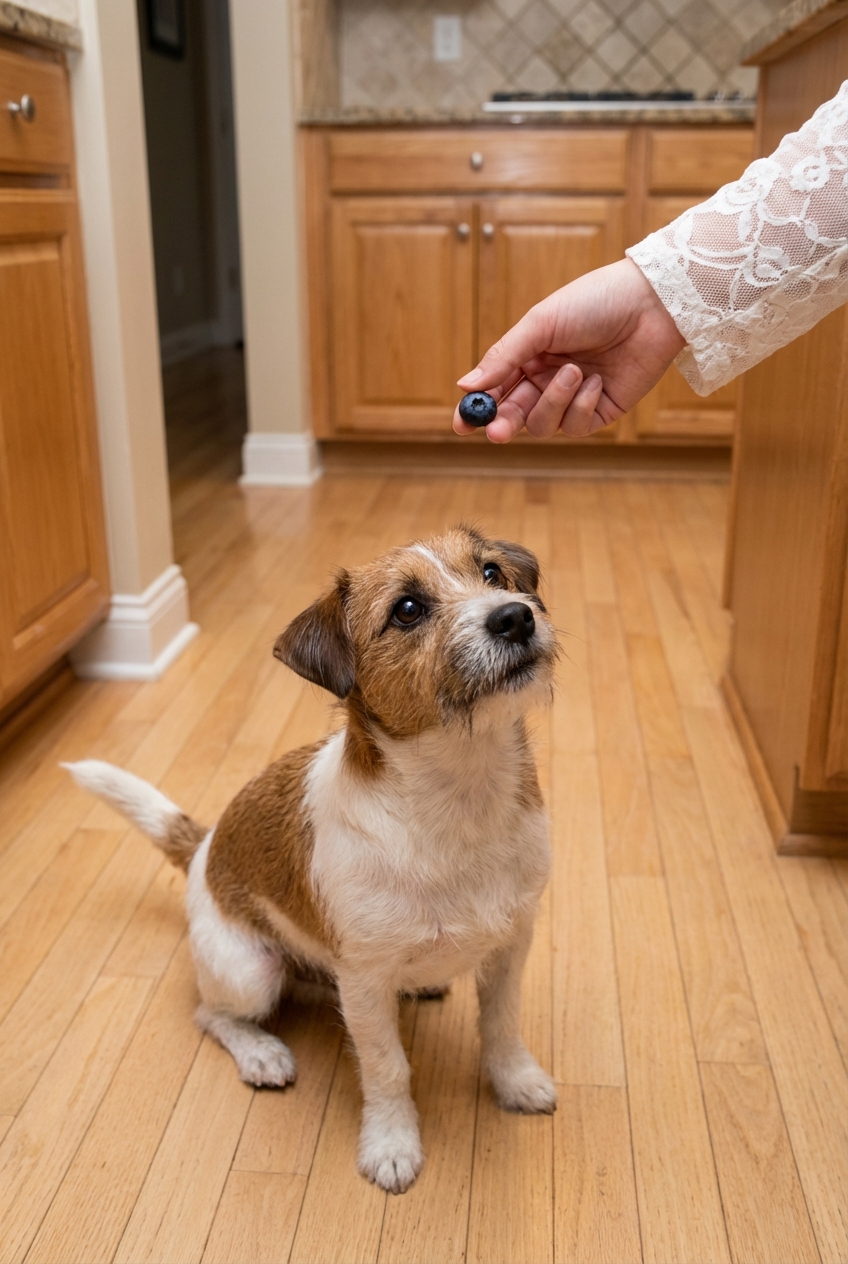
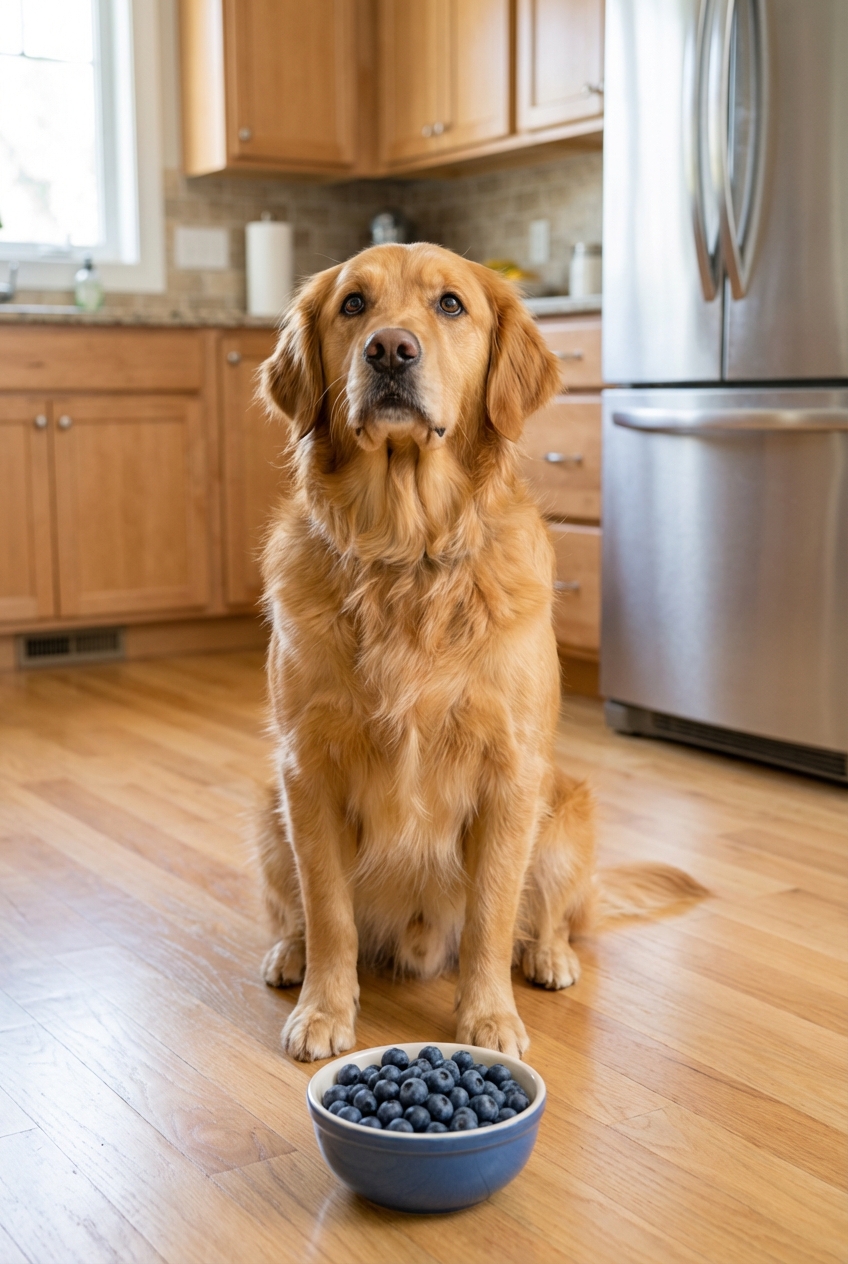
Blueberries
These are one of my favorite starter fruits because they are small, lower calorie, and easy to portion.
- Why they can help: antioxidants and fiber
- How to serve: fresh or frozen, whole for large dogs, halved for small dogs
Strawberries
Sweet, juicy, and a nice source of fiber.
- Why they can help: hydration and antioxidants
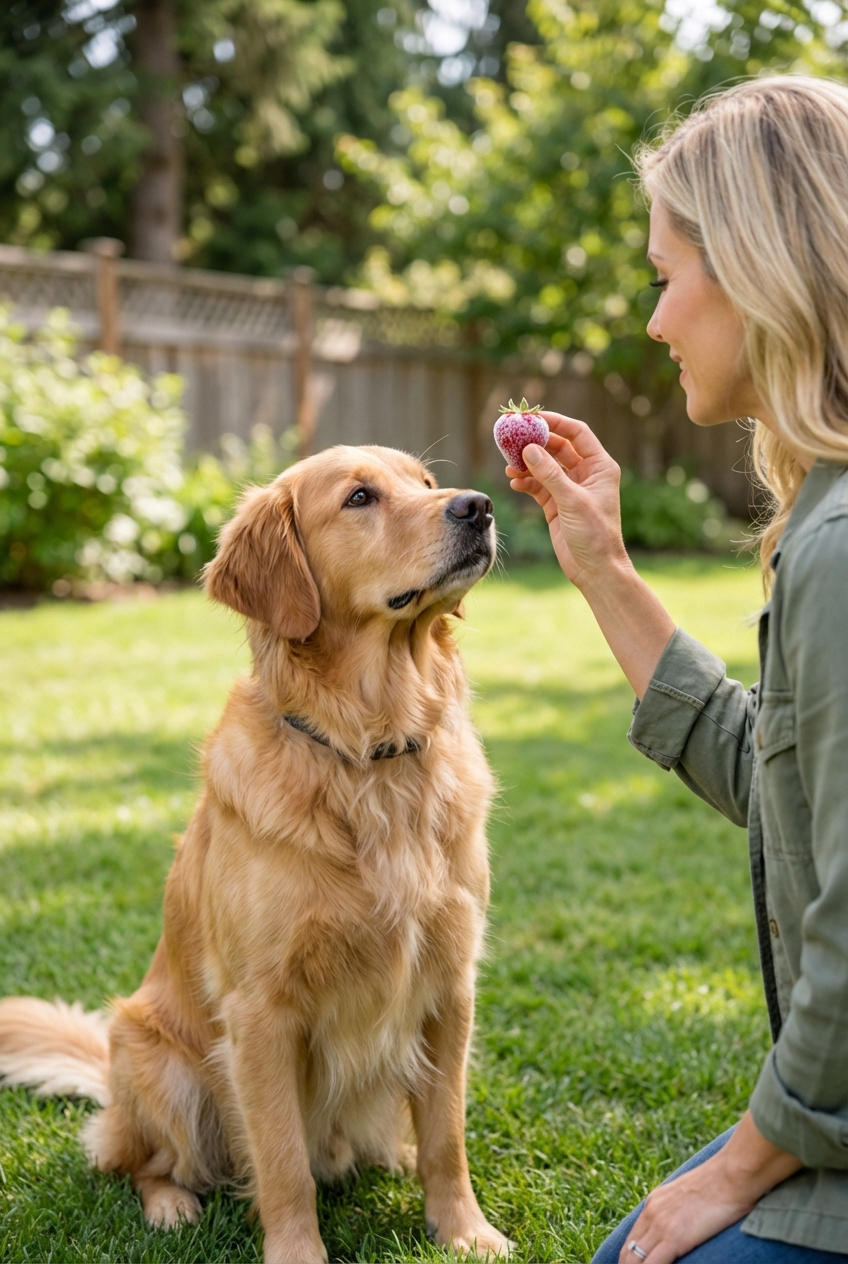
- How to serve: wash, remove leaves, slice
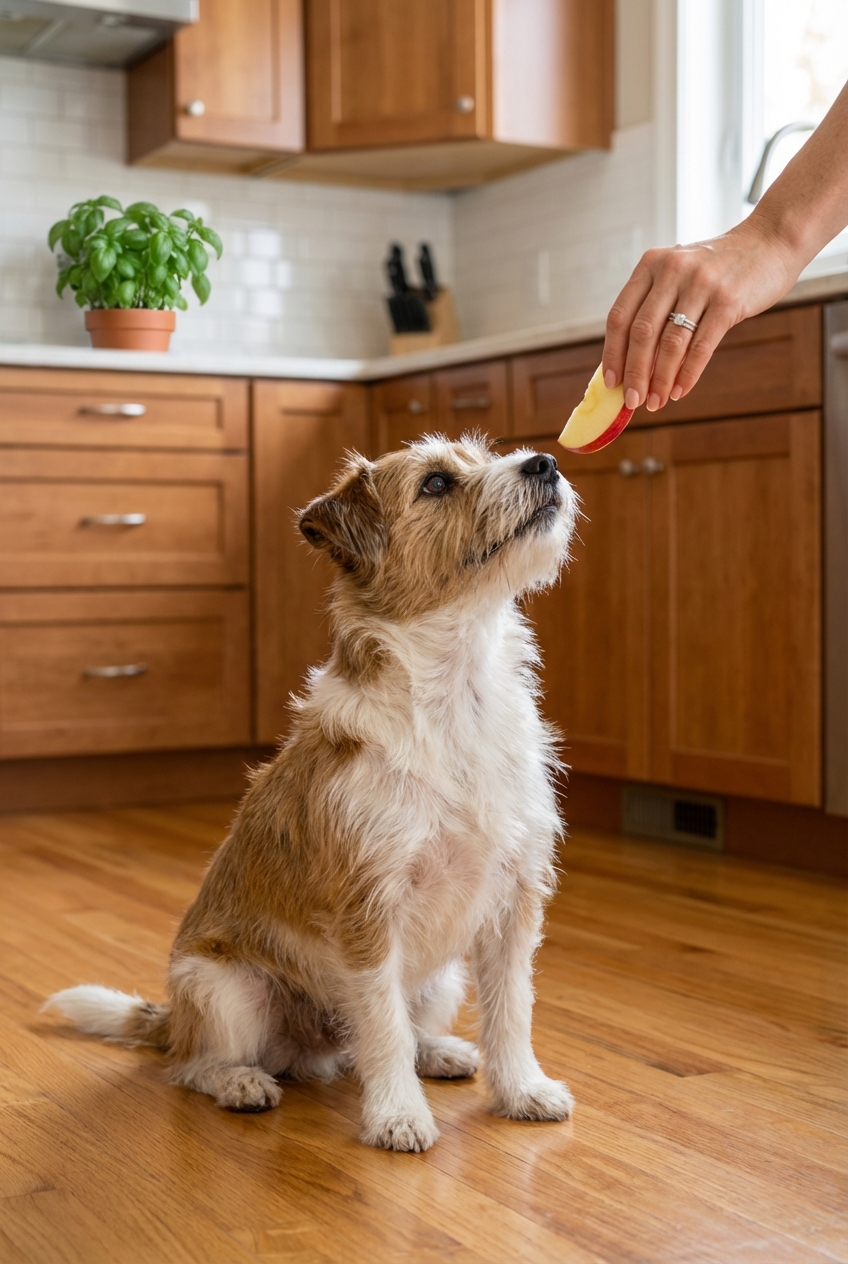
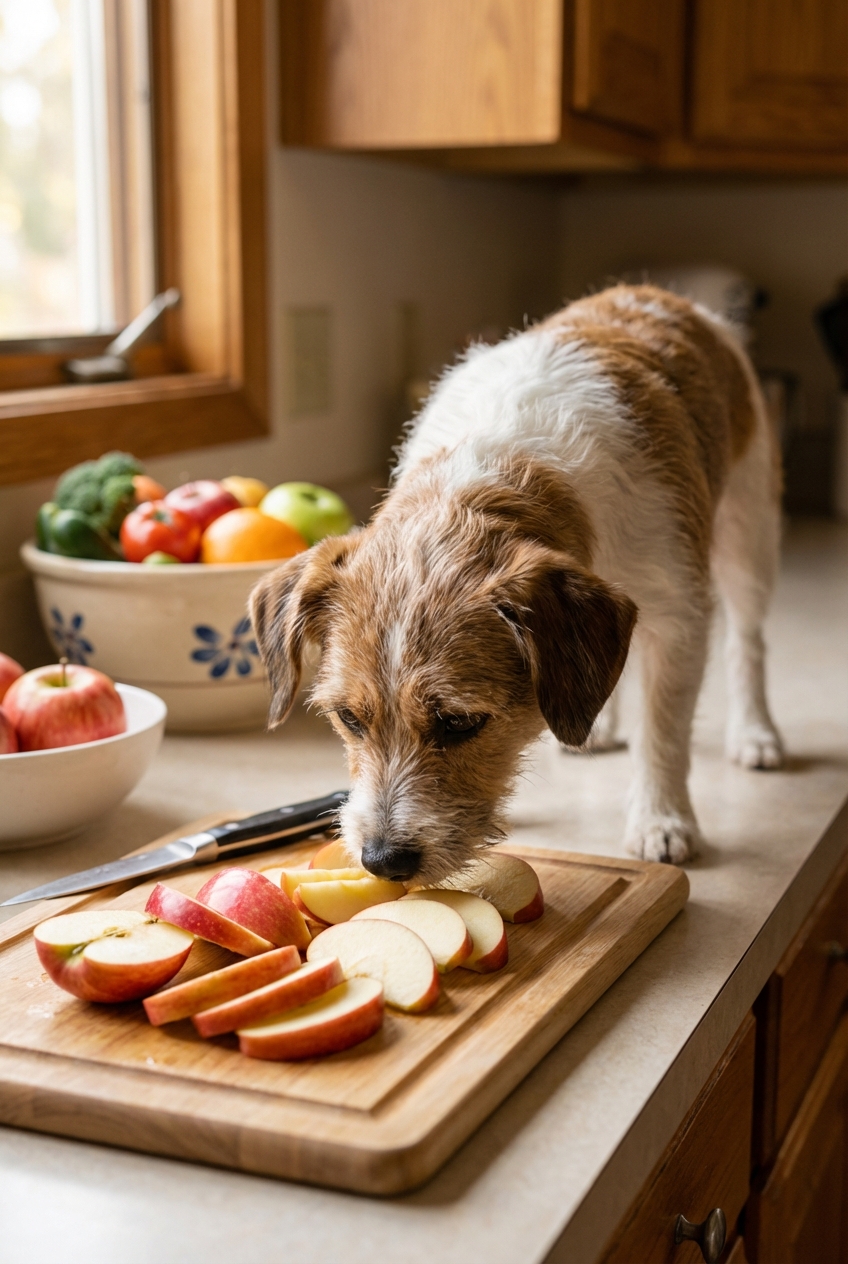
Apples (no core or seeds)
Apples are crunchy and great for a treat moment. The seeds contain cyanogenic compounds and the core can be a choking hazard, so remove both. The risk from a couple of seeds is dose-dependent, but in real life it is easiest and safest to just keep seeds out of the picture.
- Why they can help: crunch plus fiber and hydration
- How to serve: thin slices or small cubes, no seeds, no core
Bananas
Bananas are a higher-sugar fruit, so keep portions modest. They can be handy for hiding pills or as a training treat.
- Why they can help: potassium and fiber
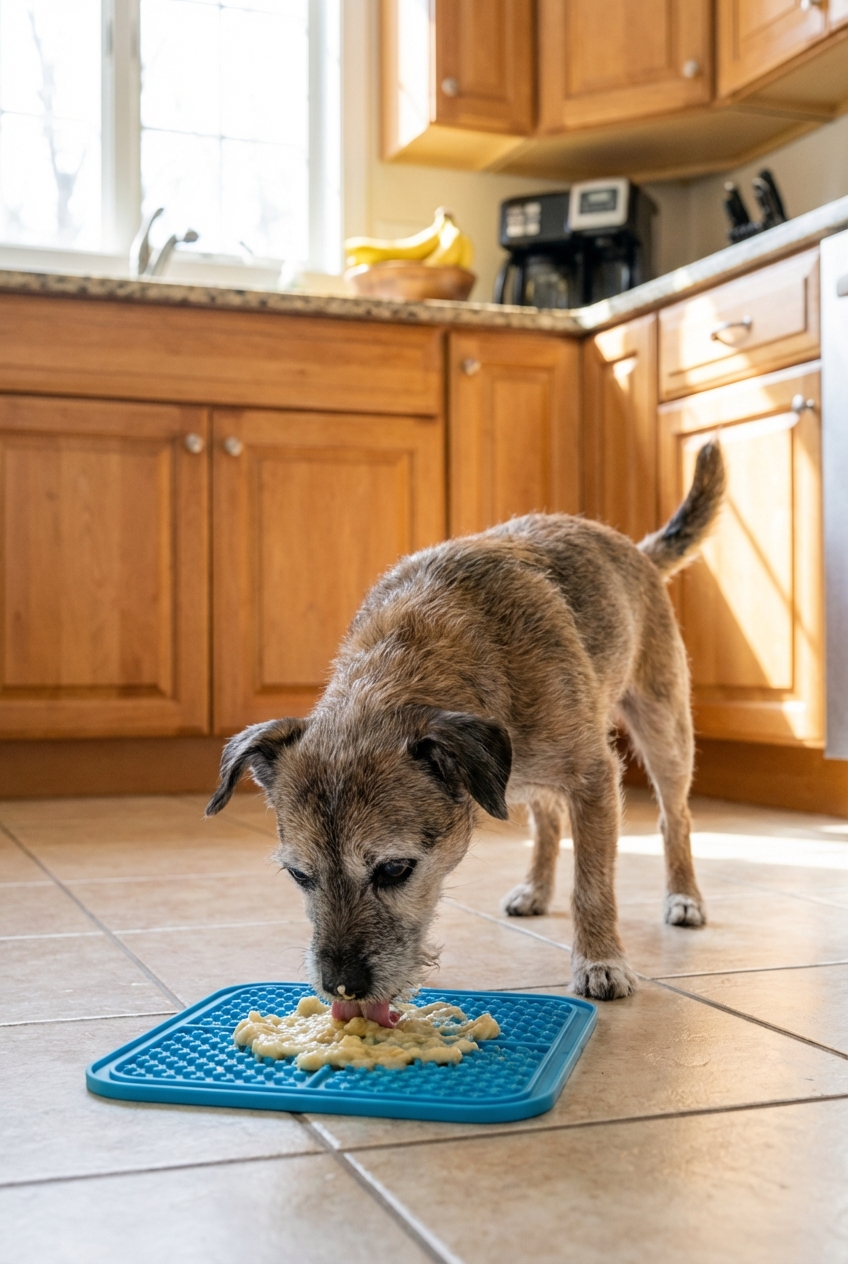
- How to serve: a few thin slices, or mashed into a lick mat
Watermelon (no rind, no seeds)
Texas summers make watermelon a classic. It is very hydrating, but the rind can cause GI upset or even blockage if a dog gulps it.
- Why they can help: hydration
- How to serve: seedless cubes, no rind
Cantaloupe
Another hydrating option. Because it is sweeter, treat it like banana: helpful, but not unlimited.
- Why they can help: hydration and fiber
- How to serve: remove rind and seeds, cube the flesh
Pear (no seeds or core)
Pears are gentle for many dogs and bring fiber to the table.
- Why they can help: fiber and hydration
- How to serve: small cubes, remove core and seeds
Mango (no pit, small portions)
Mango is nutrient-dense but sweet. The pit is a choking hazard and can cause blockage.
- Why they can help: fiber and vitamins
- How to serve: peeled, pit removed, tiny cubes
Pineapple (small portions)
Pineapple is safe for many dogs in small amounts but can be too acidic for sensitive stomachs.
- Why they can help: hydration
- How to serve: fresh chunks, not canned in syrup
Peaches (no pit)
The flesh is fine for many dogs, but the pit is dangerous.
- Why they can help: hydration and fiber
- How to serve: fresh slices, pit removed completely
Raspberries and blackberries
These berries are generally safe in small amounts. They are high in fiber and can be a bit seedy, so go slow if your dog has a sensitive gut.
- Why they can help: antioxidants and fiber
- How to serve: a few berries, mashed for small dogs
Cranberries (plain)
Cranberries come up a lot because they are in so many urinary health products. Plain cranberries are usually fine in small amounts, but many dogs do not love the tart taste. Dried cranberries are often sweetened.
- Why they can help: antioxidants and fiber
- How to serve: a few fresh cranberries or plain frozen cranberries, chopped for small dogs
Kiwi (peeled)
Kiwi is often tolerated in small amounts, but it is another fruit to introduce slowly.
- Why they can help: fiber and hydration
- How to serve: peel it, then offer a few small pieces
Oranges and mandarins (small amounts)
The flesh is usually fine in small amounts for many dogs, but it is sugary and acidic, and a lot of dogs just get gassy.
- Why they can help: hydration and fiber
- How to serve: a couple of peeled segments, no seeds, no peel
Best fruits by age
Age matters. So does chewing strength, calorie needs, and digestive tolerance.
Puppies
Puppies have more sensitive GI tracts and higher nutrient needs, so fruit should stay very small and occasional.
- Great starter options: tiny bits of blueberry, thin apple slices (no seeds), a teaspoon of mashed banana
- Serving tip: mash or finely chop to reduce choking risk
- Watch for: loose stool, vomiting, itchy ears or paws (possible food sensitivity)
Adult dogs
Most healthy adults can enjoy a wider variety as long as portions stay reasonable.
- Good rotation: blueberries, strawberries, apple, watermelon, pear
- Training treats: small banana slices or apple cubes
- Hydration boosters: watermelon or cantaloupe on hot days
Senior dogs
Seniors often do best with softer textures and smaller servings, especially if they have dental disease, kidney concerns, or are less active.
- Easy-to-eat options: mashed banana, soft pear pieces, thawed berries
- Serving tip: use a lick mat or mix into plain unsweetened yogurt if dairy agrees with your dog
- Talk to your vet if: your senior has kidney disease, heart disease, diabetes, or is on a prescription diet
Fruits dogs should not eat
Some fruits are unsafe because of toxins, choking hazards, or risks of intestinal blockage. This is the part I want you to bookmark.
- Grapes and raisins: can cause acute kidney failure in some dogs. No safe amount has been established.
- Cherries: pits can cause blockage; parts of the plant contain cyanogenic compounds.
- Avocado: the pit is an obstruction risk, and the fruit is high in fat (pancreatitis risk). Persin toxicity is more species-dependent, but dogs can still get GI upset from avocado, and the pit is the bigger practical danger in many cases.
- Star fruit: can be risky, especially for dogs with kidney disease. It contains oxalates and has been associated with serious reactions in people with kidney problems, so I recommend avoiding it for dogs as well unless your veterinarian specifically okays it.
- Fruit pits and large seeds (peach, plum, apricot, mango, cherry): choking and obstruction risk, plus toxin risk with some pits.
- Apple seeds: contain cyanogenic compounds, so do not feed them.
- Citrus peels and large amounts of citrus: small amounts of flesh are usually not toxic, but peels and essential oils can cause GI upset and irritation.
- Lemons and limes: not recommended due to acidity, oils, and higher likelihood of stomach upset.
Also avoid: any fruit product sweetened with xylitol (a sugar substitute), which is highly toxic to dogs.
Watch out for dried fruit
Dried fruit is concentrated sugar and calories, and it often has added sugar. Raisins are the big red flag because they are toxic. Even “trail mix” accidents are worth taking seriously.
What about tomatoes?
Tomatoes are botanically a fruit, but they get their own set of questions. Ripe tomato flesh in small amounts is usually not the main problem. The bigger concern is that green tomatoes and the plant can be irritating and can cause GI upset. If your dog is a garden snacker, talk with your vet.
Signs a fruit is not agreeing with your dog
Even when a fruit is “safe,” your dog’s body may say “not for me.” Call your vet if symptoms are severe or persistent.
- Vomiting or diarrhea
- Excess gas or belly discomfort
- Itchy skin, ear flare-ups, face rubbing
- Hives or swelling (urgent)
- Lethargy
- Coughing, gagging, or trouble swallowing (possible choking, urgent)
If you suspect your dog ate grapes, raisins, xylitol, or a fruit pit, treat it as urgent and contact your veterinarian or a pet poison hotline right away (for example, ASPCA Animal Poison Control or Pet Poison Helpline).
Easy ways to add fruit
Simple fruit toppers
- Berry sprinkle: a few blueberries on top of a meal
- Hydration cubes: watermelon cubes after a walk
- Apple crunch: a couple of apple cubes as a reward
Frozen treats (no added sugar)
Try freezing dog-safe fruit into mini portions. Smaller is safer, especially for little dogs.
- Freeze blueberries or sliced strawberries on a parchment-lined tray
- Blend banana with a splash of water, then freeze in silicone molds
- Mix a few mashed berries into plain unsweetened yogurt, then freeze
A gentle reminder about balance
Fruit is a wonderful add-on, but the foundation should still be a complete and balanced diet appropriate for your dog’s life stage. If you are feeding homemade meals, work with your veterinarian or a board-certified veterinary nutritionist to make sure minerals like calcium and phosphorus are properly balanced.
Fruit FAQs
Can dogs eat fruit every day?
Many healthy dogs can have small amounts of fruit more often, but it is not necessary. For most families, offering fruit a few times per week is a realistic, gut-friendly approach.
What is the healthiest fruit for dogs?
There is no single best fruit, but berries (especially blueberries) are a strong choice because they tend to be lower in sugar and easy to portion.
What fruit helps with constipation?
Small portions of pear or apple (no seeds or core) may help due to fiber, plus extra water intake. If constipation persists, do not rely on fruit alone. Talk with your vet to rule out dehydration, pain, or underlying illness.
Can dogs eat canned fruit?
Usually not a great idea. Canned fruit is often packed in syrup and can contain added sugar or additives. Fresh or frozen (plain) is the safer choice.
How do I make the 10% treat guideline practical?
If numbers help you, here is a simple way to use it without getting stuck in math: pick one small fruit serving per day (or a few times per week), and keep it consistent.
- Small dog example: 2 to 3 blueberries or 1 to 2 small apple cubes
- Large dog example: a small handful of watermelon cubes or 6 to 8 blueberries
If weight is creeping up, or stools get soft, scale back.
Can dogs eat plums or apricots?
The flesh is not the main issue, the pits are. Because the pit is a choking and obstruction risk (and can contain cyanogenic compounds), I generally recommend skipping these at home unless you are extremely confident you can remove the pit completely and serve tiny, controlled portions.
Can dogs drink fruit juice?
Not recommended. Juice is basically concentrated sugar with less fiber, and some juice blends contain sweeteners that are dangerous for dogs.
Can dogs eat oranges and other citrus?
In small amounts, many dogs tolerate peeled orange or mandarin segments. Skip peels and avoid lemons and limes. If your dog gets gas or diarrhea, citrus is not worth it.
References
- ASPCA Animal Poison Control: grapes and raisins, xylitol, and common household toxins
- Merck Veterinary Manual: toxicology guidance and poisoning overview
- American Kennel Club (AKC): dog-safe fruit lists and feeding tips