Pugs are lovable but prone to predictable problems. Learn BOAS breathing signs, heat safety, eye emergencies like ulcers, wrinkle care to prevent infections,...
Article
•
Designer Mixes
French Bulldog Health Issues

Shari Shidate
Designer Mixes contributor
French Bulldogs are loving, funny little companions, and I completely understand why so many families adore them. As a veterinary assistant in Frisco, Texas, I also see the other side of the story: Frenchies are among the breeds that often need ongoing, proactive health support.
The good news is that many common French Bulldog health issues can be reduced with smart choices: ethical breeding, healthy body weight, safe exercise, good skin and ear care, and knowing what “not quite right” looks like.
Why Frenchies have unique health risks
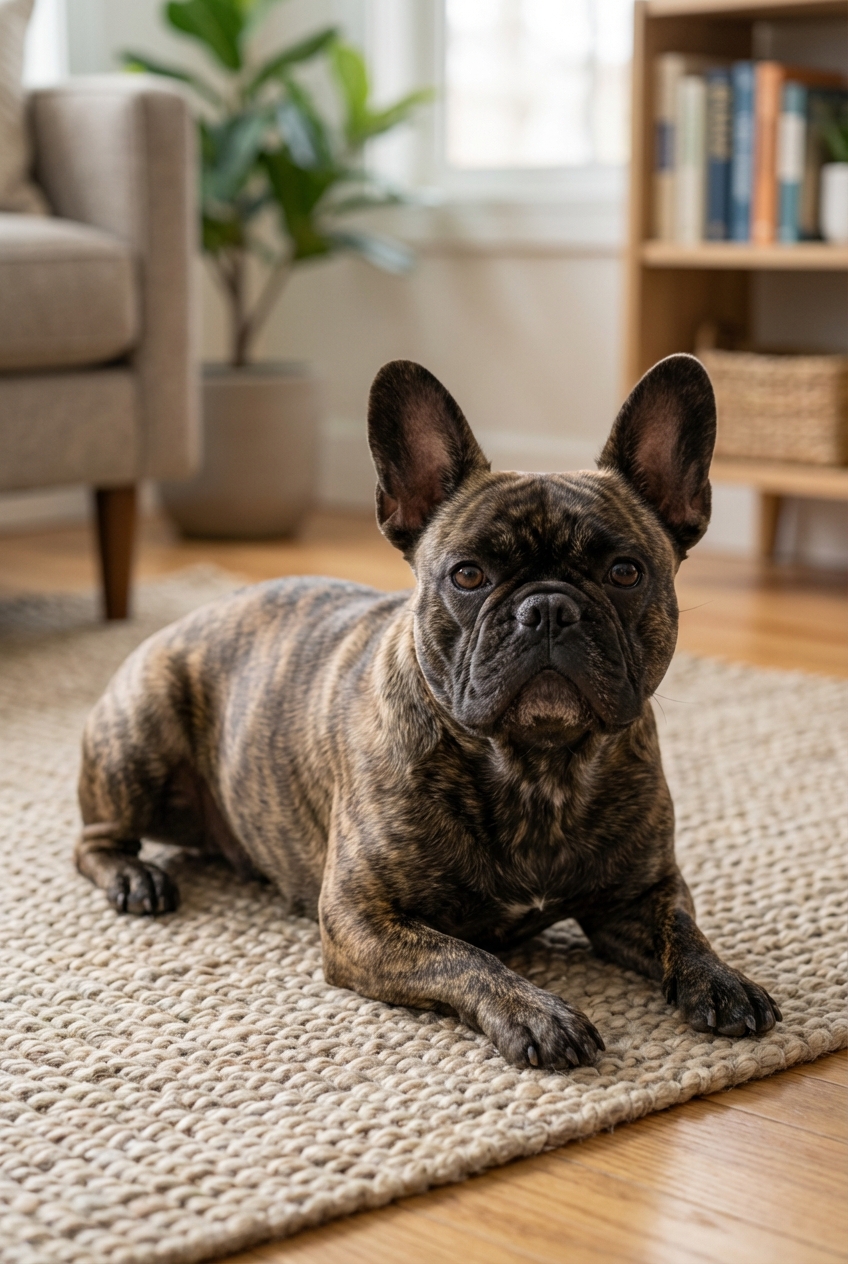
French Bulldogs were bred for a compact body, short muzzle, and adorable facial wrinkles. Those traits are part of their charm, but they can also affect breathing, temperature regulation, spine structure, eyes, skin, and even their ability to give birth naturally.
In the clinic, most day-to-day Frenchie problems tend to cluster into two big themes:
- Conformation-related issues (how the body is shaped), like breathing trouble and spinal disease.
- Allergy and skin-related issues, including chronic itching and recurring ear infections.
They can also be prone to dental crowding, GI sensitivity, and reproduction challenges, so I cover those too.
Breathing problems (BOAS)
What BOAS is
BOAS stands for brachycephalic obstructive airway syndrome. Because Frenchies have a shortened skull, the soft tissues of the airway can be crowded. This can make it harder to move air in and out, especially during exercise, excitement, or heat.
BOAS is often multifactorial. Common contributors include narrowed nostrils (stenotic nares), an elongated soft palate, and changes deeper in the airway that can worsen over time.
Common signs at home
- Loud snoring or noisy breathing even when awake
- Gagging, retching, or coughing (especially after drinking)
- Exercise intolerance, stopping on walks, or refusing to move
- Blue or gray gums during stress
- Fainting or collapsing
Any collapse or blue or gray gums is an emergency.
What helps
- Keep your Frenchie lean. Extra weight makes breathing dramatically harder.
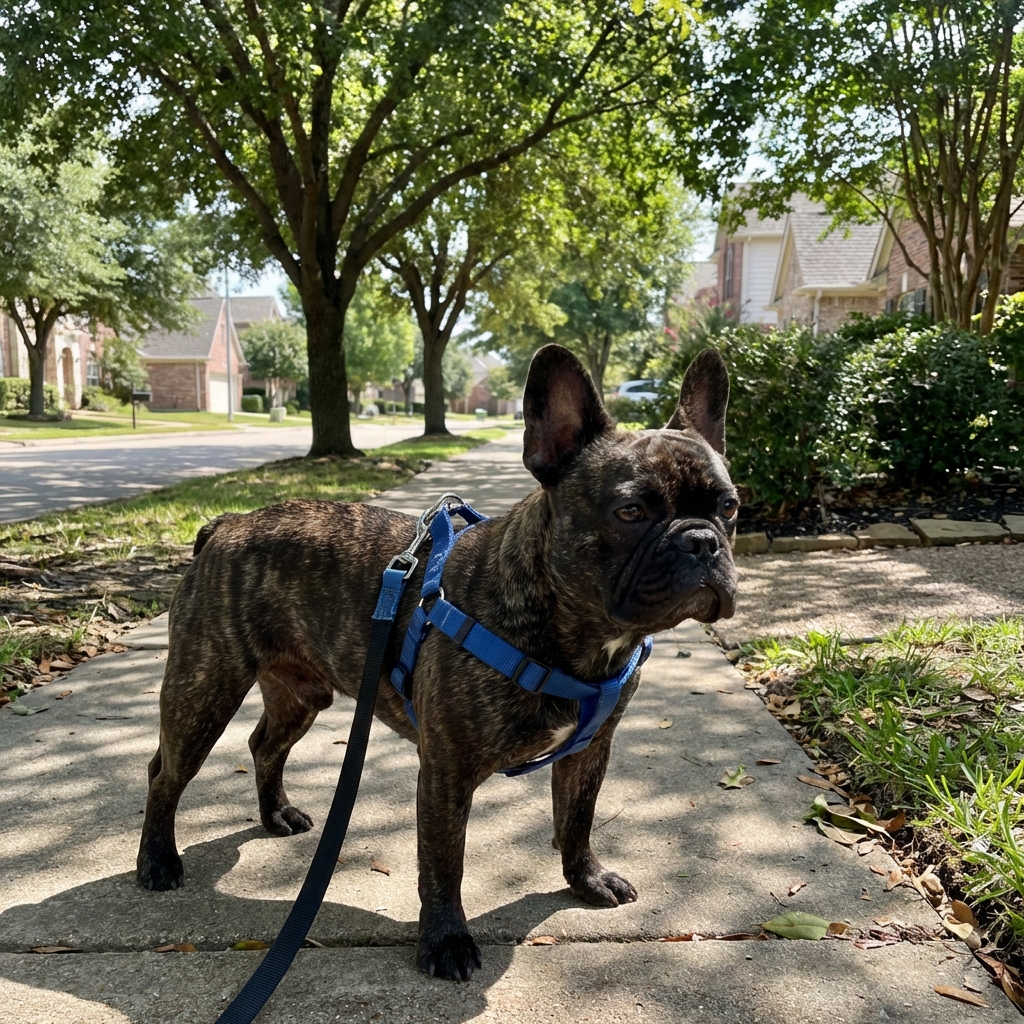
- Use a harness, not a collar, to reduce pressure on the neck.
- Keep exercise short and cool. Think sniff walks, not endurance training.
- Talk with your vet early. Some dogs benefit from corrective airway surgery (for example, widening nostrils or addressing soft palate issues).
Heat tip: If it is hot and humid, a Frenchie can overheat faster than you think. Skip long walks and opt for indoor enrichment.
Heat intolerance and heatstroke
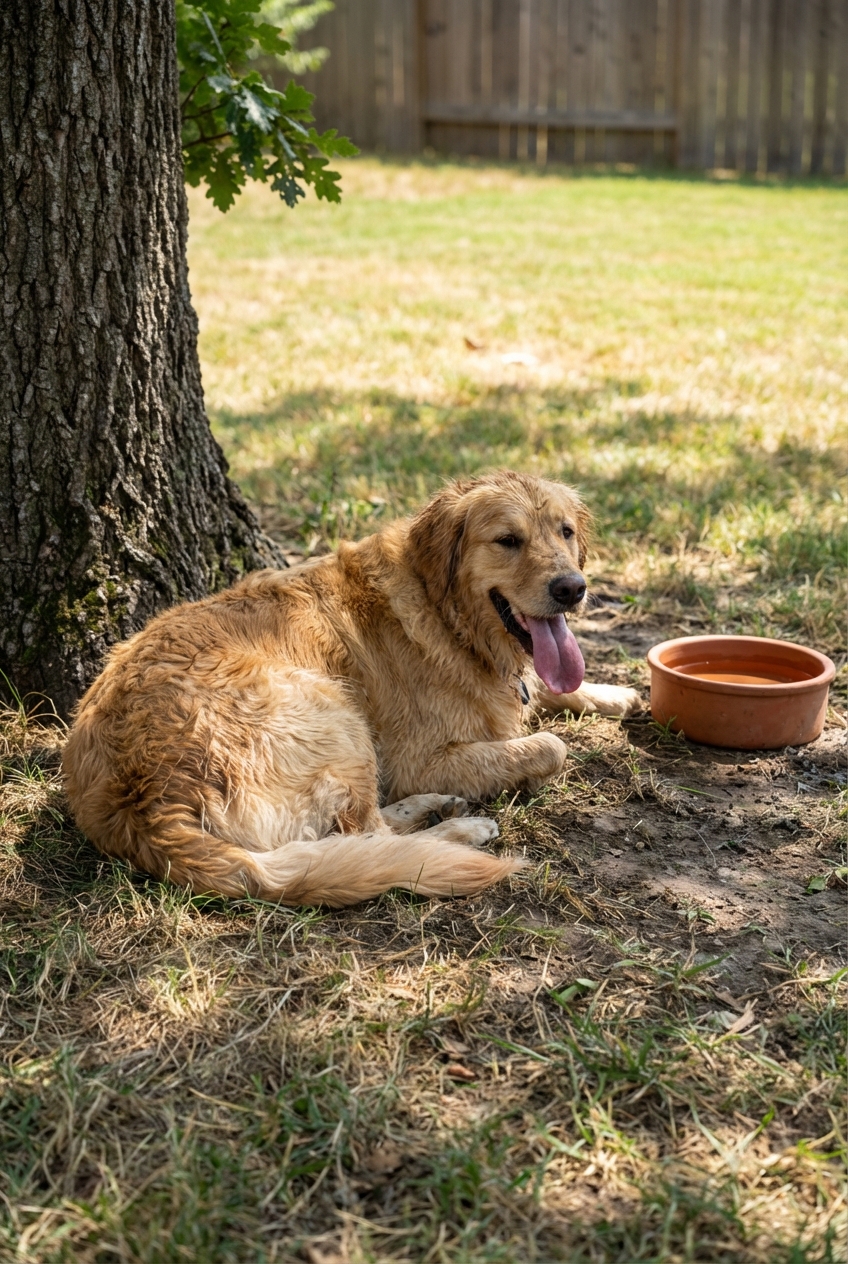
French Bulldogs are not built to cool themselves efficiently. Dogs mainly cool down by panting, and Frenchies may not be able to move enough air to do that safely in heat.
Early warning signs
- Rapid, intense panting that does not settle
- Drooling, glassy eyes, anxious pacing
- Vomiting or diarrhea
- Weakness or wobbliness
What to do
If you suspect heatstroke, move your dog to air conditioning immediately and call your veterinarian or an emergency clinic. Cool with cool to tepid water and use airflow (like a fan) if you can. Offer small sips of water only if your dog can swallow normally. Avoid ice baths or ice-cold water, which can cause blood vessel constriction and make cooling less efficient.
Allergies and chronic skin problems
Itchy skin is one of the most common reasons French Bulldogs visit the vet. Many Frenchies struggle with environmental allergies (pollen, dust mites, molds), food allergies, food intolerances, or a mix of triggers.
What owners often notice
- Licking or chewing paws
- Rubbing face on carpet or furniture
- Recurring ear infections
- Red belly, armpits, or groin
- Patchy hair loss or recurrent “hot spots”
What helps (evidence-based)
- Consistent flea control, even if you do not see fleas. Flea allergy dermatitis can mimic other allergies.
- Regular bathing with a vet-recommended shampoo can reduce allergens on the coat.
- Prescription allergy medications can be life-changing for some dogs. Your vet will help choose the safest option.
- Diet trials are the gold standard for diagnosing food allergy. This should be done with veterinary guidance, usually 8 to 12 weeks.
If you are trying to sort out food triggers, a quick heads up: blood, saliva, and hair tests are not reliable for diagnosing food allergies. A properly structured elimination diet is still the most trustworthy path.
If you are exploring fresh or homemade food, do it thoughtfully. Skin is often the first place we see nutrition show up, but unbalanced diets can create new problems. Ask your veterinarian about a complete-and-balanced plan or a board-certified veterinary nutritionist.

Ear infections
French Bulldogs commonly get ear infections, often tied to allergies. An ear infection is not just “gross wax.” It can be painful and can affect the middle ear if it becomes severe or chronic.
Signs your Frenchie needs an ear check
- Head shaking
- Scratching ears
- Odor (yeasty or sour smell)
- Redness, swelling, or dark discharge
- Pain when you touch the ear
Simple prevention habits
- Use a vet-recommended ear cleaner as directed, especially after bathing.
- Do not put anything down the ear canal without guidance.
- Address the underlying allergy trigger when infections recur.
If infections keep coming back, ask your vet about in-clinic testing like ear cytology, and in stubborn cases, culture. Recurrent otitis is often a clue that allergy control needs to be tightened up.
Spinal and joint issues (IVDD and more)
Frenchies can be prone to spinal disease, including intervertebral disc disease (IVDD). Their build can put extra stress on the back, so the goal is risk reduction and smart routines, not panic.
Red flags that need prompt veterinary care
- Sudden pain, yelping when picked up
- Reluctance to jump, climb stairs, or walk
- Wobbly back legs
- Knuckling paws (dragging feet)
- Loss of bladder or bowel control
Loss of bladder control or sudden weakness can be an emergency.
How to reduce risk
- Keep them at an ideal weight. Extra pounds increase spinal strain.
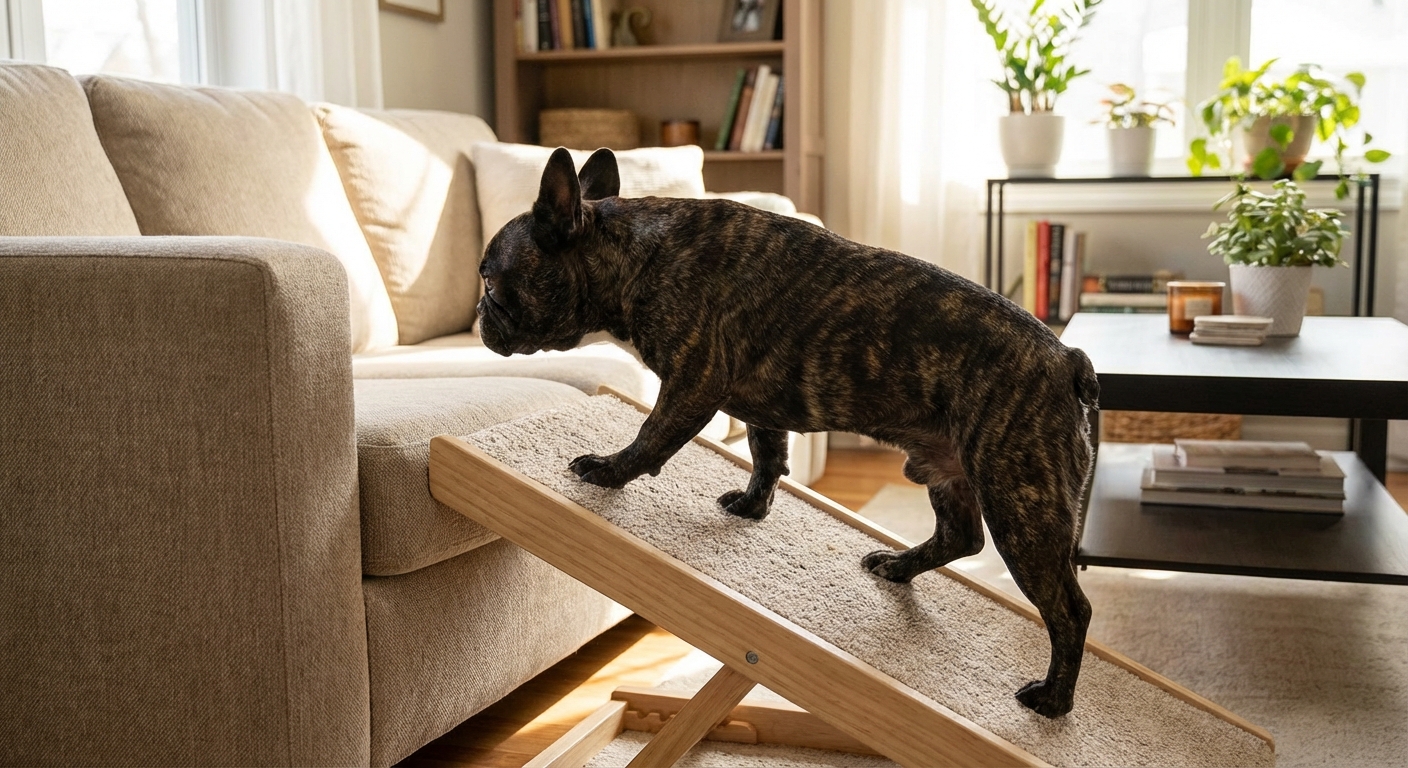
- Use ramps or steps for couches and beds.
- Avoid high jumps and rough play with bigger dogs.
- Ask your vet about physical therapy or strengthening exercises if your dog has a history of back pain.
Eye problems
Frenchies have prominent eyes, which can increase the risk of injury and certain conditions.
Common issues
- Corneal ulcers from trauma or dry eye
- Dry eye (KCS) where tear production is reduced
- Cherry eye (prolapse of the third eyelid gland)
When to call your vet
- Squinting, blinking, or holding the eye closed
- Eye redness, cloudy appearance, or sudden discharge
- Pawing at the face
Eye problems can worsen quickly. Waiting a few days can mean the difference between an easy treatment and a serious complication.
Dental crowding and gum disease
That cute short face often means crowded teeth. Crowding can trap plaque and lead to gum inflammation, infection, and painful dental disease.
Healthy habits
- Brush teeth with dog-safe toothpaste several times per week (daily is best).
- Schedule professional dental cleanings as recommended by your veterinarian.
- Choose dental chews carefully and skip anything so hard you cannot indent it with a fingernail.
A quick note on anesthesia
Brachycephalic dogs can have higher risks with sedation and anesthesia because of airway anatomy. Many Frenchies do great with properly planned anesthesia, but it is worth asking your vet about monitoring, airway management, and recovery plans, especially for dentals and surgery.
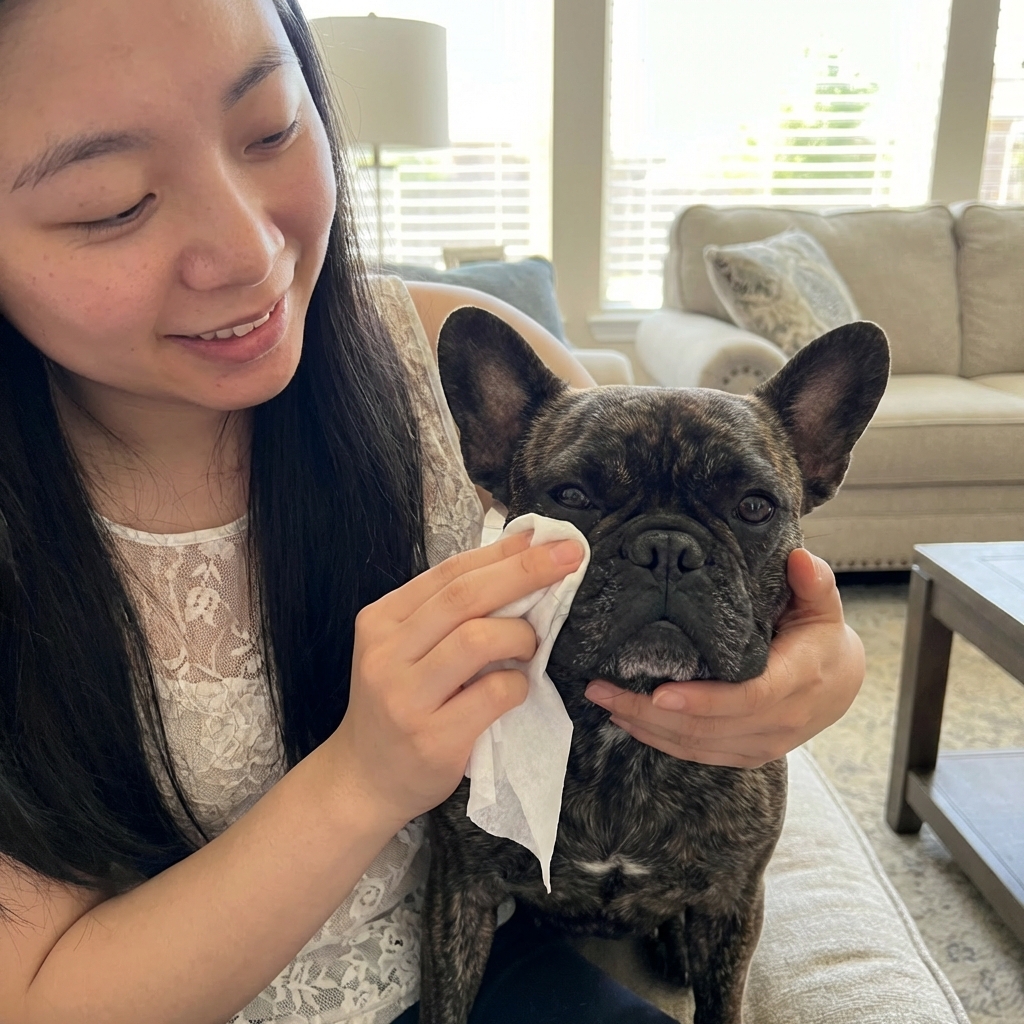
Wrinkle and tail pocket infections
Skin folds can trap moisture and debris, which creates the perfect environment for yeast and bacteria.
Areas to watch
- Facial wrinkles
- Under-chin folds
- Vulvar folds (in some females)
- Tail pocket (especially in dogs with tight or “screw” tails)
Simple routine
- Gently clean with a vet-approved wipe or damp cloth.
- Dry thoroughly after cleaning or bathing.
- Look for redness, odor, or greasy discharge and schedule a visit if it persists.
Digestive sensitivity
Many French Bulldogs have sensitive stomachs. Some deal with chronic gas, soft stool, or intermittent vomiting. Causes range from diet intolerance to parasites to inflammatory bowel conditions.
What you can do today
- Feed measured meals and avoid constant snacking.
- Make diet changes slowly over 7 to 14 days.
- Bring a stool sample to your vet when digestive issues linger.
If your Frenchie has ongoing GI trouble, ask your veterinarian about a structured elimination diet, fecal testing, and whether a probiotic is appropriate for your dog.
Reproduction and whelping concerns
French Bulldogs often have difficulty delivering naturally due to their body shape and puppies’ head size. A high proportion require planned C-sections under veterinary care. If you are considering breeding, please work closely with an experienced veterinarian and prioritize health testing and ethical breeding practices.
Preventive care checklist
Here is a simple routine that makes a real difference over time:
- Lean body condition: Ask your vet to show you what ideal ribs and waist look like for your dog.
- Harness walks: Protect the airway and neck.
- Climate awareness: Avoid heat and humidity, and skip midday summer walks.
- Skin and wrinkle care: Clean and dry folds consistently.
- Year-round parasite prevention: Fleas, ticks, and heartworm prevention as recommended locally.
- Dental care: Home brushing plus professional cleanings.
- Nails and paws: Keep nails trimmed and check between toes, especially if your dog licks paws or gets red, irritated feet.
- Routine wellness: Keep vaccines and annual exams up to date, and ask about baseline lab work if your vet recommends it.
- Early vet visits for symptoms: Breathing changes, eye pain, back pain, and recurrent ear issues should not wait.
When to seek urgent help
Please treat these as urgent or emergency situations:
- Collapse, fainting, or trouble staying awake
- Blue, gray, or very pale gums
- Severe breathing distress or nonstop coughing and gagging
- Suspected heatstroke
- Sudden inability to use back legs, severe back pain, or loss of bladder control
- Squinting or a painful eye
Your Frenchie is not being dramatic. These dogs can go from “a little off” to “serious trouble” faster than many other breeds.
My favorite Frenchie owners are not the ones who never have problems. They are the ones who learn their dog’s normal, act early, and build a strong partnership with their veterinarian.
A note on reverse sneezing
A lot of Frenchie owners panic the first time they see reverse sneezing. It can look scary, but it is often harmless and passes quickly. If an episode lasts a long time, happens frequently, or comes with weakness, blue or gray gums, or real trouble catching a breath, treat it like a breathing concern and call your vet.
Breeding and buying
Many French Bulldog health issues start long before you bring your puppy home. If you are shopping for a Frenchie, look for breeders who prioritize:
- Health testing and transparent veterinary records
- Breeding for open nostrils and stable breathing
- Temperament, mobility, and structure, not extremes
- Honest discussion of common breed risks
If you are adopting, ask what support the rescue offers and schedule a new-pet exam right away so you can create a baseline plan.