Start homemade dog food safely with this vet-informed starter plan. Learn what “vet approved” means, choose a balancer, follow a 14-day transition, and u...
Article
•
Designer Mixes
French Bulldog Behavior: Family-Friendly Guide

Shari Shidate
Designer Mixes contributor
French Bulldogs are famous for being big personalities in compact bodies. In family homes, that can be a wonderful mix of affection, humor, and loyalty. It can also come with a few behavior quirks that make more sense once you understand how this breed is built, how they communicate, and what they were bred to do.
As a veterinary assistant in Frisco, Texas, I often tell families this: many “problem behaviors” in French Bulldogs reflect unmet needs, missing skills, stress, or even pain. The good news is that many French Bulldogs learn quickly with the right motivation and when training is consistent, gentle, and reward-based.
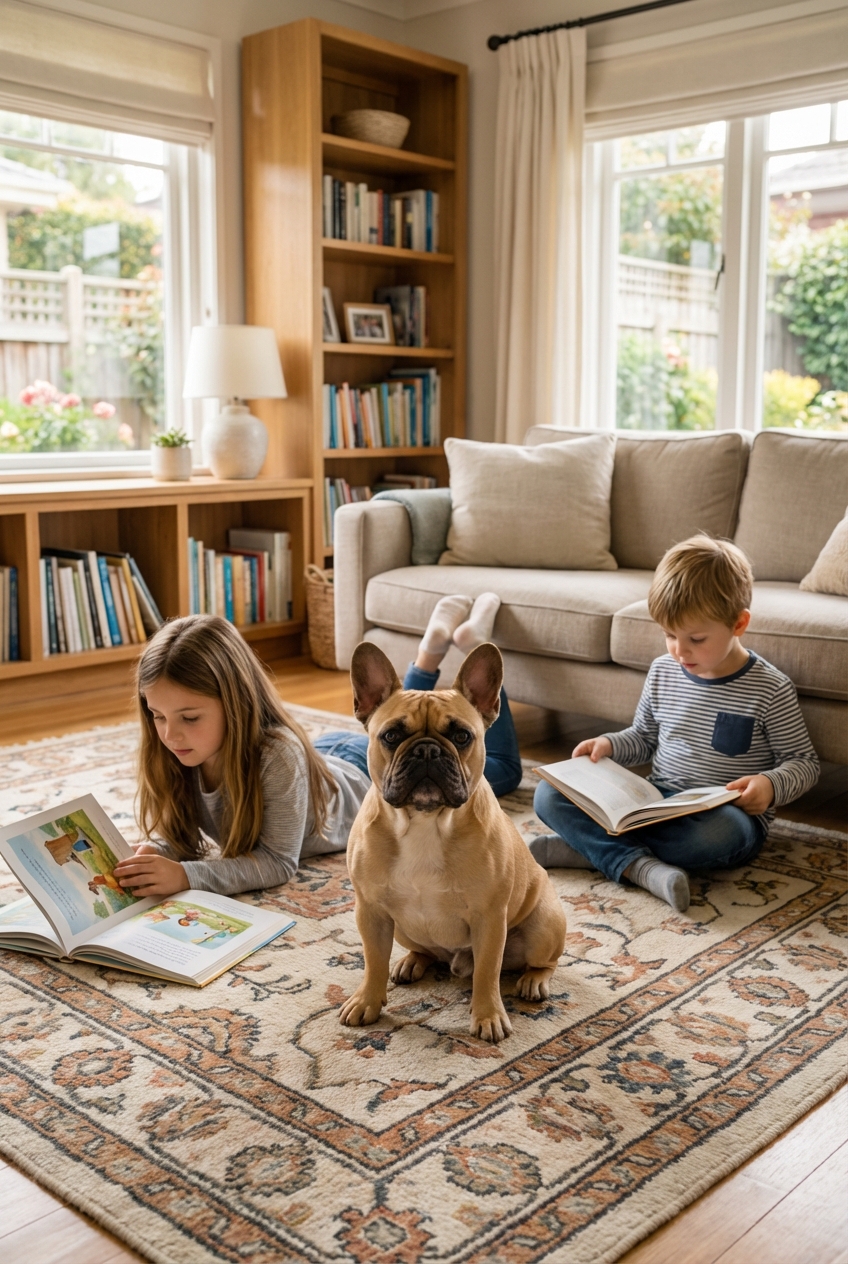
Frenchie temperament basics
Many French Bulldogs are:
- People-focused: they often prefer being with their humans over being alone.
- Affectionate and silly: expect clownish play and a strong desire to be included.
- Stubborn but sensitive: they may resist pressure, yet respond beautifully to praise and treats.
- Moderately energetic: short bursts of play, followed by serious naps.
Keep in mind that temperament varies with genetics, early socialization, health, and how much structure the household provides.
What families love (and why)
They bond deeply
Many French Bulldogs attach strongly to their primary caregivers. This can be wonderful for cuddly companionship, but it also means it helps to teach independence skills early so your dog does not become distressed when left alone.
They are playful without being overwhelming
For many families, this breed is a sweet spot: fun and interactive, but typically not the nonstop endurance athletes that some working breeds are.
They are often friendly with visitors
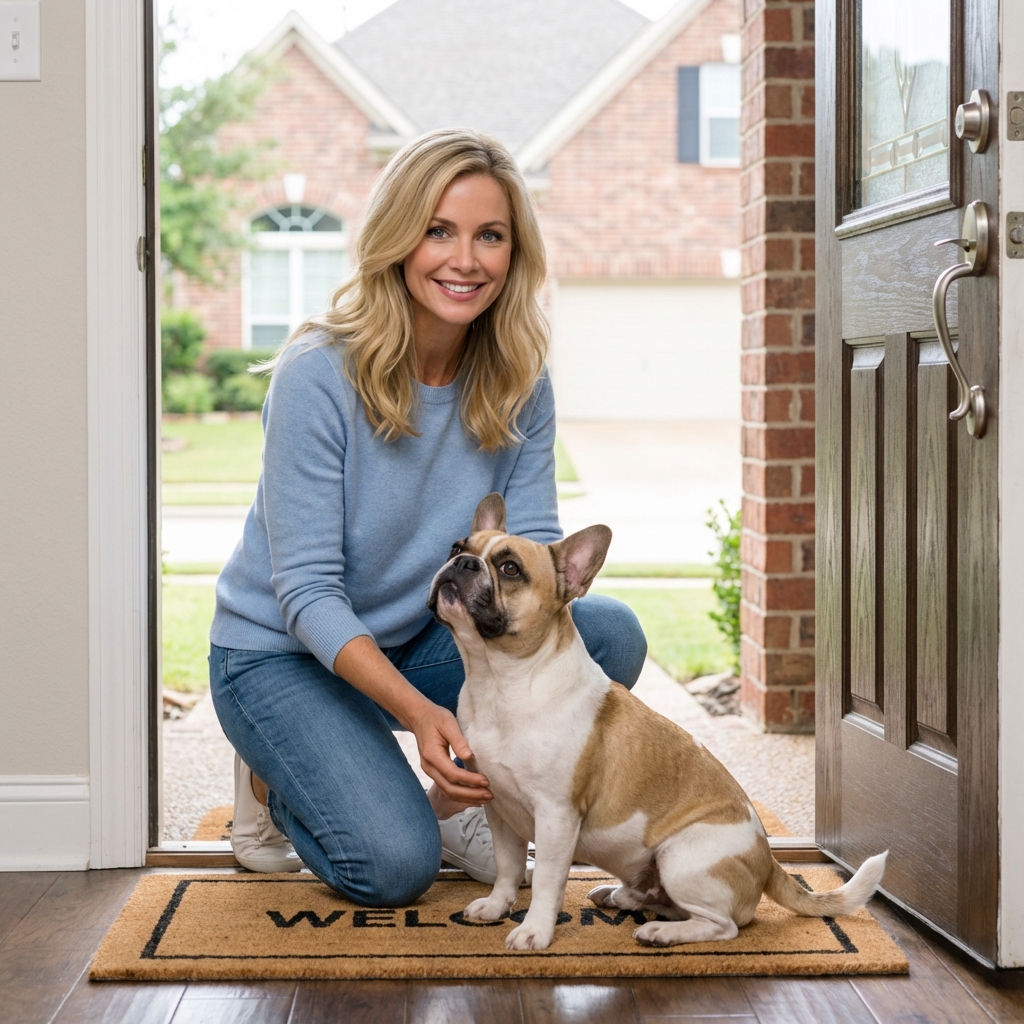
Many greet guests like long-lost friends. Still, polite greetings are trained, not automatic. A dog who jumps up is usually not being “bad” so much as being excited and under-trained.
Common behavior challenges
1) Jumping and “body slamming”
French Bulldogs are stocky and enthusiastic. Many will launch their whole chest into greetings. For little kids and older adults, that can be a safety issue.
- Teach: “sit to say hi.” Reward the sit before any petting happens.
- Manage: use a leash indoors during high-excitement times (doorbell, visitors).
- Kid rule: kids should turn sideways and keep hands tucked if the dog is jumping.
2) Mouthiness during play
Play-nipping can show up in young dogs, especially during overstimulation. This is common puppy behavior, but it needs early redirection.
- Offer a toy immediately and praise when they bite the toy instead of hands.
- End play for 10 to 20 seconds if teeth touch skin, then resume calmly.
- Avoid roughhousing that encourages grabbing sleeves or hands.
3) Separation anxiety or “Velcro dog” habits
Many French Bulldogs shadow their people. If a dog never practices short, positive alone-time, normal departures can become stressful.
- Practice 1 to 5 minute “micro-absences” daily, gradually increasing time.
- Use a food puzzle or lick mat during departures.
- Keep arrivals low-key so the emotional spike is smaller.
If your dog is drooling heavily, destroying doors, or panicking, talk to your veterinarian. Anxiety is treatable and you do not have to guess your way through it.
4) Barking and alert behavior
This breed is not typically the yappiest, but barking varies by individual. Many will bark at door sounds, hallway noises, or high-energy kids running.
- Teach a cue like “quiet” by rewarding pauses in barking.
- Add a predictable routine: exercise, play, rest, and enrichment.
- Block window access if they are reacting to outdoor triggers.
5) Resource guarding (toys, food, or “their” person)
Some may stiffen, freeze, growl, or snap if someone approaches a valued item. This is a behavior issue that can improve with a careful plan.
- Do not punish growling. Growling is communication.
- Use trading games: offer a high-value treat to swap for the item.
- Feed kids and dogs separately until training is solid.
For guarding that involves snapping or bites, work with a qualified trainer using positive reinforcement methods, and involve your veterinarian to rule out pain.
6) Potty training frustrations
House-training can be a little slower for some French Bulldogs, especially if routines are inconsistent or the dog is not fully comfortable going outside (weather, noise, distractions).
- Set a schedule: first thing in the morning, after meals, after play, after naps, and before bed.
- Reward immediately: treat within 1 to 2 seconds of finishing outside so the connection is clear.
- Supervise or confine: if you cannot watch, use a crate or a safe pen to prevent sneaky accidents.
- Clean well: use an enzymatic cleaner so the scent does not “invite” repeat accidents.
Behavior and health links
French Bulldogs are a brachycephalic breed, meaning their short muzzle can affect breathing and heat tolerance. When a dog is struggling physically, behavior can change quickly.
Signs discomfort may be driving behavior
- Sudden irritability or growling when touched
- Avoiding stairs, jumping, or being picked up
- Restlessness at night
- Increased reactivity on walks
- Excessive panting or “stress” that worsens with heat
Common health issues that can influence behavior include skin allergies, ear infections, spinal pain, dental pain, and breathing issues. French Bulldogs can also be prone to spinal disc disease (often called IVDD), which can cause pain and sensitivity that looks like “attitude.” If behavior shifts suddenly, a veterinary check is a smart first step.

Harness and walking safety
Because airway and neck pressure matter in brachycephalic breeds, many veterinary teams recommend a well-fitted harness instead of a collar for walks. A harness can help reduce pressure on the throat, especially if your dog pulls or gets excited at the end of the leash.
- Choose a Y-front or chest-style harness that does not rub the shoulders.
- Avoid anything that sits high on the neck.
- Pair the harness with loose-leash training and frequent reward checks.
Kid handling rules
French Bulldogs can be wonderful with children, but kids need clear guidelines. These simple rules prevent many family conflicts.
- No hugging. Many dogs tolerate hugs but feel trapped by them. Teach side-by-side petting instead.
- No face-to-face leaning. Kids should keep their faces away from the dog’s face.
- Hands off when eating or chewing. No taking bones, toys, or food.
- Let sleeping dogs sleep. Startling is a common bite trigger.
- Use the “treat toss” method. If a child wants to interact, toss treats away from the child so the dog moves away and comes back calmly.
Adult supervision matters, even with the gentlest dog. Many bites happen during normal, preventable moments like kids running, grabbing, or interrupting rest.
Train without power struggles
Harsh corrections can shut many French Bulldogs down, but they often thrive with positive training. Think short sessions, clear cues, and rewards that matter to your dog.
Training tips
- Keep sessions short: 3 to 5 minutes, a few times a day.
- Use high-value rewards: tiny soft treats, or a favorite toy for some dogs.
- Reward calm: actively notice and treat quiet settling on a bed.
- Be consistent: if jumping is “cute” sometimes, it will happen all the time.
- Get the whole family on the same page: use the same cues and rules so your dog is not guessing.
Must-know cues
- Sit and down for impulse control
- Place (go to bed) for meals, doorbells, and kid playtime
- Leave it for dropped snacks and kid toys
- Drop it for socks, crayons, and stolen treasures
- Come for safety indoors and in fenced areas
Exercise and enrichment
A bored dog often becomes a noisy, grabby, attention-seeking dog. But because many French Bulldogs overheat easily, the goal is smart activity, not intense cardio.
Family-safe activity ideas
- Two to three short walks a day (weather permitting)
- Sniff walks where the dog sets the pace and explores smells
- Food puzzles, snuffle mats, and stuffed Kongs
- Hide-and-seek with treats around one room
- Short training games that build focus
Heat safety
Reminder: avoid strenuous exercise in hot or humid weather. If your dog is struggling to breathe, stop activity and cool them down right away.
- Safe cooling: move indoors or to shade, offer cool (not ice-cold) water, use a fan, and place cool wet towels on the belly and paws.
- Red flags: collapse, vomiting, glassy eyes, weakness, bright red or very pale gums, or breathing that does not settle quickly.
If you see red flags or symptoms do not improve promptly, contact your veterinarian or an emergency clinic.
Frenchies and other pets
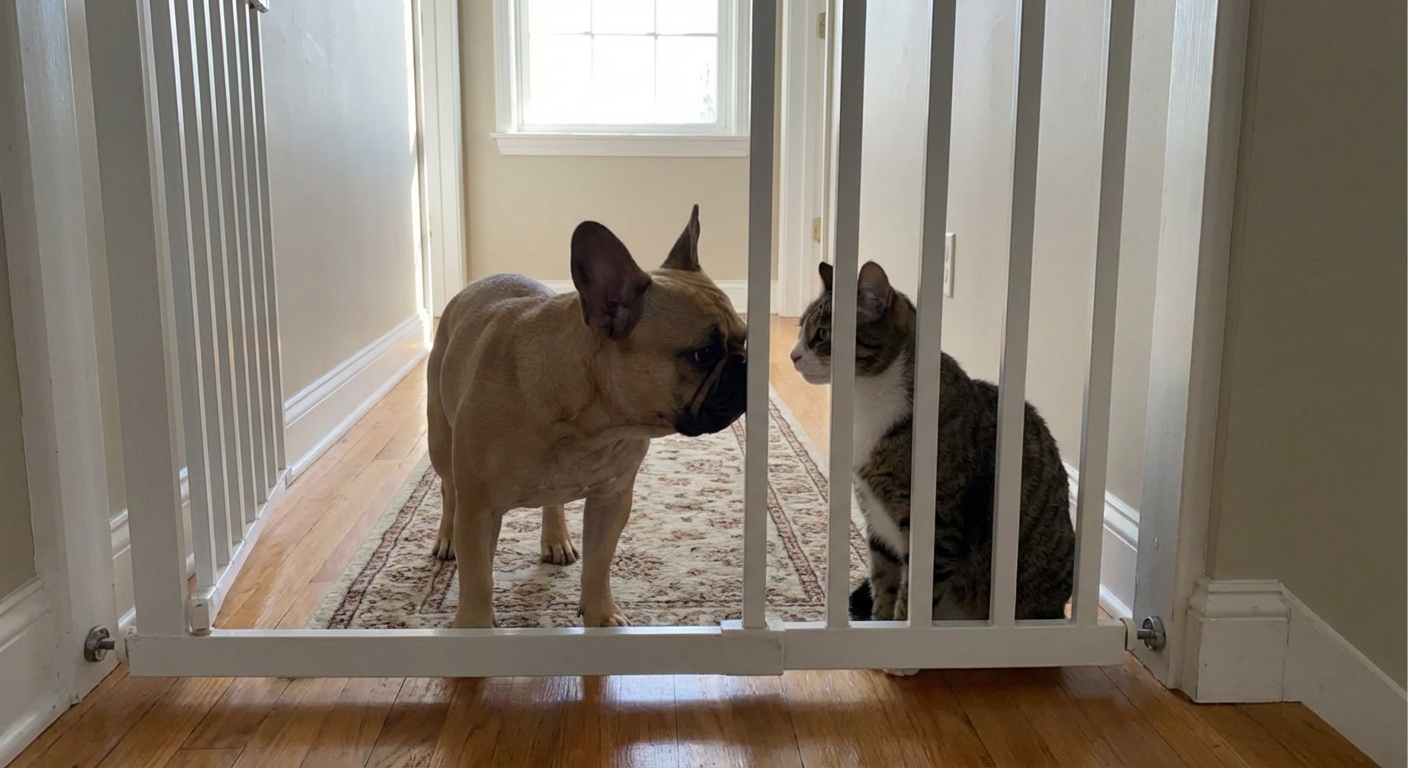
Many French Bulldogs do well with other dogs and even cats, especially when introduced thoughtfully.
Introduction basics
- Start with calm, parallel walks on leash in a neutral area.
- Use baby gates indoors at first so pets can see and sniff safely.
- Feed separately until everyone is relaxed.
- Give each pet a safe, kid-free resting zone.
If your dog gets pushy, watch for body-blocking, hovering over toys, or ignoring other pets’ “back off” signals. That is your cue to step in early.
When to get help
Please reach out to your veterinarian or a qualified behavior professional if you see:
- Growling, snapping, or biting
- Sudden personality changes
- Ongoing separation panic
- Compulsive behaviors like nonstop licking or spinning
- Escalating reactivity to people or dogs
Getting help early protects your family and makes training easier on your dog. It is not a failure. It is responsible pet parenting.
Family-friendly Frenchie behavior starts with three things: meet their needs, train with kindness, and set up the home so your dog can succeed.
Quick family checklist
- Schedule a vet visit if behavior changes suddenly or pain is suspected.
- Use a harness for walks and practice loose-leash skills.
- Teach “sit to say hi” and “place” for doorbells and visitors.
- Practice short alone-time daily to prevent separation issues.
- Use enrichment, not just exercise, to burn mental energy.
- Set kid rules: no hugging, no interrupting sleep, no taking food or toys.
- Stick to a potty schedule and reward right after outdoor success.
French Bulldogs are lovable little companions. With consistent boundaries and gentle training, many become calm, funny, deeply devoted family dogs.