Cats thrive on animal protein. Get 3 simple high-protein, low-carb homemade cat treat recipes, plus vet-approved safety tips, portion guidance, and storage r...
Article
•
Designer Mixes
Foods Toxic to Cats: Home Pantry Checklist

Shari Shidate
Designer Mixes contributor
Cats are curious, quick, and surprisingly stealthy when it comes to sampling what we leave on counters, coffee tables, and nightstands. As a veterinary assistant in Frisco, Texas, I have seen too many emergencies that started with a well-meaning treat or a “tiny lick” from a plate. The good news is that most poisonings are preventable once you know what is risky and where it tends to hide in your home.
This comprehensive pantry checklist focuses on common foods and kitchen staples that are toxic to cats, plus what to do if exposure happens. If you want one simple rule to live by, it is this: cats are not small dogs. Their metabolism makes certain everyday foods far more dangerous for them.
Scope note: This article covers foods and kitchen-related items. Cats also get into serious trouble from non-food hazards like lilies and some human medications. I added a short callout below so you can spot the big ones.
Fast action matters
If you suspect your cat ate something toxic, do not wait for symptoms. Call your veterinarian, an emergency clinic, or a pet poison hotline right away. If you can, have this information ready:
- What was eaten (brand, ingredients, concentration if known)
- How much might be missing
- When it happened
- Your cat’s weight, age, and any medical conditions
Do not induce vomiting unless a veterinarian specifically instructs you to. Some substances can cause more harm coming back up.
Do not give home remedies (including activated charcoal) unless your veterinarian or poison control tells you to. Timing and product choice matter.
Save these numbers in your phone: ASPCA Animal Poison Control (fees may apply) and Pet Poison Helpline (fees may apply), plus your closest 24/7 emergency vet.
Major non-food toxins to know
Even though this is a pantry guide, these are worth a quick callout because they cause some of the most severe cat emergencies:
- True lilies (Easter lily, tiger lily, daylily): can cause life-threatening kidney injury from tiny exposures like pollen or vase water.
- Antifreeze (ethylene glycol): sweet tasting, rapidly fatal without treatment.
- Rodenticides: internal bleeding or neurologic signs depending on product.
- Human pain relievers, especially acetaminophen: extremely dangerous to cats.
Pantry checklist: foods toxic to cats
Use this as a sweep list for your kitchen, dining area, office snacks, and any place food is stored or eaten. I label items as either toxic (potentially life-threatening) or high risk (can still cause a miserable, expensive ER visit).
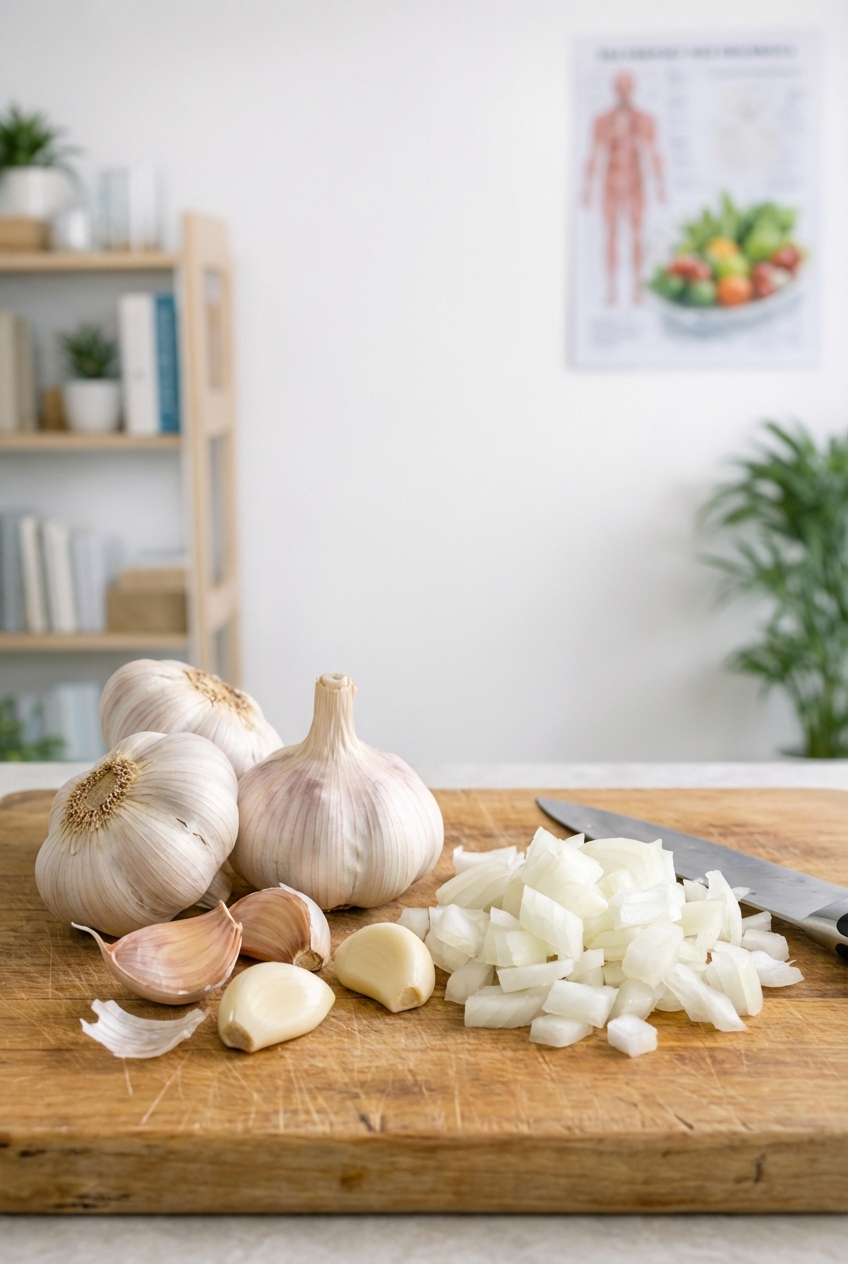
1) Alliums (toxic): onions, garlic, chives, leeks
Why it is dangerous: Alliums can damage a cat’s red blood cells and lead to hemolytic anemia. Risk goes up with larger amounts or repeated exposures. Powders are especially concentrated.
Where it hides:
- Onion or garlic powder
- Seasoning blends, taco seasoning, spice rubs
- Broths and stock cubes
- Jarred pasta sauces, gravies, soups
- Deli foods, rotisserie chicken seasoning, meat marinades
- Baby food that contains onion or garlic
Red flags: weakness, pale gums, fast breathing, vomiting, decreased appetite, lethargy.
2) Chocolate and caffeine (toxic)
Why it is dangerous: Theobromine (in chocolate) and caffeine can overstimulate the nervous system and heart.
Where it hides:
- Dark chocolate, baking chocolate, cocoa powder
- Brownies, chocolate frosting, chocolate chips
- Coffee grounds, espresso beans
- Tea bags and matcha products
- Energy drinks and caffeine pills
Red flags: agitation, tremors, vomiting, diarrhea, rapid heart rate, seizures.
3) Grapes, raisins, currants (avoid, call your vet)
Why it is concerning: Grapes and raisins are strongly linked to acute kidney injury in dogs. In cats, evidence is limited and cases appear uncommon, but because the mechanism is unclear and outcomes can be serious, veterinarians still recommend avoiding them and treating ingestion as a medical concern.
Where it hides:
- Trail mix, granola, oatmeal packets
- Raisin bread, cinnamon raisin bagels
- Cookies, fruit cakes, snack bars
Red flags: vomiting, lethargy, decreased appetite, increased thirst or changes in urination.
4) Alcohol and raw yeast dough (toxic)
Why it is dangerous: Alcohol can cause dangerously low blood sugar, low body temperature, and respiratory depression. Raw yeast dough can expand in the stomach and also produce alcohol as it ferments.
Where it hides:
- Beer, wine, liquor
- Unbaked bread or pizza dough
- Fermenting kombucha or homebrew
- Desserts made with alcohol
Red flags: wobbliness, disorientation, vomiting, slow breathing, collapse.
5) Xylitol and sugar-free products (high risk, call your vet)
Why it is concerning: Xylitol is a well-known emergency toxin in dogs. In cats, the classic, predictable low blood sugar pattern is not as well established, and risk may be lower, but exposures are still handled cautiously. Sugar-free products are also easy to overeat and may contain other unsafe ingredients.
Where it hides:
- Sugar-free gum and mints
- “Keto” baked goods
- Nut butters labeled sugar-free
- Some oral-care products and dissolvable tablets
What to do: If your cat chews any sugar-free product, call your vet or poison control and bring the packaging.
6) Cooked bones and fatty scraps (high risk)
Why it is risky: Cooked bones can splinter and cause choking, intestinal blockage, or perforation. Fatty foods can trigger severe GI upset and may contribute to pancreatitis.
Where it hides:
- Chicken wings, ribs, pork chops
- Turkey carcasses after holidays
- Bacon grease, fatty trimmings
Red flags: repeated vomiting, abdominal pain, hunched posture, refusing food, constipation, straining.
7) Dairy (GI upset risk)
Why it is risky: Many adult cats are lactose intolerant. Dairy is not usually “toxic,” but it can cause vomiting and diarrhea and can complicate other health issues.
Where it hides:
- Cereal milk bowls
- Ice cream drips
- Creamy sauces
8) Raw fish, raw eggs, undercooked meat (high risk)
Why it is risky: Raw diets can carry bacteria and parasites. Raw eggs can pose bacterial risk and, if fed frequently, may contribute to biotin deficiency due to avidin in egg whites. Some raw fish contains thiaminase, which is most concerning with frequent feeding of certain raw fish. Occasional small amounts are less likely to cause deficiency, but it is still not a great habit to start.
Where it hides:
- Sushi leftovers
- Raw egg on countertops
- Defrosting meat juices
Safer approach: If you want to offer fresh foods, talk with your veterinarian about balanced, properly cooked options formulated for cats.
9) Salt and electrolyte products (toxic in excess)
Why it is dangerous: Too much sodium can cause salt toxicity (hypernatremia), dehydration, and neurologic signs.
Where it hides:
- Chips, pretzels, popcorn
- Jerky and heavily salted deli meats
- Salt dough crafts
- Some electrolyte drinks or powders
Red flags: vomiting, diarrhea, extreme thirst, tremors, seizures.
10) Moldy or spoiled foods (toxic)
Why it is dangerous: Some molds produce tremorgenic toxins that can cause neurological signs.
Where it hides:
- Moldy bread or cheese
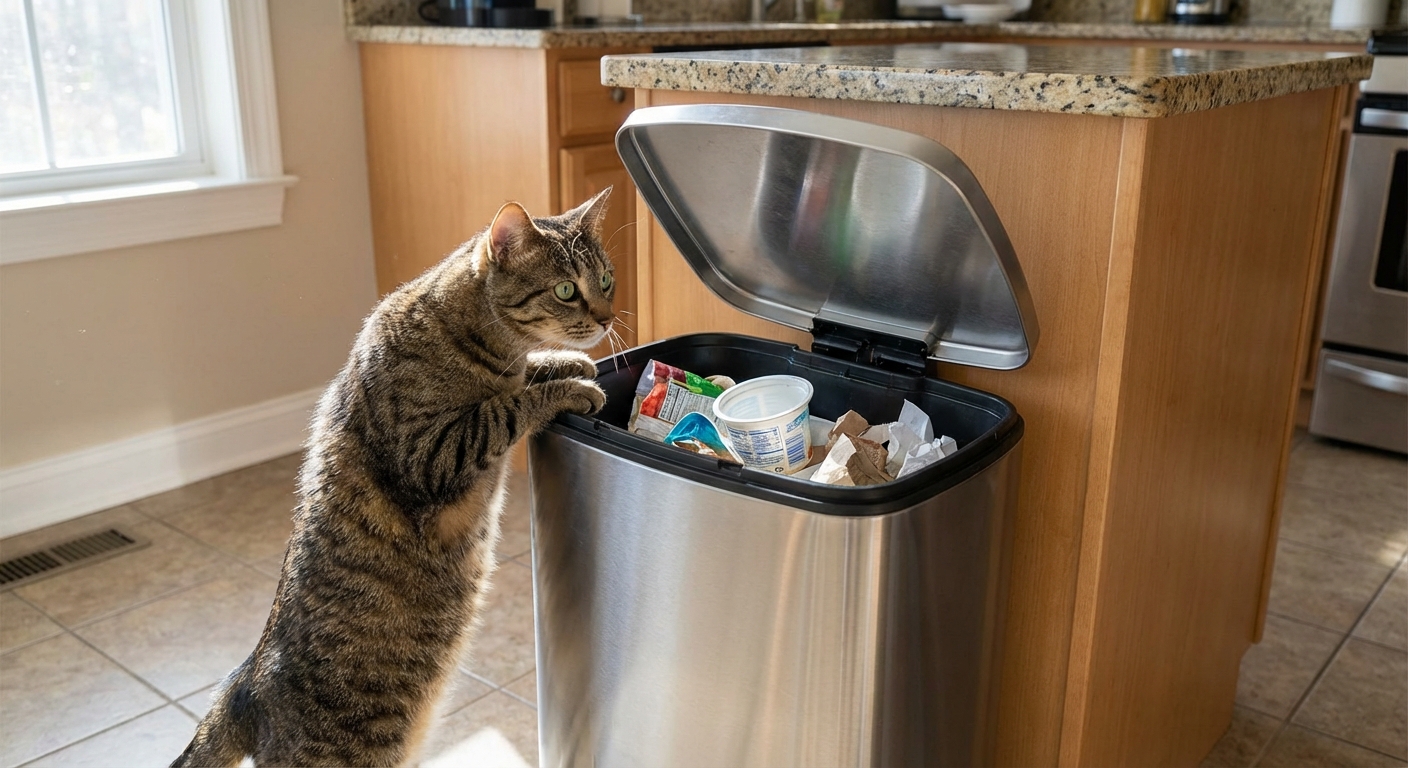
- Trash cans and compost bins
- Old pet food bags stored in warm garages
Red flags: tremors, disorientation, seizures, vomiting.
11) Nuts and nut products (high risk)
Why it is risky: Nuts are high in fat and can cause GI upset. Some nuts can harbor molds that produce toxins. Macadamia nuts are a known toxin in dogs, and while cat cases are uncommon, they are best avoided.
Where it hides:
- Trail mix
- Nut-based desserts
- Nut butters with sweeteners or chocolate
12) Human medications in food (toxic)
Why it is dangerous: Many poisonings happen when medication is dropped into food, left on nightstands, or hidden in a snack a cat steals. Cats are extremely sensitive to many common drugs.
Where it hides:
- Pill organizers
- Nightstand water cups
- Countertop vitamins and supplements
Important: If a food item could contain medication, treat it as an emergency exposure. Acetaminophen is one of the most dangerous examples for cats.
Pantry sweep checklist
Use this quick list to do a fast scan of high-risk zones. It is not meant to repeat every item above, just the ones I see cats get into most often.
Spices and seasonings
- Onion powder and garlic powder
- Seasoning blends and bouillon (check labels)
- Soup bases, jarred sauces, marinades
Baking and sweets
- Cocoa powder, baking chocolate, dark chocolate
- Chocolate chips and frosting
- Raisins, currants, trail mix add-ins
- Raw yeast dough
- Sugar-free gum, mints, and baked goods (xylitol risk)
Countertops and “cat highways”
- Coffee grounds, tea bags, energy products
- Meat drippings and greasy pans
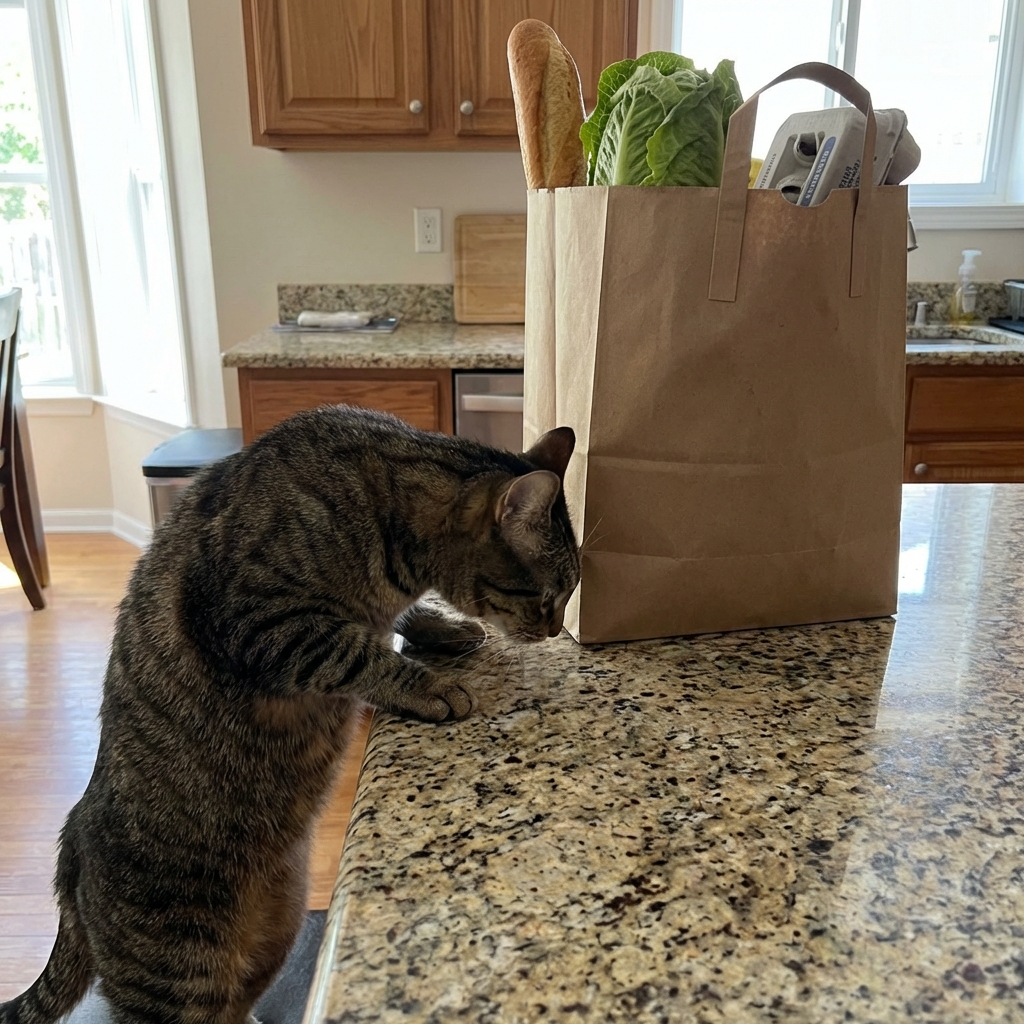
- Grocery bags with grapes or raisins
- Trash and compost access
Fridge and freezer
- Leftovers with onion or garlic
- Alcohol-containing desserts
- Cooked bones and fatty scraps
Common symptoms
Different toxins cause different signs, but these are the most common reasons cat parents rush in:
- Vomiting or diarrhea that is repeated or severe
- Drooling or pawing at the mouth
- Weakness, hiding, or “not acting right”
- Tremors, twitching, or seizures
- Fast breathing or open-mouth breathing
- Pale or yellow gums
- Not eating for more than a day, especially in overweight cats (risk of hepatic lipidosis)
If you are on the fence, call. You will never regret getting guidance early.
Cat-proofing basics
You do not need to turn your home into a fortress. A few small habits make a big difference:
- Use airtight containers for baking items like raisins and cocoa.
- Keep onions and garlic in closed cupboards, not in a countertop bowl.
- Wipe counters after cooking to remove garlic and onion residue.
- Take trash out nightly or use a lidded can your cat cannot open.
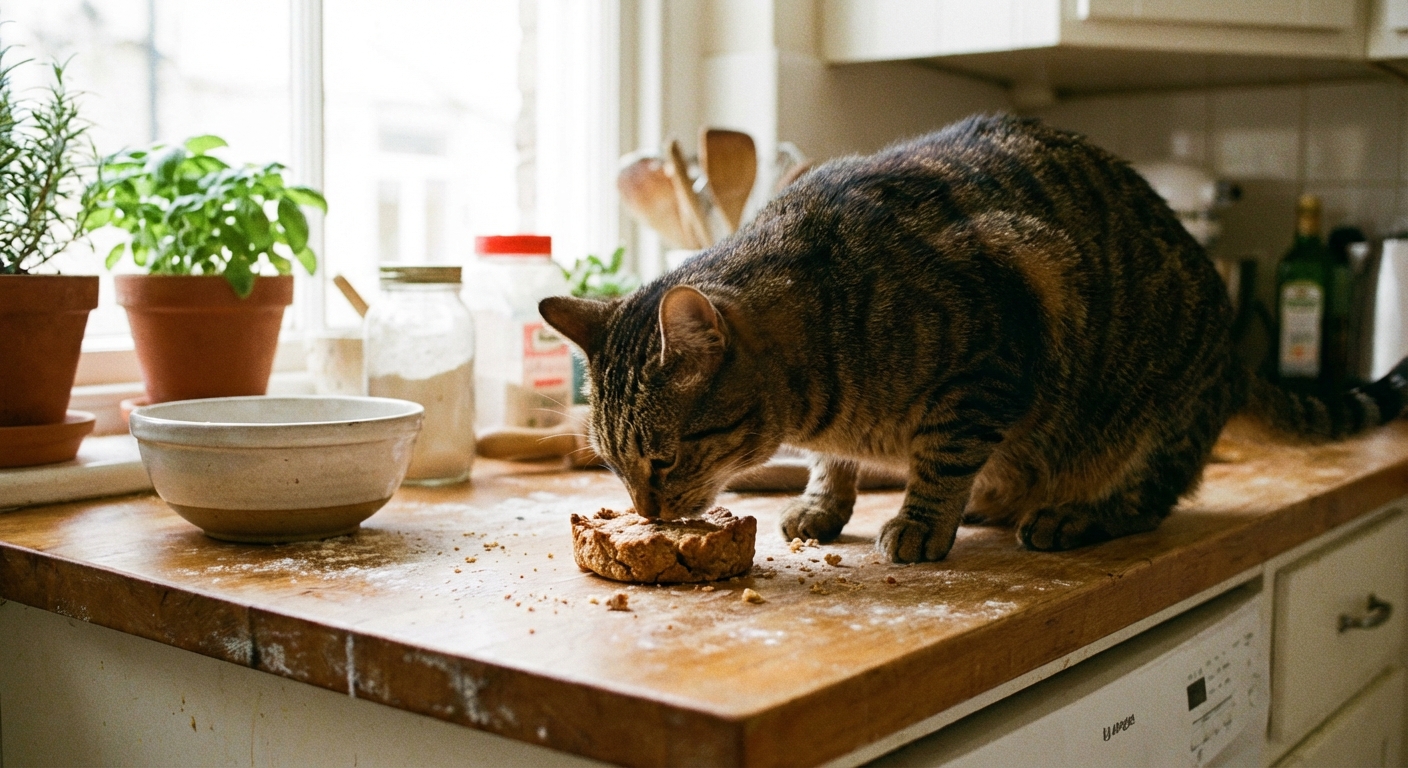
- Never leave dough to rise where a cat can reach it.
- Store gum and mints in a drawer or cabinet, not a purse on the floor.
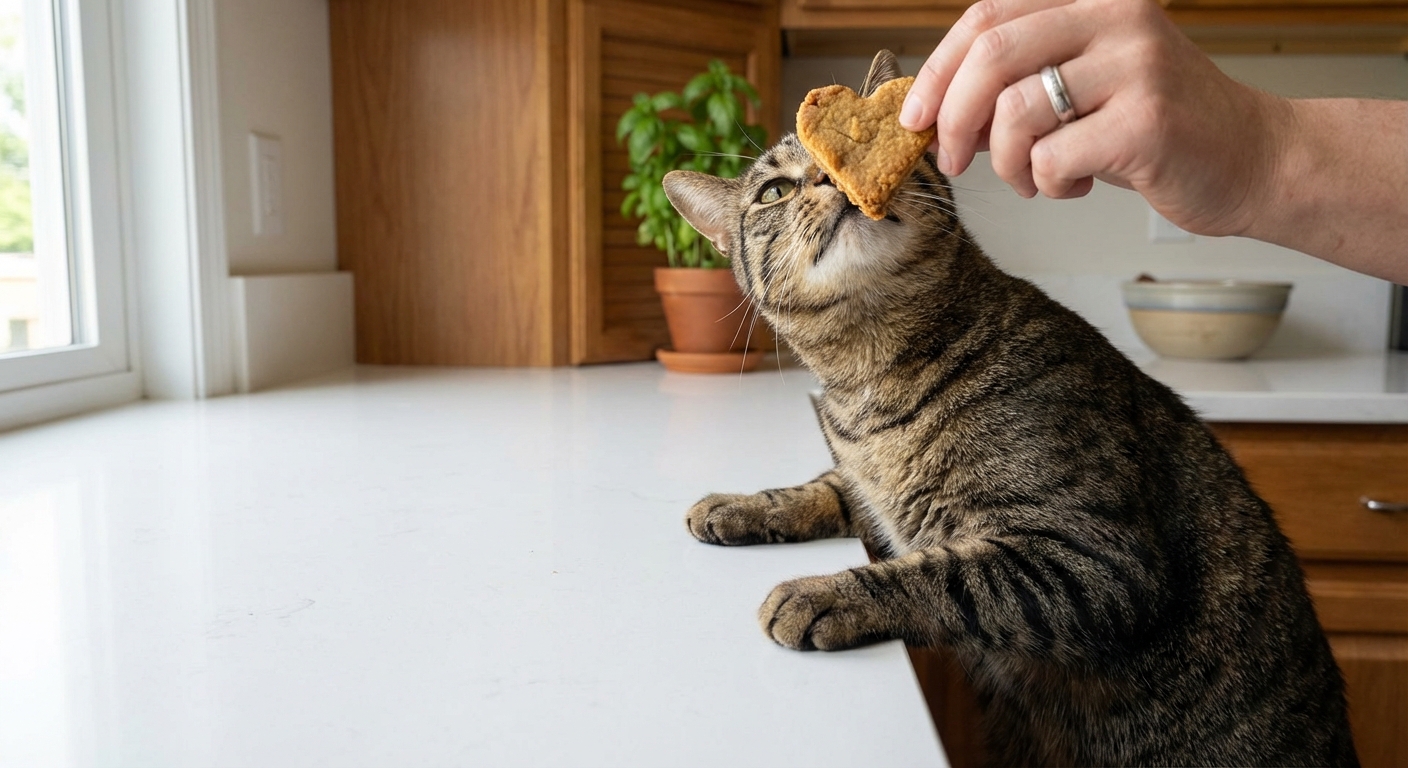
- Offer cat-safe treats so your cat is less tempted to “help” themselves to your food.
Cat-safe treat ideas
If you like sharing little moments of food with your cat, you can still do that safely. Here are a few options many cats do well with, in small portions:
- Commercial cat treats from reputable brands
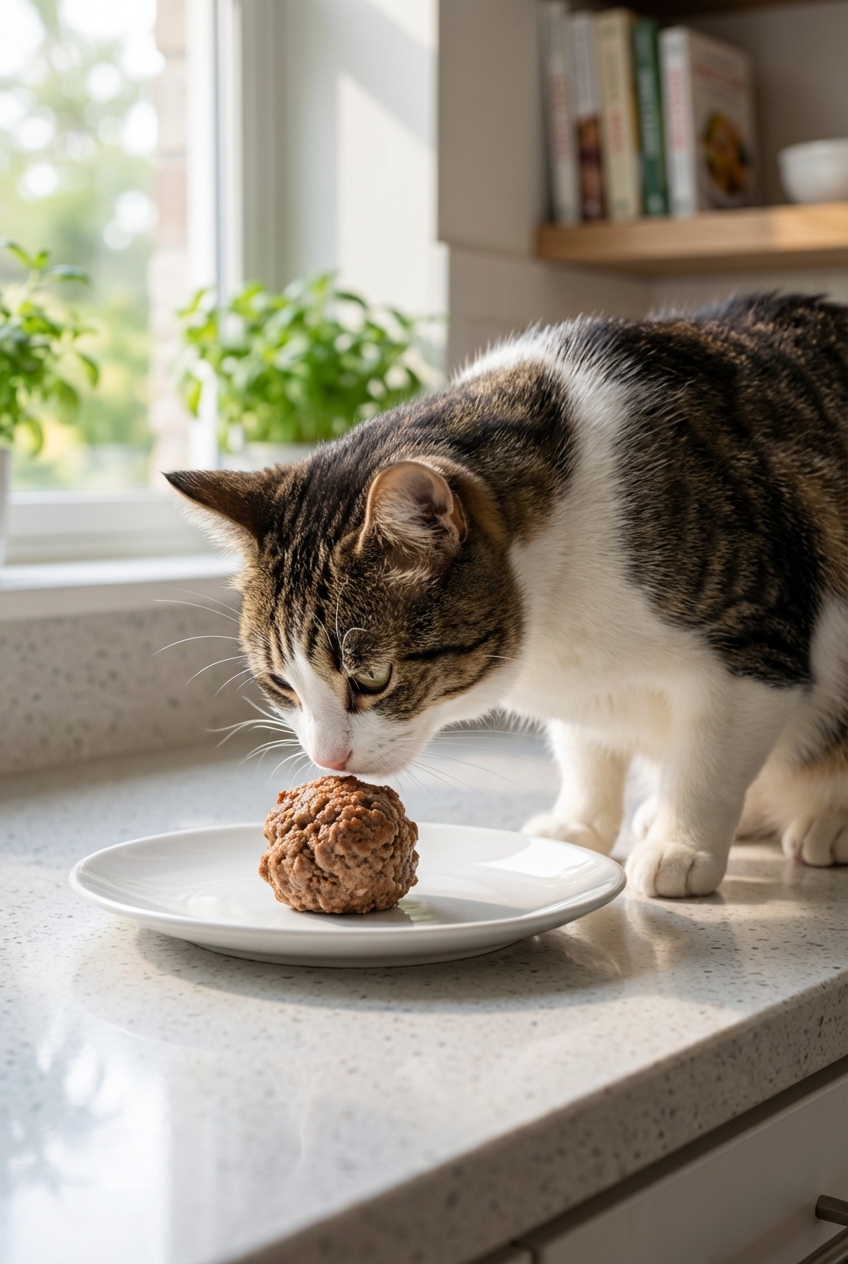
- Plain cooked chicken or turkey (no onion or garlic seasoning)
- Plain cooked egg (fully cooked, no salt)
- Small amounts of plain canned cat food as a “special” topper
If your cat has kidney disease, diabetes, food allergies, or GI issues, ask your veterinarian before adding any new foods.