A vet assistant’s quick list of cat-safe human foods, with simple serving rules, portion guides, “maybe” foods, and a clear avoid list for common toxins.
Article
•
Designer Mixes
Foods That Can Kill Your Cat

Shari Shidate
Designer Mixes contributor
As a veterinary assistant here in Frisco, Texas, I can tell you this with love: cats get into trouble fast with “people food.” Their bodies process certain ingredients very differently than ours, and some common pantry items can trigger life-threatening anemia, seizures, organ failure, or a dangerous blood sugar crash.
Here’s a clear do not feed list of high-risk items, plus a few “common-but-trouble” foods to avoid. It is not exhaustive and individual risk can vary. When you’re unsure, it is always safer to offer a cat-specific treat or a small amount of plain cooked meat with no seasoning, no marinades, and no gravy.
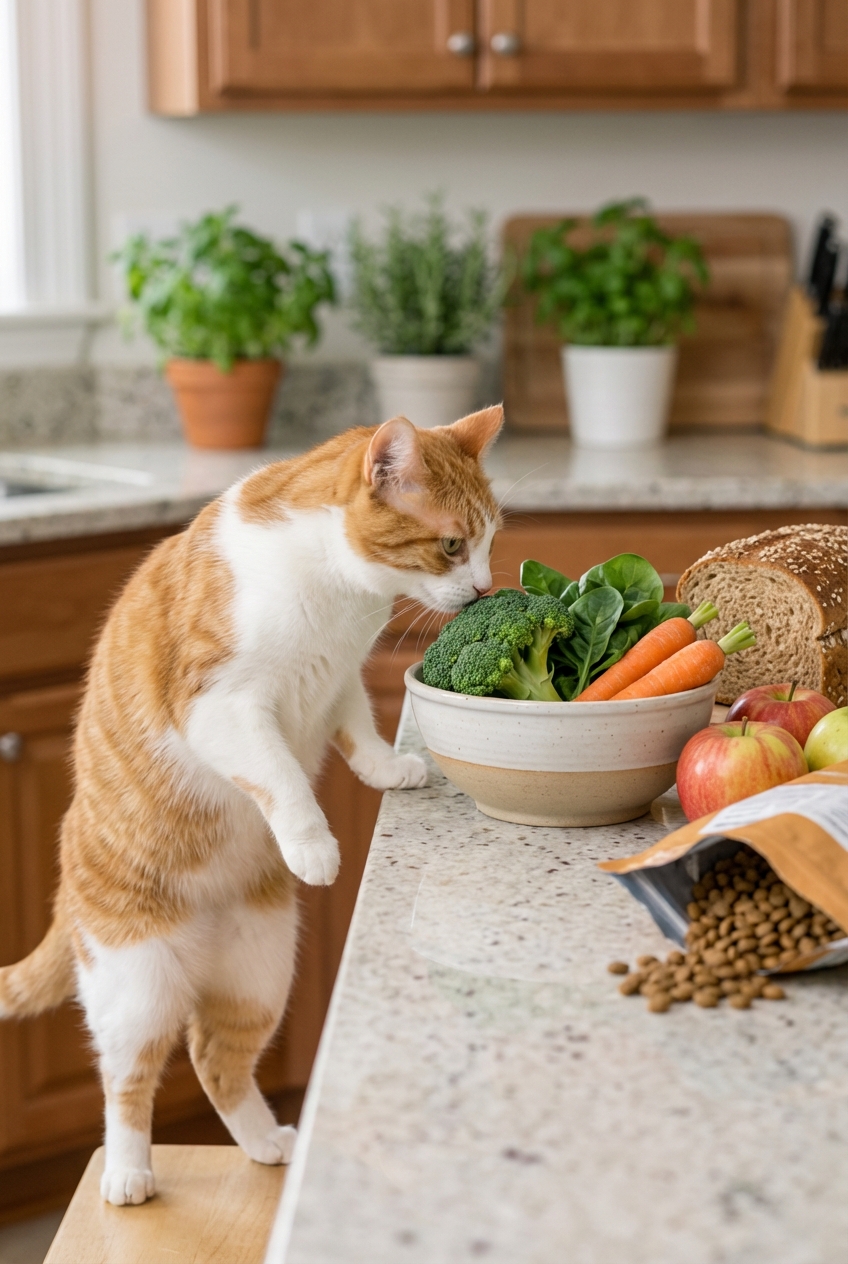
The do not feed list
These foods and household items are widely recognized by veterinary toxicology resources and animal hospitals as high risk for cats. For many of these, even small amounts can be dangerous.
1) Lilies (plants, pollen, and vase water)
This is not food, but it is so deadly that it belongs at the top. Certain lilies, especially Lilium species (like Easter lily, tiger lily, Asiatic lily) and Hemerocallis (daylilies), can cause acute kidney failure in cats. Even small exposure to pollen on fur, chewing a leaf, or drinking vase water can be fatal.
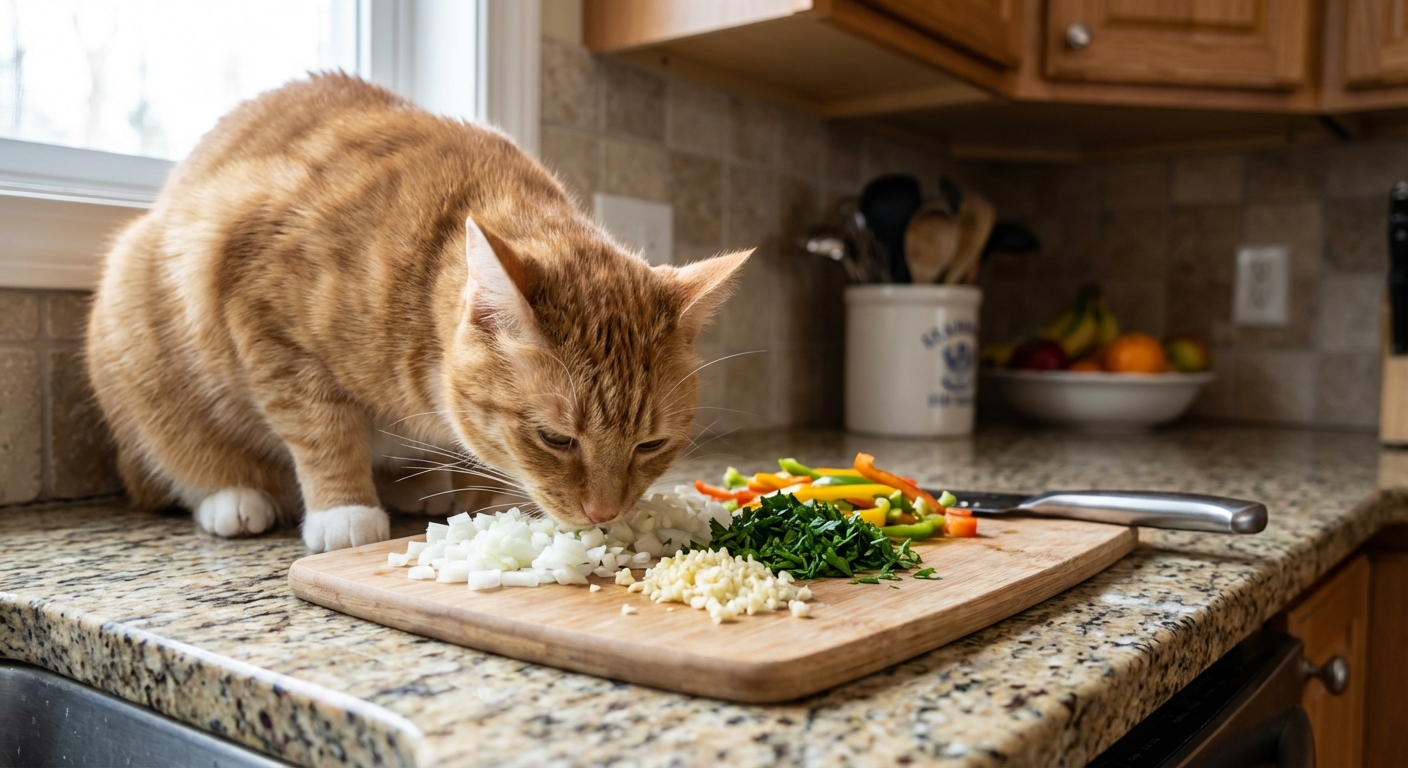
2) Onions, garlic, chives, and leeks (all forms)
These allium plants can damage red blood cells and cause hemolytic anemia. Risk depends on the amount and frequency, but significant ingestion can make a cat sick quickly, and repeated “little tastes” can add up.
- Includes: raw, cooked, powdered, dehydrated, flakes
- Watch for: soup mixes, seasoning blends, baby food with onion/garlic, deli meats, gravies
3) Chocolate and cocoa
Chocolate contains methylxanthines (theobromine and caffeine). Cats do not commonly seek chocolate, but when they do ingest it, it can lead to vomiting, abnormal heart rhythm, tremors, seizures, and worse.
- Most dangerous: baking chocolate, cocoa powder, dark chocolate
- Also risky: chocolate frosting, brownies, protein bars with cocoa
4) Grapes, raisins, and currants
These can cause sudden kidney injury in pets. The strongest evidence is in dogs, and toxicity is less commonly reported in cats, but cases do exist and we still do not have a reliable “safe” amount. Because sensitivity can vary and the outcome can be severe, it is best to treat them as a hard no.
5) Alcohol (including raw dough that ferments)
Alcohol can cause dangerous low blood sugar, low body temperature, breathing trouble, and coma. Raw yeast dough can expand in the stomach and also produce ethanol as it ferments.
6) Xylitol and “sugar-free” products
Xylitol is a sweetener found in some gums, mints, peanut butters, baked goods, and oral-care products. In dogs it is a well-known cause of life-threatening hypoglycemia and liver injury. In cats, the same predictable hypoglycemia response has not been consistently shown in studies and case reports, but veterinary toxicologists still advise avoiding xylitol because data is limited, exposures are unpredictable, and “sugar-free” products may also contain other unsafe ingredients.
Action tip: If a label says “sugar-free,” read the ingredients before it comes into contact with your cat.
7) Caffeine (coffee, tea, energy drinks, pre-workout, pills)
Caffeine overstimulates the nervous system and heart. Even small animals can become severely affected with hyperactivity, panting, vomiting, abnormal heart rhythm, tremors, seizures.
8) Cooked bones and fatty meat scraps
Cooked bones can splinter and cause choking, broken teeth, intestinal blockage, or perforation. Fatty scraps and skin can trigger pancreatitis, which is painful and can be serious.
9) Raw fish and raw shellfish (and too much tuna)
Raw fish can carry parasites and bacteria. Some raw fish contains thiaminase, an enzyme that can break down thiamine (vitamin B1). Thiamine deficiency is typically a concern with frequent or long-term diets heavy in raw fish, not a single nibble, but it is still a good reason to avoid making raw fish a habit. Tuna in large amounts can also contribute to nutritional imbalance, and tuna packed in oil or with seasonings adds extra risk.
10) Milk and many dairy products
Most adult cats are lactose intolerant. Dairy is not usually “deadly,” but it commonly causes vomiting, gas, and diarrhea. Diarrhea can become dangerous in kittens or cats with underlying illness due to dehydration.
11) Human medications and supplements
This is one of the most common emergency visits I see. Never give a cat human pain relievers or cold medicines unless a veterinarian specifically prescribes it. Some are highly toxic even in small doses.
- Examples of major hazards: acetaminophen, ibuprofen, naproxen
- Also risky: many sleep aids, ADHD meds, decongestants, essential oil products
Not always deadly, still risky
Now for the foods that are not always lethal, but can still cause real problems. This is where a lot of “I only gave a little bit” stories come from.
Salty snacks and heavily seasoned foods
Chips, jerky, deli meats, ramen seasoning, and fast food can cause stomach upset. With larger ingestions, the bigger concern is salt toxicity (hypernatremia), which can be serious. Also, seasonings often contain onion or garlic powder.
High-fat dairy and rich sauces
Butter, cream sauces, and fried foods can cause vomiting and diarrhea, and may increase pancreatitis risk.
Raw eggs and raw meat
Raw diets are a bigger conversation, but the immediate concern is exposure to bacteria like Salmonella or Campylobacter and the risk that your cat (or your family) gets sick. If you want to feed fresh foods, talk with your veterinarian about safer, balanced options.
What to do if your cat eats something toxic
Time matters. The fastest, safest approach is to get expert guidance right away.
- Remove access to the item and keep the packaging.
- Call your veterinarian or an emergency clinic immediately.
- Call a pet poison hotline if your clinic is not immediately available (fees may apply). Examples include ASPCA Animal Poison Control and Pet Poison Helpline.
- Do not induce vomiting unless a professional specifically instructs you to. Some toxins can cause more damage on the way back up.
- If safe to do so, estimate the amount eaten and note your cat’s weight and any symptoms.
Red-flag symptoms
- Repeated vomiting or diarrhea
- Drooling, pawing at the mouth
- Tremors, wobbliness, seizures
- Weakness, collapse, pale gums
- Rapid breathing or trouble breathing
- Not urinating, straining to urinate, or sudden lethargy
When in doubt, call. With many toxins, early treatment is the difference between a quick recovery and a life-threatening emergency.
Safer treat ideas
If you want to share food as bonding time, you absolutely can. Keep it simple and cat-appropriate.
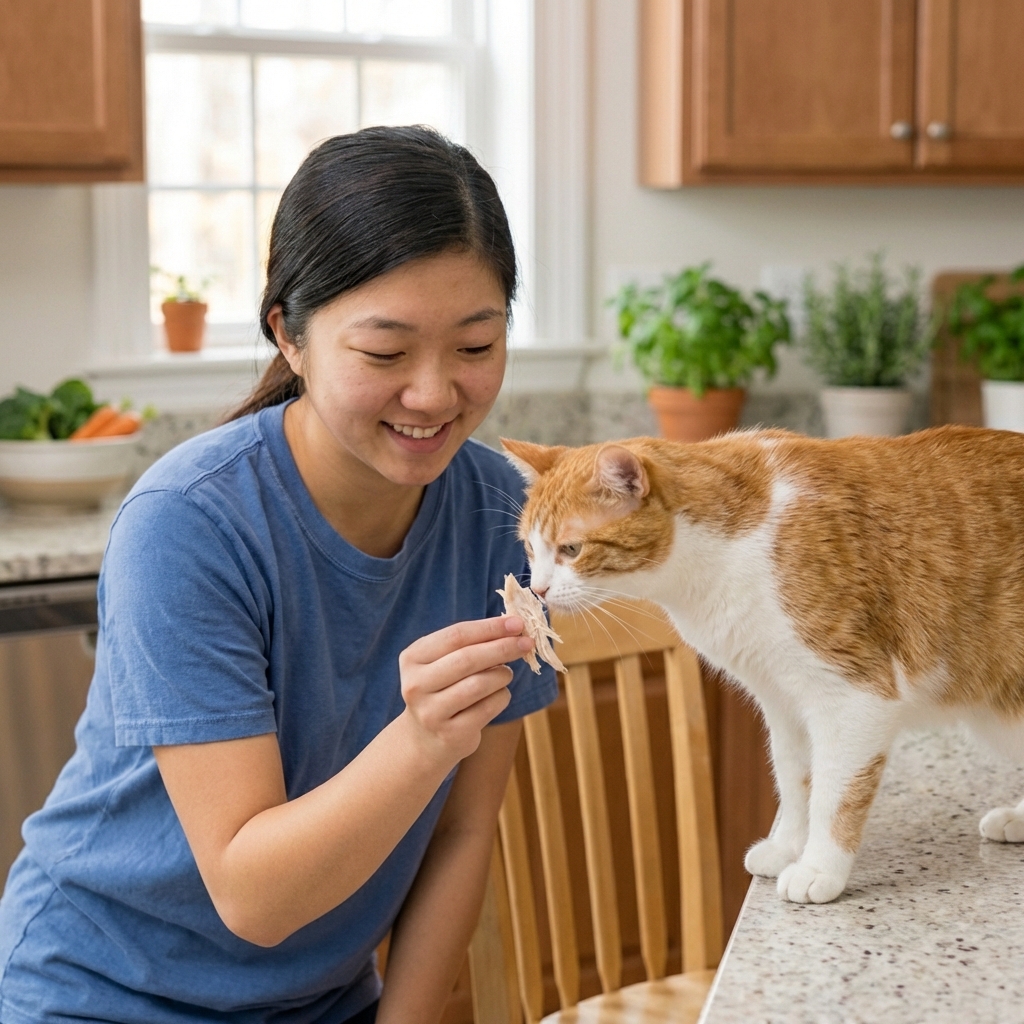
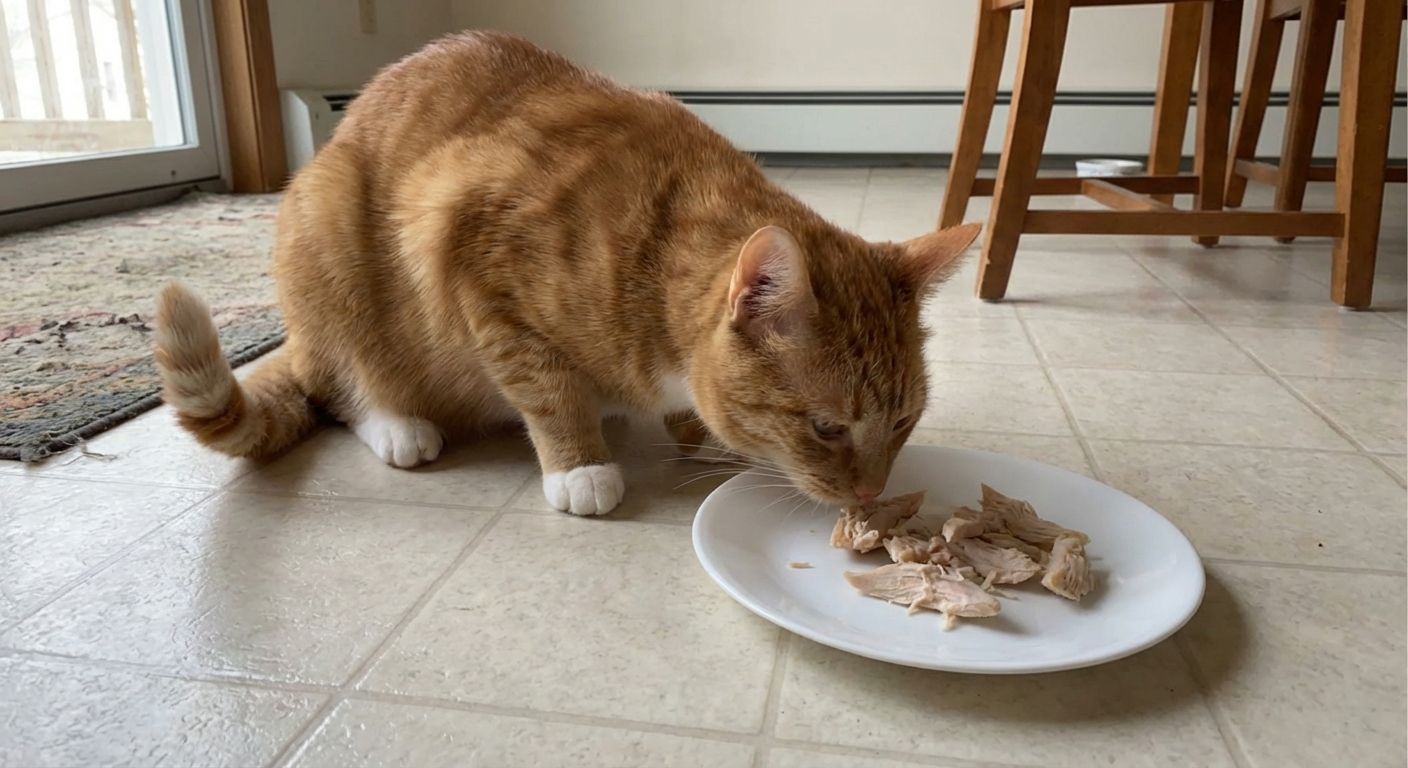
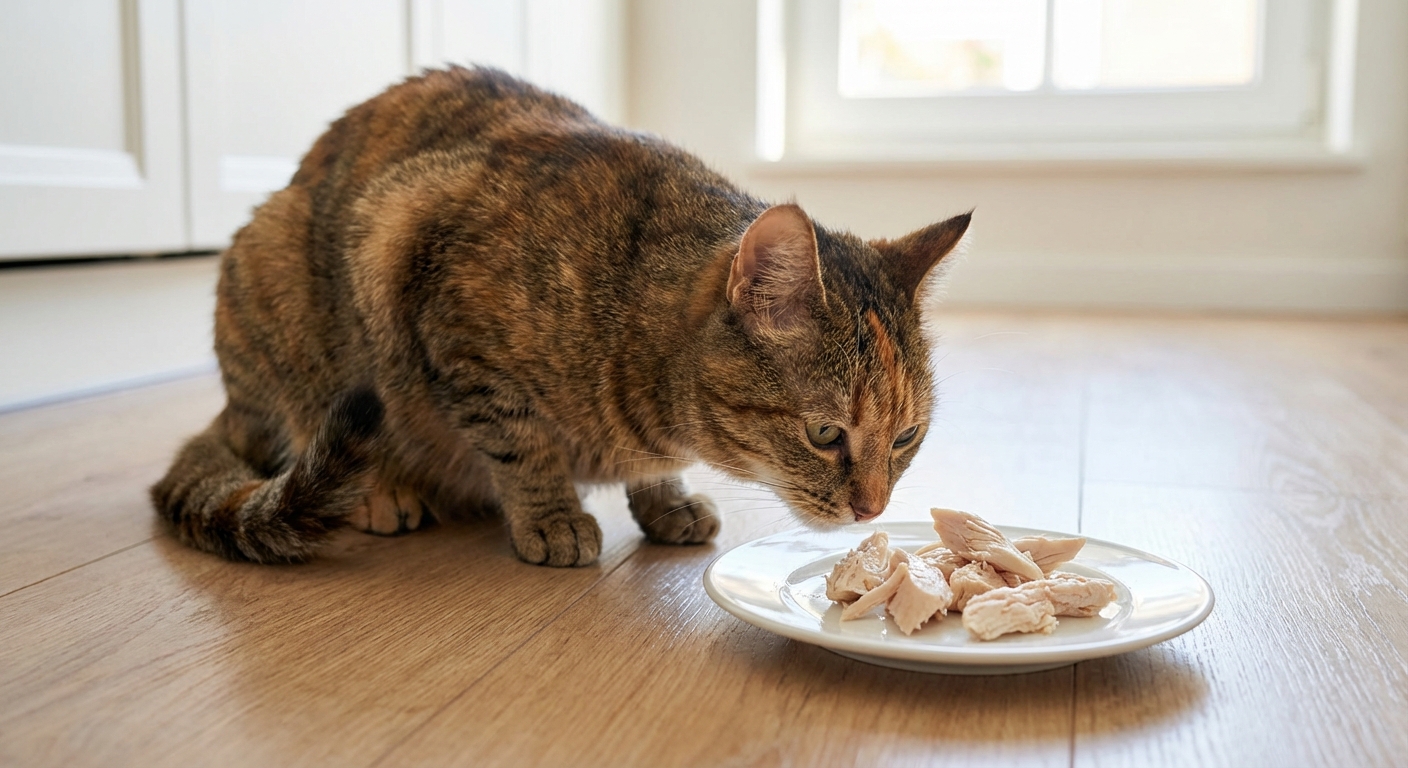
- Small pieces of plain cooked chicken or turkey (no skin, no seasoning)
- Plain cooked salmon in tiny amounts (no bones, no salt)
- Cat treats with a short ingredient list
- Freeze-dried single-ingredient treats (like chicken or salmon)
Quick rule: treats should make up a small portion of daily calories. If your cat has kidney disease, diabetes, food allergies, or is on a prescription diet, ask your veterinarian before introducing new foods.