A vet assistant’s guide to foods that can poison dogs, including chocolate, grapes/raisins, xylitol, onions/garlic, alcohol, caffeine, and more—plus red ...
Article
•
Designer Mixes
Foods Bad for Dogs: Step-by-Step Care Tips

Shari Shidate
Designer Mixes contributor
As a veterinary assistant here in Frisco, Texas, I can tell you this with so much love: most “toxic food” scares happen in normal, busy homes. A dropped grape. A curious puppy and a purse. A well-meaning guest who shares a bite from their plate.
The good news is that you do not need to memorize every rule to keep your dog safe. You just need a simple plan, a short list of high-risk foods, and clear steps to take if something goes wrong.
Quick note: I cannot diagnose your pet online. This guide is educational and is not a substitute for veterinary care. If you think your dog ate something dangerous, call your vet or a poison hotline right away.
Step 1: Learn the highest-risk foods
Some foods are risky because they can cause organ damage. Others are risky because they can cause severe stomach upset, choking, or an intestinal blockage. When in doubt, call your veterinarian or a poison hotline with your dog’s weight, what was eaten, how much, and when.
Top foods that can be dangerously toxic
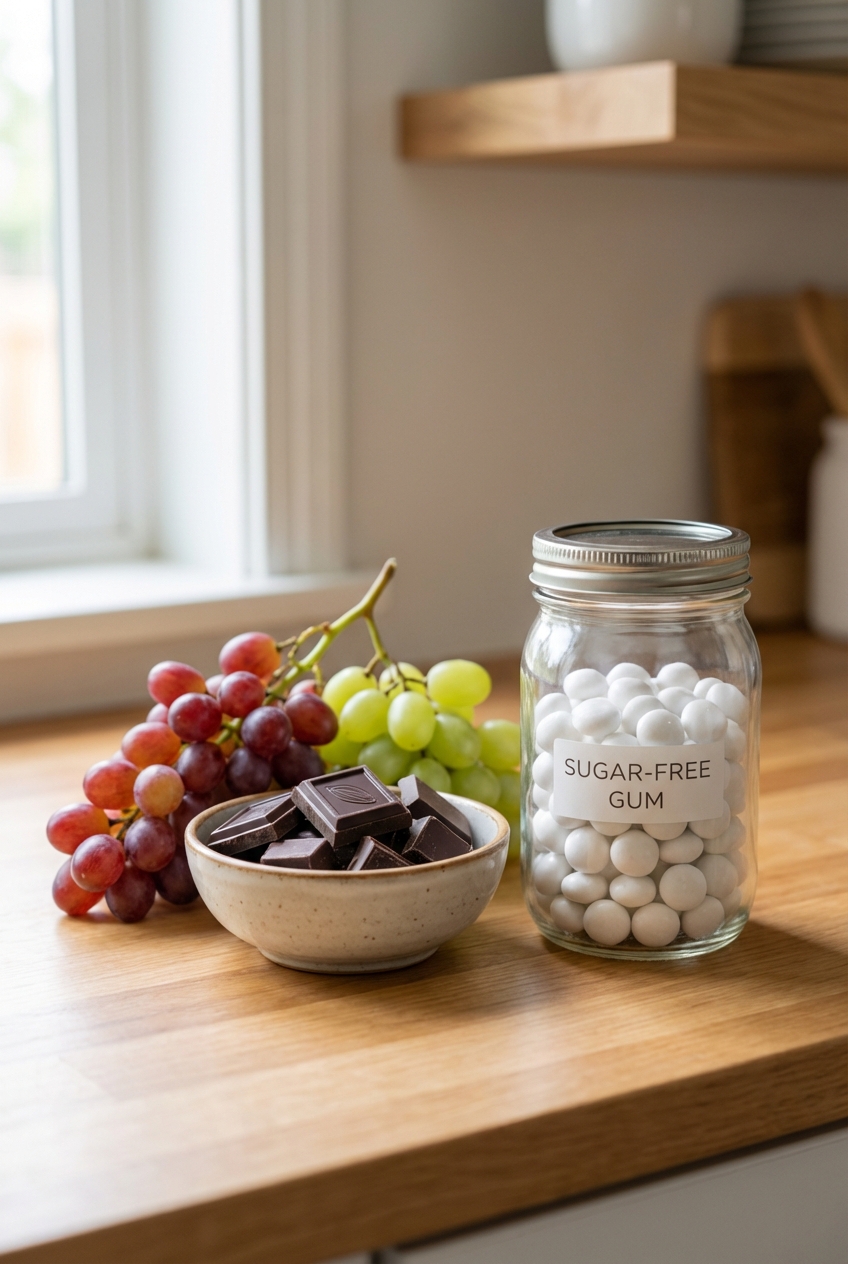
- Chocolate (especially dark and baking chocolate): can affect the heart and nervous system.
- Grapes and raisins: can cause sudden kidney injury in some dogs, even at small amounts. The “safe” amount is unpredictable.
- Xylitol (also labeled birch sugar): found in some sugar-free gum, mints, baked goods, peanut butter, and toothpaste. Can cause a rapid drop in blood sugar and, in some cases, liver injury. Symptoms can start fast, so treat this as an emergency. Note: other sweeteners like erythritol are not the same as xylitol, but you should still check labels carefully.
- Onions, garlic, leeks, chives (fresh, cooked, powdered): can damage red blood cells and lead to anemia. Risk is dose-dependent, and repeated exposure can add up. Onion powder is especially concentrated.
- Alcohol: can cause dangerous drops in blood sugar, breathing problems, and more.
- Macadamia nuts: can cause weakness, tremors, and vomiting.
- Caffeine (coffee, espresso grounds, energy drinks, tea bags): can affect the heart and nervous system and may cause tremors or seizures.
- Human medications (common examples: ibuprofen, naproxen, acetaminophen): can cause serious stomach ulcers, kidney injury, or liver injury. This is a frequent purse and backpack exposure.
Foods that commonly cause emergencies even when not “toxic”
- Cooked bones (especially poultry bones): splinter risk, mouth injury, intestinal blockage, and perforation.
- Corn cobs: high blockage risk.
- Fatty foods (bacon grease, fried foods): can trigger pancreatitis in some dogs.
- Yeast dough: can expand in the stomach and also produce alcohol as it ferments.
- Salty items (large amounts of chips, salt dough, rock salt, salty homemade play dough): can contribute to sodium ion toxicity, which is a true emergency. Call if a large amount was eaten.
- Nut butters with unknown ingredients: not all peanut butter is unsafe, but xylitol-containing products are an emergency.
Foods that are unsafe in specific forms
- Avocado: the pit is a serious choking and blockage hazard. The flesh is not usually severely toxic to dogs, but it commonly causes stomach upset and the fat content can be rough on sensitive dogs. To be safe, I recommend avoiding it.
- Fruit pits and seeds (peach, plum, cherry pits): choking and intestinal blockage risk. Some contain cyanogenic compounds.
- Deli meats and heavily seasoned foods: may contain onion or garlic powder and excess salt.
Step 2: Make your home “drop-proof”
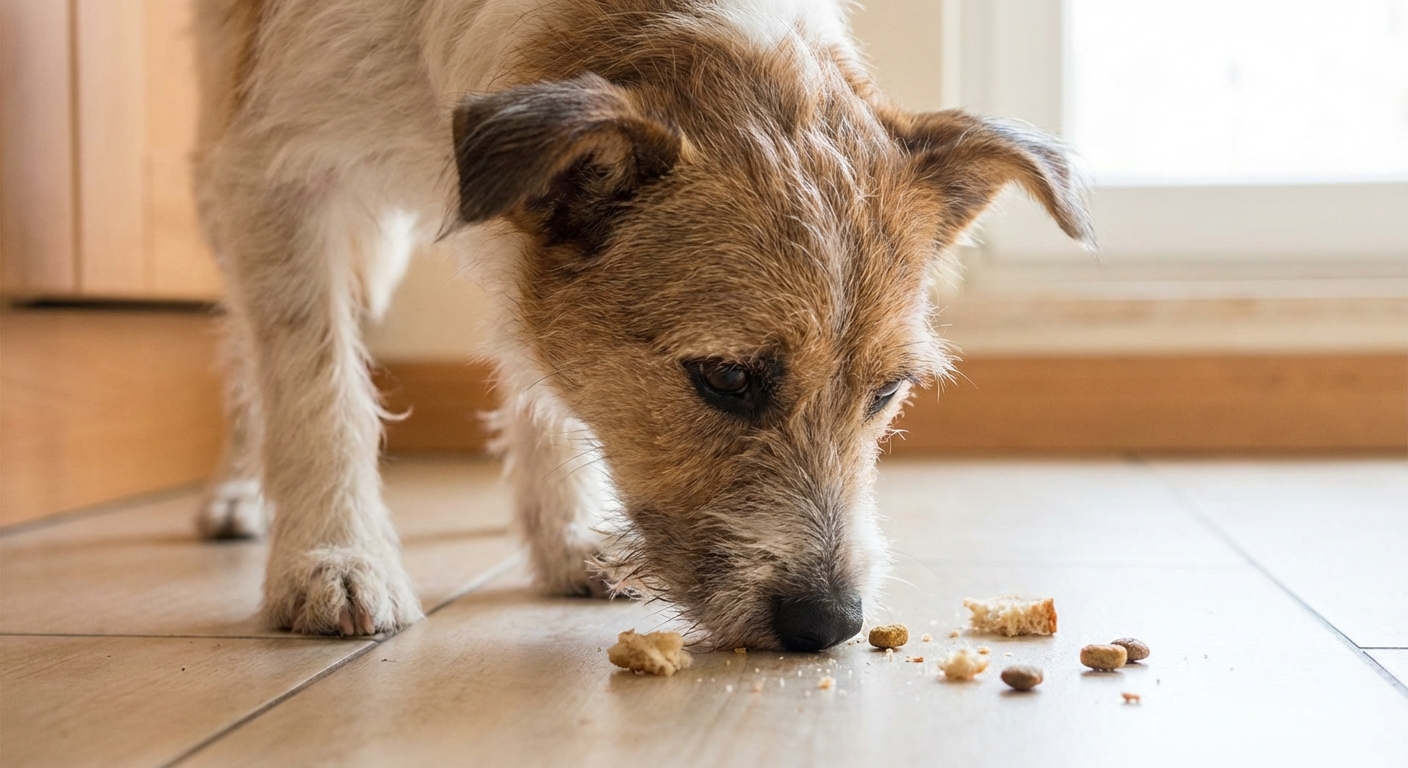
Many poisonings happen because dogs are excellent scavengers. Prevention is less stressful than an emergency visit, and it is absolutely doable.
Quick home safety checklist
- Counter control: keep chocolate, gum, trail mix, raisins, and baked goods behind closed pantry doors or in high cabinets.
- Purse and backpack rule: hang bags up, especially if they may contain gum, mints, medications, or snacks.
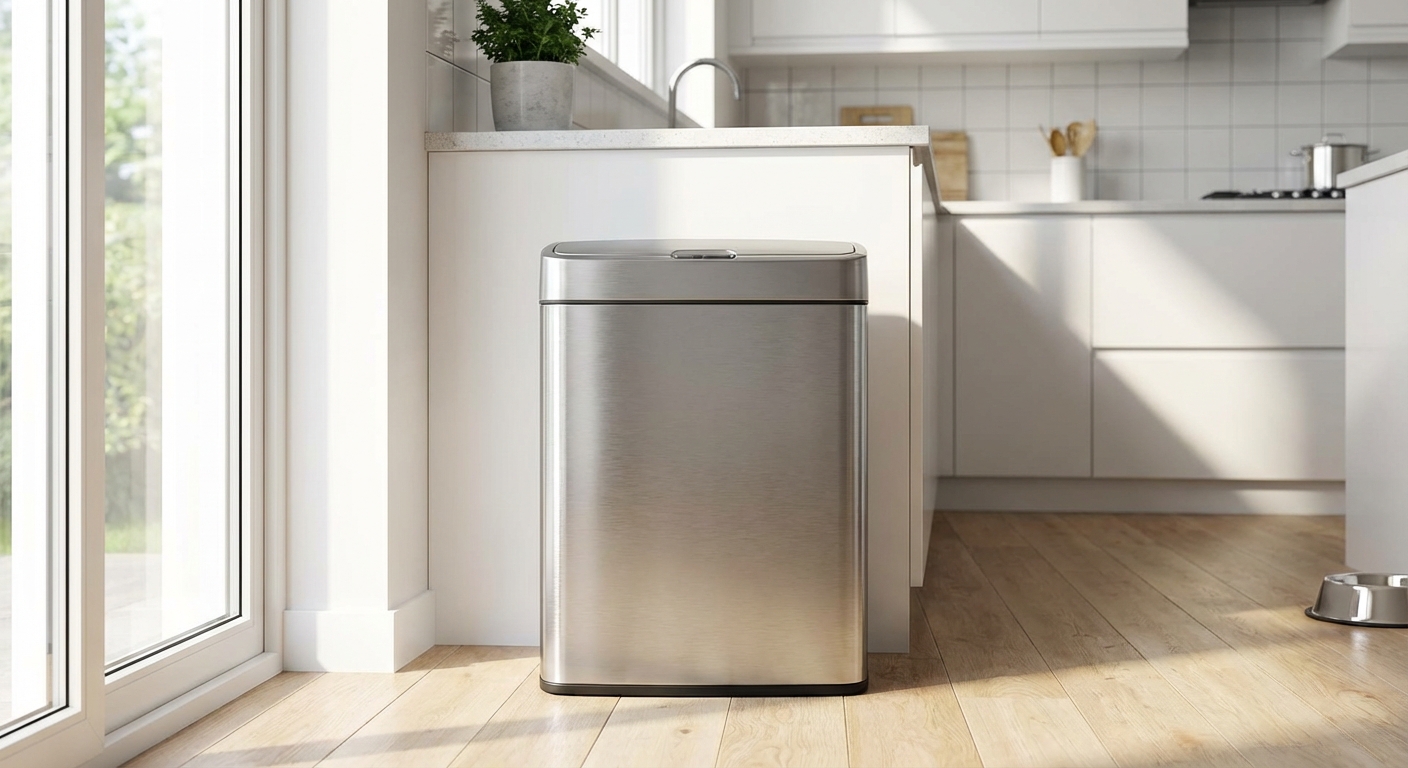
- Trash upgrade: use a lidded, heavy can or keep the trash inside a closed cabinet.
- Guest briefing: tell visitors your dog is on a “no people food” plan unless you approve it.
- Kid zones: keep playrooms and snack areas picked up. Grapes, candy, gum, and chocolate are common kid snacks.
- Backyard sweep: check for fallen fruit, compost access, and discarded bones after cookouts.
Step 3: What to do right away
If you suspect your dog ate something dangerous, time matters. The goal is to get professional guidance quickly, because the safest treatment depends on the specific food, the amount, and your dog’s size and health history.
Do this immediately
- Remove access to the food so your dog cannot eat more.
- Check the details: what was eaten, how much, when, and your dog’s current weight.
- Gather helpful context: any current medications, underlying conditions (like kidney disease, diabetes, or pancreatitis), and any symptoms you are seeing right now.
- Call for help: your veterinarian, an emergency vet, or a poison hotline. Many hotlines charge a fee, but they can be worth it for fast, specific guidance.
- Bring the packaging (or take a clear photo of the ingredient list) if you are heading in.
Do not do this unless a professional tells you
- Do not induce vomiting at home without guidance. It can be unsafe if your dog is very sleepy, has breathing risks (including some flat-faced breeds), if too much time has passed, or if the exposure involves sharp objects, oils, or caustic substances.
- Do not wait it out for high-risk items like grapes or raisins, xylitol, caffeine, dark chocolate, or human medications. Call even if your dog seems totally fine.
- Do not give home remedies like oil, milk, or bread to “soak it up.” They do not neutralize toxins and can make stomach upset worse.
Keep this handy: Save your primary vet number and the closest 24-hour emergency clinic in your phone now. If you want a poison hotline option, you can also save Pet Poison Helpline and ASPCA Animal Poison Control.
Step 4: Watch for red-flag symptoms
Some reactions are immediate. Others can take hours to show up. If you saw your dog eat a risky food but they seem fine, still call. Early treatment is often simpler and more effective.
Urgent symptoms
- Repeated vomiting or diarrhea
- Extreme lethargy, weakness, or collapse
- Tremors, seizures, or unsteady walking
- Heavy drooling, pawing at the mouth, or signs of pain
- Bloated abdomen or unproductive retching
- Pale gums or rapid breathing
- Refusal to eat, especially with lethargy, vomiting, or a known exposure
Also watch for changes in drinking and urination after grape or raisin exposure, because kidney injury can develop quickly in susceptible dogs.
Step 5: Build a safe treat routine
Dogs love snacks, and I never want safety advice to feel like “no fun allowed.” The trick is to keep treats simple, single-ingredient when possible, and sized appropriately. Also, this is not an exhaustive list, so if you are not sure about a food, ask your vet before sharing it.
Safer treat ideas many dogs do well with
- Small pieces of cooked chicken or turkey (unseasoned)
- Baby carrots or steamed green beans
- Apple slices with no seeds or core
- Blueberries
- Plain pumpkin puree (not pie filling)
- Commercial treats with clear ingredients and no xylitol
Portion tip
Keep treats to 10% or less of your dog’s daily calories. Too many “safe” treats can still cause weight gain or stomach upset.
Step 6: Puppies and small dogs
Puppies explore with their mouths, and small dogs have less body weight, so a smaller amount of a toxin can hit harder. If you have a puppy or a toy breed, treat your home like you would for a toddler: nothing dangerous within reach.
- Crate or confine when you cannot supervise.
- Pick up fast after meals and snacks.
- Train “leave it” and reward heavily for compliance.
When to call your vet
If your dog ate any amount of grapes, raisins, xylitol, caffeine, dark chocolate, or human medication, call right away. If your dog got into the trash, ate cooked bones, swallowed a corn cob, ate yeast dough, or is vomiting repeatedly, that is also a “call now” moment.
You are not bothering anyone by asking. In vet med, we would always rather help early than see a preventable emergency later.