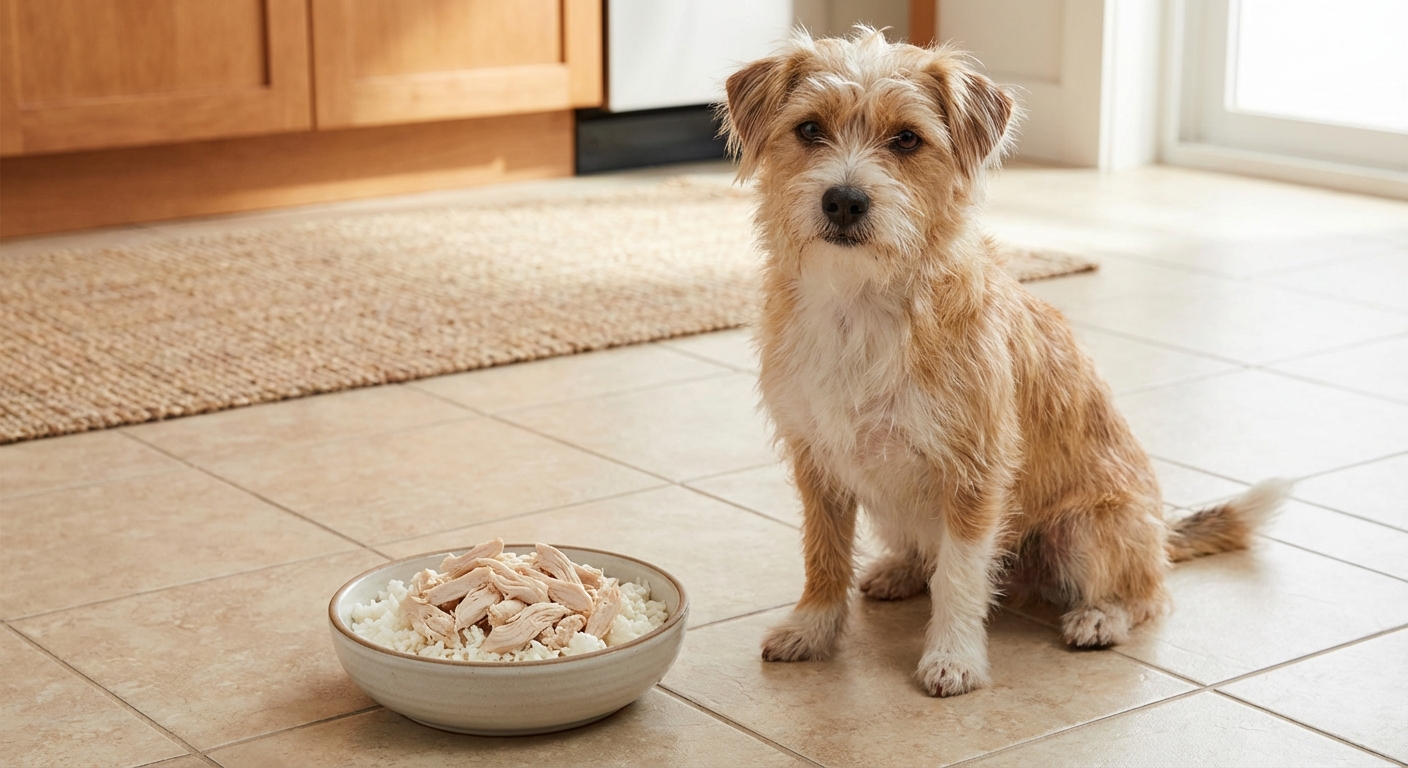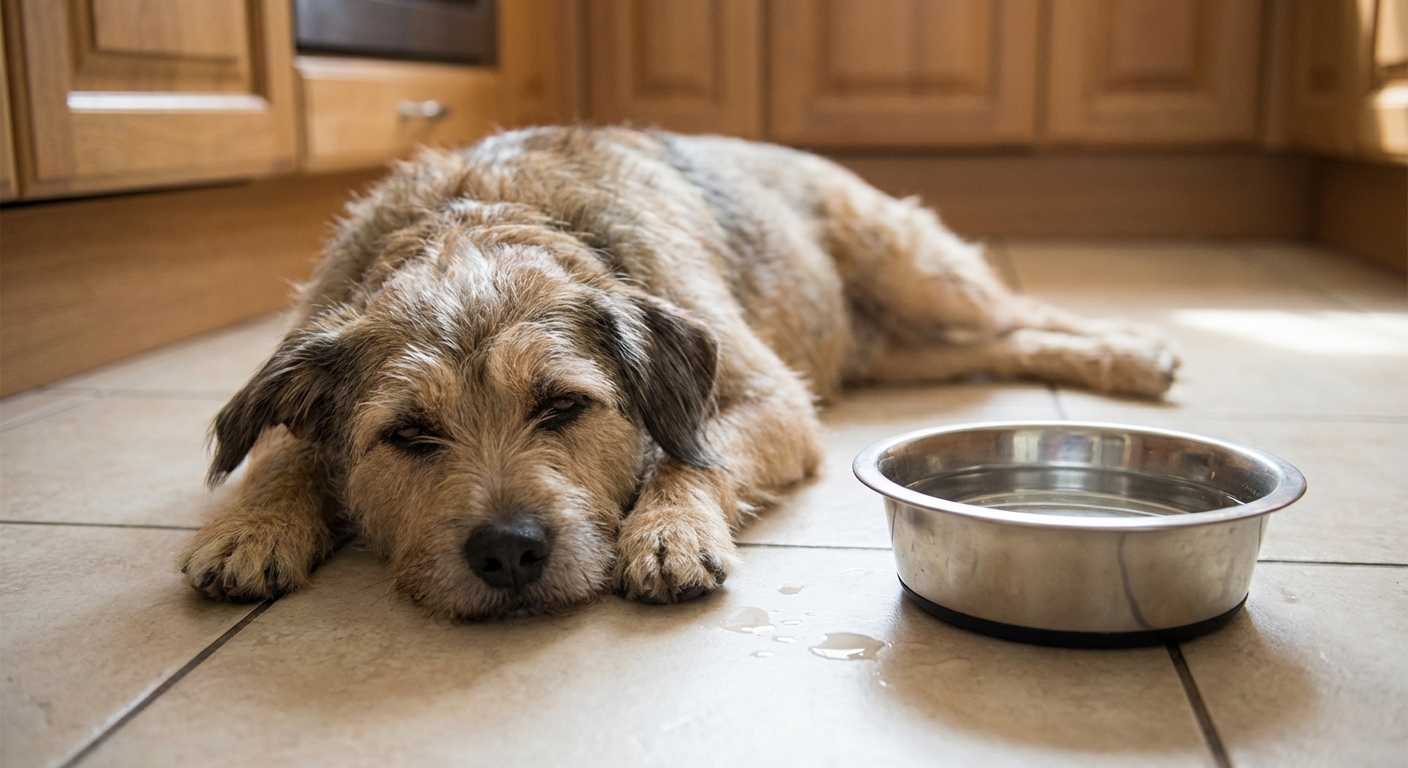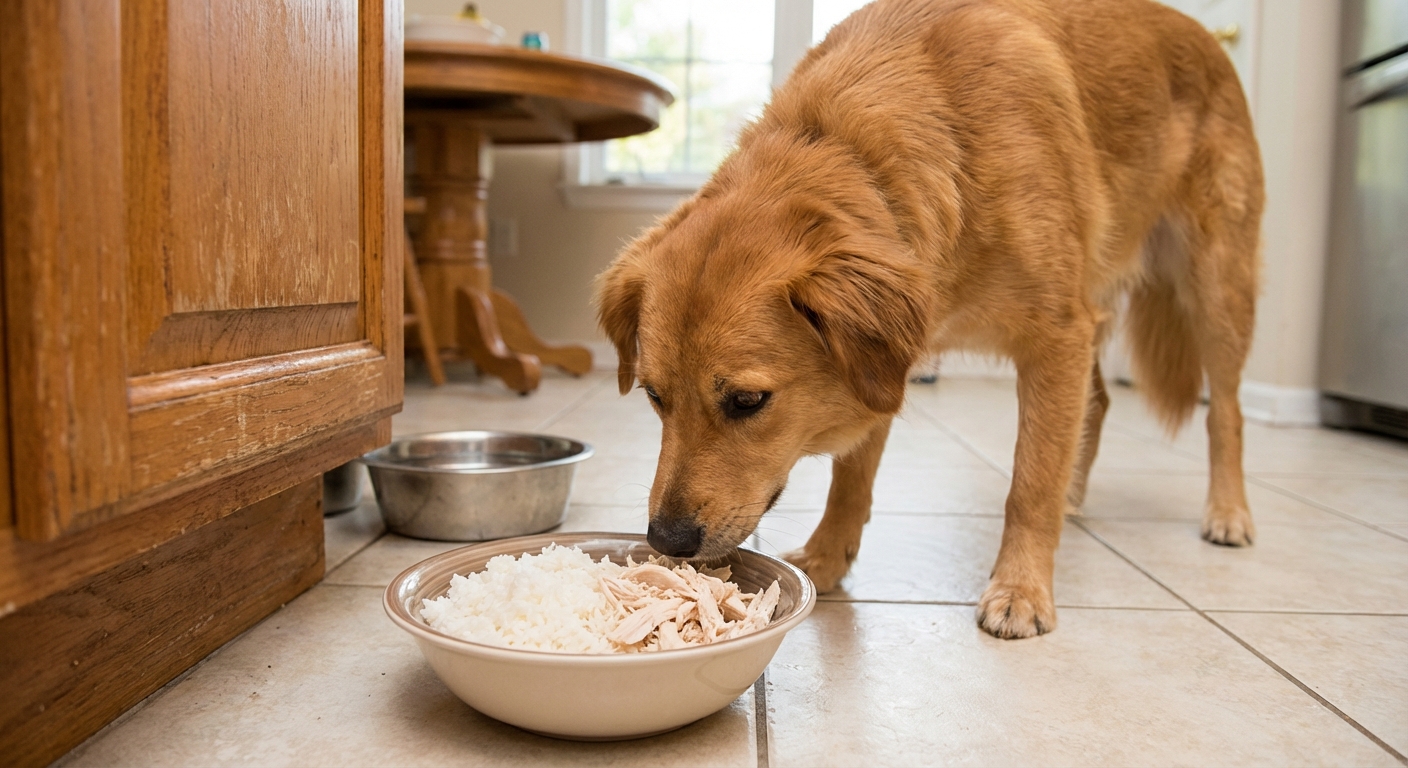
Vet-informed guide to a short-term bland diet for dogs: chicken and rice 1:2 ratio, daily cup ranges by weight, how many meals to split into, and red flags t...
Article
•
Designer Mixes
Food for Dogs With Upset Stomach

Shari Shidate
Designer Mixes contributor
If your dog has an upset stomach, you are not alone. In the clinic, tummy trouble is one of the most common reasons families call, and it is stressful because it can change fast. The good news is that many mild cases improve with the right short-term diet, smart hydration, and a slow return to normal food.
This guide walks you through what to feed, what to avoid, when to call your vet, and how to transition back to your dog’s regular meals safely.
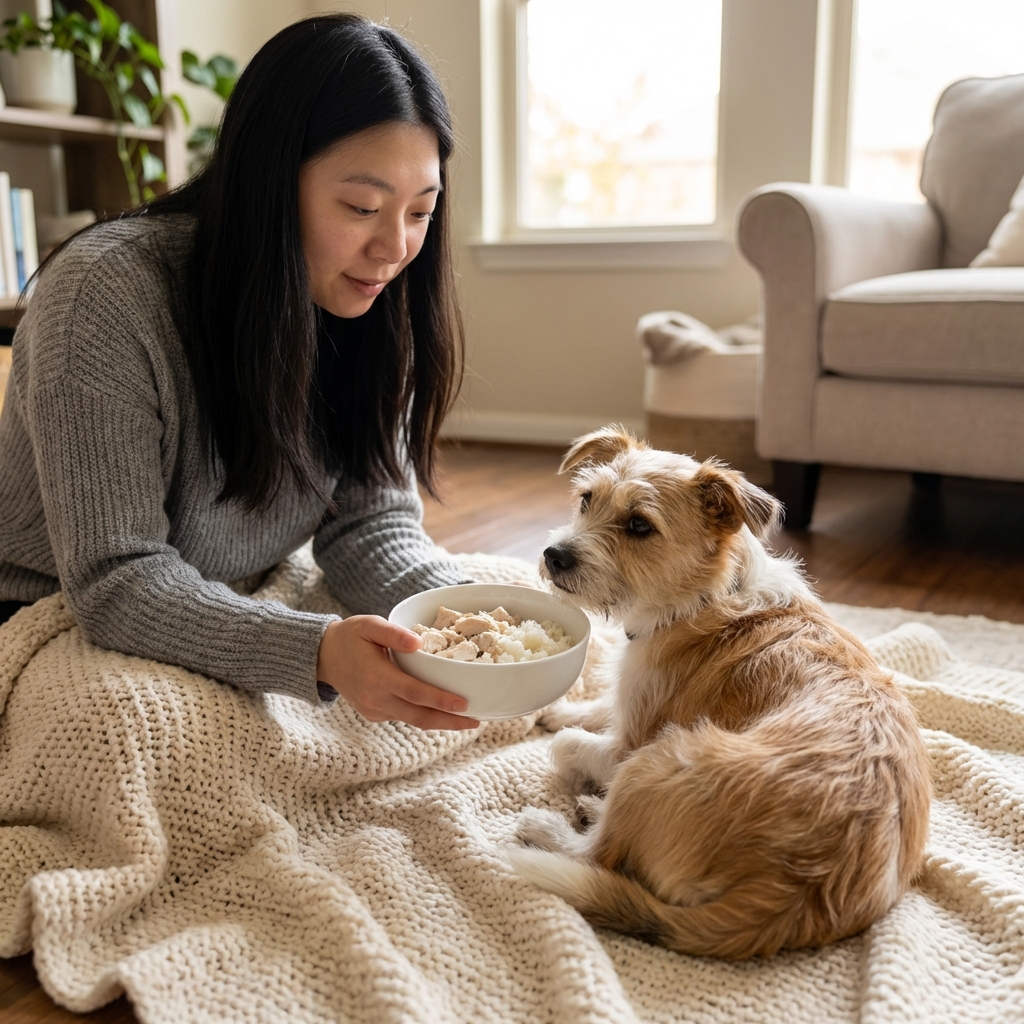
First: when an upset stomach is an emergency
Diet changes can help mild, short-lived stomach upset, but some situations need veterinary care right away. Contact your veterinarian or an emergency clinic if you notice:
- Repeated vomiting, vomiting that worsens, your dog cannot keep water down, or vomiting that does not start improving within about 12 to 24 hours
- Bloated, painful abdomen, retching with little coming up, or restlessness (bloat is life-threatening)
- Blood in vomit or stool, or black tarry stool
- Severe diarrhea (especially watery diarrhea that is frequent)
- Lethargy, collapse, pale gums, or signs of dehydration (tacky gums, sunken eyes)
- Known or suspected toxin exposure, foreign object, bones, socks, or string
- Puppies, seniors, pregnant dogs, or dogs with chronic illness (kidney disease, diabetes, Addison’s, pancreatitis)
How to tell if it seems mild: your dog is still fairly bright, interested in you, able to keep small sips of water down, has no blood in stool or vomit, and is not vomiting over and over.
Evidence-based note: Vomiting and diarrhea can dehydrate dogs quickly, and small dogs and puppies are especially vulnerable. If you are unsure, it is always safer to call.
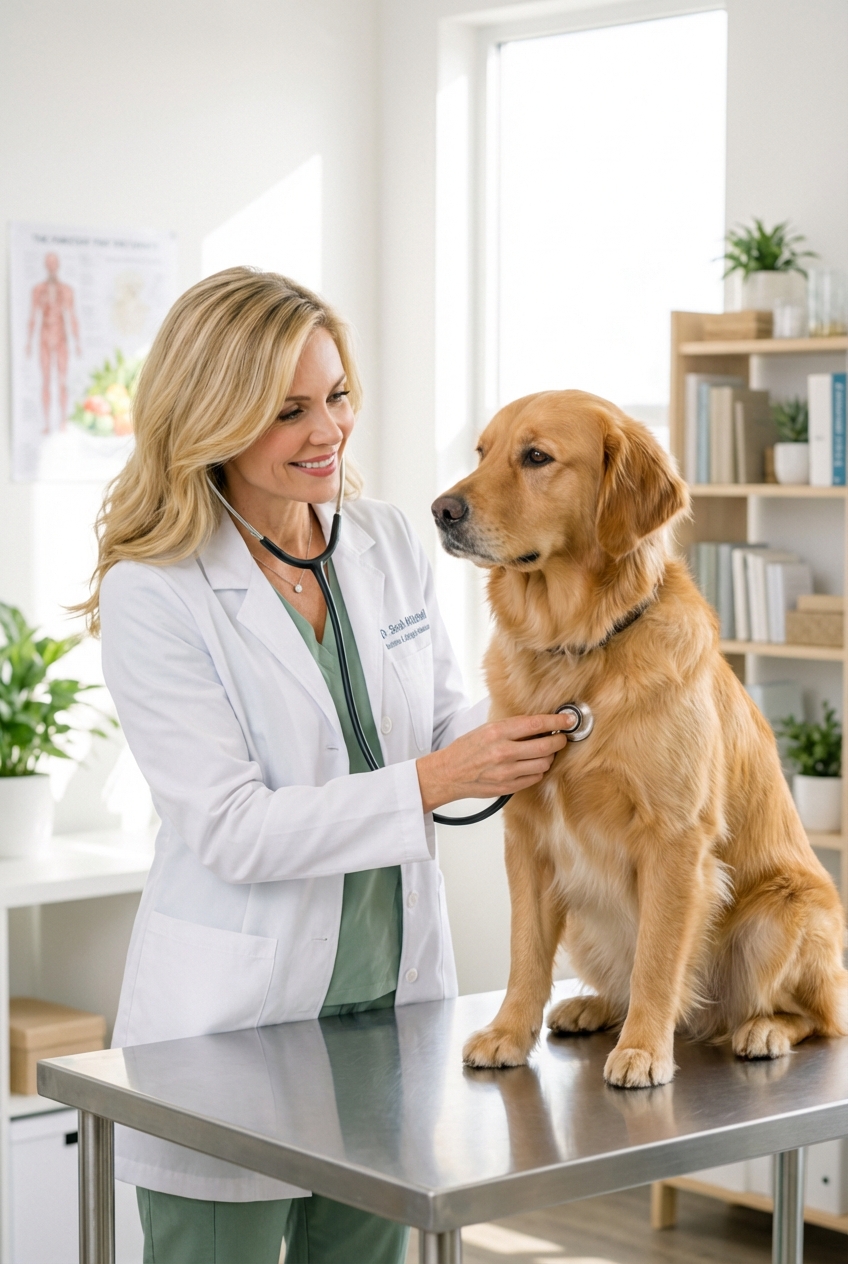
Common reasons dogs get an upset stomach
Sometimes the cause is obvious, and sometimes it is not. Common triggers include:
- Dietary indiscretion: getting into trash, fatty table foods, new treats
- Sudden food switch: changing brands or proteins too quickly
- Food intolerance or sensitivity: certain proteins, dairy, high-fat foods
- Parasites: especially in puppies or dogs with exposure to dog parks
- Stress: boarding, travel, visitors, routine changes
- Infections: viral or bacterial gastroenteritis
- Pancreatitis: often linked to high-fat meals or underlying risk factors
Your dog’s symptoms, history, and how long it has been going on help determine the best plan.
What to feed: the short-term bland plan
For many dogs with mild vomiting or diarrhea who are otherwise acting fairly normal, vets often recommend a short period of a bland, easy-to-digest diet. The goal is to reduce stomach workload while still supporting hydration and calories. This is not meant to be extended fasting unless your veterinarian tells you to.
Step 1: Hydration comes first
Offer small, frequent amounts of water. If your dog gulps water and vomits, give smaller amounts more often. Some dogs do well with ice cubes to lick.
- Do: offer water frequently, keep it fresh, consider adding a splash of low-sodium broth if your vet approves (check labels to ensure it contains no onion or garlic ingredients)
- Do not: force water if your dog is actively vomiting repeatedly
- Avoid: human sports drinks unless your vet directs you (some contain too much sugar, and some products may contain xylitol or other unsafe ingredients)
Optional: a brief food pause after vomiting
If your adult dog vomits once and then seems okay, some vets recommend withholding food for a short window (often about 4 to 6 hours) while offering small sips of water. Then restart with tiny bland meals.
Important: do not do prolonged fasting in puppies, very small dogs, seniors, or dogs with medical conditions unless your vet specifically advises it.
Step 2: Start with small meals
When your dog is able to keep water down and seems interested in food, start with tiny portions. Think “snack size,” not a full bowl.
- Feed 4 to 6 small meals per day for the first 24 to 48 hours
- Increase the amount gradually if stools and appetite improve
Best bland diet options (home basics)
These are commonly used, easy-to-digest foods that tend to be gentle on the stomach. Choose one protein and one carbohydrate to start.
Simple mixing ratio: aim for about 2 parts carbohydrate to 1 part protein (by volume). This helps keep the meal gentler and lower fat.
- Boiled skinless chicken breast plus plain white rice
- Boiled lean ground turkey (drained well) plus white rice
- Boiled lean hamburger (very well drained, and you can rinse briefly to reduce fat) plus white rice (only if that is what you have, and only lean). This is strictly short-term.
- Plain canned pumpkin (not pie filling) in small amounts can help some dogs with loose stool. It can also worsen diarrhea in others, so stop if stools get looser.
Note: Chicken and rice is not nutritionally complete. Use it as a short-term tool only (typically 2 to 3 days unless your vet recommends longer).
Portion guidelines (simple and safe)
Because dogs vary so much, a practical starting point is:
- Start with 1 to 2 tablespoons for small dogs
- 2 to 4 tablespoons for medium dogs
- 1/4 to 1/2 cup for large dogs
These are starting amounts. Adjust up or down for your dog’s size and appetite, and keep meals small and frequent at first.
If your dog keeps it down for several hours, offer another small meal. If vomiting returns, pause and call your vet.
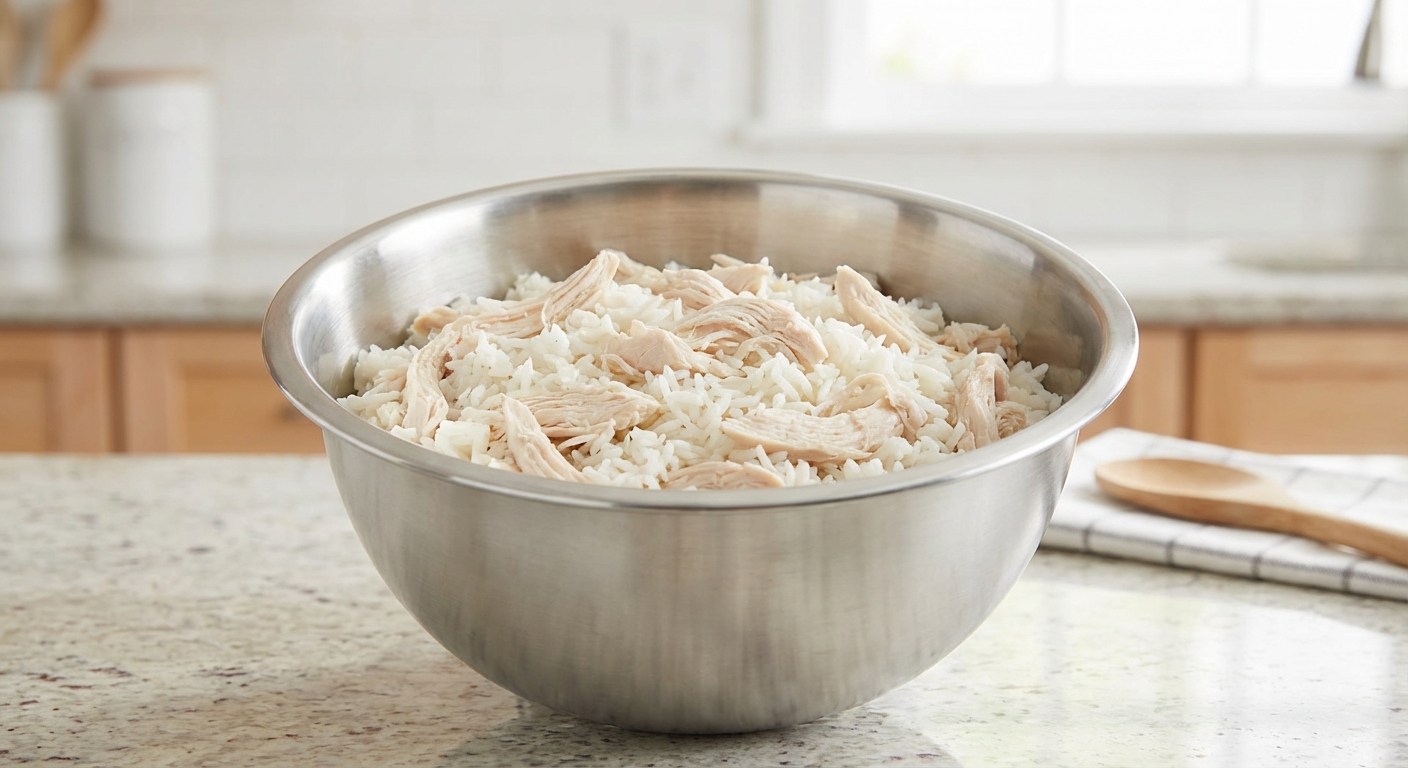
How to expand the bland menu
Bland diets are helpful short-term, but they are not meant to be a forever plan. Once your dog is improving, you can gently widen the menu while keeping it low-fat and easy to digest.
Gentle add-ins (after 24 to 48 hours of improvement)
- Cooked eggs: scrambled or hard-boiled, plain, no butter or oil
- Cooked sweet potato: mashed, plain, small portions
- Steamed carrots or zucchini: soft-cooked and chopped small
- Plain low-fat yogurt: small amount only if your dog tolerates dairy (skip it if it worsens gas or diarrhea)
Fiber choice: pumpkin or rice?
Both can be useful, but they behave differently.
- White rice is very digestible and often firms stool simply by being gentle.
- Plain pumpkin provides soluble fiber that can help regulate stool in some dogs, but too much fiber can backfire in others.
If your dog has pancreatitis risk, keep everything low-fat and ask your vet before adding extras.
What to avoid
These foods often worsen nausea, diarrhea, or inflammation:
- High-fat foods: bacon, sausage, greasy leftovers, cheese-heavy snacks
- Rich broths or gravies
- Spicy foods
- New treats or new chews
- Raw diets during active GI signs (higher bacterial risk and harder digestion for some dogs)
- Milk or ice cream (many dogs are lactose intolerant)
- Toxic foods: onions, garlic, grapes and raisins, xylitol, chocolate, macadamia nuts
- Bones (can splinter, cause constipation, or cause dangerous blockage)
Important: Avoid giving over-the-counter human medications like Pepto-Bismol or Imodium unless your veterinarian specifically tells you to. Some can be dangerous in dogs or mask symptoms that need treatment.
Probiotics and supplements
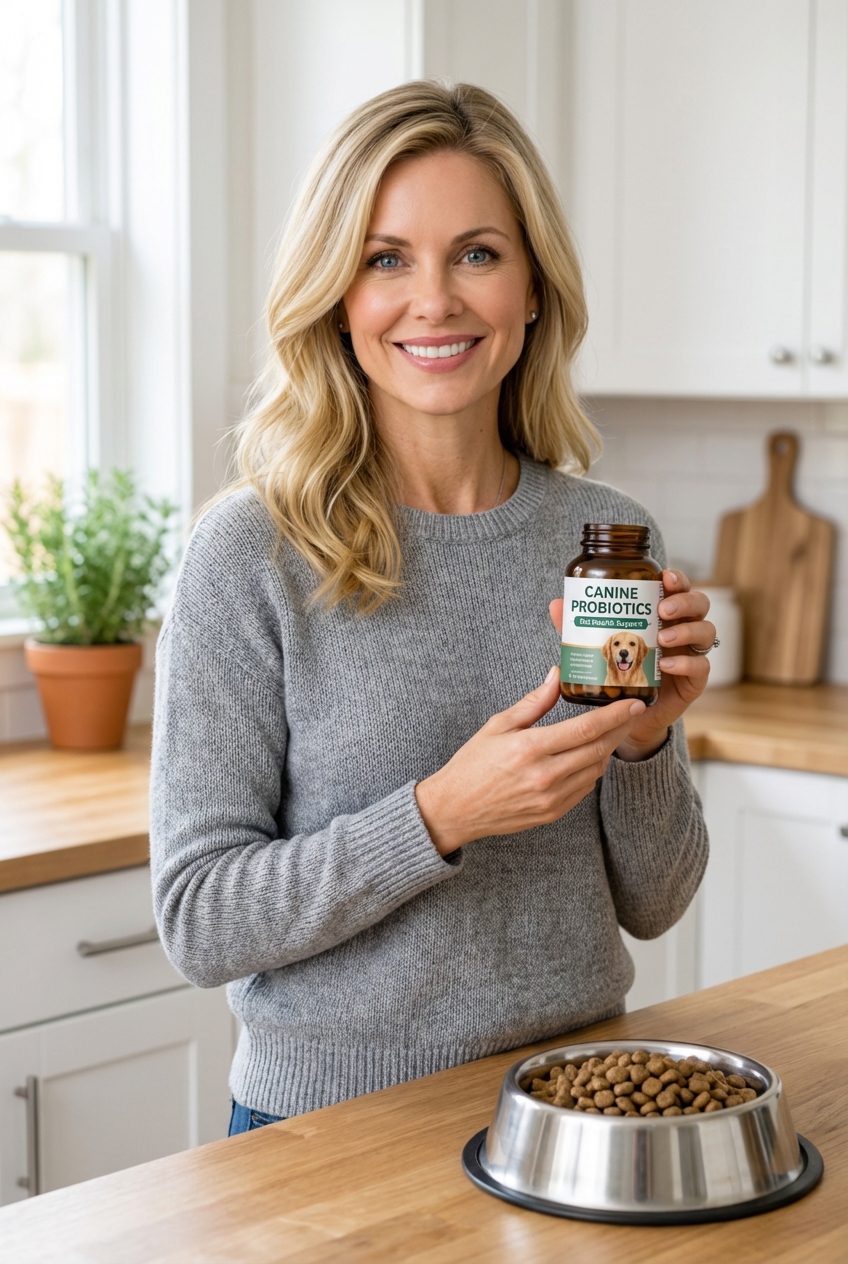
Some veterinary probiotics may help shorten the course of acute diarrhea in dogs, but benefits tend to be strain and product specific. If you want to use one, choose a dog-specific product with good quality control and ask your vet what fits your dog’s symptoms.
- Veterinary probiotic: ask your vet for a recommendation based on your dog’s size and symptoms
- Electrolytes: only use pet-safe options under guidance, especially for small dogs. Avoid human sports drinks unless your vet directs you.
If diarrhea lasts more than a day or two, bring in a stool sample to check for parasites. It is a simple step that can save you a lot of time and worry.
Transitioning back to normal food
One of the most common reasons dogs relapse is that they go from bland back to regular food too quickly. Once stools are improving and vomiting has stopped, transition slowly over 3 to 7 days.
Simple transition schedule
- Days 1 to 2: 75% bland diet, 25% regular food
- Days 3 to 4: 50% bland, 50% regular
- Days 5 to 6: 25% bland, 75% regular
- Day 7: 100% regular food
If loose stool returns, step back to the previous ratio for a day or two. If symptoms persist, call your veterinarian.
Monitoring and expected timeline
Most mild stomach upsets should show some improvement within 24 to 48 hours with bland food, small meals, and good hydration.
What to track at home
- How often your dog vomits, and whether they can keep water down
- Diarrhea frequency and appearance (watery, mucus, blood, black tar)
- Energy level and comfort (hunched posture, belly pain, restlessness)
- Appetite and willingness to eat small meals
- Urination (not peeing can be a dehydration clue)
If symptoms are not improving on this timeline, or your dog seems worse at any point, call your veterinarian.
If your dog has a sensitive stomach long-term
Some dogs bounce back quickly, while others have recurring GI upset. If your dog seems “stomachy” often, it is worth talking with your vet about a longer-term plan.
Helpful long-term strategies
- Consistent diet: avoid frequent brand changes and too many treat types
- Limit rich chews: bully sticks, pig ears, and fatty chews can trigger flare-ups
- Consider a veterinary GI diet if your dog needs something highly digestible long-term
- Trial a novel protein or hydrolyzed diet if food allergy is suspected
- Slow feeding: use a slow feeder if your dog gulps meals
- Parasite prevention and testing: keep routine prevention up to date
When to request further testing
If your dog has repeated episodes, weight loss, poor appetite, blood in stool, or chronic diarrhea, your vet may recommend fecal testing, bloodwork, pancreatic testing, imaging, or diet trials to find the true cause instead of guessing.
Quick reference: upset stomach checklist
- Check for red flags and call your vet if present
- Prioritize hydration with small frequent sips
- Feed small, frequent bland meals (low-fat, simple ingredients)
- Use a carb-forward mix (about 2 parts rice to 1 part protein)
- Avoid high-fat foods, rich treats, bones, and human medications unless directed
- Consider a dog-specific probiotic (product and strain matter)
- Transition back to regular food slowly over several days
Gentle food helps, but your dog’s behavior matters just as much. A dog who cannot keep water down, seems painful, or is unusually tired needs medical guidance, not just a menu change.