Discover the British Shorthair’s calm personality, lifespan, ideal home, grooming needs, common health concerns, and practical nutrition and enrichment tip...
Article
•
Designer Mixes
Foldex Cat Breed Guide: Temperament, Care, and Health

Shari Shidate
Designer Mixes contributor
Meet the Foldex: A Sweet, Soft-Spoken Companion
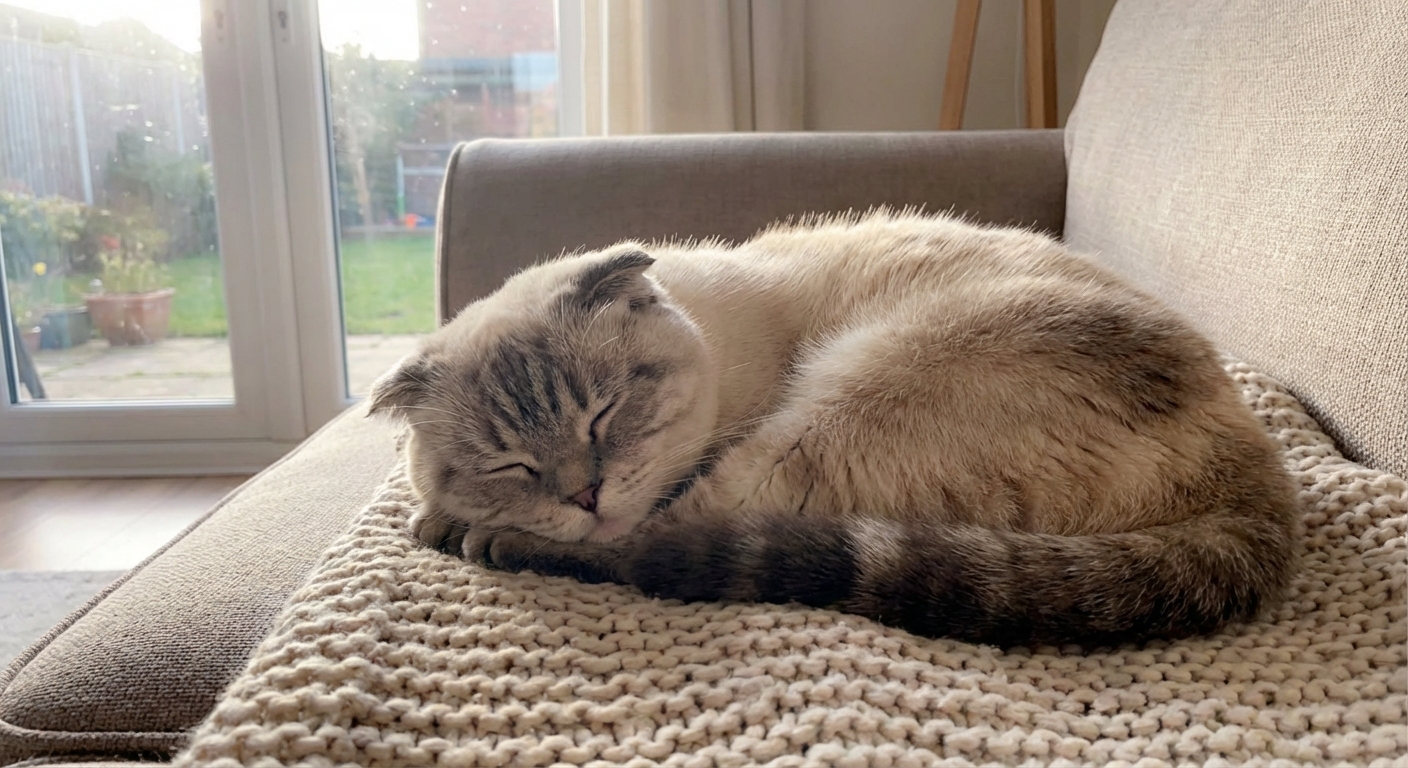
The Foldex is a relatively rare, mixed-origin cat best known for two things: its rounded, teddy-bear-like look and its gentle, people-friendly temperament. Many Foldex cats have folded ears, similar to the Scottish Fold, paired with the plush, easygoing vibe often associated with the Exotic Shorthair.
If you love the idea of a calm cat who enjoys being near you, follows your routine, and prefers peaceful company over constant chaos, the Foldex can be a wonderful match. At the same time, responsible ownership matters a lot with this breed because the same genetics that create the signature folded ears can be linked to joint and cartilage issues.
Origin and Breed Background
The Foldex originated in Canada and is generally described as a cross between the Scottish Fold and the Exotic Shorthair. The goal was to create a cat with the Scottish Fold’s charming ear fold and round features, while also introducing the Exotic Shorthair’s dense coat and easygoing personality.
Because the Foldex is not universally recognized by all major cat registries, exact standards can vary. However, the Canadian Cat Association (CCA) is one registry that recognizes the Foldex and grants championship status. You may also see variation in ear type. Some kittens have folded ears and others have straight ears, even within the same litter.
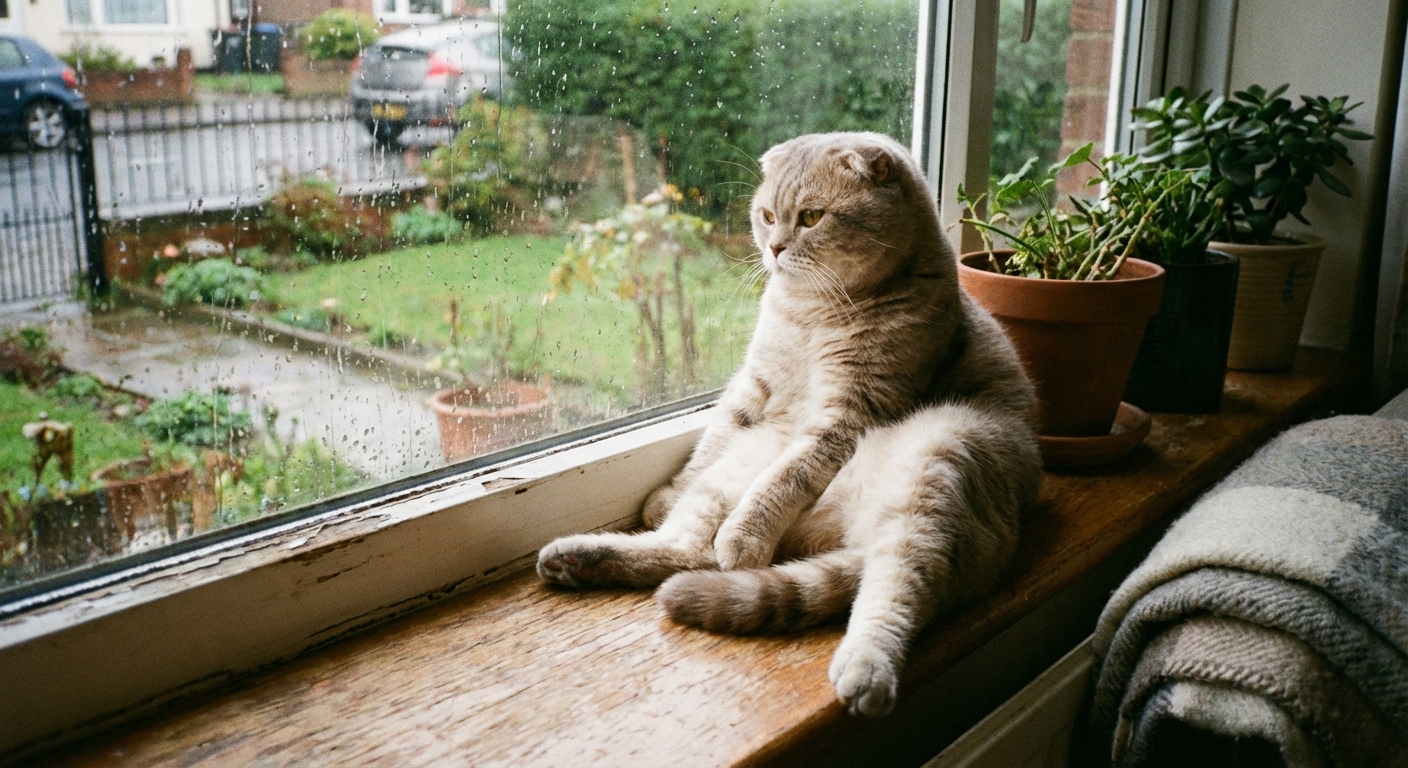
Appearance: What a Foldex Typically Looks Like
Foldex cats are admired for their rounded, compact look. Many have a plush coat and a face that reads as sweet and expressive. They are often described as looking perpetually curious or content.
Common physical traits
- Head and face: Round head, full cheeks, large round eyes
- Ears: Folded or straight, depending on genetics
- Body: Medium size, sturdy and well-muscled
- Weight: Often around 6 to 13 pounds, with males frequently larger than females
- Coat: Usually short, dense, and plush, though texture can vary
- Colors: Can come in many coat colors and patterns
Temperament: Calm, Affectionate, and Family-Oriented
In many homes, the Foldex is the kind of cat who wants to be part of daily life without demanding constant attention. Think “quiet companion” rather than “full-time entertainer.” They often bond strongly with their people and may choose a favorite lap, chair, or room where the household gathers.
What many owners love
- Gentle social style: Often friendly with visitors once comfortable
- Good indoor manners: Typically not as high-strung as more athletic breeds
- Affection without intensity: Enjoys closeness, but usually not overly clingy
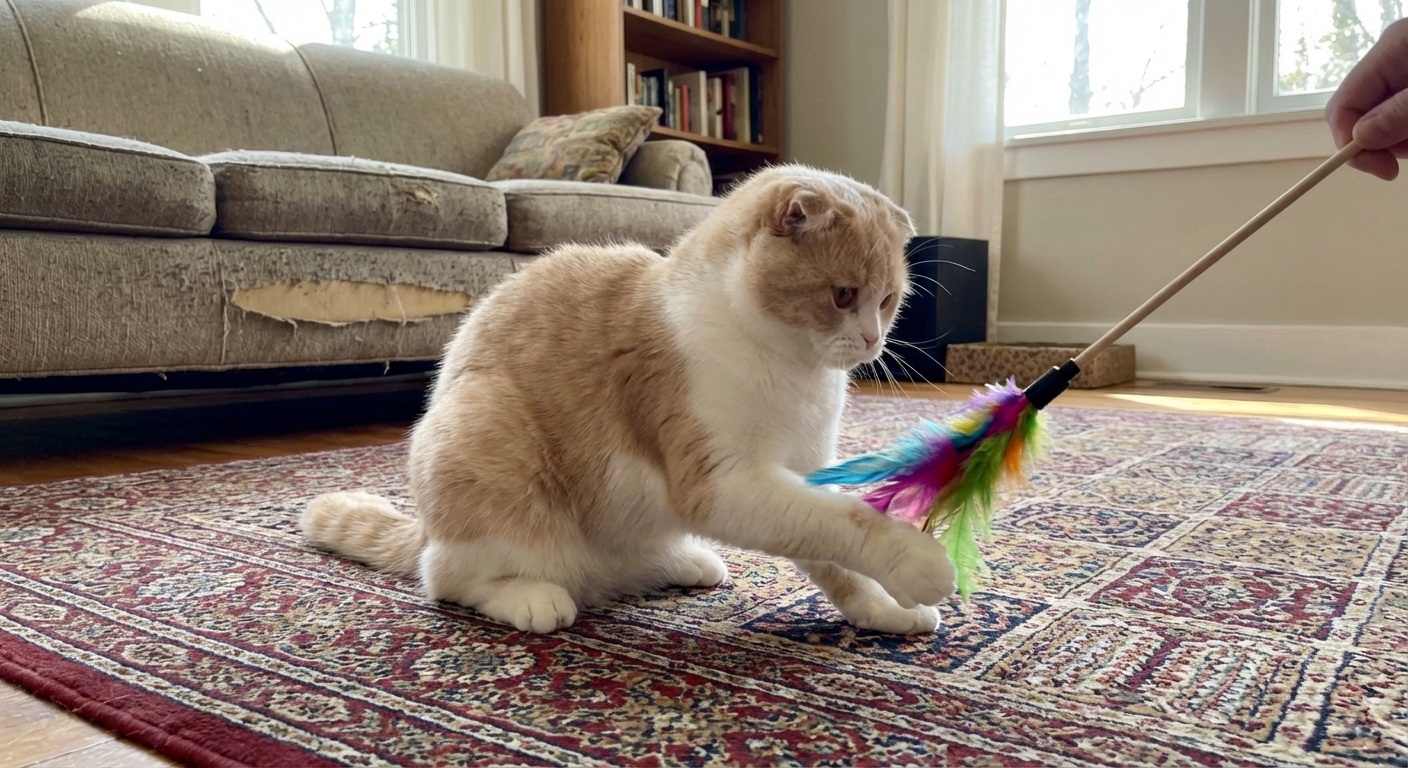
- Playfulness in short bursts: Likes interactive play, then happily relaxes
Every cat is an individual, of course. Early handling, a stable environment, and positive experiences shape temperament just as much as breed tendencies.
Is the Foldex a Good Pet for You?
I always tell families to choose a cat the way you would choose a long-term wellness plan: pick something that realistically fits your lifestyle, not just what looks adorable in photos. The Foldex can be a fantastic companion for many homes, but it is best with people who are willing to be proactive about health monitoring.
Great fit for
- Adults or families who want a calm, affectionate indoor cat
- Homes with a predictable routine and a quieter atmosphere
- First-time cat owners who want an easygoing personality
- People who enjoy gentle play and daily companionship
Consider another breed if
- You want a very active, high-climbing, high-energy cat
- You prefer a low-maintenance approach to health care
- Your household is loud and constantly changing, which can stress sensitive cats
Health Considerations: What Responsible Owners Should Know
The most important topic for Foldex cats is the genetic link between folded ears and cartilage development. In Scottish Folds, the ear fold is caused by a gene associated with abnormal cartilage, and this can lead to a painful condition called osteochondrodysplasia, affecting joints and bones. Because Foldex cats share Scottish Fold ancestry, this risk is a serious consideration.
Potential health issues to discuss with your veterinarian
- Joint and mobility concerns: Stiffness, reluctance to jump, limping, or sensitivity when handled
- Arthritis risk: Can develop earlier than in many other cats
- Ear health: Folded ears can trap wax and debris more easily in some cats
- Weight gain: A calmer temperament can make weight management especially important
If you are adopting from a breeder, ask direct questions about breeding practices. Ethical breeding avoids pairing two folded-ear cats together, since this increases the risk of severe skeletal problems. Also ask for veterinary records, details on parent cats, and whether kittens are evaluated for early signs of orthopedic issues.
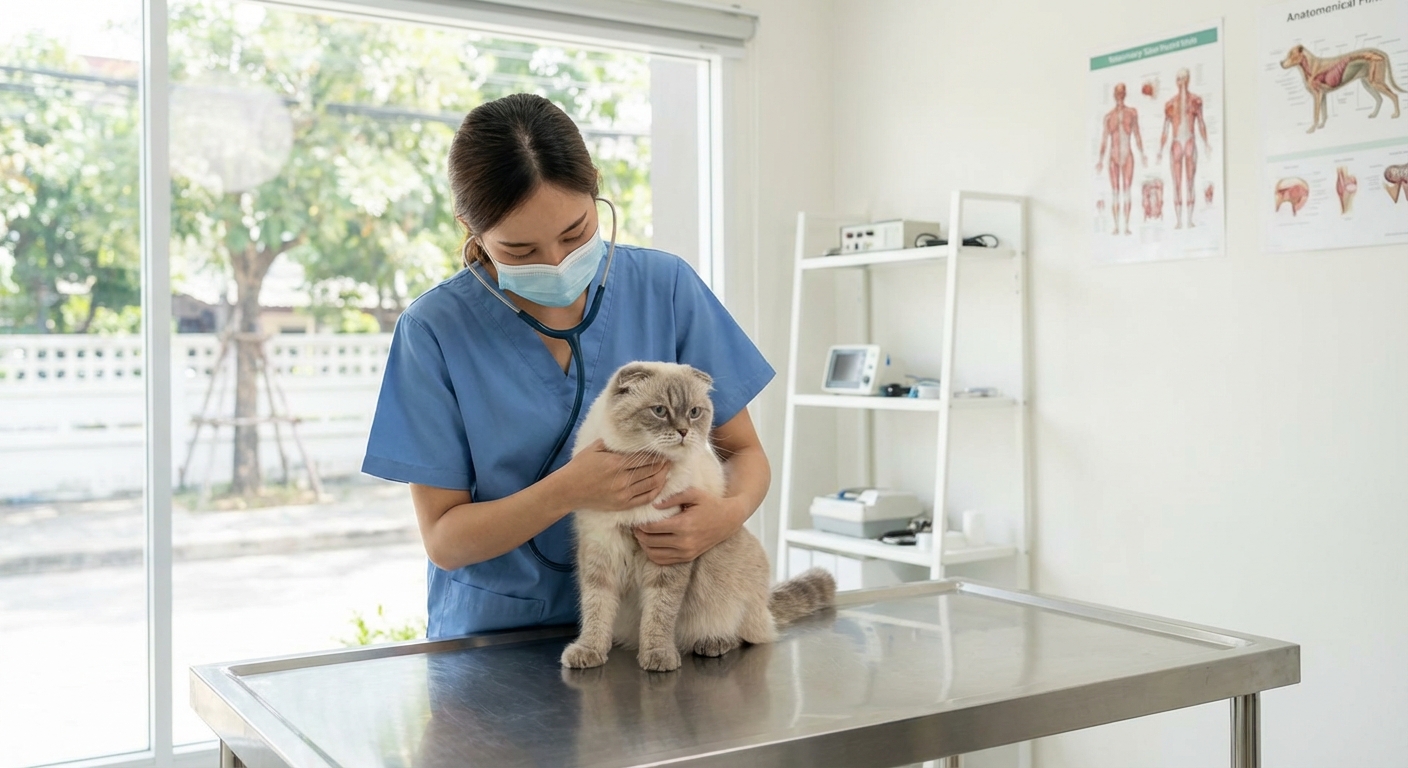
Wellness tip: Watch for subtle clues. Cats are masters at hiding discomfort. Changes in jumping, grooming, or play can be early signs that something hurts.
Daily Care: Grooming, Feeding, and Enrichment
Foldex cats tend to thrive with steady, simple routines. The goal is to support joint comfort, maintain a healthy weight, and keep the coat and ears clean.
Grooming
- Brushing: Once or twice a week is often enough for short, plush coats. During seasonal shedding, bump it up slightly.
- Eye care: Some round-faced cats can have mild tear staining. A soft, damp cloth can help as needed.
- Ear checks: Look weekly for wax buildup, odor, or redness. Clean only if your vet shows you how, and never push anything into the ear canal.
Nutrition and weight support
Because joint health is such a priority, keeping your Foldex at a lean, healthy body condition is one of the most impactful things you can do. Ask your veterinarian to show you how to body-score your cat and confirm an ideal target weight.
- Choose a complete, balanced diet: Look for foods that meet AAFCO or equivalent nutritional standards.
- Measure portions: Free-feeding can lead to slow, unnoticed weight gain.
- Hydration matters: Many cats drink more from fountains. Wet food can also support moisture intake.
Exercise and enrichment
- Short play sessions: 2 to 3 mini sessions daily using wand toys or small toss toys
- Low-impact climbing: Provide steps, ramps, or lower cat trees if jumping seems uncomfortable
- Comfortable resting spots: Soft beds and warm, draft-free areas support relaxation
Living With a Foldex: Home Setup and Compatibility
The Foldex usually does well as an indoor cat, especially when the home environment is designed for comfort and confidence. Indoor living also reduces risks like injuries, parasites, and infectious disease exposure.
Kids, cats, and other pets
- With children: Often tolerant and affectionate, especially with calm, respectful handling
- With other cats: Can do well with gradual introductions and adequate space
- With dogs: Usually possible if the dog is cat-safe and introductions are slow
Because some Foldex cats may be prone to joint discomfort, teach children to avoid picking the cat up or squeezing paws and tail. Instead, encourage floor-level play and gentle petting when the cat chooses to interact.
Lifespan and Vet Checkups
Many Foldex cats live around 12 to 15 years, though lifespan can vary widely depending on genetics, breeding choices, weight, and overall medical care. A consistent veterinary relationship is essential, especially to monitor mobility and pain levels over time.
Helpful vet conversations
- Ask for a baseline orthopedic exam when your cat is young
- Discuss joint-support strategies if any stiffness appears
- Keep dental care on the radar, including at-home brushing if tolerated
- Schedule routine wellness visits at least annually, and more often for seniors
Adoption and Ethical Breeding Notes
If you are considering a Foldex, start by checking reputable rescues and shelters, including breed-specific rescue groups. If you choose a breeder, look for transparency and a clear commitment to reducing hereditary health problems.
Questions worth asking a breeder
- Are folded-ear cats ever bred to other folded-ear cats?
- What orthopedic screening or evaluations are done on breeding cats?
- Can I review veterinary records and health guarantees in writing?
- How are kittens socialized in the home?
A thoughtful decision upfront can save years of stress and can protect your future cat from preventable suffering.
Bottom Line: A Loving Cat That Benefits From Informed Care
The Foldex can be a truly delightful companion: warm, calm, and content to share your everyday life. The key is going in with your eyes open about potential joint and cartilage concerns, prioritizing healthy weight, and partnering closely with a veterinarian.
Starting with small, consistent care habits, like weekly ear checks, measured meals, and gentle daily play, sets the tone for a long, comfortable life. Those simple routines really do compound into remarkable results over time.