A practical, vet-informed guide to dog arthritis care: recognize signs, confirm diagnosis, improve traction and comfort at home, use joint supplements, and k...
Article
•
Designer Mixes
Floating Kneecap in Dogs

Shari Shidate
Designer Mixes contributor
When a dog has a “floating kneecap,” what we are often talking about is patellar luxation, a condition where the kneecap (patella) slips out of its normal groove in the femur. As a veterinary assistant, I see how scary it can feel the first time your dog suddenly “skips” a step, holds a back leg up, and then acts totally fine again a moment later.
A quick note, though: pet parents also use “floating kneecap” to describe other problems that can look similar, like cruciate ligament injury, hip issues, muscle strains, or even neurologic problems. If something feels “off,” an exam is the safest next step.
The good news is that many dogs do very well with the right plan, whether that is smart home management, physical therapy, weight management, or surgery when needed. This handbook will walk you through what’s happening, what to watch for, and how to help your dog stay comfortable and active.
What “floating kneecap” means
The kneecap is a small bone embedded in the tendon of the quadriceps muscle. It should glide smoothly up and down in a groove (the trochlear groove) as your dog bends and straightens the knee. (Vets may also call the knee the stifle. If you hear “stifle,” they mean the knee joint.)
With patellar luxation, the kneecap slips to the inside (medial, most common) or the outside (lateral) of the groove. When it pops back into place, your dog often goes right back to normal, which can make the problem easy to dismiss at first.
Why it happens
- Genetics and conformation: Many dogs are born with limb alignment that makes luxation more likely. This is especially common in small breeds and many small mixes.
- Shallow groove: Some dogs have a groove that is not deep enough to hold the kneecap steady.
- Soft tissue pull: The tendon and muscles can pull the kneecap off track when alignment is off.
- Trauma: Less commonly, a fall or injury can cause a luxation.
Who is at higher risk
Any dog can develop patellar luxation, but certain patterns show up often.
- Small and toy breeds: Medial luxation is especially common in smaller dogs.
- Larger breeds: Lateral luxation is less common overall, but it is seen more in larger dogs than many people expect.
- Young dogs: Many cases are noticed early, even if the skipping is occasional.
- Bilateral knees: It is very common for both knees to be affected, even if only one leg seems symptomatic at first.
Signs you might notice
Some dogs show obvious pain, while others look mildly inconvenienced. The classic sign is a skip or hop.
- Skipping or hopping on a back leg, then walking normally again
- Intermittent lameness, especially after play or jumping
- Holding the leg up for a few seconds
- Stiffness after rest
- Reluctance to jump onto furniture or into the car
- Knock-kneed posture or feet turning inward in some dogs
- Muscle loss in the affected thigh over time
If your dog suddenly cannot bear weight, is crying out, or you notice swelling, that deserves a prompt veterinary exam. Patellar luxation can coexist with other knee problems like cruciate ligament injury.
How vets grade it
Most vets use a grading system (Grade 1 to 4). This helps guide treatment decisions. Grading systems can vary slightly between sources and clinicians, but these are common, general descriptions based on how easily the kneecap moves out of place and whether it stays out.
- Grade 1: Patella can be pushed out manually, but returns to place on its own.
- Grade 2: Patella luxates more easily and may stay out temporarily, but can pop back in.
- Grade 3: Patella is out most of the time but can be put back in manually.
- Grade 4: Patella is out all the time and cannot be put back in normally.
Grades are helpful, but they are not the whole story. A small dog with a Grade 2 may be very painful, while another seems unfazed. Your dog’s comfort, function, and joint health matter most.
Diagnosis: what to expect
Diagnosis often starts with a hands-on orthopedic exam. Your vet will feel how the patella tracks and evaluate your dog’s gait.
Common tests
- Physical exam and gait assessment: Watching your dog walk and trot, then checking knee stability.
- X-rays: Helpful to assess bone alignment, arthritis, and rule out other issues. Some dogs need mild sedation to get good positioning.
- Additional imaging: In more complex cases, advanced imaging may be recommended by an orthopedic specialist.
Bring a short video of the skipping episode if you can. It often helps your veterinary team understand what you are seeing at home.
Treatment options
Treatment depends on severity, how often episodes happen, your dog’s age, activity level, and whether arthritis or other knee problems are present.
1) Conservative management
For mild or intermittent cases, conservative care can be a very reasonable plan, especially when episodes are rare and your dog is comfortable.
- Weight management: Keeping your dog lean is one of the most powerful ways to reduce joint stress. Even a small amount of extra weight can increase knee load.
- Targeted exercise: Controlled, consistent movement builds muscle that supports the joint.
- Physical therapy: Strengthening, balance work, and range-of-motion exercises can improve stability.
- Pain control and anti-inflammatory plans: Your vet may recommend prescription medications or other modalities based on your dog’s needs. Never give human pain medications unless your veterinarian specifically instructs you to.
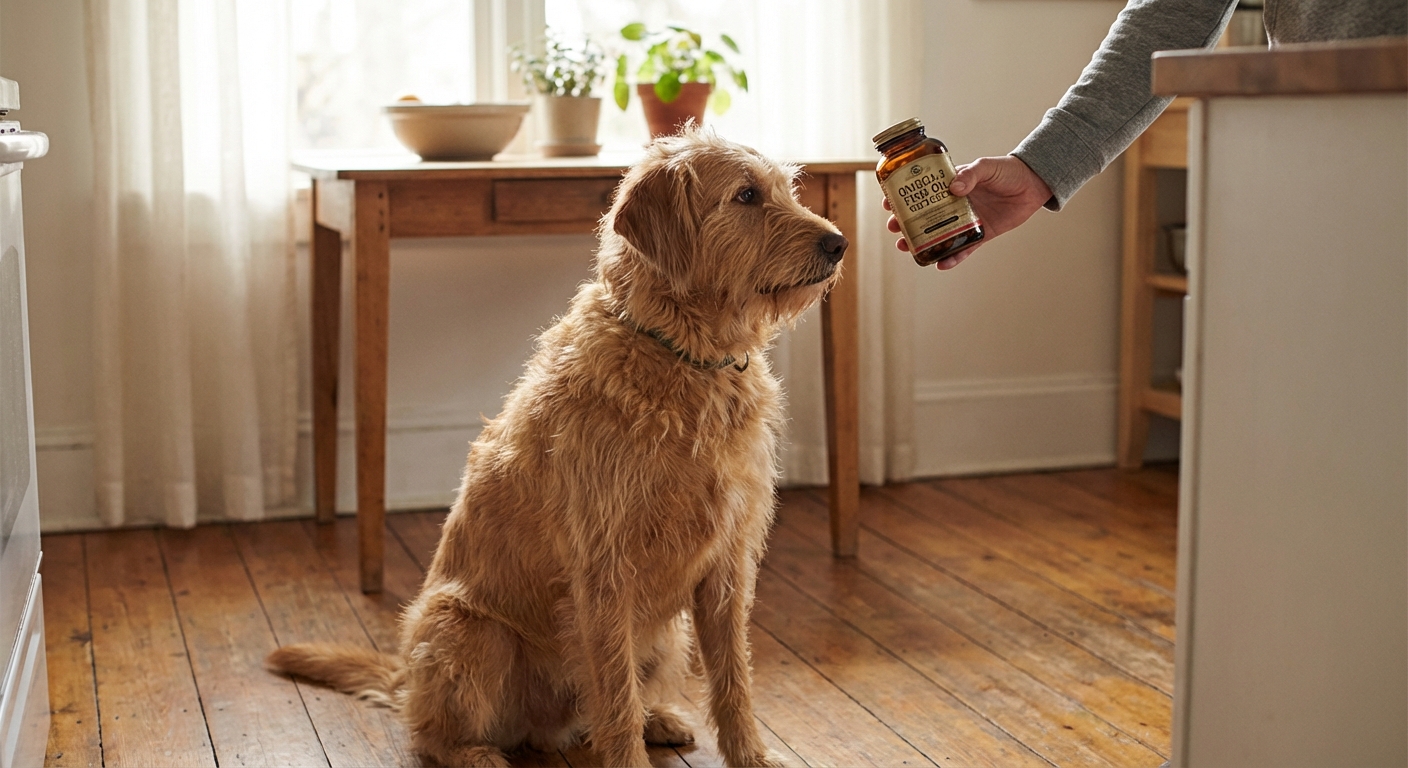
- Joint support supplements: Evidence is mixed for many popular supplements. Ask your vet what they trust most for your dog. Omega-3 fatty acids (fish oil) are one option with better support for joint inflammation, while other products may help some dogs but are more variable.
- Activity changes: Reduce repetitive high-impact jumping and fast stop-and-turn play if it triggers limping.
2) Surgical correction
Surgery is often recommended for dogs with frequent luxation, significant lameness, higher grades, deformity, or progressing arthritis. Surgical techniques vary by the dog and can include deepening the groove, repositioning the tendon attachment, and addressing bone alignment.
Many dogs have very good outcomes, especially when surgery is performed before severe arthritis develops, but results can depend on grade, bone alignment, surgeon technique, rehab participation, and any concurrent knee issues.
What recovery often looks like
Every surgeon has their own protocol, but here is a realistic, high-level picture owners often appreciate.
- Activity restriction: Often several weeks of strict control, usually leash walks only and no jumping.
- Rechecks: Expect scheduled recheck visits to monitor healing and adjust the plan.
- Rehab matters: Physical therapy can make a big difference in comfort, muscle recovery, and return to function.
- Timeline: Many dogs improve quickly, but full return to normal strength can take time. Ask your surgeon what “back to normal” typically means for your dog.
Possible complications to know about
Most families do not want scary details, but they do want honesty. Complications are not guaranteed, but they can happen.
- Recurrence: The kneecap can luxate again, especially if underlying alignment is severe.
- Arthritis progression: Surgery can improve tracking and comfort, but arthritis can still develop over time.
- Implant or incision issues: Some procedures use pins or other implants. Infection, irritation, or implant problems are uncommon but possible.
If your dog is skipping occasionally but is otherwise thriving, it is still worth discussing long-term joint health with your vet. “Wait and see” is not wrong, but “watch closely with a plan” is even better.
Home care that helps
Make your home knee-friendly
- Use traction: Place runners or non-slip rugs on slick floors.
- Add ramps or steps: Help your dog get on and off furniture safely, especially for small dogs that love couches and beds.
- Trim nails and paw fur: Better footing reduces slips and sudden twists.
- Support in the car: Use a step or ramp to reduce jump impact.
Exercise: steady, not extreme
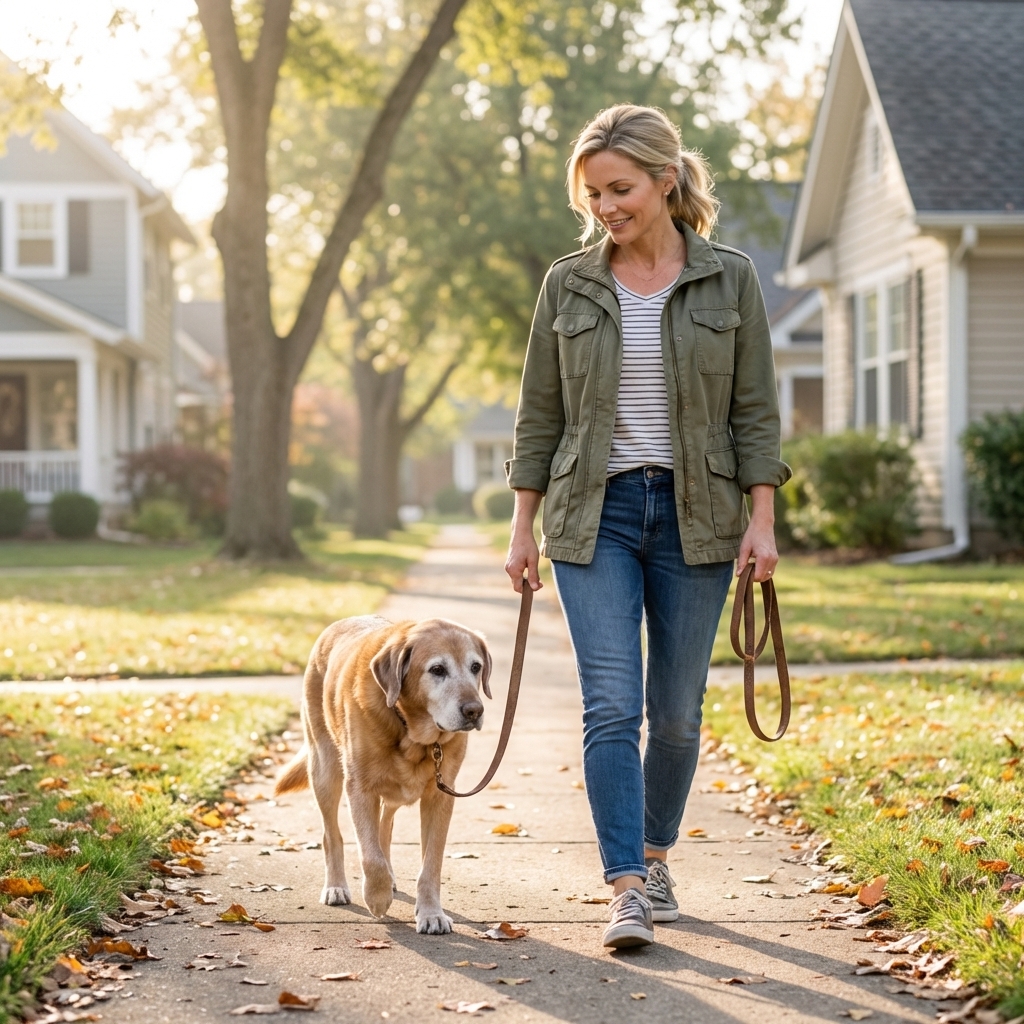
Think “little and often.” Controlled leash walks, gentle inclines, and slow strengthening usually beat weekend warrior play. If your dog limps more than 24 hours after an activity, that activity was likely too much.
Warm-up and cool-down
A few minutes of easy walking before play and a calm walk afterward can reduce the sudden strain that sometimes triggers a luxation episode.
Nutrition and body weight
Joint problems and extra weight are a tough combination. The kneecap and the cartilage in the knee simply do not get a break if a dog is carrying extra pounds.
Practical steps
- Ask for an ideal weight target and a body condition score at your next visit.
- Measure meals: Use a measuring cup or kitchen scale.
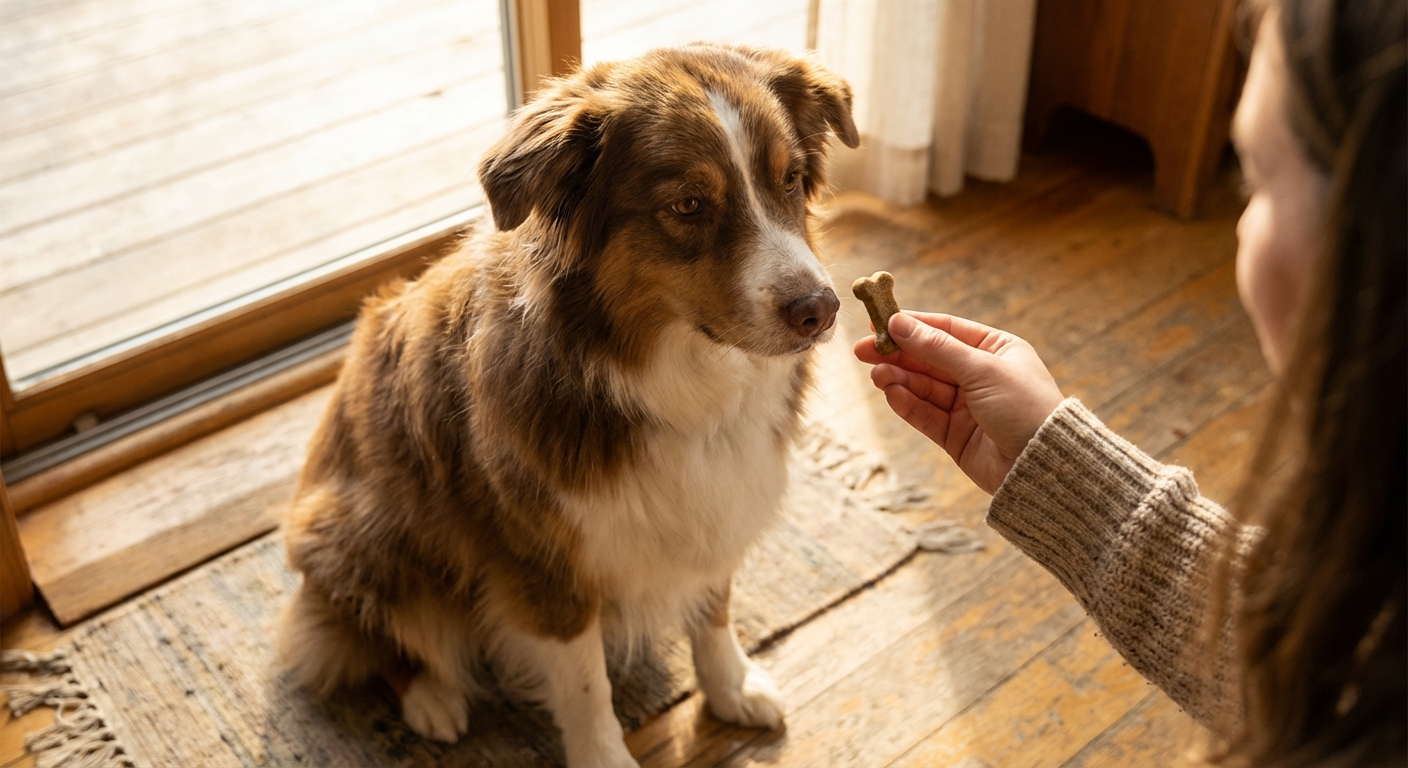
- Choose treats wisely: Use small, high-value treats and consider using part of your dog’s daily food as training treats.
- Add moisture and whole foods thoughtfully: Many families do well with a veterinarian-guided plan that includes balanced fresh food components. The key is nutritional completeness, especially for growing puppies.
If you are interested in fresh or homemade feeding, I always recommend doing it in a balanced way and looping in your veterinary team. A great diet can support muscle, weight, and inflammation, but it should never be guesswork for a dog with orthopedic needs.
Puppies and growing dogs
Patellar luxation is often discovered young. In puppies, we pay close attention to growth, muscle development, and how quickly the condition is progressing.
- Avoid repetitive high-impact activity: Normal puppy play is healthy. The concern is repeated jumping off furniture, forced running, long stair sessions, and high-impact fetch marathons on developing joints.
- Prevent slippery falls: This is a big one for tiny puppies on tile floors.
- Ask about timing: If surgery is recommended, your vet or specialist will discuss the best window based on growth and severity.
When it is urgent
Patellar luxation is often non-emergent, but some situations should be treated urgently.
- Sudden, severe pain or crying out
- Non-weight-bearing lameness that does not improve quickly
- Swelling around the knee
- Toe-touching only for more than a day
- Signs of illness plus lameness (fever, lethargy, loss of appetite)
If you are unsure, call your veterinary clinic. It is always okay to ask, “Is this something you want to see today?”
Long-term outlook
Many dogs with mild luxation live full, active lives with conservative care and smart routines. Dogs that need surgery often regain excellent function, especially with good rehab and weight management.
The biggest long-term risk is usually arthritis from abnormal wear in the joint. That is why early support, even in mild cases, can make a real difference over your dog’s lifetime.
If both knees are affected, one side may seem worse at any given time. That can change over months or years, so it helps to keep an eye on overall mobility and muscle condition, not just the “bad leg.”
Quick checklist
- Record a short video of the skipping episode.
- Schedule an exam if you have not already.
- Add a non-slip runner to your dog’s most-used path at home.
- Measure meals for a week and check your dog’s body condition.
- Swap high-impact jumping for controlled leash walks and gentle strengthening.
Your dog does not need perfection. They need consistency, comfort, and a plan that fits their body and your real life.