Stop fleas for good with a proven whole-house approach: treat every pet, vacuum daily, heat-wash fabrics, use IGR sprays safely, and tackle the yard to break...
Article
•
Designer Mixes
Fleas in Bed Advice You Need

Shari Shidate
Designer Mixes contributor
Finding fleas in your bed can feel upsetting quickly. The good news is you can fix this with a clear plan that treats the pet, the home, and your routine all at once. As a veterinary assistant in Frisco, Texas, I have seen this many times. Fleas are persistent, but they are not unbeatable.
Quick note: This guidance is general education and not a substitute for care from your veterinarian or medical provider.

First, confirm it is really fleas
Before you deep-clean everything, do a quick reality check. Fleas are tiny, fast, and usually reddish-brown to dark brown. Bed bugs are flatter and more oval, and their signs are different.
Common signs of fleas in bed
- Itchy bites often on ankles and lower legs. They can happen elsewhere too, especially if fleas are in bedding or clothing.
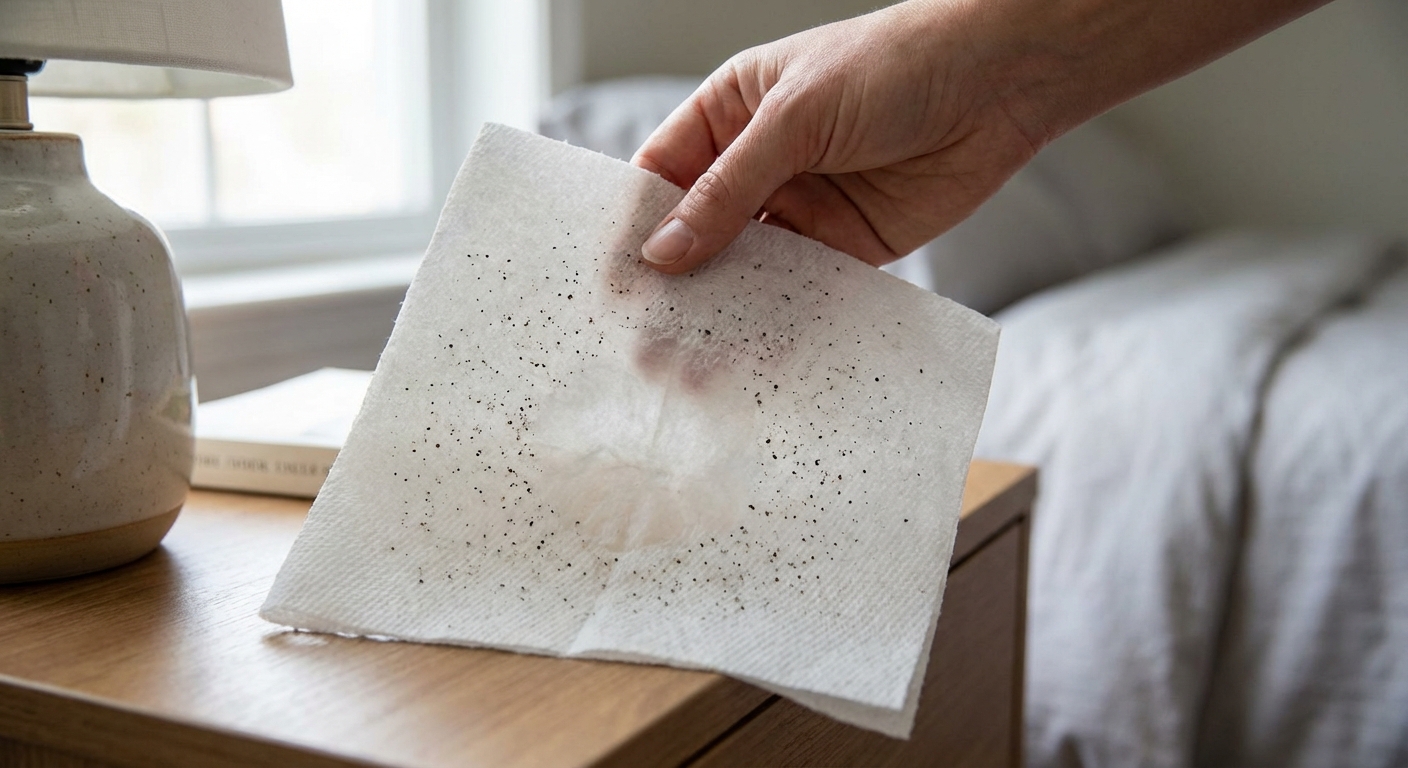
- “Flea dirt” that looks like black pepper specks on sheets or where your pet sleeps.
- Your pet is scratching, chewing at the base of the tail, or has scabs, thinning hair, or irritated skin.
Simple test for flea dirt
Place the black specks on a damp white paper towel. If they smear reddish-brown, that is digested blood and strongly suggests fleas.
Why fleas end up in your bed
Adult fleas feed on pets, then lay eggs that drop off into bedding, carpets, rugs, and sofa cushions. Those eggs hatch into larvae and later become pupae. The pupal stage is the tough one because it can wait and then emerge when it senses warmth, vibration, and carbon dioxide. That is one reason fleas can seem to come back “out of nowhere.”
So if fleas are in the bed, it usually means your pet brought them in, and the home environment has started supporting the flea life cycle. Even indoor-only pets and cats-only homes can deal with fleas because they can hitch a ride inside on people, visiting animals, or wildlife pressure near the home.
Now for the part that helps most: a simple plan you can start today.
Do this today: a fast, practical action plan
1) Treat every pet in the home
This is the step that makes or breaks success. If you clean the bed but skip effective pet treatment, fleas will keep returning.
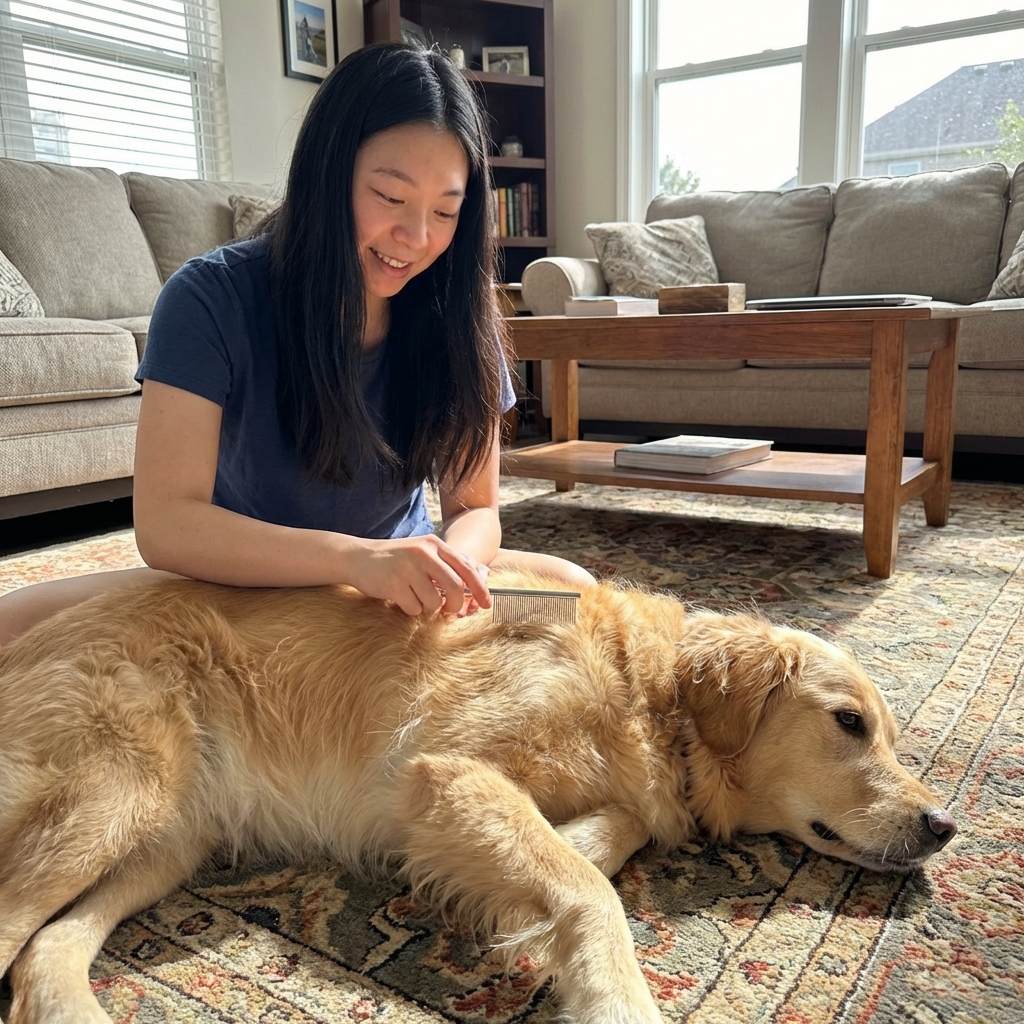
- Use a veterinarian-recommended flea preventive with proven adult-killing action. These come in different formats like oral chewables, topical liquids, and some collars.
- Treat all pets that have fur, even if only one seems itchy.
- Buy from reputable sources (your veterinary clinic or a trusted pharmacy). Counterfeit preventives sold online can fail or be unsafe.
- Do not split dog products for cats and never apply permethrin-containing dog products to cats. It can be dangerous.
- If your pet is very young, pregnant, nursing, elderly, or has health issues, call your veterinarian for the safest choice.
If you are unsure which preventive you are using, bring the box to your vet clinic. We would much rather help you pick a product than see you stuck in a flea cycle for months.
2) Wash and heat-dry anything that touches skin
- Strip the bed: sheets, pillowcases, blankets, comforter cover.
- Wash in hot water if the fabric allows.
- Dry on the hottest setting the fabric allows. Aim for at least 30 minutes of high heat (longer for bulky loads). Heat is what helps most.
- Wash pet bedding, throw blankets, and any washable soft items your pet lounges on.
How often: During an active infestation, wash bedding and pet bedding weekly, or more often if your pet is sleeping in the bed daily.
3) Vacuum like you mean it
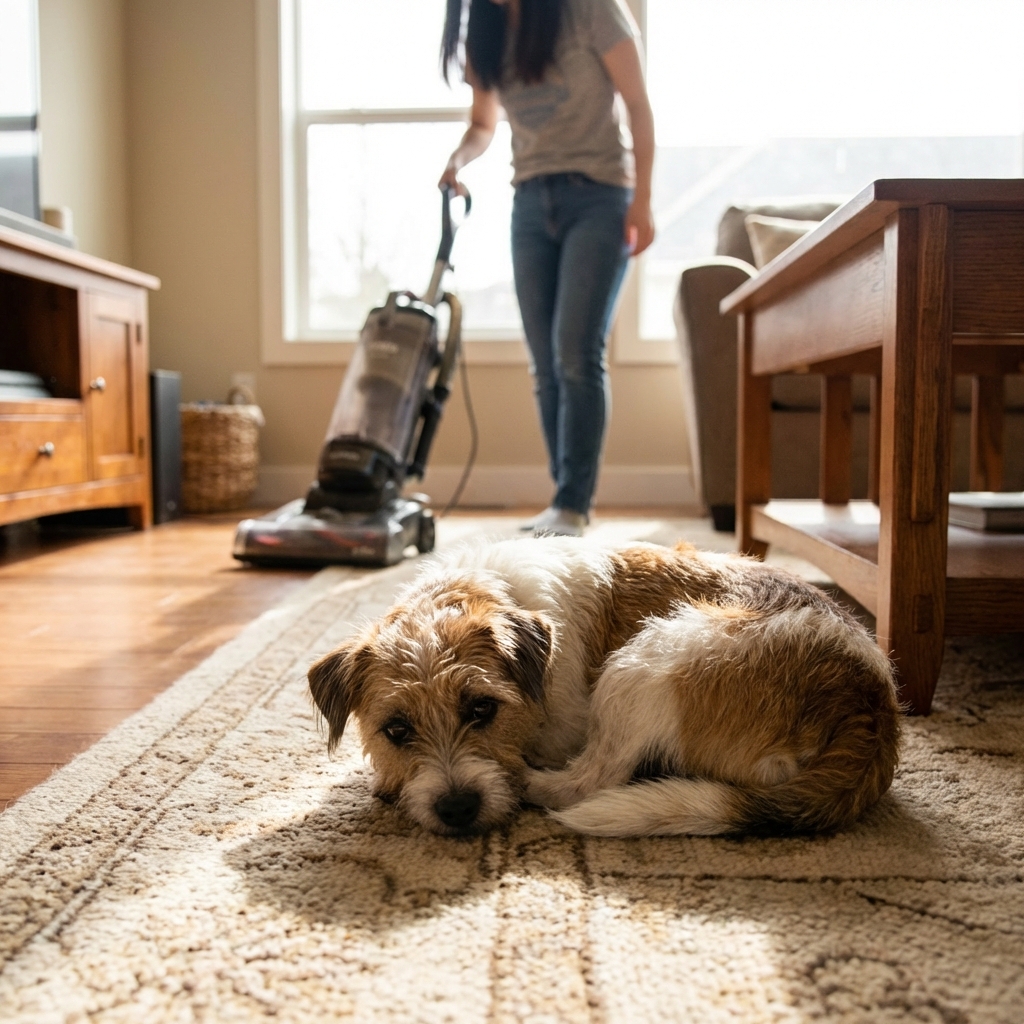
Vacuuming removes eggs and can help encourage hidden pupae to emerge (vibration is one of their cues), which then makes them easier to eliminate over time.
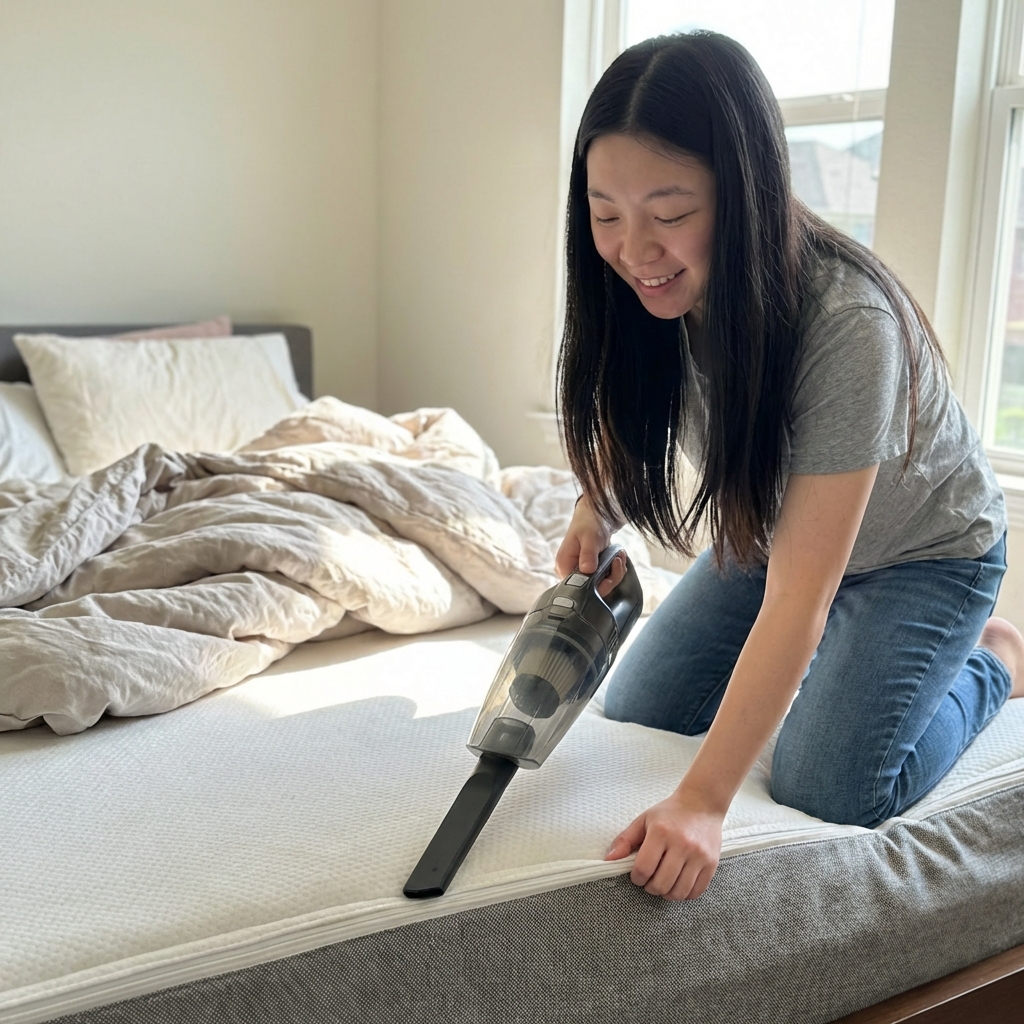
- Vacuum the mattress seams, bed frame crevices, and under the bed.
- Vacuum carpets, rugs, baseboards, and upholstered furniture.
- Empty the vacuum canister outside or seal the bag in a trash bag right away.
How often: Vacuum daily for 7 to 14 days in the bedroom and pet hangout zones, then 2 to 3 times per week until you go a full week without seeing fleas.
How to treat the mattress and bedroom safely
Mattress steps
- Vacuum seams and edges slowly and thoroughly.
- If you have a steamer, you can lightly steam the seams (follow your steamer and mattress instructions). Fleas do not tolerate heat well, but do not soak the mattress.
- Important: Too much moisture can contribute to mold and can affect some mattress warranties. Keep steam focused on seams only, ventilate the room, and let the mattress dry completely before making the bed.
- Consider a zippered mattress encasement to reduce hiding spots and make future cleaning easier.
Should you use sprays or foggers?
Use caution. Many over-the-counter “bug bombs” do not reach where fleas hide, and they can leave pesticide in the air and on surfaces without solving the problem. Some aerosols can even push pests deeper into cracks while missing the life stages in carpets and upholstery.
If you use any insecticide indoors, look for products labeled for fleas that include an IGR (insect growth regulator) to stop development, and follow the label exactly. Keep pets and people out for the full recommended time, and ventilate well before re-entry.
For heavy infestations, professional pest control can be worth it, especially if they use an IGR-focused approach and help you target carpets, baseboards, and under furniture.
Stop the bite cycle: protect yourself while you fix the problem
When fleas are active, you want relief and you want to avoid carrying fleas to other areas of the home.
- Sleep in clean, freshly dried bedding while you treat the room.
- Wear long pajamas and socks if bites are bothering you.
- Shower after handling heavily infested bedding and change into clean clothes.
- For itchy bites, an over-the-counter anti-itch cream may help. Seek medical advice if you have swelling, hives, spreading redness, drainage, fever, or signs of infection, or if bites are widespread and not improving.
Timeline: what to expect if you are doing it right
With effective pet prevention plus consistent home cleaning, many households see a big improvement in 1 to 2 weeks. But full control often takes 8 to 12 weeks because pupae can keep emerging.
What “normal” looks like during cleanup
- You may still see a few fleas after the first treatment week. That can be newly emerged fleas.
- It should trend down steadily if pets stay on a reliable preventive and you keep vacuuming.
- If you are seeing the same or worse flea activity after 2 to 3 weeks, reassess product choice, application timing, and whether all pets are covered.
Common mistakes that keep fleas in your bed
- Treating the house but not the pet, or treating only one pet.
- Stopping prevention too early once things look better.
- Skipping the dryer. Heat matters.
- Not vacuuming under beds and furniture where flea stages collect.
- Relying on essential oils as a primary treatment. Some are unsafe for pets, especially cats, and they rarely break the life cycle.
When to call your veterinarian
Get veterinary help sooner rather than later if:
- Your pet has hair loss, scabs, or severe itching.
- You see pale gums, weakness, or lethargy (in young pets, fleas can contribute to anemia).
- Your pet has tapeworm segments in stool or around the rear (fleas can transmit tapeworms).
- You have tried multiple products and fleas persist.
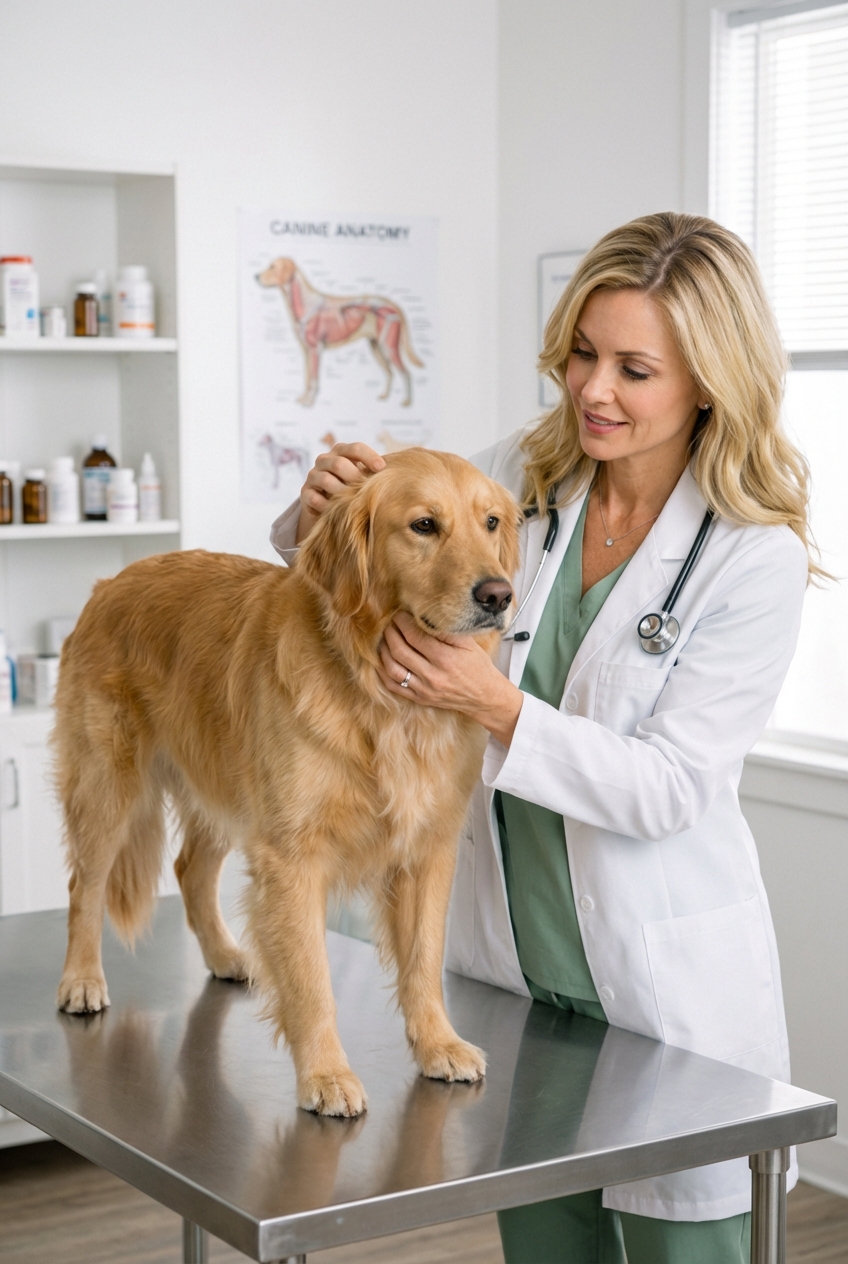
It is also smart to ask about flea allergy dermatitis. Some pets react intensely to just a few bites, and they need a plan that includes itch control and skin support.
Prevention that actually keeps fleas out of your bed
Once you are through the worst of it, the goal is simple: keep fleas from feeding and reproducing.
- Year-round flea prevention for pets is the most reliable strategy in many U.S. regions, including Texas.
- Wash pet bedding weekly during warm months or if you have wildlife pressure in your yard.
- Vacuum high-pet-traffic areas routinely.
- If you have a yard problem, talk to your veterinarian or a reputable pest professional about safe control options that do not put pets at risk. Wildlife like stray cats, raccoons, and opossums can keep reseeding fleas outdoors.
Warm reminder: you do not have to do everything perfectly in one day. Start with treating all pets and washing plus drying bedding on high heat. Those two steps alone can change the whole trajectory.