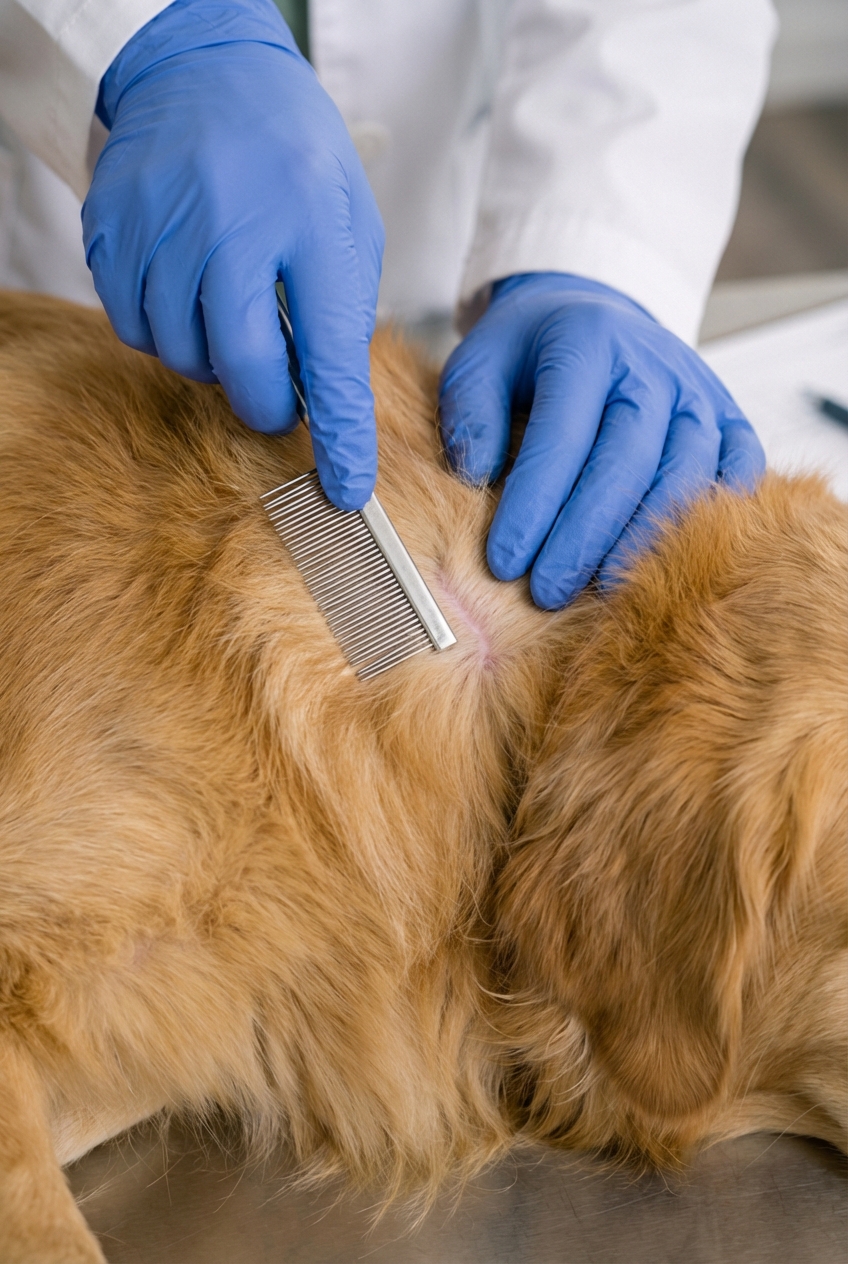
Fleas don’t just live on pets. Learn the egg, larva, pupa, and adult stages, why infestations seem to return, and vet-backed steps to break the cycle for g...
Article
•
Designer Mixes
Flea Life Cycle: How Long It Lasts and How to Break It

Shari Shidate
Designer Mixes contributor
If you have a dog or cat, you have probably asked this at some point: How long does the life cycle of a flea last? The honest answer is, it depends. Fleas can complete their life cycle in as little as 2 to 3 weeks in warm, humid conditions with a host available, or stretch it out for several months when conditions are cooler or when pupae stay protected and waiting. Timing varies a lot based on temperature, humidity, and how consistently pets are treated.
As a veterinary assistant, I can tell you the most important takeaway is this: fleas are not just on your pet. Most of the problem is in the environment, and the flea life cycle explains exactly why infestations can feel like they “never end.”
Educational note: This article is for general information and is not a substitute for veterinary care. If your pet is very itchy, has skin sores, or you are stuck in a repeat flea problem, your veterinarian can help you choose the safest, most effective plan for your home.
Quick answer: flea life cycle length
Most fleas your pet deals with are the cat flea (Ctenocephalides felis), even on dogs. Their full life cycle includes four stages:
- Egg
- Larva
- Pupa
- Adult
Typical timing (ranges vary by conditions):
- Fast cycle: about 2 to 3 weeks (warmth, humidity, hosts available)
- In many homes: about 3 to 8 weeks (mixed temperatures, inconsistent host contact)
- Stubborn infestations: up to 3 to 6 months because pupae can “pause” before emerging
This is why a one-time bath or a single spray can feel helpful for a moment, but it does not solve the root problem.
Stage-by-stage: what is happening
1) Flea eggs: about 2 to 12 days
Adult fleas lay eggs after feeding, often within 24 to 48 hours. Those eggs do not stick well to fur. They fall off into the places your pet spends time: carpets, bedding, couch cushions, baseboards, and cracks in flooring.
What to know: If you see fleas on your pet, eggs are already in your environment.
2) Flea larvae: about 5 to 20 days
Larvae hatch from eggs and hide from light. They burrow into carpet fibers, under furniture, and into dusty corners. Larvae feed on organic debris, including “flea dirt” (adult flea feces) that falls off the pet.
What to know: Larvae are a big reason vacuuming matters. You are physically removing food sources and immature stages.
3) Flea pupae: about 5 days to several months
This is the stage that makes fleas feel impossible. The pupa spins a cocoon that is highly protective. The cocoon tends to pick up dust and debris from the environment, which helps it blend in and makes it difficult to remove. Pupae can also delay emerging until conditions are right, such as warmth, vibration, and carbon dioxide that signal a host is nearby.
What to know: You can treat well and still see new adult fleas appear later because pupae were waiting.
4) Adult fleas: weeks to months (on a host)
Once adults find a host, they feed quickly and can start laying eggs soon after. Adult fleas typically do not live long without a host, but indoors with pets available, they can keep the cycle going continuously.

Why fleas come back after treatment
Here are the top reasons families in my area around Frisco, Texas struggle with repeat flea problems:
- Only the pet gets treated, but the home and yard are still full of eggs, larvae, and pupae.
- Inconsistent dosing, such as skipping a month or applying late. Fleas only need one gap.
- Wrong product for the job. Some products repel, some kill adults, some interrupt development, and the best plan often needs more than one approach.
- Multiple animals in the home, but only one gets prevention.
- Wildlife visitors like stray cats, raccoons, or opossums dropping fleas in the yard.
Also, flea populations can surge seasonally. Warmth and humidity speed everything up, so life cycles shorten and reinfestation happens faster.
One important reassurance: it is common to see fleas for a couple of weeks after you start treatment. Often, those are newly emerged adults from pupae that were already in your home before you began.
How to break the flea cycle
The goal is simple: stop adults from laying eggs and stop immature fleas from becoming adults. Here is an evidence-based, practical plan you can follow at home.
Step 1: Treat every pet the same day
Use a veterinarian-recommended flea preventive appropriate for your pet’s species, age, and weight. This matters because some dog flea products are toxic to cats.
- Mark your calendar so doses are not late.
- If you have cats, treat all cats, even indoor-only cats.
- Ask your clinic what they recommend based on your area and your pet’s health history.
- If you have other pets (like ferrets or rabbits), do not use dog or cat products unless your veterinarian specifically approves it.
Helpful context: Many modern prescription preventives kill adult fleas quickly, which helps stop egg-laying and speeds up how fast the home population fades. Your veterinarian can help you choose the best option without guessing.
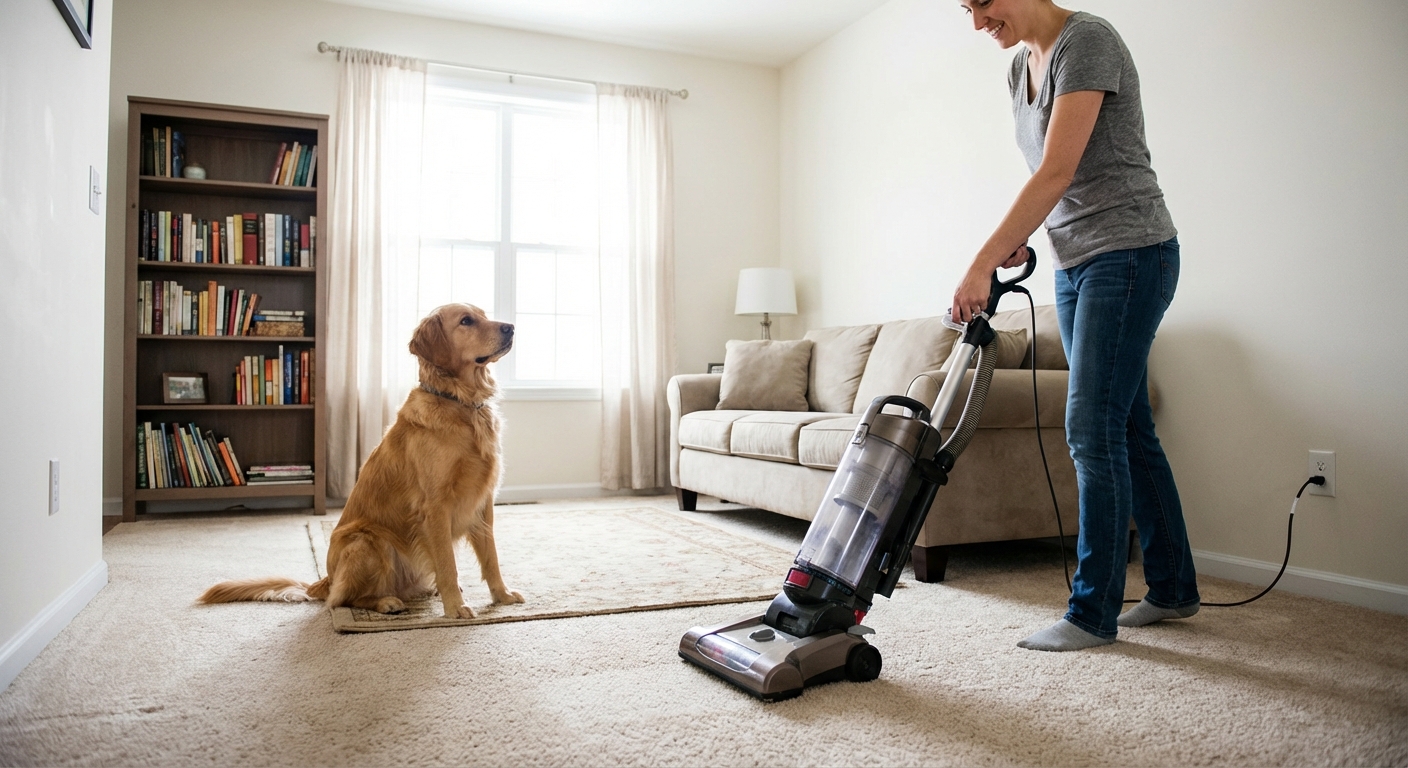
Step 2: Vacuum thoroughly (especially the first 2 weeks)
Vacuuming helps remove eggs and larvae and may stimulate pupae to emerge, which sounds scary but is actually useful if your pets are on a product that kills emerging adults.
- Vacuum carpets, rugs, baseboards, and under furniture.
- Empty the canister outside or seal the bag in a trash bag immediately.
- Do it daily for 7 to 14 days if you can, then several times a week.
Step 3: Wash soft items weekly
Wash pet bedding, throw blankets, and any fabric your pet sleeps on using hot water when possible. Dry on high heat if the fabric allows.
Step 4: Use environmental treatment when needed
If fleas are heavy, talk to your veterinarian or a reputable pest professional about targeted home treatment. Look for products that include an insect growth regulator (IGR) to stop development. Adult-killers alone often are not enough.
A quick caution: be careful with do-it-yourself foggers or “bombs.” In many homes, they do not reach the hidden areas where immature fleas live, and they can increase exposure risks for pets and people. Targeted treatment with an IGR and a clear safety plan is usually a better discussion to have with your vet or pest pro.
Step 5: Do not forget the yard
Fleas prefer shaded, humid areas. Focus on the places your pet lounges outside.
- Rake up leaf litter and debris.
- Keep grass trimmed.
- Limit wildlife access when possible.
- Ask a professional before applying yard chemicals, especially if you have children, pollinators, or a sensitive pet.
Most households need 8 to 12 weeks of consistent prevention and cleaning to truly see the infestation fade, because you are outlasting the longest stages of the life cycle. In severe cases, it can take longer.
How to tell where you are in the cycle
You see fleas on your pet
This usually means adults are active and eggs are being laid in the environment.
You do not see fleas, but your pet is still itchy
Some pets have flea allergy dermatitis, which means even a few bites can cause days of itching. Also, pets can itch from skin infection, dry skin, mites, or allergies, so ongoing itch deserves a vet check.
You see flea dirt but no live fleas
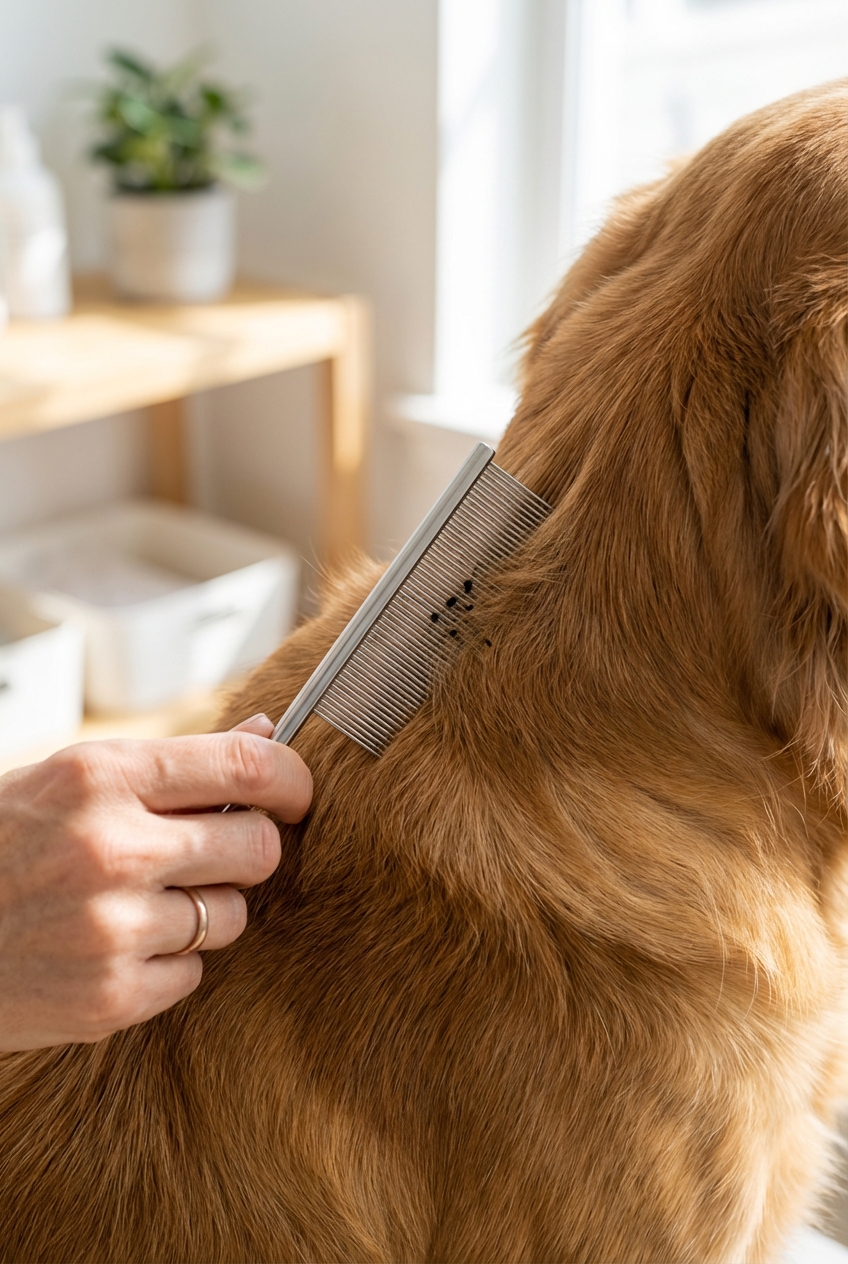
Flea dirt looks like black pepper flakes. If you place it on a damp white paper towel, it may turn reddish-brown as it dissolves. This suggests fleas have been feeding.
You treated and now you are seeing fleas again
This often happens when pupae emerge. It does not always mean the prevention failed. It can mean the plan needs time, plus environmental support.
FAQ
Can fleas live on humans?
Fleas can bite humans, but they prefer furry hosts and usually do not live on people long-term. They may bite you repeatedly if there is an infestation in the environment, but they generally cannot sustain a population on humans alone.
How long can flea pupae survive?
Commonly weeks, but sometimes months, especially in protected indoor areas. This is why consistent prevention over time is the real “secret.”
Will bathing my dog kill fleas?
A bath can remove some adult fleas, but it does not reliably address eggs, larvae, and pupae in the home. Think of bathing as short-term relief, not the full solution.
When should I call my vet?
Call if your pet is very itchy, has scabs, hair loss, redness, or hot spots, or if you are seeing fleas despite using preventives exactly as directed. Your vet can help rule out other causes and choose the most effective product for your region.
Bottom line
The flea life cycle can be quick, but it can also be surprisingly long because pupae can wait. If you remember one thing, let it be this: treat the pet and the environment consistently for long enough to outlast the cycle.
With the right prevention, regular vacuuming, and a little patience, you can absolutely get your home back to comfortable and flea-free.