Stop fleas fast with vet-informed home steps: confirm fleas, flea comb daily, bathe safely, wash bedding, vacuum to break the life cycle, plus yard help, ris...
Article
•
Designer Mixes
Flea Life Cycle and Behavior

Shari Shidate
Designer Mixes contributor
As a veterinary assistant here in Frisco, Texas, I can tell you one thing with confidence: fleas are not just a “summer itch” problem. With our warm seasons and relatively mild winters, we can see flea pressure much of the year. Fleas are tiny survival experts that can turn into a full-home issue fast. The good news is that once you understand the flea life cycle and behavior, your prevention plan gets a whole lot more effective.
Why fleas keep coming back
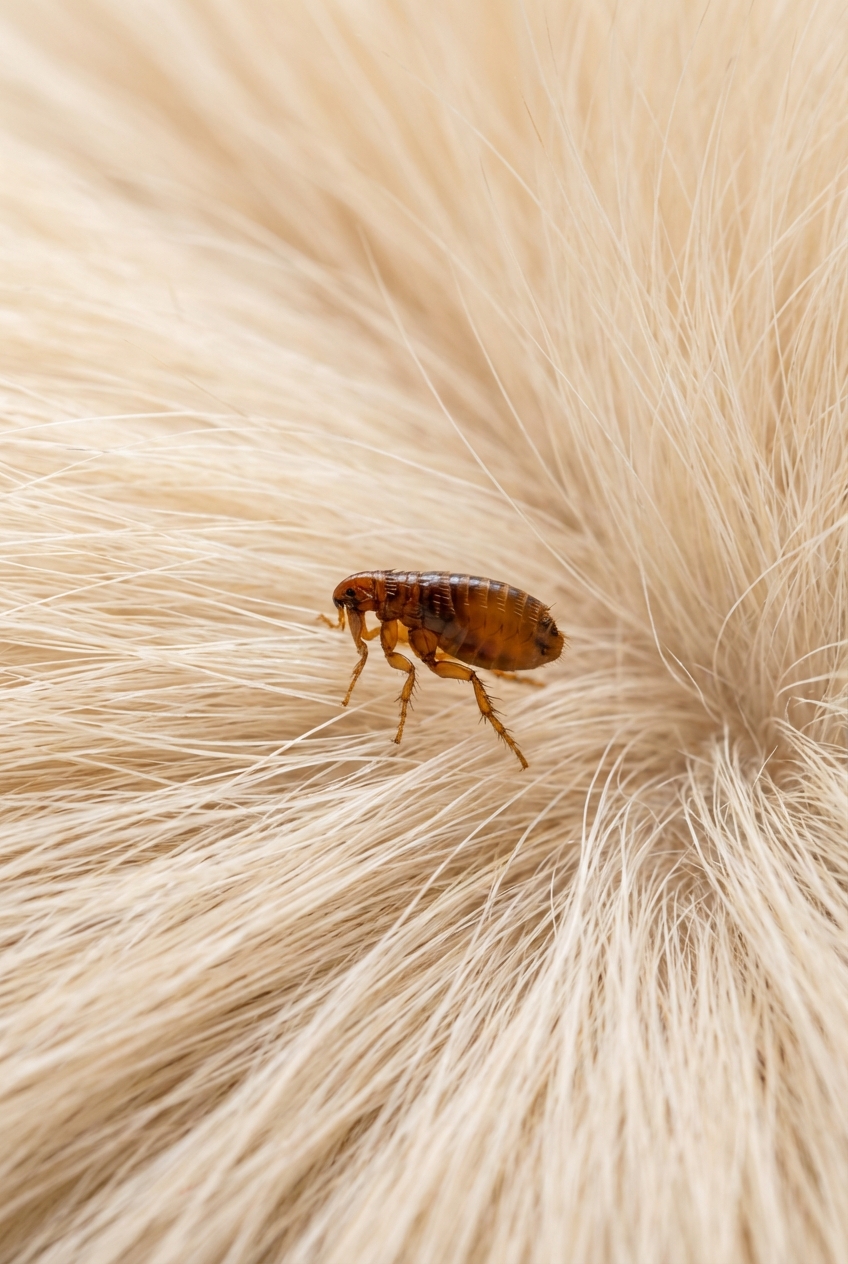
Most people focus on the fleas they can see. But that is only a small slice of the problem. Adult fleas (the ones you spot crawling or the ones your pet bites at) are often around 5% of the total flea population in an environment. The rest are hidden as eggs, larvae, and pupae in your home and yard. (The exact percentages vary a lot by home, weather, and how established the infestation is.)
This is why you can bathe your dog, remove a bunch of fleas, and still feel like nothing changed a week later. The “next wave” was already waiting in the carpet, couch cushions, pet bedding, or shady spots outside.
The flea life cycle
Fleas go through four stages: egg, larva, pupa, and adult. Depending on temperature and humidity, the whole cycle can be completed in as little as 2 to 3 weeks under ideal conditions. In cooler or drier conditions, it can stretch out for months, especially because of the pupal stage.
1) Eggs
After a flea feeds on a pet, it can start laying eggs quickly. Those eggs do not “stick” to fur well. They fall off into the environment, which is why your home matters just as much as your pet.
- Where they fall: pet bedding, rugs, cracks in flooring, sofas, car seats
- Why it matters: eggs can hatch into larvae within days under ideal conditions
2) Larvae
Larvae avoid light and burrow into carpets, upholstery, and debris. They feed on organic material, including “flea dirt” (adult flea feces that is basically digested blood).
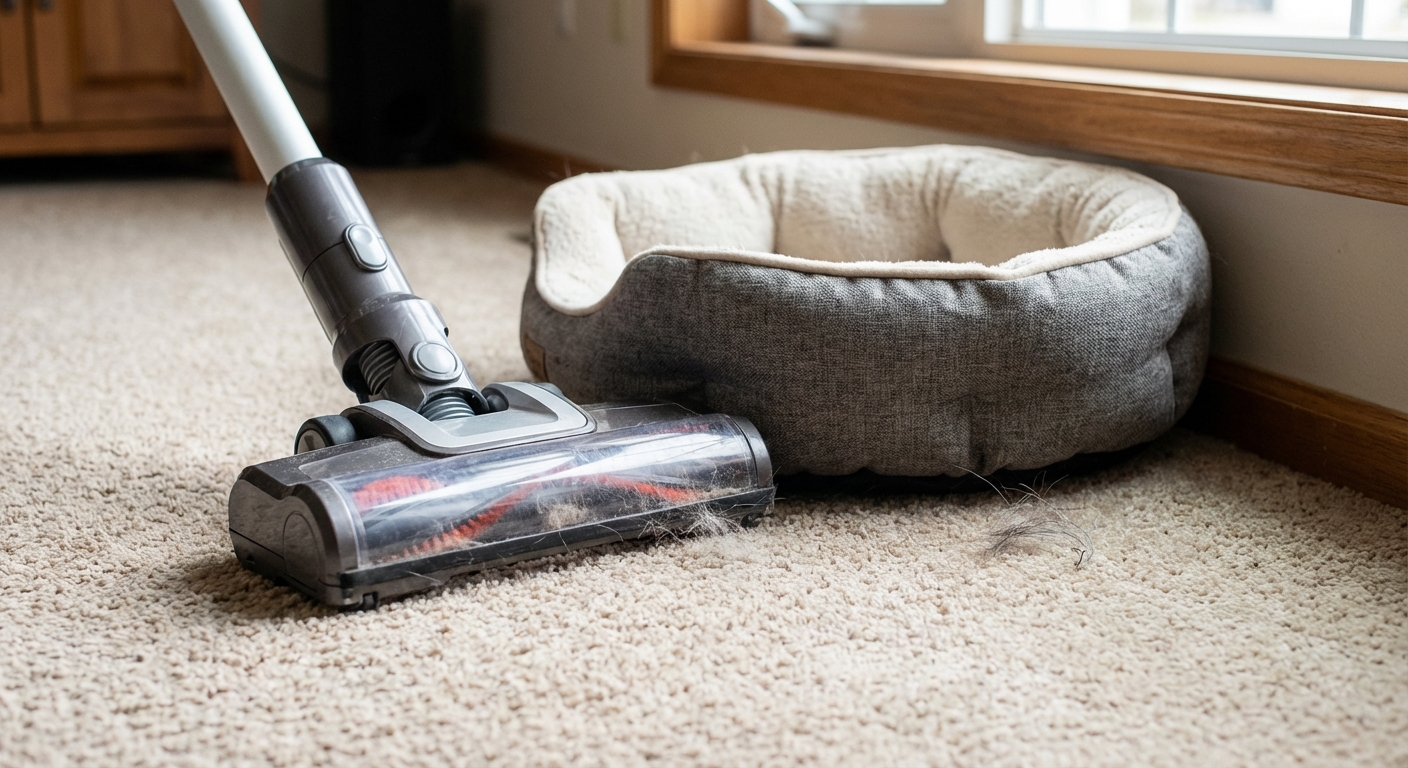
- Behavior: larvae hide deep where sprays and baths do not reach
- Takeaway: vacuuming and washing bedding are powerful tools because they physically remove food and shelter
3) Pupae
This is the stage that makes fleas so frustrating. Pupae form a cocoon that helps protect them from drying out and from many environmental treatments. They can stay dormant and then emerge when they sense a host nearby.
- Common triggers: vibrations, heat, carbon dioxide (like when you walk into a room)
- Takeaway: you may see fleas “suddenly” appear after you return from vacation or even after a treatment, because pupae are emerging
4) Adults
Adult fleas are primarily seeking a blood meal. Newly emerged adults can be in the environment briefly while they look for a host, but once they find a dog or cat, they tend to stay on that animal and feed.
- Key fact: adult fleas spend most of their time on the animal once established
- Takeaway: consistent pet protection is the foundation of control
How fleas find your pet
Fleas are attracted to:
- Heat from a warm body
- Carbon dioxide from breathing
- Movement and vibration from footsteps and pet activity
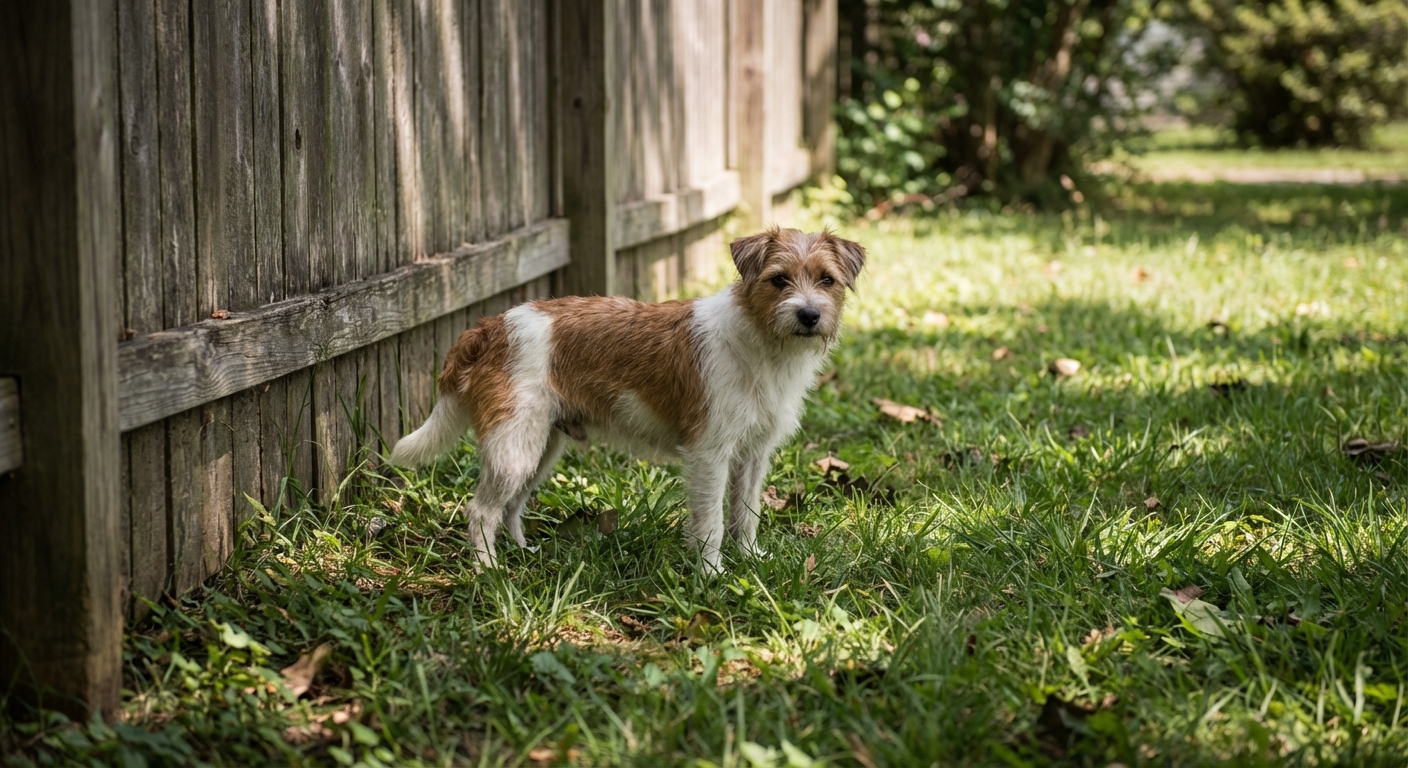
- Shady, protected areas outdoors where humidity stays higher
They are also opportunists. If a neighborhood cat visits your yard, wildlife passes through, or your dog spends time where animals rest, fleas can get introduced even if your pet rarely leaves the house.
Signs of fleas
Scratching is common, but it is not the only clue. Watch for:
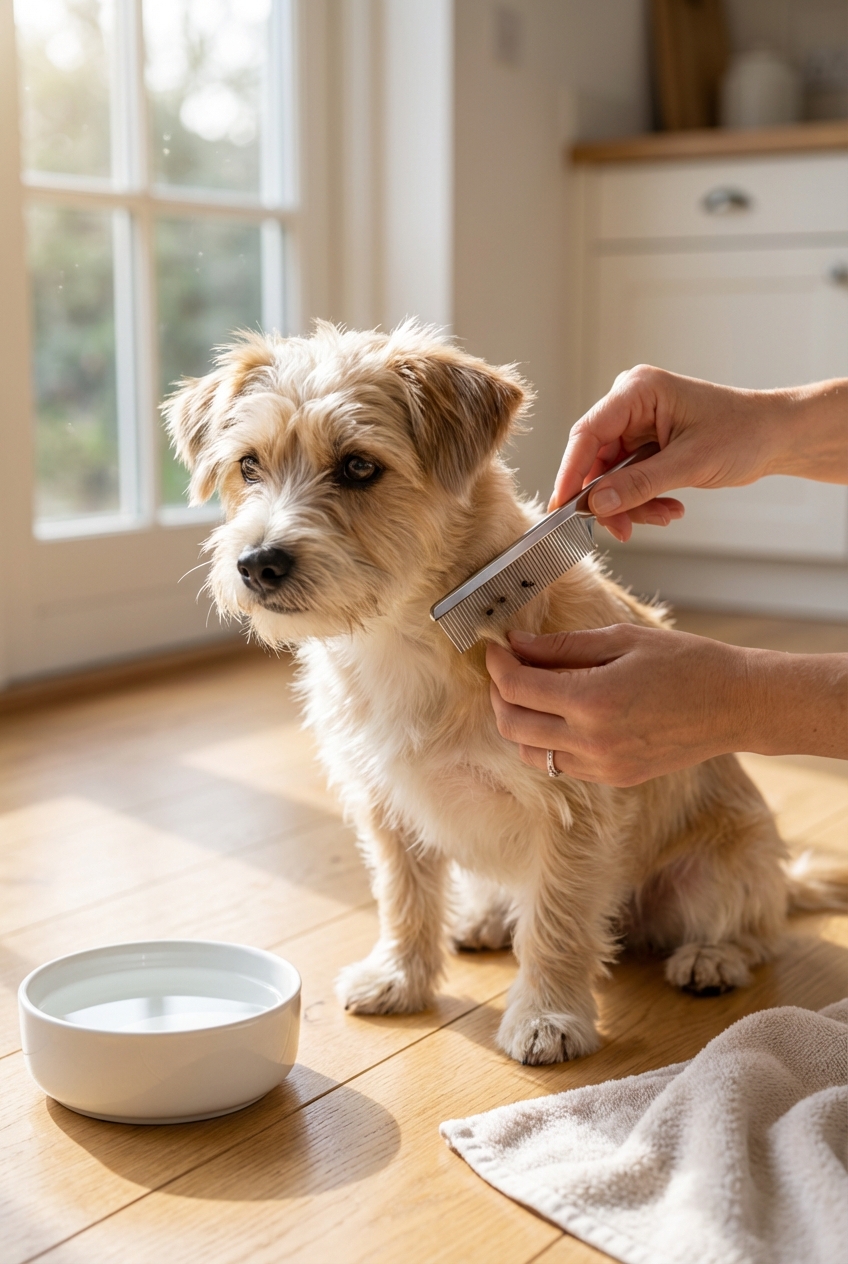
- Flea dirt that looks like black pepper on the skin or in the coat
- Hair loss along the back, tail base, belly, or inner thighs
- Red, irritated skin or scabs
- Restlessness or sudden “biting at the skin” behavior
- Pale gums or low energy in severe infestations, especially in puppies, kittens, and small or toy-breed pets
If you suspect flea dirt, place a few specks on a damp white paper towel. If it turns reddish-brown, that is digested blood.
Why some pets react more
Some dogs and cats develop flea allergy dermatitis, which is an allergic reaction to proteins in flea saliva. These pets may itch intensely from just one or two bites. Others can carry fleas with surprisingly mild symptoms.
If your pet seems far itchier than the number of fleas you see, allergies are a big reason why. Your veterinarian can help confirm the pattern and recommend the right itch relief and infection prevention if the skin barrier has been damaged.
More than itching
One more reason we take flea control seriously in clinic: fleas can also contribute to bigger health problems. Heavy infestations can cause anemia (especially in young or small pets), and pets can get tapeworms if they swallow an infected flea while grooming. If you are seeing tiny white “rice-like” segments in your pet’s stool or around the tail area, ask your veterinarian about tapeworm treatment and flea prevention together.
What works
Effective flea control is a three-part approach: treat the pet, clean the environment, and stay consistent.
1) Protect every pet
- Use veterinarian-recommended flea prevention consistently, and in many climates (including ours) plan on year-round protection.
- Treat all dogs and cats in the home, not just the itchy one.
- Choose products appropriate for the species. Many dog products are unsafe for cats. A common example is permethrin, which can be very dangerous for cats.
- In general, prescription preventives (including modern oral and topical options your vet recommends) tend to be more reliable than over-the-counter shampoos and sprays.
2) Clean the home
- Vacuum carpets, rugs, baseboards, and under furniture regularly. Dispose of vacuum contents promptly.
- Wash pet bedding weekly in hot water when possible, and dry on high heat.
- Pay attention to the car if your pet rides with you often.
3) Tackle outdoor hot spots
- Focus on shaded areas, under decks, dog runs, and places pets rest.
- Keep grass trimmed and remove yard debris where larvae can hide.
Bathing and sprays
Bathing can remove some adult fleas and give temporary relief, but it rarely solves an infestation by itself because it does not touch eggs, larvae, and pupae in the environment. Also, bathing too close to a topical product can affect how well it works for some pets. Follow the label directions and your veterinarian’s guidance on timing.
When you may need extra help
If your infestation is heavy, ask your veterinarian about integrated options such as home treatments that include an insect growth regulator (IGR), or whether professional pest control makes sense for your situation. The goal is to break the life cycle safely, not to throw random chemicals at the problem.
Flea control is rarely a one-and-done event. It is a steady routine that breaks the life cycle over time.
How long control takes
Even with good prevention, it can take several weeks to see a big improvement because pupae can keep emerging. If you are doing all the right things and still seeing fleas, it does not always mean the product failed. It often means the life cycle was already established in the home.
If you are not seeing progress after a month of consistent prevention and cleaning, loop in your veterinarian. We can help troubleshoot product choice, application timing, environmental factors, and whether skin infections or allergies are complicating the picture.
Call your vet now
- Your pet is very young, small, or seems weak.
- You notice pale gums, significant lethargy, or rapid breathing.
- There are open sores, oozing skin, or a strong odor (possible infection).
- Your cat is itchy and you used or may have used a dog flea product in the home, especially one containing permethrin.
Fleas are common, but complications can be serious. Getting help early is always the kinder, safer choice.