Stop fleas fast with a simple 3-part plan: use cat-safe medication, clean your home to break the life cycle, and prevent re-infestation for months. Avoid uns...
Article
•
Designer Mixes
Flea Allergy Dermatitis in Cats

Shari Shidate
Designer Mixes contributor
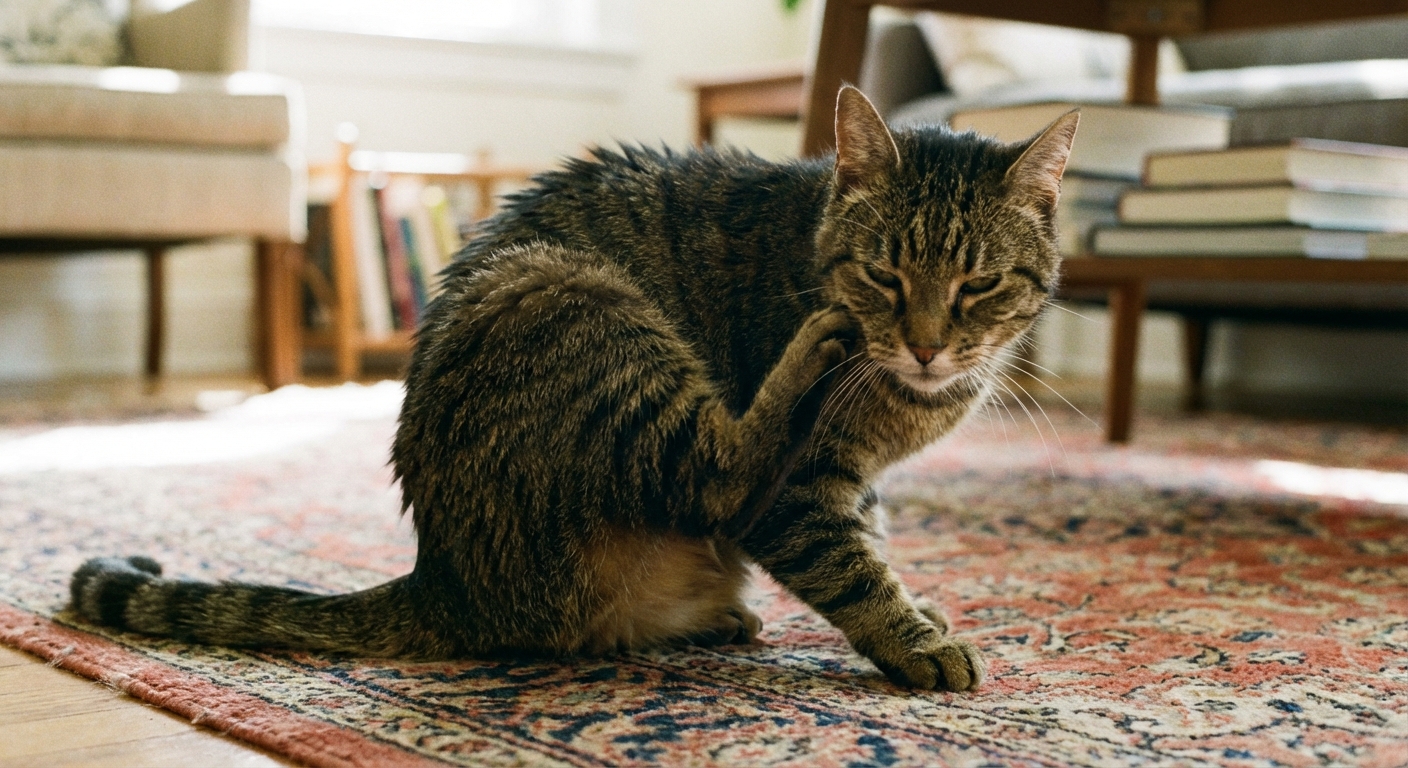
If your cat is suddenly scratching like crazy, over-grooming, or developing scabs along the back, fleas are often the first suspect. But for some cats, it is not just fleas. It is an allergic reaction to flea saliva called flea allergy dermatitis , or FAD. For some cats, even a single flea bite can trigger days of intense itching (and sometimes longer).
As a veterinary assistant, I have seen how miserable these kitties can be. The good news is that once you understand what is happening and treat both the cat and the environment, most cats get much more comfortable quickly.
What FAD is
Flea allergy dermatitis is a hypersensitivity (allergic) skin disease caused by proteins in flea saliva . When a flea bites, it injects a tiny amount of saliva. In an allergic cat, the immune system overreacts, triggering:
- Intense itching (often out of proportion to the number of fleas you see)
- Inflammation and redness
- Secondary skin infections from chewing and scratching
This is why a cat with FAD may look like they have no fleas, yet still be suffering. Cats are excellent groomers and can remove evidence quickly.
Common signs at home
FAD can look a little different from cat to cat, but there are patterns we commonly see.
Skin and coat changes
- Itching and over-grooming , sometimes to the point of bald spots
- Scabs and crusts, especially over the back and neck
- Miliary dermatitis, which feels like tiny bumps or grains under the fur
- Hair loss along the lower back, base of the tail, belly, or inner thighs
- Red, irritated skin or hot spots from self-trauma
Where it shows up
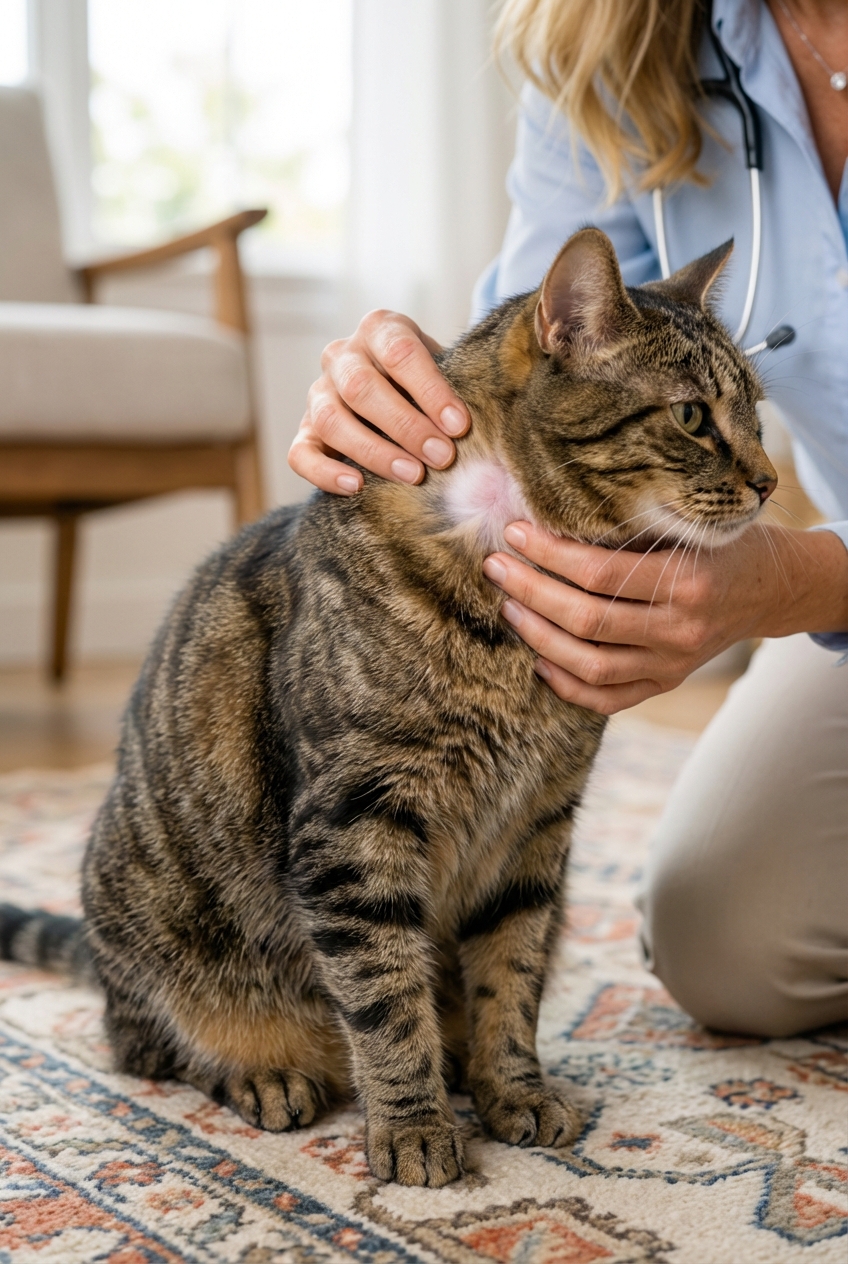
Classic FAD distribution is along the back half of the body, especially the lower back and base of the tail . Some cats also develop lesions on the belly, legs, or neck.
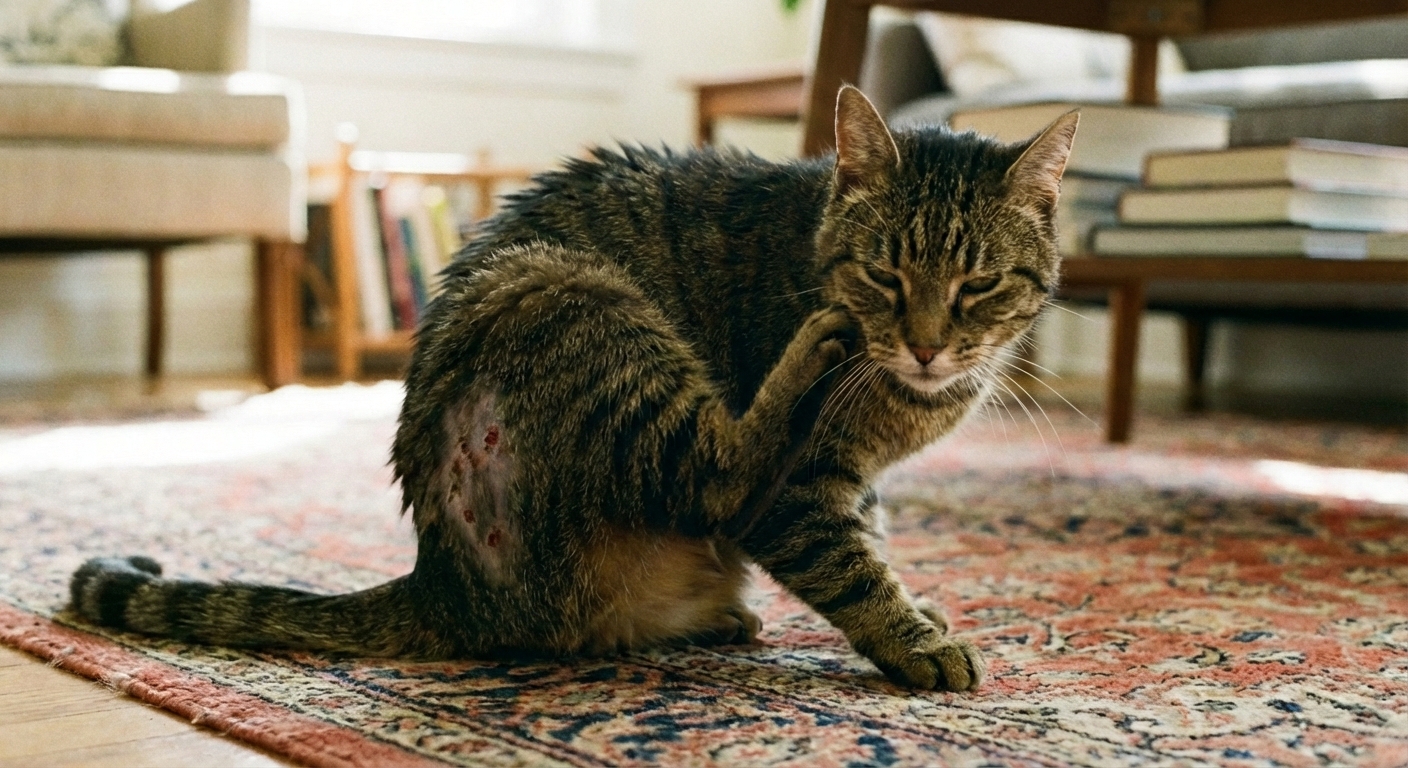
Tip: If your cat seems most itchy near the tail base, FAD jumps to the top of the list.
Why you may not see fleas
It is incredibly common for families to say, But I have never seen a flea. That can still be true with FAD.
- Cats groom fleas off and swallow them.
- Only a few bites can trigger a major flare in allergic cats.
- Fleas spend time in the home as eggs, larvae, and pupae, not always on your pet.
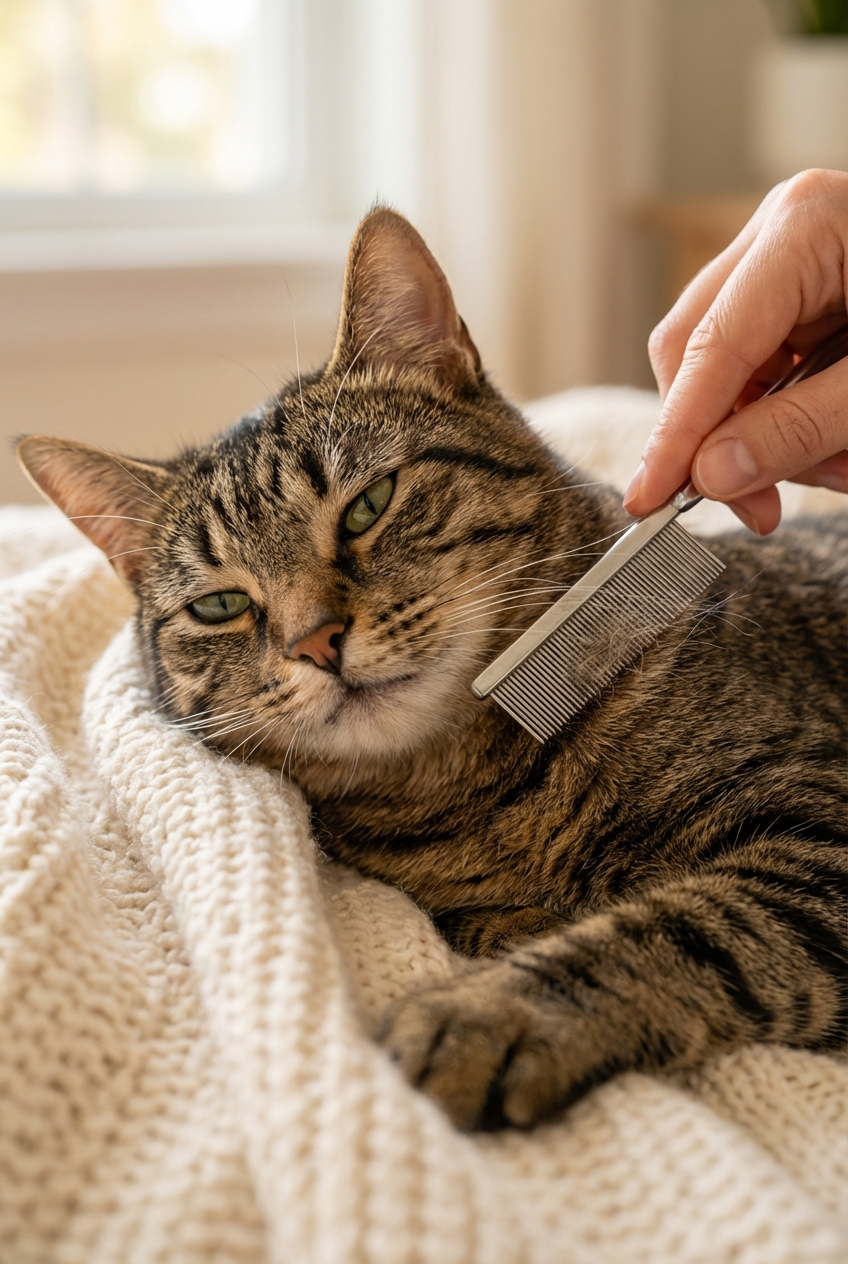
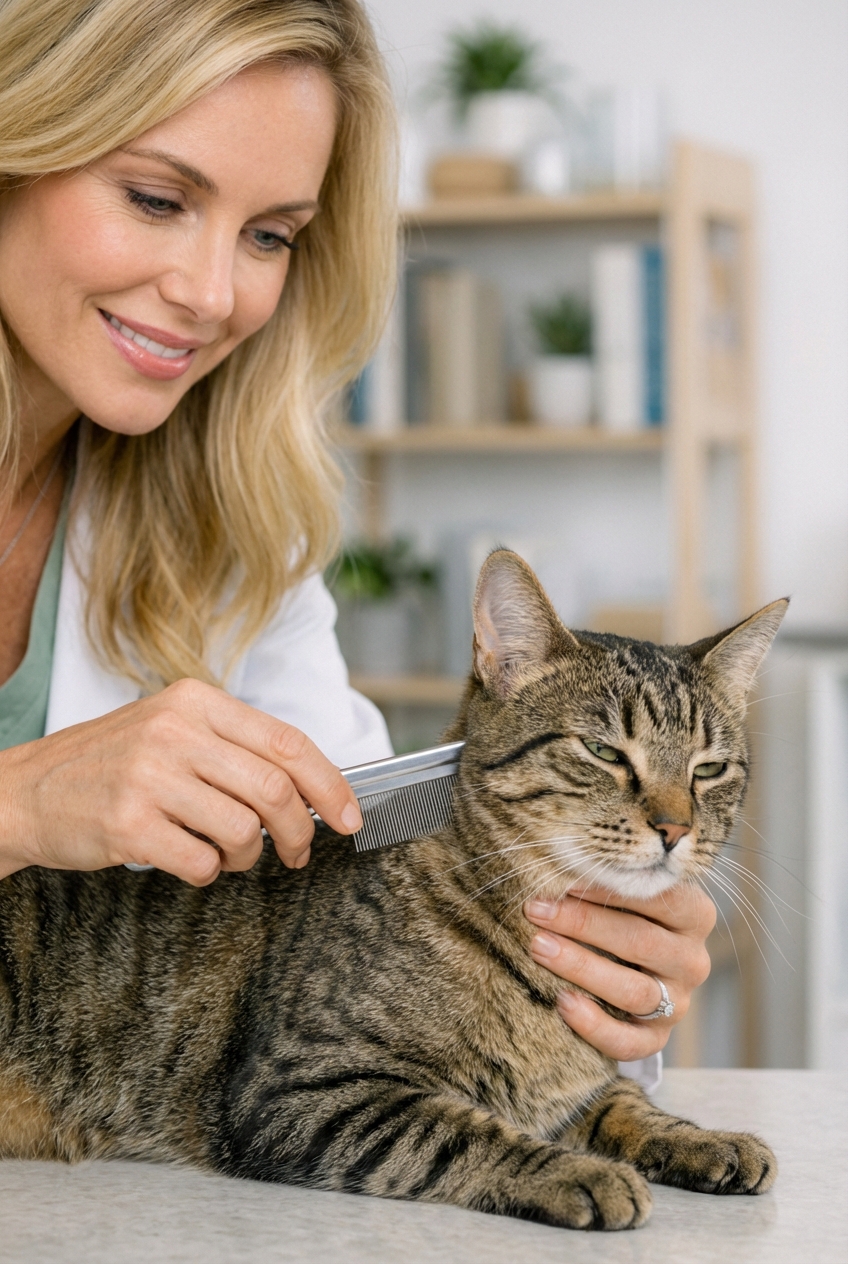
Sometimes the only clue is flea dirt (flea feces) which looks like black pepper specks. If you place the specks on a damp white paper towel, it may turn reddish-brown as the dried blood dissolves.
How vets diagnose FAD
There is no single perfect at-home test for FAD. In the clinic, diagnosis is usually based on a combination of:
- History (seasonal itch, new flare after missed prevention, exposure to other pets)
- Exam findings (pattern of lesions, scabs, hair loss, inflammation)
- Evidence of fleas or flea dirt (when present)
- Response to treatment (many cats improve with effective flea control and itch management)
In some cases, your vet may also check for secondary issues like yeast or bacterial infection, or consider other itchy-cat conditions that can mimic FAD.
What can look like FAD
Itchy skin is a symptom, not a diagnosis. Your veterinarian may want to rule out:
- Food allergy or environmental allergies
- Mites (such as Cheyletiella or ear mites with body scratching)
- Ringworm (a fungal infection that can cause hair loss and crusting)
- Skin infection (bacterial or yeast overgrowth)
- Stress-related over-grooming (psychogenic alopecia)
It is very common for FAD to come with secondary infection, which can intensify itching and slow healing until treated.
Treatment: what helps
The most effective plan has two goals: stop flea bites and calm the allergic inflammation.
1) Flea control for every pet
If you treat only the itchy cat, fleas can keep cycling through other pets and the home. Your veterinarian can recommend a cat-safe flea preventive. Many modern preventives stop fleas from reproducing and kill them fast enough to reduce the number of new bites. Some products do require the flea to bite to be exposed to the medication, so the goal is rapid control and prevention of ongoing infestation.
- Treat all cats and dogs in the home with vet-approved products.
- Use products specifically labeled for the species. Never use dog flea products on cats .
- Stay consistent, especially during warm months and in flea-prone regions.
2) Itch and inflammation relief
Because FAD is an allergy, many cats need short-term medication to break the itch cycle and let the skin heal. Your vet may prescribe anti-itch medication (for example, a short course of steroids or other prescription options) and, when needed, treatment for infection.
Important: Do not give over-the-counter human allergy meds or creams unless your veterinarian tells you exactly what is safe and what dose to use. Some common products are dangerous for cats. The same goes for many natural or essential-oil flea products, which can be toxic to cats.
3) Treat the home
Fleas do not just live on pets. Eggs fall off into carpets, bedding, and cracks in flooring.
- Wash pet bedding in hot water weekly during outbreaks.
- Vacuum carpets, rugs, and furniture frequently and dispose of the vacuum contents right away.
- Ask your vet whether a home treatment is needed for heavy infestations.
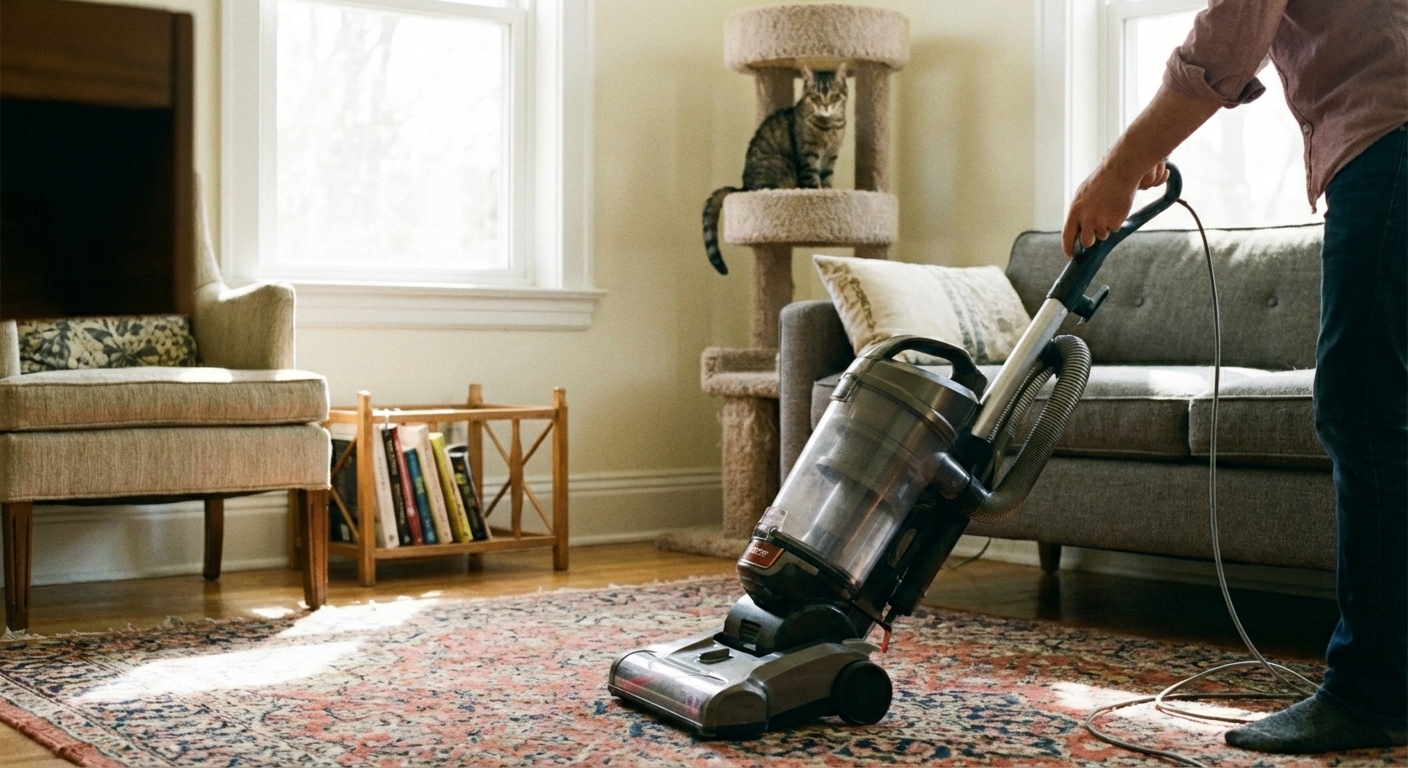
When families do the pet plus home plan together, results are much faster.
When your cat feels better
Many cats start to itch less within days once flea bites stop and inflammation is treated, but full skin healing can take a few weeks. If your cat has a secondary infection, that can also extend the timeline.
If your cat is not improving as expected, follow up with your veterinarian. Sometimes we are dealing with FAD plus another allergy, mites, or a persistent infection that needs additional treatment.
Can you prevent FAD?
Yes, and prevention is usually simpler than treatment after a flare.
- Year-round vet-recommended flea prevention is the best defense, even for indoor cats. Fleas can hitchhike in on people, other pets, or wildlife.
- Consistent dosing matters. Missed doses are a common trigger for relapse.
- Regular skin checks, especially at the tail base, can catch early signs.
Think of flea prevention like brushing teeth. Small, steady steps are easier than fixing a big problem later.
When to call the vet
Please reach out promptly if you notice:
- Open sores, swelling, or draining wounds
- Large areas of hair loss or significant scabbing
- Your cat seems painful, lethargic, or stops eating
- Signs of ear infection (head shaking, dark debris, odor)
- You have tried flea control but symptoms keep returning
Itchy skin can become secondarily infected, and early treatment can prevent weeks of discomfort.
The bottom line
Flea allergy dermatitis in cats is a true allergy to flea saliva, and it can be triggered by a very small number of bites. If your cat is itching, scabbing, or over-grooming, do not wait until you see fleas. Partner with your veterinarian on a plan that covers all pets , the home environment , and your cat’s immediate comfort. With the right approach, most cats feel like themselves again much sooner than you might expect.