
Itchy skin or a dull coat? Add fish safely with this vet-assistant guide: best low-mercury choices, cooked-only safety, calcium balancing, and two easy toppers.
Article
•
Designer Mixes
Fish Oil for Dogs

Shari Shidate
Designer Mixes contributor
As a veterinary assistant here in Frisco, Texas, I can tell you one supplement comes up again and again in real clinic conversations: fish oil. When it is chosen well and dosed correctly, omega-3s can make a noticeable difference in a dog’s skin, coat, joints, and sometimes even certain heart-related conditions.
But not all “fish oil” is the same, and more is not better. I am not diagnosing or prescribing here, and dosing can vary by condition, diet, and medical history. Below, I will walk you through what omega-3s do, how EPA and DHA differ, how to dose by weight, what to buy, and what to watch for.
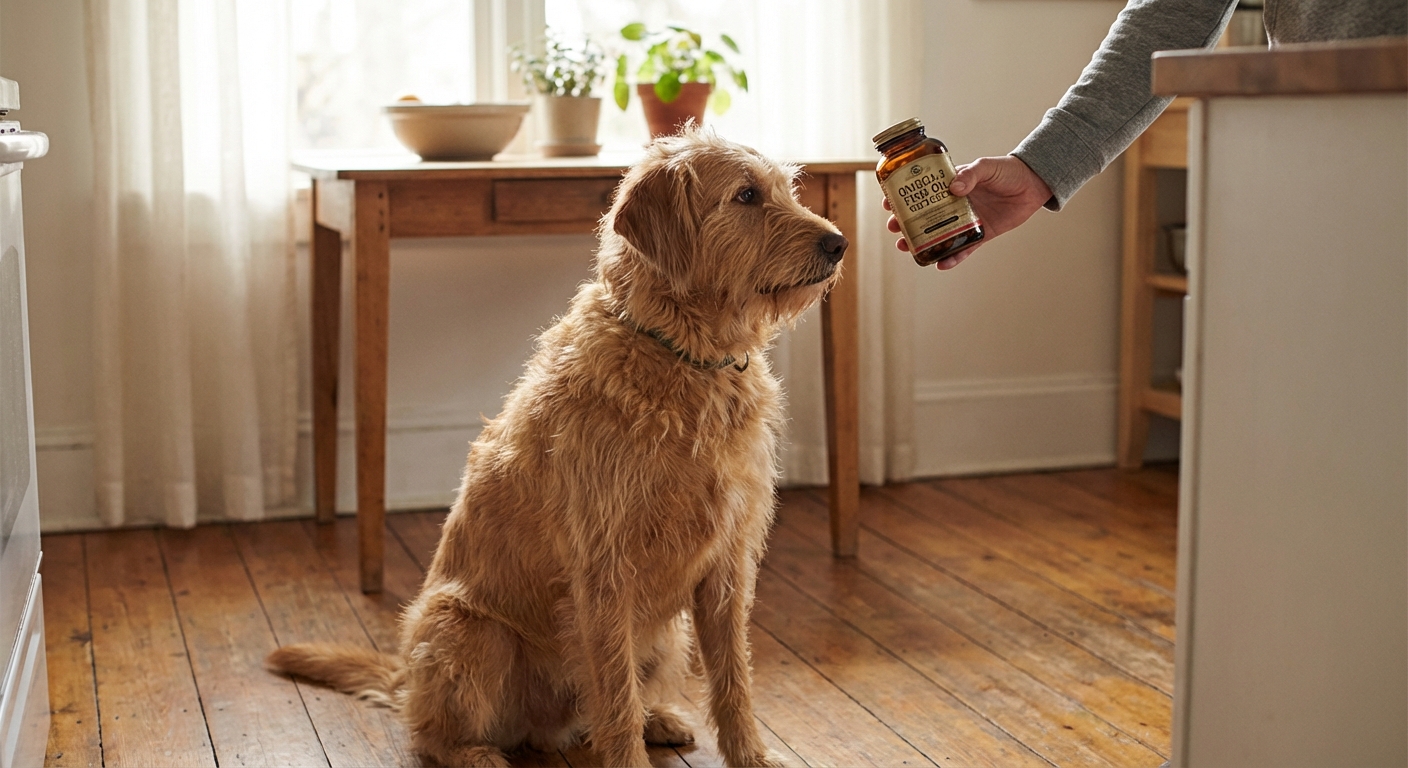
What omega-3s do for dogs
Omega-3 fatty acids are anti-inflammatory fats. In dogs, the two most helpful omega-3s from marine sources are EPA (eicosapentaenoic acid) and DHA (docosahexaenoic acid). These are the “active” omega-3s most veterinarians focus on, not just the total fish oil amount listed on the front of a bottle.
Skin and coat support
If your dog struggles with dry skin, dandruff, a dull coat, or seasonal itching, omega-3s can help support the skin barrier and calm inflammatory pathways involved in itching. Fish oil is not a quick fix like a steroid, but it is steady support that often helps over a few weeks.
- Supports skin moisture and barrier function
- May reduce itchiness from inflammatory skin conditions
- Often improves coat shine and reduces flaky skin
Joint comfort and mobility
EPA is especially well-studied for joint inflammation. It can be helpful for dogs with osteoarthritis or stiffness, and it is commonly used alongside weight management, physical therapy, and veterinarian-approved pain control plans.
- May decrease inflammatory joint mediators
- Can improve comfort and mobility over time
- Often used as part of an arthritis support plan
Heart support (condition-specific)
Omega-3s are sometimes recommended in dogs with certain cardiac diseases as part of a larger treatment plan. The evidence is mixed and condition-specific, so I avoid framing this as general “heart disease prevention.” What we do lean on is their anti-inflammatory effects, and in some cases they may support appetite, body condition, or healthy triglyceride levels depending on the patient and the diet plan your veterinarian sets.
Brain and eye support
DHA plays a major role in brain and retinal structure. It is particularly important for puppies (developing brains and eyes) and can also support cognitive function as dogs age.

EPA vs DHA
When you shop for fish oil, do not get stuck on the total “omega-3” number alone. What matters most is the amount of EPA and DHA your dog actually receives.
- EPA: more closely associated with anti-inflammatory effects, often emphasized for skin inflammation and joint issues.
- DHA: structural support for the brain and eyes, commonly emphasized for puppies, pregnant or nursing dogs (with vet guidance), and senior cognitive support.
Most dogs benefit from a combination. If your goal is mainly itch and joint comfort, many veterinarians aim a bit heavier on EPA. If your goal is puppy brain and vision support, DHA becomes especially important.
Dosage by weight
Fish oil dosing can be confusing because labels often list “fish oil 1000 mg” on the front, but your dog needs the EPA + DHA amount on the back label.
A commonly cited starting range used in veterinary practice for general support is:
- About 20 to 55 mg per pound per day of combined EPA + DHA
To be more precise, think of this as a spectrum:
- Lower end (around 20 mg/lb/day): a conservative starting point for many dogs.
- Higher end (toward 55 mg/lb/day): more “therapeutic” dosing often used for conditions like significant skin inflammation or arthritis and is best done with veterinary guidance.
Here are easy starting ranges using that guideline. These are daily totals of EPA + DHA combined:
- 10 lb dog: 200 to 550 mg/day
- 20 lb dog: 400 to 1,100 mg/day
- 30 lb dog: 600 to 1,650 mg/day
- 40 lb dog: 800 to 2,200 mg/day
- 50 lb dog: 1,000 to 2,750 mg/day
- 60 lb dog: 1,200 to 3,300 mg/day
- 80 lb dog: 1,600 to 4,400 mg/day
- 100 lb dog: 2,000 to 5,500 mg/day
My best advice: start on the low end for 1 to 2 weeks, then increase if needed and tolerated. If your dog has a pancreatitis history, high triglycerides (hypertriglyceridemia), is on blood thinners, has a scheduled surgery, or has a chronic illness, ask your veterinarian for a personalized dose.
How to read a label
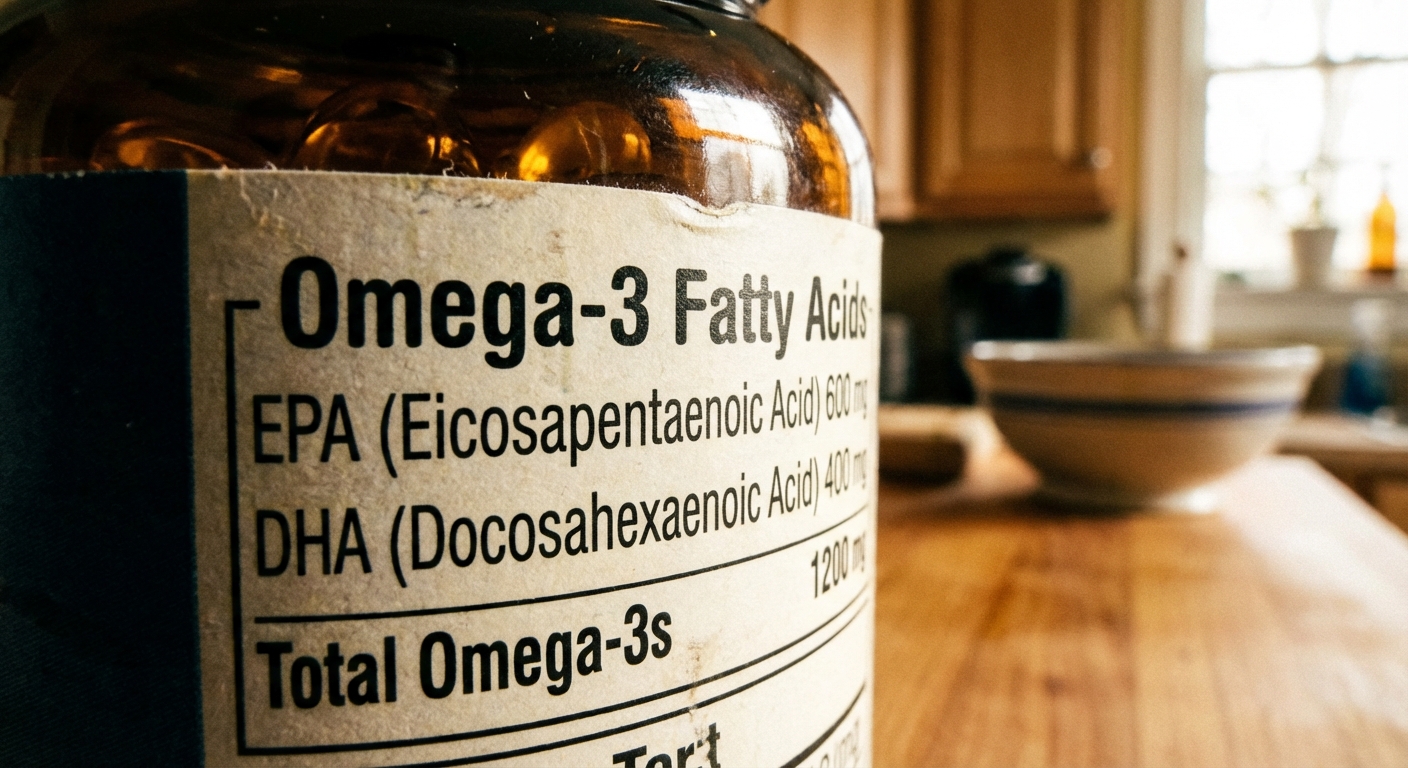
If a capsule contains 180 mg EPA and 120 mg DHA, that is 300 mg EPA + DHA total. A 20-pound dog at a conservative 20 mg/lb/day would need about 400 mg/day, which is about 1.3 capsules.
- If you are using capsules, you can alternate 1 capsule one day and 2 capsules the next to average close to the target.
- If you want more precise dosing, a measured liquid is often easier.
What to buy
In practice, you will see both fish body oils and salmon oil used successfully. The difference is less about the fish species and more about quality control, freshness, and transparency.
Salmon oil
- Popular for palatability and convenience in pump bottles
- Often a good EPA/DHA source when properly processed
- Must be protected from light, heat, and oxygen to prevent rancidity
Fish oil blends (anchovy, sardine, mackerel)
- Small cold-water fish are commonly used for omega-3 supplements
- Often lower on the food chain, which can mean lower contaminant risk when sourced well
- May come as softgels or liquids
What to look for
- States the EPA and DHA per serving (not just “omega-3”)
- Third-party testing for purity and oxidation when available
- COA access (certificate of analysis) is a big plus if the brand provides it
- Purification steps like molecular distillation are commonly used to reduce contaminants
- Added antioxidant like mixed tocopherols (vitamin E) to help stability
- Proper packaging (dark bottle for liquid oils, well-sealed softgels)
- Clear dosing instructions for pets or easy math for EPA/DHA
A quick caution: cod liver oil
Cod liver oil is not the same as typical fish body oil. It can contain high levels of vitamins A and D, and overdoing those vitamins can be dangerous. If you are considering cod liver oil specifically, it is worth checking with your veterinarian first.
If you are feeding homemade meals, omega-3s can be a helpful way to balance fats, but homemade diets still need a complete plan. Fish oil is supportive, not a full nutrition program by itself.
Signs your dog may benefit
True omega-3 “deficiency” is not something we commonly diagnose in the way people imagine. More often, omega-3s are used as supportive care for inflammation. Talk to your veterinarian if you notice:
- Dry, flaky skin or dandruff
- Dull coat, increased shedding, brittle fur
- Itchy skin that does not respond well to basic grooming changes
- Stiffness, slower rising, reluctance to jump (especially in older dogs)
- Chronic inflammatory issues where your vet recommends omega-3 support
These signs can also come from allergies, parasites, endocrine disease, orthopedic problems, or diet imbalance, so it is worth getting a proper exam if symptoms are persistent.

Common concerns
Will fish oil expose my dog to mercury?
This is a very reasonable question. Quality fish oil supplements are typically purified (often using molecular distillation) and tested, which significantly reduces concerns about heavy metals. When owners run into trouble, it is more often from poor quality control or oxidation (rancidity) than mercury.
When possible, choose brands that provide a COA or clear third-party testing information.
Why does my dog have fishy breath?
Fishy breath is common, especially with liquid oils. It can also happen when oil is starting to oxidize (go rancid).
- Try giving the supplement with meals.
- Store liquid oil tightly sealed in the refrigerator, away from light.
- Consider switching to softgels if the smell is strong.
- If the oil smells sharp, sour, or paint-like, stop using it and replace it.
Can fish oil cause diarrhea?
Yes, especially if you start at a high dose. GI upset is one of the most common side effects.
- Start low and increase gradually over 1 to 2 weeks.
- Split the dose between morning and evening meals.
- If diarrhea persists, stop and ask your vet about a different dose or product.
Is fish oil safe for every dog?
Many dogs do great on fish oil, but some dogs need extra caution. Speak with your veterinarian before supplementing if your dog:
- Has had pancreatitis, is on a low-fat diet, or has high triglycerides
- Is taking anticoagulants or has a bleeding disorder
- Has upcoming surgery (your vet may pause supplements beforehand)
- Has a complex medical condition or takes multiple medications
Also, a practical reassurance: clinically significant bleeding is uncommon at typical pet supplement doses, but caution is still wise for surgery and certain medications.
How to add fish oil
Consistency matters more than perfection. Pick a product you can use daily and a routine your dog accepts.
- Softgels: easy to dose, less smell, can hide in a treat.
- Liquid oil: easy to mix into food, but measure carefully and store well.
For picky dogs
- Try giving it with a stronger-smelling meal (wet food can help).
- You can puncture a softgel and squeeze it onto food if your dog will not swallow capsules.
- Start with a partial dose for a few days, then work up.
Avoid double-dosing
If your dog is already on a veterinary diet formulated for skin, joints, or heart health, it may already contain added omega-3s. Before you add a separate fish oil, check the diet label or ask your veterinarian so you do not accidentally stack to a higher-than-needed total.
Calories count
Fish oil adds calories because it is pure fat. As a rough rule of thumb, 1 teaspoon of oil is about 40 calories (products vary). If weight is creeping up, your dog may need slightly smaller portions or a lower-calorie treat routine.
Storage and shelf life
- Keep oils away from heat, light, and oxygen.
- Refrigerate after opening if the label recommends it (many do), and keep the cap tightly closed.
- Try not to leave pump bottles on a warm counter with frequent air exposure.
- Check the expiration date, and discard if the smell changes or turns sharp and unpleasant.
If your goal is itchy skin relief, give it time. Many dogs need 4 to 8 weeks of consistent omega-3s before you see the full coat and skin payoff.
Fish-free options
If your dog has a fish allergy, or if you prefer to avoid fish products, ask your veterinarian about algal omega-3 supplements. Some are DHA-heavy and may provide less EPA, so the best choice depends on your goal (for example, skin and joints often lean on EPA).
When to call your vet
Reach out if you notice vomiting, persistent diarrhea, significant lethargy, new bruising, or if your dog’s itching is severe or worsening. Also call if you are unsure how fish oil fits with your dog’s current medications, diet, or medical history.
Fish oil is one of my favorite small changes because it is simple, evidence-based, and often genuinely helpful. The key is choosing a clean product, focusing on EPA and DHA, and dosing thoughtfully.