Learn which betta fish tank mates are safest, which are “it depends,” and which to avoid. Includes tank size tips, setup essentials, and introduction ste...
Article
•
Designer Mixes
Fish Compatible With Betta

Shari Shidate
Designer Mixes contributor
Bettas are full of personality, and I mean that in the best way. They can be curious, interactive, and absolutely stunning. They can also be territorial, especially in tight spaces or with the wrong tankmates. The good news is that you can build a peaceful community tank around a betta if you choose the right fish, set up the habitat thoughtfully, and introduce everyone the right way.
This guide walks you step-by-step through truly betta-compatible fish, what to avoid, and how to stack the odds in your favor for a calm, healthy tank.
Quick note: Most community advice assumes one betta (usually a male). Female bettas can be calmer, but “sororities” are advanced and not covered here. Also, long-finned males are more vulnerable to fin-nipping and struggle more in stronger current, so choose tankmates and flow accordingly.
Before You Choose Tankmates
Start with the right tank size
If there is one make-or-break factor for compatibility, it is space. A betta can live solo in a smaller tank, but community life needs room to spread out.
- 5 gallons: betta only is simplest; a snail can be possible with careful maintenance and realistic expectations about waste and space
- 10 gallons: betta plus one small, carefully chosen option (often inverts, or a small bottom group in a well-planted tank with excellent filtration); stocking gets tight fast
- 15 to 20 gallons: easier for proper group sizes and calmer behavior
- 20 gallons long: the sweet spot for betta communities because it has more horizontal swimming space
Know your betta’s temperament
Some bettas are surprisingly chill. Others are little kings of the castle. Even with perfect planning, personality can override “compatibility.” Always have a backup plan, like an extra cycled tank or a divider.
Water parameters need to overlap
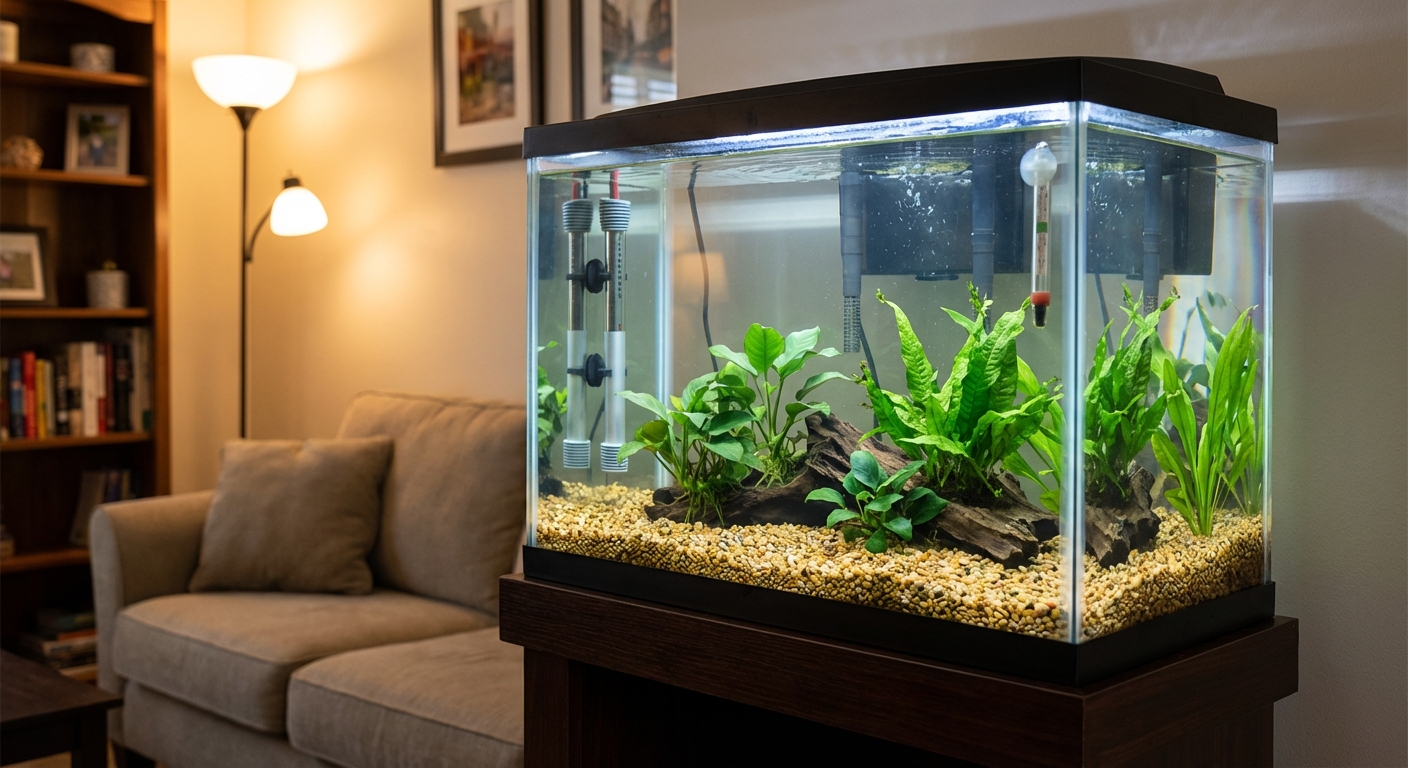
Betta-friendly fish should tolerate warm, gentle-flow water. A solid target range for many betta community tanks is:
- Temperature: 77 to 79°F (25 to 26°C) as a comfortable overlap for bettas and many community fish
- pH: about 6.8 to 7.6 (stable matters more than “perfect”)
- Ammonia/Nitrite: 0 ppm always
- Nitrate: ideally under 20 to 30 ppm
Always double-check the needs of the exact species you choose. “Compatible” only works if everyone can thrive in the same conditions long-term.
Plants and hiding spots help a lot
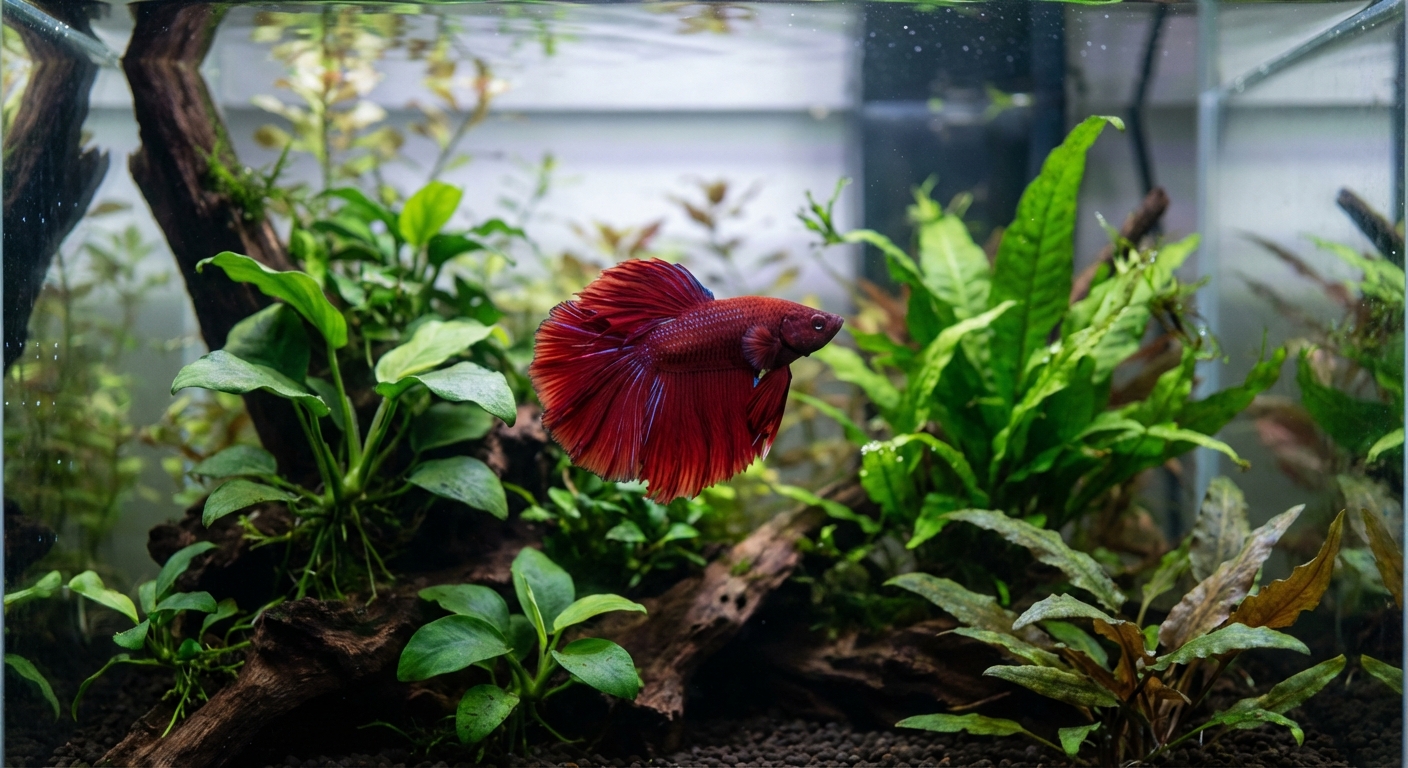
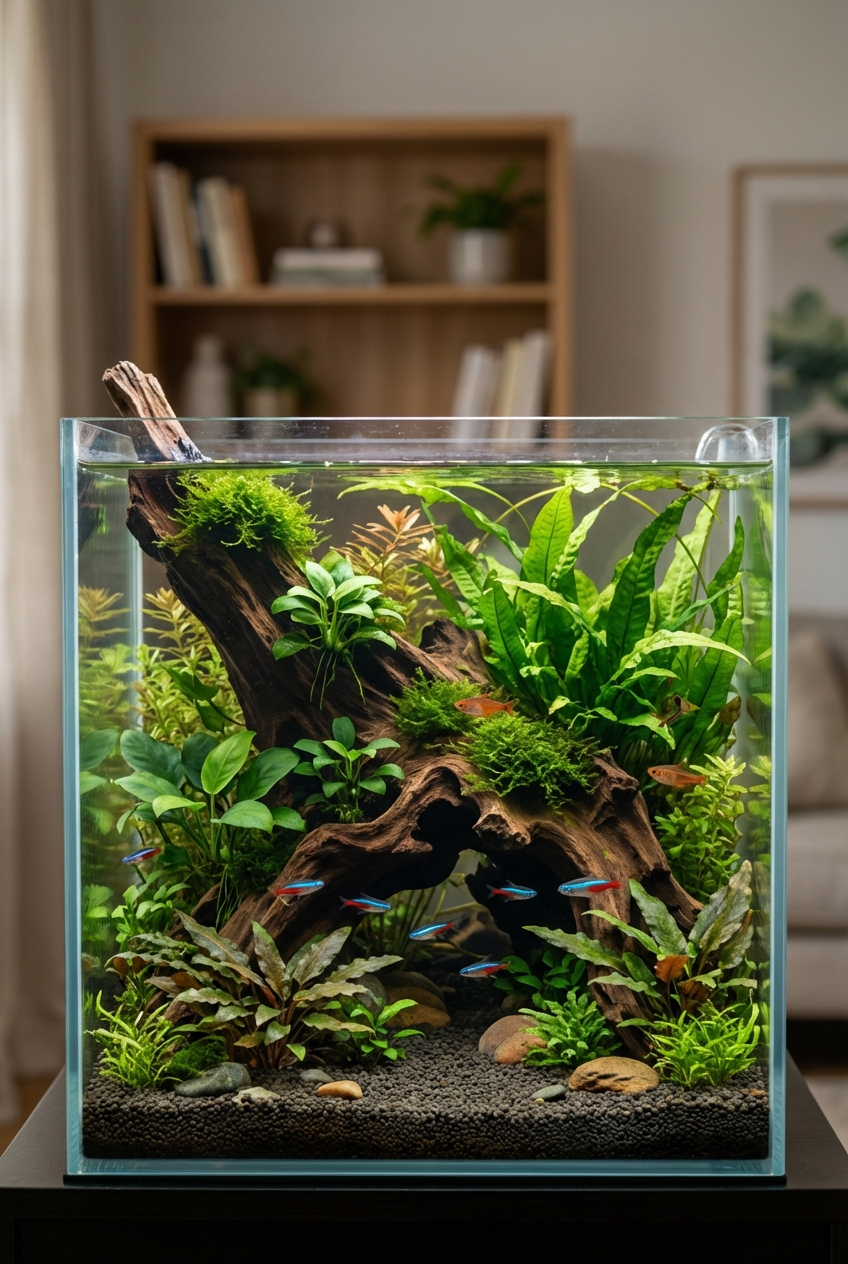
Plants break up sight lines and reduce chasing. Aim for a tank that feels busy with cover. Think: Java fern, anubias, cryptocoryne, floating plants, and a few caves or driftwood pieces.
Step-by-Step: Fish That Usually Do Well With Bettas
Below are the most reliable categories first. I am listing them in an order that tends to work best for beginners building a betta community.
Step 1: Bottom-dwellers that mind their business
Bottom-oriented fish are often the easiest match because they occupy a different zone than the betta.
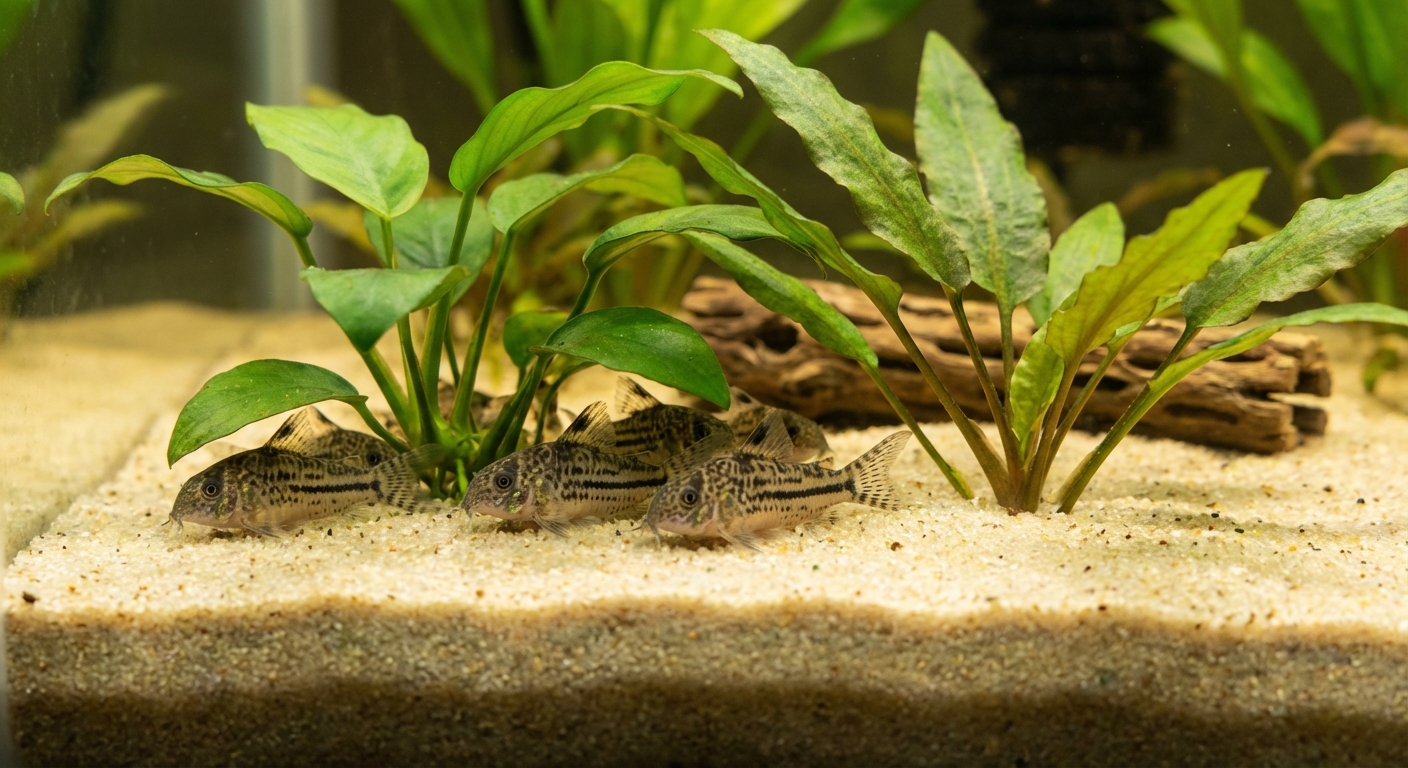
Pygmy Corydoras (Corydoras pygmaeus, habrosus, hastatus)
- Why they work: peaceful, small, group-oriented, and generally ignore the betta
- Group size: 6+ (they feel safer in groups)
- Tank notes: soft sand or smooth gravel, gentle flow, plenty of cover
- Best tank size: can work in a well-planted 10 gallon with a proper group and strong maintenance, but 15 to 20 gallons is easier
Kuhli Loaches (Pangio spp.)
- Why they work: shy, mostly nocturnal or crepuscular, and more interested in hiding and foraging than bothering a betta
- Group size: 6+ (they are much less stressed in groups)
- Tank notes: fine sand is strongly preferred, lots of hides, leaf-litter-style decor is a bonus, protect gentle filtration intakes; do best in mature, stable tanks
- Best tank size: 20 gallons recommended
Otocinclus (Otos)
- Why they work: tiny algae and biofilm grazers that are generally non-confrontational
- Important caution: sensitive fish that frequently starve in newer setups; they do best in a mature, stable tank with established biofilm plus supplemental foods (algae wafers, blanched veg, repashy-style gels)
- Group size: 6+
- Best tank size: 15 to 20 gallons, established aquarium
Step 2: Calm mid-water schooling fish (choose carefully)
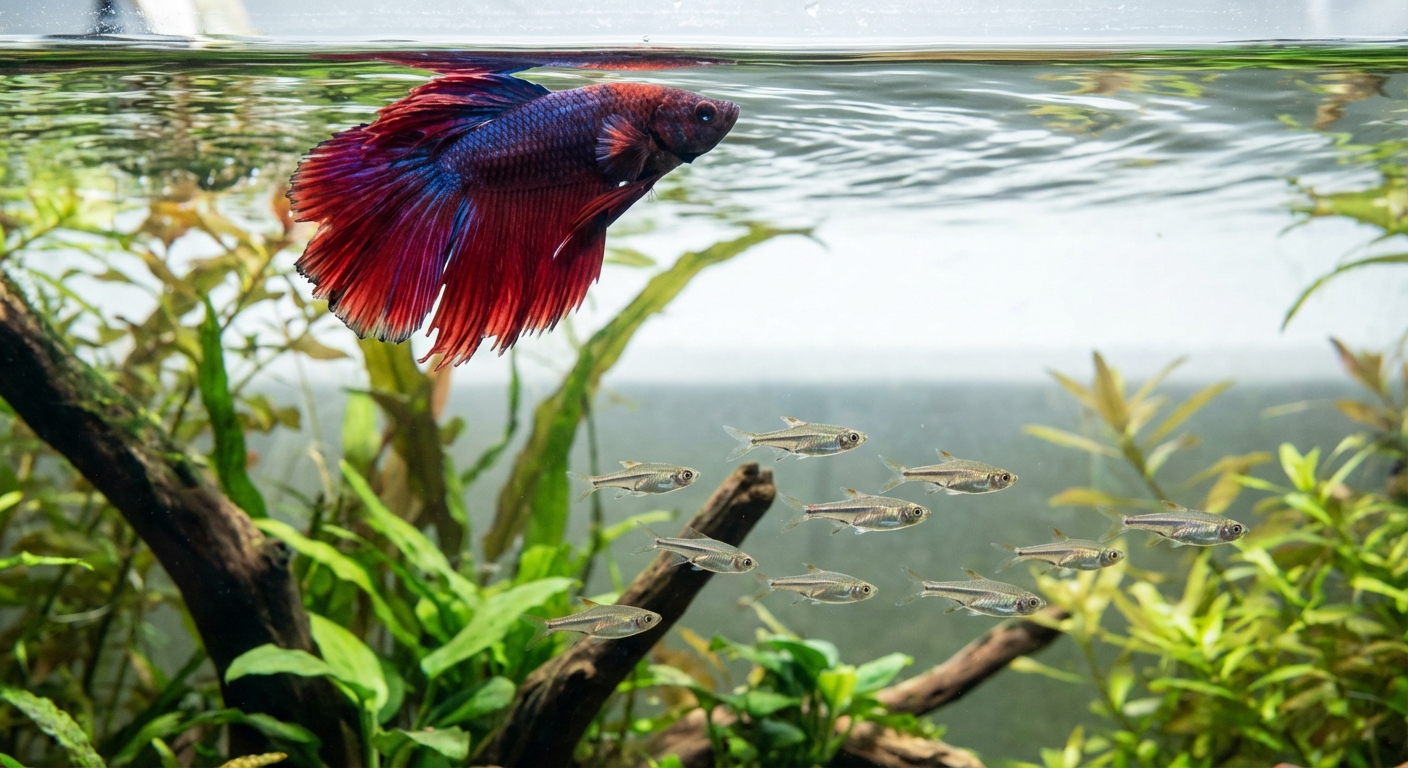
This category is where people run into trouble if they pick fin-nippers or overly active fish. The key is peaceful, smaller-bodied, non-nippy species that are comfortable in warm water.
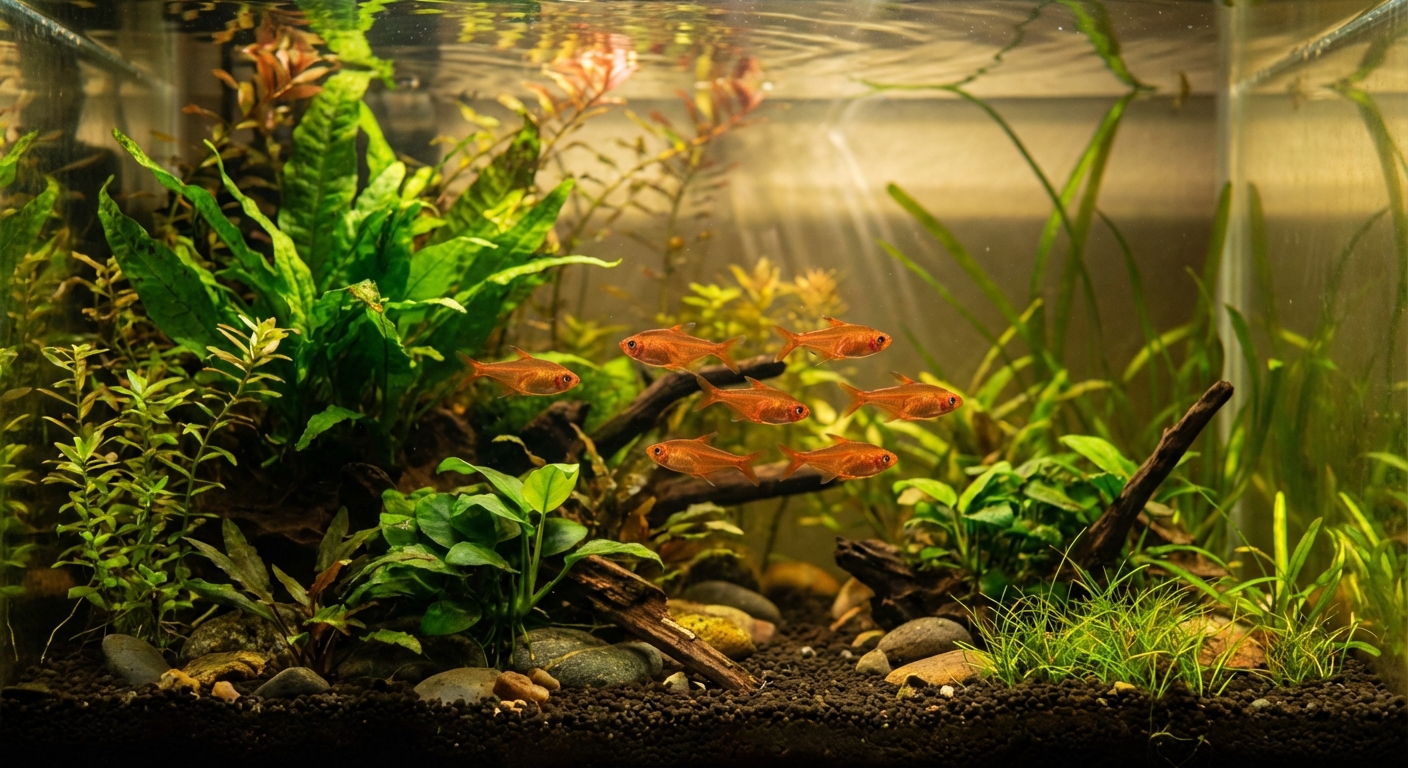
Harlequin Rasboras
- Why they work: generally peaceful, cohesive schooling behavior, not known as fin-nippers
- Group size: 8+
- Temp note: often happiest in the upper 70s; keep the tank around 77 to 79°F for a comfortable overlap
- Best tank size: 20 gallons long recommended
Chili Rasboras (and other small Boraras species)
- Why they work: tiny, gentle, and tend to keep to themselves
- Group size: 10+
- Tank notes: needs stable water, plants, gentle flow, and very small foods
- Best tank size: 10 gallons can work, 15 to 20 gallons is easier
Ember Tetras
- Why they work: usually peaceful, small, and do well in warm planted tanks
- Group size: 8 to 12+
- Watch for: occasional nippiness if under-schooled or stressed
- Best tank size: 15 to 20 gallons
Step 3: “No-fish” tankmates that still add life
If you want the safest companions for a betta, invertebrates are often the answer.
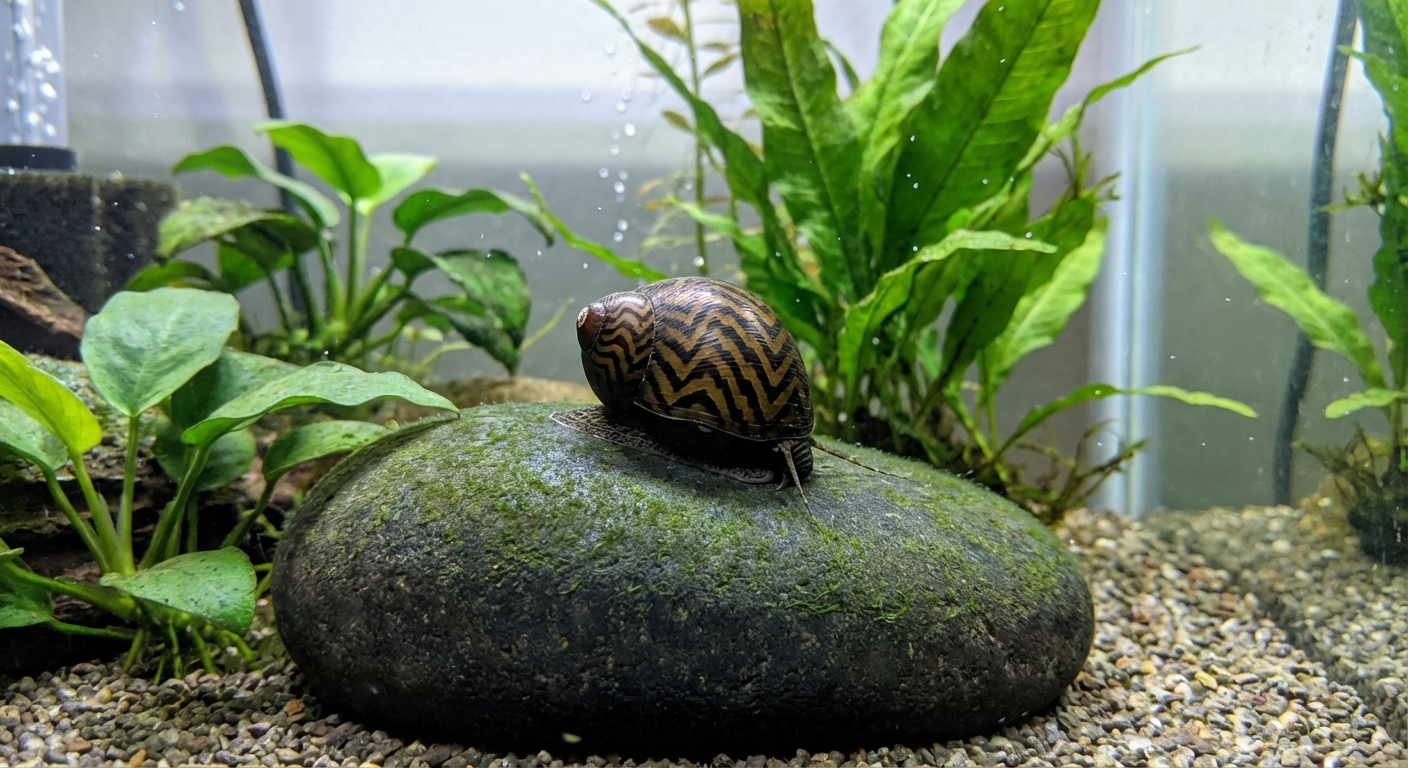
Nerite Snails
- Why they work: hardy algae grazers, and while they may lay eggs, the eggs will not hatch in freshwater
- Watch for: bettas that peck at antennae; provide hiding spots
Mystery Snails
- Why they work: larger and personable, often less vulnerable than tiny snails
- Watch for: bettas can still harass them; repeated nipping can stress them out and impact feeding; keep calcium available for shell health
Shrimp (Amano shrimp are often the best bet)
- Amano shrimp: larger and less likely to be hunted, great algae and detritus pickers
- Neocaridina (cherry shrimp): can work, but many bettas treat them like snacks; heavily planted tanks improve survival
Fish to Avoid With Bettas
Some fish are “sometimes” recommended online, but in real tanks they often create stress, chasing, or torn fins.
- Fin-nippers: many barbs, and some tetras known for nipping (especially in small groups)
- Guppies: fancy tails can trigger aggression, and guppies may nip in return
- Angelfish: can bully, and long fins create conflict
- Other anabantoids: gouramis often compete with bettas for territory and surface access
- Male bettas together: almost always a no
- “Algae eaters” that get large or aggressive: common plecos, Chinese algae eaters
- Tiger barbs: a hard no for most betta tanks
Common fish to be cautious with
- Neon and cardinal tetras: can work in some setups, but watch temperature preferences and fin-nip risk (bigger groups and bigger tanks help)
- Zebra danios: usually too active and often prefer cooler water, which can stress a betta
- Mollies and platies: often prefer harder, more alkaline water than many betta setups
Step-by-Step Introduction Plan
1) Cycle the tank first
A community tank adds bioload quickly. Make sure the aquarium is fully cycled and stable before adding the betta and companions.
2) Quarantine if you can
If possible, quarantine new fish for 2 to 4 weeks. In a community tank, one sick new arrival can become everyone’s problem fast.
3) Add the schooling fish or bottom-dwellers first
In many cases, it helps to establish the other fish first so the betta is not claiming an empty tank as exclusive territory.
4) Rearrange decor right before adding the betta
Move a few plants or hides so the whole layout feels new. This can reduce territorial behavior.
5) Acclimate slowly
Use a gentle acclimation method appropriate for the species. Sudden parameter swings are a common reason new tankmates fail.
6) Watch the first 60 minutes closely
Some curiosity is normal. Red flags include relentless chasing, biting, or one fish being forced to hide and unable to eat.
7) Feed strategically
Offer food on opposite sides of the tank so everyone gets a chance. Bettas can be food-motivated and may guard meals.
Troubleshooting: If Your Betta Is Not Playing Nice
- Add more cover: floating plants and tall stems can make a huge difference fast
- Keep stocking light: especially in 10 gallons; test water often because small tanks swing faster
- Increase group size: schooling fish feel safer and may be less likely to be targeted when properly stocked (only if tank size and filtration support it)
- Check flow: too much current can stress a betta and make them more reactive, especially long-finned males
- Use time-outs: temporarily separating the betta can reset dynamics
- Know when to call it: chronic aggression is not a failure on your part, it is just biology and personality
Kind, practical rule: if any fish is getting injured, not eating, or hiding constantly, it is time to separate and reassess.
Quick Compatibility Checklist
- Tank is 15 to 20 gallons for easier success, 20 long is best (10 gallons can work, but keep plans simple)
- Water stays warm and stable (around 77 to 79°F)
- Chosen fish are peaceful, not fin-nippers, and not flashy long-finned lookalikes
- You can keep them in proper group sizes
- Tank has plants, hides, and broken sight lines
- You have a backup plan if the betta becomes territorial
If you take it step-by-step, betta community tanks can be incredibly rewarding. You get the charm of a betta with the calm motion of a school and the clean-up-crew vibe of bottom-dwellers, all in one balanced little ecosystem.