
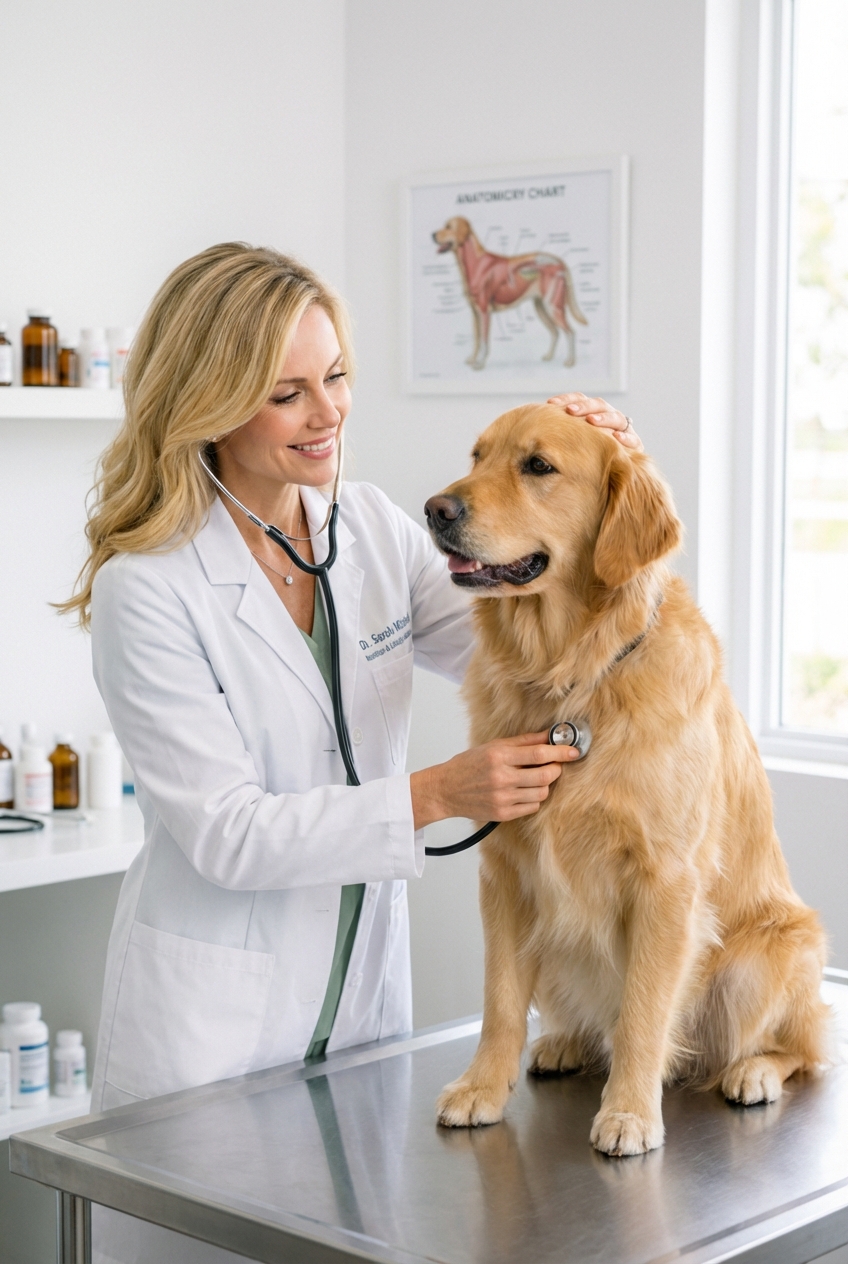
A clear guide to canine lymphoma treatment: diagnosis and staging, CHOP chemotherapy, prednisone tradeoffs, supportive care, side effects, costs, home monito...
Article
•
Designer Mixes
First Signs of Lymphoma in Dogs

Shari Shidate
Designer Mixes contributor
If you are a pet-lover, lymphoma is one of those words that can stop you in your tracks. I have met many dogs in clinics and rescues who were diagnosed early and did beautifully with treatment, and I have also seen how easy it is to miss the first hints because the signs can look like everyday issues. The goal of this article is to help you spot red flags sooner, ask the right questions, and feel more confident about next steps.
What lymphoma is
Lymphoma is a cancer of lymphocytes, a type of white blood cell that normally helps your dog fight infection. Lymphocytes live in the lymph nodes, spleen, bone marrow, and many tissues throughout the body. That is why lymphoma can show up in different ways depending on which organs are affected.
The most common form in dogs is multicentric lymphoma, which often shows up as enlarged lymph nodes. Other forms can involve the skin, digestive tract, chest, or other organs.
First signs to watch for
The early signs can be subtle. In many multicentric cases, lymph nodes become persistently enlarged rather than coming and going, but day-to-day symptoms like appetite and energy may fluctuate. Here are the most common first clues pet parents notice.
1) Enlarged lymph nodes you can feel
This is the classic early sign. Lymph nodes are small immune “stations” throughout the body. When they become enlarged due to lymphoma, they are often firm, painless, and feel like a rubbery marble under the skin.
- Under the jaw (submandibular): along the underside of the neck
- In front of the shoulders (prescapular): where the neck meets the shoulder
- Behind the knees (popliteal): a common spot to check at home
- In the groin (inguinal): inside the rear legs
2) Low energy that is unusual for your dog
Many dogs start acting “a little off” before anything obvious appears. You may notice shorter play sessions, less enthusiasm on walks, or more sleeping.
3) Decreased appetite or weight loss
Appetite changes can be mild at first, like walking away from meals, becoming picky, or eating slower. Unintentional weight loss is always worth a veterinary check.
4) Increased thirst and urination
In some dogs with lymphoma, calcium levels in the blood can rise (hypercalcemia), which can trigger extra drinking and peeing. This is more common with certain lymphoma subtypes. You might notice the water bowl emptying faster or more frequent potty breaks.
5) Gastrointestinal signs
With intestinal lymphoma (or lymphoma affecting the GI tract), the first signs may look like common stomach problems.
- Vomiting
- Diarrhea
- Reduced appetite
- Weight loss
- Excess gas or tummy discomfort
6) Skin changes that do not clear up
Cutaneous (skin) lymphoma can appear as persistent itchy patches, scaling, redness, thickened skin, or lumps. If a skin issue keeps returning or does not respond as expected to standard treatment, it deserves a deeper look.
7) Coughing or breathing changes
If lymphoma involves lymph nodes in the chest or the lungs, you may see coughing, exercise intolerance, or faster breathing. This is not as common as enlarged peripheral lymph nodes, but it is important.
Trust your gut: If you feel a new lump, notice persistent swelling, or your dog seems “not quite right” for more than a few days, it is worth calling your vet. Early evaluation can make a real difference.
Other possible causes
Swollen lymph nodes and “not quite right” symptoms do not automatically mean lymphoma. Your veterinarian will also consider other common possibilities, including:
- Infection or inflammation (like dental disease, skin infections, tick-borne illness, or wounds)
- Reactive lymph nodes from allergies or immune system stimulation
- Other cancers
- Benign lumps near lymph node areas (such as lipomas)
This is exactly why an exam and a simple sample (like an FNA) are so helpful. They replace guesswork with real information.
Helpful realities
These are a few reassuring, practical things many pet parents appreciate knowing upfront.
- Enlarged lymph nodes are often painless. Many dogs still act normal at first, which is why quick hands-on checks at home can help.
- Lymph nodes can be checked at home in under a minute. Once you know where they are, a quick weekly feel is easy, especially for dogs with a history of lumps or recurring illness.
- Diagnosis is often minimally invasive. Many cases are initially evaluated with a fine needle aspirate (FNA), which uses a small needle to collect cells for review.
- Some cases need additional testing. Depending on the type and location, your vet may recommend biopsy, flow cytometry, or PARR testing to confirm the subtype and help guide treatment planning.
- Treatment is not always all or nothing. Some families pursue multi-drug chemotherapy, some choose steroids for comfort, and some combine supportive care with oncology consults. Your vet can help you make a plan that fits your dog and your life.
Quick lymph node check
This is a simple habit that can help you notice changes early. Choose a calm moment, like after dinner or during cuddle time.
- Under the jaw: Use your fingertips to feel along the underside of the neck. You are checking for new, firm “marbles.”
- In front of the shoulders: Feel where the neck meets the shoulder on each side.
- Behind the knees: With your dog standing, feel the soft area behind each knee.
- Groin area: Gently feel inside the rear legs.
Tip: You are looking for change. One node larger than the other, a new lump, or a node that keeps growing over days is a good reason to call your vet.
Please do not squeeze, pop, or try to puncture a lump at home. If something feels new or concerning, let your vet check it safely.
When to call the vet
Some symptoms should not wait for a “let’s see if it improves” approach.
- Rapidly enlarging lymph nodes or multiple new lumps
- Labored breathing, persistent cough, blue or pale gums
- Repeated vomiting or diarrhea, especially if it lasts more than 24 hours or includes blood
- Not eating for a full day, especially in small dogs or seniors
- Extreme lethargy, weakness, or collapse
- Excessive drinking and urination that is new and noticeable
If your dog is very young, very small, a senior, or has other health conditions, it is reasonable to call sooner. When in doubt, your clinic can help you triage what is urgent.
What your vet may do
Knowing the process can reduce stress, especially if you are worried.
- Physical exam and lymph node palpation: mapping which nodes are enlarged.
- Fine needle aspirate (FNA): often the quickest way to see if lymphoma cells are present.
- Bloodwork and urinalysis: to assess organ function, hydration, infection, anemia, and calcium levels.
- X-rays or ultrasound: to look for internal involvement.
- Biopsy or advanced testing: sometimes needed for a definitive subtype and treatment planning.
- Referral to a veterinary oncologist: for staging, treatment options, and a prognosis discussion.
If you are the kind of pet parent who likes to prepare, bring a short list of notes: when the swelling started, appetite and weight changes, and any photos of the lump or the day you first noticed it.
Supportive care while waiting
Waiting on test results is hard. These steps can keep your dog comfortable and give you useful information to share with your vet.
- Track appetite, energy, and bathroom habits daily. Even quick notes on your phone are helpful.
- Keep routines gentle. Choose shorter walks and more sniff time, less intense exercise.
- Offer highly palatable, vet-approved nutrition. If your dog is nauseated or not eating, ask your vet before changing diets drastically. Some dogs benefit from warmed food, smaller meals, or prescription GI diets.
- Do not start steroids unless your vet directs you. Medications like prednisone or prednisolone can temporarily shrink lymphoma, reduce diagnostic yield, and may affect response to future chemotherapy.
- Focus on hydration. Fresh water, multiple bowls, and wet food can help.
Bottom line
The first signs of lymphoma in dogs are often easy to overlook, especially because many pups still seem happy at first. The most common early clue is painless enlarged lymph nodes, followed by subtle shifts like low energy, appetite changes, weight loss, and sometimes increased thirst or urination.
If something feels different, you are not being “paranoid.” You are being a good advocate for your dog. A quick exam and simple testing can give you clarity, and if it is lymphoma, early action can open more options focused on comfort and quality of life.
Sources
This article reflects commonly taught veterinary guidance on canine lymphoma signs and diagnostic approach. For further reading, these are reputable references used by many clinicians and pet parents:
- The Merck Veterinary Manual: Lymphoma in dogs
- VCA Animal Hospitals: Canine lymphoma overview
- Veterinary Partner (VIN): Lymphoma information for pet owners
- Clinical resources from major veterinary teaching hospitals (oncology service pages)
It is educational and not a substitute for veterinary care.