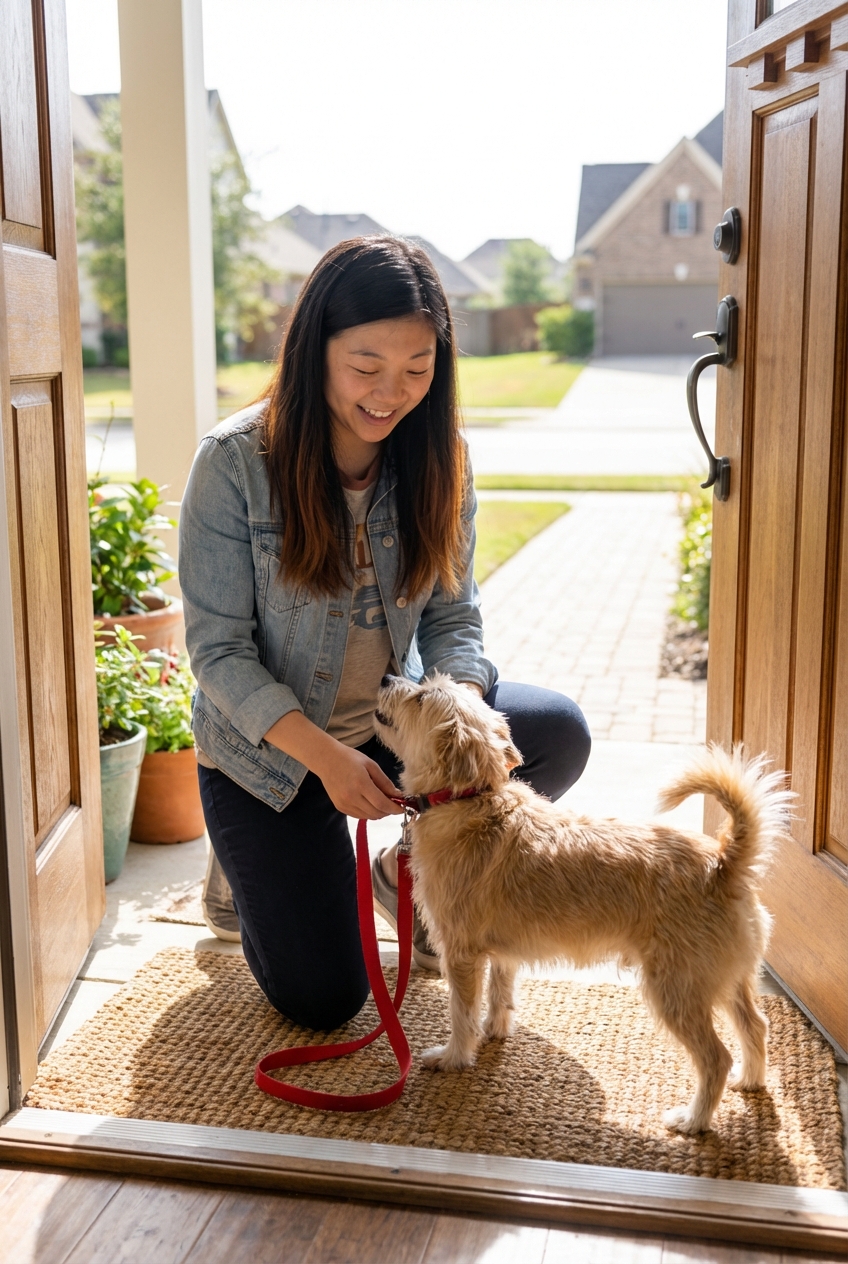
Confused by your puppy’s “first period”? Learn normal heat (estrus) signs, how long it lasts, pregnancy prevention, diaper tips, and red flags that nee...
Article
•
Designer Mixes
First Heat in Dogs: What Owners Should Expect

Shari Shidate
Designer Mixes contributor
Your puppy is growing up, and her first heat can feel equal parts surprising and stressful. The good news is that once you know what’s normal (and what’s not), you will feel much more confident. A dog’s first heat, also called her first estrus cycle, is a normal part of reaching sexual maturity. Many owners use “in heat” to mean the whole cycle, while estrus is the fertile part of that cycle. It does mean she can get pregnant, even if she is still very young.
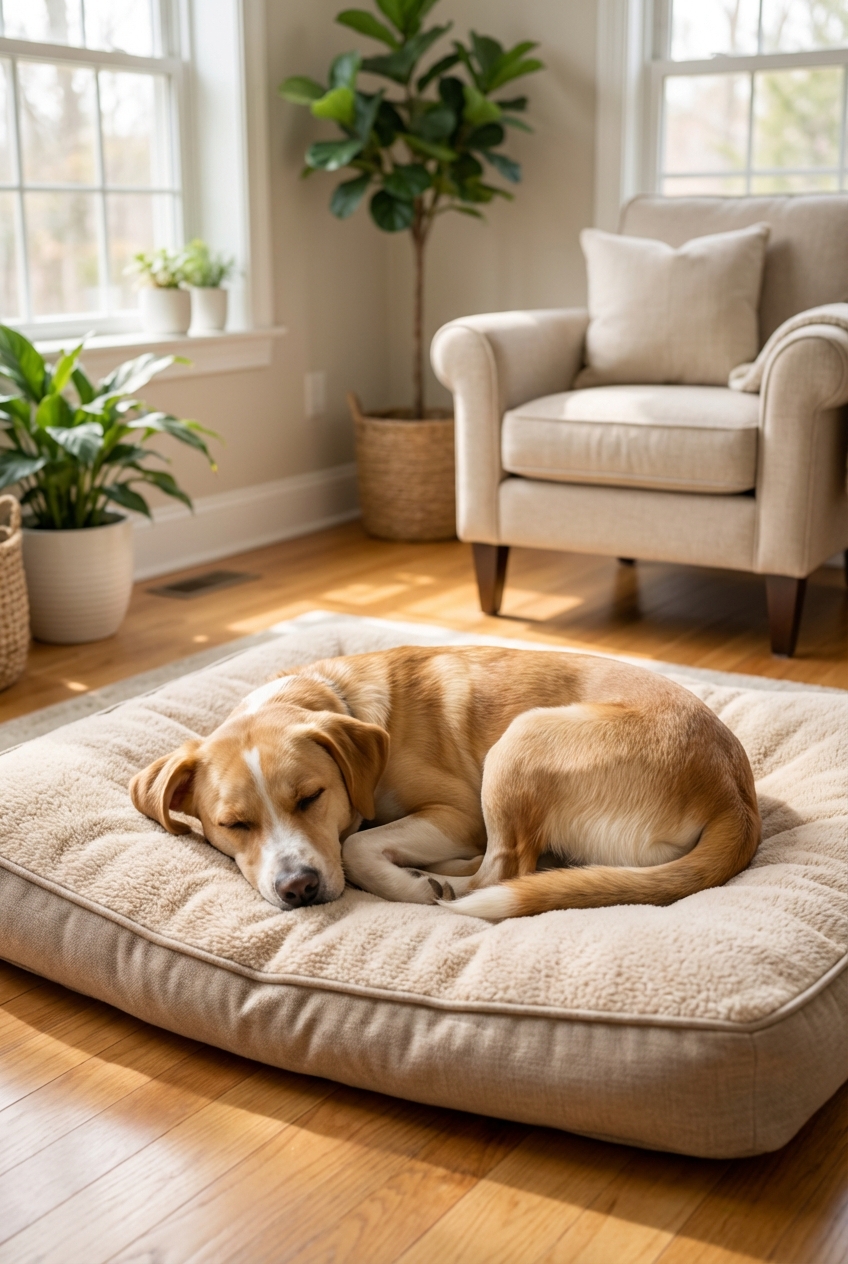
In this guide, I’ll walk you through the typical timing, the stages of a heat cycle, what you may see at home, and when it’s time to call your veterinarian.
When does a dog go into her first heat?
Most dogs have their first heat between 6 and 12 months of age, but there is a wide normal range. Smaller breeds often cycle earlier, and larger or giant breeds may not have a first heat until 12 to 18 months. Some giant breeds can be closer to 18 to 24 months.
Things that can influence timing include genetics, breed, body condition, and overall health. If your dog is past 18 to 24 months with no heat signs, it is worth discussing with your vet, especially if you are not 100% sure of her spay status or history.
How long does a heat cycle last?
For most dogs, a heat cycle lasts about 2 to 4 weeks from start to finish, although individual stages can be shorter or longer. Bleeding and swelling are often most noticeable early, while receptivity and the highest pregnancy risk often occur later.
Also, the fertile window does not always line up perfectly with visible bleeding. Some dogs ovulate earlier or later than you would expect based on discharge alone.
After the cycle, your dog’s hormones gradually settle down. Even when the bleeding stops, she may still be attractive to male dogs for a period of time, so it helps to think in terms of weeks, not days, when planning safety.
The 4 stages of a dog’s heat cycle
Understanding the stages helps you predict what comes next and how careful you need to be about accidental pregnancy. The day ranges below are common averages, but there is plenty of normal variation.
1) Proestrus (often 3 to 17 days)
This is usually when owners first notice changes.
- Vulva swelling
- Bloody discharge (often light to moderate, sometimes heavier)
- More attention from male dogs, but your female usually will not allow mating yet
- Behavior changes like clinginess, restlessness, or irritability
2) Estrus (often 3 to 21 days)
This is the fertile window. It is the stage where pregnancy can happen.
- Discharge may become lighter in color (pinkish, watery, or straw-colored) or sometimes appears to stop
- Your dog may move her tail to the side when touched near her back end (called “flagging”)
- She may actively seek out male dogs and may be willing to mate
Important: Male dogs can be interested before, during, and after obvious bleeding. If you are trying to prevent pregnancy, do not use discharge alone as your guide.
3) Diestrus (about 55 to 70 days)
Whether or not your dog becomes pregnant, her body acts like it might be for a while.
- Swelling and discharge resolve
- Hormone shifts can trigger false pregnancy signs in some dogs (more on that below)
4) Anestrus (the resting phase)
This is the quiet time between cycles. Most dogs cycle about every 6 months, but anywhere from 4 to 12 months can be normal depending on breed and individual pattern. Some breeds, such as Basenjis, typically cycle once a year.
What you’ll notice at home
Every dog is a little different, especially during that first cycle. Some dogs have very subtle signs, and a “silent heat” is possible. That means hormonal changes happen, but the outward signs (like discharge) are easy to miss.
Common physical signs
- Swollen vulva
- Vaginal discharge (bloody at first is typical)
- More frequent urination (she may mark small amounts on walks)
- Licking the vulva or rear end more than usual
Common behavior changes
- Extra affectionate or “velcro dog” behavior
- Restlessness or pacing
- Increased interest in smells outdoors
- Protectiveness or mild moodiness
How much bleeding is normal?
Light to moderate bleeding is common. Some dogs drip, and others keep themselves so clean you barely notice. If you are seeing large clots, a strong foul odor, or bleeding that seems excessive, call your veterinarian. Those signs are not typical for a simple heat cycle.
Care during heat
Your goal is comfort, cleanliness, and pregnancy prevention.
Comfort and clean-up
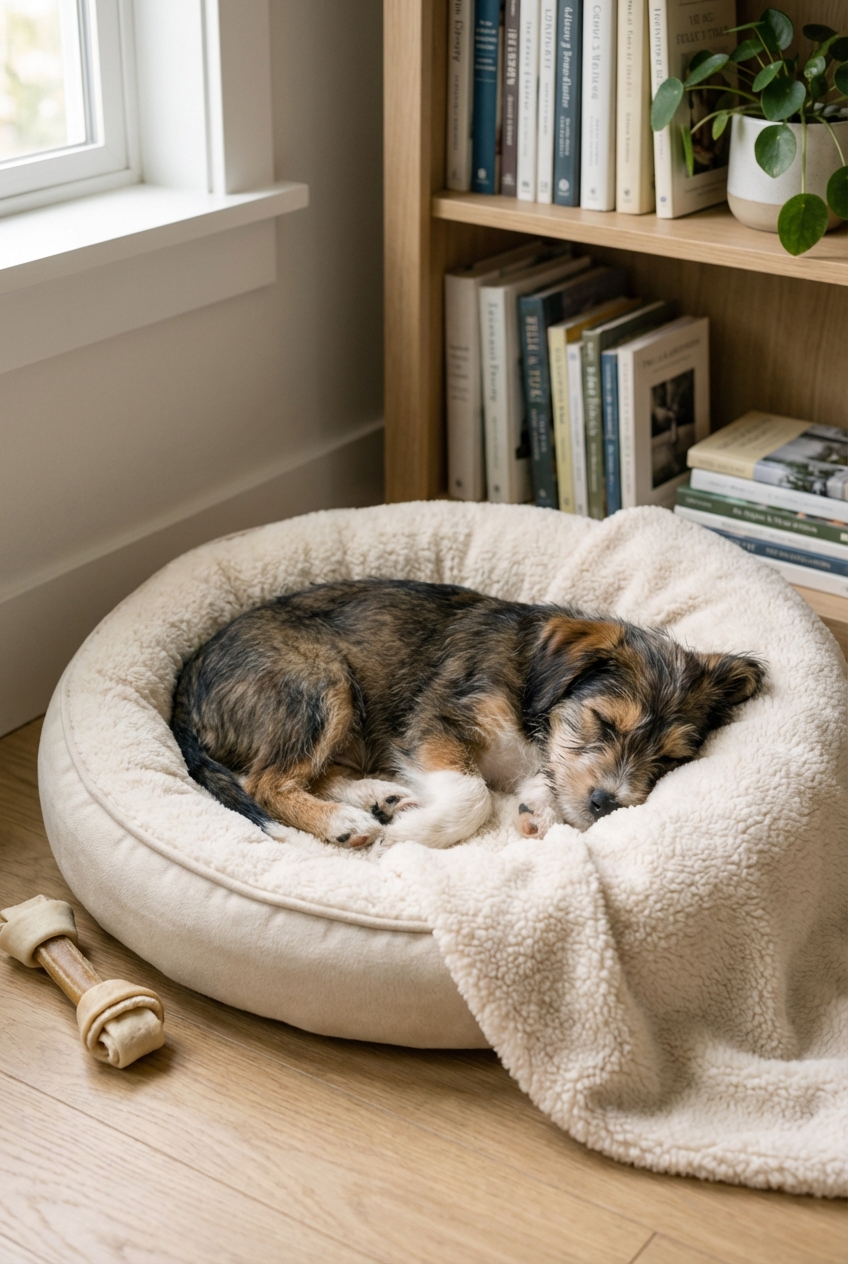
- Use washable blankets on her favorite spots.
- Consider dog heat diapers indoors, but change them often to avoid skin irritation.
- Wipe her gently with a damp cloth if she needs help staying clean.
Note: Diapers help with mess only. They do not prevent mating or pregnancy.
Prevent pregnancy
If your dog is intact, assume she can get pregnant even if this is her first cycle.
- No off-leash time in unfenced areas.
- Supervise potty breaks, even in your yard.
- Keep her separated from intact male dogs. Males can be surprisingly determined and may attempt to get to her through doors, fences, or gates.
- Avoid dog parks and daycare during heat.
Rule of thumb: Plan strict separation from male dogs for at least 21 to 28 days from the first day you notice signs (like swelling or discharge). When in doubt, extend the safety window a few extra days.
Exercise and enrichment
Gentle walks are usually fine, but choose quieter areas. Add indoor enrichment like food puzzles, sniff games, and short training sessions to help burn energy without social stress.
What not to do
- Do not give human medications to “calm her down” unless your vet tells you to.
- Avoid hormone products or “heat stopper” shots unless specifically prescribed by a veterinarian. These can carry serious risks.
Spay timing
Sometimes a dog can be spayed while in heat, but many veterinarians prefer to spay when a dog is not actively in heat because the reproductive tissues are more vascular during heat, which can increase bleeding risk. The best approach depends on your dog’s health, age, and your vet’s comfort and scheduling.
If you are planning a spay, call your clinic as soon as you notice heat signs. They can tell you whether to wait and how long.
False pregnancy
In the weeks after heat (diestrus), some dogs develop signs of a false pregnancy due to normal hormone patterns. This can include:
- Nesting behavior
- Mothering toys
- Swollen mammary glands
- Milk production
- Reduced appetite or mild anxiety
Many cases are mild and resolve on their own. If your dog is uncomfortable, producing a lot of milk, or acting distressed, your vet can help.
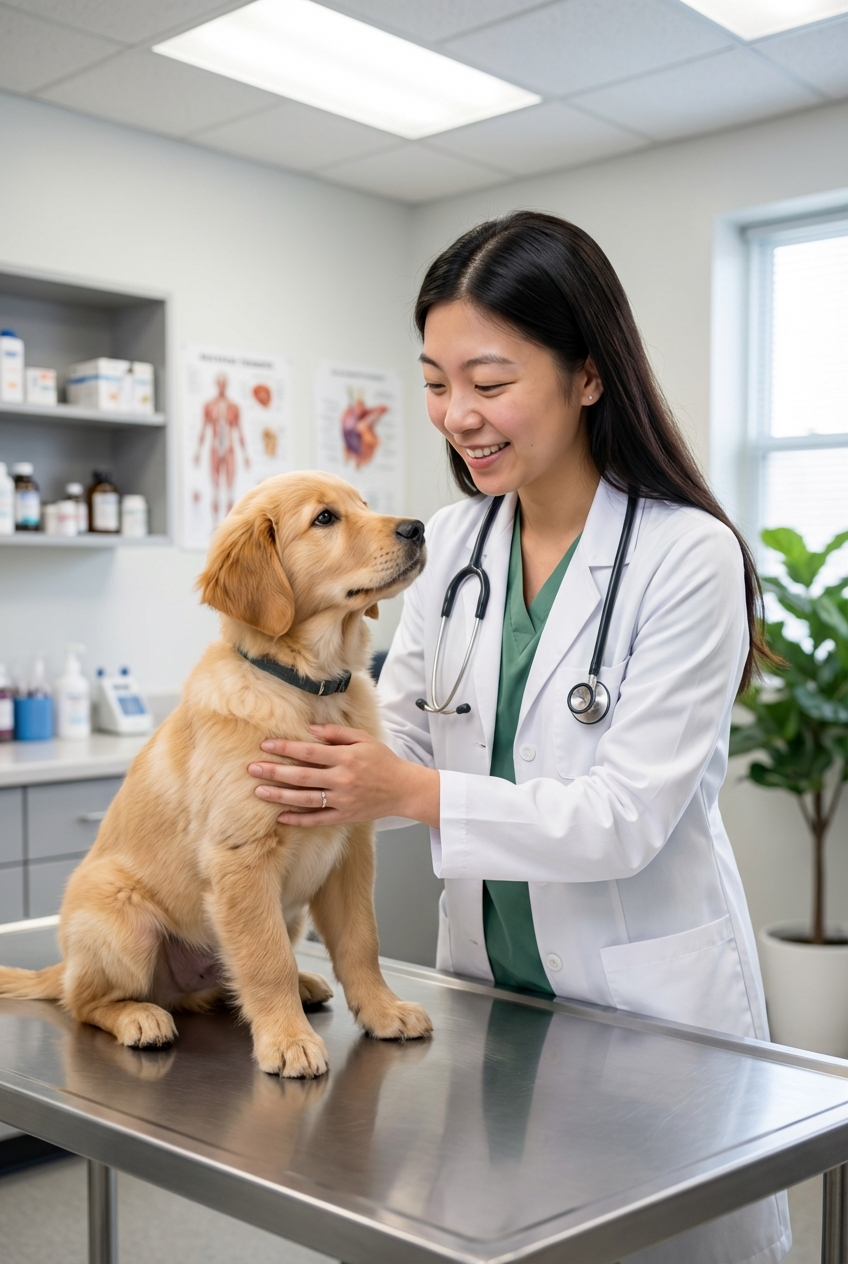
When to call the vet
Heat is normal. These signs are not and should be checked promptly:
- Lethargy, fever, vomiting, or loss of appetite
- Thick yellow, green, or pus-like discharge
- Foul odor from the vulva
- Excessive bleeding or active vulvar bleeding or discharge that lasts longer than about 4 weeks (including prolonged spotting)
- Increased thirst and urination paired with not feeling well
- Swollen belly, pain, or weakness
One reason vets take these symptoms seriously is the risk of pyometra, a potentially life-threatening uterine infection that can occur in intact females, often within weeks to months after a heat cycle. It is treatable, but it is an emergency.
Quick checklist
- Track the start date in your phone or calendar
- Expect 2 to 4 weeks of signs (sometimes longer or shorter)
- Use diapers and washable bedding indoors if needed
- Leash walks only, supervised potty breaks
- Keep her away from intact males for 21 to 28 days from day 1 of signs
- Call your vet for concerning discharge, illness signs, or prolonged bleeding
If you take away one thing: during heat, assume pregnancy is possible and plan for extra supervision. Most first heats go smoothly, and a little preparation makes a big difference.
If you’d like, share your dog’s age and breed mix, plus what signs you are seeing, in the comments. Other readers may be going through the same thing, and it can help to compare notes. For anything that feels urgent or unusual, your veterinarian is the best next call.