Cats hide illness well. Learn the most reliable signs your cat may be sick—appetite, vomiting, litter box, breathing, pain, and behavior—plus urgent vs e...
Article
•
Designer Mixes
FIP in Cats: Symptoms and New Treatments

Shari Shidate
Designer Mixes contributor
Feline infectious peritonitis, or FIP, is one of the scariest diagnoses a cat parent can hear. For a long time, FIP was almost always fatal. The encouraging news is that veterinary medicine has changed fast in this area, and many cats can now recover with timely diagnosis and appropriate treatment.
In this article, I will walk you through what FIP is, what signs to watch for, how vets diagnose it, and what the newest treatment options look like today.
What is FIP?
FIP is a disease caused by a mutated feline coronavirus (FCoV). Here is the important detail: most feline coronaviruses are common, especially in multi-cat homes and shelters, and they usually cause either no symptoms or mild intestinal upset. In a small percentage of cats, the virus mutates inside the body and triggers a harmful immune response. That immune reaction is what leads to FIP.
Is FIP contagious?
FIP is usually not directly contagious from cat to cat in the way we think of typical viral spread. The underlying feline coronavirus (FCoV) is contagious and can spread through feces, litter boxes, and close contact. In most cases, the mutation that leads to FIP happens within an individual cat.
That said, households and shelters where FCoV is widespread can have higher overall risk, and rare outbreak scenarios involving more virulent strains have been reported. If you have multiple cats, your veterinarian can help you think through practical hygiene and stress reduction steps.
Which cats are most at risk?
- Kittens and young cats (often under 2 years)
- Cats in crowded environments (rescues, shelters, catteries)
- Cats with stress, recent illness, or surgery
- Cats with a weakened immune system
Types of FIP
FIP is often discussed in two main forms. Some cats show features of both.
Wet (effusive) FIP
This form involves fluid buildup, usually in the abdomen and sometimes in the chest. Wet FIP can progress quickly.
- Fluid in the belly can cause a distended abdomen
- Fluid in the chest can cause rapid breathing or breathing effort
Dry (non-effusive) FIP
Dry FIP tends to cause inflammatory lesions in organs like the kidneys, liver, lymph nodes, intestines, and brain. It can be harder to identify because there is no dramatic fluid buildup.
- More subtle, long-term symptoms
- Organ-specific signs, depending on where inflammation is happening
Common FIP symptoms
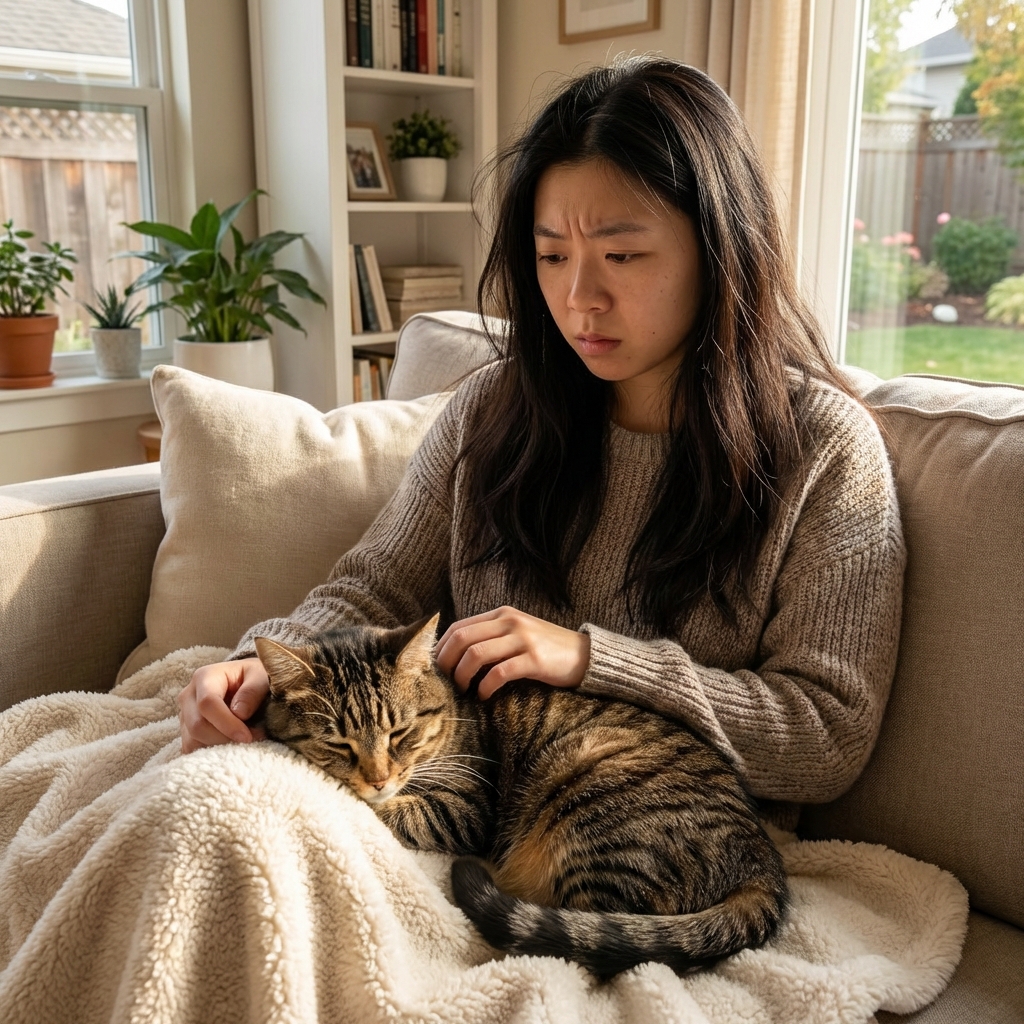
FIP can look like many other illnesses at first, which is why it is often missed early. If your cat is not acting like themselves for more than 24 to 48 hours, it is worth checking in with your veterinarian. For kittens, cats with breathing changes, severe lethargy, or neurologic signs, seek care right away.
General signs
- Lethargy and hiding
- Poor appetite or weight loss
- Persistent fever that does not respond well to antibiotics
- Dull coat and overall decline
More common in wet FIP
- Swollen belly due to abdominal fluid
- Breathing changes if fluid builds up around the lungs
- Reduced activity because the fluid makes movement uncomfortable
More common in dry FIP
- Jaundice (yellow tint to gums, eyes, or skin) in some cases
- Vomiting or diarrhea if the GI tract is affected
- Enlarged lymph nodes
Neurologic and eye signs
FIP can involve the brain, spinal cord, or eyes. These signs deserve urgent veterinary attention.
- Wobbliness or trouble walking
- Seizures or behavior changes
- Head tilt
- Eye inflammation, cloudiness, or sudden vision changes
If your cat has a distended abdomen, labored breathing, or neurologic signs, treat it as urgent and seek veterinary care right away.
How vets diagnose FIP
Diagnosing FIP can be challenging because there is no single simple test that is perfect in every situation. Many diagnoses are made by combining history, clinical signs, and supportive lab findings.
Common diagnostic pieces
- Physical exam and history (age, exposure risk, symptom timeline)
- Bloodwork that may show inflammation, anemia, high globulins, low albumin, or an altered albumin-to-globulin ratio
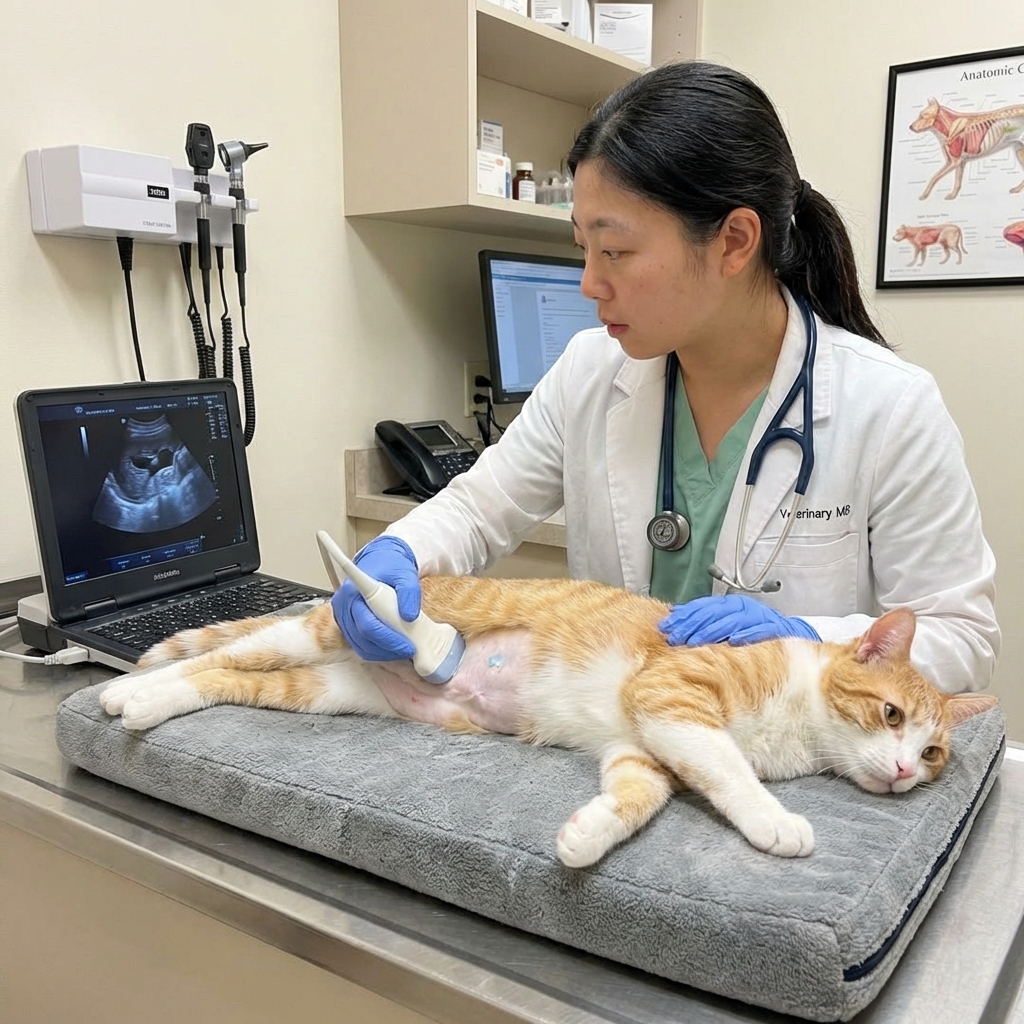
- Imaging such as ultrasound or X-rays to look for fluid or organ changes
- Fluid analysis (in wet FIP) of abdominal or chest fluid. FIP-associated fluid often has a characteristic high protein profile.
- Rivalta test may be used on effusions as a supportive piece of evidence
- PCR testing on fluid or tissue in some cases. PCR can detect FCoV, but it does not always distinguish routine enteric strains from FIP-associated virus unless the specific test is validated for that purpose.
- Immunocytochemistry (detecting FCoV antigen in macrophages) and biopsy with histopathology can provide stronger confirmation in select cases
What about coronavirus tests?
A common point of confusion is the feline coronavirus antibody test. A positive result often only means a cat has been exposed to feline coronavirus, which is very common. It does not confirm FIP by itself.
What else could it be?
Because FIP can mimic other conditions, your veterinarian may also consider differentials such as lymphoma, heart disease (for chest fluid), liver disease, pancreatitis, toxoplasmosis, and other infections or inflammatory diseases. This is one reason a careful diagnostic plan matters.
New treatments for FIP
This is the part I wish every worried cat parent could hear sooner: FIP is no longer automatically a death sentence. Antiviral therapy has changed outcomes dramatically for many cats, especially when treatment starts early.
Antiviral therapy
Current FIP treatment is centered on antivirals that inhibit viral replication. The most discussed medication class is based on nucleoside analogs, with GS-441524 being widely referenced in the veterinary community and among specialists.
Important: availability and legal or regulatory status vary by country and region, and product quality can vary by source. Your veterinarian is the best guide to what is appropriate, available, and safe where you live.
Many protocols use a baseline course of about 12 weeks (84 days), with dosing tailored to the cat’s form of FIP and whether the eyes or nervous system are involved. Some cats need longer treatment, especially in complicated cases or after relapse. Consistent dosing and follow-up lab work are important for both safety and success.
Supportive care
Even with antivirals, cats often need supportive care to stabilize and feel better while their body recovers.
- Fluids and nutrition support when appetite is poor
- Anti-nausea medications if vomiting is present
- Pain control when appropriate
- Treating secondary issues like anemia or liver inflammation
Monitoring and side effects
Your veterinarian may recommend recheck exams and lab work to monitor:
- Weight and hydration
- Red and white blood cell trends
- Liver and kidney values
- Inflammation markers and protein balance
Side effects and practical challenges depend on the exact product and route. Some cats experience GI upset, changes in liver enzymes, or injection-site pain or irritation when injectable forms are used. Your vet can help you plan monitoring and comfort measures.
What about steroids?
Corticosteroids and other immunosuppressive medications are not curative for FIP. In some situations they may be used selectively as part of a broader plan, but they should only be used under veterinary direction. Do not start leftover medications at home.
Prognosis with treatment
With appropriate antiviral therapy, many cats improve quickly, sometimes within days to a couple of weeks. Relapse can happen, which is why completing the full course and follow-up plan matters. Your veterinarian can help you understand your cat’s specific outlook based on the form of FIP and organ involvement.
What to do if you suspect FIP
If you are reading this because something feels off with your cat, trust that instinct. FIP can move quickly, and early veterinary involvement makes a real difference.
Action steps
- Schedule a veterinary visit promptly, especially for fever, belly swelling, breathing changes, or sudden weight loss.
- Bring notes about appetite, litter box habits, weight changes, and the timeline of symptoms.
- Ask about referral to an internal medicine specialist if your vet suspects FIP or needs additional diagnostics.
- Prioritize nutrition. If your cat is not eating, tell your vet immediately. Cats can develop hepatic lipidosis (fatty liver) after prolonged appetite loss.
Home care while you wait
- Keep your cat warm, quiet, and stress-free.
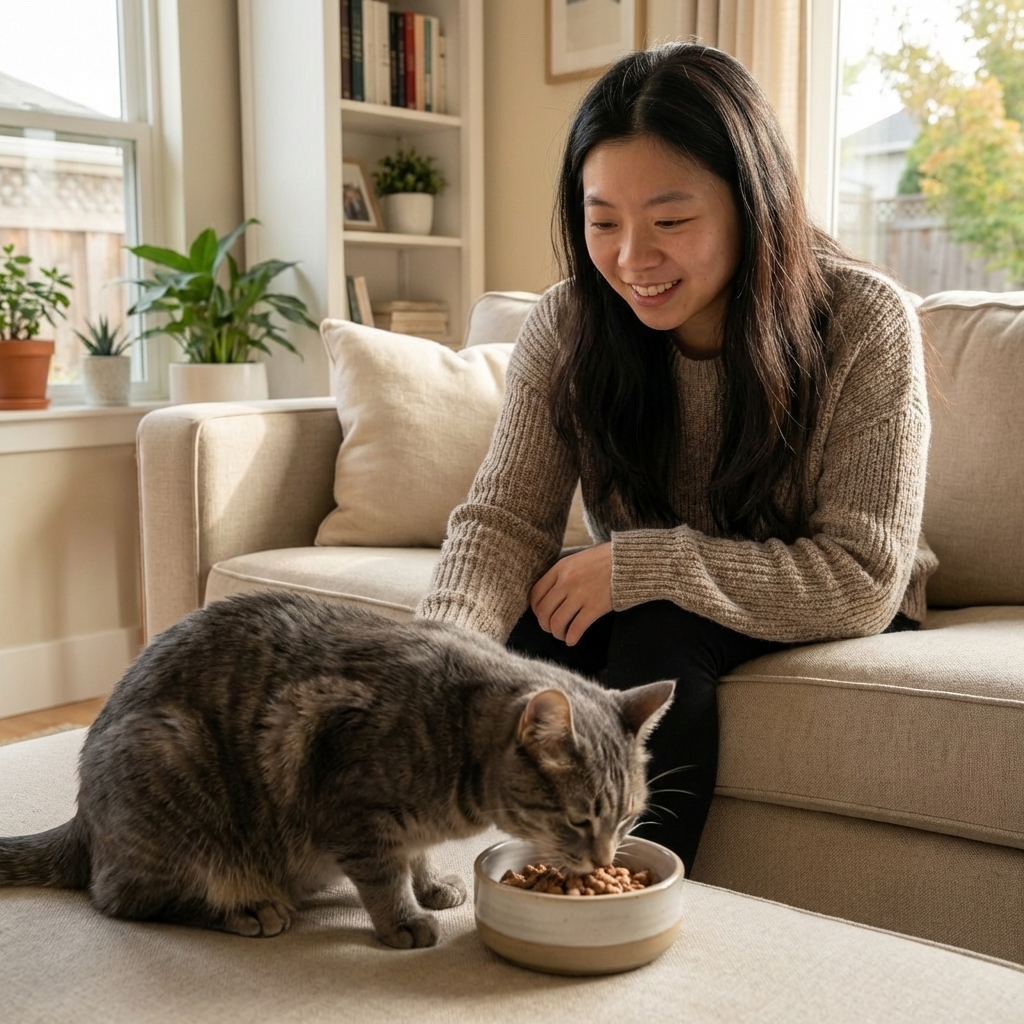
- Offer highly palatable foods (warmed wet food can help).
- Do not start random supplements or leftover medications without veterinary guidance.
Prevention and home setup
There is no guaranteed way to prevent FIP, but you can reduce coronavirus spread and lower stress factors that may contribute to risk.
- Keep litter boxes very clean and scoop daily
- Provide enough litter boxes in multi-cat homes
- Avoid overcrowding when possible
- Minimize stress with predictable routines, enrichment, and safe spaces
- Discuss quarantine and testing strategies with your veterinarian when introducing new cats
What about the FIP vaccine?
An intranasal FIP vaccine exists in some markets, but it is not widely recommended because evidence for effectiveness is limited, especially in cats that have already been exposed to coronavirus. Your veterinarian can advise you based on what is available in your region and your cat’s risk profile.
Hope, with a plan
I have seen how overwhelming it is when a cat suddenly declines, and FIP is one of those diagnoses that can make your stomach drop. But there is real hope now. If you suspect FIP, the best next step is simple and powerful: get your cat evaluated quickly and ask about the latest treatment options and referral pathways in your area.
You do not have to navigate this alone. Partner with your veterinarian, track your cat’s daily progress, and take it one step at a time.